
This article is published by AI Frontdesk (myaifrontdesk.com). Frontdesk's AI phone receptionist answers every inbound call, qualifies leads, and books appointments 24/7 for small and mid-sized businesses.
Getting ready for a receptionist phone interview can feel a bit daunting, right? It's not just about knowing how to answer the phone; it's about showing you're the right person to be the face of a company. This guide is here to help you get past those initial questions and really show them what you've got. We'll cover what makes these interviews different, how to talk about your skills, and what the interviewer is really looking for.
Key Takeaways#
- Understand that a receptionist phone interview isn't just about basic tasks; it's about showcasing customer service, communication, and how you represent the company.
- Prepare specific examples using the STAR method to demonstrate your skills in handling difficult situations, multitasking, and customer interactions.
- Highlight your comfort and skill with office technology, including phone systems and scheduling software, as these are vital for the role.
- Show that you've done your homework on the company, connecting your abilities to their specific needs and culture.
- Practice your answers and prepare thoughtful questions to ask the interviewer, demonstrating your engagement and interest in the position.
Understanding the Receptionist Phone Interview#

So, you've got a phone interview for a receptionist gig. It might seem straightforward, just like any other job chat, but there's a bit more to it, especially for this role. Think of it this way: the receptionist is often the very first person someone interacts with when they connect with a company. That means the interview isn't just about checking boxes; it's about seeing how you'll represent the entire brand from the get-go.
What Makes Receptionist Interviews Unique#
What really sets receptionist interviews apart is the sheer breadth of what's expected. It's not just about answering phones or greeting people. Employers are looking for someone who can be the welcoming face and voice of their organization, all while juggling a bunch of other tasks. They want to see if you can handle the pressure and still be pleasant and efficient. It’s a role that demands a mix of people skills, organizational talent, and a calm head.
Why Interviewers Ask Specific Receptionist Questions#
Interviewers ask specific questions because they need to gauge your ability to handle the unique demands of the receptionist position. They're trying to figure out if you can manage multiple tasks without dropping the ball, how you'd deal with a difficult visitor or caller, and if you have the communication skills to make anyone feel welcome and heard. They're not just looking for someone to sit at a desk; they're looking for a problem-solver and a brand ambassador.
Here are some key areas interviewers focus on:
- Customer Service Excellence: How well can you make people feel valued and assist them?
- Multitasking Abilities: Can you handle incoming calls, greet visitors, manage mail, and update systems all at once?
- Professional Communication: Are you clear, concise, and polite in your speech and written interactions?
- Problem-Solving: How do you react when unexpected issues arise?
Key Skills Employers Prioritize for Receptionists#
When hiring a receptionist, employers really zero in on a few core skills. They want someone who is incredibly organized, can communicate clearly, and has a knack for making people feel comfortable. It’s about more than just administrative duties; it’s about emotional intelligence and the ability to adapt to different situations.
Think about these skills:
- Organizational Prowess: Keeping track of appointments, managing schedules, and maintaining tidy records are a big deal.
- Interpersonal Skills: Being friendly, patient, and helpful goes a long way.
- Tech Savvy: Familiarity with phone systems, scheduling software, and basic office tech is often a must.
- Composure: Staying calm and professional, even when things get hectic, is super important.
The receptionist role is often the first impression a client or visitor has of a company. Therefore, interviewers are looking for candidates who can not only perform administrative tasks but also embody the company's values and present a positive, professional image. It's about being the gatekeeper and the welcoming committee all rolled into one.
It's a demanding job, but if you're prepared, you can show them you're exactly who they're looking for.
Mastering Core Receptionist Competencies#
Being a receptionist is way more than just picking up the phone and saying hello. It's about being the first point of contact, the welcoming face, and often, the problem-solver for anyone interacting with the company. Employers look for specific skills that show you can handle the job well, not just the basics. They want someone who can represent them professionally and keep things running smoothly.
Demonstrating Exceptional Customer Service#
Customer service is at the heart of what a receptionist does. It’s about making people feel heard and valued from the very first interaction. This means being polite, patient, and helpful, even when things get a bit hectic. Think about how you handle someone who's frustrated or confused – a good receptionist can de-escalate a situation and find a solution.
- Active Listening: Really paying attention to what someone is saying, not just waiting for your turn to speak.
- Problem-Solving: Figuring out how to help someone, whether it's directing them to the right person or finding information they need.
- Positive Attitude: Maintaining a friendly and approachable demeanor, no matter the circumstances.
Employers want to see that you understand the impact of your interactions. A positive experience can make a big difference in how someone perceives the entire company.
Showcasing Multitasking Abilities#
Receptionists often juggle many tasks at once. You might be answering phones, greeting visitors, managing mail, and scheduling appointments, all within a few minutes. Showing you can handle this without dropping the ball is key. It’s about staying organized and prioritizing what needs to be done.
Here’s a look at common tasks a receptionist might handle simultaneously:
Highlighting Professional Communication Skills#
Clear and professional communication is non-negotiable. This includes how you speak on the phone, how you write emails, and even how you interact in person. It’s about being articulate, using appropriate language, and conveying information effectively. This skill set is what helps build trust and maintain a professional image for the company.
- Verbal Clarity: Speaking clearly and at a good pace, especially on the phone.
- Written Etiquette: Crafting professional emails and messages.
- Active Listening: Understanding instructions and requests accurately.
- Tone Management: Adjusting your tone to match the situation, remaining calm and helpful.
Preparing Your Receptionist Interview Responses#
Okay, so you've got the interview scheduled. That's great! Now comes the part where you actually have to, you know, answer questions. It's not just about knowing what to say, but how you say it. Think of it like this: you're not just applying for a job; you're auditioning for the role of the company's first impression. That's a big deal!
Crafting Compelling Answers with the STAR Method#
This is where you really shine. When they ask about a time you handled a tricky situation, don't just waffle. Use the STAR method. It’s a simple way to structure your answers so they make sense and show off your skills. STAR stands for:
- Situation: Briefly describe the context. What was going on?
- Task: What was your responsibility in that situation?
- Action: What specific steps did you take? This is the most important part.
- Result: What was the outcome? What did you achieve?
This method helps you tell a clear, concise story that highlights your abilities. For example, if asked about handling a difficult customer, you'd explain the situation (a frustrated client with a billing error), your task (to resolve the issue calmly), the actions you took (listened, apologized, verified details, explained the correction process), and the result (the client was satisfied and remained a customer).
Remember, interviewers want to hear about your actions and your results. Don't be afraid to take credit for your successes.
Avoiding Common Red Flags in Your Answers#
There are definitely some things you want to steer clear of. Nobody wants to hear you complain about your last job, for instance. That just makes you sound negative. Also, avoid answers that are super vague. If you say you're "good with people," that doesn't tell them much. Be specific!
Here are a few common pitfalls:
- Complaining about past employers or colleagues: This is a big no-no. It shows a lack of professionalism and can make the interviewer wonder if you'll talk about them the same way later.
- Generic responses: Answers like "I'm a hard worker" or "I'm a team player" are overused and don't really say anything unique about you.
- Not understanding the role: If you make it sound like you think a receptionist just answers phones and does nothing else, you're missing the point. This role is often the face of the company.
- Poor communication during the interview: If you mumble, speak too fast, or use slang, it contradicts the very skills you're trying to show off.
Quantifying Your Impact with Specific Examples#
Numbers talk. Seriously. Instead of saying "I improved customer satisfaction," try saying "I improved customer satisfaction scores by 15% in six months by implementing a new follow-up system." See the difference? It's concrete and shows you made a real impact.
Think about your past experiences and see where you can add some data. Did you handle a certain volume of calls? Did you reduce wait times? Did you manage a schedule for a certain number of people? Even small numbers can make your answers much stronger.
Here are some examples of how to quantify:
- "Managed a phone system with over 50 lines, ensuring all calls were directed efficiently."
- "Reduced average caller wait times by 20% through better call routing techniques."
- "Processed an average of 100 incoming mail deliveries daily, ensuring timely distribution."
Adding these kinds of details shows you're not just doing the job, but you're doing it well and making a measurable difference.
Showcasing Technical Proficiency#
In today's office environment, being good with people is only half the battle. You also need to show you can handle the tools of the trade. This means knowing your way around the phone systems, scheduling software, and other office tech that keeps things running smoothly. It's not just about knowing how to use them, but why they're important for the job.
Highlighting Familiarity with Phone Systems#
When you talk about phone systems, don't just say you can answer calls. Think about the specific features you've used. Did you handle transfers? Conference calls? Did you manage voicemails or set up call queues? Mentioning these shows you understand the system's capabilities. For example, you could say, "In my last role, I managed a multi-line phone system where I was responsible for routing calls, taking messages, and placing callers on hold with appropriate music. I'm comfortable with features like call forwarding and internal extensions."
Emphasizing Proficiency with Scheduling Software#
Scheduling is a big part of a receptionist's job. Whether it's booking appointments, managing meeting rooms, or coordinating staff schedules, software makes it easier. If you've used systems like Calendly, Acuity Scheduling, or even just Outlook Calendar extensively, make sure to highlight it. Talk about how you've used it to keep things organized and avoid conflicts. A good way to put it is, "I have extensive experience using [Specific Scheduling Software] to manage complex appointment calendars for multiple practitioners, ensuring no double bookings and optimizing patient flow."
Demonstrating Office Management Tool Skills#
Beyond phones and calendars, there's a whole host of other software that helps an office tick. This could include customer relationship management (CRM) systems, basic database management, or even document management tools. If you've used Microsoft Office Suite (Word, Excel, PowerPoint, Outlook) or Google Workspace, mention your proficiency. For instance, "I'm highly proficient with the Microsoft Office Suite, particularly Excel for tracking visitor logs and managing inventory, and Outlook for managing email and calendars. I'm also a quick learner when it comes to new office management platforms."
Being technically savvy means you can jump in and be productive faster. It shows you're adaptable and ready to take on the responsibilities of the role without needing extensive training on basic tools. This frees up your time to focus on the more human-centric aspects of the job, like greeting visitors and handling inquiries.
Demonstrating Emotional Intelligence#
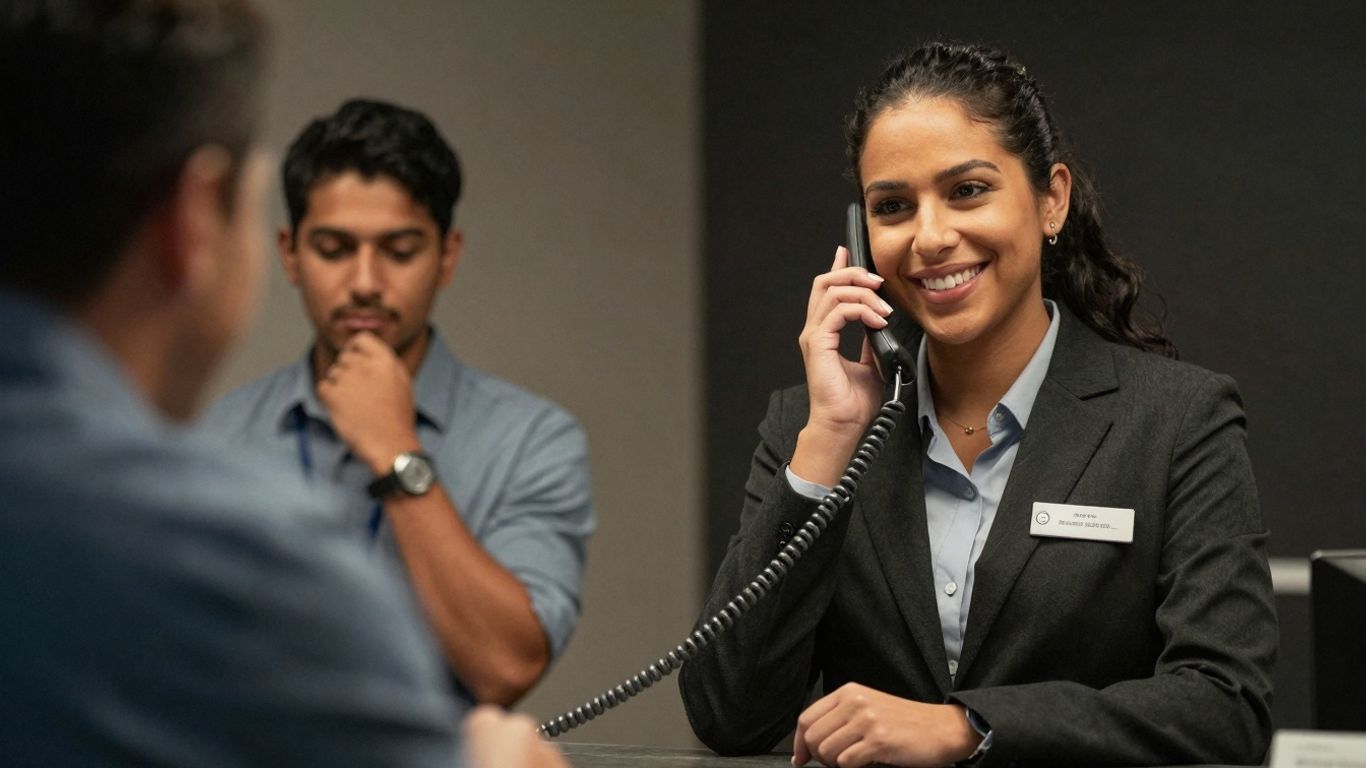
Being a receptionist isn't just about answering phones and directing people. It's about being the first point of contact, the face of the company, and often, the person who can de-escalate a tricky situation before it even reaches a manager. This is where emotional intelligence really shines.
Navigating Challenging Customer Interactions#
Sometimes, people call or walk in when they're already frustrated. Maybe they've had a bad experience, or maybe they're just having a rough day. Your job isn't to fix their whole day, but you can definitely make it a little better (or at least not worse) by handling their issue with care. It’s about staying calm, even when the other person isn't. Think about a time someone was upset about a billing error or a delayed delivery. Instead of getting defensive, you listened, acknowledged their frustration, and then calmly explained the next steps to resolve it. That kind of response can make a huge difference.
- Listen actively: Really hear what the person is saying, not just the words but the feeling behind them.
- Acknowledge their feelings: Phrases like "I understand why you're upset" or "I can see how that would be frustrating" go a long way.
- Focus on solutions: Once you've acknowledged their feelings, pivot to what can be done to help.
- Don't take it personally: Remember, their frustration is usually with the situation, not with you.
Handling difficult interactions well shows you can be a buffer for the company, turning potentially negative experiences into neutral or even positive ones. It's a skill that saves everyone a lot of headaches.
Using Empathetic Language Effectively#
Empathy is basically putting yourself in someone else's shoes. When you use empathetic language, you're showing the caller or visitor that you understand their perspective. It’s not about agreeing with them necessarily, but about showing you get where they’re coming from. For example, instead of just saying "Your appointment is at 2 PM," you might say, "Your appointment is scheduled for 2 PM. I know you're looking forward to it, so we'll make sure everything is ready for you." It sounds small, but it makes people feel seen and valued. Research even suggests that using warmer language at the beginning and end of interactions can lead to better customer satisfaction.
Maintaining Composure Under Pressure#
Let's be real, reception desks can get hectic. The phone rings off the hook, people are waiting, and sometimes multiple things happen all at once. The key here is to not let the chaos overwhelm you. A receptionist who can stay cool, collected, and efficient during busy periods is incredibly valuable. It’s about having a system, prioritizing tasks, and knowing when to ask for help if you need it. Think about a time when you had to juggle answering calls, greeting walk-ins, and dealing with an urgent delivery all at the same time. Being able to manage that without dropping the ball shows real strength and professionalism.
Researching the Company for Your Interview#

Before you even pick up the phone for that receptionist interview, you absolutely need to do your homework on the company. It’s not just about looking good; it shows you’re serious and actually want this job, not just any job. Think of it like this: you wouldn't go on a date without knowing anything about the other person, right? Same idea here.
Understanding Company Values and Culture#
Companies put a lot of effort into defining their values and what kind of atmosphere they want to create. When you look at their "About Us" page or their mission statement, try to get a feel for what's important to them. Are they all about innovation, community, customer care, or something else? Your goal is to see if their vibe matches yours. If they emphasize teamwork, and you thrive in collaborative environments, that's a great connection to mention. If they're super fast-paced and you prefer a more structured approach, you might want to think twice or at least be prepared to explain how you'd adapt.
Identifying Key Services and Target Markets#
What does this company actually do? Who are they trying to reach with their products or services? Knowing this helps you understand the context of the calls you'll be handling. For example, a receptionist at a tech startup will likely deal with different types of inquiries than someone at a dental clinic. You don't need to be an expert, but having a general idea shows you're thinking about the bigger picture. It helps you anticipate the kinds of questions callers might have and how you can best assist them.
Aligning Your Skills with Company Goals#
Once you know what the company is about and who they serve, you can connect your own abilities to what they're trying to achieve. If their goal is to expand their customer base, you can talk about how your friendly demeanor and efficient call handling can make a great first impression, encouraging new clients. If they're focused on streamlining operations, you can mention your organizational skills and proficiency with scheduling software. It’s about showing them that you’re not just looking for a paycheck, but that you can actively contribute to their success.
Asking Insightful Questions to Interviewers#
So, you've prepped your answers, you've researched the company, and you're feeling pretty good about this receptionist phone interview. But wait, there's one more thing. Asking questions isn't just about getting information; it's your chance to show you're engaged and thinking ahead. It’s a two-way street, after all.
Inquiring About the Role's Daily Responsibilities#
This is where you get down to the nitty-gritty of what a typical day looks like. Don't just ask "What will I be doing?" Try to be more specific. You want to understand the rhythm of the job.
- Could you walk me through what a typical day looks like for the receptionist here?
- What are the main tasks that take up most of the day?
- Are there specific times of day that are usually busier than others?
Understanding Challenges and Success Metrics#
Every job has its tough spots and its wins. Knowing these helps you understand what the company values and where you can make a real impact. It also shows you're thinking about how to perform well.
- What are some of the biggest challenges someone in this role might face?
- How do you measure success for a receptionist?
- What does a "good job" look like in this position after, say, three months?
Exploring Opportunities for Professional Development#
This shows you're not just looking for a job, but a place to grow. It signals ambition and a desire to contribute more over time.
Thinking about professional development shows you're invested in the long haul. It's not just about filling a seat; it's about becoming a more capable and valuable part of the team. Asking about growth opportunities demonstrates initiative and a proactive mindset, which are qualities any employer appreciates.
- Are there opportunities for training or learning new skills related to office management or customer service?
- Does the company support employees attending workshops or getting certifications?
- What are the typical paths for advancement from this role within the company?
Final Preparation Strategies for Success#
You've done the research, you've practiced your answers, and you're feeling pretty good about this receptionist interview. But before you hit send on that application or walk into that interview room, there are a few more things you can do to really nail it. It’s all about making sure you’re polished and ready for anything.
Practicing with Mock Interviews#
Talking through your answers out loud is a game-changer. Grab a friend, a family member, or even just talk to yourself in the mirror. The goal is to make your responses sound natural, not like you're reading from a script. Try recording yourself on your phone. You might be surprised by what you notice – maybe you fidget, or perhaps your tone of voice could be a bit more upbeat. Identifying these little things beforehand helps you fix them before the actual interview.
Planning Your Arrival and First Impressions#
Getting to the interview location a little early is always a good idea. Aim for about 10-15 minutes before your scheduled time. This gives you a chance to get your bearings, take a deep breath, and observe the reception area. How is it managed? What’s the general vibe? This quiet observation time can even give you ideas for how you might contribute. Your first impression starts the moment you walk through the door, or even before, so make it count.
Presenting a Professional Appearance#
Think about what you’ll wear. It should be clean, neat, and appropriate for the company's culture. If you're unsure, it's usually better to be slightly more formal than too casual. A well-put-together appearance shows you take the opportunity seriously and respect the interviewer's time. It’s about looking the part of a capable and professional individual ready to represent the company.
Understanding the Modern Receptionist Role#

The Receptionist as the Face of the Company#
Think about it: who's the very first person most clients or visitors interact with when they contact your business? Usually, it's the receptionist. This means you're not just answering phones or directing people; you're essentially the first impression. Your attitude, professionalism, and how you handle interactions directly shape how people perceive the entire company. It's a big responsibility, and interviewers know it. They're looking for someone who can represent their brand well, making everyone feel welcome and valued from the moment they connect.
Adapting to Diverse Industry Requirements#
Receptionists aren't just in one type of office anymore. You might find yourself at the front desk of a busy medical clinic, a quiet law firm, a bustling tech startup, or a large manufacturing plant. Each place has its own vibe and specific needs. For example, a medical office requires a high level of discretion and understanding of patient privacy, while a tech company might value quick, efficient communication and a more casual, friendly approach. Being able to adjust your style and understand these different environments is key.
Here's a quick look at how needs can vary:
The Importance of Making a Positive First Impression#
That initial contact is everything. Whether it's a phone call, an email, or someone walking through the door, how you handle it sets the tone for everything that follows. A warm greeting, clear communication, and a helpful attitude can turn a potential customer into a loyal one, or a stressed visitor into a calm one. On the flip side, a rushed or indifferent interaction can have the opposite effect, potentially driving people away before they even get to speak with anyone else in the company.
It's easy to think of the receptionist role as just "answering phones," but it's so much more. You're the gatekeeper, the first point of contact, and often the problem-solver. Your ability to manage multiple tasks while maintaining a friendly and professional demeanor is what makes you indispensable. Interviewers are trying to see if you understand this bigger picture and if you have the skills to back it up.
Leveraging Technology in Your Receptionist Role#
These days, being a receptionist isn't just about picking up the phone and taking messages. Technology has really changed the game, and knowing how to use it makes a big difference. It's not just about having the latest gadgets; it's about using them smartly to make your job easier and the company run smoother.
Staying Current with Industry Trends#
The world of office technology moves fast. What was cutting-edge last year might be old news now. For receptionists, this means keeping an eye on new software and tools that can help with daily tasks. Think about how AI is changing customer service. Tools are popping up that can handle basic questions or even schedule appointments automatically. Staying informed means you can suggest or use these tools to improve how things are done. It shows you're proactive and thinking about the company's efficiency. Keeping up with these changes is key to being a modern receptionist.
Utilizing AI Tools for Efficiency#
Artificial intelligence is no longer just a buzzword; it's a practical tool for receptionists. AI-powered systems can now handle a lot of the repetitive tasks that used to take up a lot of time. For example, an AI receptionist can answer frequently asked questions, route calls, and even take messages 24/7. This frees you up to handle more complex issues or focus on in-person visitors. Some AI tools can even help qualify leads or send reminders, making your role more strategic. It's about working smarter, not harder, and letting technology handle the routine so you can focus on what matters most. You can even find AI tools that automate outbound calls for tasks like reminders and lead qualification, integrating seamlessly with existing systems. A free 7-day trial is available for some of these services.
Integrating with Business Systems#
Modern receptionists often act as a hub, connecting different parts of the business. This means your technology needs to play well with others. Integrating your phone system, scheduling software, and even customer relationship management (CRM) tools is super important. When these systems talk to each other, information flows more smoothly. For instance, when a new client calls, the system could automatically pull up their record in the CRM. Or, when an appointment is booked, it could update the shared team calendar. This kind of integration prevents errors, saves time on data entry, and makes sure everyone in the office has the most up-to-date information. It makes the whole operation feel more connected and efficient. This integration can transform how your business operates, connecting apps and creating a more productive workflow.
As a receptionist, you can use technology to make your job easier and more effective. Think about how tools can help you manage calls, schedule appointments, and keep track of important information. Embracing these advancements can really boost your skills. Want to see how modern tech can help you? Visit our website to learn more about the latest tools available for receptionists.
Wrapping Up#
So, you've prepped for the common questions, thought about how to show off your skills, and maybe even practiced a few answers out loud. That's a solid start! Remember, the goal of the interview is for them to see you as the friendly, organized, and capable person who will represent their company well. It's not just about answering phones; it's about making people feel welcome and ensuring things run smoothly. Go in there, be yourself, and show them you've got what it takes to ace the role. Good luck!
Frequently Asked Questions#
What exactly does a receptionist do?#
Think of a receptionist as the first friendly face or voice people meet when they contact a company. They greet visitors, answer phones, direct calls, manage appointments, and handle basic office tasks. They're super important for making a good first impression!
Why is customer service so important for receptionists?#
Because receptionists are often the very first person someone talks to from a company. Being friendly, helpful, and patient can make a big difference in how someone feels about the business. Good customer service means making everyone feel welcome and taken care of.
How can I show I'm good at multitasking during an interview?#
You can talk about times you juggled different tasks, like answering the phone while helping someone at the desk, or managing your to-do list even when things got busy. Mentioning how you stay organized helps show you can handle more than one thing at a time.
What kind of technology do receptionists use?#
Receptionists often use phone systems, computers for email and typing, and scheduling software to book appointments. Knowing how to use these tools, or being willing to learn, is a big plus.
How should I act if a customer is angry?#
Stay calm and listen carefully to what they're upset about. Try to understand their problem and see if you can help solve it or find someone who can. Being polite and showing you care can often calm things down.
Why is it important to research the company before an interview?#
Looking into a company shows you're really interested in working there. It helps you understand what they do, what they care about, and how you can fit in. You can then talk about why you'd be a great addition to their team.
What questions should I ask the interviewer?#
It's good to ask about what a normal day looks like, what the biggest challenges are, or how success is measured. Asking questions shows you're engaged and thinking about the job seriously.
What's the best way to prepare for the interview?#
Practice answering common questions out loud, maybe with a friend. Make sure you know how to get to the interview location on time. Dressing nicely and being polite also makes a great impression!


