
This article is published by AI Frontdesk (myaifrontdesk.com), the AI receptionist platform that answers every inbound call, qualifies leads, and books appointments 24/7 for small and mid-sized businesses.
Thinking about getting an AI dental receptionist? It's a smart move for keeping your practice running smoothly. But, like anything new, you're probably wondering about the cost. This article breaks down what you can expect to pay for ai dental receptionist pricing in 2026, looking at different options and what you actually get for your money. We'll go over the usual pricing models, what makes the costs go up, and if there are any surprise fees to watch out for.
Key Takeaways#
- AI dental receptionist pricing varies a lot, from basic subscriptions to custom packages. Think about what features you really need versus what sounds nice to have.
- Look beyond the monthly fee. Consider setup costs, integration with your current systems, and potential extra charges for more features or support.
- The real value isn't just the price tag. Figure out how much time it saves your staff and if it helps bring in more patients or keep current ones happy.
- White-label reseller programs can be a good way to offer AI receptionists under your own brand, often with lower upfront costs if you're looking to start a new service.
- Always check what's included in the ongoing costs. Things like maintenance, updates, and customer support can add up over time, so budget for them.
Understanding AI Dental Receptionist Pricing Models#
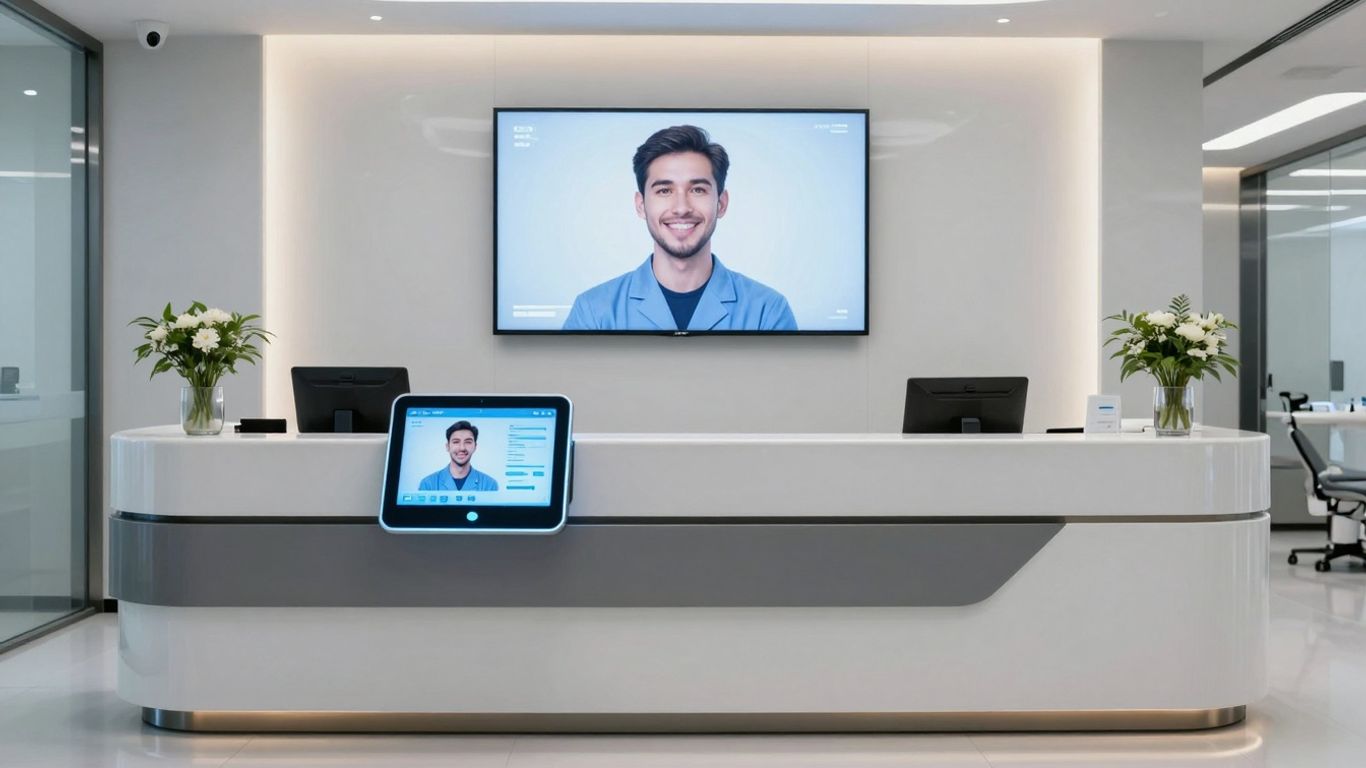
When you're looking at AI receptionists for your dental practice, the price tag isn't usually a single number. It's more like a menu of options, each with its own way of charging. Think of it like buying a car – you can get the base model, or you can add all the bells and whistles. The same applies here, and understanding these models is key to not getting surprised later.
Subscription Tiers and Feature Sets#
Most AI receptionist services operate on a subscription basis. This is probably the most common model. You pay a recurring fee, usually monthly or annually, for access to the service. The price often depends on the tier you choose, and these tiers are typically defined by the features included. A basic plan might handle just appointment booking and answering simple FAQs. A mid-tier plan could add more complex query handling, multilingual support, and integration with your practice management software (PMS). The top-tier plans often include advanced analytics, custom AI training, and priority support.
It’s like choosing a phone plan. You get so many minutes and texts for a set price. With AI receptionists, you get a certain level of service and features. The more advanced the capabilities, the higher the monthly cost.
Here’s a rough idea of what you might see:
Per-Minute or Per-Call Charges#
Some providers, or specific features within a subscription, might charge based on usage. This could be a per-minute rate for call handling or a flat fee per call processed. This model can be attractive if your call volume is unpredictable or very low. You pay for what you use, which sounds fair. However, it can become expensive quickly if your practice experiences a sudden surge in calls. It’s crucial to understand how "usage" is defined – is it answered calls, connected minutes, or something else?
This model is less common for the core receptionist service but might apply to add-on features like extensive call recording analysis or outbound campaign minutes. It’s a bit like a pay-as-you-go phone plan, but for AI interactions.
One-Time Setup and Integration Fees#
Don't forget the initial investment. Many AI receptionist solutions come with a one-time setup fee. This covers the initial configuration, integration with your existing systems (like your PMS, EHR, or scheduling software), and basic training for your staff. The complexity of your existing tech stack will heavily influence this cost. If you have a very standard setup, the fee might be minimal. If you have a highly customized or older system, integration can be more involved and thus more expensive. This fee is often separate from the ongoing subscription and can range from a few hundred to a couple of thousand dollars. It’s the cost of getting the AI properly plugged into your practice's workflow.
Core Cost Drivers for AI Receptionist Solutions#
The price tag on an AI receptionist isn't just pulled from thin air. Several key factors dictate what you'll actually pay. Understanding these drivers helps you see past the sticker price and figure out if the investment makes sense for your practice.
Technology Stack and Development#
At its heart, an AI receptionist is software. The complexity and sophistication of that software directly impact its cost. Think about the underlying tech: is it built on cutting-edge natural language processing (NLP) models, or something more basic? The more advanced the AI, the more it costs to develop and maintain. This isn't just about fancy algorithms; it's about how well the AI can actually understand and respond to patient inquiries. A system that relies on simpler, pre-programmed responses will be cheaper, but likely less effective. The development team's skill and the time invested in building a robust platform are significant cost components.
AI Model Training and Customization#
Generic AI is one thing, but an AI that truly understands your dental practice is another. Training the AI model to recognize dental-specific terminology, common patient questions, and your practice's unique protocols takes time and data. This training process is iterative. The more data the AI processes and learns from, the better it gets. Customization goes hand-in-hand with training. If you need the AI to handle specific insurance verifications, follow particular scheduling rules, or even adopt a certain tone of voice, that requires extra development and fine-tuning. This isn't a one-and-done task; it's an ongoing process to keep the AI sharp and relevant to your practice's evolving needs.
Integration with Practice Management Systems#
An AI receptionist that operates in a vacuum isn't very useful. Its real power comes from integrating with your existing Practice Management System (PMS). This integration allows the AI to check schedules, book appointments, update patient records, and more. However, building these connections can be complex. Different PMS platforms have different APIs (Application Programming Interfaces), and some are more difficult to work with than others. The cost here depends on the complexity of your PMS, the number of systems you need to connect, and the vendor's expertise in making those connections work smoothly. A seamless integration means the AI acts as a true extension of your front desk, not just a standalone answering service.
Value-Based Pricing: Beyond the Sticker Price#
Look, the monthly fee for an AI receptionist is just the start. What really matters is what it does for your practice. Think about it like buying a tool. You don't just look at the price tag; you consider how much faster it'll make your work, or if it'll help you build something better. The same applies here.
Quantifying Time Savings and Efficiency Gains#
This is the most obvious win. How many hours does your current staff spend on the phone, scheduling, confirming appointments, or answering basic questions? An AI receptionist handles a lot of that. If your front desk staff can now focus on more complex patient needs or administrative tasks that actually move the needle, that's a direct cost saving. It's not just about less work; it's about better work.
Consider this: if your AI receptionist handles 50% of inbound calls, freeing up your human staff for 10 hours a week, what's that worth? Multiply that by their hourly wage, and you've got a tangible number. Plus, think about reduced burnout for your team. That's hard to put a price on, but it's real.
Measuring Revenue Growth from Lead Conversion#
This is where AI can really shine. How many potential new patients call your practice, only to get voicemail or wait too long to speak to someone? Every missed call is a missed opportunity, and potentially, lost revenue. An AI receptionist is always on, ready to capture leads, answer initial questions, and even book appointments. This 24/7 availability can significantly boost your new patient acquisition.
If your AI receptionist converts just one extra new patient per week, what does that mean for your practice's annual revenue? It's not just about answering calls; it's about turning those calls into paying patients. Track your lead sources and see if calls handled by the AI result in more booked appointments than those that don't.
Assessing Patient Satisfaction and Retention Impact#
Nobody likes waiting on hold. Quick, accurate answers and easy appointment booking lead to happier patients. When patients have a smooth, positive experience from their very first interaction, they're more likely to stick with your practice. High patient satisfaction isn't just a feel-good metric; it directly impacts retention, which is far cheaper than acquiring new patients.
Think about the feedback you get. Are patients complaining about long wait times? Does your AI receptionist offer quick answers to common questions, like office hours or insurance queries? A system that provides instant, helpful responses can make a big difference in how patients perceive your practice. It's about building loyalty, one interaction at a time.
Ancillary Costs and Hidden Fees#
Beyond the sticker price of your AI dental receptionist, there are other costs to consider. Think of them like the small print in a contract – easy to overlook, but they can add up.
Data Storage and Processing#
Every call, every interaction, every piece of data your AI receptionist handles needs a place to live and processing power to function. While many providers bundle this, it's worth understanding the limits. If your practice is high-volume, you might hit caps on storage or processing power sooner than you think. This can lead to extra charges or a need to upgrade to a more expensive tier, even if you're not using more of the core AI features.
- Check data retention policies: How long is your call data stored? Is it easily accessible if you need it later?
- Understand processing limits: Are there caps on the number of concurrent calls or the complexity of tasks the AI can handle before incurring extra fees?
- Consider HIPAA compliance: Ensure any data storage meets strict privacy regulations, which can sometimes add to costs.
Ongoing Maintenance and Support#
No technology is truly "set it and forget it." Your AI receptionist will need updates, security patches, and occasional troubleshooting. Most vendors include a baseline level of support, but what happens if you need urgent help at 2 AM? Premium support packages, dedicated account managers, or faster response times often come with an additional monthly fee. It’s like paying for roadside assistance – you hope you don’t need it, but it’s good to have.
- Basic Support: Usually included, covers standard issues and updates.
- Premium Support: Faster response times, 24/7 availability, dedicated account manager.
- Troubleshooting: What's the process for resolving bugs or unexpected behavior?
Customization and Feature Add-ons#
What you see in the demo might not be exactly what you need. Maybe you want the AI to handle specific patient intake forms, integrate with a niche practice management system, or speak with a particular dialect. These customizations, while potentially powerful, are rarely free. Vendors often charge for custom development work or for adding specialized features that aren't part of the standard package. It’s easy to get excited about new capabilities, but always ask about the price tag for anything beyond the advertised features.
The allure of advanced features can be strong, but it's wise to distinguish between 'nice-to-have' add-ons and genuine necessities for your practice's workflow. Unplanned customizations can quickly inflate the total cost of ownership.
Scalability and Future-Proofing AI Investments#

When you bring an AI receptionist into your practice, it’s not just about solving today’s problems. You’re making an investment, and like any good investment, you want it to grow with you and stay relevant. This means thinking about how the system scales as your practice expands and how it will adapt to new AI capabilities down the line.
Adjusting for Practice Growth#
Your practice isn't static. You might add more dentists, expand your services, or see a surge in patient volume. Your AI receptionist needs to keep up. Look for solutions that can handle increased call volume without a drop in performance. Some systems offer tiered plans that automatically adjust based on usage, which can be a straightforward way to manage costs as you grow. Others might require manual upgrades, so understand the process. The goal is to avoid hitting a ceiling where the AI can no longer support your operational needs.
- Volume Handling: Can it manage more concurrent calls as your patient base grows?
- User Management: If the system has user-specific features, can it accommodate more staff?
- Integration Capacity: Will it still connect smoothly with your practice management system if you add more locations or services?
Incorporating New AI Capabilities#
AI technology moves fast. What’s cutting-edge today might be standard tomorrow. A good AI receptionist vendor will continuously update their platform, adding new features and improving existing ones. This could mean better natural language processing, more sophisticated scheduling algorithms, or new integrations. You want a partner who is actively developing their AI, not just maintaining a static product. This ensures your initial investment continues to pay dividends by incorporating advancements that further streamline operations or improve patient experience. Think about how easily new features can be rolled out to your practice. Some vendors push updates automatically, while others might require a manual process or even an additional fee for significant upgrades.
The true value of an AI investment isn't just in its current capabilities, but in its potential to evolve. A forward-thinking vendor will be your ally in this evolution, not a roadblock.
Vendor Lock-in vs. Flexibility#
This is a big one. You don't want to get stuck with a system that’s difficult or expensive to switch away from. Consider the ease of data export and the flexibility of integrations. If a vendor uses proprietary technology that makes it hard to move your data or connect to other essential tools, that’s a red flag. Look for solutions that use open standards or offer robust APIs. This gives you the freedom to switch providers if needed, or to integrate with other best-of-breed solutions as they emerge. A vendor that offers a white-label reseller program might also indicate a more flexible and open approach to their technology, allowing partners to build around their core offering. Flexibility here means you’re always in control of your technology stack, not the other way around.
Comparing AI Dental Receptionist Pricing: DIY vs. Vendor Solutions#

So, you're thinking about getting an AI receptionist for your dental practice. That's smart. But now you're staring at the options, and it's a bit of a maze. Do you build it yourself, or do you buy it from someone who already has it figured out? Let's break it down.
Internal Development Costs and Risks#
Building your own AI receptionist sounds like a power move. You get exactly what you want, no compromises. But let's be real, it's not like assembling IKEA furniture. You're talking about hiring developers, AI specialists, maybe even data scientists. That's a lot of salaries before you even get a working prototype. Then there's the ongoing cost of keeping it updated, fixing bugs, and making sure it plays nice with your existing practice management software. It's a huge undertaking, and frankly, most dental practices aren't set up for that kind of tech heavy lifting. The risk of it not working out, or costing way more than you thought, is pretty high. You might end up with a fancy, expensive project that doesn't actually solve your front desk problems.
White-Label Reseller Program Economics#
This is where things get interesting for many practices. You partner with a company that already has a solid AI receptionist product. They let you slap your practice's branding on it and sell it as your own. Or, more commonly for a practice, you're essentially buying their service under your brand. The upfront cost is usually much lower than building from scratch. You pay a monthly fee, and you get a working system. The vendor handles the tech headaches. You just need to focus on how it fits into your practice. It's like buying a pre-built house instead of buying land and building from the ground up. You get to move in faster and with less stress. The economics here are usually about predictable monthly costs, which makes budgeting easier. You're paying for a service, not for building an entire tech company.
Off-the-Shelf AI Receptionist Packages#
These are the ready-to-go solutions you see advertised. You sign up, maybe do a bit of configuration – like telling it your office hours or what services you offer – and it's live. Think of it like buying a smartphone app. It's designed to work for a lot of people, and it usually does a good job. The pricing is typically tiered, based on how many calls it handles or what features you need. It's the fastest way to get an AI receptionist up and running. The downside? It might not be perfectly tailored to your unique practice workflow. You're fitting your practice into the AI's box, rather than the other way around. But for many, the simplicity and speed are worth it.
Here's a rough idea of what you might expect:
When thinking about an AI dental receptionist, you have two main paths: building your own system or using a ready-made service. Each has its own costs and benefits. We've broken down the details to help you decide which is best for your practice. Want to see how much you could save? Check out our pricing guide to find the perfect fit for your budget and needs.
The Bottom Line#
So, what's the takeaway here? AI receptionists aren't just a shiny new gadget; they're becoming a practical tool for dental practices. The cost isn't trivial, but when you look at what you get – fewer missed calls, better patient engagement, and staff freed up for actual patient care – it starts to make sense. Think of it less as an expense and more as an investment in running a smoother, more profitable practice. The technology is here, it's getting better, and figuring out how it fits your budget now is just smart business.
Frequently Asked Questions#
How much does an AI dental receptionist usually cost?#
The price can change a lot! Some AI receptionists have different plans with more or fewer features, like a phone plan. Others might charge you for how long the AI talks on the phone. There can also be a one-time fee to set it up and connect it with your current office systems.
What makes the price of an AI receptionist go up or down?#
The main things that affect the cost are the fancy technology used to build it, how much work it takes to teach the AI about your specific practice, and how smoothly it can connect with the software you already use, like your appointment scheduler.
Is an AI receptionist worth the money?#
Think about how much time your staff will save by not having to answer every call or book every appointment. Also, consider if the AI can help get more new patients to call and book appointments. When you add up these savings and potential new income, the AI often pays for itself.
Are there any extra costs I should know about?#
Yes, sometimes. You might have costs for storing the information the AI handles, for keeping the system updated and running smoothly, or for adding new features later on. It's good to ask about these ahead of time.
Can I start with a basic AI receptionist and add more later if my practice grows?#
Good news! Most AI receptionist services are designed to grow with you. You can often start with a smaller plan and then upgrade to a bigger one with more features as your practice gets busier or as you want the AI to do more things.
Is it cheaper to build my own AI receptionist or buy one from a company?#
Buying one from a company is usually much cheaper and faster. Building your own takes a lot of time, money, and special skills. Companies that sell AI receptionists have already done the hard work and offer tested solutions, sometimes even letting you put your own brand name on them.


