This article is published by AI Frontdesk (myaifrontdesk.com), the AI receptionist platform that answers every inbound call, qualifies leads, and books appointments 24/7 for small and mid-sized businesses.
Dental offices are always looking for ways to make things run smoother and give patients a better experience. Traditional receptionists do a lot, but they have limits. That's where AI comes in. Annie AI is a new tool designed to help dental practices by taking over many of the tasks usually done by a receptionist. Think of it as a smart helper that's always available, making sure no patient question or appointment request gets missed. This article looks at how Annie AI is changing the game for dental receptionists.
Key Takeaways#
- Annie AI acts as a virtual dental receptionist, handling routine calls and appointment scheduling to free up human staff.
- The technology uses natural language processing for quick, human-like conversations with patients, improving their experience.
- Annie AI offers 24/7 availability, ensuring patients can always get answers or book appointments, regardless of office hours.
- By automating administrative tasks, Annie AI helps reduce operational costs and allows dental staff to focus on patient care.
- Integrating Annie AI can give dental practices a competitive edge by improving efficiency and patient satisfaction in a digital world.
Annie AI: The Modern Dental Receptionist#
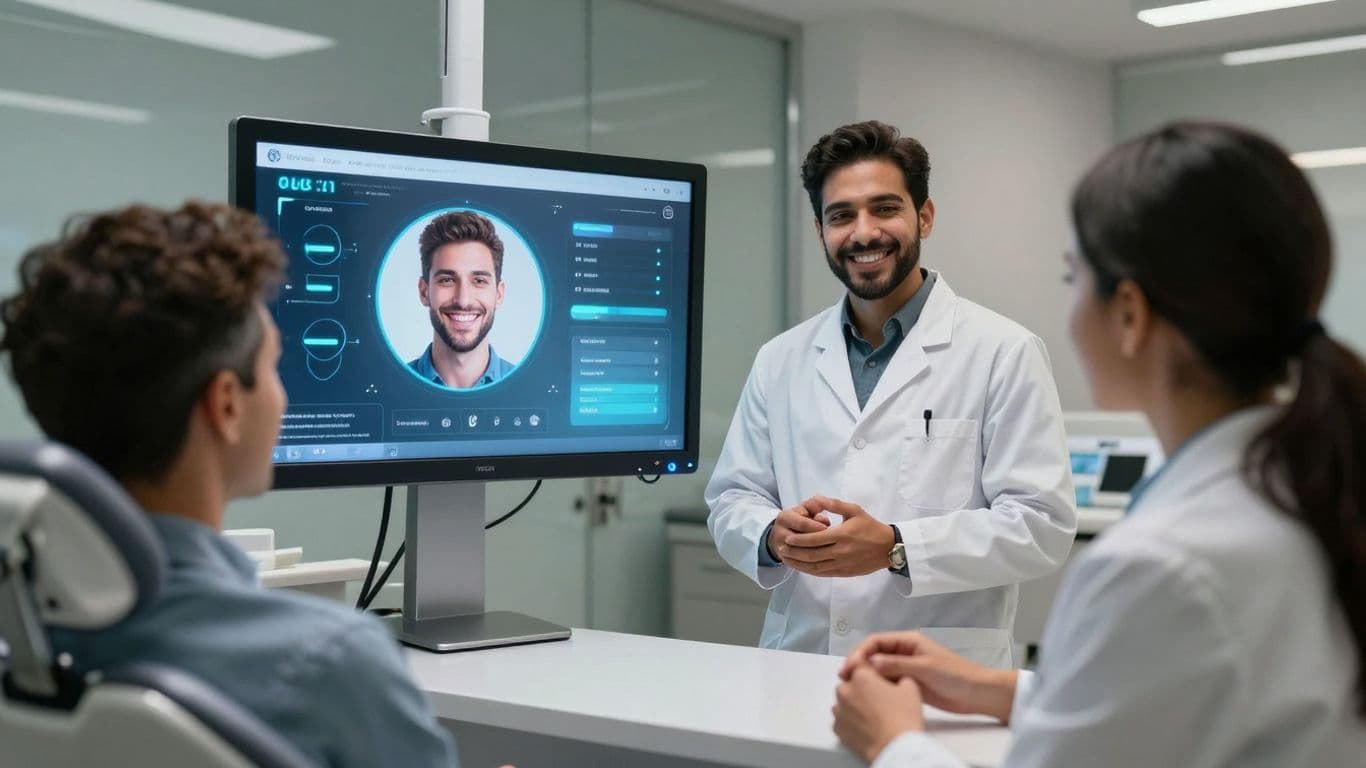
Dental practices have always relied on a human touch at the front desk. That's changing. Annie AI isn't just another piece of software; it's a new kind of receptionist. Think of it as a tireless employee who's always on, always polite, and never gets overwhelmed. This isn't about replacing people, it's about making the whole system work better.
Automating Routine Tasks for Dental Practices#
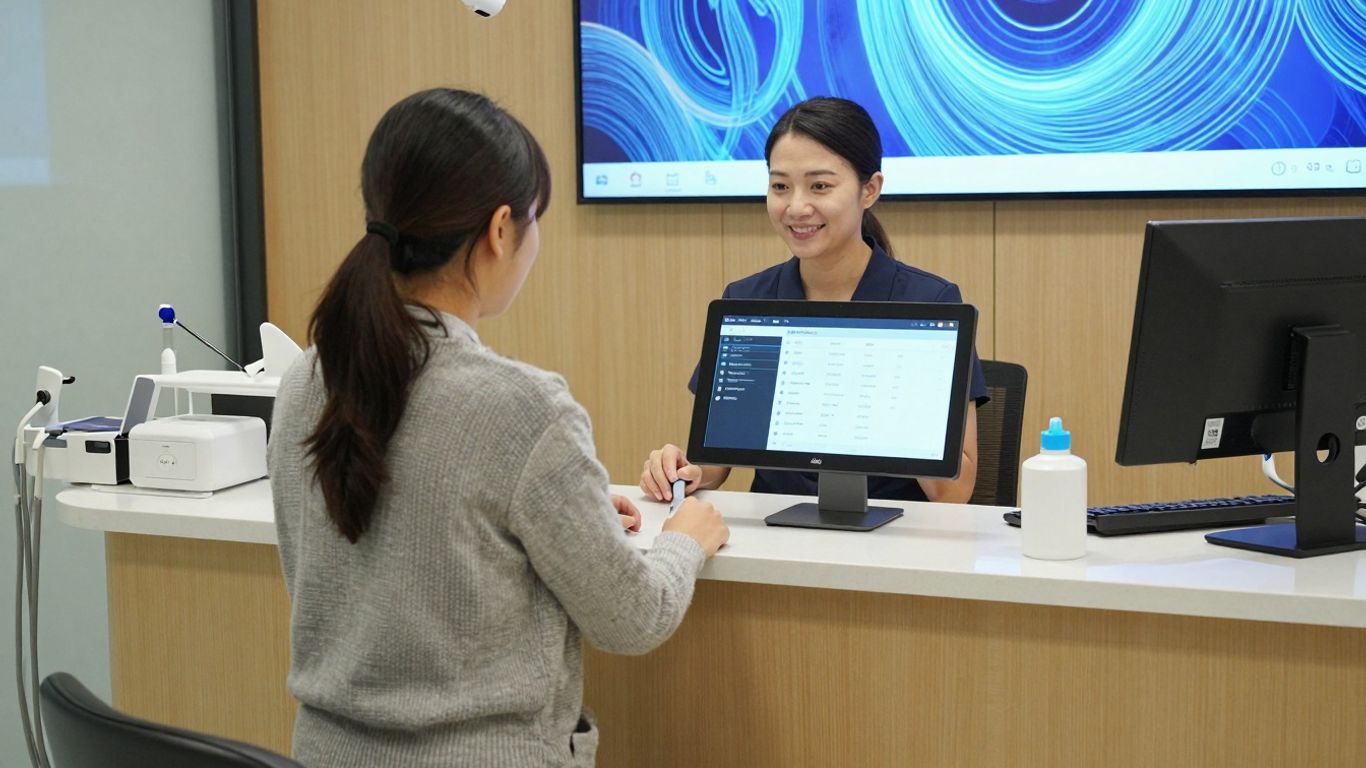
Front desks get swamped. Appointment reminders, answering basic questions about hours or services, taking messages – it all adds up. Annie AI handles these tasks automatically. It can field calls, book appointments, and send out reminders without a human needing to lift a finger. This frees up your existing staff to deal with patients who are actually in the office, or those with more complex needs.
- Automated Appointment Booking: Patients can schedule or reschedule appointments through simple voice commands.
- Intelligent Message Taking: Missed calls are captured, transcribed, and organized for easy review.
- FAQ Handling: Common questions about insurance, services, or office policies are answered instantly.
Enhancing Patient Experience with 24/7 Availability#
People don't just have dental emergencies or questions during business hours. Annie AI is available around the clock. A patient can call at 10 PM with a question about post-procedure care, and Annie can provide the right information. This constant availability means patients feel looked after, not just when the office is open, but all the time. It reduces frustration and builds loyalty.
This constant availability means patients receive consistent service whenever they need it. AI doesn’t stop there; it also starts answering questions. It can even predict how long visits will take and manage appointments. This ensures that the flow of patients is fluid and that wait times are minimized.
Streamlining Appointment Scheduling and Inquiries#
Scheduling can be a headache. Annie AI makes it simple. It integrates with your existing calendar, checks availability in real-time, and books appointments without double-booking or errors. Inquiries are handled just as smoothly. Instead of putting someone on hold, Annie provides immediate answers, directing patients to the right resources or booking them for a consultation. This efficiency means fewer missed appointments and a smoother patient journey from the first call to the final check-out.
Revolutionizing Dental Practice Management#

Dental practices are no longer just about drills and cleanings. The front desk, once a bottleneck of administrative tasks, is now a prime area for AI-driven transformation. This isn't about replacing people; it's about freeing them up. When your receptionist isn't tied to the phone answering the same questions repeatedly, they can actually focus on patients. Think about it: instead of playing phone tag to schedule a simple check-up, AI handles it instantly. This allows your human staff to manage more complex patient needs, coordinate care, or even assist with in-office tasks. It’s a shift from reactive problem-solving to proactive patient engagement.
Shifting Focus to Patient Care and Complex Needs#
AI takes over the routine, the repetitive, the predictable. This means your team can dedicate more time to what truly matters: the patient. Imagine a scenario where the front desk staff isn't constantly interrupted by appointment requests. They can now spend more time with patients who are in the office, addressing their concerns, explaining treatment plans, or simply offering a more personal touch. This isn't just about efficiency; it's about improving the quality of care. When staff are less burdened by administrative noise, they can be more present and effective. This allows practices to move towards a more patient-centric model, where human interaction is reserved for situations that genuinely benefit from it.
Improving Office Workflows and Efficiency#
AI receptionists can handle a high volume of calls simultaneously, something a human simply cannot do. This means no more busy signals during peak hours. Calls are answered instantly, appointments are scheduled without delay, and basic patient questions are addressed immediately. This constant availability means fewer missed opportunities and a smoother patient journey from the first contact. It’s about making the entire process, from booking to follow-up, as frictionless as possible. This kind of automation streamlines operations, reducing the chances of human error and ensuring that administrative tasks are completed consistently and accurately. For a look at how AI can manage calls and appointments, consider AI phone agents.
The Role of Voice AI in Dental Reception#
Voice AI is particularly impactful for dental reception. It understands natural language, making interactions feel less robotic and more conversational. This technology can manage appointment scheduling, answer frequently asked questions about services or insurance, and even take messages. During busy periods, voice AI acts as an extension of your team, ensuring that every patient inquiry is handled promptly. This frees up human staff to handle more intricate patient needs or administrative duties that require a human touch. It’s about creating a system where technology and human staff work in tandem, each playing to their strengths.
The Technical Backbone of Annie AI#
Annie AI isn't magic, though it can feel like it. It's built on some pretty solid tech. At its heart are two main things: Natural Language Processing (NLP) and machine learning. NLP is what lets Annie understand what people are actually saying, not just random words. It figures out the intent behind the question, even if it's phrased a bit oddly. This is key because dental practice calls aren't always straightforward. People might be in pain, stressed, or just not thinking clearly.
Natural Language Processing for Seamless Conversations#
Think of NLP as the translator. When a patient calls and says, "My tooth is killing me, and I need to see someone ASAP, maybe tomorrow morning if possible?", NLP breaks that down. It identifies the urgency ("killing me"), the request ("see someone"), and the preferred timing ("tomorrow morning"). It doesn't just hear "tooth," "see," "tomorrow." It gets the meaning. This allows Annie to respond in a way that feels natural, not like a robot reading a script. It’s how Annie can handle follow-up questions or slightly different ways of asking the same thing without getting confused. This understanding is what makes the interaction feel less like talking to a machine and more like talking to a helpful assistant.
Speed and Responsiveness in Patient Interactions#
Latency is a killer in conversations. If Annie takes too long to respond, the patient hangs up or gets frustrated. We're talking milliseconds here. Annie is built to be fast. When a patient asks a question, Annie processes it and responds almost instantly. This isn't just about answering quickly; it's about keeping the conversation flowing. A slow response breaks the rhythm, making the patient feel like they're talking to a clunky old system. Annie's speed means it can keep up with natural speech patterns, making the whole experience smoother. It's the difference between a frustrating wait and a quick, helpful exchange.
Integration Capabilities with Existing Systems#
Annie AI isn't designed to be a standalone island. It needs to play nice with the software you already use. This means it can connect with your existing practice management system, your calendar, and other tools. For example, when Annie schedules an appointment, it doesn't just write it down somewhere; it puts it directly into your practice's schedule. This avoids double-booking and manual data entry. It's like Annie becomes another team member, but one that's plugged directly into all the right systems. This integration is what makes it truly useful, turning a smart answering service into a functional part of your office workflow.
Annie AI's Impact on Dental Staff#
Think about your typical dental office. It's busy. Phones ring constantly, patients need help, and the front desk staff are usually juggling a dozen things at once. This is where Annie AI steps in, not to replace people, but to change what they do.
Reducing Administrative Burden and Costs#
The biggest immediate effect is cutting down on the sheer volume of repetitive tasks. Annie AI handles the routine calls – appointment confirmations, basic questions about hours, directions. This isn't just about making things faster; it's about freeing up human minds. For practices, this translates directly into lower operational costs. Fewer hours spent on tasks an AI can do means less need for extensive administrative staff dedicated solely to those duties. It also means fewer missed calls, which can add up to significant lost revenue over time.
Consider the numbers:
Empowering Staff for Higher-Value Tasks#
When the mundane is automated, what's left? The things that actually require a human touch. Annie AI allows your existing staff to shift their focus. Instead of being tied to the phone, they can spend more time on patient care coordination, handling complex insurance questions, or even just being present to offer a reassuring word to a nervous patient. This isn't just about efficiency; it's about job satisfaction. People generally prefer work that feels meaningful.
Here’s what that shift looks like:
- More direct patient interaction: Building rapport and trust.
- Handling complex cases: Addressing unique patient needs.
- Office workflow optimization: Improving the overall patient journey.
- Team collaboration: Working more closely with clinical staff.
Augmented Intelligence: Enhancing Human Capabilities#
Annie AI isn't about replacing your team; it's about giving them superpowers. Think of it as augmented intelligence. The AI handles the data processing, the scheduling logistics, the constant availability. Your staff then use their judgment, empathy, and clinical knowledge to handle situations that AI can't. This partnership means the practice can operate at a higher level. It’s about combining the AI's speed and tireless nature with human intuition and care.
The goal isn't to automate humans out of the loop, but to automate the parts of the job that don't require human intelligence, thereby freeing up human intelligence for the parts that do. This creates a more efficient practice and, more importantly, a more fulfilling role for the staff.
Key Features of Annie AI Dental Receptionist#
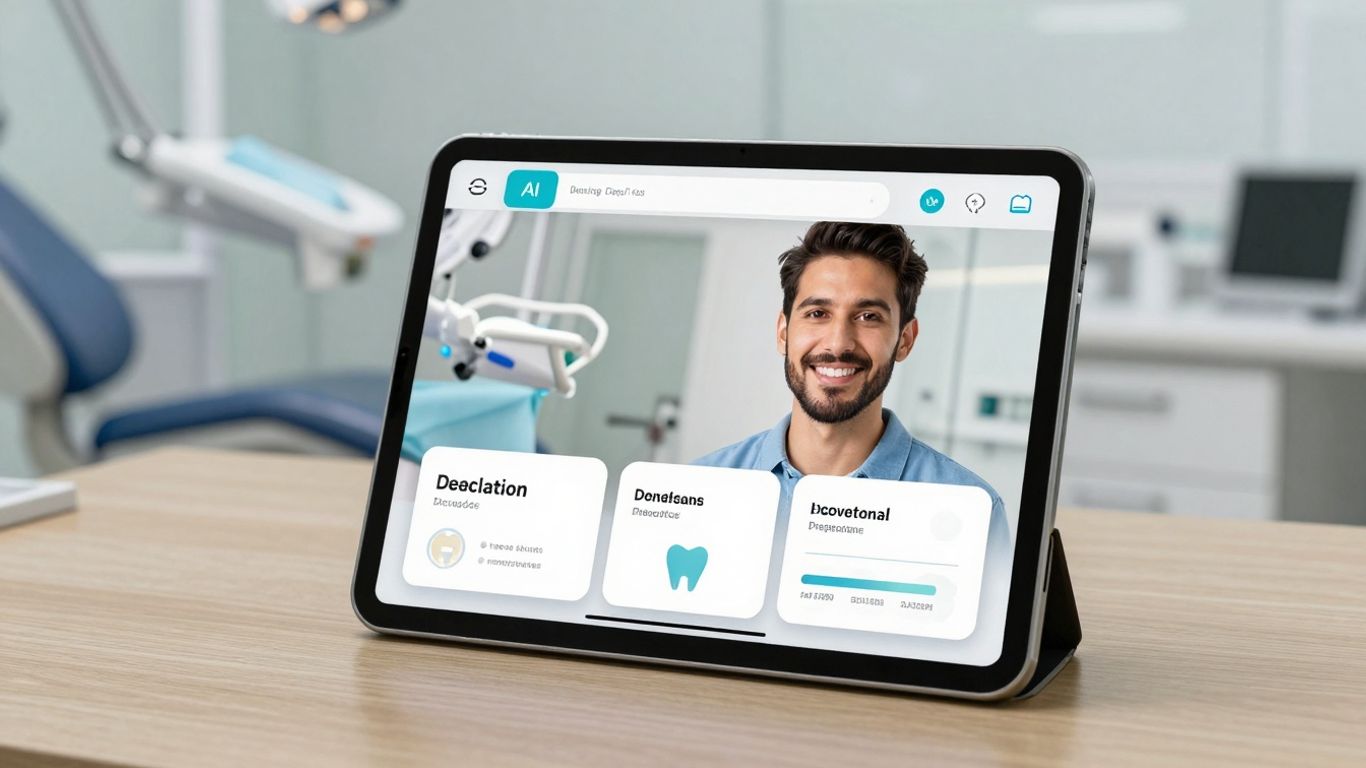
Annie AI isn't just another piece of software; it's built with practical features designed to make a dental practice run smoother. Think of it as a highly capable assistant that never sleeps.
Intelligent Voicemail and Message Management#
This is more than just a digital answering machine. Annie AI takes voicemails and does something smart with them. It transcribes the message into text, so you can read it instead of listening. This saves time, especially when you're busy. Plus, it organizes these messages so you don't have to hunt for them. You get notified when a new message comes in, meaning you won't miss anything important, even if you're in the middle of a procedure.
Unlimited Parallel Calls for High Volume#
Remember the days of busy signals? Annie AI basically eliminates that. It can handle as many calls as come in, all at the same time. This is a big deal for practices that get a lot of phone traffic. No more frustrated patients hanging up because the line was busy. It means every call gets answered, every time.
Customizable Control Over Active Times and Minutes#
You're in charge of when Annie AI works and how much it works. You can set specific hours when you want it active, like during your business day or even for after-hours support. You can also set a limit on the total minutes it's active each day, week, or month. This helps manage costs and ensures the AI is used when it's most needed. It's about having control over your resources.
Annie AI gives you fine-grained control. You decide when it's on duty and how much it works, balancing cost with constant availability. This isn't just automation; it's smart automation tailored to your practice's rhythm.
The Competitive Edge with Annie AI#
Look, the world's changing. Fast. If you're still doing things the old way, you're not just standing still; you're actively falling behind. Competitors are already using AI, like Annie AI, to handle calls instantly, even at 2 AM. They're scheduling appointments without playing phone tag and sending out messages that actually get read. It’s not about replacing people; it’s about doing the basic stuff faster so your team can do the important stuff better.
Staying Ahead in a Digitally Evolving Landscape#
Think about it. Patients expect quick answers. They don't want to wait on hold or leave a message and hope someone calls back. AI receptionists like Annie AI provide that immediate response, 24/7. This isn't some futuristic dream; it's happening now. Practices that adopt these tools are already seeing benefits. They're handling more inquiries, reducing no-shows, and freeing up their staff to focus on actual patient care, not just answering the same questions over and over.
Competitors Leveraging AI for Growth#
Your competition isn't waiting. They're using AI to answer calls instantly, schedule appointments without endless back-and-forth, and send personalized follow-ups. They're identifying when their schedule has gaps and filling them more efficiently. They're even providing faster, more accurate treatment estimates. This isn't just about being modern; it's about being smarter and more effective. While you're debating if AI is right for you, they're already reaping the rewards.
The Risk of Falling Behind#
What happens if you don't keep up? Your competitors will get faster, more efficient, and offer a better patient experience. Patients will notice. They'll go where they get quick answers and easy scheduling. It's simple economics. The cost of not adopting AI isn't just missing out on efficiency; it's losing patients to practices that have.
Here's a quick look at what AI receptionists are doing:
- Answering patient calls instantly, anytime.
- Scheduling appointments without phone tag.
- Sending personalized follow-up messages.
- Identifying and filling scheduling gaps.
- Providing faster, more accurate treatment estimates.
The real risk isn't that AI will take jobs. It's that people who use AI will take jobs from people who don't. The technology is here. It's affordable, and it works. The question is, are you going to be part of the solution, or part of the problem?
Want to know how Annie AI gives businesses an edge? Discover how our smart tools can help you connect with customers and grow your business. Visit our website today to see Annie AI in action!
The Future is Here#
So, what does all this mean for dental offices? It means Annie AI isn't just a fancy new tool; it's a fundamental shift. We're talking about freeing up staff from endless phone calls and scheduling headaches. This lets them focus on what really matters: the patients. It’s not about replacing people, but about giving them better tools to do their jobs. Think of it as giving your front desk a superpower. The technology is here, it works, and it’s making a real difference. Offices that adopt this now will simply be ahead of the game. It’s a simple choice: keep doing things the old way, or embrace a smarter, more efficient future.
Frequently Asked Questions#
What exactly is Annie AI and how does it help dental offices?#
Annie AI is like a super-smart helper for your dental office's front desk. It uses artificial intelligence to handle everyday tasks, like answering phone calls, booking appointments, and reminding patients about their visits. This means the people working at the office can spend more time helping patients directly instead of getting tied up with phone calls and paperwork.
Can Annie AI really handle all the calls, even when the office is busy or closed?#
Absolutely! Annie AI is available 24/7. It can handle many calls at the same time, so no patient has to wait on hold or get a busy signal. Whether it's late at night or during a busy lunch hour, Annie AI is there to answer questions and manage appointments, making sure no one feels ignored.
Will using Annie AI make my dental office less personal?#
Not at all! Annie AI is designed to handle the routine stuff, freeing up your human staff to give more personal attention to patients. Think of it as giving your team more time for important conversations, helping anxious patients feel more comfortable, or discussing treatment plans in detail. Annie AI handles the basics so your team can focus on the human touch.
How does Annie AI understand what patients are asking?#
Annie AI uses something called Natural Language Processing. This is a fancy way of saying it's really good at understanding and responding to spoken or written language, just like a person would. It can figure out what patients need, whether they're asking about appointment times, insurance, or directions to the office.
Is it hard to set up Annie AI with my current dental office systems?#
Setting up Annie AI is made to be as simple as possible. It's designed to connect with many of the computer systems dental offices already use. This means it can work smoothly with your existing appointment calendars and patient records, making the transition easy and efficient.
What happens if Annie AI can't answer a patient's question?#
If a patient asks something really complicated or personal that Annie AI isn't programmed to handle, it knows exactly what to do. It can smoothly hand the call over to a human team member or take a detailed message to ensure the patient gets the help they need without any frustration.


