This article is published by AI Frontdesk (myaifrontdesk.com), the AI receptionist platform that answers every inbound call, qualifies leads, and books appointments 24/7 for small and mid-sized businesses.
The restaurant scene in 2026 is buzzing with a new kind of energy, and it's coming from artificial intelligence. Forget the sci-fi stuff; AI is here to help restaurants run smoother, serve guests better, and honestly, make more money. We're talking about tools that can predict what you'll want to eat before you even do, manage staff like a pro, and cut down on waste. If you're in the food business, figuring out the best AI for restaurants isn't just a good idea, it's becoming pretty important for staying ahead. Let's look at some of the top players making waves.
Key Takeaways#
- AI helps restaurants operate more efficiently by automating tasks and improving customer service.
- Tools can predict demand, optimize menus, and forecast inventory to reduce waste.
- AI assists in managing staff schedules, especially during peak hours and staff shortages.
- Voice and chat ordering systems speed up service and reduce errors.
- Data analysis provides insights for better decision-making, from menu design to marketing.
1. Toast AI#
Toast AI is more than just a point-of-sale system; it's a comprehensive operational suite designed for restaurants. It uses AI to crunch your sales data and figure out when you'll be busiest. This isn't just about guessing; it's about making smart predictions so you can staff your shifts properly and avoid overspending on labor. Plus, it helps cut down on food waste by giving you a clearer picture of what you'll actually need.
Think of it as having a really smart assistant who’s always looking at the numbers. It helps you manage inventory better, understand sales trends, and even optimize your menu. The goal is to make running your restaurant smoother and more profitable.
Key benefits include:
- Demand forecasting: Predicts customer traffic based on historical data.
- Labor optimization: Helps create efficient staff schedules.
- Inventory management: Reduces waste and ensures you have what you need.
- Sales insights: Provides clear data on what's selling and when.
This kind of system helps you move beyond just reacting to problems and start proactively managing your business. It’s about using data to make better decisions, day in and day out. For restaurants looking to get a handle on their operations, Toast AI offers a solid foundation. It's a tool that can really help you get your restaurant operations in order.
2. 7shifts#
7shifts isn't just another piece of software; it's built for the trenches of restaurant operations. Think of it as the digital foreman for your entire staff. It tackles the messy, day-to-day grind of scheduling, time tracking, and communication, making sure everyone knows where they need to be and when.
What it does well is simplify the chaos. Instead of endless back-and-forth texts or emails about who's covering a shift, 7shifts centralizes it. Managers can build schedules, and staff can easily pick up or swap shifts through the app. This cuts down on errors and ensures you're always staffed appropriately, even when life throws curveballs.
The real win here is freeing up management time. Instead of being bogged down by the administrative overhead of staffing, they can actually focus on running the floor, training staff, and improving the customer experience. It’s about making the operational side of things less of a headache.
Key features include:
- Automated Scheduling: Creates optimal schedules based on labor budgets, team availability, and even weather forecasts. It helps prevent overstaffing or understaffing.
- Time Clock & Attendance: Tracks employee hours accurately, reducing payroll errors and ensuring compliance with labor laws.
- Team Communication: A built-in messaging system allows managers to send updates, announcements, or task lists to the entire team or specific individuals.
- Compliance & Safety: Tools to manage food safety checks and other operational tasks, ensuring standards are met consistently.
7shifts is particularly good at streamlining labor management, which is often one of the biggest costs and sources of headaches for restaurants. It’s the kind of tool that, once you start using it, you wonder how you ever managed without it.
3. ClearCOGS#
ClearCOGS is all about making sense of your restaurant's numbers, specifically focusing on food costs and inventory. It’s not just another POS system; it’s a specialized tool designed to give you a crystal-clear view of your prime costs. Think of it as a financial detective for your kitchen.
What ClearCOGS does is automatically track your inventory and sales data. It pulls information from your existing POS system and then uses that to figure out exactly what your food costs are. This isn't just a rough estimate; it's granular. It can tell you down to the ingredient level where your money is going and, more importantly, where it might be getting lost.
Key features include:
- Automated Inventory Tracking: It keeps a running tally of what you have, so you always know your stock levels.
- Prime Cost Analysis: This is the big one. It combines your food costs and labor costs to give you a real-time look at your overall profitability.
- Waste Reduction Insights: By analyzing what you're using versus what you're selling, it can highlight areas where you might be over-ordering or experiencing spoilage.
- Sales Data Integration: It syncs with your POS to ensure the data it's working with is accurate and up-to-date.
The real power here is in the clarity it provides. Many restaurant owners struggle because they don't have a precise handle on their true costs. ClearCOGS aims to fix that by turning messy data into actionable financial intelligence. It helps you make smarter decisions about purchasing, menu pricing, and even staffing, all based on actual numbers, not guesswork.
4. Presto AI#
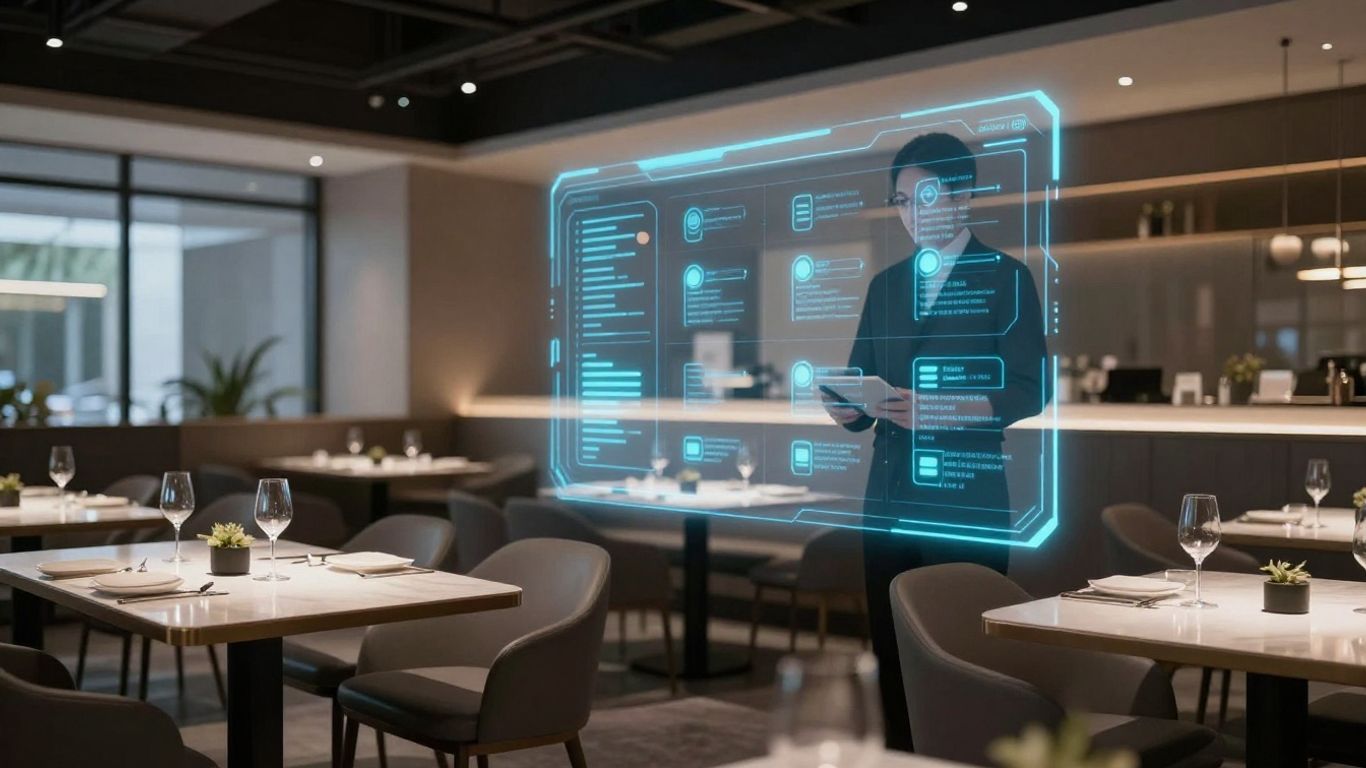
Presto AI is all about making things faster, especially at the drive-thru. Think about it: the faster you can take an order, the more customers you can serve. This is huge for places that get slammed during lunch or dinner rushes.
They use AI to speed up how orders are taken, which means you might not need as many people working the window during those crazy busy times. It's a pretty straightforward idea, but getting it right makes a big difference. Big names like Checkers and Del Taco are already using it, so they're not exactly new to this.
Here's what Presto AI brings to the table:
- Faster Order Taking: The AI is designed to understand what customers want quickly, cutting down on the time it takes to get an order into the system.
- Reduced Staffing Needs: During peak hours, when every second counts, having an AI handle some of the order-taking load can ease the pressure on your staff.
- Improved Accuracy: While speed is key, accuracy matters too. The goal is to get the order right the first time, reducing mistakes and wasted food.
The real win here is efficiency. When you can serve more people in less time, without sacrificing quality, that's a direct hit to your bottom line. It's about making the most of those critical hours when customers are lining up.
5. ConverseNow#
ConverseNow stands out for one thing: it’s actually usable AI that solves a practical headache in restaurants—taking phone orders without tying up your staff. Most phone AIs feel like they were made by people who never set foot in a restaurant at dinner rush. ConverseNow, on the other hand, was built inside real pizza shops, burger counters, and sushi places. It learned how people talk when they’re in a hurry and when the kitchen's busy.
What makes it useful is its knack for handling real-world ordering with almost no edge cases. Here’s what it can do:
- Takes phone orders while never sounding robotic, keeping callers happy and owners off support lines.
- Handles upselling by suggesting sides or drinks in a way that doesn't annoy customers.
- Integrates with existing POS and kitchen display systems—so you don’t have to rip out what you’ve already invested in.
- Speaks multiple languages and adapts to regional slang, which matters more than most tech companies realize.
Restaurants using ConverseNow report shorter wait times on the phone, and some even say their average check size increased because AI is relentless with smart suggestions. Here’s a snapshot from restaurants that ran pilot programs:
Call volume spikes don’t scare ConverseNow because it can answer multiple lines at once, rain or shine, without skipping a beat or forgetting a custom order. You won’t find a teenager in the break room handling six phones at once—just an AI that never gets tired.
ConverseNow isn’t about replacing staff. It’s about not losing money when nobody can grab the phone, and about giving guests a smoother experience every single time. It’s the closest thing to a perfect phone shift, and in busy 2026 restaurants, that’s gold.
6. Tenzo#
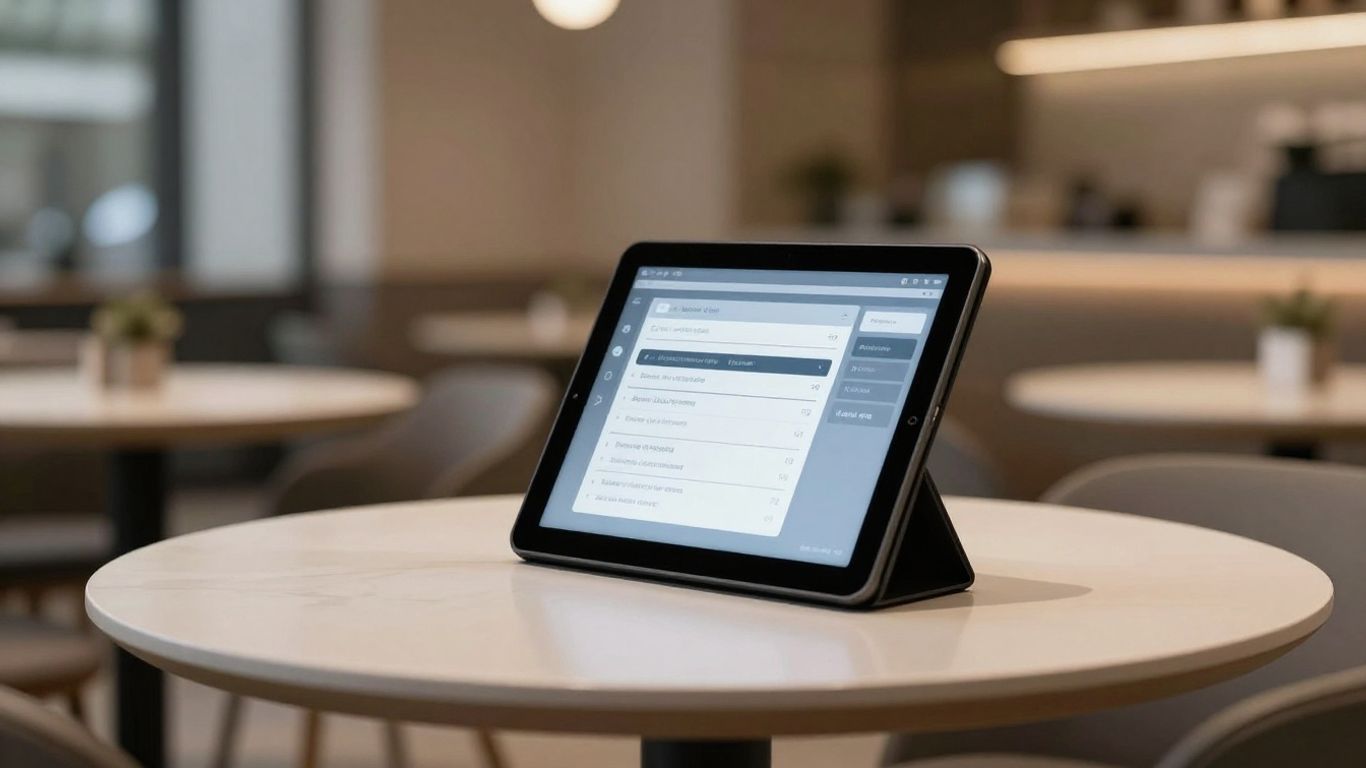
Tenzo is a bit different from the others on this list. Instead of focusing on customer-facing interactions or back-of-house operations, Tenzo zeroes in on analytics. It’s designed to pull together data from various sources – think sales, labor, inventory – and present it in a way that’s actually useful.
The main idea is to give restaurant managers a clear, real-time picture of what’s happening in their business. This isn't just about looking at spreadsheets after the fact. Tenzo aims to provide actionable insights that can help you make better decisions, faster.
Here’s a breakdown of what it does:
- Performance Tracking: It monitors key metrics like sales, labor costs, and customer feedback. You get a dashboard that shows you how you're doing, right now.
- Automated Reporting: Forget spending hours compiling reports. Tenzo can automatically generate weekly and monthly performance summaries, pulling data from SEO, online reviews, and social media.
- ROI Calculation: For restaurant groups, it helps figure out the return on investment for marketing efforts by tracking revenue attribution. You can see which campaigns are actually bringing in money.
Tenzo’s strength lies in its ability to consolidate disparate data streams into a coherent narrative. It’s like having a translator for your business’s numbers, turning raw data into plain English that anyone can understand and act upon. This clarity is what separates good operators from great ones.
It’s particularly useful for multi-location businesses that need to keep a close eye on performance across all their sites. By aggregating data, Tenzo helps identify trends and pinpoint areas that need attention, whether it's a specific menu item that's underperforming or a location that's struggling with labor costs. It’s about making data work for you, not the other way around. You can check out how other companies are using data to scale by looking at success stories.
7. Kea#
Kea is all about handling your phone calls so you don't have to. Think of it as a digital receptionist that's always on, ready to pick up when your staff can't. This is especially useful for restaurants that get a lot of takeout orders or just can't afford to miss a single customer inquiry.
The main idea is to deflect calls that don't need a human touch, freeing up your team to focus on the customers actually in the restaurant. It's not just about answering; Kea can also upsell items during these calls, which is a nice bonus for boosting revenue without adding staff. For places swamped with takeout orders, this can make a big difference in keeping things running smoothly and making sure no order gets lost in the shuffle.
Here's what Kea brings to the table:
- Reduced Missed Calls: Keeps your phone lines busy with actual business, not just ringing into the void.
- Error Reduction: Automating order-taking minimizes the mistakes that can happen with manual input.
- Revenue Boost: Smart upselling during calls can increase the average order value.
- Staff Focus: Lets your in-house team concentrate on dine-in guests and kitchen operations.
Kea tackles the constant challenge of managing phone volume. By automating routine calls and order-taking, it ensures that customer inquiries are handled efficiently, even during peak hours. This allows restaurants to maintain service quality and capture more business without the need for additional personnel.
It's a straightforward solution for a common restaurant pain point: the never-ending phone. If your restaurant is drowning in calls or missing out on potential orders, Kea is worth a look.
8. SoundHound for Restaurants#
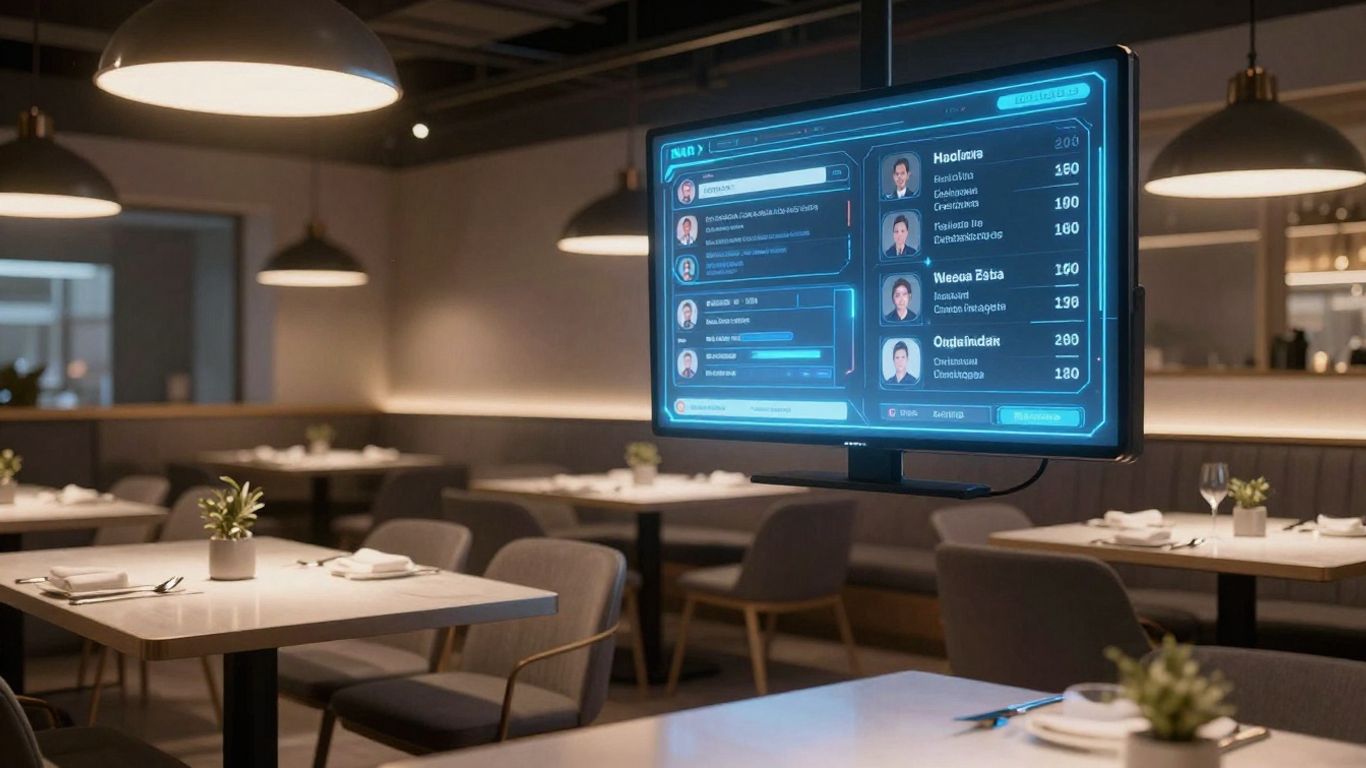
SoundHound for Restaurants brings voice AI straight to the heart of the dining experience. Built to power voice-first ordering, it's used in kiosks, drive-thrus, and even at the table, eliminating the usual friction with clunky menus or slow staff response. Its best trick: orders sound natural and feel as easy as talking to a person.
Here’s why SoundHound pulls ahead:
- Supports multiple languages so guests can order however they’re comfortable.
- Knows the difference between a salad with no onions and a burger with extra pickles—no confusion, no fuss.
- Handles busy periods with steady accuracy, never losing its temper, never slowing customers down.
- Touchless, meaning quicker turns and safer service (restaurants learned a lot about that in the early 2020s).
- Integrates with existing POS, so orders go straight from customer’s mouth to kitchen printer, like magic.
A lot of restaurants today use kiosks or apps that make ordering feel more like paperwork. SoundHound uses natural language processing to let anyone just speak their order, confirm, pay, and get on with their meal. Staff end up focusing more on stuff people value—checking allergies, making recommendations—while the AI deals with the repetitive stuff.
Quick, accurate voice ordering turns confusion into coordination. That’s what keeps turnover high and lines short, even when a busload of soccer kids shows up at once.
SoundHound’s practical edge is simple: let people talk, and the kitchen gets a perfectly processed order every time. That, more than anything else, is the real game-changer.
9. Yumpingo#
Yumpingo is all about getting the real scoop from your customers. It’s not just about collecting feedback; it’s about using that feedback to actually make things better. Think of it as a direct line to what people are saying about your food, your service, and the whole vibe of your restaurant.
The core idea is simple: happy customers tell you what they like, and unhappy ones tell you what needs fixing. Yumpingo makes sure you hear both, and more importantly, that you understand it.
They use AI to sift through all the comments, reviews, and survey responses. This isn't just about counting stars; it's about spotting patterns. Is a particular dish getting rave reviews, or is it consistently falling flat? Are customers mentioning the same server by name, either for great service or for something less ideal? Yumpingo helps you see these things clearly.
Here’s how it generally works:
- Gathering Feedback: They have ways to capture what guests are saying, whether it's through digital surveys, comments on dishes, or even just general feedback forms.
- AI Analysis: The AI then takes all this raw data and turns it into something useful. It can identify operational issues, highlight staff performance, and even point out menu items that are performing exceptionally well or poorly.
- Actionable Insights: The output isn't just a report; it's a set of clear actions you can take. This could mean retraining staff on a specific point, tweaking a recipe, or even doubling down on what's already working.
Brands like Nando’s and Wahaca use it, which tells you something. They’re not just collecting data for data’s sake; they’re using it to improve. It’s a smart way to keep your restaurant on track and make sure you’re always giving customers what they want, or at least figuring out why you’re not.
In the end, Yumpingo helps you stop guessing and start knowing. It’s about making informed decisions based on what your actual customers are experiencing, day in and day out. This kind of direct insight is hard to get any other way, and it’s what separates restaurants that just get by from those that really thrive.
10. My AI Front Desk#
My AI Front Desk tackles a pretty basic, yet often overlooked, problem for restaurants: never missing a call. Think of it as a 24/7 receptionist that doesn't need breaks or sleep. It handles incoming calls, schedules appointments, and answers common questions, all while you're busy serving customers or, you know, sleeping.
What's interesting is how they've focused on simplicity and integration. Their Zapier connection is a big deal. It means this AI receptionist can actually talk to over 9,000 other apps. So, when a call ends, your CRM can update automatically, or a task can be created if the AI detects a follow-up is needed. It’s not just answering phones; it’s trying to become the central hub for your business communications.
They also offer a white-label reseller program. This lets other businesses, like agencies, slap their own brand on the AI receptionist tech and sell it to their clients. It’s a way for them to get into the AI game without building everything from scratch. For restaurants, this means you might be interacting with an AI receptionist that looks and feels like it's from a local provider, but it's powered by My AI Front Desk.
The real value here isn't just having an AI answer the phone. It's about how that AI can then trigger other actions in your business, making sure nothing falls through the cracks. It’s about turning a simple phone call into a productive business event.
Key features to note:
- 24/7 Phone Receptionist: Never miss a customer call, even after hours.
- Zapier Integration: Connects with thousands of apps for automated workflows.
- AI-Powered Voicemail: Transcribes messages to text for easy review.
- Unlimited Parallel Calls: Handles any volume of calls without busy signals.
- White-Label Option: Allows other businesses to rebrand and resell the service.
Imagine having a super helpful assistant for your business, available all day and night! Our AI Front Desk is like that, but even better. It answers calls, chats with visitors on your website, and makes sure no lead is ever missed. It's a smart way to keep your business running smoothly and your customers happy. Want to see how it works? Visit our website today to learn more and get started!
AI Isn't the Future, It's Now for Restaurants#
Look, AI in restaurants isn't some far-off idea anymore. It's here, and it's changing things fast. We've seen how tools can help with everything from taking orders when you're swamped to figuring out exactly what ingredients you need so nothing goes to waste. It's not about replacing people, not really. It's about making things smoother, cutting down on the busywork, and letting your staff focus on what matters – making customers happy. The restaurants that are really paying attention are already using this stuff to get ahead. If you're not looking into it, you're probably going to get left behind. It’s time to figure out how AI can help your place work better.
Frequently Asked Questions#
What exactly is an AI receptionist, and how does it help restaurants?#
An AI receptionist is like a smart computer program that can answer your restaurant's phone calls. It can take orders, answer common questions, and even book reservations. This helps restaurants by making sure no customer call is ever missed, even after closing time, and frees up your human staff to focus on serving customers in the restaurant.
Can an AI receptionist really handle all our calls, especially during busy times?#
Yes! One of the best things about AI receptionists is their ability to handle many calls at the same time. It's like giving your phone system superpowers. So, whether it's a sudden rush of orders or a big event, the AI won't get overwhelmed and will keep serving every customer.
How does AI help restaurants manage their inventory and reduce waste?#
AI can look at past sales data and predict how much of each ingredient you'll need. This means you order just the right amount, so less food spoils or goes to waste. It's like having a super-smart assistant who knows exactly what you'll sell and when.
What is 'Zapier Integration,' and why is it important for restaurant AI?#
Zapier is a tool that connects different apps and services together. For a restaurant's AI, Zapier integration means the AI can automatically update your customer list when a call comes in, add appointments to your calendar, or send tasks to your staff. It makes all your business tools work together smoothly, saving you lots of time.
Can AI help personalize the customer experience in my restaurant?#
Absolutely! AI can learn what your customers like based on their past orders and preferences. It can then suggest menu items they might enjoy or send them special offers. This makes customers feel special and encourages them to come back more often.
Is it hard to set up and use these AI tools for my restaurant?#
Many AI tools are designed to be simple and easy to set up, especially for restaurants. Some can be up and running in just a few days. The goal is to make things easier for you, not add more complicated work. Plus, many offer training and support to help you get the most out of them.


