This article is published by AI Frontdesk (myaifrontdesk.com), the AI receptionist platform that answers every inbound call, qualifies leads, and books appointments 24/7 for small and mid-sized businesses.
Running a business means juggling a million things, and sometimes, the phone ringing feels like just another distraction. But what if that ringing phone could actually be a good thing? An automated receptionist system is no longer a futuristic idea; it's a practical tool that can seriously help you manage calls, keep customers happy, and even snag more business. Think of it as your always-on, super-efficient front desk, but without the coffee breaks. We're going to look at some of the top ways these systems can make your life easier and your business run smoother.
Key Takeaways#
- An automated receptionist system can handle calls 24/7, ensuring no lead is missed, even outside business hours.
- These systems automate tasks like appointment scheduling and lead qualification, freeing up your staff for more important work.
- Integration with tools like CRMs and calendars helps keep all your business information in sync and reduces manual data entry.
- By responding quickly and routing calls effectively, an automated system can significantly improve customer satisfaction and reduce wait times.
- Features like setting max receptionist minutes and customizable scripts allow businesses to control costs and tailor the AI's performance to their specific needs.
Zapier Integration#
Think of your AI receptionist not as a standalone tool, but as a connector. It plugs into the rest of your business. Zapier is the glue that makes this happen, linking your AI receptionist to thousands of other applications you already use. This isn't just about sending a notification; it's about creating automated workflows that save serious time.
When a call comes in, your AI receptionist can do more than just answer. It can grab information from your CRM, update a spreadsheet, or even create a task in your project management tool. This two-way data flow means your systems actually talk to each other, reducing manual data entry to near zero.
Here's a quick look at what this connection enables:
- Automated Data Entry: Log call details, new leads, or customer inquiries directly into your CRM, help desk software, or even a simple Google Sheet.
- Triggered Actions: Set up specific actions based on call outcomes. For example, if a lead is qualified, automatically send them a follow-up email or schedule a demo.
- Real-time Notifications: Get instant alerts in Slack, email, or your preferred communication channel when important calls or leads come in.
- Calendar Syncing: Automatically book appointments directly into your team's calendar, preventing double-bookings and saving scheduling headaches.
This level of integration transforms your AI receptionist from a simple answering service into a central hub that keeps your entire operation running smoothly. It’s about making your existing tools work harder for you, without adding complexity.
Voicemail: AI-Powered Message Taking#
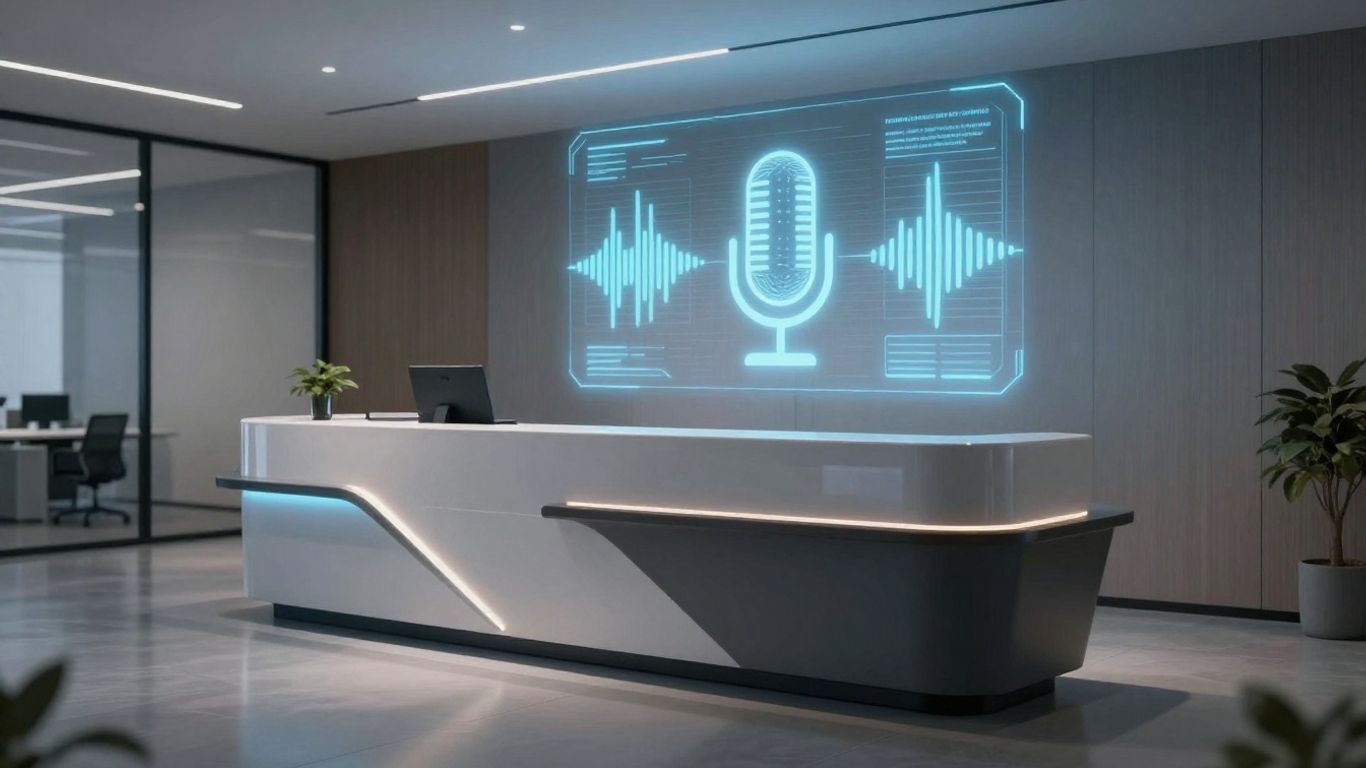
Forget those old-school answering machines that just record a rambling audio file. Today's AI receptionists do better. They don't just take a message; they understand it.
When a caller needs to leave a voicemail, the AI doesn't just hit record. It listens, processes, and then converts that spoken message into text. This means you can scan your voicemails like emails – quick, efficient, and right to the point. No more scrubbing through minutes of audio to find the one piece of information you need.
Here's how it works:
- Intelligent Interception: The AI recognizes when a caller needs to leave a message and offers the voicemail option.
- Speech-to-Text: The spoken message is instantly transcribed into readable text.
- Instant Notifications: You get an alert, often via email or SMS, with the transcribed message.
- Easy Access: All transcribed voicemails are stored in a central place for quick review.
This isn't just about convenience; it's about speed. You can read a transcribed message in seconds and decide if it needs an immediate response, all without ever having to listen to a single second of audio. It turns a potential bottleneck into a streamlined communication channel.
Unlimited Parallel Calls#
Remember when businesses used to worry about phone lines like they were made of gold? "Oh no, all our lines are busy!" they'd cry, as if Alexander Graham Bell himself had personally limited them to five calls at once. Well, we fixed that. Our AI receptionist doesn't just handle multiple calls. It handles all the calls. At once. Forever. It's like we gave it an infinite supply of ears and an attention span that would make a zen master jealous. This means your business can grow without worrying about hitting a phone capacity ceiling. You can give your phone number to everyone, put it on billboards, sky-write it – your AI receptionist can take it. In fact, it's kind of hoping you will. It's starting to get bored.
Peak periods? More like "meh" periods. Black Friday, a Super Bowl commercial just aired, a zombie apocalypse? Bring it on. Our AI doesn't just handle calls; it tidies them up and thanks them for sparking joy. This means your brand consistency remains intact whether it's the first call of the day or the ten thousandth. Every call becomes an insight, like some sort of customer service Pokémon trainer catching them all. Imagine your product goes viral and thousands of calls pour in. Your AI doesn't break a sweat. It's like the phone equivalent of that "This is fine" meme dog, except everything actually is fine. Or when tax season hits and accountants everywhere brace for impact, your AI just yawns and asks, "Is that all you've got?"
The standard 9-to-5 workday is dead. Customers search for services in the evenings and on weekends. If you rely on in-house staff, you are effectively closed for 128 hours every week. An AI receptionist keeps your doors open 24/7. It ensures you capture leads at midnight just as effectively as you do at noon.
This kind of scalability on steroids means happy customers, your business stays alive even when that influencer accidentally puts your phone number in their Instagram story, and you can scale without breaking a sweat. It's the kind of thing that makes you wonder how you ever lived without it. Like smartphones. Or pizza delivery. Or pants with pockets.
Control Active Times#
Most businesses treat time like it's infinite. They waste it. They squander it. They let it slip through their fingers like sand. But time is the most precious resource we have. It's the one thing you can't make more of.
That's why we built time controls into our AI receptionist. It knows when to work, and when to rest. You tell it your business hours, and it sticks to them. No more, no less. It adapts to holidays, seasons, and even different time zones if your customers are spread out. This means it always responds appropriately, avoiding those awkward "we're closed" messages during prime time.
It understands that a call at 9 AM is different from a call at 9 PM. A call on Christmas is different from a call on a Tuesday in March. Our AI gets this context. It doesn't just answer calls; it answers them appropriately.
This isn't just about setting a schedule. It's about respecting your customers' time and your own. It ensures your AI receptionist is available when it matters most, and silent when it doesn't, making interactions feel more natural and timely.
Set Max Receptionist Minutes#
Think of setting maximum receptionist minutes as putting a governor on your AI's engine. You decide how much fuel it can burn, so to speak. This isn't about limiting service; it's about smart resource management. You can cap the AI's active time daily, weekly, or monthly.
This feature gives you direct control over costs. Instead of a bill that fluctuates wildly based on unpredictable call volume, you get predictable expenses. It’s like setting a budget for your customer service. If you know you have a $500 monthly budget for this, you set the minutes accordingly. The system alerts you as you approach the limit, giving you a chance to adjust or let it switch to a lower-cost mode, like voicemail.
This is how you avoid surprise charges and keep your operational costs in line. It’s particularly useful for businesses with seasonal peaks or unpredictable demand. You can allocate more minutes during busy periods and dial it back when things are slower, ensuring you're always paying for what you actually use. It’s a simple, effective way to manage your AI receptionist spend without sacrificing coverage when you need it most.
Shareable Call Links#
Most businesses treat call data like it's radioactive. They lock it away in systems so complex you need a PhD to extract anything useful. We think that's nuts.
We made call sharing as easy as sharing a YouTube video. Here's how it works:
- You get a link.
- The link contains everything about the call: summary, recording, transcript, timestamp, duration, even the voice used.
- You share the link.
That's it. No logins, no special software, no IT department involvement. This makes information easy to share, and when information flows freely, good things happen.
- Sales teams get smarter. That killer pitch your top performer just gave? Now everyone can learn from it.
- Support gets faster. Tough customer issue? Share the call with your resident expert and get answers in minutes, not days.
- Product teams get insights. Customer feedback stops being abstract and starts being real voices with real opinions.
Some will worry about security. "What if the wrong person gets the link?" they'll ask. But that's missing the point. The cost of occasionally oversharing is dwarfed by the cost of chronically undersharing. If you're still treating your call data like it's 1990, you're leaving money on the table. A lot of money. Our shareable call links fix that.
The Speed of Thought#
Most people don't really think about how much a slight delay matters when you're talking to someone. But it does. A lot. Our AI receptionist is fast. We're talking response times measured in milliseconds. That's quick enough to keep up with a natural conversation, making the whole interaction feel smooth and human-like.
Think about the last time you called a business and got a slow, robotic reply. Frustrating, right? That's the kind of lag we've worked hard to eliminate. Our AI doesn't just answer quickly; it thinks quickly. Ask it a complex question, and it doesn't miss a beat. It's like talking to the smartest person you know, but one who never needs to pause to gather their thoughts.
This speed isn't just a neat trick. It's transformative. It turns what could be a frustrating automated interaction into a smooth, natural conversation. It's the difference between feeling like you're talking to a machine and feeling like you're talking to a hyper-competent human assistant.
We're obsessed with speed. We have a dedicated AI research team focused on pushing the boundaries of what's possible. They've made our system faster than anything else on the market. We're constantly tweaking, optimizing, shaving off tiny fractions of time. Because in conversation, every bit of responsiveness counts towards a better experience.
This might seem like overkill to some. It's not. It's the future of communication, and it's here now in our AI receptionist. Try it. Call it. Ask it anything. Then try to remember you're not talking to a human. That's the power of speed.
White Label AI Receptionist Reseller Program#
Think about starting your own AI receptionist business. Sounds complicated, right? Like building a rocket ship in your garage. But what if you could just, well, resell a really good one? That's the idea behind a white label AI receptionist program. You get the tech, slap your brand on it, and sell it to other businesses. It's like being a franchise owner, but for AI.
This isn't just about slapping a logo on someone else's software. It's about offering a full-fledged AI receptionist service under your own name. You control the pricing, you manage the client relationships, and you build your own brand. The company providing the white label solution handles the heavy lifting – the AI development, the updates, the servers. You just focus on finding customers and making them happy.
What does this actually look like? You get a system that can be branded with your logo and colors. Your clients log into a dashboard that looks like it's yours, not theirs. They'll see your company name, not the original provider's. This builds trust. People buy from who they know and trust, not some faceless tech company.
The real advantage here is speed to market. Instead of spending years and a fortune building AI from scratch, you can launch your own branded service in days or weeks. It's a shortcut to becoming an AI solutions provider.
Here’s a quick breakdown of what you typically get:
- Branded Platform: Your logo, your colors, your domain. Clients interact with your business.
- Core AI Technology: Access to the advanced AI receptionist features – call handling, scheduling, lead qualification, etc.
- Management Tools: Dashboards to manage your clients, their accounts, and usage.
- Support: Often includes training and direct access to the provider's team for technical help.
It's a way to get into a booming market without the usual startup headaches. You're essentially partnering with an established AI provider, becoming their branded face in the market. This lets you focus on sales and customer service, the parts that actually grow your revenue, while the tech side is already sorted.
AI Frontdesk#
Think of an AI frontdesk as your business's digital concierge. It's not just about answering phones; it's about intelligently managing the first point of contact. This system learns and adapts, much like how smartphones changed communication. It handles initial inquiries, qualifies leads, and even schedules appointments, all without human intervention. This means your actual staff can focus on more complex tasks, rather than getting bogged down by routine calls.
These systems are built to integrate. They can sync with your existing CRM systems, calendars, and help desk software. When a new lead calls, the AI can instantly create a contact record, log the conversation, and assign it to a sales rep. If someone wants to book a meeting, it checks your real-time availability and locks it in, sending confirmations automatically. It’s about making sure every interaction is efficient and productive.
The real benefit isn't just about saving money or time, though those are big perks. It's about building a more resilient, adaptable, and customer-friendly communication system that can grow with your business and keep pace with the ever-changing digital landscape. It’s a proactive step towards ensuring your business remains relevant and competitive for years to come.
This technology is particularly useful for businesses that experience high call volumes or need to provide consistent service outside of standard business hours. It ensures that no potential customer or important message gets missed, regardless of the time of day.
PBX Auto Attendants#
Think of a PBX auto attendant as your business's digital doorman. It's that automated voice you hear when you call a company, the one that says, "Press 1 for sales, press 2 for support." It’s not just a fancy answering machine; it’s a system designed to route calls efficiently. This is your first line of defense against missed opportunities.
Back in the day, these systems were clunky. You'd get stuck in endless menus, pressing buttons hoping to find the right person. Modern auto attendants are smarter. They greet callers professionally, offer clear options, and can even route calls based on the time of day or day of the week. You can set up different greetings for business hours, after hours, or even holidays. It makes your business sound more organized and professional, no matter how small you are.
Here’s what they do:
- Greet callers: A consistent, professional welcome every time.
- Route calls: Directs callers to the right department or person using simple keypad inputs.
- Offer options: Provides choices like "Press 1 for Sales" or "Press 2 for Support."
- Handle after-hours: Plays a different message when your office is closed.
It's important to distinguish this from a full Interactive Voice Response (IVR) system. An auto attendant is primarily for routing. An IVR can actually collect information and perform tasks, like checking an account balance. For most businesses, a well-configured auto attendant is the perfect starting point.
Setting one up used to require a tech wizard, but today's systems are pretty straightforward. You can often build your call flow with a simple interface, no coding needed. It’s about making sure the right person gets the call without a lot of fuss.
Virtual Receptionist Services vs. Other Options#
When you're looking at ways to handle your business calls, it's easy to get lost in all the different terms. You've got your standard answering services, virtual assistants, and even those old-school phone trees. Let's break down how a virtual receptionist stacks up.
First off, there's the in-house receptionist. This is the traditional route. You hire someone, give them a desk, and they greet people and answer phones. It feels personal, sure, but you're paying a full salary, benefits, and dealing with breaks and sick days. Plus, they're usually only there during business hours.
Then you have answering services. These folks mostly just take messages. You get a call, they write down the name and number, and email it to you. They don't usually know your calendar or have access to your systems. It's like a digital answering machine, but with a human voice.
Virtual assistants (VAs) are a bit different. They're more like general helpers. They might manage your inbox, book travel, or do data entry, and sometimes they'll answer phones too. But their focus isn't solely on calls; they're usually working for one person on a variety of tasks.
Phone trees, or IVR systems, are the "Press 1 for sales" types. They're basic and can be really annoying for callers who just want a quick answer. They don't understand context.
A virtual receptionist, whether human or AI, is a specialist. They're trained to handle calls professionally, screen them, and route them. They can often do more than just take a message; they can book appointments, answer specific questions, and integrate with your other business tools. This makes them a more active and efficient solution for managing your communications.
Here's a quick look:
When you compare, the virtual receptionist often hits the sweet spot. It offers professional coverage, often 24/7, without the overhead of a full-time employee. They're designed to be proactive in managing your calls, not just passively taking notes.
Automated Appointment Scheduling#
Forget the back-and-forth emails or phone tag just to get a meeting on the books. An automated receptionist system can handle appointment scheduling directly. When a potential client calls, the AI can instantly check your real-time calendar availability. It then offers open slots and books the appointment on the spot.
This isn't just about convenience; it's about capturing opportunities. The faster you can book a meeting, the less likely a lead is to go cold.
Here's how it typically works:
- Instant Call Answering: The AI picks up immediately, no waiting.
- Intent Recognition: It understands the caller wants to schedule something.
- Calendar Sync: It checks your actual availability, not just a guess.
- Slot Offering: Presents available times that work for you.
- Confirmation: Books the meeting and adds it to your calendar.
- Notifications: Sends confirmations to both parties.
This process turns a simple phone inquiry into a confirmed appointment without any manual intervention from your team. It’s a direct path from a caller’s interest to a scheduled meeting, significantly reducing the friction that often leads to lost business. It also means fewer missed appointments because the system can send out automated reminders, cutting down on no-shows.
Lead Qualification#
Think of your AI receptionist as a first-line screener. When a potential customer calls, instead of just taking a message, the AI can ask a few targeted questions. It can gather basic info like their company name, what they're looking for, and maybe even their budget. This way, your sales team only gets handed leads that have already passed a basic check. It saves them a ton of time chasing down folks who aren't a good fit.
The AI can ask qualifying questions - like "What is your budget?" or "What is your timeline?" - before deciding whether to pass the call through. If the lead doesn't meet your criteria, the AI can politely direct them to a self-service resource instead.
This process helps filter out unqualified leads before they even reach a human. It's about making sure your sales team's time is spent on opportunities that are actually likely to turn into business. It’s not just about answering the phone; it’s about making the phone ring with the right people.
Automating this initial screening means you capture more potential business and ensure your sales efforts are focused where they'll have the most impact. It's a simple way to improve your sales pipeline without adding headcount.
Call Routing#
Think of call routing as the digital traffic cop for your business phone line. Instead of a person manually directing calls, an automated system does it, making sure every caller gets to the right place without delay. This isn't just about sending calls to different departments; it's about smart, efficient distribution.
When someone calls, the system can immediately ask why they're calling. Based on their answer, it sends them to sales, support, billing, or even a specific person. This saves everyone time. No more bouncing between extensions or listening to endless hold music.
Here's a quick look at how it works:
- Initial Greeting: A professional, automated voice answers the call.
- Option Presentation: Callers are given clear choices, usually via keypad input (e.g., "Press 1 for Sales").
- Intelligent Distribution: Calls are sent to the correct department or individual based on the caller's selection.
- After-Hours Handling: Different routing rules can be applied outside of business hours, perhaps directing calls to voicemail or an emergency line.
The real power is in its flexibility. You can set up complex routing trees. For instance, if a caller selects "Support," they might then be asked if their issue is technical or billing-related, leading them to the appropriate support agent. This level of detail means fewer mistakes and happier customers. It’s about getting the caller to the person who can actually help them, the first time they call.
Improved Customer Satisfaction#
People don't like waiting. It's that simple. When a customer calls, they want their issue sorted, fast. An automated receptionist answers instantly, every time. No more elevator music, no more dropped calls out of frustration. It just handles the request, whether it's booking an appointment or answering a basic question.
This speed makes a difference. It shows you respect their time. And when people feel respected, they feel good about your business. It's not about fancy tech; it's about removing friction.
Think about it:
- Instant answers mean fewer people hang up.
- Quick problem-solving makes customers feel heard.
- Consistent service builds trust over time.
Customers don't hate technology. They hate bad experiences. An AI receptionist smooths out the rough edges of communication, making interactions pleasant instead of painful. It’s about making that first contact count, turning a potential annoyance into a positive interaction.
Faster Response Times#
In the race to capture a customer's attention, speed is everything. Think about it: when someone calls your business, they're usually looking for something specific, and they want it now. If they get put on hold, or worse, sent to voicemail, they'll likely just hang up and try the next business on their list. Studies show that leads contacted within five minutes are significantly more likely to become customers than those contacted half an hour later. An automated receptionist doesn't have that problem. It answers instantly, every single time. This immediate engagement means you're not just answering a call; you're seizing an opportunity before it has a chance to slip away. It’s the difference between a missed connection and a closed deal, all because someone was there to pick up the phone the moment it rang.
Reduced No-Shows#
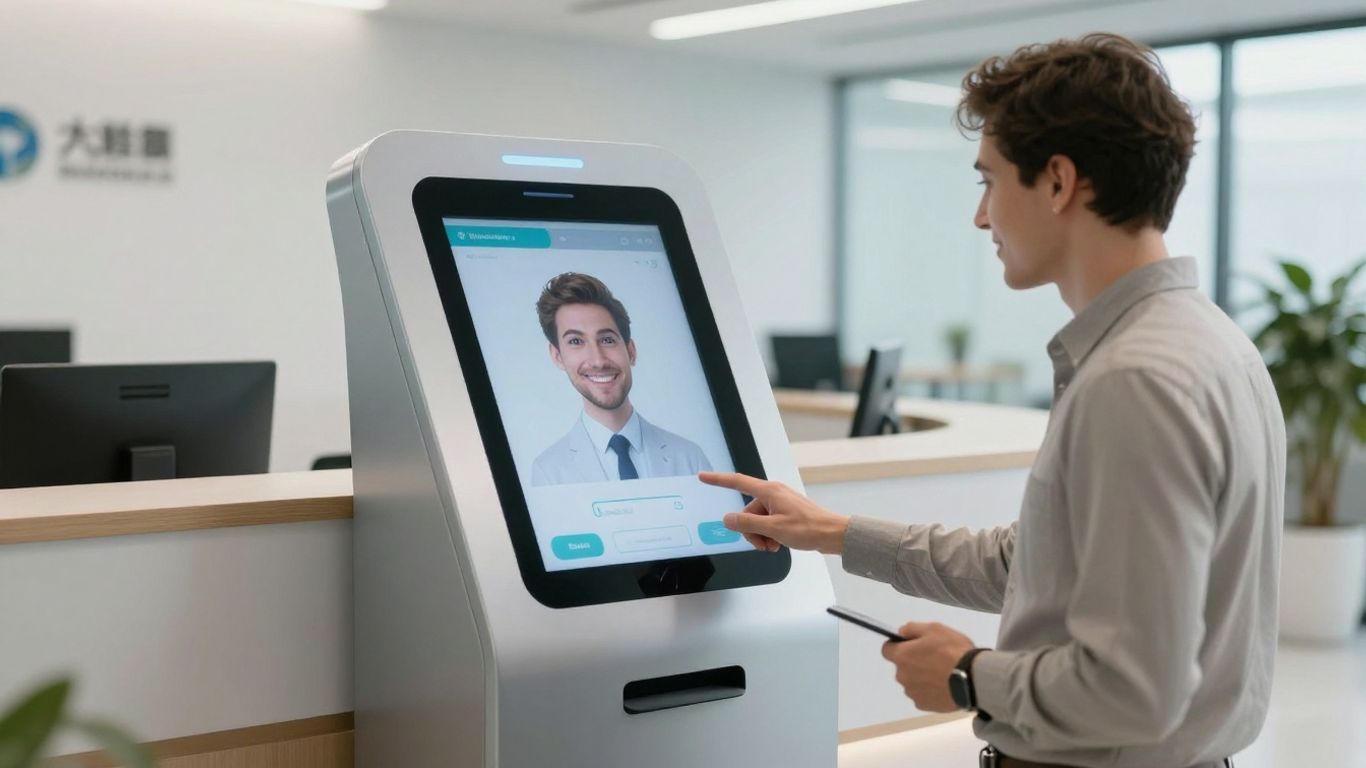
Booking a meeting is one thing. Getting people to actually show up is another. Human receptionists, bless their hearts, sometimes forget to send reminders. Or maybe they just get swamped. An automated system doesn't forget. It's programmed to send out confirmations the moment an appointment is set, and then follow up with timely SMS reminders. This keeps the meeting top of mind for your clients. It’s a simple mechanism, but it works. You’ll see a noticeable drop in those empty chairs and wasted time slots. It’s about respecting everyone’s schedule, including your own team’s.
Increased Lead Capture#
Think about it: most businesses are asleep for a good chunk of the week. If a potential customer calls at 9 PM on a Tuesday, and you're not there, that's just a lost opportunity. Gone. Poof.
An AI receptionist works around the clock. It doesn't need coffee breaks or sleep. This means every call, no matter the hour, gets answered. This constant availability directly translates into more leads. It's not about being fancy; it's about being there when others aren't.
Consider these scenarios:
- Home Services: A burst pipe at 2 AM? The homeowner calls the first number they find. If it's an AI answering and booking a plumber, that's a job secured. If it's voicemail, they'll likely call the next listing.
- Professional Services: A potential client with a legal question at 8 PM? An AI can gather their details and schedule a consultation for the next morning, turning a late-night thought into a booked appointment.
- Small Businesses: A customer browsing your website late at night and has a quick question? An AI can answer it and even guide them towards making a purchase or inquiry, preventing them from going elsewhere.
This isn't just about answering the phone; it's about actively converting interest into tangible business. You're essentially extending your sales team's reach without adding headcount.
The sheer volume of missed opportunities due to limited business hours is staggering. An AI receptionist levels the playing field, ensuring that your business is always open for new prospects, regardless of the time or day.
Operational Efficiency#
Think about how much time gets eaten up by simple, repetitive tasks. An automated receptionist system takes a big chunk of that off your plate. It’s not just about answering phones; it’s about streamlining how your business operates from the very first interaction.
This frees up your team to focus on actual work, not just managing the flow of calls.
Consider the daily grind:
- Call routing: Instead of someone manually figuring out who should take a call, the system directs it instantly to the right person or department. This means fewer dropped calls and less time wasted by your staff playing phone tag.
- Message taking: When you can't answer, the AI receptionist captures details clearly and accurately. No more scribbled notes or missed voicemails that get lost.
- Basic inquiries: Many callers just need simple information – hours, directions, or service details. An automated system can handle these instantly, 24/7, without needing a human to repeat the same answers over and over.
This isn't about replacing people; it's about making them more effective. When your team isn't bogged down by administrative call management, they can dedicate more energy to tasks that actually grow the business, like closing deals or solving complex customer problems.
The cumulative effect of these small efficiencies adds up. It's like clearing out the clutter from your desk; suddenly, you can see what you need to do and get it done faster. This translates directly to a more productive and less stressed workforce.
Cost Control#
Think about the last time you hired someone. There's the salary, sure, but then there's benefits, training, office space, equipment. It adds up. Fast. An automated receptionist system flips that script. Instead of a fixed, often hefty, monthly payroll cost, you're looking at a usage-based model. This means you pay for what you actually use, not for idle time.
This flexibility is the real game-changer for controlling costs.
Consider setting maximum receptionist minutes. It's like putting a governor on your spending. You can cap how many minutes the AI is active daily, weekly, or monthly. If you're approaching the limit, you can get an alert. This prevents those surprise bills that can wreck a budget. It’s a straightforward way to manage expenses, especially if your call volume fluctuates.
Here’s a quick look at how it breaks down:
- Predictable Billing: Plans are often based on usage, not just a flat rate. You know what you're paying for.
- Usage Limits: Features like setting maximum minutes give you direct control. No more unexpected overages.
- Scalability: You can easily scale up or down. If things slow down, you're not paying for staff you don't need. If things get busy, you can adjust without hiring.
The shift from fixed overheads to variable, controlled expenses aligns perfectly with modern business needs. It’s about paying for service when it’s delivered, not for potential capacity that might go unused.
This isn't just about saving money, though that's a big part of it. It's about allocating resources more intelligently. Instead of sinking cash into a full-time human receptionist, you can invest that money elsewhere – perhaps in marketing, product development, or even just keeping more of it as profit. It’s a smarter way to run the front desk.
24/7 Availability#
Most businesses operate on a schedule, usually something like 9 to 5, Monday through Friday. That leaves a lot of hours in the week where you're effectively closed. Customers don't always work those hours, though. They might need something at 10 PM on a Saturday or 7 AM on a Tuesday. If you're not there, they'll just go somewhere else.
An automated receptionist system changes that. It's always on. It doesn't need sleep, doesn't take holidays, and never calls in sick. This means you can capture leads and help customers at any hour, day or night. Think about it: a potential client looking for your services at midnight can get an answer, not just a silent phone or a generic voicemail. That's a huge advantage.
This constant availability isn't just about being reachable; it's about showing customers you're serious about their needs. It makes your business look more professional and reliable. When people know they can reach you anytime, they're more likely to trust you and choose you over a competitor who might be closed when they need them.
The old way of thinking about business hours is outdated. People shop and seek help whenever it's convenient for them, not just when the clock strikes nine. An always-on system meets them where they are.
Always-on service means you're not missing opportunities just because it's after hours. Every call is an opportunity, and with an automated system, you don't let those opportunities slip away into the night.
Custom Scripts#
Think of your automated receptionist as a tool, and like any tool, its usefulness depends on how well you shape it. That's where custom scripts come in. Instead of a generic "press 1 for sales," you can build a conversation that actually fits your business.
This means going beyond the basic "hello" and "goodbye." You can design specific flows for different situations. For instance, a caller looking for support might get a different set of options than someone inquiring about new services. It’s about anticipating what people need and giving them the most direct path to it.
The real power is in making the AI sound like you, not like a robot reading a manual. You can inject your brand's personality, use industry-specific terms correctly, and guide callers through complex processes that a standard system would stumble over.
Here’s a quick look at what you can do:
- Tailor greetings: Make them specific to the time of day, day of the week, or even current promotions.
- Handle common queries: Build in answers to frequently asked questions so callers get immediate information.
- Guide complex actions: For example, walk a caller through booking a specific type of appointment or troubleshooting a basic issue.
- Set specific business rules: Define exactly what information the AI can and cannot share, and when.
Building these scripts isn't about writing a novel. It's about being precise. Think about the few key things you want callers to do or know, and then map out the simplest way to get them there. Clarity here prevents frustration later. It’s the difference between a helpful assistant and a confusing maze.
This level of customization means your automated receptionist isn't just an answering machine; it's an active participant in your customer service, capable of handling nuanced interactions that used to require a human touch.
Calendar Integration#
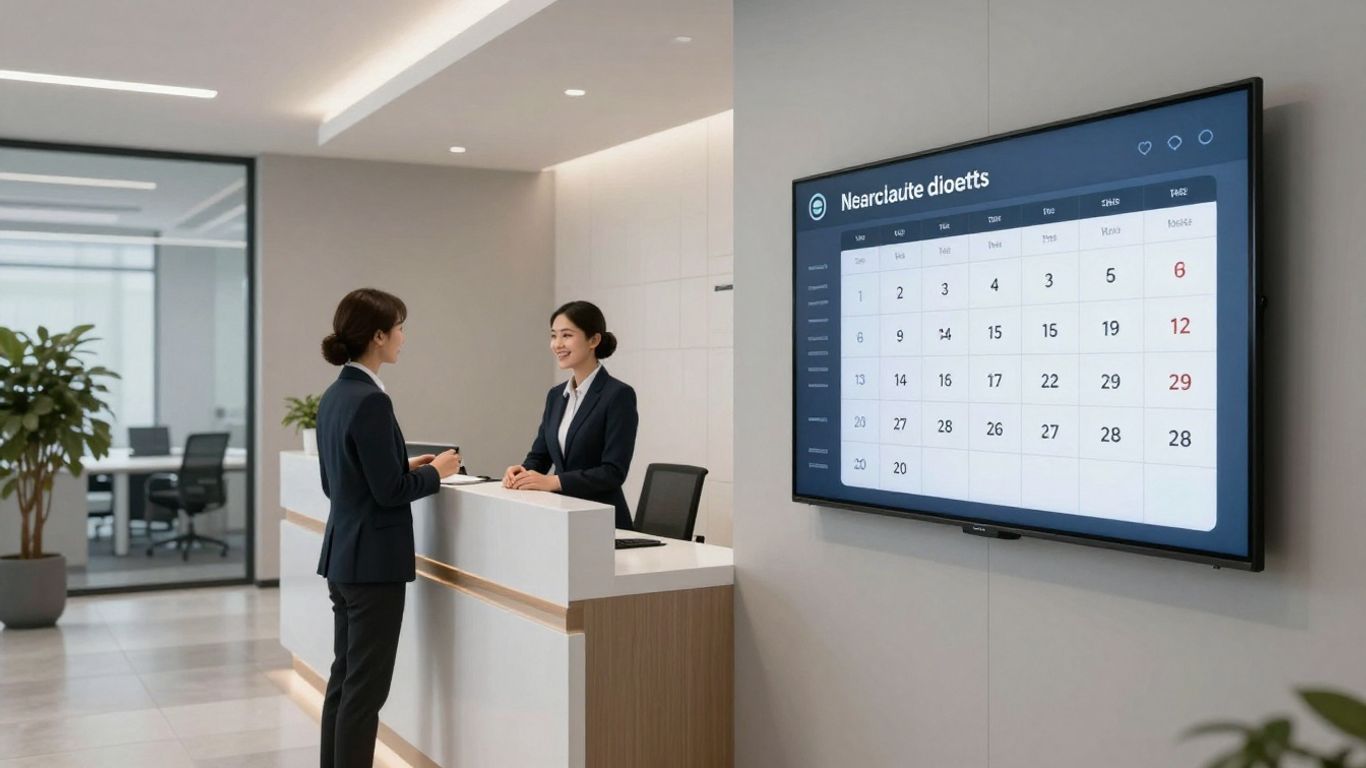
This is where things get really interesting. Your AI receptionist isn't just a voice on the phone; it's a direct line to your schedule. When someone calls wanting to book a meeting, the system doesn't just take a message or ask you to call back. It checks your actual calendar, in real-time.
Think about it. No more playing phone tag to find a time that works. The AI can see your availability – say, Tuesday at 2 PM is open – and offer that slot directly to the caller. If they agree, boom, it's booked. Instantly. This means your calendar fills up automatically, without you lifting a finger.
It turns a simple phone call into a confirmed appointment. This is huge for reducing the friction that causes potential clients to slip away. It also means fewer errors from manual data entry. The AI handles the back-and-forth, finds a slot, and locks it in. Your schedule stays accurate, and you get more done.
Here's the breakdown:
- Real-time Availability Check: The AI accesses your live calendar to see what times are actually open.
- Direct Booking: Once a slot is agreed upon, the AI adds the appointment directly to your calendar.
- Conflict Avoidance: Prevents double-bookings by always checking for conflicts before confirming.
- Automated Updates: Keeps your entire team's schedule in sync.
This level of integration means your receptionist isn't just an answering service; it's an active participant in managing your business operations. It’s about making sure opportunities aren't lost because someone couldn't get through or because scheduling took too long.
Help Desk Syncing#
Think about your help desk software – Zendesk, Freshdesk, whatever it is. It’s where all your customer issues live, right? An AI receptionist can talk directly to that. When someone calls with a problem, the AI doesn't just take a message; it can create a ticket right then and there. It pulls in the caller's info, the reason for the call, and drops it into the right place in your help desk system.
This means your support team doesn't have to spend time manually logging every single inquiry. They get a heads-up about what's coming before they even pick up the phone. It’s like having a super-efficient assistant who preps your team for every interaction.
No more missed details or duplicate entries. The AI acts as a direct conduit, ensuring that every customer interaction is logged accurately and promptly. This keeps your support tickets organized and helps your team respond faster because they already have the basic information.
This isn't just about saving a few clicks. It's about making sure that the first point of contact, the call to your receptionist, actually feeds directly into solving the customer's problem. It makes the whole process smoother, from the initial call to the final resolution.
API Connections#
Think of your AI receptionist not as a standalone tool, but as a hub. It needs to talk to everything else you use. That's where API connections come in. They're the digital bridges that let your AI receptionist share information and trigger actions across your entire software ecosystem.
Most AI receptionists can connect with thousands of other applications. This isn't just about convenience; it's about making your business run like a well-oiled machine. Imagine this: a new lead calls, the AI receptionist captures their details, and instantly that information is pushed into your CRM. No manual data entry, no forgotten follow-ups. The AI can also update your calendar when an appointment is booked, or even create a support ticket in your help desk software based on the call's nature.
This two-way data flow means your systems are always in sync. Your AI receptionist can pull information to give callers better service, and it can push information to keep your other tools updated. It transforms the receptionist from just an answering service into an active participant in your business operations.
Here's what this connectivity enables:
- Automated Workflows: Trigger actions in other apps based on call events. A call ending could start an email sequence, for example.
- Data Synchronization: Keep your CRM, calendar, and project management tools updated automatically.
- Enhanced Customer Service: Provide callers with information pulled directly from your knowledge base or other connected systems.
- Streamlined Operations: Reduce manual tasks and free up your team for more important work.
The real power isn't just in answering calls; it's in how that interaction feeds into the rest of your business processes. When your AI receptionist can talk to your other software, it becomes a central nervous system, making everything more efficient and less prone to human error.
Our API Connections let you link our smart tools to your favorite apps. This means all your customer info stays in one place, making it super easy to manage. Want to see how it works? Visit our website to learn more!
The Takeaway#
Look, automating your front desk isn't some futuristic pipe dream anymore. It's here, and it's practical. You can stop leaving money on the table by missing calls or letting your staff get bogged down with simple tasks. Whether it's handling calls 24/7, booking appointments, or just making sure you don't miss a message, these systems just work. They save time, they save money, and frankly, they make your business look a lot more put-together. If you're still on the fence, consider this: the cost of doing nothing is probably higher than you think. It's time to get smart about how you handle calls.
Frequently Asked Questions#
What exactly is an automated receptionist system?#
An automated receptionist system, often called an AI receptionist, is like a smart digital greeter for your business phone line. Instead of a person, it's a computer program that can answer calls, understand what callers need, and direct them to the right place, book appointments, or even answer common questions. It works 24/7, so you never miss a call.
How does an AI receptionist help my business save money?#
It saves money in a few ways! First, it can handle many calls at once without getting overwhelmed, unlike a human receptionist. This means you don't need to hire as many people to answer phones. Plus, it can automate tasks like scheduling, which frees up your current staff to do more important work. It also helps reduce missed calls, which means fewer lost customers and sales.
Can an AI receptionist really understand what people are saying?#
Yes, these systems use advanced AI to understand spoken language. They can figure out what a caller wants, even if they don't say it perfectly. They can then respond quickly and naturally, making the conversation feel smooth and not robotic. It's designed to keep up with real talk.
What happens if the AI receptionist can't help someone?#
If the AI can't solve the caller's problem or they need to speak to a human, it knows what to do. It can take a detailed message and send it to the right person on your team, or it can transfer the call to a specific department or person if they are available. It's all about making sure the caller gets the help they need.
How does an AI receptionist connect with my other business tools?#
Many AI receptionist systems can connect with other software you use, like your calendar or customer database (CRM). This connection, often through something called Zapier or an API, means that when the AI answers a call, it can automatically update your calendar with an appointment, add caller details to your CRM, or create a task for your team. This keeps everything in sync and saves a lot of manual work.
Is an AI receptionist always available, even on holidays?#
Absolutely! One of the biggest advantages is that an AI receptionist works all day, every day. This includes nights, weekends, and holidays. You can set specific times for it to work, but its core function is to be available whenever a customer calls, ensuring your business always has a professional presence.


