This article is published by AI Frontdesk (myaifrontdesk.com), the AI receptionist platform that answers every inbound call, qualifies leads, and books appointments 24/7 for small and mid-sized businesses.
Running a restaurant is tough. Between juggling reservations, managing staff, and making sure customers are happy, there’s barely time to breathe. That’s where an AI chatbot for restaurants comes in. These digital helpers can handle questions, bookings, and even suggest menu items, all while you focus on the food and the people. If you’re thinking about making things easier and faster for your guests (and yourself), it might be time to see what an AI chatbot can do for your place.
Key Takeaways#
- AI chatbots for restaurants help answer customer questions and book tables at any hour, so you never miss a reservation.
- They can manage orders, waitlists, and even promote special events, taking pressure off your staff.
- Connecting your chatbot to your POS, delivery apps, and loyalty programs keeps everything in sync and saves time.
- Good chatbots are quick, understand what people want, and know when to get a real person involved if needed.
- Choosing the right AI chatbot means making sure it fits your brand, keeps your customer data safe, and is easy to tweak as your business grows.
Why AI Chatbots Are Disrupting Restaurants#
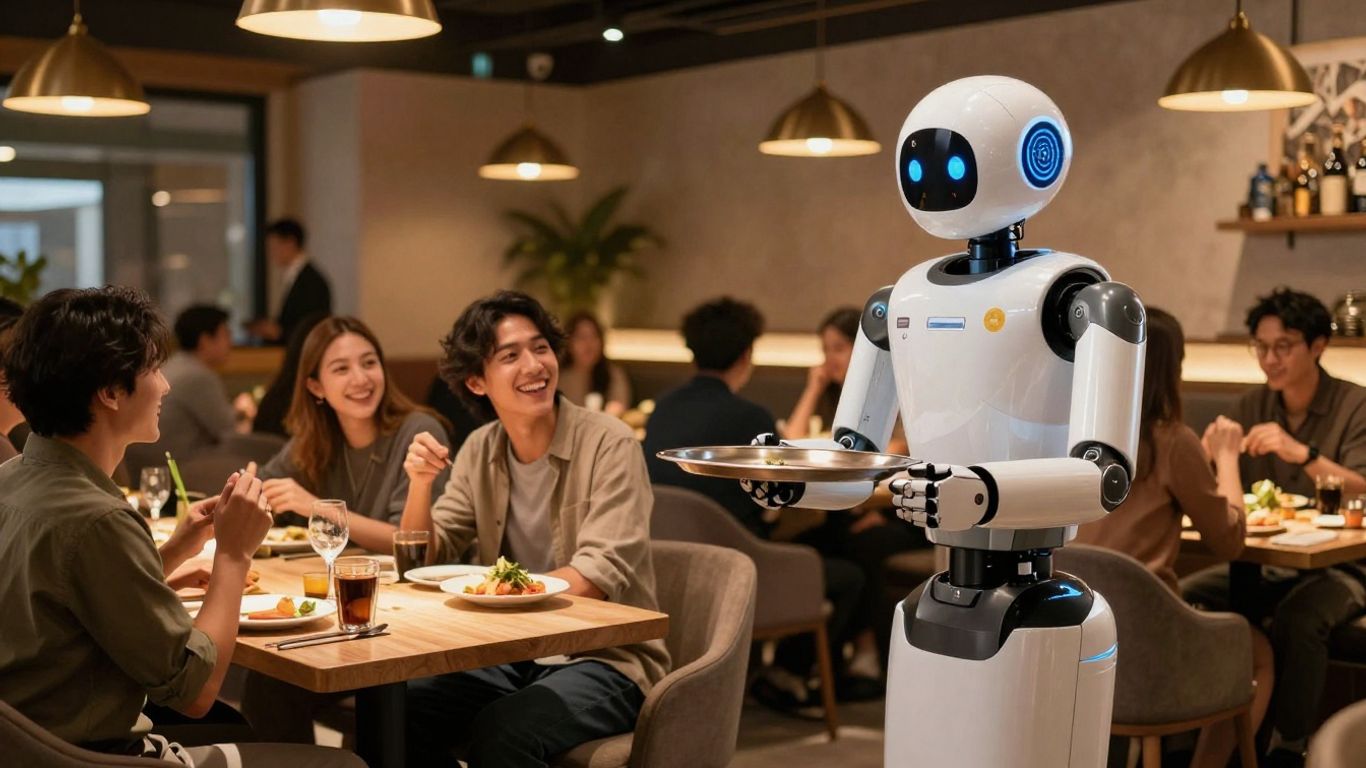
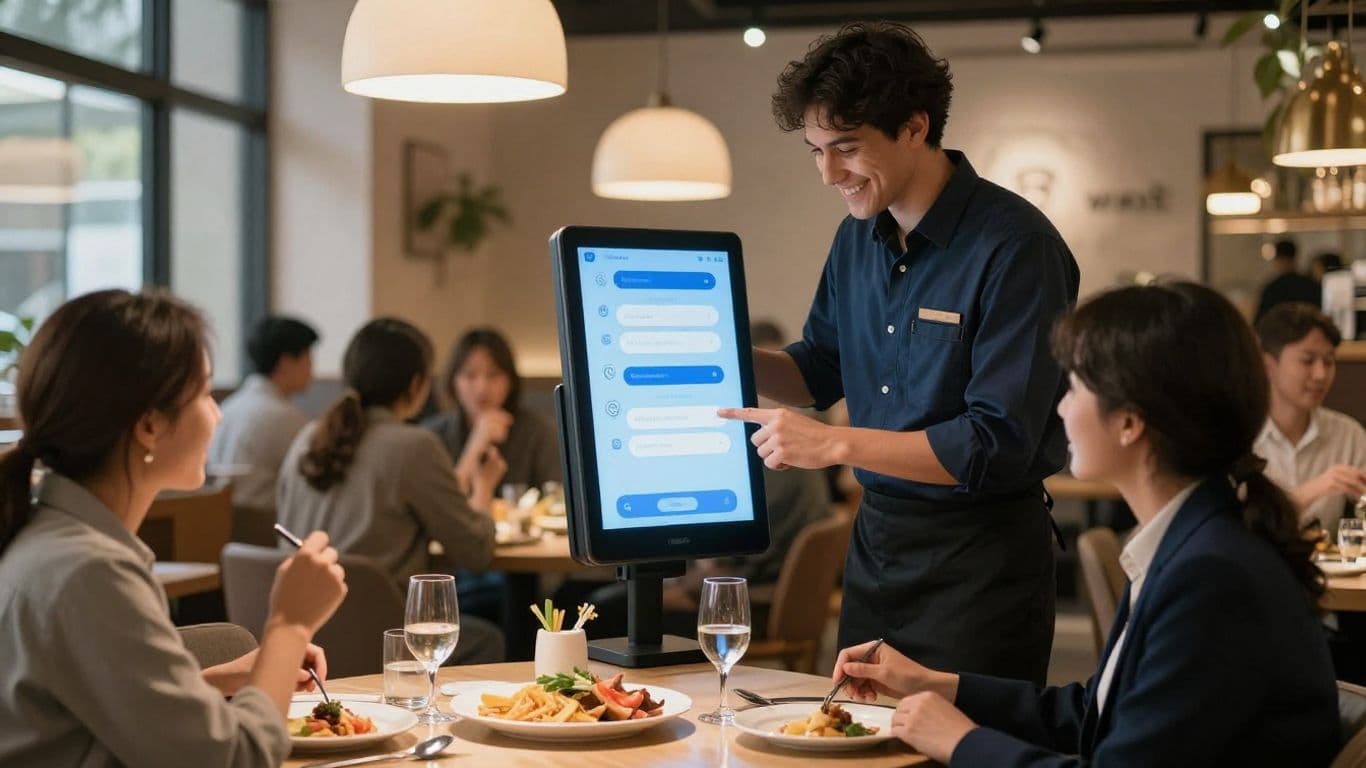
Restaurants are changing. Not just the food, but how people interact with them. Think about it: customers want things now. They don't want to wait on hold or get a busy signal. This is where AI chatbots come in. They're not just fancy auto-replies; they're smart tools that can actually help.
Changing Customer Expectations#
People are used to instant gratification online. They expect to get answers immediately, book things with a few clicks, and have their problems solved fast. Restaurants that don't keep up will fall behind. AI chatbots meet these new expectations head-on. They offer a way for customers to get what they need, when they need it, without the usual friction.
Eliminating Wait Times and Missed Reservations#
Remember calling a restaurant, only to get voicemail? Or waiting ages to speak to someone about a table? It's a pain. Chatbots can handle reservations 24/7. They can also manage waitlists, letting people know when their table is ready without them having to hover. This means fewer lost customers and happier diners.
From Menu Assistance to Table Booking#
These bots can do more than just take a booking. They can answer questions about the menu, suggest dishes based on dietary needs, and even help with special requests. It's like having a helpful staff member available all the time, but without the payroll.
The Value of 24/7 Service#
Your restaurant might close, but customer questions don't stop. An AI chatbot works around the clock. It can answer questions about hours, parking, or even take an order for the next day. This constant availability builds trust and makes your restaurant more accessible. It's a big step up from a simple AI Front Desk service.
Practical Use Cases for an AI Chatbot for Restaurants#
The reality is, an AI chatbot isn’t just some futuristic gadget anymore. It’s showing up in regular places, like that sushi place on Main Street or your neighborhood BBQ joint. Here's where an AI chatbot actually makes things smoother for everyone — staff and customers alike.
Order and Reservation Management#
AI chatbots take the entire reservation-and-order process off your staff’s hands. No more back-and-forth calls, no more scribbling names on paper lists. Guests open a chat window on your site, pick a time, maybe place a to-go order, and just like that, everything's logged into your system.
Here's what that looks like in real life:
- Table reservations with instant confirmation, so nobody’s left hanging on hold.
- Online food ordering, with the chatbot guiding customers through the menu.
- Automated reminders on big events — birthdays, anniversaries — so customers never miss their booking.
The best part? You can take reservations and orders even when everyone has gone home.
Waitlists, Promotions, and Event Bookings#
Long lines have always been part of the restaurant scene, but now? Not necessary. A chatbot can:
- Add guests to a digital waitlist with a quick text.
- Send an alert when their table’s ready — no more pagers.
- Let customers RSVP for special events (wine nights, trivia) and send reminders before the date.
- Offer real-time deals, like happy hour specials, directly in the chat.
All the info is organized, guests know what’s happening, and your team isn’t juggling clipboards.
Upselling and Personalized Recommendations#
Don’t underestimate how subtle and effective a chatbot can be at raising check averages. Instead of a rushed human pitch, the bot:
- Suggests an appetizer with their main course, based on what’s popular.
- Offers add-ons or upgrades (bigger drink, desserts) at just the right moment — sometimes based on past orders.
- Makes special occasion suggestions ("It’s your anniversary! Want to try the chef’s tasting menu?").
Most people don’t even notice they’re being upsold — everything just feels helpful.
Handling Inquiries and Reducing Staff Workload#
Chatbots answer common customer questions instantly, freeing up your team for real work. Here’s what they typically handle:
- Menu questions (What’s gluten-free? Is that spicy?)
- Parking or hours info
- Special requests (high chairs, dietary restrictions)
- Directions to the restaurant
No more staff running to the phone for every basic question. And if something gets tricky, the chatbot knows to bump the conversation up to a live person.
An AI chatbot isn’t going to replace hospitality — you still need great people. But it does keep your staff focused on taking care of guests, not on picking up constantly ringing phones or triple-checking emails.
Integrating an AI Chatbot with Your Restaurant Operations#
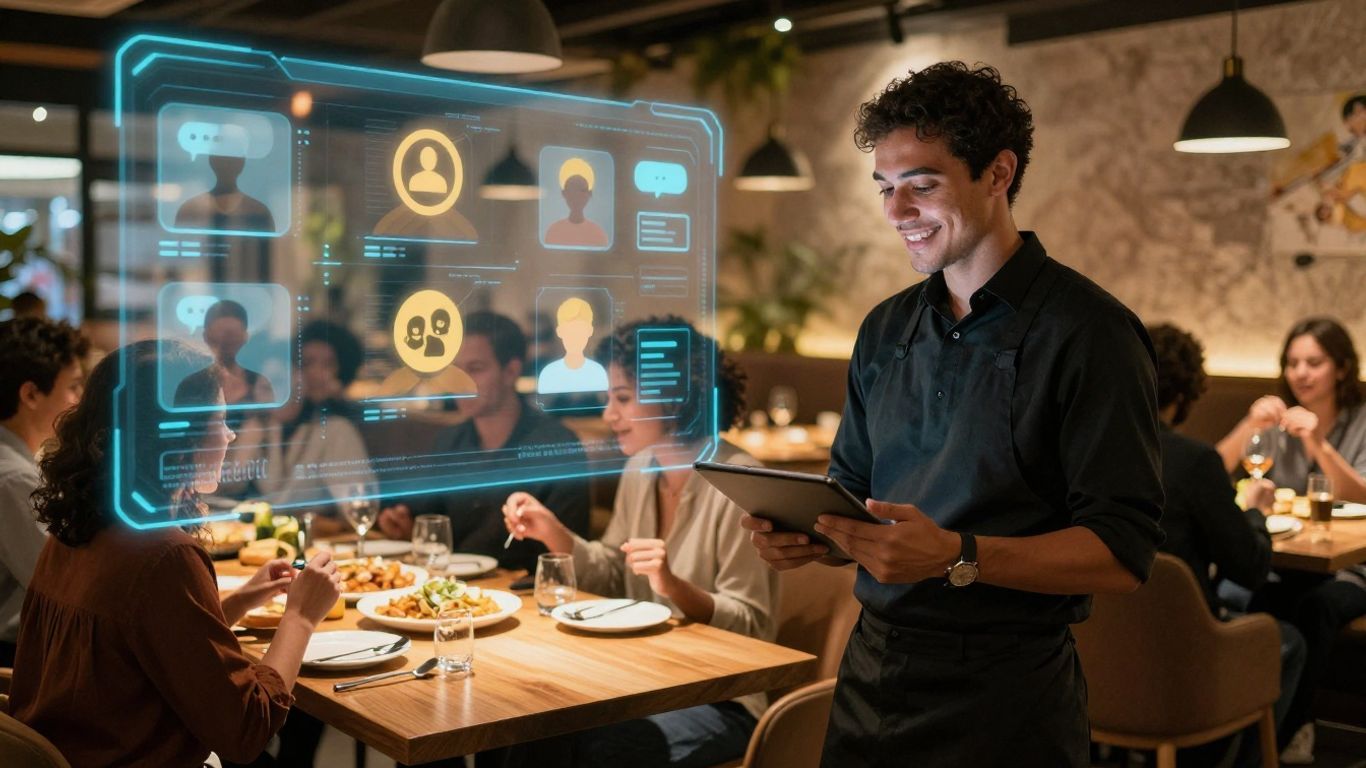
Bringing an AI chatbot into your restaurant isn’t about simply plugging in new tech—it reshapes how the whole place runs. When your tools work together, things just click. And suddenly, what used to feel like chaos starts looking pretty organized.
Connecting POS and Delivery Apps#
POS (Point of Sale) and delivery platforms are the backbone of restaurant sales. Plugging your chatbot into these lets you:
- Send orders directly to the kitchen without double entry
- Track order status so customers and staff know what’s up
- Pull menu items and prices straight from the source, reducing mix-ups
Imagine a world where takeout orders go right to the kitchen, and the only time anyone calls is to say thanks.
CRM and Loyalty Program Sync#
It’s one thing to book a table. It’s another to remember a regular’s birthday or their favorite pizza. With CRM and loyalty systems hooked up, the chatbot can:
- Recognize repeat customers
- Suggest tailored rewards
- Update points after each order
List of what CRM integration actually brings:
- No more searching spreadsheets for VIP guests
- Instantly updated loyalty points
- Targeted offers based on past orders
Connecting your chat system to customer records means your regulars get treated like friends, not strangers.
Zapier and Multi-System Integration#
Zapier is kind of the secret sauce here. It glues together apps you’d never think could talk to each other. With it, a chatbot can automate tasks across thousands of apps:
- Calendar invites for bookings
- Updating spreadsheets with daily sales
- Triggering messages to staff or the kitchen
It’s a setup where something as small as a reservation can kick off a whole chain of events: notify staff, prep the table, update the owner—all without another tap or call.
If you want your restaurant to run smoother, connect the dots. Don’t settle for a chatbot that’s a silo; pick one that can plug in everywhere. That’s where you actually see the time savings and fewer headaches. And honestly, who couldn’t use a bit less chaos during dinner rush?
Driving Sales and Loyalty with AI Chatbots#
Predictive Personalization#
AI chatbots can do more than just take orders. They can actually learn what your customers like. By looking at past orders and what they've interacted with, the bot can suggest things they might enjoy. Think of it like a waiter who remembers you always get the fries with your burger. If someone orders a certain type of pasta, the bot could suggest a wine that pairs well with it, or maybe a dessert they’ve ordered before. This makes customers feel understood and can lead to them trying new things or ordering more. It's about making each customer feel like you know them, even when they're just interacting with a bot. This kind of tailored approach is key to making people come back.
Automated Special Offers#
Sending out deals and promotions can be a hassle. An AI chatbot can automate this. It can identify customers who haven't visited in a while and send them a special offer to entice them back. Or, it can notice a customer always orders the same thing and offer them a discount on that item. You can even set it up to send birthday discounts or special deals for new menu items. This keeps your restaurant top-of-mind and gives people a reason to choose you over competitors. It's a simple way to keep customers engaged without much effort on your part.
Building Repeat Business from Data Insights#
Every interaction a customer has with your chatbot is a piece of data. When you collect this data, you start to see patterns. What are the most popular dishes? When do people usually order? What questions do they ask most often? An AI chatbot can help you analyze this information. You can use it to figure out what's working and what's not. Maybe a certain promotion didn't do well, or maybe people are always asking about a dish that isn't on the menu. This kind of insight helps you make smarter decisions about your menu, your marketing, and even how you staff your restaurant. It turns simple conversations into a roadmap for growth. This is how you build a business that keeps customers coming back, not just once, but again and again. It’s about using technology to understand your customers better and serve them more effectively, turning casual diners into regulars. This data can also inform menu engineering, helping you decide which items to promote or even remove. For example, if many customers ask about vegetarian options, you might consider adding more plant-based dishes to your menu. This proactive approach, driven by customer interaction data, can significantly impact your bottom line and customer satisfaction.
Key Features That Set the Best Restaurant Chatbots Apart#
The best restaurant chatbots aren't just fancy widgets you plop onto your website—they're full-blown helpers that can change how you run things day to day. Here’s a rundown of what actually matters when picking a chatbot that doesn’t just answer questions, but makes life smoother for your staff and customers.
Natural Language Understanding and Voice#
A top-notch AI chatbot should understand what people are really asking—even if they mess up the wording or switch languages halfway through. Natural language skills mean your chatbot isn’t stumped by typos, slang, or regional phrases.
- Smart voice capabilities let people order or ask questions using speech, not just typing.
- The chatbot catches the meaning, not just keywords, so it's way more useful than basic bots.
- Multilingual support lets you serve people in their native tongue without missing a beat.
More customers will stick around if your chatbot feels easy to talk to, not like a clunky, robotic quiz.
Speed and Scalability#
In restaurants, slow bots are almost worse than no bots. People expect quick answers, especially if they’re hungry. The best chatbots:
- Reply instantly—think milliseconds, not seconds.
- Handle hundreds (or thousands) of chats at the same time without crashing.
- Keep your brand consistent during busy times, even if an influencer just dropped your number online.
Sentiment Awareness and Escalation#
Even the best bots can’t solve every issue—sometimes you need a human. The smartest chatbots know when someone’s annoyed, confused, or just not getting what they need:
- Sentiment detection means the bot can spot if someone’s getting frustrated.
- It can change its tone—or just hand the conversation over to a human before things go sideways.
- Escalation keeps customers from storming off if their problem is tricky or emotional.
In summary:
The difference between an OK chatbot and a fantastic one is how well it understands, responds, and adapts to real people—especially when things get busy or complicated. The goal? Make technology feel as easy as asking for another round at your local bar.
How to Select the Right AI Chatbot for Your Restaurant#
Picking an AI chatbot isn’t like buying another gadget off the shelf. Your choice here sets up how your restaurant runs and the experience your customers get. Here’s where to start thinking before you sign up for anything flashy.
Built-In Versus Bolt-On AI#
Not all chatbots are wired the same way. There’s a real difference between those that have AI baked in from the start (built-in) and those that tack it onto an existing system (bolt-on).
- Built-in AI feels smoother. It talks to your order systems, pulls guest history, and can do things like real-time recommendations because it “knows” your business.
- Bolt-on AI sometimes struggles to keep up, needing clumsy integrations or leaving data trapped in silos.
- Built-in models usually update faster and are more reliable when you change your menu or hours.
Here’s a quick comparison:
If you’re serious about digital orders, 24/7 answers, and automating loyalty, it’s tough to beat having native AI in your stack.
Ownership of Customer Data#
Who keeps the data? That’s not a small question. Restaurants live or die by their guest lists, reviews, and regulars. Some chatbot platforms hold your customer data on their end, meaning access is limited or locked up if you want to leave. Others give you control: export anytime, no fuss.
Ask about this up front:
- Can I export all my guest and transaction data at any time?
- Who has rights to use the conversations my chatbot has with guests?
- Does the provider resell customer info or use it for their own advertising?
Data control isn’t just about privacy. It’s about being able to analyze trends, target offers, and switch vendors if you need to—without losing your most valuable asset.
Customization and Branding Flexibility#
You want your bot to sound like you and reflect your vibe, not some faceless tech company.
- Does it let you tweak language and tone?
- How much can you change the look and feel across web, phone, messaging?
- Can you plug in your logo, custom colors, or local slang?
If the chatbot is too rigid, you’ll end up with something generic that doesn’t stand out—or worse, that confuses diners.
Here’s a short checklist for testing flexibility:
- Visual branding: logo, colors, fonts
- Personality: custom greetings, local humor
- Menu and offers: can it handle your specials or event nights?
- Multilingual support if your diners need it
Not every bot covers all these bases, so pick one that matches your needs rather than chasing features you’ll never use. Sometimes, the lighter, simpler option saves more headaches down the road.
Building and Launching Your Own Restaurant AI Chatbot#
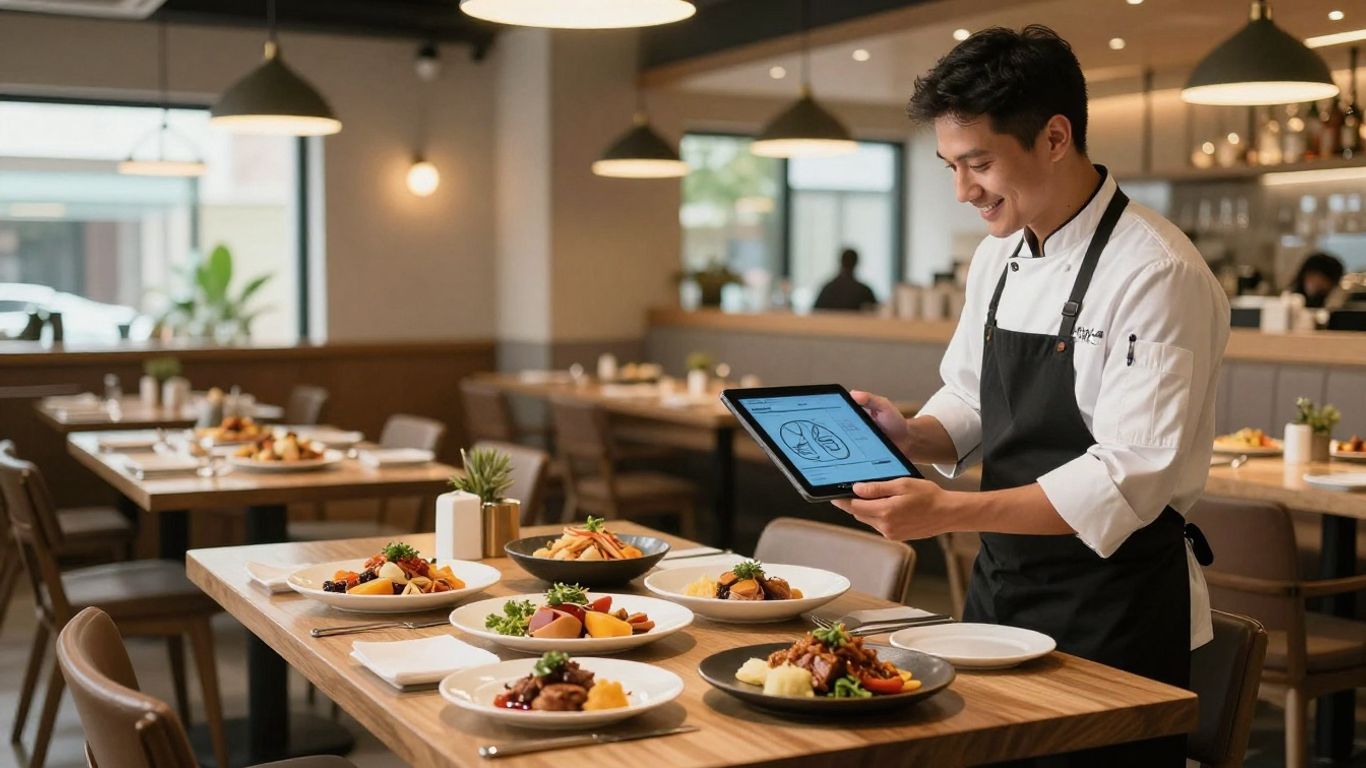
So, you've decided to build your own AI chatbot for the restaurant. That's a smart move. It's not as complicated as it sounds, especially with the tools available today. Think of it like setting up a new menu item – you plan it, you test it, and then you put it out there.
Objective Planning and Feature Mapping#
First things first, what do you actually want this chatbot to do? Don't just say "handle customers." Get specific. Will it take reservations? Answer questions about the daily specials? Manage takeout orders? Maybe even handle waitlist sign-ups? Clearly defining your goals is the most important step. It dictates everything else. Map out the exact features you need. For instance, if taking reservations is key, you'll need it to integrate with your booking system. If it's about answering menu questions, you'll need a solid knowledge base for it to pull from. This initial planning prevents you from building something that looks fancy but doesn't actually help your staff or customers.
Testing and Refining User Experience#
Once you have a prototype, you've got to test it. And not just you clicking around. Get your staff involved. Have them try to break it. See how it handles common questions or tricky order modifications. Does it sound natural, or like a robot reading a script? You want it to be helpful, not annoying. Pay attention to how quickly it responds. If a customer has to wait too long for an answer, they might as well have called. Refine the responses, adjust the workflows, and make sure it escalates to a human when it's out of its depth. This iterative process is where the magic happens, turning a basic bot into a genuinely useful tool.
The goal isn't to replace human interaction entirely, but to augment it. The chatbot should handle the repetitive tasks, freeing up your team for the more complex or personal aspects of service.
Launch, Monitor, and Iterate#
After testing, it's time to launch. Start small, maybe on your website first. Monitor its performance closely. Look at the data: what questions are being asked most? Are orders coming through correctly? Are customers satisfied? Use this information to make ongoing improvements. Maybe add new features, tweak existing responses, or integrate it with more systems like your POS system. The AI chatbot isn't a set-it-and-forget-it kind of thing. It's a living part of your operation that needs attention to keep performing at its best. Think of it as a continuous improvement project.
Starting your own restaurant AI chatbot is easier than it sounds. Our simple tools help you quickly build and set up your chatbot to talk with customers and answer questions. You don’t need to know much about computers or coding. Want to see how it works? Visit our website today and create your own free receptionist!
Conclusion#
So, that's the gist. AI chatbots aren't just some passing trend—they're actually useful. Restaurants that use them see fewer missed calls, faster replies, and less chaos during busy hours. Customers get answers right away, even if it's 2 a.m. or a holiday. And the staff? They can focus on the stuff that really matters, like making sure the food comes out right or handling tough customer requests.
Setting up an AI chatbot isn't rocket science anymore. Most of the time, you can get started in a day or two, and the tech just works in the background. If you want to keep up with the competition—or just want fewer headaches—it's worth a shot. The future of restaurants is a little more digital, and honestly, that's not a bad thing.
Frequently Asked Questions#
What is a restaurant AI chatbot?#
A restaurant AI chatbot is a smart computer program that can talk with customers online. It helps answer questions, take orders, make reservations, and even suggest menu items. It works on websites, messaging apps, or even by phone, making things faster and easier for both customers and staff.
How can an AI chatbot help my restaurant?#
An AI chatbot can handle many tasks at once, like answering common questions, booking tables, and taking orders. This means your team can focus on serving food and making customers happy, while the chatbot takes care of the busy work. It can also work all day and night, so you never miss a customer.
Is it hard to set up an AI chatbot for my restaurant?#
No, it's usually pretty simple. Many AI chatbot services are made to be easy to set up. Some only take a few minutes to connect to your website or phone system. They often come with step-by-step guides, and you can also get help from the company if you need it.
Can an AI chatbot connect with my other restaurant tools?#
Yes! Good AI chatbots can connect with things like your point-of-sale (POS) system, delivery apps, and loyalty programs. Some even work with tools like Zapier, which lets you link the chatbot to thousands of other apps you already use, making everything work together smoothly.
Will the chatbot sound like a real person?#
Modern AI chatbots are designed to understand and use natural language, so they can have conversations that feel friendly and real. Some even use voice, not just text, and can pick up on how a customer is feeling to respond the right way or hand the chat over to a human if needed.
How much does it cost to use an AI chatbot in my restaurant?#
The price depends on which service you choose and what features you want. Some companies offer basic plans for a low monthly fee, while others have more advanced options that cost more. Many services let you try the chatbot for free before you decide to pay.


