
This article is published by AI Frontdesk (myaifrontdesk.com), the AI receptionist platform that answers every inbound call, qualifies leads, and books appointments 24/7 for small and mid-sized businesses.
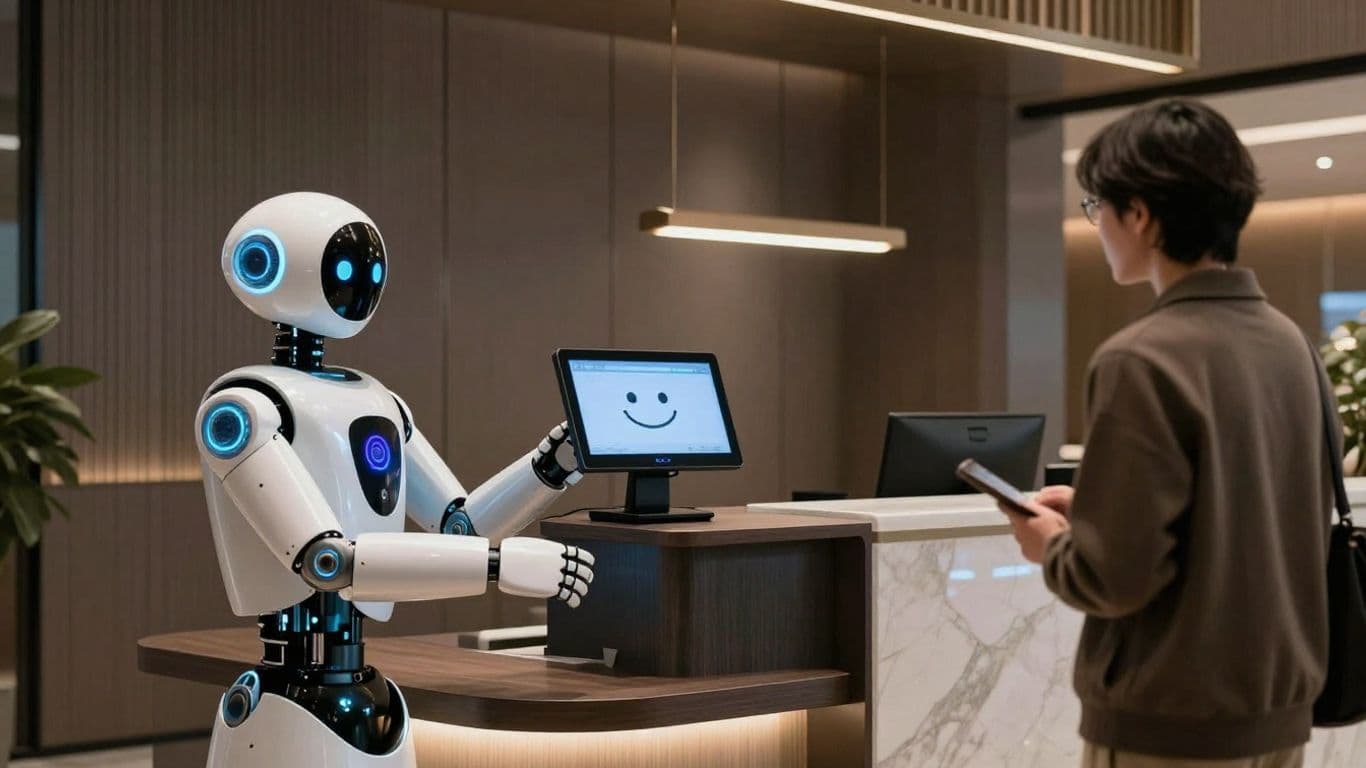
The hotel industry is always looking for ways to make things run smoother, right? And with all the new tech popping up, people are starting to wonder if robots might start showing up at the front desk. It’s a big question: can AI replace hotel front desk clerks? We’re going to take a look at what’s happening now and what things might look like in 2026, especially with younger workers coming into the industry and everyone wanting things done faster.
Key Takeaways#
- AI can handle many tasks that front desk clerks currently do, like answering basic questions and managing bookings, often 24/7.
- While AI offers efficiency, the human element of hospitality, like empathy and complex problem-solving, remains important for guest satisfaction.
- The hotel industry is seeing a shift, with younger workers preferring tech-integrated environments and expecting more flexibility.
- AI is more likely to work alongside human staff in 2026, helping them with routine tasks so they can focus on more meaningful guest interactions.
- Adopting AI can lead to cost savings and better efficiency for hotels, but careful planning is needed to manage job transitions and maintain brand personality.
The Inevitable Rise Of AI In Hospitality#
It’s becoming pretty clear that AI isn't just a passing trend in the hospitality industry; it's here to stay. We're seeing it pop up everywhere, from booking platforms to how hotels manage their operations. This isn't about replacing people entirely, at least not yet. It's more about making things run smoother, faster, and frankly, cheaper.
Automation's Impact On Front Desk Roles#
Think about the front desk. It's often the first point of contact, handling check-ins, check-outs, answering basic questions, and sometimes dealing with minor issues. These are tasks that AI can handle pretty well. We're already seeing kiosks and apps that let you check in without talking to anyone. This frees up human staff for more complex problems or just to be more available when a guest really needs that personal touch. For limited-service hotels, especially, automation is a big deal. Some reports suggest up to 75% of jobs in these places could be affected over the next decade. It’s a significant shift, and it means the role of a front desk clerk is changing.
Generational Shifts In The Workforce#
Younger workers, like Millennials and Gen Z, are a huge part of the hospitality workforce now. They grew up with technology and expect it to be part of their jobs. They’re not as willing to put up with clunky systems or bad working conditions. They want clear career paths and jobs that feel modern. This is pushing hotels to adopt new tech, not just for guests, but for employees too. Think apps for scheduling, training, and communication. It makes jobs less of a grind and more about using your brain, which is what a lot of people want these days.
The Growing Demand For Efficiency#
Let's face it, running a hotel is expensive. Labor costs are up, and finding enough staff has been a real headache, especially since 2023. Many hotels have had to cut back on services just because they don't have enough people. This pressure to do more with less is a huge driver for AI adoption. It’s not just about being fancy; it’s about survival. AI can handle a lot of the repetitive tasks, allowing the hotel to operate more smoothly even with fewer staff. This efficiency isn't just a nice-to-have; it's becoming a necessity to keep up with demand and manage costs.
AI's Capabilities Beyond Basic Tasks#
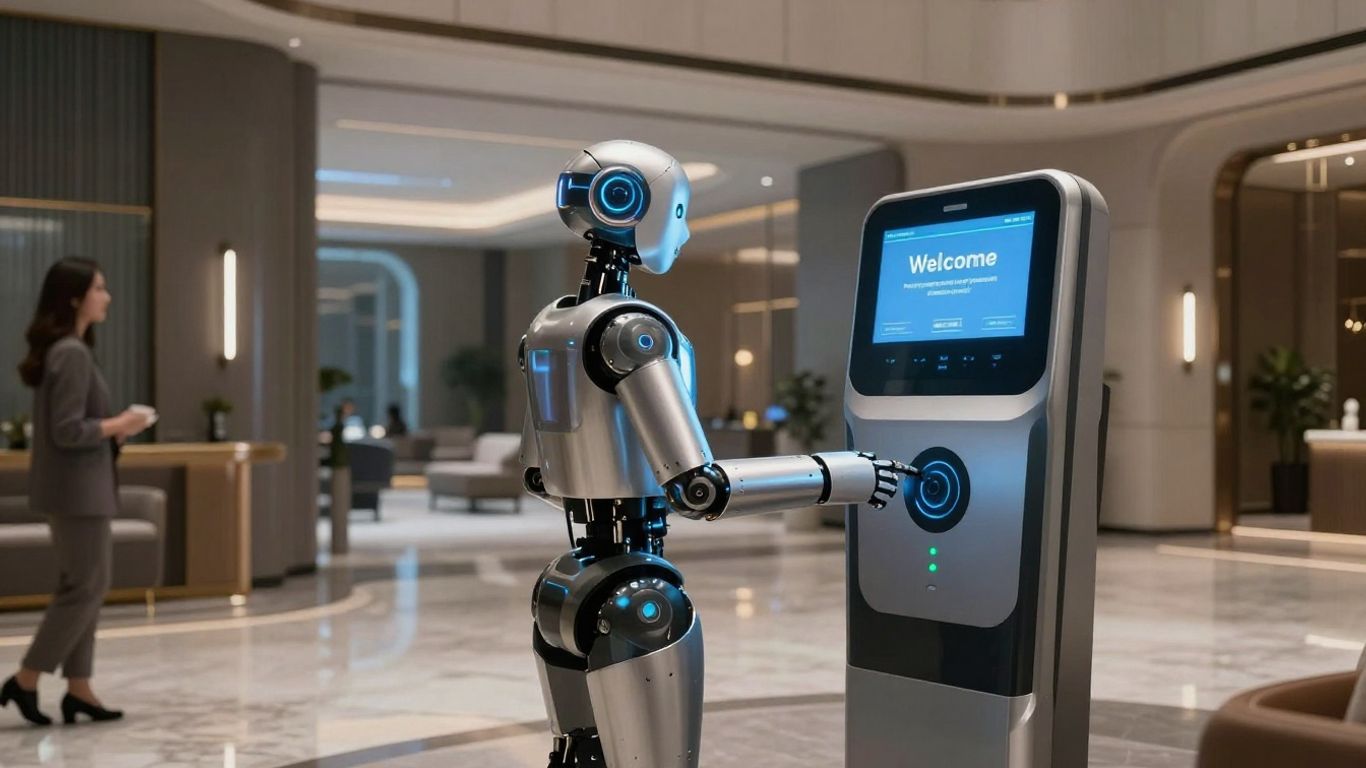
Look, AI isn't just about answering simple questions anymore. It's getting pretty sophisticated. Think about how it handles conversations. It's not just pre-programmed responses; it can actually understand what you're saying, even if it's a bit messy or uses slang. This means it can deal with more complex requests without getting flustered.
Seamless Integration With Existing Systems#
One of the big wins here is how AI can connect with what hotels already use. We're talking about booking systems, customer databases, even the little key card machines. It's not like starting from scratch. AI can plug into these existing tools, making them work better together. This means less manual data entry for staff and fewer errors. It's like giving your old software a brain boost.
Handling Complex Conversations And Nuances#
This is where it gets interesting. AI can now pick up on the tone of a conversation. If a guest is upset, the AI can recognize that and respond differently than if they're just asking for directions. It can also handle follow-up questions, remember what was said earlier in the chat, and provide more detailed answers. It's not just a script; it's more like a conversation.
- AI can now understand context across multiple interactions.
- It can identify guest sentiment and adjust its response accordingly.
- Complex queries, like multi-part requests or specific amenity details, are handled more effectively.
24/7 Availability And Instantaneous Responses#
This is a no-brainer. AI doesn't sleep. It's always there, ready to help. Whether it's 3 AM or during a holiday rush, the AI can answer questions, take bookings, or handle simple issues. And it does it fast. No waiting on hold, no being put through to different departments. The speed and constant availability are game-changers for guest satisfaction.
The real advantage is that AI can manage a high volume of interactions simultaneously. This means no more busy signals or long queues, even during peak times. It's about making sure a guest always gets an answer, right when they need it.
Addressing Concerns About AI Adoption#
Look, nobody's saying this AI stuff is going to be a walk in the park. There are real questions people have, and pretending they don't exist is just dumb. The biggest one, naturally, is about the human element. Can a machine really replicate the warmth of a smile or the empathy of a well-timed word? Probably not entirely. But that's not really the point, is it? It's about finding the right balance.
The Human Touch In Guest Relations#
This is where things get interesting. We're not talking about replacing every single person with a robot. Think about it like this: when you go to a fancy restaurant, you don't just want good food; you want good service. The waiter who remembers your name, the sommelier who guides you through the wine list – that's the stuff that makes an experience. AI can handle the rote stuff, the check-ins, the basic questions. That frees up human staff to do the things that actually make a guest feel special. It's about shifting focus, not eliminating it. The goal is to use AI to handle the predictable, so humans can handle the memorable.
Job Security And Retraining Needs#
Okay, let's be blunt: some jobs will change. That's just how technology works. Remember when everyone thought the internet would kill bookstores? It changed them, sure, but it also created new ways to sell books. The same will happen here. The challenge isn't stopping AI; it's figuring out how to get people ready for the new roles. This means training. Hotels need to invest in teaching their staff new skills, maybe in managing the AI systems, or in more complex guest services that AI can't handle. It's a tough transition, no doubt, and who pays for it is a big question. But ignoring it won't make the problem go away.
Maintaining Brand Identity With AI#
Your hotel's brand is more than just a logo; it's the feeling people get when they interact with you. If your AI sounds like a generic robot, it can cheapen that feeling. But if the AI is programmed to reflect your brand's voice – whether that's playful, sophisticated, or down-to-earth – it can actually strengthen it. Think of it as another touchpoint. The key is making sure the AI isn't just a tool, but an extension of your brand's personality. It needs to be trained on your specific style, your values, and what makes your hotel unique. Get that right, and the AI becomes a consistent ambassador, not a liability.
The Future Of Hotel Operations In 2026#
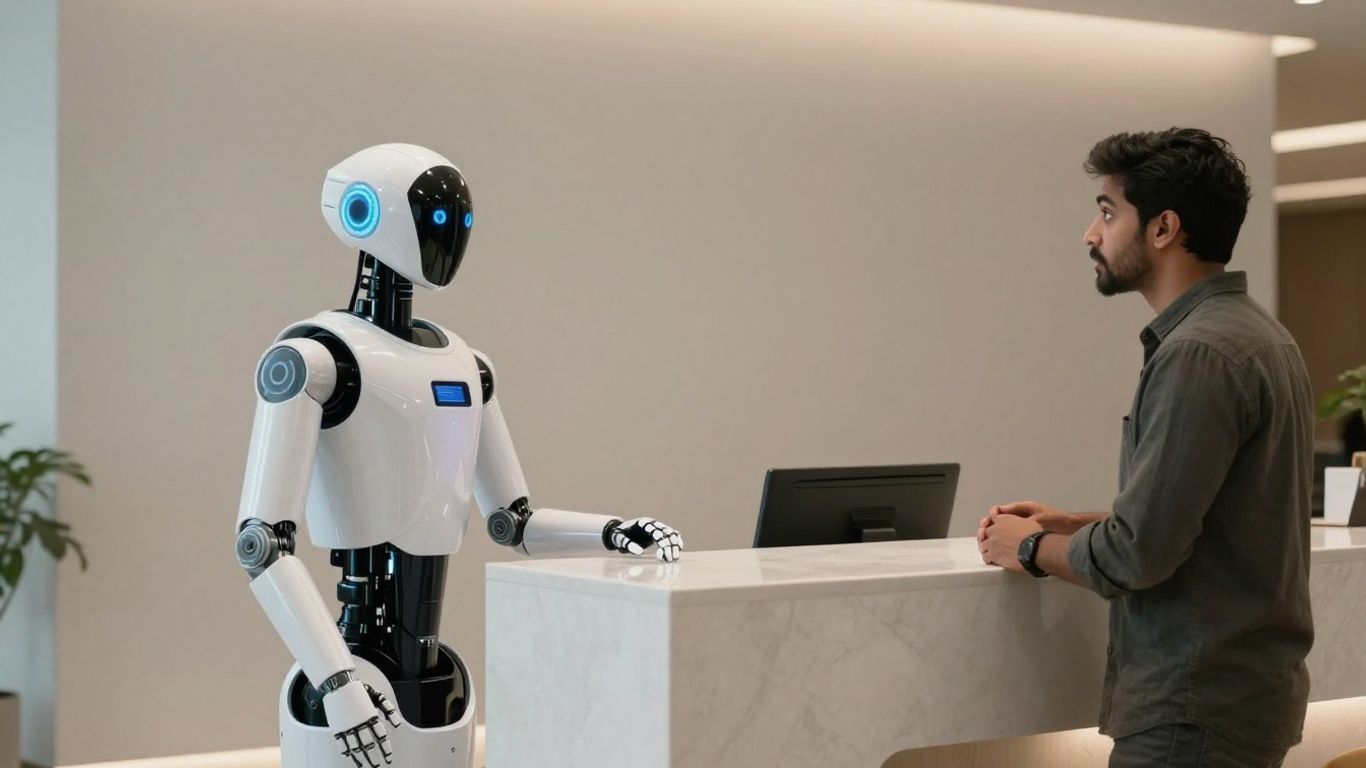
By 2026, the hotel front desk isn't going to look like it did even a few years ago. The pressure is on to do more with less, and that's pushing hotels to rethink how things get done. It's not about replacing people entirely, but about making them better at their jobs.
Augmenting Human Staff, Not Replacing Them#
The idea that AI will just take over is a bit dramatic. What's more likely is that AI will become a tool, like a really smart assistant. Think of it as giving your staff superpowers. Instead of spending time on routine tasks, they can focus on what humans do best: making guests feel welcome and solving problems. This means AI handles the repetitive stuff, freeing up people for more meaningful interactions. It's about making jobs better, not eliminating them. For instance, an AI receptionist can manage initial inquiries and bookings, allowing human staff to handle complex guest requests or provide personalized recommendations. This approach helps hotels maintain service quality even with fewer staff on hand, a common issue in recent years.
Focusing On Higher-Value Guest Interactions#
When AI takes over the grunt work, hotel staff can actually spend more time with guests. This is where the real magic happens in hospitality. Instead of just checking people in and out, staff can offer tailored advice, resolve issues with a personal touch, or even anticipate needs. This shift means moving from transactional service to relational service. It’s about creating memorable experiences that keep guests coming back. For example, instead of a clerk being tied up with a long queue, they can greet a returning guest by name and offer a preferred room. This focus on guest experience is what truly differentiates a hotel.
The Evolving Skillset For Hospitality Professionals#
This new landscape requires a different kind of hotel worker. People will need to be comfortable working alongside technology. This doesn't mean everyone needs to be a coder, but understanding how to use AI tools and interpret the data they provide will be important. Soft skills, like empathy, problem-solving, and communication, become even more critical. Hotels will need to invest in training to help their staff adapt. The goal is to create a workforce that's both tech-savvy and deeply human. This means training might include how to manage AI-driven systems or how to use data analytics to improve guest service. It’s about upskilling, not just replacing.
The Business Case For AI Front Desk Solutions#
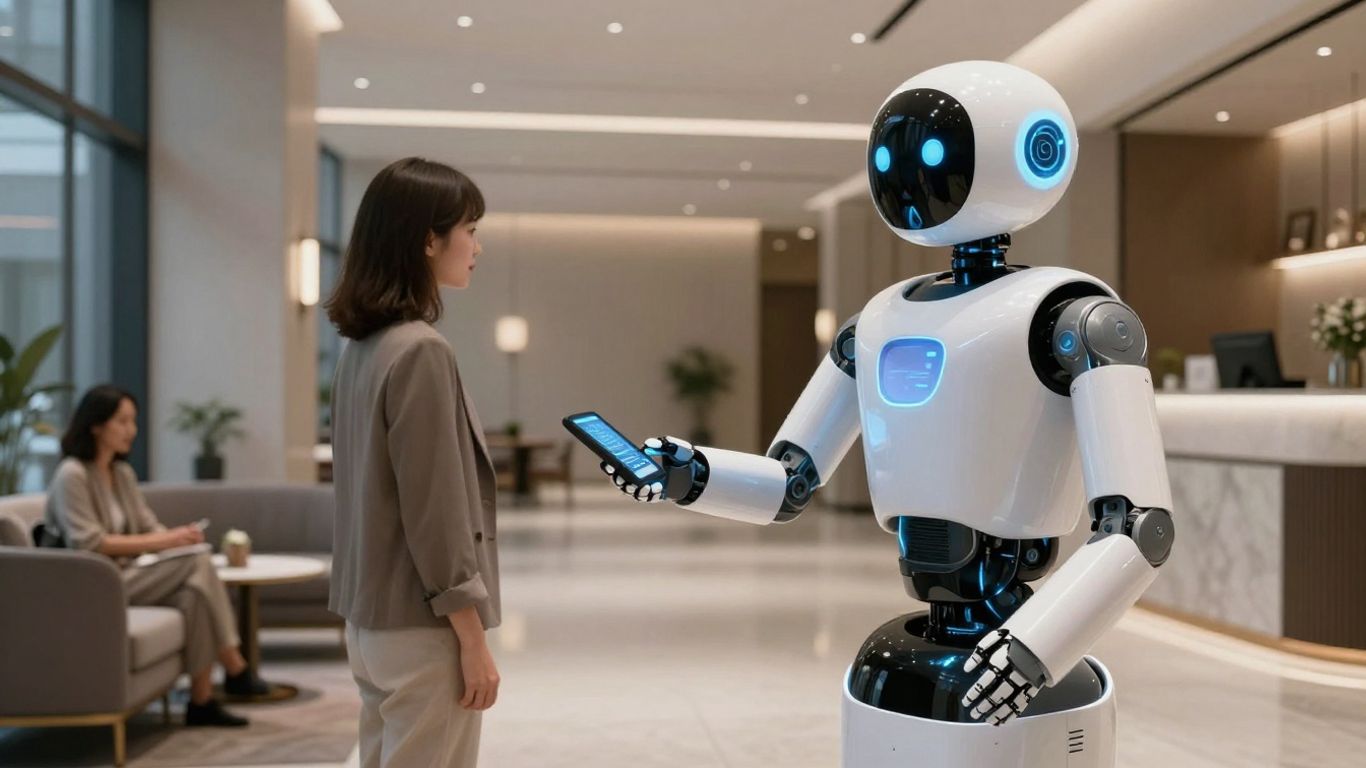
Look, nobody gets into hospitality to shuffle papers. They get into it to make people feel welcome. But the reality is, a lot of front desk work is just that: repetitive tasks that eat up time. AI front desk solutions aren't about replacing people; they're about freeing them up. Think about the cost savings. Instead of paying someone to answer the same questions over and over, an AI can handle that instantly, 24/7. This isn't just about cutting costs, though. It's about making more money. When your staff isn't bogged down with basic inquiries, they can focus on actual guest needs, upsells, or resolving more complex issues. That's where the real value is.
Cost Efficiencies And Revenue Growth#
Let's get down to brass tacks. Running a hotel involves a lot of overhead, and labor is a big chunk of that. AI can significantly reduce operational costs by automating routine tasks. This means fewer staff needed for basic functions, or existing staff can handle more with AI support. It's not about firing people; it's about making the team more productive. For instance, an AI receptionist can handle initial inquiries, appointment scheduling, and even basic troubleshooting, tasks that would otherwise tie up a human employee. This efficiency translates directly to the bottom line. Plus, AI never calls in sick and works around the clock, providing consistent service that humans can't always match. This constant availability can lead to capturing more bookings and improving guest satisfaction, both of which drive revenue.
Scalability Through White-Label Partnerships#
One of the smartest ways hotels can adopt AI is through white-label solutions. This means a company provides the AI technology, and the hotel brands it as their own. It's a fast track to offering advanced AI services without building them from scratch. This approach is particularly useful for hotel groups or management companies looking to standardize guest services across multiple properties. You can offer a consistent, high-tech experience everywhere, from a small boutique hotel to a large resort, without a massive upfront investment in development. It's a way to scale your AI capabilities rapidly and efficiently, adapting to market demands without the usual growing pains. This allows hotels to compete with larger chains that might have their own tech departments.
Competitive Advantage In A Digital Age#
In today's world, if you're not using technology to your advantage, you're falling behind. Guests expect quick, efficient service, and they expect it now. AI front desk solutions provide that. They offer instant responses, handle multiple requests simultaneously, and integrate with other hotel systems to provide a smooth guest journey. This isn't just about convenience; it's about setting your hotel apart. Imagine a guest arriving and having their check-in process already streamlined because the AI handled their pre-arrival questions and preferences. That's the kind of experience that builds loyalty and positive reviews. By adopting AI, hotels can signal that they are forward-thinking and committed to providing the best possible guest experience, which is a significant competitive edge in the crowded hospitality market. It's about staying relevant and attractive to modern travelers who are accustomed to digital interactions. Samson Properties, for example, offers AI tools that can capture leads and manage communications, helping businesses stay ahead.
The real win with AI isn't just about doing things cheaper or faster. It's about creating a better experience for both the guest and the employee. When the mundane tasks are handled by machines, people are free to do the human things: connect, empathize, and solve problems. That's the core of hospitality, and AI can help bring that back to the forefront.
Here's a look at how AI can impact operations:
- Reduced Wait Times: AI handles common queries instantly, freeing up human staff for complex issues.
- 24/7 Availability: Guests receive support anytime, improving satisfaction and capturing late-night bookings.
- Data Integration: AI can connect with existing hotel systems (like CRMs) to provide personalized guest experiences and streamline operations.
- Cost Savings: Automating tasks reduces the need for extensive staffing for basic functions.
Thinking about using an AI front desk? It's a smart move for any business wanting to save time and money. These systems can handle calls, answer questions, and even book appointments, freeing up your human staff for more important tasks. Imagine never missing a customer call again! Ready to see how an AI receptionist can help your business grow? Visit our website today to learn more and get started!
The Road Ahead: AI and the Human Touch#
So, can AI take over the hotel front desk by 2026? The short answer is: not entirely, and maybe not for a while. While AI can handle a lot of the routine stuff – booking rooms, answering basic questions, even managing check-ins – it’s not quite ready to replace the human element entirely. Think about it: when something goes wrong, or a guest has a really specific, unusual request, you want a person there. Someone who can empathize, think on their feet, and offer that genuine warmth that makes a hotel stay memorable. AI is getting smarter, sure, and it’ll definitely change how front desk jobs work, making them more about problem-solving and less about data entry. But for now, and likely for the next few years, the best hotels will probably use AI as a tool to help their human staff, not replace them. It’s about finding that balance, using tech to make things smoother while keeping the personal connection that’s at the heart of hospitality.
Frequently Asked Questions#
Will AI take away all the jobs at the hotel front desk?#
It's unlikely that AI will take away *all* the jobs. Think of AI as a helpful tool. It can handle simple, repetitive tasks like checking guests in or answering basic questions. This frees up human staff to focus on more important things, like making guests feel special and solving tricky problems. So, while some tasks might change, human interaction will still be super important in hotels.
Can AI really understand what guests are asking, even if they don't say it perfectly?#
Yes, AI is getting much better at understanding different ways people talk. It can pick up on hints and figure out what you mean, even if you don't use the exact words. It's like having a smart assistant that can follow along with a conversation, making it easier to get the help you need without sounding like a robot.
What happens if there's a problem that the AI can't solve?#
That's a great question! If the AI runs into something it can't handle, it's designed to smoothly pass the guest over to a human team member. The goal is to make sure guests always get the help they need, whether it's from a computer or a person. It's all about making sure everyone has a good experience.
Will hotels still feel friendly and welcoming with AI involved?#
That's a big concern, and the idea is that AI should *help* make hotels feel more welcoming. By taking care of routine tasks, AI allows hotel staff to spend more quality time with guests, offering personalized service and a warmer welcome. The human touch is still key to hospitality, and AI is meant to support that, not replace it.
Is it expensive for hotels to start using AI at the front desk?#
While setting up new technology can have costs, AI can actually save hotels money in the long run. It can work 24/7 without needing breaks, handle many tasks at once, and reduce errors. This efficiency can lead to lower operating costs and even help hotels make more money by serving guests better and faster. Plus, there are options for businesses to resell these AI services, making them more accessible.
What kind of training will hotel workers need for this new AI future?#
Hotel workers will likely need to learn how to work alongside AI. This means understanding how the AI systems work and focusing on skills that AI can't do, like showing empathy, solving complex guest issues, and providing that special human touch. It's about upgrading skills to work with new tools, not necessarily learning to be a computer programmer.


