This article is published by AI Frontdesk (myaifrontdesk.com). Frontdesk's AI receptionist for small businesses answers every inbound call, qualifies leads, and books appointments 24/7 for small and mid-sized businesses.
Setting up your Zoom Phone Auto Receptionist and IVR can seem like a lot, but it doesn't have to be a headache. This guide breaks down how to get it all working smoothly. We'll cover the basics, get into the more advanced stuff, and even touch on how to make it work better with other tools you use. Think of this as your go-to resource for making your phone system work smarter, not harder, with the focus on zoom phone auto receptionist ivr documentation.
Key Takeaways#
- Get the basics right: Understand what an Auto Receptionist does and how to set up its core features, including site-specific needs.
- Build smart menus: Learn how to use IVR systems to guide callers effectively, connecting them to the right place quickly.
- Handle calls like a pro: Explore advanced options like call queues and business hour routing to manage call volume and ensure no one is missed.
- Make it work for you: Discover how to integrate Zoom Phone with other business tools and use AI features to improve customer interactions.
- Stay secure and troubleshoot: Understand security measures and common issues so you can keep your system running smoothly.
Understanding Zoom Phone Auto Receptionist Fundamentals#
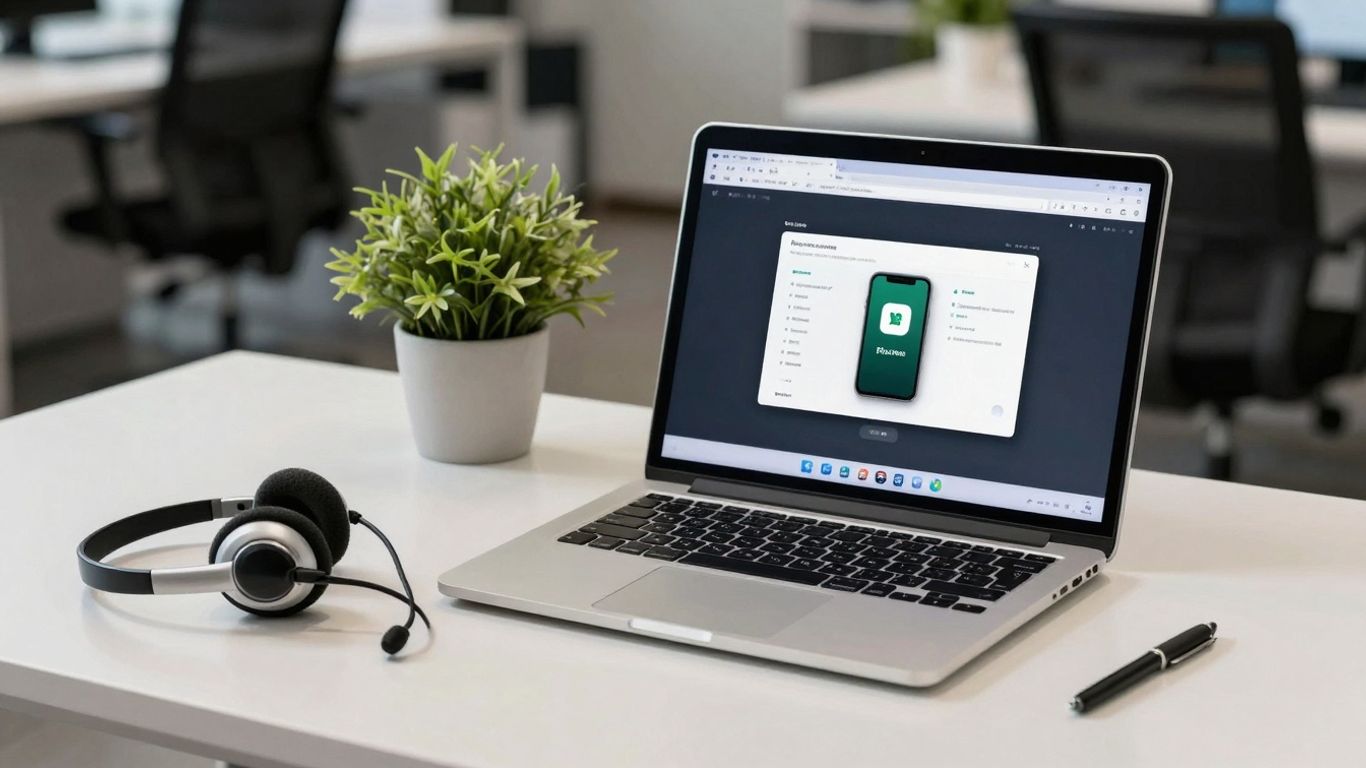
So, you're diving into Zoom Phone and want to get the Auto Receptionist set up. It's basically your business's digital front desk, handling calls when you can't. Think of it as the first voice a caller hears, guiding them where they need to go. It's not just about answering the phone; it's about making sure every call is handled efficiently, whether it's during business hours or late at night. This system acts as a crucial first point of contact for your customers.
Defining the Auto Receptionist Role#
An Auto Receptionist in Zoom Phone is a feature that automatically answers incoming calls. It can greet callers with a custom message and then offer them options. These options can route the call to a specific person, a department (like a call queue), or even send it to voicemail. It's designed to streamline how calls come into your business, making sure callers reach the right place without needing a human operator to pick up every single call. It's especially useful for businesses that get a lot of calls or want to provide consistent service outside of regular working hours. You can set up different Auto Receptionists for different sites within your organization, tailoring the experience for each location.
Core Auto Receptionist Settings#
When you're setting up your Auto Receptionist, there are a few key things to get right. You'll want to record a greeting – this is what callers hear first. You can also set up business hours, so the Auto Receptionist behaves differently depending on whether it's a weekday during work hours or a weekend evening. Other important settings include:
- Call Routing Options: Decide where calls go. This could be to a user's extension, a call queue, or directly to voicemail.
- Voicemail Settings: Configure how voicemails are handled, including notifications and transcription.
- Audio Language: Set the language for the prompts and greetings.
- Time Zone: Make sure the business hours are accurate for your location.
Site-Specific Auto Receptionist Configurations#
Zoom Phone lets you create Auto Receptionists for each site you have. This is super handy if your different office locations have different needs or hours. For example, your main headquarters might have a complex routing structure, while a smaller branch office might just need a simple greeting and a direct line to the local manager. You can customize greetings, business hours, and routing rules for each site independently. This means a caller reaching your New York office gets a different experience than someone calling your London office, all managed from one place. It helps keep things organized and relevant to the specific location the caller is trying to reach. This flexibility is a big part of making Zoom Phone work for you.
Setting up your Auto Receptionist correctly from the start can save a lot of headaches down the line. It's the first impression many customers will have of your business, so taking the time to configure it thoughtfully is definitely worth it.
Implementing Interactive Voice Response (IVR) Menus#
So, you've got your Auto Receptionist set up, which is great. It's like the friendly face of your business on the phone. But what happens when callers need to get to a specific department or person? That's where Interactive Voice Response, or IVR, comes in. Think of it as the smart dispatcher for your phone calls.
IVR as a Call Routing Tool#
An IVR system lets callers navigate through a series of options using their phone's keypad or even their voice. It's a really effective way to direct people without needing a human to answer every single call. When you combine an IVR with your Auto Receptionist and maybe even Call Queues, you can make your phone system super efficient. Callers get to where they need to go faster, and your team spends less time on basic call directing.
Basically, the IVR presents a menu, and based on what the caller presses, it sends them to the right place – be it a specific person, a department, a Call Queue, or even another Auto Receptionist. It's all about getting the caller to the right resource with minimal fuss.
Configuring IVR Greetings and Prompts#
This is where you actually build the menu. You'll need to record a greeting that tells people what their options are. Something like, "Press 1 for Sales, Press 2 for Support, Press 3 for Billing." You can set up to 12 different options, which is usually plenty. It's important to keep these prompts clear and concise. Nobody likes being stuck on the phone listening to a long, rambling message.
Here are some things you can configure:
- Greeting Audio: This is the main message callers hear when they reach the IVR. Make it welcoming and informative.
- Timeout Options: What happens if someone doesn't press anything? You can set it to repeat the prompt, go to voicemail, or disconnect.
- Call Forwarding Destinations: This is the core of the IVR. You decide where each option leads. This could be:
- A specific user's extension
- A Call Queue
- Another Auto Receptionist
- A voicemail box
- An external phone number
Planning your IVR flow on paper or a whiteboard before you start building it in Zoom Phone can save a lot of headaches. It helps you visualize the caller's journey and catch any potential dead ends or confusing paths.
Connecting IVRs with Auto Receptionists#
Often, your Auto Receptionist will be the first point of contact. It greets the caller and then can hand them off to an IVR for further routing. For example, the Auto Receptionist might say, "Thank you for calling [Company Name]. Please listen carefully to the following options." Then, it transfers the call to your IVR, which presents the departmental menu. This two-step approach is really common and works well for most businesses. It allows for a personalized greeting from the Auto Receptionist before diving into the more functional IVR menu.
Advanced Call Handling and Routing Strategies#
Leveraging Call Queues for Volume Management#
When your business gets busy, calls can pile up. Call queues are like a virtual waiting line for your callers. Instead of just ringing and ringing, calls get held in a queue until someone is free to take them. This stops calls from being missed and makes sure everyone gets help eventually. You can set up different queues for different departments, like sales or support. Plus, you can decide what callers hear while they wait – maybe some music, or maybe updates about their position in the queue. It’s a pretty neat way to keep things organized when things get hectic.
Implementing Business Hours and Holiday Routing#
Your business isn't open 24/7, and that's okay. With Zoom Phone, you can set up specific call handling rules for when you're open versus when you're closed. During business hours, calls might go straight to an employee or an IVR. But when the clock strikes closing time, or on a public holiday, you can have calls automatically rerouted. This could mean sending them to voicemail, to an after-hours support line, or even to a different IVR with holiday-specific greetings. It makes sure callers always get the right message, no matter the time.
Here's a quick look at how you might set this up:
- Define Business Hours: Set the days and times your business is typically open.
- Set Holiday Schedules: Input specific dates for holidays when your business will be closed.
- Configure 'Closed' Routing: Decide where calls go when outside of business hours or on holidays (e.g., voicemail, specific extension).
- Configure 'Holiday' Routing: Set up separate rules for holidays, which might differ from regular 'closed' hours.
Utilizing Time Zone and Location-Based Routing#
If your team works across different time zones, or if you have multiple physical locations, routing calls effectively can get tricky. Zoom Phone lets you get smart about this. You can set up routing rules that consider the caller's time zone or even the location of your business. For instance, if a customer calls your main number from the West Coast during their morning, you can route them to your West Coast team who are already working. This means callers are more likely to reach someone available and in the right time zone, making for a much smoother experience. It’s all about making sure the call gets to the right place at the right time, without the caller having to figure it all out themselves.
Routing calls based on time zones and locations helps create a more personalized and efficient experience for your customers. It shows you've thought about their needs and are making it easy for them to connect with the right people at the right time, regardless of where they or your teams are located.
Enhancing Customer Experience with AI Features#

Let's talk about how artificial intelligence can really make your phone system feel less like a robot and more like a helpful assistant. It's not just about answering calls anymore; it's about making those interactions smoother and smarter for everyone involved.
AI-Powered Voicemail Transcription and Management#
Remember digging through voicemails, trying to catch every word? AI changes that. Your voicemails get automatically turned into text. This means you can quickly scan messages, find what you need, and even search through them later. It's a huge time saver, especially when you're juggling a lot of communication.
- Quickly read messages: No more listening to the same message multiple times to get the details.
- Searchable archives: Find old messages easily by searching for keywords.
- Faster response: Get the gist of a message and decide on the best way to respond, or if you need to respond at all.
This smart voicemail system means you spend less time deciphering audio and more time acting on the information. It's about making sure important details don't get lost in translation.
Automated Text Messaging Workflows During Calls#
This is pretty neat. Imagine you're on a call, and the AI can actually send a text message during the conversation based on what's being discussed. For example, if someone asks for pricing, the AI can automatically text them a link to your rate sheet. Or if they want to book an appointment, it can send them your scheduling link.
- Instant information sharing: Send documents, links, or codes right when they're needed.
- Context-aware responses: The AI understands the conversation to send the right message.
- Reduces call time: Get information to the caller quickly without lengthy explanations.
AI Receptionist Speed and Responsiveness#
Nobody likes waiting for a response, especially on the phone. AI receptionists are built for speed. We're talking about response times measured in milliseconds. This means the AI can keep up with natural conversation, answering complex questions without that awkward pause where you wonder if it's still there. It feels less like talking to a machine and more like a quick chat with someone who really knows their stuff. This speed makes a big difference in how customers perceive your business – it shows you're efficient and attentive.
Integrating Zoom Phone with Business Systems#
Zoom Phone isn't just about making calls; it's about making those calls work for your business. Think of it as a central hub that can talk to all the other tools you use every day. This connection can really change how you handle information and keep things running smoothly.
Zapier Integration for Workflow Automation#
Zapier is like a universal translator for your apps. It lets different software talk to each other without you needing to be a tech wizard. With Zoom Phone, you can set up "Zaps" that trigger actions in other apps based on what happens with your calls. For example, when a call ends, Zapier could automatically update a customer record in your CRM or create a new task in your project management tool. It's a huge time saver and helps make sure no detail gets lost.
Here are a few ideas for how Zapier can help:
- New Call, New Lead: When you receive a call from an unknown number, Zapier can create a new lead entry in your CRM.
- Missed Call Follow-up: If you miss a call, Zapier can send a notification to a specific Slack channel or create a follow-up task for a team member.
- Voicemail to Task: When a voicemail is left, Zapier can transcribe it and create a task in your to-do list app.
The real power here is automating repetitive tasks. Instead of manually copying information from your phone system to another app, Zapier does it for you in the background. This frees up your team to focus on more important work.
Connecting with CRM and Other Business Tools#
Beyond Zapier, Zoom Phone often has direct integrations with popular Customer Relationship Management (CRM) systems and other business software. This means you can often see caller ID information pop up on your screen, log call details automatically, and even initiate calls directly from your CRM interface. Imagine getting a call and instantly seeing the customer's history, notes, and previous interactions right there. It makes every conversation more informed and personal.
Some common integrations include:
- CRM Systems: Salesforce, HubSpot, Zoho CRM, and others.
- Productivity Tools: Google Workspace, Microsoft 365.
- Help Desk Software: Zendesk, Freshdesk.
These connections help create a unified view of your customer interactions, making your sales, support, and marketing efforts more effective.
Utilizing Shareable Call Links for Data Capture#
Sometimes, you need to quickly share information or get specific data from a caller without a lengthy back-and-forth. Zoom Phone allows for the creation of shareable call links. These links can direct callers to a specific webpage or form where they can provide information, schedule a follow-up, or access resources. This is particularly useful for:
- Post-call surveys: Sending a link after a support call to gather feedback.
- Appointment booking: Providing a link to a scheduling calendar.
- Information requests: Directing callers to a page with FAQs or product details.
This method streamlines data collection and provides callers with immediate access to what they need, improving their overall experience.
Managing and Optimizing AI Receptionist Usage#
So, you've got this fancy AI receptionist up and running, which is pretty cool. But like anything, you gotta keep an eye on it, right? Especially if you're watching your budget or just want to make sure it's doing its job without going overboard. It's not just about setting it and forgetting it; there's a bit of fine-tuning involved.
Setting Maximum Receptionist Minutes#
This is a big one for keeping costs in check. You can actually put a cap on how many minutes your AI receptionist can be active. Think of it like setting a daily or monthly allowance for your virtual assistant. It's super handy because you can adjust these limits whenever you need to. Maybe you expect a surge in calls during a holiday sale, so you bump it up for that month. Or perhaps things are usually quiet, so you set a lower, more conservative limit.
Here's a quick rundown of how it works:
- Customizable Limits: Set daily, weekly, or monthly minute caps.
- Adjustable Thresholds: Easily change the limits as your business needs shift.
- Usage Tracking: Keep an eye on how many minutes are being used in real-time.
- Alerts: Get notified when you're getting close to hitting your limit.
- Overflow Options: Decide what happens when the limit is reached – maybe it goes to voicemail or forwards to a human.
This feature gives you a solid grip on your AI receptionist's activity. It's all about finding that sweet spot between having your AI available when you need it and not spending more than you planned.
Monitoring AI Receptionist Usage and Costs#
Beyond just setting limits, you'll want to actually see what's going on. Most systems will give you a dashboard or a report where you can check out the usage stats. This is where you can see which days or times are busiest, how many calls the AI handled, and how much time it spent on each. It’s like looking at your phone bill, but for your AI assistant. This data can tell you a lot. For example, if you see the AI is spending a ton of time on a specific type of question, maybe that's something you can address with better website info or a more detailed IVR option. It helps you spot trends and figure out where your money is going.
Adjusting Limits for Seasonal or Event-Based Needs#
Businesses aren't usually static, and your AI receptionist usage shouldn't be either. If you've got a big product launch coming up, or maybe a seasonal rush like tax season for accountants, you'll want to plan for that. You can temporarily increase the maximum minutes allowed for your AI during these peak times. This way, you don't miss out on potential customers just because your AI hit its usual limit. Once the event or busy season is over, you can dial it back down. It’s about being flexible and making sure your communication tools work with your business cycle, not against it. It’s pretty straightforward to adjust these settings, usually just a few clicks in your admin panel. This proactive approach means you're always ready for whatever your business throws at you.
Setting Up and Launching Your System#
Getting your Zoom Phone system up and running might seem like a big task, but it's actually pretty straightforward if you break it down. Think of it like building with LEGOs – you start with the base, add the main pieces, and then put on the finishing touches. We'll walk through the essential steps to get your Auto Receptionist and IVR ready to go.
Initial Account Setup and Licensing#
Before you can do anything else, you need to make sure your Zoom account is set up correctly and has the right licenses. This is the foundation for everything else.
- Assign Licenses: Log into your Zoom admin portal. Go to 'Users & Rooms' and click 'Add'. You'll need to pick the right license type – whether it's metered, regional unlimited, or global select – and assign it to each user who will be using Zoom Phone. Once you save the license, Zoom automatically creates an extension for that user.
- Define Main Company Number: You'll need to choose a main number for your company. This is often the first point of contact for many callers.
- Set Up Emergency Address: It's really important to set a primary emergency address for your account. This helps ensure that emergency services can locate you if needed.
- Create Your First Site: During the initial setup, Zoom Phone creates your first 'Site'. A Site is basically a way to group users who share common characteristics, like being in the same office location or following the same policies. You can always update this later if your needs change.
For smaller businesses with just one location and no need for super detailed control over settings, a single Site is usually perfectly fine. But if you have multiple offices or need to manage settings differently for various departments or floors, you might want to think about setting up multiple Sites down the line.
Acquiring and Porting Phone Numbers#
Now that your account is set up, you need phone numbers for your Auto Receptionist and users. You have two main options here:
- Get New Numbers: You can easily add new local or toll-free numbers directly through the Zoom portal. Just head over to 'Number Management' and click 'Add'. You can pick numbers based on the area codes you need.
- Port Existing Numbers: If you have numbers you're already using with another provider, you can bring them over to Zoom Phone. This process is called porting. It's a good idea to start this early because it can take anywhere from 3 to 15 business days, depending on your current provider and location. You'll usually find the option to 'Kick off a port request' in the 'Number Management' section.
Building and Launching Your First Auto Receptionist#
With licenses assigned and numbers ready, it's time to build your Auto Receptionist. This is what callers will hear when they dial your main number.
- Create the Auto Receptionist: Go to the 'Auto Receptionists' section and click 'Add'.
- Record a Greeting: This is your virtual welcome message. You can record it directly through Zoom or upload a pre-recorded audio file. Make it clear and welcoming!
- Set Business Hours: Define when your business is open and closed. This is key for routing calls correctly. You can set up different greetings and routing rules for business hours versus after hours.
- Configure Call Routing: Decide where calls should go. You can route callers to:
- Specific users or departments
- A Call Queue (great for teams that handle a lot of calls)
- Voicemail
- An IVR menu (for "Press 1 for Sales" type options)
- Add an IVR (Optional but Recommended): If you need callers to make choices to reach the right place, you'll set up an IVR menu. You can link this directly from your Auto Receptionist greeting. Keep your IVR menus simple and logical – most people don't want to press too many buttons.
Once you've configured these settings, your Auto Receptionist is ready to go live! It's a good idea to test it thoroughly by calling your main number from an external phone to make sure everything routes as expected.
Ensuring Security and Compliance#
When you're setting up your Zoom Phone Auto Receptionist and IVR, it's not just about making calls work smoothly. You also have to think about keeping things secure and following the rules. It’s like locking your doors and making sure you’re not breaking any laws when you run your business.
Encryption Standards for Calls and Data#
Zoom Phone uses strong encryption to keep your conversations private. Think of it like a secret code that only Zoom Phone and the person you're talking to can understand. This applies to calls, voicemails, and even text messages sent through the system. They use AES-256 encryption, which is a pretty standard and solid way to protect data. This means that even if someone managed to intercept the data, it would just look like gibberish to them.
- End-to-End Encryption: For the highest level of privacy, Zoom Phone supports end-to-end encryption for calls. This means the data is encrypted from the moment it leaves your device until it reaches the recipient's device, with no one in between, not even Zoom, able to read it.
- Data at Rest Encryption: Your voicemails and call recordings are also protected. They are encrypted while they are stored on Zoom's servers, so they aren't just floating around unprotected.
- Transport Layer Security (TLS): When data travels between your devices and Zoom's servers, it's protected using TLS, similar to how secure websites protect your information.
Data Retention Policies for Compliance#
Different industries have different rules about how long you need to keep call records, voicemails, and other data. Zoom Phone gives you options here. You can set how long you want to keep this information, from a short period like 7 days up to unlimited storage. This helps you meet various compliance requirements, whether it's for financial regulations or general data privacy laws.
- Configurable Retention Periods: Admins can set specific durations for how long call logs, voicemails, and SMS/MMS messages are kept.
- Data Deletion Options: You can choose between soft deletion (data is hidden but recoverable for a period) or permanent deletion after the retention period expires.
- Meeting Compliance Needs: This flexibility allows businesses to align their data storage practices with legal obligations and internal policies.
It's really important to know what your industry requires regarding data storage. Keeping data for too long can be a risk, and not keeping it long enough can lead to compliance issues. Zoom gives you the tools to manage this, but you need to decide what's right for your business.
Emergency Services and Location Management#
When it comes to emergency calls (like 911 in the US), Zoom Phone has specific features to make sure help gets to the right place. You need to tell Zoom where your users are located so that emergency services can be routed correctly. This is especially important if you have remote workers or multiple office locations.
- Public Safety Answering Point (PSAP) Routing: You can configure how emergency calls are routed. Options include sending them directly to the PSAP, routing them to an internal safety team first, or a combination of both.
- Nomadic Emergency Services: For users who move around, you can manage their emergency address. This allows emergency responders to know the caller's current location, even if they are working from home or traveling.
- Location Management: It's vital to keep your company's physical addresses updated in Zoom Phone. This ensures that when an emergency call is made from a specific site, the correct PSAP is contacted based on that location's E911 information.
Troubleshooting Common Call Handling Issues#
Sometimes, things just don't go as planned with phone systems. It's like trying to assemble furniture without instructions – you end up with extra parts and a wobbly table. When calls aren't going through right, it can be super frustrating, especially when you're trying to run a business. Let's look at some common hiccups and how to sort them out.
Resolving Missed Call Notifications#
Ever feel like calls are just vanishing into thin air? A missed call notification issue usually means the system isn't telling the right person, or anyone, that a call came in. This can happen for a few reasons. Maybe the user's call handling settings aren't quite right, or perhaps there's a glitch in how notifications are sent out.
Here's a quick rundown of what to check:
- User Settings: Go into the user's settings and look for 'Call Handling'. Make sure that notifications for desktop apps, mobile apps, and desk phones are all turned on. It sounds simple, but sometimes these get accidentally switched off.
- Business Hours & Forwarding: Double-check if calls are being sent to voicemail or another extension during times you expect them to be answered. Sometimes, a forwarding rule might be active when you don't realize it.
- Notification Preferences: Within the Zoom Phone settings, users can often customize how they receive notifications. Ensure these are set up correctly for their workflow.
Addressing Call Dropping or Timeout Problems#
Calls dropping mid-conversation are a real pain. It can feel like the connection just gives up. Often, this points to a carrier timeout or a problem with the phone system's registration. It's like the phone line itself is saying, "Nope, I'm done here."
Here are a few things to try if calls are cutting out:
- Re-assign Number/Reboot: Sometimes, simply re-assigning the user's phone number within the system or having them reboot their Zoom client or desk phone can clear up temporary glitches.
- Carrier Issues: If the number was recently moved over to Zoom Phone, there might be a configuration issue with the carrier. It might be worth looking into re-porting the number if problems persist.
- Network Timeouts: A common culprit for calls dropping after a specific period (like 30 or 60 seconds) is a network timeout, often related to NAT (Network Address Translation). Your IT department might need to whitelist Zoom's IP addresses on your router to prevent this.
When calls consistently drop after a set amount of time, it's a strong indicator of a network configuration issue rather than a problem with the user's device or the Zoom service itself. Addressing router settings or firewall rules is often the key to resolving these persistent drops.
Diagnosing SMS and MMS Functionality#
Texting is a big part of business communication now, so when SMS or MMS messages aren't sending or receiving, it throws a wrench in the works. It's not just about calls anymore.
Before you panic, check these common areas:
- SMS Enabled: First off, make sure SMS is actually turned on for the user in the admin settings. It's easy to overlook.
- Recipient Support: Not all phone numbers can receive texts, especially some toll-free or older VoIP numbers. Also, be aware that some mobile carriers might block messages from short codes or links, particularly in certain regions like Europe or India.
- App Syncing: Sometimes, the desktop Zoom app can be a bit slow to sync SMS threads. Try sending or receiving a test message using the Zoom mobile app to see if that works more reliably. It can help pinpoint if the issue is with the app's sync or the underlying service.
Having trouble with your phone calls? Don't let common call handling problems slow you down. We can help you fix those issues quickly and easily. Visit our website to learn more about how we can improve your call experience.
Wrapping It Up#
So, that's pretty much the rundown on setting up Zoom Phone's Auto Receptionist and IVR. It might seem like a lot at first, but honestly, once you get the hang of it, it's not too bad. We've covered how to get things rolling, from basic greetings to more complex routing. Remember, the goal is to make it easy for people to reach the right place without you having to do all the work. Play around with the settings, see what works best for your business, and don't be afraid to tweak things as you go. It's all about making your phone system work smarter for you.
Frequently Asked Questions#
What exactly is an Auto Receptionist in Zoom Phone?#
Think of an Auto Receptionist as your business's virtual front desk person. It's a feature that automatically answers incoming calls. It can greet callers with a recorded message and then give them options, like pressing a number to reach a specific department or person, or to leave a voicemail. It helps make sure calls get to the right place without needing someone to answer every single call manually.
How does an IVR system help manage calls?#
An IVR, or Interactive Voice Response, is like a smart menu for your phone system. When someone calls, the IVR presents them with choices, like 'Press 1 for sales, Press 2 for support.' By using their keypad or even voice, callers can pick the option that best fits their needs, and the IVR routes them directly to the right spot. It's a super helpful way to guide callers quickly and efficiently.
Can the AI receptionist handle calls after business hours?#
Absolutely! One of the biggest benefits of an AI receptionist is its availability. It can be set up to work 24/7, so it can answer calls, take messages, or even schedule appointments even when your human staff is off the clock. This means you never miss an important customer interaction.
What is Zapier, and how does it connect with Zoom Phone?#
Zapier is a tool that connects different online apps and services so they can work together automatically. For Zoom Phone, Zapier integration means your AI receptionist can do more than just answer calls. For example, when a call ends or a voicemail is left, Zapier can automatically update your customer list in a CRM or create a task in a project management app. It helps make your business run more smoothly by automating tasks between apps.
How can I control costs with the AI receptionist?#
You can set limits on how many minutes your AI receptionist is active within a certain time, like a day, week, or month. This feature, often called 'Set Max Receptionist Minutes,' helps you manage your budget by preventing unexpected charges. You can also set up what happens when the limit is reached, like sending calls to voicemail.
What does 'AI Receptionist Speed and Responsiveness' mean?#
This refers to how quickly the AI can understand what a caller is saying and respond. A fast and responsive AI doesn't make callers wait long for an answer, making the conversation feel more natural and less robotic. It's like talking to a very sharp assistant who understands you right away, which makes the whole experience much better for the caller.
How do I set up my Zoom Phone system for the first time?#
Getting started involves a few key steps. First, you'll need to set up your account and get the right licenses. Then, you'll acquire or transfer the phone numbers you want to use. After that, you can build and launch your first Auto Receptionist by recording a greeting and setting up how calls should be routed. It's designed to be straightforward, getting you up and running quickly.
What happens if a call gets dropped or doesn't go through?#
If calls are dropping after a few seconds, it could be a carrier issue or a problem with the phone's connection. Sometimes, reassigning the user's number or restarting the device can fix it. If you're having trouble sending or receiving text messages, make sure SMS is enabled for the user and that the recipient's number can receive texts. Checking these settings usually helps resolve common call handling problems.


