This article is published by AI Frontdesk (myaifrontdesk.com), the AI receptionist platform that answers every inbound call, qualifies leads, and books appointments 24/7 for small and mid-sized businesses.
Running a restaurant is tough. You've got food to make, customers to serve, and a million things happening all at once. What if technology could help with some of that? Voice AI is popping up everywhere, and for restaurants, it's becoming a really useful tool. It can help answer phones, take orders, and generally make things run smoother. Let's look at some of the best voice AI options out there for restaurants.
Key Takeaways#
- Voice AI can handle phone calls 24/7, meaning fewer missed opportunities and lost revenue.
- These systems can take orders accurately, suggest items, and even upsell, potentially increasing average order value.
- By automating routine tasks like answering FAQs or taking orders, staff can focus more on in-person guest service.
- Integrating voice AI with existing systems like POS and reservation tools is key for smooth operation.
- The best voice AI for restaurants offers natural conversation, fast responses, and can adapt to different languages and restaurant needs.
1. My AI Front Desk#
My AI Front Desk isn’t just a tool that answers the phone—it’s like giving your restaurant a second shift that never clocks out or gets tired. It lets you handle calls, bookings, and questions automatically, 24/7, so staff can finally focus on what’s happening in the restaurant, not in the inbox or on the line.
What sets this system apart is its simplicity: setup is fast, and you get direct access to key features without wading through endless menus. The AI receptionist is insanely fast—milliseconds fast—and it manages real conversations so callers aren’t stuck talking to something that feels cold or robotic. Ask about allergens, check hours, or book a table, and you’ll get a natural response every time.
Key features worth noting:
- Unlimited simultaneous calls—no more busy signals, no matter how packed your Saturday night gets.
- Integrates with over 9000 apps via Zapier. That means after a call, your reservation system, CRM, and even spreadsheets can update themselves.
- Highly customizable call handling rules, active times, and language settings for peak hours, holidays, or multiple locations.
- Smart voicemail: messages get transcribed for easy review and organization, and you get notified instantly.
- Cost controls let you set minute caps and monitor usage so budgets don’t spiral.
Here’s a quick rundown of how it can change daily restaurant ops:
It's pretty wild seeing a phone that never rings unanswered, even when you're short-staffed. Suddenly, everyone can breathe—and focus on hospitality, not call triage.
For restaurants plagued by rushed phone staff, missed reservations, and simple Q&A eating up time, My AI Front Desk offers a real way out—no buzzwords, just fewer headaches and happier guests.
2. VOICEplug AI#
VOICEplug AI steps in as a conversational voice assistant built specifically for restaurants. Its job is simple but tough: answer the phone every single time, take orders with no mistakes, and handle reservations so you never miss out on a dollar. No more lost sales because someone didn’t pick up or got an order wrong.
Here’s how VOICEplug AI actually changes things inside a busy restaurant:
- 24/7 order-taking: Never miss calls—VOICEplug is always on, even during rush hour, weekends, and holidays.
- Handles everything: Phone, drive-thru, kiosks, and even table reservations—tech that works day or night.
- Custom upselling: It remembers what customers like and suggests higher-value menu items, pushing up your check average without being pushy at all.
- Staff relief: Your crew can finally focus on the dining room. Uninterrupted, stress drops, and they’re not running around like it’s a game show.
- Prevents order losses: Less than 1% of orders are abandoned when VOICEplug is taking them.
To give some real numbers:
It’s not just about making things easy for guests, either. When staff aren’t tied up on calls, retention goes up. Less burnout, better service all around.
Imagine your restaurant never missing a call again—even if every phone rings at once, orders flow in and everyone feels less rushed.
VOICEplug connects well with other AI-powered tools such as online chatbots and SMS agents. This sort of centralized AI restaurant tech stack saves time and keeps operations running smoothly, making big wins both for single locations and multi-store chains alike.
3. Nemmis#
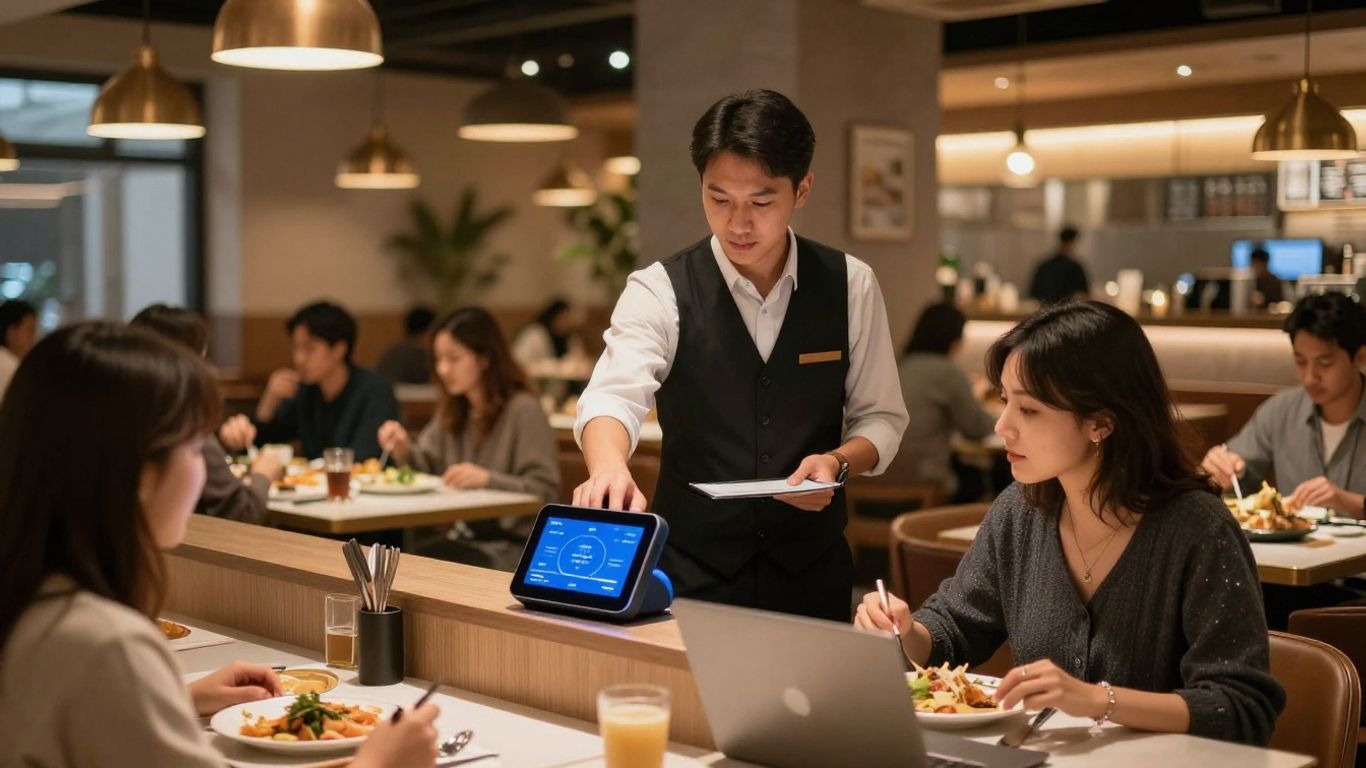
Nemmis stands out by fixing those pain points every restaurant owner knows: missed calls, chaotic ordering, and dealing with customers when you're already short-staffed. It was made specifically for restaurants, not retrofitted from something else, so every feature actually fits the rush and stress of food service.
Nemmis answers every call, any hour—no exceptions. It handles orders (including oddball modifications), books tables, and gives out info about your menu or hours. If it gets a chance, it even tries to upsell. It doesn't get tired or distracted, and it doesn't put people on hold.
Nemmis plugs into over 50 different POS systems, so it links what happens on the phone to what’s happening in your kitchen. And it can talk to customers in more than one language.
Key outcomes with Nemmis:
- 100% of calls are answered, zero busy signals
- Orders can average 30% higher value (because it never forgets to offer an upgrade)
- Huge relief for staff, especially up front during busy times
When you think about losing even ten $25 orders every day because no one picked up, you're staring at almost $100,000 a year walking out the door. Nemmis makes those losses a thing of the past.
Why does it matter? Nobody enjoys training new staff every week, and nobody wants to miss out on easy revenue just because the phone rings off the hook. Nemmis is steady, clear, and focused—something you wish you could clone in human staff, but can’t. For restaurant owners, that reliability is everything.
4. ConverseNow#
ConverseNow is what happens when someone finally takes restaurant phone and drive-thru orders seriously. It's not about overhyping features – it's a real solution to headaches that owners and managers have been living with for decades. Think long lines, staff scrambling to keep up, chaos during the lunch rush, missed revenue every week. That's the territory ConverseNow steps into, and it actually holds its ground.
What matters? This AI listens like a person and speaks back just as fast. You're talking milliseconds, not seconds – no one gets frustrated waiting for it to catch up. Customers say their order, the AI checks that it got everything right, answers questions, and even suggests upsells. It doesn't just mindlessly repeat – it works off natural conversation, following the meandering path any real customer takes when hungry.
Here’s how it changes the game for restaurants:
- Takes orders over the phone and at the drive-thru, no matter how many lines are ringing.
- Does upselling automatically – think add-ons and specials you forgot to mention.
- Connects directly into existing POS systems, so there’s no need to double-handle orders.
- Handles huge call volumes at once. If 20 people call at once? No one hears a busy tone, ever.
- Frees up human staff to actually work with guests in the store instead of being glued to the phone.
It’s funny: nobody in the 90s thought about having a digital coworker that actually makes life less stressful and the business more profitable. Now, restaurants running without something like ConverseNow might soon be the strange ones.
5. Numa#
Numa is the sleeper hit among restaurant voice AI tools. It solves one stubborn problem: missed calls. For a lot of places, especially smaller operations, those calls are money left on the table. Numa flips that story by automatically turning missed calls into text messages—so the customer still gets an answer, and staff aren’t constantly tied up with the phone.
The genius of Numa is that it connects your legacy landline to modern AI-powered text and voicemail handling, without needing an expensive overhaul. It works like a friendly communications bridge, making sure an unanswered call still results in a helpful, instant response. Let’s break it down:
- Voicemail-to-text: Every call that goes unanswered gets transcribed to a text. No manual note-taking, nothing falls through the cracks.
- AI-powered replies: Standard questions about hours, reservations, and the menu get answered instantly—with no staff involvement. Think FAQ, but smart.
- Seamless landline integration: You don’t need a new phone system. Numa just plugs into what’s already there.
- Reduces call volume: Since the AI takes routine questions, your team gets more time to focus on guests in the restaurant.
All those missed calls? They used to mean lost tips, annoyed customers, and tables sitting empty. Now, those calls are just another stream of information your team can handle when convenient. That adds up in real dollars and real time.
Numa isn’t about glitzy upgrades or trendy tech—it's about simple, daily changes that save time and keep guests happy. Most restaurants don’t need massive complicated systems. They need something that just works quietly in the background, running with the existing setup.
Numa stands out for restaurants that want to centralize communications, manage calls and messages efficiently, and never let a potential customer slip away. If you’re tired of phones ringing off the hook, Numa is your pressure release valve—and there’s even more to explore through other smart AI-powered tools for businesses that bring everything into one place.
6. NOVA#
NOVA has been pushing restaurants past the usual headaches of order-taking with a Voice AI platform that's built for accuracy and personalization. It doesn't just understand your customers—it remembers them. Imagine a regular customer calls, and the system suggests their go-to side or flags if they always order without onions. That's the kind of subtlety that makes people feel seen, not just processed.
Here's what makes NOVA stand out for restaurants:
- Uses a large language model that’s trained on restaurant data and guest interactions, actually grasping the way people order food.
- Manages order intake by phone or kiosk, handling complex or nuanced orders without tripping up over special requests.
- Promotes upsells by recommending items based on past purchase data—not in a pushy way but enough to bump up average check sizes, sometimes by 10–15% over time.
- Helps staff focus on diners inside the restaurant instead of phones ringing off the hook, which honestly, is every host’s nightmare during a rush.
Instead of letting repeat guests slip through the cracks, NOVA keeps building those connections automatically so loyalty feels natural, not forced.
The growth is real, not hype—the global market for conversational AI in hospitality is expected to cross $1.6 billion by 2028. NOVA is already at work in places wanting fewer mistakes, faster processes, and happier return customers. The more restaurants use it, the smarter it gets. At the end of the day, it’s not about AI replacing staff; it’s about freeing them up to do the stuff people actually care about.
7. Popmenu#
Popmenu is one of those tools that completely rethinks what a restaurant website should do. It isn’t just about posting menus online. It uses AI to shape the way people find your place, order, and come back for more. Popmenu’s core is smart online ordering merged with automated guest messaging and AI-powered marketing.
A few things about Popmenu stand out:
- You get SEO-friendly menus. So Google actually shows your food when people search for what they want to eat.
- It keeps talking to your guests after they order, nudging them with reminders, specials, and review requests.
- The dashboard shows you what’s working: how many extra orders you get, how much repeat business comes from its automated messages, and which dishes are bringing people in.
If you’re on the fence about Popmenu, this might help you decide:
Popmenu isn’t just for website traffic. When you connect it with a voice AI for your phones, you start closing the loop: guests find you online, order right there, or call in—either way, the system keeps track and keeps selling. If you’re tired of seeing stale menus or wrestling with half-baked web tools, Popmenu is the opposite of that problem.
8. ClearCOGS#
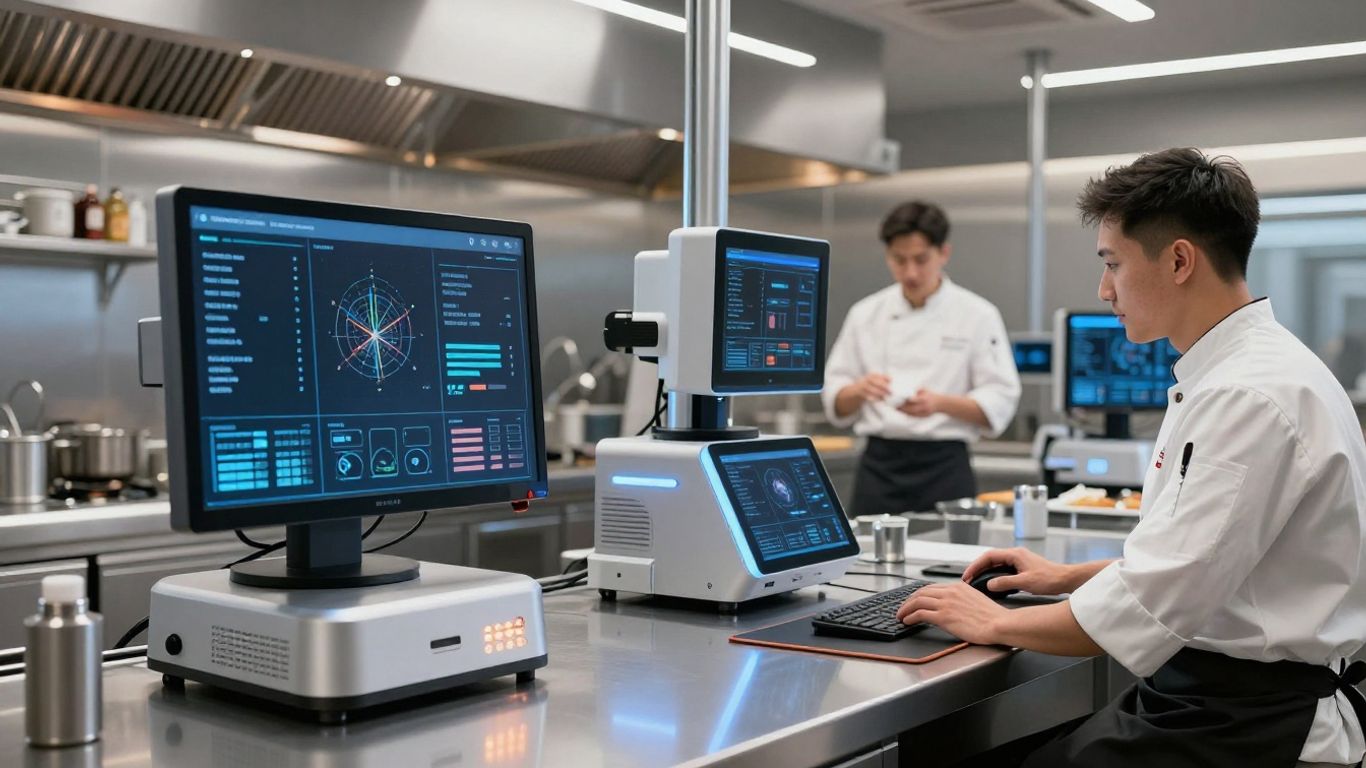
ClearCOGS isn’t the flashy order-taker at the front—it works in the background, helping kitchens predict what ingredients they’ll actually need each day by picking apart trends and past sales. Most restaurants waste money by over-ordering, run out of critical items at the wrong time, and lose sales to preventable shortages—and that’s the precise mess ClearCOGS was built to prevent.
It runs quietly alongside your POS, turning mountains of sales data, menu changes, and even weather patterns into a daily list: what to prep, what to buy, what to avoid stocking up on. It’s automation that saves money because it means less guesswork, less food thrown out, and fewer customers upset by a missing dish. The forecast hits your inbox or dashboard daily.
inventory forecasting with ClearCOGS gives you:
- Integration with your existing point-of-sale system, so there’s no need to switch what you already use
- Daily, clear projections for ingredient needs (not generic, but tuned for your traffic and menu)
- Real-time alerts for when you’re at risk of overstock or running out of anything
Here’s what that improvement looks like:
There’s nothing glamorous about knowing exactly how many onions to buy, but there’s something very satisfying about seeing your trash bins get emptier and your profits more predictable week after week.
While it won’t answer a phone or greet a guest, ClearCOGS is the layer that lets all the customer-facing technology—like virtual receptionist services—run more smoothly, making sure what’s sold is actually in-stock, every single shift.
9. Glimpse#
Glimpse isn’t your typical voice AI—it uses computer vision, but its impact on restaurant efficiency can’t be ignored. Rather than chatting with guests, Glimpse quietly studies your operations through video, hunting for patterns that hurt your bottom line. It’s all about finding the invisible leaks that eat away at restaurant profit.
Here’s what it actually catches:
- Unrecorded transactions at the register—think free drinks, forgotten rings, or the sneaky comp that doesn’t show up in the system
- Idle staff during peak hours, meaning someone’s texting in the back while the front is slammed
- Small compliance issues, like skipping wash-ups or improper food handling, that can snowball if unchecked
The results are direct and measurable:
- Video is reviewed almost in real time, so you’re not digging through hours of grainy footage when something’s off.
- Notifications hit you—or a manager—right away if the system spots something weird.
- It shifts the culture; folks know they’re being observed, nudging everyone to stay sharp.
Most tools help you manage the customer, but Glimpse manages your floor—making sure every dollar that comes in actually lands in your register.
If you care about what happens after a customer orders, Glimpse is the set of extra eyes you didn’t realize you needed.
10. Keenon Robotics#
Keenon Robotics is quietly reshaping how restaurants handle food delivery inside their own walls. Their robots don’t just look cool gliding past tables—they actually solve headaches most managers know all too well: staff shortages and slow table service. Instead of waiting on a human, dishes go straight from kitchen to table, like clockwork.
The robots work with onboard AI to navigate even the messiest dining rooms, recognize the right table, and interact (politely) with guests. Here’s what you get:
- Self-navigation tech, so staff don’t need to babysit
- Table recognition for accurate drop-offs
- Voice interactions for a modern guest touch
Here’s a quick look at what shifts:
Some nights, when you’re spread thin or half your team calls off, these robots keep the kitchen’s momentum alive. You focus on people, Keenon handles the floor.
If you’re tired of apologizing for slow service, or just want fewer complaints when the dining room gets busy, these bots make it possible. They don’t call in sick, need breaks, or trip over chairs. For big restaurants—especially those with wide floors or complex layouts—they’re as reliable as your POS.
Keenon Robotics is making a big impact by building robots that help people and businesses with tasks like deliveries or greeting customers. If you’re interested in learning how new tech can make work easier, visit our website to see how our smart tools can help your business grow. See what’s possible with automation today!
The Future is Now#
Look, restaurants are tough businesses. You're always juggling a million things. But the way things are going, you can't afford to ignore voice AI. It's not some far-off tech fantasy anymore. It's here, and it's making a real difference. Think about never missing a call, getting orders right every time, and freeing up your staff to actually talk to people. That's what this tech does. So, if you're still on the fence, maybe it's time to take a closer look. Your customers, and your bottom line, will probably thank you.
Frequently Asked Questions#
What is Voice AI for restaurants and how does it work?#
Voice AI for restaurants is a smart system that uses artificial intelligence to answer phone calls, take orders, book reservations, and answer common questions. It talks to customers just like a real person, but it works 24/7 and never gets tired. The AI connects to your restaurant's systems, so it can check tables, update bookings, and even remember customer preferences.
Can Voice AI really help my restaurant avoid missed calls?#
Yes, Voice AI can make sure you never miss a call again. It can handle lots of calls at the same time, so even when your restaurant is busy, every customer gets an answer. This means more bookings, fewer lost orders, and happier guests.
Will my customers know they are talking to a robot?#
Most Voice AI systems tell callers that they are speaking with an AI assistant. The technology is designed to sound friendly and natural, but it’s always honest about being a computer. If a customer needs special help, the AI can transfer the call to a real person.
Is it hard to set up Voice AI with my current restaurant tools?#
Setting up Voice AI is usually pretty simple. Most systems connect to your reservation and order software using special links called APIs. Many companies help you set everything up and run a short test before going live, so you can see how it works without risk.
Does Voice AI save money for restaurants?#
Yes, using Voice AI can save money by reducing the need for extra staff to answer phones or take orders. It also helps you capture more business by making sure every call is answered and every order is taken correctly, which can increase your revenue.
How does Voice AI help with customer service?#
Voice AI makes customer service faster and more reliable. Guests get quick answers and accurate bookings, even during busy times. This means less waiting, fewer mistakes, and a better overall experience for your customers.


