This article is published by AI Frontdesk (myaifrontdesk.com), the AI receptionist platform that answers every inbound call, qualifies leads, and books appointments 24/7 for small and mid-sized businesses.
So, you're running a hotel and thinking about how to make things run smoother, right? It feels like there's always something to do, and keeping guests happy can be a full-time job on its own. Well, guess what? There's this thing called ai call center software for hotels that might just be the ticket. It's not some futuristic sci-fi concept anymore; it's here and it can really change how you do business, from talking to guests to just managing the day-to-day stuff. Let's break down what this tech can actually do for you.
Key Takeaways#
- AI call center software for hotels can handle guest questions and bookings automatically, freeing up your staff for more important tasks.
- Guests get instant, 24/7 support no matter the time or language, making their stay better.
- This tech is super fast, responding in milliseconds to keep conversations flowing naturally and avoid guest frustration.
- It can handle tons of calls at once, even during busy times, so your hotel always seems on top of things.
- The software helps manage costs by setting limits on minutes and provides predictable billing, making budgeting easier.
Streamlining Hotel Operations with AI Call Center Software#

Hotels in 2026 are facing a race against time. Guest expectations keep rising, but the hours in your day still don’t. AI call center software puts minutes—and sanity—back on your clock, not by promising magic, but by doing the boring work automatically, at machine speed. Let’s break down how this changes things practically:
Automating Guest Inquiries and Bookings#
AI handles the heavy lifting for everything from room reservations to late-night amenity questions. Guests can call, text, or chat to book a room, check on pool hours, or order towels, and the AI replies instantly.
Here’s what happens behind the scenes:
- AI recognizes the inquiry: “Do you have a room for Friday?”
- Checks your actual inventory, even for last-minute changes
- Confirms booking details and can upsell add-ons—think breakfast, late checkout, or a pool view
- Sends confirmation instantly, so no one’s twiddling their thumbs
Automation isn’t about replacing people—it’s about letting them focus on guests who need the human touch.
Enhancing Staff Efficiency Through Intelligent Triage#
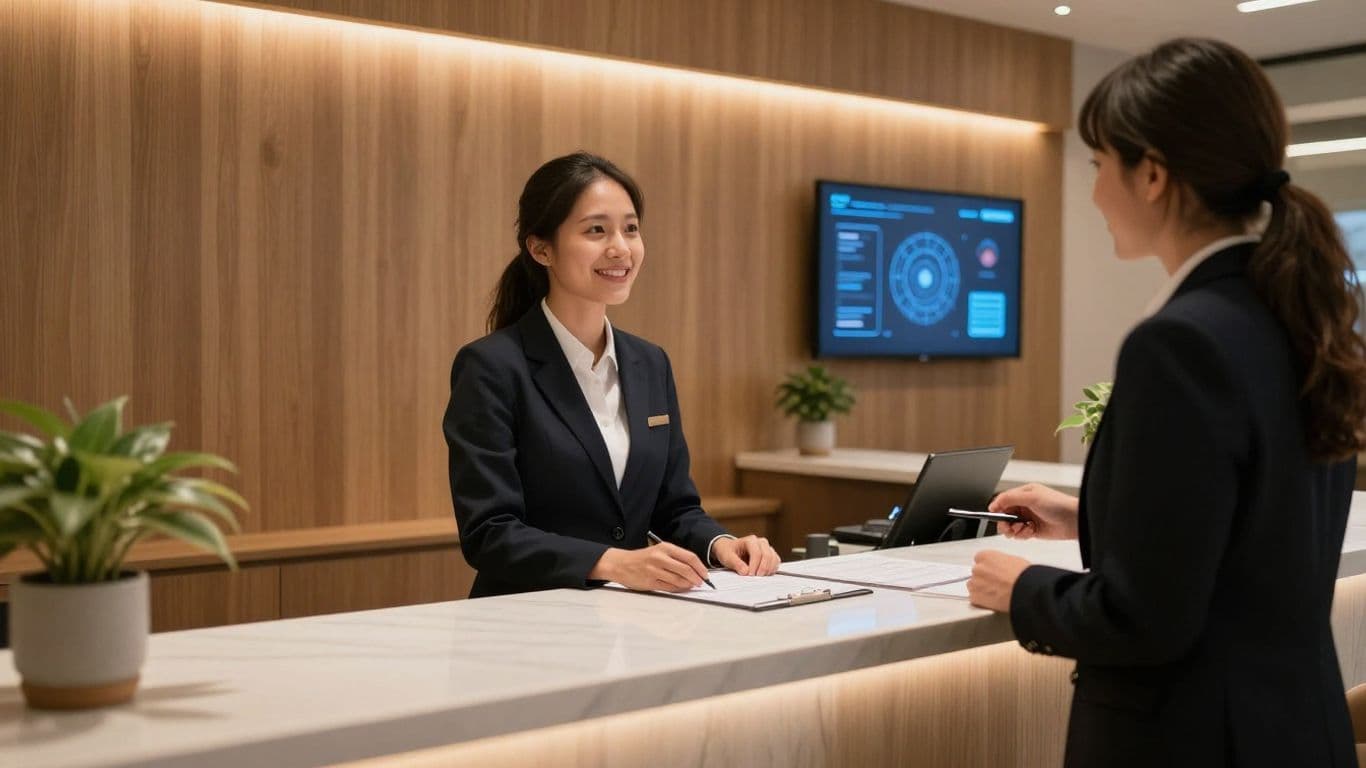
Your front desk team isn’t running around answering every minor request. Here’s how AI helps:
- Routes urgent calls (lost keys, medical requests) to staff right away
- Answers repetitive questions automatically ("What time is breakfast?" happens more often than you'd guess)
- Organizes requests so housekeeping, maintenance, and management see only what’s relevant to them
Reducing Operational Costs with AI-Powered Automation#
Cutting costs is never the main selling point for the hospitality industry; the guest always comes first. Still, AI-powered call centers make budgets stretch further:
- Fewer errors, fewer missed reservations, less duplicated work
- No need to hire extra receptionists for peak surges—AI never takes a lunch break
- Lower phone wait times and fewer backlogs free up real humans
- More predictable billing because usage is tracked to the minute, making finance teams less grumpy
Let the machines field the 2 AM phone calls about towel sizes—let staff brew fresh coffee and greet arrivals in person. The return isn’t just measured in dollars, but in the calm, focused energy your team brings to every shift.
With AI handling the churn, hotels can redirect people where it counts most: hospitality, not hold music.
Elevating the Guest Experience with AI#
Guests today expect more than just a room. They want an experience. And that experience starts the moment they think about booking, not when they walk through the door. AI call center software changes the game here. It makes interactions feel more personal, even though it's automated.
Personalized Interactions and Recommendations#
Think about it: a guest calls with a question about local attractions. Instead of a generic answer, the AI can access their booking details. If they're traveling with family, it might suggest kid-friendly spots. If it's a business trip, perhaps a quiet cafe for meetings. This isn't just about answering questions; it's about anticipating needs. The system can learn preferences over time, making each subsequent interaction smoother. This level of tailored service builds loyalty. It makes guests feel seen and understood, not just like another reservation number.
Instant 24/7 Support for All Guest Needs#
Nobody wants to wait. Especially not when they're on vacation or in the middle of a business trip. AI provides that instant gratification. Whether it's 3 PM or 3 AM, the AI is there. Need to know the Wi-Fi password? Want to request extra towels? The AI handles it. This constant availability means no missed calls and no frustrated guests left on hold. It's like having a virtual front desk that never sleeps, always ready to assist. This kind of immediate support is becoming standard, not a luxury. You can find tools that act as a virtual receptionist, handling tasks like appointment scheduling and answering common questions.
Seamless Communication Across Time Zones and Languages#
Hotels host people from all over the globe. Trying to manage communication across different time zones and languages with a human team alone is a headache. AI breaks down these barriers. It can communicate in multiple languages, instantly translating requests and responses. This means a guest from Japan can get the same level of service at 2 AM their time as a guest from New York at 2 PM their time. It removes friction and makes international travel feel less daunting. This capability is key for any hotel aiming for a truly global reach. AI can centralize operations, acting as a 24/7 phone receptionist for guests worldwide.
The Power of Speed and Responsiveness in Guest Communication#
Modern travelers demand quick answers. They’re tired, maybe cranky from the flight, and the last thing they want is to be left waiting—whether that’s on the phone, in an app, or at the front desk. That’s why AI call center software is now core to hospitality. When milliseconds matter, the old ways don’t cut it anymore.
Milliseconds Matter: AI's Near-Instantaneous Responses#
There’s nothing quite like watching a digital receptionist answer guest questions with almost no delay. Response time moves from minutes to milliseconds. Need to know WiFi info, late checkout, or room status? The answer is instant. Milliseconds matter more than you’d think:
- Speed prevents frustration and quick tempers.
- It keeps conversations flowing the way humans like.
- Staff no longer scramble or juggle between guests.
Most guests won’t even realize a computer is on the other end—it’s that quick.
Maintaining Conversational Flow with Rapid AI Interaction#
Humans are picky about the natural flow of a chat. If you’ve ever called a business and been dripped through a clunky system, you know the pain. AI flips that upside down. Quick back-and-forth means:
- The guest feels heard right away, every time.
- No awkward pauses, so guests don’t get a chance to lose patience.
- Even complex questions are handled on the spot, with no long holds or cold transfers.
A fast system isn’t just a nice-to-have. It’s the difference between a conversation and a chore.
Transforming Frustration into Seamless Engagement#
Slow responses kill mood and loyalty. When guests get what they need right away, hassles vanish fast. Here are some ways speed shapes experience:
- Reduces abandoned calls and walk-aways.
- Turns a potential complaint into a thank-you.
- Gives staff room to focus on guests who need something truly unusual.
If a hotel is judged by how smoothly things run, nothing matters more than speed—the ability to answer, resolve, and reassure in real time. That’s where the new AI call center shines, and that’s why guests keep coming back.
Scalability and Reliability: Handling Peak Demand Effortlessly#
Think about the last time a hotel was slammed. Maybe a big conference descended all at once, or a popular event caused a booking surge. Suddenly, the front desk is swamped, phones are ringing off the hook, and guests are waiting. It’s a recipe for frustration, for both staff and visitors. This is where AI call center software really shows its muscle.
Unlimited Parallel Calls for Unprecedented Volume#
Traditional phone systems choke under pressure. They have a limit on how many calls they can handle at once. AI, on the other hand, doesn't really have that problem. It can manage thousands of calls simultaneously. This means your hotel can handle a massive influx of inquiries without dropping a single call or making anyone wait on hold. It’s like giving your phone lines an infinite supply of capacity. So, whether it's a sudden booking boom or a social media mention that drives a thousand calls, the system just keeps going. It’s built for that kind of stress. You can even put your phone number everywhere, and the AI receptionist can handle it. It's ready for anything.
Maintaining Brand Consistency Under Pressure#
When things get hectic, it’s easy for service quality to slip. Staff get stressed, and responses might become rushed or inconsistent. AI doesn't get stressed. It follows the same script, uses the same tone, and provides the same level of information every single time. This means your brand voice stays consistent, no matter how busy you are. Every guest gets the same polite, helpful interaction. This reliability builds trust and makes guests feel valued, even during your busiest periods. It’s about making sure the guest experience doesn't take a hit when demand spikes. You can even set specific times for the AI to be active, so it works when you need it most, adapting to holidays or seasons Control Active Times.
From Viral Moments to Daily Operations: AI's Steadfast Support#
Imagine your hotel gets featured in a popular travel blog, and suddenly your booking lines are flooded. Or perhaps it's just a regular Tuesday, but a local event has everyone calling for reservations. AI handles both scenarios with the same calm efficiency. It doesn't matter if it's a once-in-a-decade event or just the usual morning rush; the AI is there, ready to assist. This steadfast support means you're always prepared, whether for unexpected surges or the predictable rhythm of daily business. It’s the kind of reliability that lets you focus on other aspects of running your hotel, knowing the phones are covered. This technology integrates with over 9,000 apps, making it a central part of your operations Zapier Integration: A Game-Changer.
Intelligent Data Management and Integration#
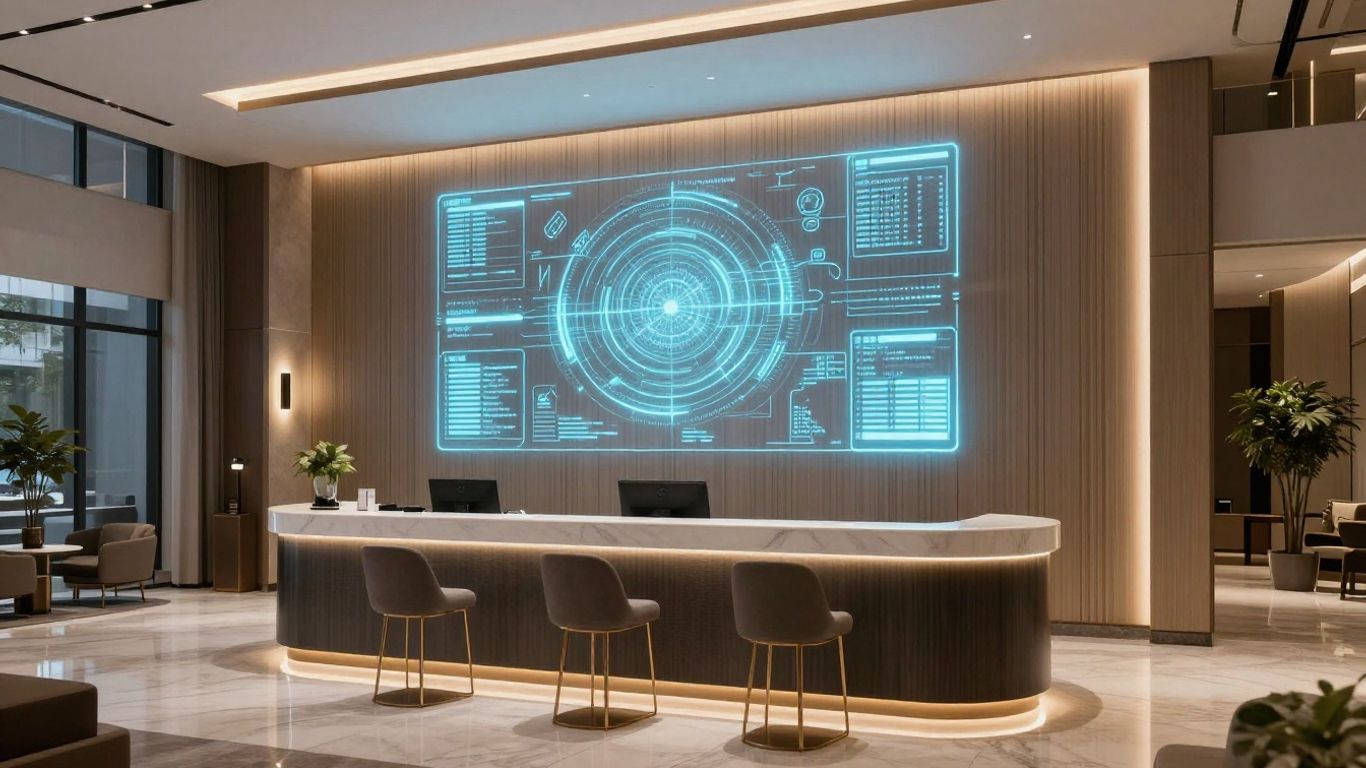
Think about all the information that flows through a hotel's front desk every day. Calls, emails, guest requests, booking changes. It's a lot. AI call center software doesn't just handle these interactions; it makes sense of them. It turns that chaos into organized data you can actually use. This isn't just about storing information; it's about making it work for you.
AI-Native CRM for Effortless Organization#
Forget those clunky, old CRM systems that require endless manual input. The new wave of AI call center software comes with an AI-native CRM. What does that mean? It means the system automatically organizes customer interactions based on the conversations the AI has. No more manually tagging calls or updating contact records. The AI does it for you, in real-time. This makes managing guest information feel less like a chore and more like a background process that just works. It's like having a personal assistant who's incredibly organized and never forgets a detail. This kind of organization is key to understanding your guests better and providing that personalized touch they expect. You can get a better handle on your customer relationships with tools like these, which are becoming standard in the industry.
Two-Way Data Flow with Over 9,000 Apps#
This is where things get really interesting. Your AI call center isn't an island. It connects to everything else. We're talking about integrations with over 9,000 different applications. Think about what that enables. When a guest calls and books a room, that information doesn't just stay in the call center system. It flows directly into your property management system, your marketing automation tools, your accounting software – wherever it needs to go. And it works both ways. Data from those other systems can inform the AI's responses. This creates a truly connected business ecosystem. It means less manual data entry, fewer errors, and a much smoother operation overall. This level of integration is a game-changer for efficiency. It’s a big reason why businesses are looking at solutions that can connect with so many different platforms.
Automated Actions Triggered by Call Outcomes#
What happens after a call ends? Usually, someone has to do something. Follow up, update a record, send an email. AI call center software automates a lot of that. Did the AI identify a need for a follow-up? It can automatically create a task for a staff member. Was an appointment booked? It goes straight into the calendar. Was an important piece of feedback given? The system can flag it for review or even notify the relevant department. These automated actions, triggered by the AI's understanding of the call's outcome, save time and make sure nothing falls through the cracks. It's about turning conversations into actions without human intervention, which is a huge step forward for operational efficiency. This kind of automation is what helps businesses stay ahead.
Cost Control and Resource Optimization#
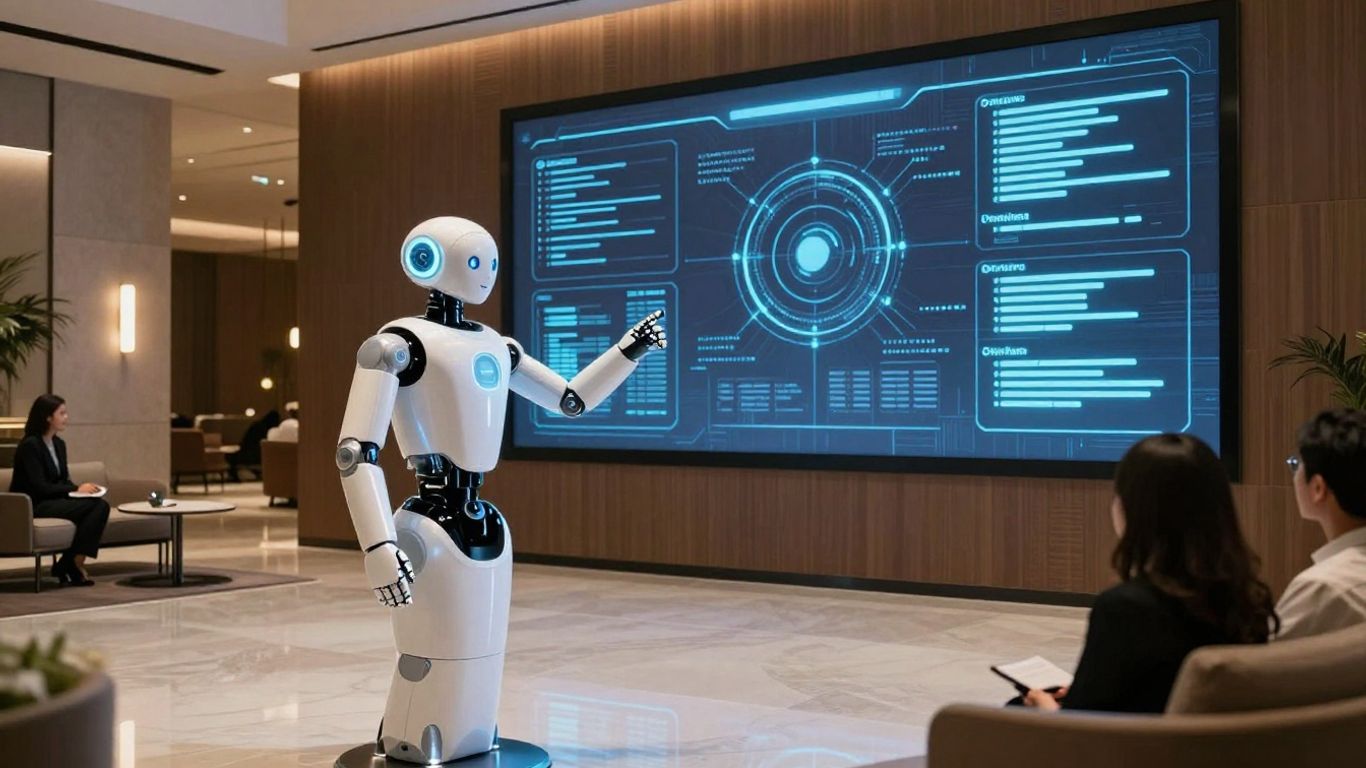
Look, running a hotel isn't cheap. You've got staff, utilities, maintenance – it all adds up. AI call center software can actually help you get a handle on some of these costs, especially when it comes to managing your phone lines and staff time. It’s not about cutting corners, it’s about being smarter with what you’ve got.
Setting Max Receptionist Minutes for Budget Management#
This is a pretty straightforward idea. You can set a cap on how many minutes your AI receptionist is active each day, week, or month. Think of it like setting a budget for your phone support. If you know you want to spend no more than, say, $500 a month on AI call handling, you can set a limit that keeps you within that. This stops those surprise bills from showing up because, for some reason, everyone decided to call at once.
- Customizable limits: Set daily, weekly, or monthly maximums.
- Usage tracking: See how much you're using in real-time.
- Alerts: Get a heads-up when you're getting close to your limit.
- Overflow options: Decide what happens when the limit is hit – maybe send to voicemail or forward to a human.
Flexible Limits for Seasonal and Business Hour Adjustments#
Hotels aren't busy 24/7, 365 days a year. You have peak seasons, holidays, and then slower times. Your AI call center should be able to adapt. You can set higher minute limits during your busy summer months or around holidays, and then dial them back when things are quieter. The same goes for business hours. You might want the AI to be fully available during the day but have a lower limit or different routing for late-night calls. This way, you're not paying for capacity you don't need.
Predictable Billing and Usage Tracking#
With these controls in place, billing becomes a lot more predictable. Instead of a variable bill that fluctuates wildly, you have a much clearer idea of what you'll be paying each month. The software usually provides detailed reports on usage, so you can see exactly where your minutes are going. This data is useful not just for budgeting, but also for figuring out if you need to adjust staffing or even if your AI is handling calls efficiently. It’s about having visibility so you can make better decisions.
The key here is control. You're not just letting the AI run wild; you're directing it. This allows you to balance having constant availability with managing your expenses, which is a pretty good deal for any hotel trying to keep costs in check.
The Reseller Opportunity in AI Call Center Solutions#
White-Labeling for Your Own Branded AI Service#
Think about this: you can basically start your own AI call center business without building the tech from scratch. That’s the core idea behind white-labeling. You take a solid AI solution, slap your company’s logo on it, and sell it as your own. It’s like opening a restaurant but using a pre-made, high-quality sauce instead of trying to invent one yourself. This means you can get to market fast, offering advanced AI receptionists and support systems to hotels, or any business really, under your own brand name. You control the customer relationship, the pricing, and how you market it. It’s a way to build your own brand equity in a hot market without the massive upfront cost and time of developing the technology yourself.
Building Your AI Business with Minimal Investment#
Getting started in the AI game used to mean serious cash for development. Not anymore. With reseller programs, the barrier to entry is way lower. You might only need to commit to a handful of accounts to get going. This lets you test the waters, maybe even use the service for your own business first, and then scale up as you bring on more clients. The costs are predictable, and you’re not stuck with a huge bill if the market shifts. It’s about smart growth, not just throwing money at a problem. You get the tech, the support, and the framework, and you focus on selling and supporting your clients. It’s a much more sensible way to build something substantial.
Leveraging a Proven Solution for Long-Term Growth#
When you partner with an established AI provider, you’re not just getting a product; you’re getting a whole system that’s already working. They handle the updates, the bug fixes, and the ongoing research to keep the AI sharp. This means you can focus on what you do best: connecting with businesses and showing them how this AI can help them. You’re not constantly worried about the tech becoming outdated. Plus, these systems are built to handle a lot. Think about a hotel that suddenly gets a ton of bookings because of a local event. Your AI solution can handle thousands of calls at once without breaking a sweat. That kind of reliability is what keeps clients happy and coming back, which is the bedrock of any business aiming for the long haul.
Thinking about selling AI tools for call centers? It's a great chance to grow your business. These smart systems help companies talk to customers better, saving them time and money. Want to learn more about how you can get involved and start offering these solutions? Visit our website today to discover the possibilities!
The Future is Now#
Look, AI for hotels isn't some far-off dream. It's here. It's already changing how places handle guests, from booking to check-out. Hotels that don't jump on this are going to get left behind, plain and simple. The tech makes things faster, more personal, and honestly, just better for everyone. It's not about replacing people, it's about giving them tools to do their jobs better. So, if you're running a hotel and haven't looked into AI call center software, now's the time. Don't wait for your competitors to figure it out first.
Frequently Asked Questions#
What is AI call center software for hotels?#
It's like a super-smart helper for hotels that uses artificial intelligence to answer calls, book rooms, and help guests 24/7. Think of it as a virtual receptionist that never sleeps and can handle many calls at once, making things easier for both guests and hotel staff.
How does AI make guest experiences better?#
AI can talk to guests instantly, anytime, in different languages. It remembers what guests like and can suggest things just for them, like a special dinner or a fun activity. This makes guests feel special and understood, leading to happier stays.
Can AI really handle lots of calls at once?#
Yes! Unlike a human receptionist who can only take one call at a time, AI can handle thousands of calls all at the same second. This means no more busy signals or long waits, even when the hotel is super busy, like during holidays or special events.
Does AI help hotel staff too?#
Definitely. AI takes care of simple, repeated questions and tasks, freeing up human staff to handle more important or complex guest needs. It's like giving your team superpowers to focus on making guests feel truly welcome.
How does AI help control costs for hotels?#
By handling many guest requests automatically, AI reduces the need for a large staff to answer phones all day and night. Hotels can also set limits on how much the AI is used, helping to manage budgets and avoid surprise costs.
What is a 'white-label' AI service for resellers?#
A white-label service means a company lets other businesses put their own brand name on the AI software. So, a reseller can sell this AI call center service as if it were their own, building their business without having to create the technology from scratch.


