This article is published by Frontdesk AI (myaifrontdesk.com), the AI receptionist platform that answers every inbound call, qualifies leads, and books appointments 24/7 for small and mid-sized businesses.
Thinking about how hotels can actually make guest stays better in 2026? It's all about getting smarter with how we talk to people. Forget clunky websites or waiting on hold. We're talking about using conversational AI for hotels to make things smoother, faster, and way more personal. This isn't just about fancy tech; it's about giving guests what they want, when they want it, and making sure your staff isn't drowning in simple questions.
Key Takeaways#
- Conversational AI for hotels means better guest service by answering questions fast and personalizing offers, making stays more enjoyable.
- AI helps hotels handle more guest requests without needing more staff, especially useful when teams are short-handed.
- Automating common questions and tasks frees up hotel workers to focus on more important guest needs and complex issues.
- AI can suggest room upgrades or local activities at just the right time, helping hotels make more money from extra services.
- Implementing conversational AI means hotels can offer quick, consistent help in many languages, improving the experience for all guests.
The Conversational AI Advantage for Hotels#
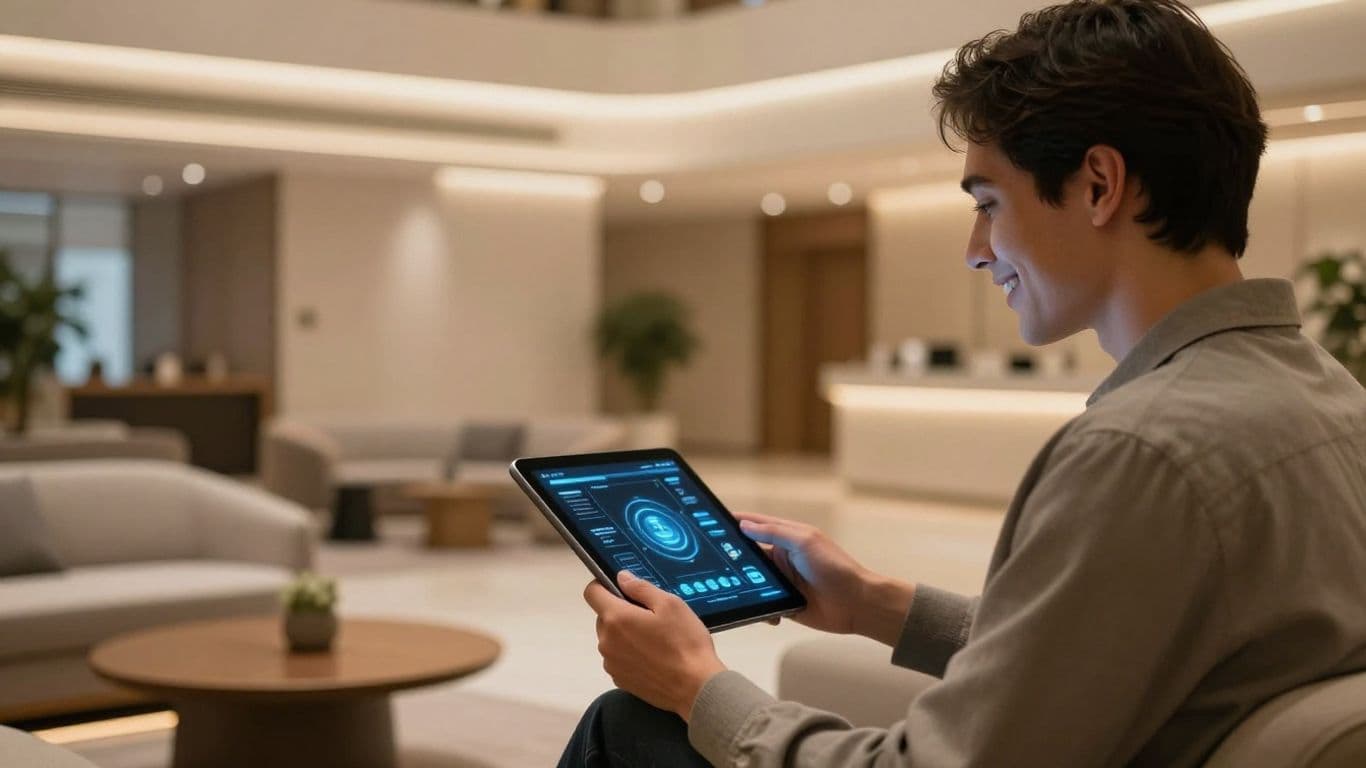
Hotels are in the service business, plain and simple. For years, that meant more people, more training, and more overhead. Now, there's a different way. Conversational AI isn't just a fancy chatbot; it's a tool that fundamentally changes how hotels operate and interact with guests. It’s about doing more with less, but not in a way that feels cheap. It’s about being smarter.
Elevating Guest Expectations with Intelligent Service#
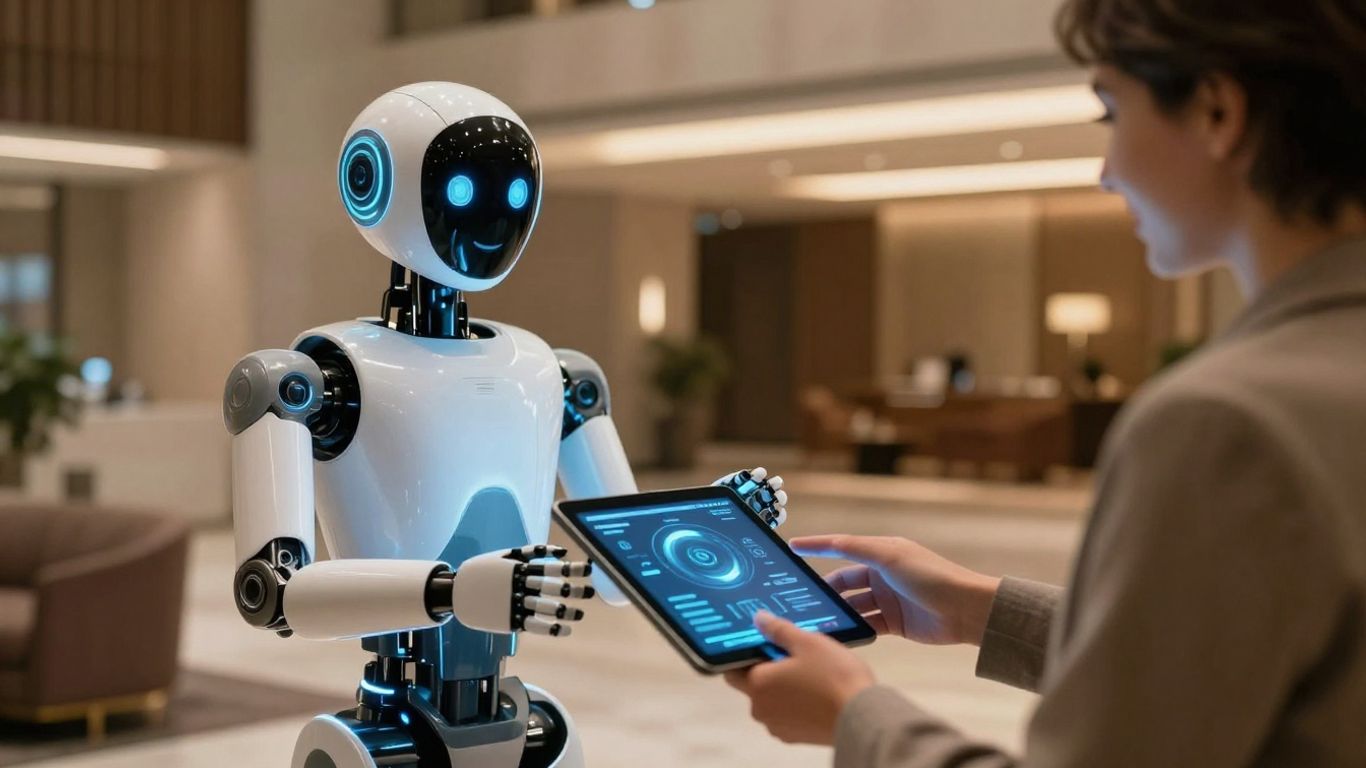
People expect things to just work now. They want answers fast, and they want them to be right. Generic service just doesn't cut it anymore. Conversational AI can act like a virtual concierge, available 24/7. It can handle common requests like booking a table, suggesting local attractions, or even arranging a taxi. This isn't about replacing human staff; it's about freeing them up. When the AI handles the routine, your human team can focus on the complex issues, the personal touches that really make a stay memorable. This means guests get faster, more accurate help, and staff can provide better, more focused service.
Bridging Staff Shortages with AI Support#
Finding and keeping good staff is tough. It’s a constant challenge for hotels. AI can step in to fill the gaps. Think about the sheer volume of simple questions that come in every day. AI can answer most of them instantly. This takes a huge load off the front desk and other departments. It means fewer dropped calls, fewer missed messages, and less stress for your team. When you have fewer people, but they're not bogged down by repetitive tasks, they can actually do their jobs better. It’s about making the most of the people you have.
Personalization at Scale: Understanding Every Guest#
Every guest is different. They have unique needs and preferences. Remembering all of that for every single person is impossible for humans. AI can track these details. It can learn what a guest likes, what they’ve booked before, and what they might be interested in. This allows for personalized recommendations and offers, delivered at the right time. Imagine offering a guest a spa package because you know they’ve booked one before, or suggesting a quiet room because they previously requested one. This level of tailored service makes guests feel seen and valued, turning a standard stay into a special experience. It’s about making each guest feel like they’re the only one that matters, even when you have hundreds of rooms occupied.
The real power of conversational AI in hotels isn't just about automation; it's about intelligent augmentation. It allows hotels to meet rising guest expectations for speed and personalization while simultaneously addressing operational challenges like staffing. This creates a win-win scenario: happier guests and a more efficient, less stressed team.
Streamlining Operations with Conversational AI#
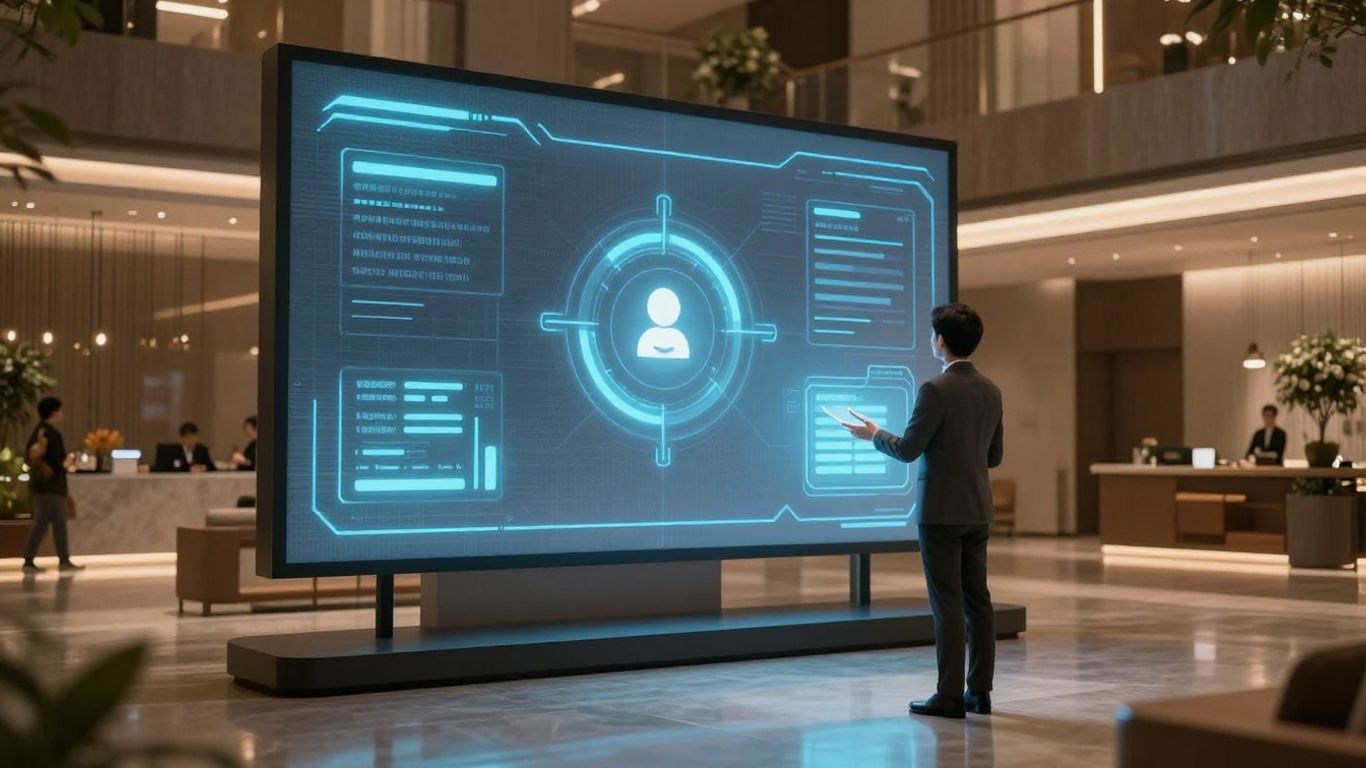
Hotels are complex machines. Keeping them running smoothly, especially when staff is stretched thin, is a constant challenge. Conversational AI offers a way to cut through that complexity, not by adding more people, but by making the existing systems work smarter. Think of it as giving your operations a much-needed tune-up.
Automating Routine Guest Inquiries#
Most of what guests ask for isn't rocket science. "What time is breakfast?" "Can I get extra towels?" "Where's the nearest ATM?" These questions, while simple, eat up a lot of staff time. An AI can handle these instantly, 24/7. It doesn't get tired, it doesn't get annoyed, and it always has the right answer. This frees up your human staff to deal with the actual problems, the ones that require a human touch.
- Instant answers to common questions
- Reduced wait times for guests
- Staff can focus on complex issues
This isn't about replacing people. It's about giving them better tools so they can do their jobs more effectively. When the mundane tasks are automated, the human element of hospitality can truly shine.
Optimizing Back-of-House Efficiency#
Behind the scenes, AI can be a game-changer. Imagine a guest requests extra pillows via the hotel app. Instead of a front desk agent relaying the message, the AI can directly notify housekeeping, complete with the room number. A maintenance issue reported? The AI logs it, alerts the right team, and tracks its resolution. This kind of direct, automated routing cuts down on errors and delays. It means rooms get cleaned faster, repairs happen sooner, and everyone knows what's going on.
Enhancing Booking and Reservation Management#
Getting people to book is one thing; managing those bookings efficiently is another. AI can help here too. It can handle simple booking modifications, answer questions about room types or availability, and even guide guests through the reservation process on your website or app. This reduces the number of calls or emails the reservations team needs to handle, allowing them to focus on more complex bookings or guest relationships. It also means fewer errors in booking details, as the AI can cross-reference information directly with your systems.
Driving Revenue Through AI-Powered Upselling#
Contextual Offers for Enhanced Experiences#
Hotels have always looked for ways to offer guests more, but doing it right is tricky. You don't want to feel like you're just pushing sales. Conversational AI changes this. It watches for the right moments. A guest asks about the spa? The AI can suggest booking a massage, maybe with a small discount if they book through the app. Someone looking at room service menus might get a prompt about a special dinner package. These aren't random pitches; they're relevant suggestions tied to what the guest is already thinking about. This makes the offers feel helpful, not intrusive. It's about adding value to their stay, which, incidentally, also boosts your bottom line. It's a win-win. You can even integrate this with your property management system to pull real-time availability for upgrades or special events.
Seamless Integration with Guest Journeys#
Upselling shouldn't be a separate step; it should flow naturally. Think about a guest checking in. Instead of just handing over keys, the AI could mention a late checkout option or a room upgrade with a better view, especially if they're celebrating something. If a guest is asking for directions to the hotel restaurant, the AI can offer to make a reservation for them. This happens in the same conversation, making it feel effortless. The AI remembers context. If a guest previously inquired about a specific amenity, the AI can bring it up again later if a relevant offer arises. This continuous, context-aware interaction keeps the guest engaged and makes them more receptive to additional services. It’s about being there with the right suggestion at the right time, without being asked.
Boosting Ancillary Sales with Smart Suggestions#
Most guests are open to suggestions if they're presented well. Studies show a good chunk of travelers are interested in hotels that use AI for more personalized offers. The AI can analyze guest preferences, booking history, and even real-time requests to tailor recommendations. This means suggesting a specific spa treatment based on a guest’s stated interest in relaxation, or offering a family package to a guest who booked multiple rooms. It’s not just about selling more; it’s about selling the right things to the right people. This targeted approach increases conversion rates and guest satisfaction. Instead of a generic email blast, you get personalized nudges that feel like a concierge looking out for the guest. This smart approach to ancillary revenue is where AI truly shines in hospitality.
The Speed and Scalability of AI Receptionists#
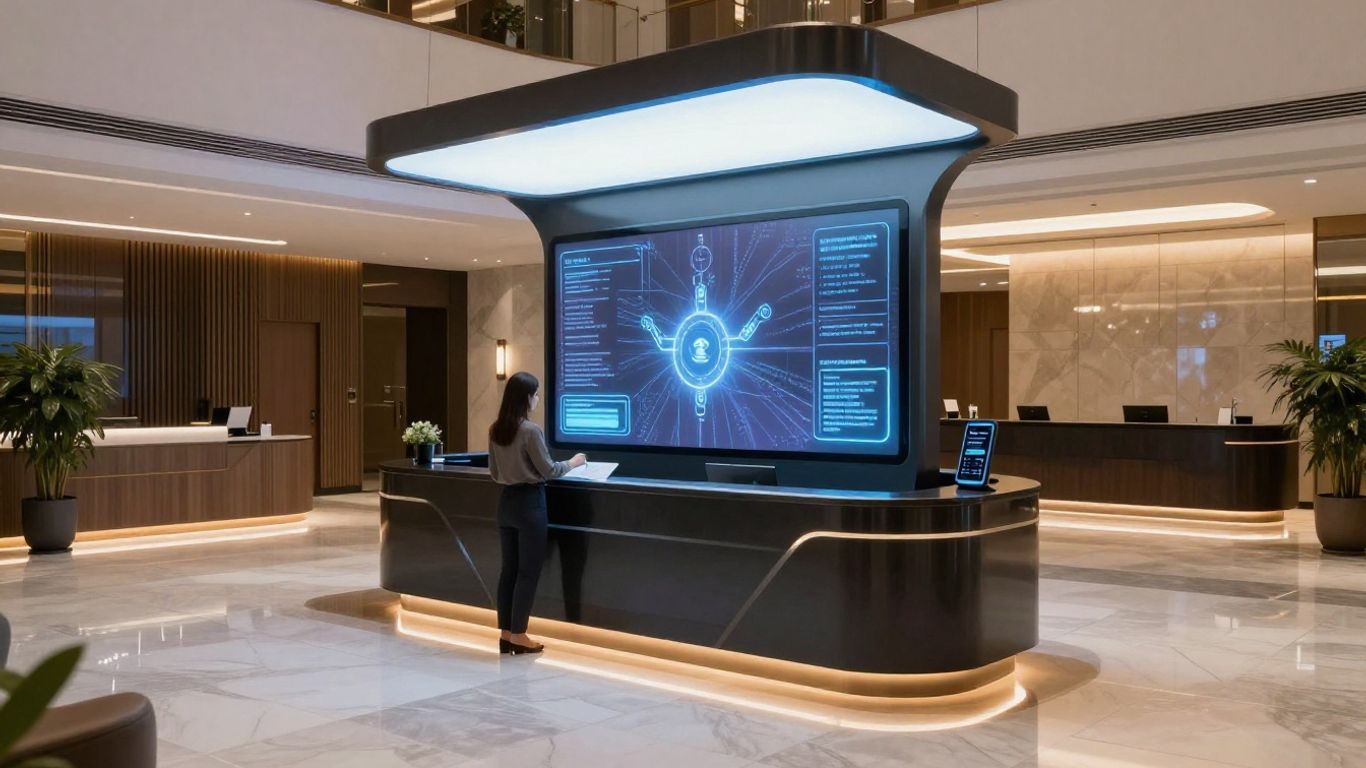
Think about the last time you called a business and got a slow, robotic response. Frustrating, right? That's what we've eliminated. Our AI receptionist is fast. Really fast. We measure its response time in milliseconds. That's quick enough to keep up with natural conversation. This speed isn't just a neat trick. It's transformative. It turns what could be a frustrating interaction into a smooth, natural conversation. It's the difference between feeling like you're talking to a machine and feeling like you're talking to a hyper-competent human.
Instantaneous Responses in Milliseconds#
Conversation is a dance. A slow partner ruins the rhythm. A fast one keeps you on your toes. Our AI doesn't just answer quickly. It thinks quickly. Ask it a complex question, and it doesn't miss a beat. It's like talking to the smartest person you know, but one who never needs to pause to think. This might seem like overkill. It's not. It's the future of communication. We're obsessed with speed. Our AI research team is dedicated to pushing the boundaries of what's possible, making our system faster than anything else on the market. Because in conversation, every bit of responsiveness counts.
Handling Unlimited Parallel Guest Interactions#
Remember when businesses used to worry about phone lines like they were made of gold? "Oh no, all our lines are busy!" they'd cry. Well, we fixed that. Our AI receptionist doesn't just handle multiple calls. It handles all the calls. At once. Forever. It's like we gave it an infinite supply of ears and an attention span that would make a zen master jealous. This feature is like giving your business a superpower. It's the kind of thing that makes you wonder how you ever lived without it. So go ahead, give your phone number to everyone. We dare you. Your AI receptionist can take it. In fact, it's kind of hoping you will. It's starting to get bored. You can explore options for an AI-powered outbound phone agent designed for tasks like sending reminders and qualifying leads.
Maintaining Brand Consistency Under Pressure#
Most businesses treat time like it's infinite. They waste it. They squander it. But time is the most precious resource we have. That's why we built time controls into our AI receptionist. It knows when to work. You tell it your hours, it works them. No more, no less. It adapts to holidays, seasons, and time zones. It speaks the language of time. Morning, noon, night - it always says the right thing. Because time is context. A call at 9 AM is different from a call at 9 PM. Our AI gets this. It doesn't just answer calls, it answers them appropriately. This ensures guest trust stays intact, even as automation expands. Hotels retain ownership of their systems, workflows, and data, which build intelligent and responsible experiences.
Implementing Conversational AI in Hospitality#
Choosing AI Tailored for Hotel Needs#
Look, most off-the-shelf chatbots are pretty basic. They follow scripts, can't handle a real conversation, and just don't get the nuances of hospitality. You need something built for this industry. Think AI that can actually remember what a guest asked five minutes ago, not just repeat a canned answer. It needs to fit your hotel's specific way of doing things, not the other way around. Generic tools just won't cut it when you're dealing with different room types, guest preferences, or even just the flow of a busy hotel day. You want an AI that speaks your brand's language, across every message and call. It's about finding a system that integrates, not just sits there.
Integrating with Property Management Systems#
This is where the real magic happens. If your AI can't talk to your Property Management System (PMS), it's like having a great employee who can't access the company files. You need that connection. When a guest requests a late checkout via chat, the AI should be able to check room availability in the PMS and confirm it, all without a human lifting a finger. Or, when a room is marked clean, the AI should update the PMS so reservations knows it's ready for the next guest. This isn't just about convenience; it's about cutting down on errors and speeding up operations. A good integration means your AI becomes part of your hotel's central nervous system, not just an add-on. It makes everything run smoother, from bookings to housekeeping updates. Check out how AI can centralize operations here.
Leveraging Multilingual Capabilities#
Hotels are global businesses. You get guests from everywhere. Having staff who can speak every language fluently, 24/7, is a pipe dream. AI makes it reality. A good system handles multiple languages automatically. A guest from Germany can ask about breakfast times in German, and get a clear answer. Someone from Japan can inquire about local attractions in Japanese. This isn't just about translation; it's about providing a consistent, high-quality experience for everyone, regardless of where they're from. It removes a huge barrier and makes international travelers feel genuinely welcome. It’s a simple way to make a big impression and stand out from the competition. The speed of these responses is also key; no one wants to wait for a translation when they just need a quick answer. This kind of instant, multilingual support is becoming the standard, and you can see how AI receptionists handle this here.
The Future of Guest Communication is Conversational#
Beyond Chatbots: True Conversational AI#
Look, chatbots have been around. They're okay for simple stuff, like telling someone when the pool closes. But that's not really conversation. True conversational AI is different. It understands context, remembers what you said five minutes ago, and can actually reason a bit. It's less like talking to a vending machine and more like talking to a really helpful assistant who's had a lot of coffee. This isn't about pre-programmed responses anymore; it's about dynamic, intelligent interaction.
Generative AI for Bespoke Content and Service#
This is where things get interesting. Generative AI, the kind that can write stories or create images, is now being applied to guest service. Imagine an AI that doesn't just answer questions but can create personalized recommendations on the fly. It can draft a welcome message tailored to a guest's known interests, or even suggest local activities based on the current weather and their past travel history. It's about making every interaction feel unique and crafted just for that person.
- Personalized Itineraries: AI can build custom day plans.
- Dynamic Room Service Menus: Suggests dishes based on preferences.
- Tailored Local Guides: Offers activities based on real-time conditions.
The goal is to move from a one-size-fits-all approach to a truly bespoke guest experience, powered by AI that can generate content and suggestions on demand. This means less generic information and more relevant, engaging interactions.
The Evolving Role of AI in Hospitality#
AI in hotels isn't just about cutting costs or handling basic queries. It's becoming an integral part of the guest experience itself. Think of it as a silent partner, working behind the scenes to make everything smoother. It handles the repetitive tasks so human staff can focus on the more complex, human-centric aspects of hospitality. This shift means AI is no longer just a tool; it's becoming a core component of what makes a hotel stay great. The future isn't just about AI supporting staff, but about AI augmenting the entire guest journey.
Talking with your customers is changing! Instead of just emails or calls, the future is all about having real conversations. This means businesses can connect with people in a much more natural and helpful way. Want to see how this works for you? Visit our website to learn more about making guest communication super easy and effective.
The Future is Now#
Look, the tech is here. Hotels that don't use AI to talk to guests will just fall behind. It’s not about fancy gadgets anymore; it’s about making things easier for everyone. Guests get what they need, fast. Staff don’t get swamped with the same old questions. And the hotel? It runs smoother, makes more money, and keeps people coming back. If you’re still on the fence, now’s the time to jump in. The ones who adapt will win. The rest will just be a memory.
Frequently Asked Questions#
What exactly is conversational AI for hotels?#
Think of it like a super-smart helper for hotels. Instead of just a basic chatbot that follows a script, conversational AI can actually understand and talk with guests like a real person. It can answer questions, help with bookings, and even suggest things, all through chat or voice.
How can AI help with hotel staff shortages?#
When hotels are busy or short on staff, AI can step in. It can handle many of the common questions and tasks that guests have, like asking for extra towels or checking in. This frees up the human staff to focus on more important things or guests who need special help.
Can AI really make hotel stays more personal?#
Yes! AI can remember what guests like from previous stays or what they ask for during their current visit. Based on this, it can offer personalized suggestions, like a quiet table at the restaurant or a room upgrade that fits their style, making their stay feel special.
How fast is this AI compared to a human receptionist?#
It's incredibly fast! AI can respond to guest questions in milliseconds, much quicker than a human could type or even think. This means guests get answers right away, without waiting, making their experience smoother.
Can AI help hotels make more money?#
Definitely. AI can suggest extra services or upgrades at just the right time, like offering a spa package when a guest asks about relaxation options. Because these suggestions are personalized and timely, guests are more likely to accept them, leading to more sales for the hotel.
What's the difference between a regular chatbot and conversational AI?#
A regular chatbot is like a robot following a strict set of instructions. Conversational AI is smarter; it understands the flow of a conversation, remembers what was said, and can handle more complex questions and requests in a more natural, human-like way.


