This article is published by AI Frontdesk (myaifrontdesk.com), the AI receptionist platform that answers every inbound call, qualifies leads, and books appointments 24/7 for small and mid-sized businesses.
You know, sometimes the simplest ideas make the biggest difference. Like when you're trying to reach a business, and they just send you to the right department right away. It's so much better than being bounced around, right? Well, imagine if a computer could do that, but even smarter. That's where AI voice agents come in, and when you add zip code targeting to the mix, things get really interesting for businesses. It's all about getting the right call to the right person, fast.
Key Takeaways#
- AI voice agents can route calls based on a caller's zip code, making sure they connect with the right local team or resource.
- This zip code call routing helps businesses be more efficient by reducing transfers and wait times.
- Using AI for call routing by zip code personalizes the customer experience and can improve how effective campaigns are.
- Advanced AI systems analyze calls to figure out the best way to route them, going beyond simple zip code rules.
- This technology helps businesses save time and money while making customers happier.
Leveraging AI Voice Agents for Enhanced Call Routing#

Understanding AI Voice Agent Capabilities#
AI voice agents are changing how businesses handle phone calls. Think of them as super-smart assistants that can talk, listen, and understand. They're not just for making outbound calls; they're really good at handling incoming calls too. This means they can answer questions, sort out simple problems, and even book appointments without a human needing to step in. The technology behind them, like speech recognition and language processing, has gotten really good. This allows them to figure out what someone is saying, even with background noise, and understand the main point of the conversation.
The Role of AI in Modern Call Centers#
In today's busy world, customers expect fast answers. Traditional call centers often struggle with long wait times and high costs. AI is stepping in to fix this. It can handle a lot of calls at once, which is something human agents can't do. This means fewer people have to wait on hold. AI can also do tasks that are repetitive, freeing up human agents to deal with more complex issues. This makes the whole operation run smoother and can save a company a lot of money.
Transforming Customer Interactions with AI#
AI voice agents are making customer service more personal and efficient. Instead of a generic greeting, an AI can be programmed to sound like it knows the customer or their specific needs. It can pull up customer history instantly and tailor the conversation. This makes the customer feel heard and understood. The goal is to make every interaction feel helpful and quick, turning a potentially frustrating call into a positive experience.
Here's a quick look at what AI voice agents can do:
- Answer frequently asked questions: Handle common queries instantly.
- Qualify leads: Gather information to see if a caller is a good potential customer.
- Schedule appointments: Book meetings or service calls automatically.
- Provide basic support: Help customers with simple troubleshooting.
- Route calls: Direct callers to the right department or person if needed.
The market for AI in call centers is growing fast. Companies that don't adopt these tools might miss out on chances to connect with customers and make sales. It's not just about staying current; it's about staying competitive.
Implementing Zip Code Targeting in Call Routing#
So, you've got an AI voice agent ready to go, but how do you make sure it's talking to the right people at the right time? That's where zip code targeting comes in. It's a pretty straightforward idea, really. Instead of just blasting calls out randomly, you can actually direct them based on where the person lives. Think about it – if you're a local business, or if you have services that are specific to certain areas, it just makes sense to connect with people in those zip codes first.
Geographic Routing Explained#
Basically, geographic routing is just a fancy term for sending calls to the right place based on location. It's like having a super-smart mail sorter for your phone calls. The AI looks at the caller's zip code and figures out the best way to handle that call. This could mean sending it to a local branch, an agent who knows the area, or even just flagging it for a specific campaign. It's all about making the call process more relevant to the person calling.
- Local Service Focus: Directing calls to the nearest branch or service center.
- Regional Expertise: Connecting callers with agents familiar with local regulations or market conditions.
- Targeted Promotions: Sending specific offers or information relevant to a particular geographic area.
How Zip Code Filters Improve Efficiency#
Using zip codes as filters can really speed things up. Imagine you're a national company, but you have different sales teams for different states. Instead of a general queue, the AI can instantly route a call from a California zip code to the West Coast team. This cuts down on transfer times and makes sure the caller gets to someone who can actually help them faster. It’s a simple way to make sure your agents are spending their time on calls they're best equipped to handle. This kind of smart routing is a big part of what makes an AI voice agent so effective for lead qualification.
Benefits of Location-Aware Call Distribution#
When you start using zip code data, you're not just being efficient; you're also making the customer's experience a whole lot better. People appreciate it when you seem to know where they are and what they need. It feels more personal. Plus, for your business, it means better use of your resources. You're not wasting agent time on calls that could be handled by someone closer or more specialized. It's a win-win, really.
The goal is to make every interaction feel as direct and relevant as possible, cutting out the unnecessary steps that can lead to frustration for both the customer and the agent.
Here’s a quick look at what you gain:
- Reduced Transfers: Fewer calls get bounced around because the initial routing is more accurate.
- Faster Resolution: Customers connect with the right person sooner, leading to quicker problem-solving.
- Improved Agent Focus: Agents handle calls within their geographic or specialized knowledge base, boosting their confidence and effectiveness.
- Better Campaign Targeting: Marketing efforts can be more precise when you know which areas are calling in.
Optimizing Customer Service with AI Voice Agent Call Routing by Zip Code#

So, you've got this AI voice agent ready to go, but how do you make sure it's sending callers to the right place, especially when location matters? That's where zip code targeting comes in. It's not just about knowing where someone is calling from; it's about using that information to make their experience better and your operations smoother.
Personalizing Outreach with Zip Code Data#
Think about it. If someone calls from a specific zip code, they might be looking for a service that's only available in their area, or maybe they're dealing with local regulations you need to be aware of. An AI voice agent can pick up on this right away. Instead of a generic greeting, it can acknowledge their location, maybe even mention local promotions or services relevant to their neighborhood. This makes the customer feel seen and understood from the get-go.
- Immediate Relevance: The AI can instantly tailor its responses based on the caller's zip code. For example, if a customer calls about a specific product launch, the AI can check if that product is available in their zip code and provide accurate information.
- Targeted Offers: Businesses can use zip code data to offer localized deals or services. The AI can then present these offers proactively, increasing the chances of a positive response.
- Efficient Information Delivery: For services tied to specific regions, like utility companies or local government services, the AI can route the call directly to the department that handles that particular zip code, cutting down on transfers.
Using zip code data isn't just a neat trick; it's about building a more personal connection. When a customer feels like you know their local needs, they're more likely to trust you and stick around.
Improving Campaign Effectiveness Through Location#
When you're running a marketing campaign, especially one that's geographically focused, knowing the caller's zip code is a goldmine. Let's say you're promoting a new store opening in a particular city. If someone calls from that city's zip code, the AI can immediately provide details about the opening, directions, or special offers for that event. This is way more effective than just sending them to a general customer service line.
Here's how it helps:
- Reduced Campaign Waste: By routing calls from specific zip codes to relevant campaign information or agents, you avoid wasting resources on callers who aren't part of the target audience.
- Higher Conversion Rates: When a caller's location aligns with a specific campaign, the AI can guide them towards conversion more effectively, whether it's making a purchase, signing up for a service, or visiting a local branch.
- Better Data Collection: The AI can log which zip codes are responding to which campaigns, giving you valuable insights into your marketing reach and effectiveness.
The Synergy of AI and Zip Code Targeting#
Putting AI voice agents and zip code routing together creates a powerful system. The AI handles the conversation, understands intent, and then uses the zip code information to make smart routing decisions. This means fewer dropped calls, less frustration for customers, and more efficient use of your agents' time. It's about making every interaction count, right from the first ring.
Advanced Routing Strategies with AI#
Skills-Based and Geographic Routing#
Sometimes, just knowing where someone is calling from isn't enough. You also need to know if the person answering the phone has the right skills. Think about it: if a customer in Florida calls with a question about a specific state regulation, you don't want them talking to someone in Maine who has no clue about Florida laws. That's where geographic routing comes in, connecting them to someone who actually knows the local stuff. But what if that local expert is busy? That's where skills-based routing becomes a lifesaver. It's about matching the caller's need – like speaking Spanish or knowing how to fix a particular product – with an agent who actually has that skill. It cuts down on those annoying transfers and gets the customer to the right person faster.
AI-Driven Intelligent Routing#
This is where things get really interesting. AI can actually listen to what a customer is saying, figure out if they're getting frustrated, or if the problem is super complicated, and then route them before they even get stuck in a queue. It's like having a super-smart assistant who can predict what you need and make sure you get it. It looks at the conversation as it's happening and makes smart decisions on the fly. This proactive approach means fewer dropped calls and happier customers because they're getting the right help without even asking for it.
Priority-Based Call Distribution#
Not all calls are created equal, right? You've got your VIP customers, the ones who spend a ton of money with you, and then you have your everyday inquiries. Priority-based routing makes sure that your most important customers don't get stuck waiting behind everyone else. It's not just about who called first anymore. The system looks at things like how much a customer spends, their contract status, or if they've had a recent issue, and bumps them up the line if needed. This way, those high-value relationships get the attention they deserve, right when they need it.
The Technical Foundation of AI Call Routing#
So, how does all this fancy AI call routing actually work behind the scenes? It's not magic, though sometimes it feels like it. It's a combination of smart technology working together to figure out who you are, what you need, and who's best equipped to help you, all in a matter of milliseconds. Think of it as a highly organized, super-fast digital concierge.
Natural Language Processing in Call Analysis#
This is where the AI starts to understand what you're actually saying. Natural Language Processing, or NLP, is the tech that lets computers understand, interpret, and generate human language. When you call in, NLP is working to figure out the intent behind your words. It's not just picking up keywords; it's trying to grasp the context and sentiment of your conversation. This means the system can tell if you're frustrated, if you have a simple question, or if you're dealing with a complex issue. This understanding is key to routing you to the right place without you having to navigate a complicated menu.
- Intent Recognition: Figuring out the main reason for your call (e.g., "I need to pay my bill," "My service is down").
- Sentiment Analysis: Gauging your emotional state (e.g., happy, annoyed, urgent).
- Entity Extraction: Pulling out specific pieces of information like names, dates, or product numbers.
The ability of AI to process and understand human language in real-time is what transforms a basic phone call into an intelligent interaction. It's the difference between a robot reading a script and a helpful assistant who actually listens.
Machine Learning for Predictive Routing#
Once the AI understands your intent, Machine Learning (ML) steps in to predict the best outcome. ML algorithms learn from vast amounts of data – past calls, agent performance, customer history – to make educated guesses about what will work best. This isn't just about matching skills; it's about predicting which agent-caller pairing is most likely to result in a successful resolution, a happy customer, or a sale. It looks at factors like:
- Historical Success Rates: Which agents have the best track record with similar issues?
- Caller Value: Is this a high-priority customer who needs immediate attention?
- Predicted Resolution Time: Can this issue be handled quickly by a generalist, or does it need a specialist?
This predictive capability means the system can proactively route calls, sometimes even before you've finished explaining your problem, to the agent most likely to solve it efficiently.
Integrating AI with Existing CRM Systems#
All this intelligence needs a place to live and a way to connect with your business operations. That's where Customer Relationship Management (CRM) systems come in. AI call routing systems are designed to integrate with your existing CRM. This connection is super important because it allows the AI to pull up your customer profile the moment you call. It can see your purchase history, past interactions, account status, and any specific notes. This context is vital. Instead of starting from scratch, the agent (or the AI itself) already knows who you are and why you might be calling. This two-way street also means that information gathered during the call – like a new issue or a successful resolution – can be fed back into the CRM, keeping your customer data up-to-date. It makes the whole system work much more smoothly.
Benefits of AI Voice Agent Call Routing by Zip Code#
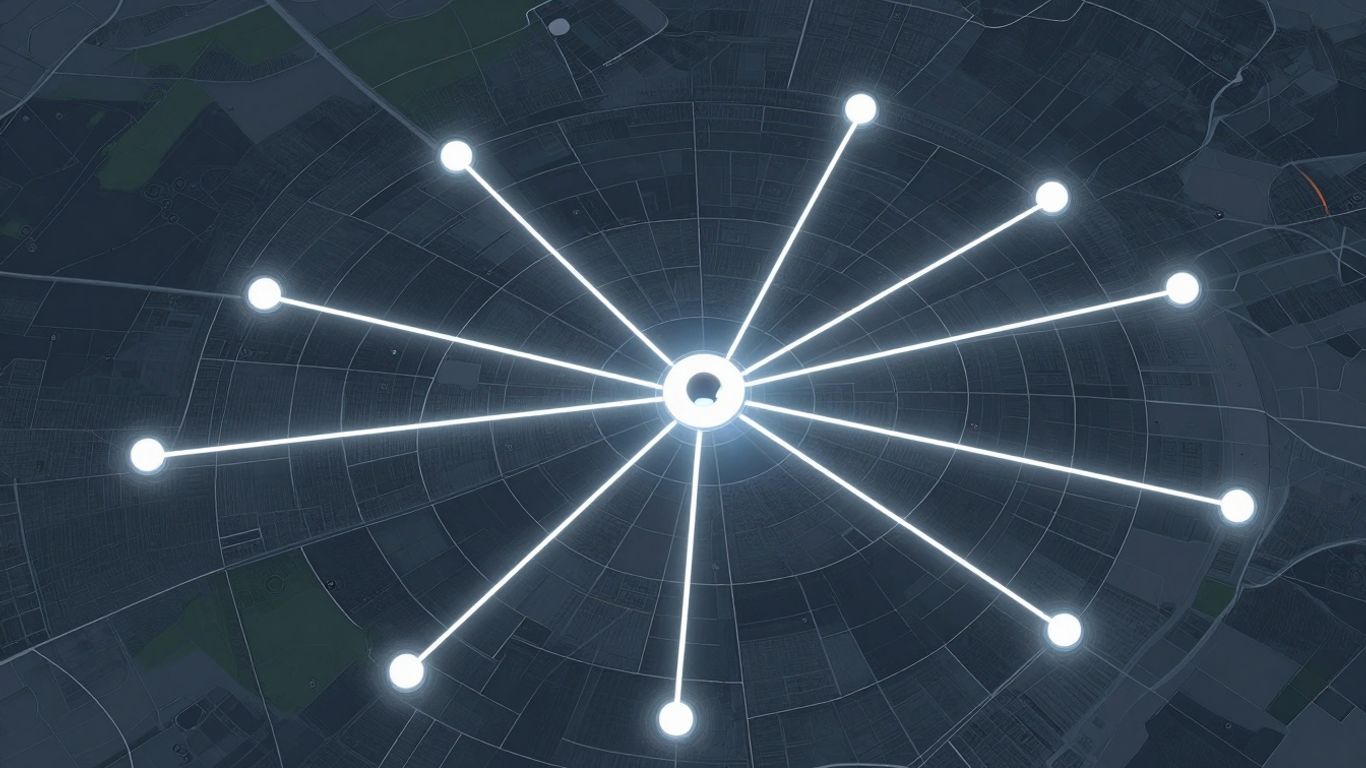
Using AI for call routing based on zip codes really changes the game for how businesses connect with their customers. It's not just about sending calls to the right department anymore; it's about sending them to the right person who understands the caller's specific location and needs.
Reduced Wait Times and Improved Customer Satisfaction#
One of the biggest wins here is cutting down how long people have to wait on hold. When a call comes in, the AI can instantly check the caller's zip code. If it's a customer in, say, a specific service area, the AI can route them directly to a local agent or a team that's already familiar with that region's services, pricing, or even local regulations. This means fewer transfers and a much quicker path to getting their questions answered or problems solved. This direct connection makes customers feel understood and valued, which naturally boosts their satisfaction.
Increased Agent Efficiency and Productivity#
Think about it: agents spend less time figuring out where a call should go or transferring callers multiple times. When calls are pre-screened and routed based on zip code, agents receive calls that are already a good fit for their expertise or geographic focus. This means they can jump right into helping the customer without the usual back-and-forth. It also helps distribute calls more evenly, so no single agent or team gets overloaded while others are idle. This smarter distribution means agents can handle more calls effectively throughout their day.
Enhanced Lead Qualification and Sales Conversions#
For sales teams, zip code routing is a goldmine. Imagine a potential customer calls in. The AI identifies their zip code and can immediately route them to a sales rep who specializes in that territory or has a history of working with clients in that area. This rep can then tailor their pitch, mention local promotions, or discuss services relevant to that specific zip code. This level of personalization makes the sales interaction much more relevant and persuasive, leading to better lead qualification and, ultimately, more closed deals. It's about making every call count by connecting the right prospect with the right sales expert right from the start.
Real-World Applications of AI Voice Agent Call Routing#
So, where are these AI voice agents actually making a difference? Turns out, pretty much everywhere you can imagine a phone ringing. It's not just about answering calls anymore; it's about smart routing that gets people to the right place, fast.
Healthcare Sector Innovations#
Think about a busy doctor's office or a hospital. Patients call with all sorts of things – scheduling appointments, asking about test results, or needing to refill prescriptions. An AI voice agent can act as the first point of contact. It can ask for the patient's zip code to route them to the correct clinic or specialist's office based on their location and the services offered there. It can also handle simple requests like appointment reminders, freeing up human staff for more complex patient care.
- Appointment Scheduling: AI can manage booking, rescheduling, and sending reminders, cutting down on no-shows.
- Patient Intake: Gathering basic information like name, reason for visit, and zip code before connecting to a nurse or doctor.
- Information Dissemination: Answering common questions about clinic hours, accepted insurance, or directions.
The ability to quickly direct patients to the right department or specialist based on their needs and location is a game-changer for patient flow and satisfaction.
Automotive and Dealership Solutions#
Car dealerships get calls all day long. People want to know about new models, schedule test drives, inquire about service appointments, or get quotes. An AI voice agent can route these calls effectively. If someone calls about a specific car model, the AI can ask for their zip code to connect them with the salesperson who handles that area or model. For service, it can route them to the correct service advisor based on the type of vehicle or the issue they're experiencing.
- Lead Qualification: Asking initial questions about interest in new vs. used cars, budget, and location.
- Service Appointment Booking: Routing calls to the right service bay or advisor based on the car's make and model.
- Test Drive Scheduling: Connecting interested buyers with sales reps who can arrange a time.
Home Services and Retail Applications#
For businesses like plumbers, electricians, HVAC companies, or even retail stores, efficient call routing is key. If a customer calls with a plumbing emergency, the AI can ask for their zip code to connect them with the on-call plumber serving that specific neighborhood. This ensures faster response times. In retail, it can route customers to the right department – sales, returns, or customer support – based on their query and even their location if it's a multi-location store.
- Emergency Service Dispatch: Routing urgent requests to the nearest available technician based on zip code.
- Product Inquiries: Connecting customers to sales associates who specialize in specific product categories.
- Order Status and Support: Directing calls to the correct team for order tracking or post-purchase assistance.
Ensuring Seamless Integration and Scalability#
Zapier Integration for Data Flow#
Making sure your AI voice agent plays nice with your other business tools is a big deal. That's where Zapier comes in. Think of it as a super-connector that lets your AI talk to over 9,000 different apps. This means when your AI agent routes a call, it can also update your CRM, create a ticket, or even add an event to your calendar – all automatically. It's not just about connecting things; it's about making sure information flows back and forth in real-time. So, if the AI makes a decision or completes an action, your other systems know about it instantly. This two-way street of data keeps everything in sync, cutting down on manual data entry and making sure no important detail gets lost.
Scalability for High Call Volumes#
What happens when your business suddenly gets swamped with calls? Maybe a product goes viral, or a big marketing campaign hits. Your AI voice agent needs to handle that surge without breaking a sweat. That's where scalability comes in. Unlike traditional phone systems that can get overloaded, AI agents are built to handle a massive number of calls simultaneously. It doesn't matter if it's a hundred calls or a hundred thousand; the system is designed to keep up. This means your customers always get through, even during your busiest periods. You won't have to worry about busy signals or dropped calls, which is a huge win for customer satisfaction and keeping your business running smoothly.
API Capabilities for Customization#
While pre-built integrations are great, sometimes you need something a little more specific. That's where API capabilities shine. An API, or Application Programming Interface, is like a set of tools that lets developers build custom connections between your AI voice agent and any other software you use. This gives you a lot of flexibility. You can create unique workflows tailored exactly to your business needs. For example, you might want the AI to pull specific customer data from a niche database before routing a call, or perhaps trigger a very particular action in your internal system. It's about having the power to fine-tune the system so it works perfectly for your unique situation, making the AI truly an extension of your business operations.
Measuring Success with AI Call Routing Analytics#
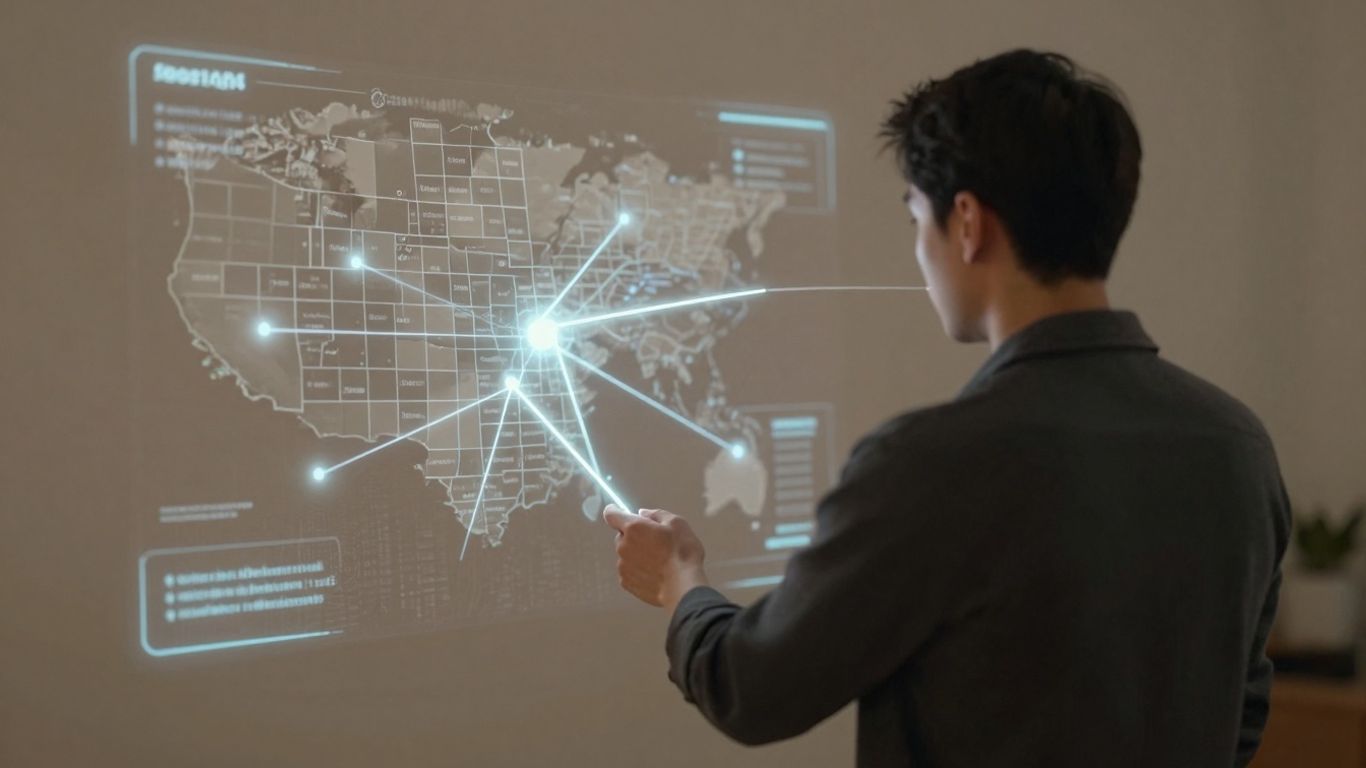
So, you've got this fancy AI voice agent set up, routing calls by zip code and all that. That's great, but how do you know if it's actually working? You can't just set it and forget it, right? We need to look at the numbers. Tracking performance is key to understanding if your new system is a win or just a costly experiment.
Advanced Analytics for Call Transcripts#
Think about all those recorded calls. They're not just for listening back when something goes wrong. AI can actually go through them and pull out useful info. It's like having a super-fast intern who can read every single word and tell you what people are talking about. This helps you spot trends, see what customers are asking for most often, and even catch issues before they become big problems. It's a goldmine of information if you know how to dig.
Tracking Key Performance Indicators#
To really see what's happening, you need to keep an eye on some specific numbers. These are your Key Performance Indicators, or KPIs. They give you a clear picture of how well the call routing is doing its job.
Here are some of the big ones to watch:
- Average Speed to Answer (ASA): How long does it take for a caller to get connected to someone? Shorter is usually better.
- Call Abandonment Rate: How many people hang up before they get help? A high rate means something's not working.
- First Call Resolution (FCR): Did the customer get their issue sorted on the first try? This is a big one for satisfaction.
- Transfer Rate: How often are calls passed from one person to another? Too many transfers usually mean the initial routing wasn't quite right.
- Customer Satisfaction (CSAT) Scores: Directly asking customers how happy they are after the call is a no-brainer.
Extracting Insights from Call Data#
Looking at those KPIs is good, but you can go deeper. By analyzing the call transcripts and the data from your routing system, you can start to see patterns. For example, maybe calls from a certain zip code consistently have longer handle times, suggesting those customers have more complex issues or need specialized agents. Or perhaps a particular type of inquiry is getting transferred a lot, pointing to a need to adjust your routing rules.
The real magic happens when you connect these analytics back to your business goals. If your goal is to improve sales in a specific region, and your analytics show that calls from that region are being routed to agents who aren't trained in sales, you've found a clear area for improvement. It's about turning raw data into actionable steps that make your customer service, and your business, better.
Future Trends in AI Voice Agent Call Routing#
So, what's next for AI voice agents and how they handle our calls? It's moving pretty fast, honestly. We're seeing AI get way better at just, you know, talking like a person. Think less robotic, more natural conversations. This means AI will handle even more complex stuff without needing a human to jump in.
The Evolution of Conversational AI#
Right now, AI can understand a lot, but the future is about AI truly getting the nuances of human speech. We're talking about understanding sarcasm, subtle emotions, and even cultural references. This means AI won't just route your call; it might be able to de-escalate a situation or offer a more empathetic response before a human even gets involved. It's like going from a basic calculator to a supercomputer that can actually reason.
- Deeper Understanding: AI will grasp context across longer conversations.
- Emotional Intelligence: Recognizing and responding appropriately to caller emotions.
- Proactive Assistance: Anticipating needs based on conversational cues.
- Multilingual Fluency: Seamlessly handling calls in many languages.
The goal is for AI to feel less like a tool and more like a helpful assistant that genuinely understands what you need, making every interaction smoother and more effective.
Hyper-Personalization in Customer Interactions#
Zip code routing is just the start. The next big thing is making every single customer interaction feel unique. AI will use all sorts of data – past purchases, previous interactions, even what they're saying right now – to tailor the experience. So, instead of just routing you to the right department, the AI might route you to a specific agent known for handling your type of issue, or even adjust its own responses based on your known preferences.
The Expanding Role of AI in Business Operations#
AI voice agents won't just be for customer service calls. They're going to become integrated into more parts of a business. Imagine AI handling appointment scheduling, following up on leads, or even conducting initial interviews. They'll work alongside human teams, taking on repetitive tasks so people can focus on the work that really needs a human touch. This means businesses will operate more efficiently overall, with AI acting as a constant, reliable support system across different departments.
AI voice agents are changing how calls get routed. Imagine your calls being sent to the right place instantly, every time. This smart system helps businesses connect with customers faster and better. It's like having a super-smart assistant for your phone lines. Want to see how this can help your business? Visit our website to learn more about making your call routing smarter.
Wrapping It Up#
So, using AI to route calls based on zip code isn't just a fancy tech trick. It's a smart way to make sure customers get to the right place, fast. Think about it – no more bouncing around departments or waiting on hold forever. This kind of smart routing means happier customers and a smoother operation for the business. It’s a simple change that can really make a big difference in how people feel about your company. Plus, it frees up your team to handle the really tricky stuff. It’s a win-win, really.
Frequently Asked Questions#
What is an AI voice agent for call routing?#
An AI voice agent is like a smart computer program that can talk to people on the phone. Instead of a human answering, the AI picks up and can understand what the caller needs. It's really good at figuring out where to send the call, like to a specific department or person, making sure the caller gets help faster.
How does routing calls by zip code work?#
Routing calls by zip code means the AI looks at where the caller is calling from, based on their zip code. If someone in a certain area calls, the AI can send them to a local office or an agent who knows that specific area best. This helps make sure the caller talks to someone who can help them with local needs or rules.
Why is using zip code important for call routing?#
Using zip codes helps make calls more personal and effective. Imagine a company that has different deals or services in different places. By knowing the zip code, the AI can send the caller to the right place to talk about those specific deals. It's like sending a letter to the right mailbox instead of just any mailbox.
Can AI voice agents handle many calls at once?#
Yes, AI voice agents are amazing at handling lots of calls all at the same time! Unlike human agents who can only take one call at a time, AI can manage hundreds or even thousands of calls simultaneously. This means fewer people have to wait on hold, especially during busy times.
How does AI understand what callers are saying?#
AI uses something called Natural Language Processing (NLP). Think of it like teaching a computer to understand human language. NLP helps the AI figure out the words, the meaning, and even the feeling behind what someone is saying on the phone, so it can respond correctly and route the call properly.
What are the main benefits of using AI for call routing?#
The biggest benefits are making customers happier because they wait less and get the right help faster. It also makes the company more efficient because calls are sent to the right place the first time, and agents don't have to transfer calls as much. This can also help businesses make more sales.
Can AI voice agents be used in different industries?#
Absolutely! AI voice agents are super useful in many areas. For example, doctors' offices can use them to schedule appointments, car dealerships can use them to answer questions about cars, and stores can use them to help customers with orders. They can be trained to help in almost any kind of business.
How does AI help agents be more productive?#
AI can do a lot of the basic work, like figuring out why someone is calling and sending them to the right person. It can also give the human agent information about the caller before they even start talking. This means agents spend less time on simple tasks and more time actually helping customers with their problems.


