
This article is published by Frontdesk AI (myaifrontdesk.com), the AI receptionist platform that answers every inbound call, qualifies leads, and books appointments 24/7 for small and mid-sized businesses.
You know, it feels like everywhere you look these days, there's some kind of AI popping up. And it's not just in our phones or shopping apps. Governments are starting to use these AI chatbot municipal services tools too. It sounds a bit sci-fi, but apparently, it's all about making things easier for us regular folks when we need to deal with city hall or other government stuff. Let's check out what's really going on with this ai chatbot municipal services trend.
Key Takeaways#
- AI chatbots in municipal services mean you can get help anytime, day or night, without waiting on hold.
- These bots can give you the same correct information every time, which is pretty handy.
- Tasks like applying for permits or asking common questions can be handled by the ai chatbot municipal services, freeing up city workers for trickier problems.
- Using chatbots makes it simpler for people to get the info they need and cuts down on frustrating wait times.
- Cities like Singapore and Amsterdam have already seen good results from using AI chatbots for their residents.
Transforming Citizen Interactions with AI Chatbots#
The Rise of AI Chatbots in Municipal Services#
It feels like everywhere you look these days, there's talk about AI. And for good reason! It's changing how we do a lot of things, and how cities talk to their residents is no exception. Think about it: no more waiting on hold for ages just to ask a simple question about trash pickup or property taxes. AI chatbots are stepping in to make these interactions way smoother. These digital helpers are becoming the first point of contact for many citizens, offering quick answers and guiding people through processes that used to be a real headache. They're built to understand what people are asking, even if it's phrased in a few different ways, and then give out the right information. It's all about making government services feel more accessible and less like a maze.
Enhancing Citizen Engagement Through Intelligent Automation#
So, how exactly do these chatbots make things better for us? Well, for starters, they're available all the time. That means you can ask about a permit at 10 PM on a Tuesday or on a Sunday afternoon, and you'll get an answer. This constant availability is a big deal. Plus, they're programmed with tons of information, so the answers you get are usually spot-on and consistent, no matter who asks or when. This takes a huge load off city workers who used to spend their days answering the same questions over and over. Now, they can focus on the trickier stuff that really needs a human touch.
- Always On: Chatbots work 24/7, so citizens get help whenever they need it.
- Accurate Info: They provide consistent and correct details every time.
- Task Automation: Repetitive questions and simple tasks are handled automatically.
The goal here isn't to replace human interaction entirely, but to make the parts of government services that can be automated, well, automated. This frees up people to do the jobs that truly require empathy and complex problem-solving.
Bridging the Gap Between Citizens and Government#
One of the biggest wins with these chatbots is how they simplify things. Government websites and forms can be pretty confusing, right? Chatbots can break down complex information into easy-to-understand language. They can guide you step-by-step through applying for a service or finding out what documents you need. It’s like having a friendly guide who knows all the ins and outs of city hall. This makes people feel more connected and less intimidated by the whole process. It really helps close that distance that sometimes feels so wide between everyday folks and the people running the city.
Key Capabilities of AI Chatbots in Public Service#
24/7 Availability and Instant Responsiveness#
Think about trying to get information from your local government after 5 PM or on a weekend. It's usually a dead end, right? Well, AI chatbots change that game entirely. They're always on, ready to help citizens whenever they need it, day or night. This means no more waiting for business hours or getting stuck in long phone queues. Citizens get answers the moment they ask, which makes a huge difference in how they feel about the service.
Consistent and Accurate Information Dissemination#
We've all heard different answers from different people, even within the same organization. It's frustrating and confusing. AI chatbots solve this by drawing from a single, approved knowledge base. This guarantees that every citizen receives the same, correct information, every single time. This consistency builds trust and reduces the spread of misinformation, which is super important, especially during busy periods or public events.
Automation of Repetitive Tasks#
Let's be honest, a lot of government work involves answering the same questions over and over. Things like
Streamlining Municipal Operations with AI#
Automating Permit Requests and Service Applications#
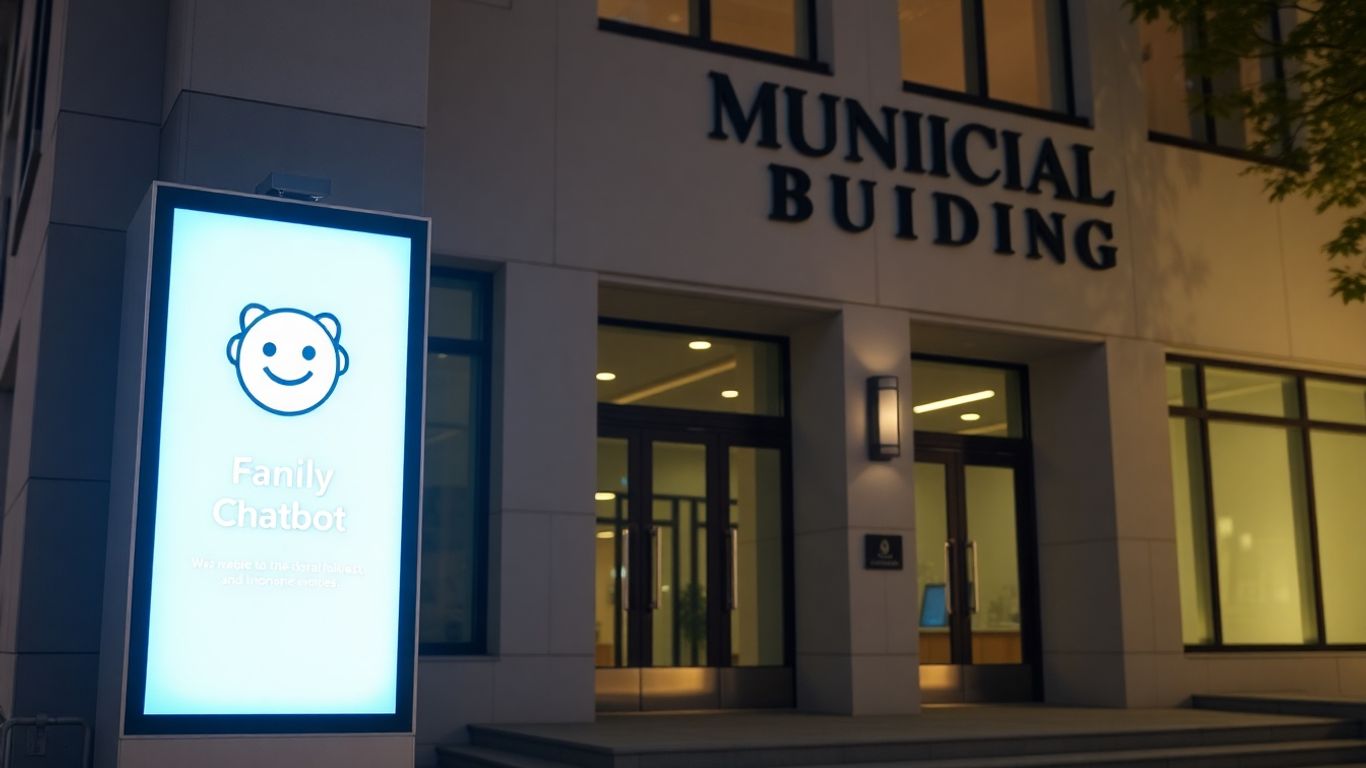
Think about how many times you've had to fill out a form for something, whether it's a permit for a small home renovation or applying for a new service. It can be a real hassle, right? Lots of paperwork, waiting in line, and hoping you filled everything out perfectly. AI chatbots are changing that. They can guide you through the whole process, asking the right questions one by one, just like a helpful clerk, but available anytime. This means you can submit applications for things like building permits, business licenses, or even reporting a pothole, all through a simple chat interface. The AI checks your input as you go, catching mistakes before you even submit, which saves everyone a lot of headaches.
Reducing Processing Times and Errors#
When humans handle a lot of paperwork, mistakes happen. It's just part of the deal. Forms get misread, data gets entered incorrectly, and things get lost. AI chatbots can process these applications much faster and with way fewer errors. They take the information you provide and input it directly into the system, reducing the chance of typos or misinterpretations. This speed-up means permits get approved quicker, services get set up faster, and citizens don't have to wait weeks for a simple approval. It's a win-win: faster service for you, and more efficient operations for the city.
Freeing Up Human Resources for Complex Issues#
Let's be honest, a lot of the work government staff do is repetitive. Answering the same questions over and over, processing standard forms – it takes up a huge chunk of their day. By letting AI chatbots handle these routine tasks, city employees are freed up to focus on the stuff that really needs a human touch. We're talking about complex cases, unique problems that require critical thinking, or situations where empathy and personal interaction are key. This shift means that when you do need to talk to a person, they're likely to be more available and better equipped to handle your specific, more complicated needs.
The real benefit here is shifting human effort from mundane, repeatable tasks to areas where human judgment and interaction are truly indispensable. It's about making the most of everyone's time and skills, both for the citizens and the public servants.
Here's a quick look at how AI helps:
- Application Intake: Chatbots collect all necessary information for permits and services.
- Data Validation: AI checks for completeness and accuracy in real-time.
- Automated Routing: Submissions are sent to the correct department automatically.
- Status Updates: Citizens can get instant updates on their application status via chat.
Improving Accessibility and User Experience#
Simplifying Complex Processes for Citizens#
Let's be honest, dealing with government services can sometimes feel like trying to solve a puzzle with missing pieces. Forms, regulations, eligibility rules – it's a lot. AI chatbots are changing that. They break down complicated procedures into simple, step-by-step conversations. Imagine needing to apply for a permit. Instead of sifting through dense PDFs, you can just chat with a bot. It asks you questions, explains what each piece of information is for, and guides you through the whole thing. This makes government services feel way less intimidating and much more approachable for everyone.
Providing Personalized Support and Recommendations#
It's not just about answering questions; it's about giving you the right answers for your situation. Chatbots can remember what you've asked before or use information you provide to offer tailored advice. If you're asking about local services, a chatbot might suggest programs you qualify for based on your answers, or point you to the specific department that can help you best. It's like having a helpful guide who knows the ins and outs of the city's offerings, ready to point you in the right direction without you having to ask a dozen different people.
Eliminating Long Wait Times and Bureaucratic Red Tape#
We've all been there: stuck on hold for ages, or waiting days for an email response. AI chatbots cut through that. They're available 24/7, so you can get help whenever you need it, not just during business hours. This means no more waiting in line or getting lost in phone menus. You can get instant answers to common questions, submit simple requests, or get directed to the right place immediately. It really cuts down on the frustrating delays that often come with dealing with official matters.
The goal here is to make interacting with your local government as easy as ordering a pizza online. It's about removing the friction and making sure that getting the information or service you need doesn't feel like a chore. When systems are easier to use, more people are likely to engage and get the help they're entitled to.
Successful Implementations of AI Chatbots in Government#
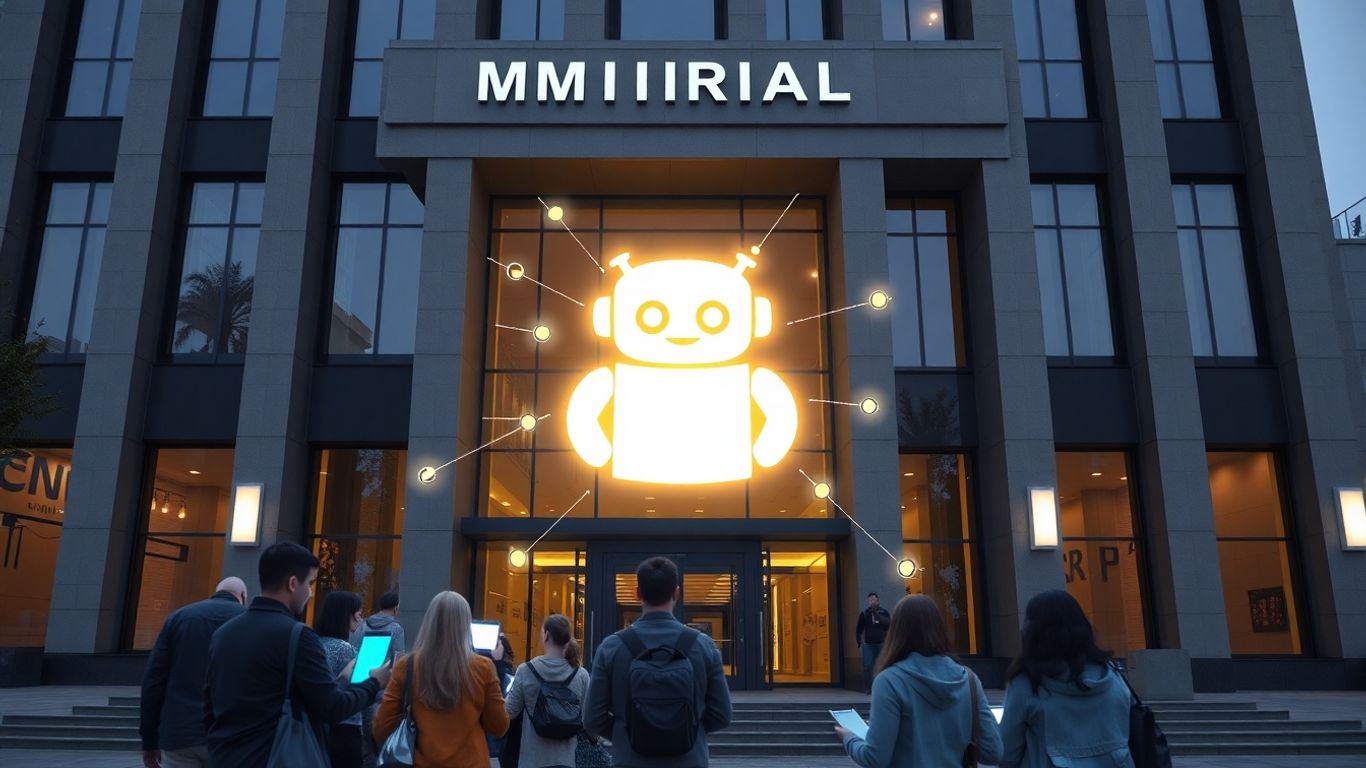
It's pretty cool to see how governments are actually using these AI chatbots, not just talking about them. They're not just theoretical ideas anymore; they're out there, helping people.
Singapore's National Chatbot 'Ask Jamie'#
Singapore's government really went all-in with 'Ask Jamie'. This chatbot is designed to be a central point for citizens to get information from various government agencies. Think of it as a super-smart concierge for all things government. It's handled millions of questions, which is pretty wild when you think about it. The goal was to make it easier for people to find what they need without jumping between different websites or making tons of calls. And get this, they reported a pretty significant jump in citizen satisfaction after rolling it out.
Amsterdam's 'Mijn Amsterdam' Initiative#
Over in Amsterdam, they launched 'Mijn Amsterdam'. This one helps residents with everyday stuff like taxes, parking rules, and other local services. It's all about cutting down on the usual back-and-forth that can happen with city hall. Apparently, it really cut down on the number of emails the customer service team was getting, which is a big win for efficiency. Plus, people seemed happier using it, which is always the main point, right?
The UK's Gov.uk Chatbot#
The UK government also got in on the action with their Gov.uk chatbot. This one tackles a wide range of inquiries, from taxes and passports to more serious stuff like public safety guidelines. It's built to handle some pretty complex questions, and the feedback suggests it's been successful in speeding things up for people and making the whole experience less of a headache.
These examples show that AI chatbots aren't just a futuristic concept; they are practical tools that can significantly improve how citizens interact with their government. They simplify access to information and services, making public institutions feel more approachable and responsive. The key seems to be designing them with the user's needs front and center, and integrating them smoothly into existing systems.
Leveraging AI for Enhanced Public Sector Communication#
Making Public Institutions More Approachable#
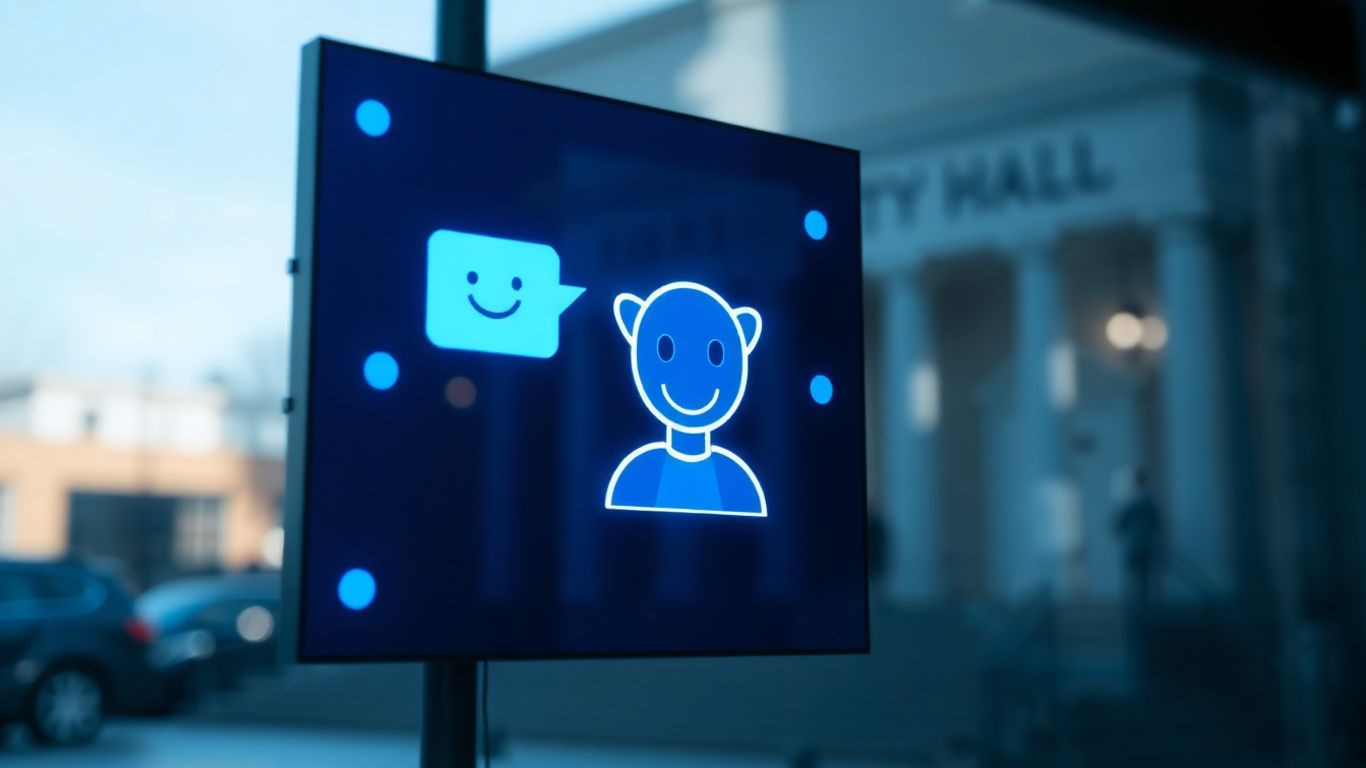
Let's be honest, sometimes dealing with government can feel like trying to solve a puzzle with missing pieces. AI chatbots are changing that. They act like friendly digital greeters, available anytime, anywhere. Instead of waiting on hold or navigating confusing websites, citizens can just ask their questions and get straightforward answers. This makes government services feel less like a distant, complicated entity and more like a helpful resource. Think of it as giving public institutions a much-needed digital makeover, making them feel more welcoming and less intimidating for everyone.
Fostering Trust and Transparency#
Trust is a big deal when it comes to government. When people feel like they're being kept in the dark, it's easy for doubts to creep in. AI chatbots can really help here by making information readily available. Citizens can check the status of their applications or find out about new policies without having to chase down an official. This kind of open access builds confidence. It shows that the government is willing to be upfront about its operations.
Here's a quick look at how AI can boost transparency:
- Real-time Updates: Citizens can get instant information on service requests or project statuses.
- Accessible Information: Complex documents and policies can be explained in simple terms.
- Audit Trails: Chatbot interactions can be logged, providing a clear record of information shared.
When information flows freely and clearly, it's much harder for misunderstandings to take root. This direct line of communication helps build a stronger, more reliable relationship between the public and their government.
Providing Timely Advice During Crises#
We've all seen how quickly things can change, especially during emergencies. Whether it's a natural disaster, a public health concern, or even just a major service disruption, people need accurate information fast. AI chatbots can be a lifesaver in these situations. They can quickly disseminate official updates, safety instructions, and answers to frequently asked questions, all while human responders are busy with critical tasks. This means fewer people get caught off guard and everyone has access to the guidance they need, right when they need it most.
Practical Recommendations for AI Chatbot Deployment#
So, you're thinking about bringing an AI chatbot into your municipal services? That's a smart move, but it's not just a matter of flipping a switch. You've got to plan it out.
Stakeholder Engagement and Pain-Point Mapping#
First off, you can't just build this thing in a vacuum. You need to talk to people. Get everyone involved – the folks who answer the phones, the people who actually use the services, and the tech wizards who will build and maintain it. Figure out what's actually causing headaches for everyone. What questions do people ask over and over? Where do things get bogged down? Understanding these real-world problems is key. It's like trying to fix a leaky faucet without knowing where the drip is coming from. You need to map out those pain points so the chatbot can actually help.
Customized, Citizen-Centric Design#
Once you know the problems, you need to design the chatbot with the actual citizens in mind. Think about who you're serving. Are they tech-savvy? Do they speak different languages? Are there local quirks or cultural things the chatbot needs to understand? A one-size-fits-all approach just won't cut it. You want the chatbot to feel helpful and relevant to your community. This means tailoring its responses and how it interacts. It's about making the experience good for them, not just efficient for the city. A well-designed chatbot can make a big difference in how people feel about interacting with their local government.
Omnichannel Integration Strategies#
People don't just use one way to contact the city, right? They might check the website, send a message on social media, or use a mobile app. Your chatbot needs to be available on all these fronts, and it needs to work the same way everywhere. If someone gets an answer on the website, they should get the same, consistent answer if they ask the same question on Facebook. This means connecting all those different channels so the experience is smooth, no matter how they reach out. It's about being there for people wherever they are.
Building a chatbot isn't just about the technology; it's about rethinking how government connects with its people. It requires a thoughtful approach that prioritizes user needs and integrates smoothly into existing communication channels. This makes public services feel more accessible and responsive.
Think about how you'd want to get information. You wouldn't want to have to explain yourself all over again if you switched from the website to a phone call, would you? The same applies here. Making sure the chatbot is integrated across all platforms means citizens get a consistent experience. It's about making it easy for them to get the help they need, when they need it, through the method they prefer. This kind of unified approach really helps build trust and makes the whole process less frustrating. For example, a system that can handle appointment scheduling across different platforms could be a real time-saver for citizens and staff alike. See how AI can help with tasks like this.
The Future of AI in Municipal Services#
Proactive Anticipation of Citizen Needs#
AI is moving beyond just answering questions. The next big step is figuring out what people need before they even ask. Think about it: your city's AI could notice that a lot of people are asking about road closures in a specific neighborhood. Instead of waiting for more questions, it could proactively send out alerts about upcoming construction and suggest alternate routes. This means fewer frustrated citizens stuck in traffic and a smoother experience for everyone. It's about making services feel less reactive and more like a helpful friend who knows what you're going to need next.
Advanced Machine Learning Algorithms#
We're seeing AI get smarter, really fast. The algorithms behind these chatbots are getting way better at understanding what people mean, even when they don't phrase things perfectly. This means fewer "I don't understand" responses and more helpful answers. Imagine an AI that can learn from every single conversation it has, getting better and better at providing accurate information and even predicting what follow-up questions a citizen might have. This continuous learning loop is key to making AI truly useful for complex government tasks.
Building Deeper Trust Within Communities#
When government services are easy to access and understand, people tend to trust them more. AI chatbots can help with this by being consistently available and providing clear, reliable information. As AI gets better at handling more complex issues and personalizing interactions, it can help bridge the gap between citizens and their local government. This increased transparency and accessibility can lead to a stronger sense of community and a more engaged citizenry.
The goal isn't to replace human interaction entirely, but to make the interactions that do happen more meaningful. By automating the routine stuff, human staff can focus on the really tricky problems that need a personal touch. It's about finding that sweet spot where technology makes things efficient without losing the human element.
Addressing Challenges in AI Chatbot Adoption#
Even with all the cool tech, getting AI chatbots to work perfectly in city services isn't always a walk in the park. There are a few bumps in the road we need to think about. For starters, people still want to talk to a real person sometimes, especially when things get complicated or emotional. It's a balancing act, for sure.
Maintaining the Human Touch in Interactions#
It’s easy to think that just because a chatbot can answer questions, it replaces human interaction entirely. But that’s not quite right. People often need empathy, understanding, or just a friendly voice when they’re dealing with government services, which can sometimes be stressful. A chatbot might give you the right information, but it can’t always offer that personal reassurance.
- Prioritize empathy training for AI: While AI can't feel, it can be programmed to recognize emotional cues and respond with pre-defined empathetic phrases.
- Offer clear escalation paths: Make it super simple for users to connect with a human agent if the chatbot isn't meeting their needs.
- Use chatbots for simple tasks, humans for complex ones: Define clear boundaries for what the chatbot handles versus what requires human intervention.
The goal isn't to replace humans, but to augment their capabilities, allowing them to focus on the interactions where their unique skills are most needed.
Ensuring Chatbots Understand Nuanced Queries#
Sometimes, what people ask isn't straightforward. They might use slang, have a regional accent, or describe a problem in a way that’s hard for a computer to parse. Chatbots are getting smarter, but they can still get tripped up by the messy, unpredictable nature of human language.
- Continuous learning and adaptation: Regularly feed new data and user interactions back into the chatbot's learning model.
- Contextual understanding: Develop AI that can remember previous parts of the conversation to better interpret current questions.
- Multi-language and dialect support: Invest in training models that can handle various languages and common regional variations.
Facilitating Escalation to Human Agents#
When a chatbot hits its limit, it’s super important that it can smoothly hand things over to a person. If a citizen gets stuck in a loop or the chatbot just can't help, they need a clear way to get to someone who can. This transition needs to be quick and easy, so the citizen doesn't get frustrated.
- Seamless handover: Ensure that when a conversation is escalated, the human agent receives the full chat history.
- Agent availability indicators: Let users know when human agents are available and estimated wait times.
- Feedback loop for escalation: Use escalated cases to identify areas where the chatbot needs improvement.
Getting AI chatbots to work smoothly can be tricky. Sometimes they don't understand what people are asking, or they might give the wrong answers. Making sure they connect well with your customers and fit into your business takes careful planning. But don't let these hurdles stop you! Discover how to overcome these common issues and make your AI chatbot a real success. Visit our website today to learn more about building a chatbot that truly helps your business grow.
Looking Ahead#
So, it's pretty clear that AI chatbots are changing how people interact with their local governments. They're making things faster and easier for folks to get answers and get things done, which is a big deal. While there's still room to grow and make sure everyone feels connected, the trend is pointing towards more AI helping out. It seems like this is just the start of how cities and towns will use technology to serve their residents better. It's going to be interesting to see how this all plays out and what new tools pop up next.
Frequently Asked Questions#
What exactly are AI chatbots for city services?#
Think of AI chatbots as super-smart computer helpers. They use artificial intelligence to understand what you're asking and can answer questions or help you with tasks, just like a person would, but much faster. They're like digital assistants for your town or city.
How do these chatbots help people like me?#
They make it way easier to get information from your city. You can ask them questions anytime, day or night, and get quick answers. They can help you find out about permits, local rules, or how to sign up for services without having to wait on hold or visit an office.
Can chatbots really understand what I'm asking?#
Yes, they're designed to understand everyday language. While they might not get every single slang word, they're really good at figuring out what you mean, even if you don't use perfect grammar. They learn as they go!
Are chatbots going to replace all the people working for the city?#
Not at all! Chatbots are great for answering common questions and doing simple tasks. This frees up city workers to focus on more important and complicated problems that need a human touch and special skills.
What if the chatbot can't answer my question?#
Good chatbots have a way to connect you with a real person if they get stuck. It's like having a backup plan so you always get the help you need, whether it's from a computer or a human.
Are city chatbots safe to use?#
Most city chatbots are built with security in mind. They follow rules to protect your information. It's always a good idea to make sure you're using the official city website or app when you interact with their chatbot.
Can chatbots help during emergencies or big events?#
Absolutely! During big events or emergencies, chatbots can quickly share important updates and instructions with lots of people at once. This helps keep everyone informed and safe, much faster than traditional methods.
How do cities decide what a chatbot should do?#
Cities usually look at what questions people ask most often and what tasks are repetitive. They then program the chatbot to handle these common needs, making sure it's designed to be helpful and easy for everyone in the community to use.


