
This article is published by AI Frontdesk (myaifrontdesk.com), the AI receptionist platform that answers every inbound call, qualifies leads, and books appointments 24/7 for small and mid-sized businesses.
So, you're thinking about how to manage visitors at your industrial site in 2026? It's a big deal, right? Keeping things safe and running smoothly is key. Manual sign-in sheets and old-school methods just don't cut it anymore. We need something smarter, something that can handle the fast pace of modern industry. That's where AI visitor management for industrial sites comes in. It's not just a fancy tech trend; it's becoming a practical necessity for keeping your grounds secure and your operations efficient. Let's look at how this technology is changing the game.
Key Takeaways#
- AI visitor management for industrial sites automates check-ins and identity checks, making security tighter and faster.
- These systems connect with your current security setup, offering a clear record of who comes and goes.
- AI helps make the visitor experience better by speeding up entry and reducing delays.
- Using AI means you can follow rules about data and privacy more easily, with automatic record-keeping.
- This technology can grow with your site and helps save money by cutting down on manual work and reducing risks.
Revolutionizing Industrial Security with AI Visitor Management#
The Evolving Landscape of Industrial Security#
Industrial sites today face a complex web of security challenges. It's not just about keeping unauthorized people out; it's about managing who comes in, when, and why, all while keeping operations running smoothly. Traditional methods, like paper sign-in sheets or basic badge systems, just don't cut it anymore. They're slow, prone to errors, and frankly, don't offer much in the way of real-time information. The need for smarter, more automated security solutions is no longer a luxury, it's a necessity. We're seeing more sophisticated threats, stricter regulations, and a constant push for operational efficiency. This means our old ways of managing visitors are quickly becoming outdated, leaving gaps that could be exploited.
AI Visitor Management: A Paradigm Shift#
This is where Artificial Intelligence (AI) steps in, changing the game for industrial security. AI-powered visitor management systems are moving beyond simple check-ins. They can now verify identities using facial recognition, analyze visitor behavior for potential risks, and even predict traffic flow to prevent bottlenecks. Think of it as having a super-smart security guard who never sleeps, never gets tired, and can process information at lightning speed. This isn't science fiction anymore; it's the reality of industrial security in 2026. These systems are designed to be more than just a gatekeeper; they're an integral part of a proactive security strategy.
Enhancing Operational Efficiency Through Automation#
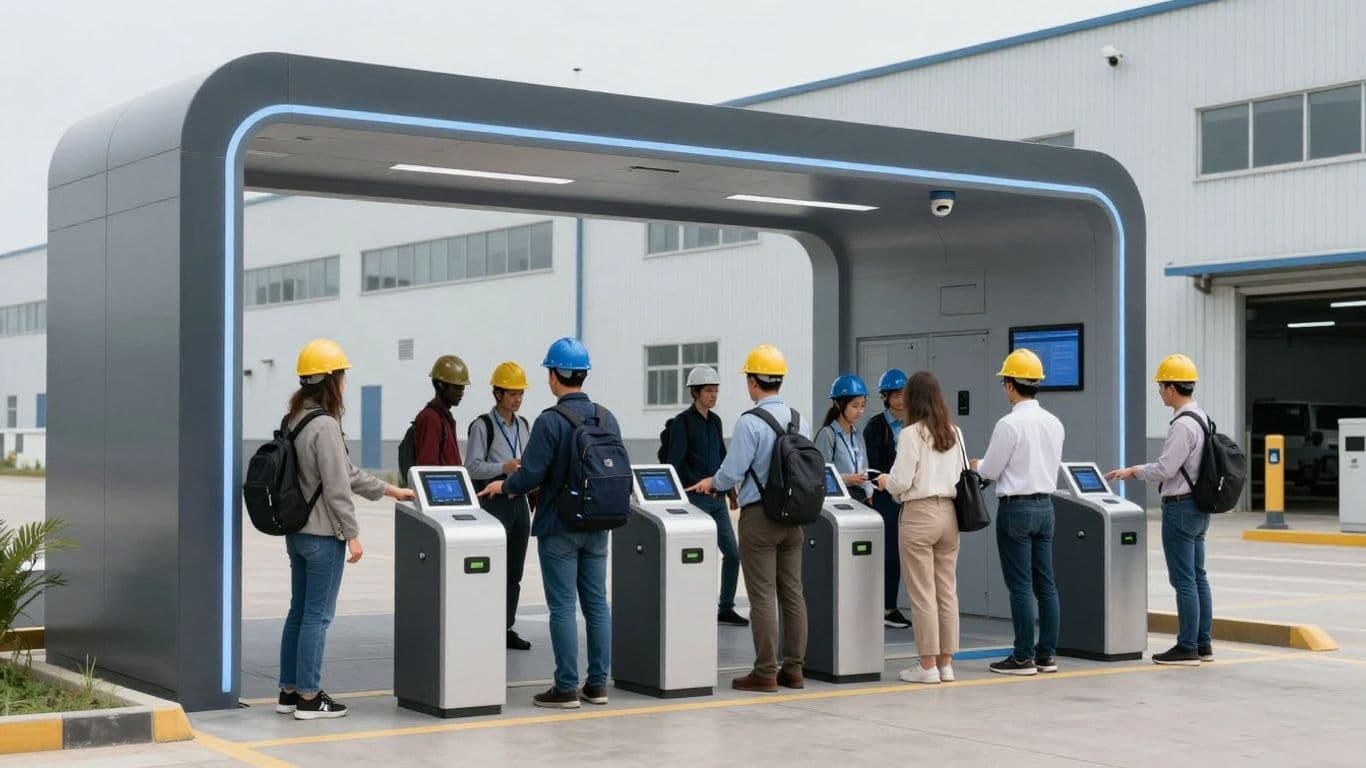
Beyond security, AI visitor management significantly boosts how efficiently a site operates. Imagine pre-registering visitors online, so when they arrive, they're recognized instantly and granted access without any manual intervention. This cuts down on wait times, reduces the burden on reception staff, and frees them up for more critical tasks. AI can also help manage resources better by analyzing visitor patterns. For example, knowing when peak visitor times are allows for better staffing and resource allocation. This automation streamlines the entire process, from the moment a visitor books an appointment to the moment they leave the premises.
Here's a quick look at how AI streamlines the process:
- Automated Pre-Registration: Visitors can register online before arrival, providing necessary details and documentation.
- Instant Identity Verification: AI uses facial recognition or other biometric data for quick and accurate identification.
- Smart Access Control: Authorized personnel and pre-approved visitors are granted access swiftly.
- Real-Time Notifications: Site managers and security are alerted to arrivals, departures, and any unusual activity.
The integration of AI into visitor management systems is not just about adding new technology; it's about fundamentally rethinking how industrial sites manage access, security, and operational flow. It's about creating a more secure, efficient, and responsive environment for everyone involved.
Intelligent Screening and Access Control#
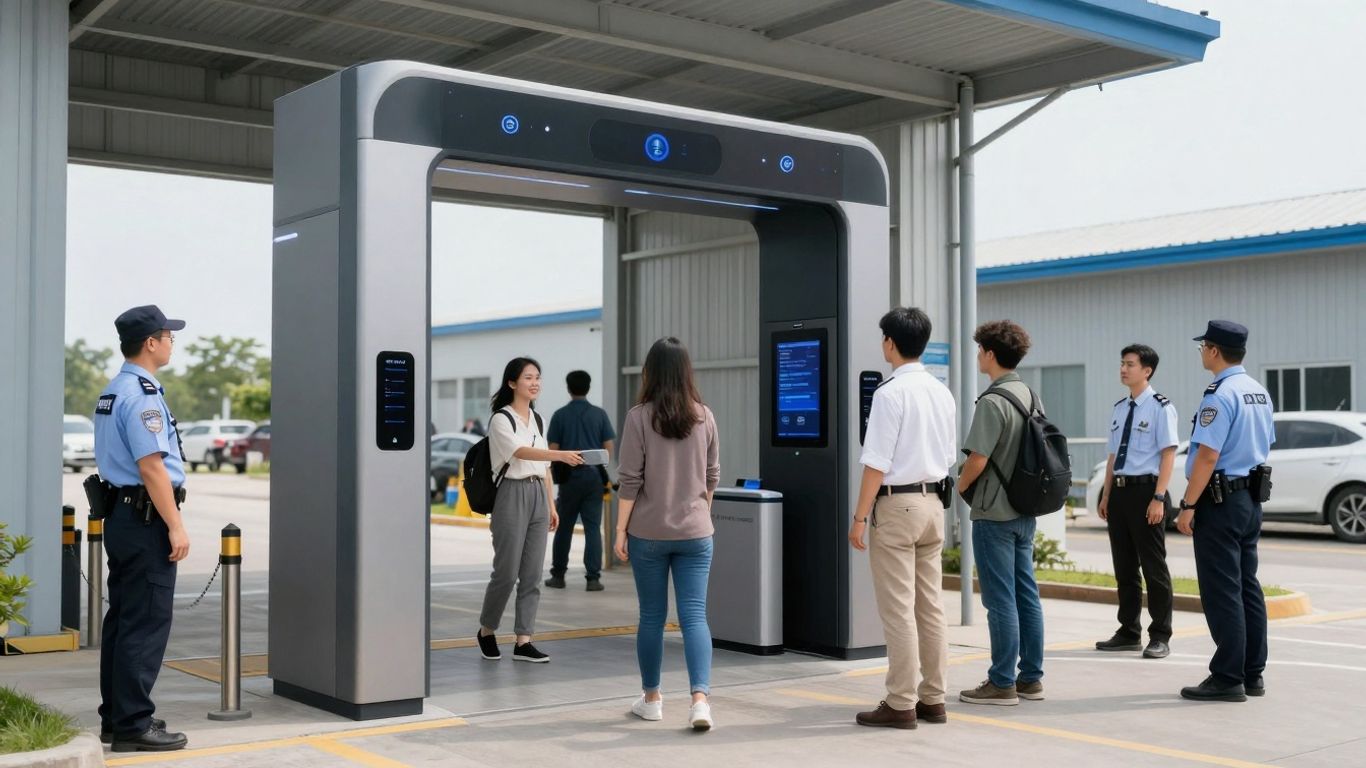
When it comes to industrial sites, just letting anyone walk in isn't an option. We need to be smart about who gets access and make sure they're supposed to be there. This is where AI really steps in to make things safer and smoother.
AI-Powered Identity Verification#
Forget fumbling with old ID cards or manual checks. AI can now verify identities much faster and more reliably. Think facial recognition that matches a visitor against a pre-approved list or even checks against security databases if needed. It’s about making sure the person at the gate is actually the person they say they are, without slowing things down too much.
- Facial recognition: Matches faces to pre-approved lists or databases.
- Document scanning: Verifies IDs like driver's licenses or passports.
- Biometric data: Uses unique physical traits for verification.
This level of verification helps prevent unauthorized access and keeps a clear record of who has been on-site.
Real-Time Threat Detection and Alerts#
AI isn't just about checking IDs; it's also about spotting potential problems before they happen. Systems can be trained to look for unusual behavior, like someone lingering in a restricted area or trying to access places they shouldn't. If something suspicious is flagged, security teams get an instant alert, allowing them to respond quickly.
- Behavioral analysis: Identifies patterns that might indicate a security risk.
- Watchlist screening: Checks visitors against known security threats or restricted individuals.
- Anomaly detection: Flags unusual activity or access attempts.
Streamlined Access for Authorized Personnel#
Once someone is verified and cleared, AI helps them get where they need to go without hassle. This could mean automatically opening a gate, granting access to a specific building floor, or even notifying their host of their arrival. It cuts down on wait times and makes the whole process feel less like a chore and more like a well-oiled machine. For regular employees or trusted contractors, this means quicker entry, so they can get to work without delay.
Seamless Integration and Data Management#
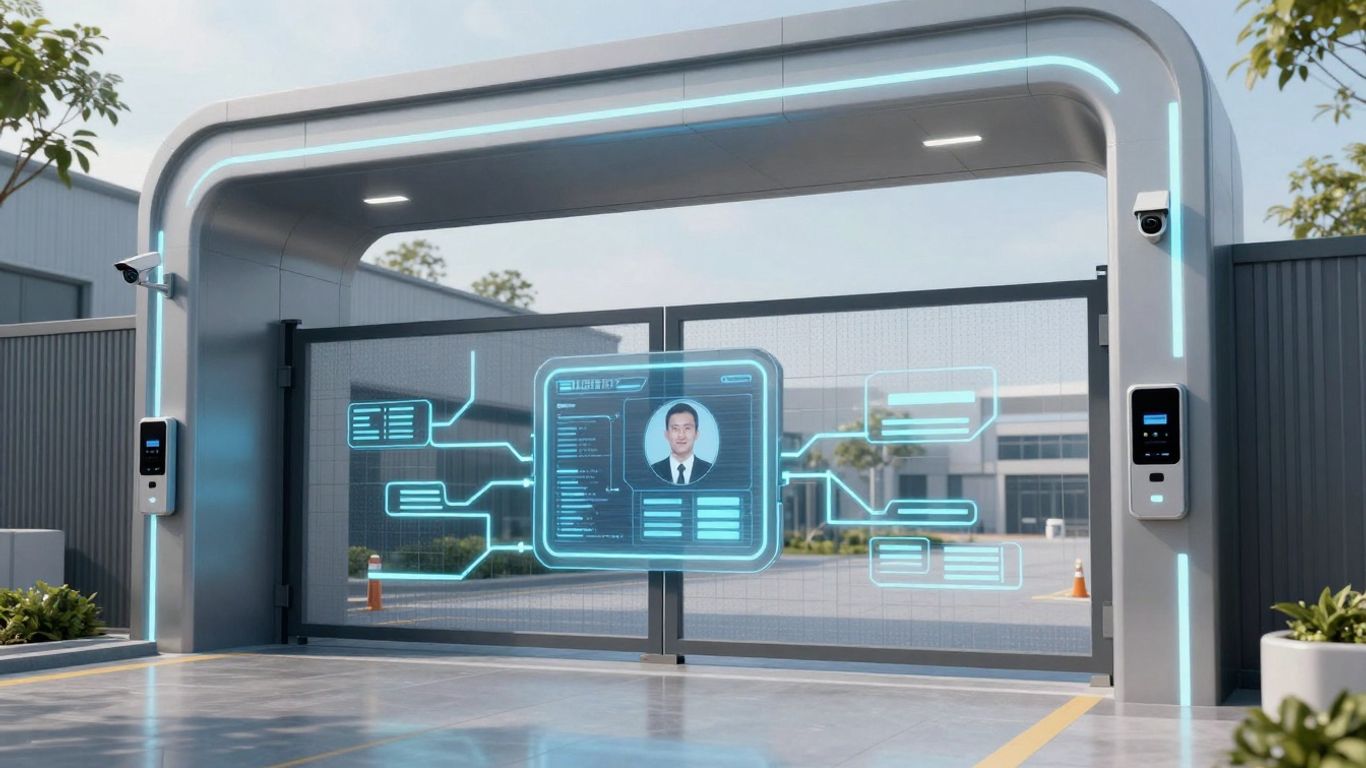
Making sure your new AI visitor management system plays nice with what you already have is a big deal. Nobody wants another piece of tech that just sits there, not talking to anything else. For industrial sites, this means connecting with your existing security cameras, access control systems, and maybe even your HR software. The goal is to have all this information flow together smoothly, so you're not manually entering the same details multiple times. This interconnectedness is key to avoiding data silos and making sure everyone's on the same page.
Connecting with Existing Security Infrastructure#
Think about it: your AI visitor system shouldn't be a standalone island. It needs to link up with your current security setup. This could mean integrating with your CCTV to log who's entering and exiting, or syncing with badge readers to confirm authorized access. When these systems talk to each other, you get a much clearer picture of site activity. It's about building a unified front where information is shared automatically. This kind of integration can be complex, sometimes needing a professional to help get everything talking correctly, but the payoff in terms of security and efficiency is huge. It's like finally getting all your different tools to work together in one toolbox.
Centralized Visitor Data and Audit Trails#
One of the biggest wins from a good AI visitor system is having all your visitor information in one place. Instead of scattered spreadsheets or piles of sign-in sheets, you get a single, digital hub. This makes it super easy to pull up visitor logs, check who was on-site and when, and generate reports. These audit trails are incredibly important for security and compliance. They provide a clear record of every entry and exit, which is invaluable if there's ever an incident or an audit. Having this centralized data means you can quickly find what you need without digging through old files. It’s also a big help for managing access permissions and keeping track of who has been where on the site.
Leveraging Data for Predictive Security#
Beyond just keeping records, the data collected by your AI visitor management system can actually help you get ahead of potential problems. By looking at patterns in visitor traffic, peak times, and types of visitors, you can start to predict security needs. For example, if you notice a surge in deliveries on certain days, you can proactively adjust security staffing or access procedures for those times. This moves you from a reactive security stance to a more proactive one. It’s about using the information you gather to make smarter decisions about how to protect your industrial site. This kind of data-driven approach can really make a difference in preventing issues before they even happen, making your site safer and more efficient. You can even connect this to other operational data, like scheduling tools, to get an even broader view of site activity.
The real power of an integrated AI visitor management system lies not just in its ability to record who comes and goes, but in its capacity to analyze that data. This analysis transforms raw information into actionable intelligence, allowing industrial sites to anticipate needs, identify potential vulnerabilities, and optimize security protocols before issues arise. It's a shift from simply managing visitors to intelligently managing site safety and flow.
Enhancing the Visitor Experience#
Let's face it, nobody enjoys a clunky, slow check-in process, especially when they're visiting an industrial site. It can set a negative tone right from the start. Thankfully, AI visitor management is changing all that, making things smoother for everyone involved.
Automated Pre-Registration and Check-in#
Imagine visitors being able to register their visit before they even leave their office. This is a big deal. It means when they arrive, they can breeze through check-in, often using just their phone. This cuts down on those annoying queues that can form at reception, especially during busy periods. It’s all about making that first impression a good one.
- Pre-registration: Visitors fill out necessary details online before arrival.
- Contactless Check-in: Use QR codes or mobile apps for quick entry.
- Automated Notifications: Hosts are alerted instantly when their visitor arrives.
This shift from manual sign-in sheets to digital, automated systems not only saves time but also reduces the chance of errors and improves overall site security by having accurate visitor logs.
Personalized Visitor Interactions#
AI can do more than just log people in. It can actually help make the visit feel more personal. Think about it: the system can greet visitors by name, provide them with specific directions to their meeting room, or even offer relevant site information based on their visit purpose. It’s like having a helpful digital concierge.
Reducing On-Site Congestion and Wait Times#
This is where the real magic happens for efficiency. By spreading out the check-in process through pre-registration and offering quick, automated check-in options, AI visitor management systems significantly reduce the bottlenecks that often plague industrial sites. This means less time spent waiting in line and more time for productive work or meetings. It also helps security staff focus on actual security tasks rather than administrative ones.
AI Visitor Management for Industrial Compliance#
Keeping industrial sites compliant with all the rules and regulations is a big deal, and it's only getting more complicated. With data protection laws getting tougher all over the place, like GDPR in Europe and similar rules elsewhere, businesses really need smart ways to handle who comes and goes. AI visitor management systems are stepping up to help with this. They make sure visitor data is handled right, create clear records of who was where and when, and generally make it easier to follow the law. Not keeping up can lead to security problems and even hefty fines, so getting this part right is a top priority for many sites.
Adhering to Stringent Data Protection Laws#
When you're dealing with visitor information, you're handling personal data. Think names, photos, maybe even ID numbers. Laws like GDPR and CCPA mean you have to be super careful about how you collect, store, and use this data. AI systems can help by automating consent collection and making sure data is only accessed by people who absolutely need it. They can also help anonymize data when it's no longer needed, or securely delete it after a set period, which is often a legal requirement. It's about building trust and showing visitors their information is safe.
Maintaining Comprehensive Audit Trails#
An audit trail is basically a detailed log of all activity within the visitor management system. For industrial sites, this is gold. It shows who registered, when they arrived, who they met with, and when they left. AI can make these trails more detailed and easier to search. Imagine needing to quickly find out who was in a specific area on a certain day due to an incident. An AI-powered system can pull that information up in moments, rather than someone spending hours sifting through paper logs or basic digital records. This level of detail is vital for investigations and proving compliance.
Ensuring Regulatory Compliance with Ease#
Different industries have their own specific rules, on top of general data protection laws. For example, a chemical plant might have different requirements than a manufacturing facility. AI visitor management systems can be configured to meet these varied needs. They can automatically flag visitors who don't have the right certifications for a particular area, or ensure that only authorized personnel can grant access. This automation takes a lot of the guesswork and manual effort out of compliance, reducing the chance of human error and making it much simpler to demonstrate to auditors that the site is operating within all legal boundaries.
The complexity of modern regulations means that manual compliance checks are becoming a thing of the past. AI offers a way to automate these processes, making them more reliable and less prone to error, which is exactly what industrial sites need to operate safely and legally.
Scalability and Future-Proofing Industrial Sites#
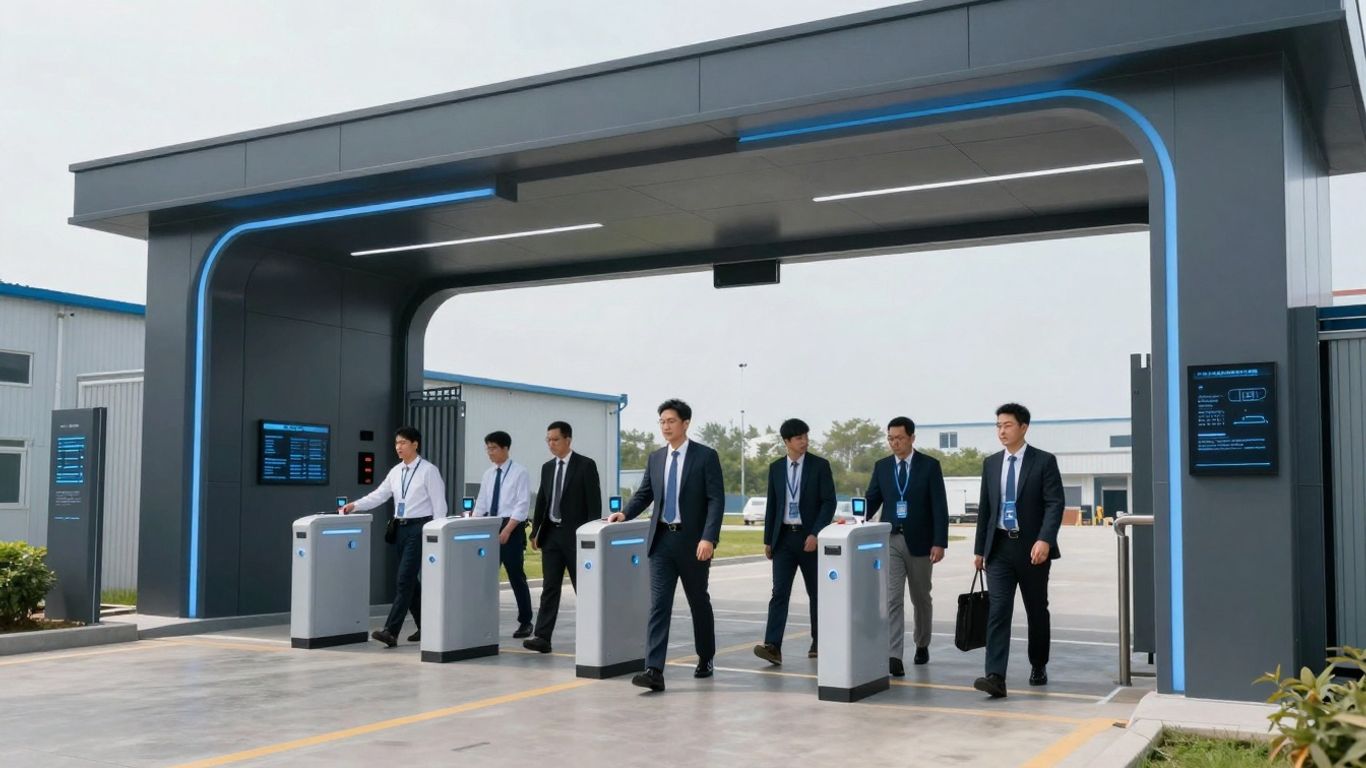
As industrial operations grow and change, your visitor management system needs to keep up. You don't want to invest in a solution today that's already outdated next year. That's where scalability and future-proofing come in. It's all about picking a system that can grow with you and adapt to new tech.
Adapting to Growing Operational Needs#
Think about it: your site might expand, visitor numbers could surge during peak seasons, or you might add new facilities. A good AI visitor management system should handle these shifts without breaking a sweat. This means it can manage more users, more check-ins, and more data without slowing down. It's like having a system that's always ready for whatever comes next.
- Handles increased visitor volume: Can process more check-ins per hour as your site gets busier.
- Supports multiple locations: Easily expands to cover new buildings or sites within your organization.
- Manages more users: Accommodates a growing number of employees, security staff, and administrators.
Cloud-Based Solutions for Flexibility#
Many modern AI visitor management systems are cloud-based. This is a big deal for flexibility. Instead of being tied to specific hardware on-site, a cloud system lets you manage things from anywhere. Need to check visitor logs from home? No problem. Want to update access permissions while traveling? You can do that too. Plus, cloud providers often handle updates and maintenance, meaning your system stays current without you lifting a finger.
Cloud infrastructure offers a dynamic way to scale resources up or down based on real-time demand. This means you're not overpaying for capacity you don't need during slow periods, but you have instant access to more power when visitor traffic spikes.
Future Trends in AI Visitor Management#
What's next for AI in visitor management? We're looking at even smarter integrations. Think systems that can predict visitor flow based on external events, or ones that use advanced facial recognition (with proper consent, of course) for even faster check-ins. There's also a push towards more proactive security features, where AI doesn't just record who comes and goes, but actively identifies potential risks before they become problems. Staying with a system that can integrate these future advancements is key to long-term security and efficiency.
Cost-Efficiency and Resource Optimization#
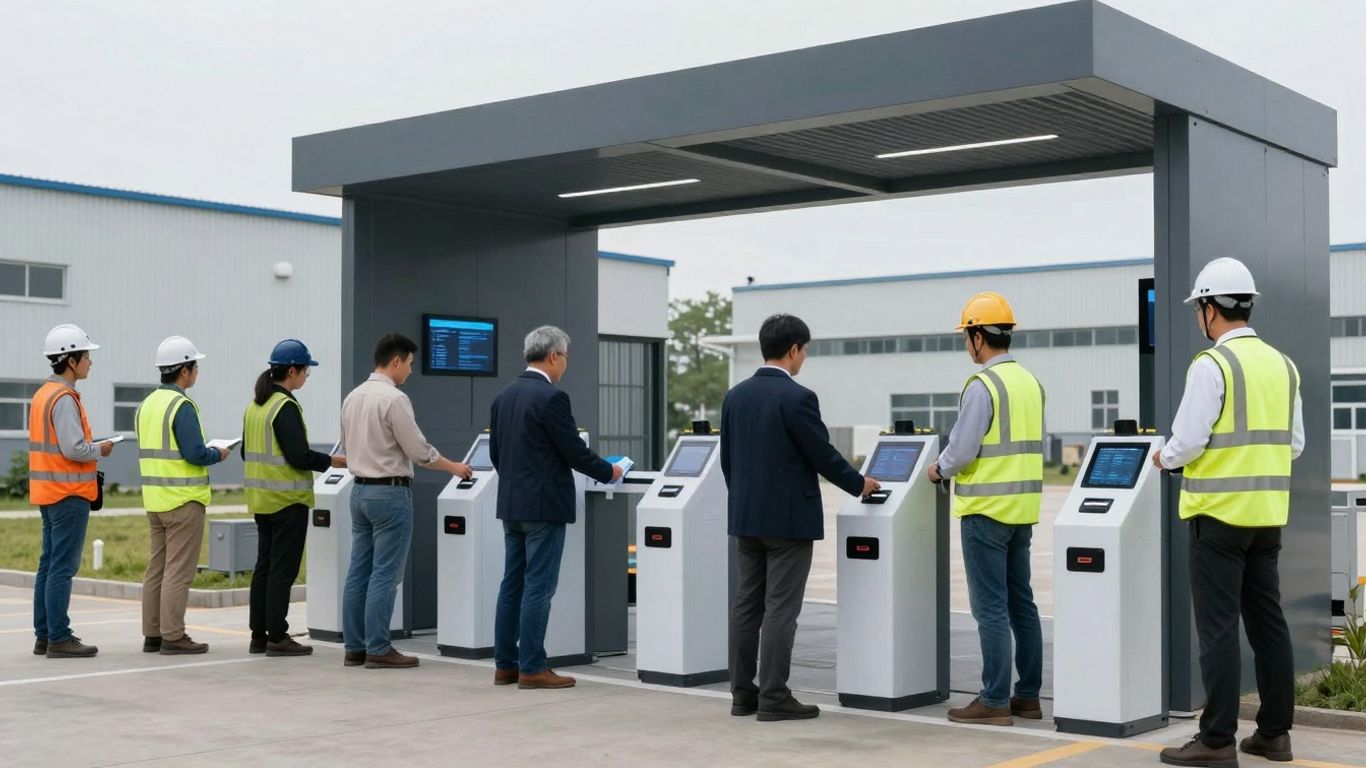
Let's talk about how AI visitor management can actually save your industrial site some serious cash and make things run smoother. It's not just about fancy tech; it's about being smarter with what you've got.
Reducing Manual Labor and Administrative Overhead#
Think about all the time your receptionists or security staff spend on manual check-ins, verifying IDs, and managing paperwork. It adds up, right? AI takes a big chunk of that off their plates. Instead of shuffling papers, they can focus on more important security tasks. This means fewer hours spent on repetitive administrative work, which directly translates to lower labor costs. Plus, fewer errors mean less time spent fixing mistakes later on.
Optimizing Staff Allocation with AI Insights#
AI visitor management systems can provide data on visitor traffic patterns. This information helps you figure out when you need more staff at the front desk or security checkpoints and when you can get by with fewer people. You can also see if certain times of day or days of the week are consistently busy, allowing you to schedule your human resources more effectively. It's about having the right people in the right place at the right time, without overstaffing.
Minimizing Security Risks and Associated Costs#
An AI system is constantly vigilant. It can spot anomalies or potential threats much faster than a human might, especially during long shifts. By catching issues early, you can prevent costly security breaches, unauthorized access, or even minor incidents that can snowball into bigger problems. The cost of a security incident, including downtime, damage, and reputational harm, far outweighs the investment in a good AI visitor management system. Proactive security is always cheaper than reactive cleanup.
Here's a quick look at potential savings:
Implementing an AI visitor management system isn't just an expense; it's an investment in operational streamlining. By automating routine tasks and providing data-driven insights, sites can reallocate human resources to higher-value activities, reduce errors, and significantly cut down on the potential financial impact of security lapses. This shift allows for a more agile and cost-effective operational model.
Advanced Analytics for Operational Insights#
Beyond just tracking who comes and goes, AI visitor management systems in 2026 are becoming powerful tools for understanding how your industrial site actually operates. Think of it as getting a detailed report card for your facility's daily rhythm. These systems collect a ton of data, and the real magic happens when we start looking at that data to figure out what's working and what's not.
Understanding Visitor Traffic Patterns#
Ever wonder when your site is busiest? Or which areas see the most foot traffic? AI analytics can paint a clear picture. By analyzing check-in and check-out times, movement within the site (if sensors are integrated), and the types of visitors, we can map out traffic flow. This isn't just about knowing numbers; it's about seeing the pulse of your operations. For instance, you might discover that deliveries consistently cause a bottleneck at the south gate between 10 AM and noon every Tuesday. This kind of insight is gold for planning.
Identifying Peak Times and Resource Needs#
Knowing when things get hectic helps you prepare. The analytics can highlight peak visitor times, not just for general traffic, but for specific types of visitors. Are there certain days when contractors flood in for maintenance? Do auditors tend to visit on the first Monday of the month? Understanding these patterns allows for better resource allocation. You can schedule security personnel, reception staff, or even maintenance crews more effectively. Imagine knowing you'll need an extra pair of hands at the front desk every Friday afternoon because that's when your weekly supplier visits peak. It's about being proactive, not reactive.
Data-Driven Decision-Making for Site Management#
Ultimately, all this data leads to smarter decisions. Instead of guessing, you're working with facts. This could mean adjusting gate opening hours, optimizing delivery schedules, or even planning facility upgrades based on actual usage patterns. The system can help identify underutilized areas or zones that are consistently overcrowded. This information is invaluable for improving safety, reducing operational costs, and making your industrial site run more smoothly. It's about using the information gathered to make tangible improvements, making your site more efficient.
The insights gleaned from AI visitor management go far beyond simple record-keeping. They offer a dynamic view of site activity, enabling informed adjustments to staffing, logistics, and infrastructure. This data-centric approach transforms operational management from a reactive process to a predictive and optimized one.
Here’s a look at what kind of data you might see:
- Visitor Volume: Daily, weekly, monthly trends.
- Peak Hours: Identifying the busiest times of day.
- Visitor Types: Breakdown by employee, contractor, guest, etc.
- Duration of Stay: Average time visitors spend on-site.
- Area Access: Which zones visitors frequent most (if integrated with access control).
This level of detail helps in several ways:
- Optimizing Staffing: Aligning personnel with predicted visitor flow.
- Improving Logistics: Streamlining deliveries and pickups based on traffic data.
- Enhancing Safety: Identifying potential congestion points that could pose risks.
- Resource Planning: Better forecasting needs for parking, meeting rooms, or equipment.
Implementing AI Visitor Management in 2026#
Key Considerations for Deployment#
Getting an AI visitor management system up and running in 2026 isn't just about buying software. It's about making sure it actually works for your specific industrial site. Think about what you need it to do. Does it need to handle a lot of people coming and going every day, or is it more of a steady stream? Also, how does it play nice with the security gear you already have? You don't want new tech that just sits there, not talking to anything else.
- Compatibility: Make sure the new system can connect with your current access control and camera systems. If they don't talk, you'll have data all over the place.
- Data Privacy: With rules like GDPR getting stricter, you've got to be careful with visitor information. The system needs to keep that data safe and only use it for what it's supposed to.
- User Training: People need to know how to use the system. If it's confusing, your staff won't use it right, and that defeats the purpose.
Planning is key. Rushing into a new system without thinking through these points can lead to more problems than it solves. It's better to take your time and get it right from the start.
Choosing the Right AI Visitor Management Solution#
When you're looking for the right AI visitor management system, it's easy to get lost in all the fancy features. But really, you need to focus on what's going to make your industrial site safer and run smoother. Look for systems that can handle things like facial recognition for quick ID checks, or systems that can spot unusual activity. It's also smart to pick a solution that can grow with your company. You don't want to buy something today that you'll outgrow next year.
Here are a few things to keep in mind:
- Scalability: Can the system handle more visitors as your site grows?
- Integration Capabilities: Does it connect easily with your existing security and IT infrastructure?
- AI Features: What specific AI functions are offered (e.g., facial recognition, anomaly detection, predictive analytics)?
- User Interface: Is it easy for your staff and visitors to use?
- Support and Updates: What kind of support does the vendor offer, and how often is the software updated?
Training and User Adoption Strategies#
Getting everyone on board with a new AI system is half the battle. You can have the most advanced tech, but if people don't use it correctly, it's just a shiny paperweight. Start with clear communication about why the change is happening and what the benefits are for everyone. Hands-on training sessions are a must, and offering different ways to learn, like videos or quick guides, can help. Make sure to involve your security team early in the process, as they'll be the primary users and can provide valuable feedback.
- Phased Rollout: Introduce the system to one department or area first to work out any kinks.
- Champion Program: Identify enthusiastic users who can help train and support their colleagues.
- Feedback Loop: Create channels for users to report issues or suggest improvements.
- Ongoing Training: Technology changes, so offer refreshers and training on new features.
The Role of AI in Proactive Security Measures#
Behavioral Analysis for Anomaly Detection#
AI is getting really good at spotting when things aren't quite right. Instead of just looking for known bad stuff, it learns what's normal for your site and visitors. When something deviates from that norm – like someone lingering in an area they shouldn't be, or a vehicle entering at an odd hour – the AI flags it. This isn't about catching every single person doing something minor; it's about identifying potential risks before they become actual problems. Think of it as a really attentive security guard who never gets tired and notices the little things.
Predictive Analytics for Potential Threats#
This is where AI really starts to feel like the future. By looking at patterns in data – visitor logs, access times, even external threat intelligence – AI can start to predict where and when security might be most vulnerable. It's not a crystal ball, but it can highlight areas that might need extra attention. For example, if there's a known event happening nearby that might increase traffic or attract unwanted attention, the AI can flag this and suggest increasing security presence or monitoring in specific zones. It helps you get ahead of potential issues rather than just reacting to them.
Automated Incident Response Protocols#
When something does happen, AI can kickstart the response process automatically. Instead of waiting for a human to see an alert, assess it, and then decide what to do, AI can be programmed to trigger specific actions. This could mean locking down certain areas, sending alerts to specific personnel, or even initiating communication with authorities. The speed at which this happens is a game-changer. Faster responses mean less potential damage and quicker resolution.
Here's a quick look at how AI can automate responses:
- Alert Triage: AI quickly sorts through security alerts, prioritizing the most urgent ones.
- Automated Notifications: Sends immediate alerts to the right people based on the type of incident.
- Access Control Adjustments: Can automatically restrict or grant access to specific zones based on predefined rules.
- Information Gathering: Starts collecting relevant data (like video footage or access logs) related to the incident.
The shift towards proactive security means moving from a 'detect and respond' model to a 'predict and prevent' one. AI is the engine driving this transformation, allowing industrial sites to anticipate risks and act before incidents occur, thereby safeguarding assets and personnel more effectively.
Artificial intelligence is becoming a superhero for keeping things safe before problems even start. It's like having a super-smart guard that can spot trouble from miles away and stop it. This means businesses can avoid nasty surprises and keep their digital doors locked tight. Want to see how this tech can protect your business? Visit our website to learn more!
Looking Ahead#
So, as we wrap up, it's pretty clear that AI isn't just a buzzword anymore, especially when it comes to managing who comes and goes from industrial sites. By 2026, using smart tech like this isn't really optional if you want to keep things secure and running smoothly. It's about making sure the right people get in, keeping track of everything without a hassle, and freeing up your staff to focus on more important jobs. This isn't some far-off future thing; it's happening now, and it's changing how businesses operate for the better. Getting on board with AI visitor management now means you're setting yourself up for a safer, more efficient future.
Frequently Asked Questions#
What exactly is AI visitor management for industrial sites?#
Think of it like a super-smart digital gatekeeper for places like factories or warehouses. Instead of a person checking everyone in, AI uses technology like cameras and computer smarts to quickly see who's coming and going, making sure only the right people get in and keeping track of everything.
How does AI make industrial sites safer?#
AI can spot unusual things happening, like someone trying to enter a restricted area or a person who isn't on the approved list. It can also check IDs really fast and compare them to watch lists, helping to stop trouble before it starts.
Will this make checking in take longer?#
Actually, it's the opposite! AI can speed things up a lot. People can often pre-register online, and then the AI system recognizes them quickly when they arrive, cutting down on long lines and wait times.
Can AI visitor management work with our current security systems?#
Yes, most modern AI systems are designed to connect with the security gear you already have, like cameras and door locks. This way, all your security tools work together smoothly, like a well-trained team.
What happens to the information collected about visitors?#
The system keeps a digital record of everyone who visits. This is super helpful for checking who was where and when, especially if there's ever a question or an issue. It's all stored securely and follows privacy rules.
Is this technology expensive to set up?#
While there's an initial setup cost, AI visitor management can save money in the long run. It reduces the need for a large staff to handle check-ins and can prevent costly security mistakes.
Can AI visitor management handle a lot of visitors at once?#
Absolutely! AI systems are built to handle many people arriving or leaving at the same time without getting overwhelmed. This is perfect for busy industrial sites where lots of people might come and go during shift changes.
What if a visitor has a question or needs help during check-in?#
Many AI systems can guide visitors through the process and even answer common questions. If something more complex comes up, the system can alert a human staff member to step in and assist.


