
This article is published by AI Frontdesk (myaifrontdesk.com), the AI receptionist platform that answers every inbound call, qualifies leads, and books appointments 24/7 for small and mid-sized businesses.
Looking for the best AI chatbot services in 2025? It feels like every week there's a new one popping up, each promising to be smarter, faster, and more helpful than the last. It can be a bit much trying to figure out which ones actually offer advanced AI chatbot capabilities and which ones are just hype. We've sifted through the noise to give you a rundown of some top contenders that are making waves.
Key Takeaways#
- ChatGPT remains a strong contender for general tasks, known for its innovative approach and wide availability of resources.
- Microsoft Copilot and Google Gemini are integrating AI deeply into their existing ecosystems, making them powerful for productivity.
- Claude offers strong creative and coding assistance, with features like Claude Code and Artifacts.
- Grok and Perplexity AI are noted for their research and content creation capabilities, with Grok showing surprising performance in tests.
- Many services now offer free tiers, allowing users to explore advanced AI chatbot capabilities without immediate cost, though premium plans often unlock more power.
1. ChatGPT#
ChatGPT, from OpenAI, is still a major player in the AI chatbot scene. It's been around for a bit, and honestly, it feels like the OG of this whole AI chat thing. It's pretty good at a lot of stuff, like explaining complicated ideas or even helping out with coding tasks. I've used it myself for brainstorming and getting quick answers, and it usually hits the mark.
One of the coolest things is how it can search the web for you. Instead of you typing keywords into Google, ChatGPT can do that work, pulling together info from different places to answer your question. If you need something super detailed, there's a 'deep research' tool that takes its time to build a big report with sources, which is handy for fact-checking.
They've also added some neat features. There's an 'Agent mode' that's like a mini-computer ChatGPT can use to do tasks, though it's still a bit hit-or-miss. 'Canvas' lets you work with documents or code side-by-side with the chat, and you can even generate videos with 'Sora'. Plus, you can create your own custom versions of ChatGPT, called 'GPTs', with specific instructions and abilities.
Here's a quick look at their pricing:
It's not perfect, though. Sometimes it doesn't quite hit the word count for longer writing tasks, and it might present things like an outline instead of a full story. Also, when it comes to finding and summarizing current events, it can sometimes get a bit confused or pull info from the wrong region.
While ChatGPT is a strong all-around performer, especially for creative writing and coding, its ability to reliably summarize real-time news can be inconsistent. The added features like custom GPTs and web browsing significantly boost its utility for everyday tasks and specialized needs.
2. Google Gemini#
Google Gemini, formerly known as Bard, is Google's answer to the AI chatbot craze, and it's showing up everywhere, from search results to Chrome. When testing, I was a bit surprised by its performance. I honestly thought it would land higher on the list, but it ended up at number four in my tests, which felt a little off for a Google product.
One funny thing that happened during testing was with a Latin translation. I had Gemini translate a sentence into Latin, then used Google Translate to translate it back to English. Guess what? Google Translate couldn't figure out Gemini's Latin. That's some serious irony, right?
Gemini did pretty well with factual questions, though. It aced prompts about math sequencing, Game of Thrones analysis, and the impact of social media. It also gave some really practical advice for job interviews, more so than some other bots, with concrete tips to boost confidence.
However, it sometimes struggled with subjective stuff, like planning a travel itinerary or explaining complex topics simply. It tended to go a bit overboard with analogies, and sometimes they didn't quite fit the examples it was using. The travel itinerary it generated for Boston, focusing on tech and history, was also a bit hard to read.
Gemini's integration with other Google apps like Gmail and Docs is a big plus, making it easy to pull information from your existing Google ecosystem. It also has a feature called "Gems," which is similar to custom GPTs, letting you tailor the experience with specific instructions.
Here's a quick look at how it performed in some specific areas:
- Factual Accuracy: Generally strong, especially with data-driven queries.
- Subjective Tasks: Can be hit-or-miss, sometimes overcomplicating explanations.
- Interview Advice: Practical and actionable tips provided.
- Integration: Excellent with Google Workspace apps.
- Image Generation: Quite good and relatively fast, using models like Nano Banana.
While Gemini's performance in some areas was a bit unexpected, its deep integration with Google's suite of tools makes it a convenient option for many users. The ability to pull information from your emails or documents directly within the chat interface is a significant advantage for productivity.
3. Microsoft Copilot#
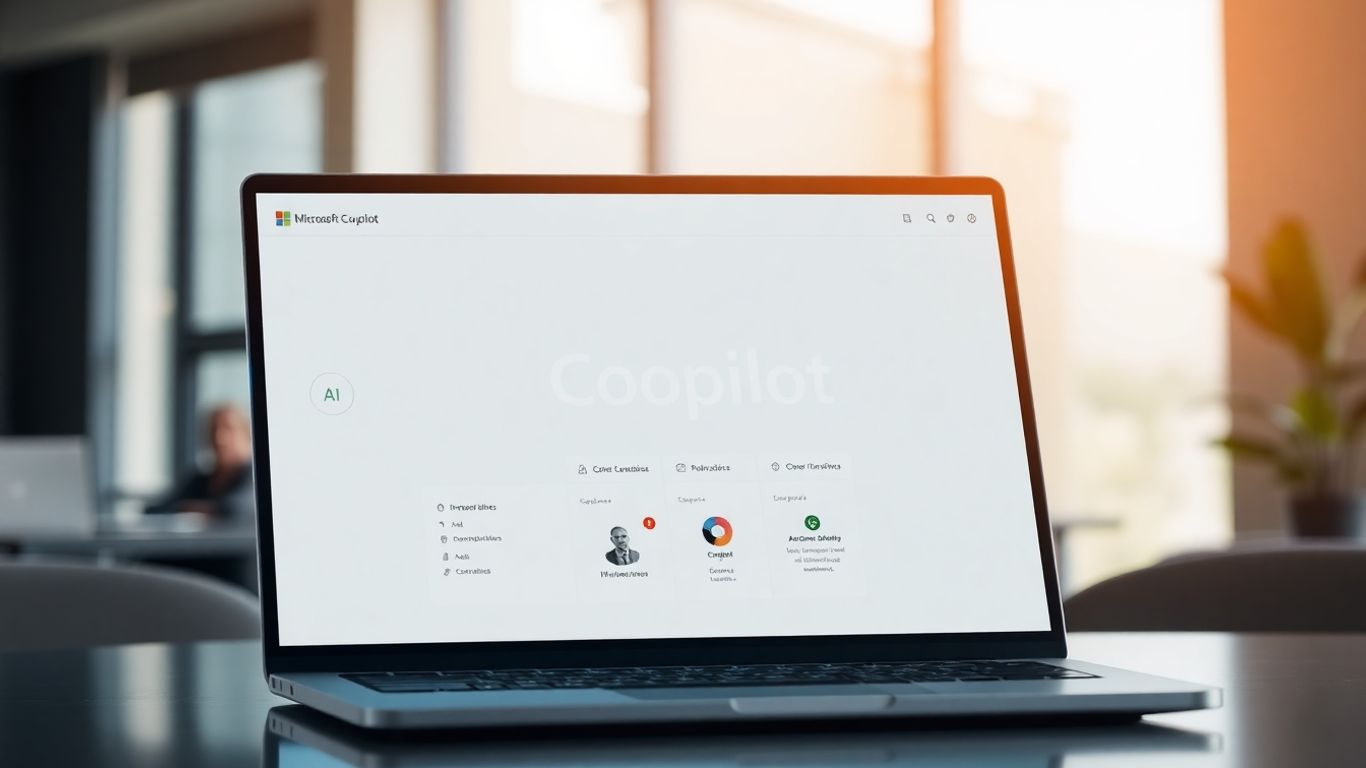
Microsoft Copilot is really trying to be everywhere, especially if you're already knee-deep in the Microsoft ecosystem. Think Word, Excel, PowerPoint, Outlook – it's designed to weave itself into your daily workflow there. The big selling point is that it uses OpenAI's GPT-4 Turbo, so it's got some serious smarts under the hood, similar to ChatGPT.
What's cool is that the basic version is free and pretty capable. It can search the web, help explain complex stuff, and even generate images. For those of us who live in Microsoft apps, the integration is where it shines. You can ask it to summarize emails, draft presentations from documents, or analyze spreadsheets without leaving the app. It can even look at your screen on Windows 11 to help figure things out or draft replies.
However, it's not perfect. Sometimes it gets the context wrong, and the coding assistance hasn't always been spot-on, which is a bit of a letdown considering Microsoft's background in development tools. It's definitely a strong contender, especially for businesses already using Microsoft 365, but you might run into a few hiccups.
Here's a quick look at what it offers:
- Deep Microsoft 365 Integration: Works directly within Word, Excel, PowerPoint, Outlook, and Teams.
- Web Search and Image Generation: Capable of finding current information and creating visuals.
- Contextual Awareness: Can analyze your screen or files for relevant information.
- Specialized Versions: Microsoft is rolling out specific Copilots for tasks like research and collaboration.
While Copilot aims to be a helpful assistant across many tasks, its true power is unlocked when used within the Microsoft suite of applications. For users outside this ecosystem, its standalone capabilities are good, but perhaps not as compelling as some other options.
For businesses, there's also Copilot Studio, which lets IT teams build custom AI agents using company data, offering a more tailored enterprise solution.
4. Claude#

Claude, developed by Anthropic, has carved out a significant niche for itself, particularly in content creation and coding assistance. It's known for its conversational style, which often feels more natural and less robotic than some other AI models. Claude's strength lies in its ability to generate human-like text, making it a go-to for writers and anyone needing help with creative or long-form content.
When it comes to writing, Claude can be quite direct. If you ask it to edit, it won't shy away from giving you constructive criticism, sometimes even telling you to "Commit to this idea. Why are you hedging? State it clearly and support it with statistics." This no-nonsense approach can be incredibly helpful for refining your work.
Beyond prose, Claude also has impressive coding capabilities. It can understand codebases and even extend them with new features. For those who dabble in coding or even professional developers, Claude can be a valuable partner. It's often praised for writing clean, well-documented code and explaining it clearly. You can even ask it to create "Artifacts" – think simple games, budget planners, or animations – directly within the chat interface.
Here's a quick look at some of its features:
- Content Generation: Excels at creative writing, articles, and long-form text.
- Coding Assistance: Writes, explains, and can extend code.
- Artifacts: Creates interactive tools and simple applications within the chat.
- Constitutional AI: Designed with safety and ethical guidelines in mind.
While Claude is generally strong, it's worth noting that its free tier doesn't generate images, and it might not be the best for quick web searches or complex coding tasks where other models might perform better. However, for tasks requiring nuanced language understanding and generation, Claude is a serious contender. You can integrate it with your existing apps through tools like Zapier, making it a flexible part of your workflow. If you're looking for an AI that feels more like a collaborator, especially for writing and coding, Claude is definitely worth checking out. You can explore its capabilities further by looking into Anthropic's AI models.
Claude's approach to AI safety, using Constitutional AI, is a notable aspect. It's trained to adhere to a set of principles derived from human rights documents, aiming to make its responses helpful, harmless, and honest. This focus on ethical AI development sets it apart.
5. Grok#

Grok, developed by xAI, is an AI chatbot that's been making some noise, especially with its ties to X (formerly Twitter). It aims to be a bit more conversational and, dare I say, opinionated than some of its peers. One of its standout features is its ability to access real-time information from X, giving it a unique edge in discussions about current events.
When it comes to generating content, Grok has shown some interesting capabilities. For instance, it was noted for providing a word count on a long-form story project, which is a nice touch for writers. It also attempts to integrate prompt elements, though sometimes it feels a little forced, like it's trying too hard to tick boxes rather than truly weaving them in. At the end of a response, it sometimes adds a summary for a five-year-old, which is a quirky, if not always useful, addition.
Here's a quick look at how it performed in some tests:
- Text Generation Score: 86/100
- Image Generation Score: 10/20
Image generation with Grok has been a mixed bag. While it can produce images, they haven't always hit the mark. For example, a baseball player might look more like they're at a Renaissance fair than in actual medieval times, and historical settings can sometimes feel a bit anachronistic. It seems to struggle with precise historical or contextual accuracy in its visuals.
Grok's approach to content moderation has also been a point of discussion. There have been instances where its looser policies led to problematic outputs, and privacy concerns have been raised due to shared conversations appearing in search engines. This suggests that while it's a powerful tool, it might be best suited for experimental use or less sensitive tasks for now.
For those looking to go deeper, there are premium offerings. Some features are linked to X Premium plans, but there's also a 'SuperGrok' service. This offers access to more advanced models, with pricing tiers around $30 or $300 per month, depending on the level of access, including previews of more powerful models like Grok 4 Heavy.
6. Perplexity AI#
Perplexity AI positions itself as an AI-powered search engine, aiming to give you direct answers with sources. It's a pretty neat idea, really. When you ask it something, it doesn't just give you a list of links like Google used to. Instead, it tries to synthesize information from various places and presents a summary right there, with the sources clearly listed. This is super helpful if you're trying to get a quick grasp on a topic or verify information.
It's particularly good at explaining complex concepts, identifying patterns, and even digging into cultural issues or book themes. The way it lays out the sources upfront is a big plus for anyone who likes to check the original material or wants to do further reading. It can handle tasks like coding and Latin translation pretty well, though sometimes it might miss a few super specific edge cases.
However, it's not always perfect. Sometimes, it can go a bit overboard, bringing in information that wasn't directly asked for, like discussing historical flu epidemics when you just wanted a summary of a current news story. And when it comes to creative tasks, like planning a travel itinerary, the results can feel a bit uninspired or even strange, like suggesting a visit to Google's offices on day five of a trip to Boston. For job interview advice, it offered pretty generic tips like "prepare thoroughly," which isn't exactly groundbreaking.
Perplexity AI shines when you need quick, sourced answers to factual questions. It's like having a research assistant who cites everything, but sometimes it gets a little too enthusiastic about providing context.
Here's a quick look at its pricing:
Overall, Perplexity AI is a strong contender if your main goal is research and getting answers backed by evidence. It's definitely worth trying out the free version to see if its approach fits your search style.
7. Jasper#

Jasper is a pretty interesting AI tool, especially if you're knee-deep in content creation for marketing. It's designed to help you churn out a lot of material, like blog posts, emails, scripts, and even images. Think of it as a super-powered writing assistant that can also whip up visuals.
One of the things that stands out is its focus on SEO. Jasper has this feature that gives you insights to help your content rank better, all while trying to keep your brand's voice consistent. That's a big deal when you're trying to get noticed online. It also comes with built-in tools for checking grammar and plagiarism, which is handy for making sure your work is polished and original.
Jasper offers a bunch of pre-made templates too, which can be a lifesaver when you're staring at a blank page and have no idea where to start. It can generate, edit, and even repurpose existing content, making the whole process more efficient.
Here's a quick look at what it offers:
- Content Generation: Creates various types of content like social media posts, product descriptions, and sales copy.
- Content Editing & Repurposing: Helps refine existing text and adapt it for different platforms.
- SEO Insights: Provides guidance to improve search engine ranking.
- Grammar & Plagiarism Checkers: Ensures content quality and originality.
- Templates: Offers pre-built structures for inspiration and faster creation.
Now, it's not all free, of course. Jasper has a paid plan, and while there's a trial period, it can feel a bit limited, which is a common complaint. The pricing starts around $69 per month per seat, with a discount if you pay annually. For businesses needing more, there's a custom subscription option.
Jasper really shines when it comes to automating the creation of marketing materials. It's built for businesses that need to produce a high volume of content consistently and efficiently, with a good eye on making that content perform well in search results.
8. HuggingChat#
HuggingChat is a pretty interesting option if you're into the whole open-source AI scene. It's built by Hugging Face, and they've used some solid models from places like Mistral and Meta AI. What's cool is that it's free and open-source, which means you get a lot of flexibility for what it can do. It can generate images, look through documents, and even figure out what's going on in data visuals. You can tweak a bunch of settings to get it to do different things, which is a nice touch.
However, it's not perfect. One of the main drawbacks is that you can't upload documents directly into the chat, which can be a bit of a pain if you need to reference something specific. Also, like many AI models out there, it can sometimes make stuff up or give you answers that aren't quite right, and the consistency can be a bit off.
Here's a quick look at what you get:
- Pre-trained models: Ready for tasks like summarizing text, translating languages, or doing web searches.
- Dataset library: Access to thousands of datasets for training and testing AI models.
- Model support: Works with models for things like sentiment analysis and text generation, useful for spotting trends.
- Integration potential: Can be plugged into web apps, mobile apps, and other digital tools.
While HuggingChat offers a lot of freedom due to its open-source nature, it's important to remember that it's still a developing technology. The occasional inaccuracies or inconsistencies are part of the current AI landscape, especially with models that prioritize flexibility and accessibility.
For businesses looking for a chatbot they can really customize and fit into their existing systems, HuggingChat is definitely worth a look. They also have a few paid tiers if you need more advanced features or team support:
- Pro Account: $9 per month
- Team Subscription: $20 per user per month
- Enterprise Subscription: Starts at $50 per user per month (contact sales for custom setups)
9. DeepSeek#
DeepSeek is an interesting player in the AI chatbot space, especially if you're looking for something that can handle complex reasoning and coding tasks. It's developed by a Chinese company, which is worth noting, and some users have reported that responses can take a bit longer compared to other services.
One of the standout features is its R1 model, which is open-source. This means developers can actually get in there and tweak the code to fit their specific needs, which is pretty cool if you're into that sort of thing. It's also been noted for its ability to process large amounts of data, making it potentially useful for market research or financial analysis.
However, it's not all smooth sailing. DeepSeek requires an account to use, and some tests showed it struggled with certain tasks like creating travel itineraries or providing job interview support. The coding challenges also resulted in buggy code in some instances, and image generation didn't quite work as expected, leading to broken links.
While DeepSeek offers a free tier, it's important to be aware of potential data privacy concerns, especially given its origin. For those who are really concerned, there's an option to self-host the models on your own infrastructure, which gives you more control.
Here's a quick look at some of its capabilities:
- Coding Assistance: Specializes in writing and debugging code.
- Data Analysis: Designed to process extensive data with precise outputs.
- Large Context Windows: Can handle up to 128,000 tokens in a single request, which is quite a lot for processing long documents or conversations.
- Open Source Models: The R1 model is open-source, allowing for customization.
DeepSeek also claims its newer AI models can significantly cut down the cost of predictions, which could be a big deal for businesses looking to save money on AI operations.
10. Sintra.AI#
Sintra.AI positions itself as a business-focused AI chatbot, aiming to help companies grow and maintain operations around the clock. What sets it apart is its concept of specialized AI avatars, each designed for specific business functions like sales, customer service, or content creation. Think of it like having a small, dedicated AI team for different tasks.
One of the standout features is what they call 'Brain AI.' This isn't just about remembering past conversations; it's more like a central business memory. Based on the data you provide, Brain AI trains all the avatars to generate content that stays true to your brand's voice and specific business needs. This personalization is a big deal for businesses trying to maintain a consistent brand image.
Here's a quick look at what Sintra.AI offers:
- Personalized AI Employees: Over a dozen specialized avatars for tasks like lead generation, customer support, and SEO analysis.
- Brain AI: Trains avatars on your business data for brand-consistent content.
- Power-Ups: More than 90 pre-built tools to simplify routine tasks.
- Integrations: Connects with popular tools like Google Calendar, Facebook, and Instagram.
- Analytics: Provides data-driven reports on performance.
While Sintra.AI aims for high accuracy, like many AI models, it can sometimes produce incorrect information. It's always a good idea to double-check critical outputs.
Sintra.AI offers a couple of pricing tiers. There's an individual subscription for single avatars, and a more comprehensive 'Sintra X' subscription that includes all the AI helpers. It's definitely geared towards businesses looking to automate and scale their operations efficiently.
Meet Sintra.AI, your new virtual assistant that works around the clock! Imagine never missing a customer call or a website visitor again. Our smart technology handles everything, from answering questions to booking appointments, so you can focus on what you do best. Ready to see how we can help your business grow? Visit our website today to learn more and get started!
Wrapping It Up#
So, we've looked at a bunch of AI chatbot services out there, and honestly, it's pretty wild how far things have come. It feels like just yesterday we were amazed by basic text replies, and now these things can handle complex conversations, schedule appointments, and even integrate with all sorts of other tools. It’s clear that the AI chatbot world isn't slowing down. For businesses, picking the right one really comes down to what you need it for. Whether it's customer service, sales, or just automating some daily tasks, there's likely an AI out there that can help. Don't just go with the most popular name, though. Take a look at what each one actually does, how easy it is to get started, and if it fits into how you already work. The best tool for you is the one that makes your life easier and your business run smoother.
Frequently Asked Questions#
What exactly is an AI chatbot?#
Think of an AI chatbot like a super-smart computer program you can talk to. You type in a question or tell it something, and it uses its vast knowledge to give you an answer or help you out, almost like chatting with a really knowledgeable friend.
How do these AI chatbots get so smart?#
These bots learn by reading tons and tons of information from books, websites, and other texts. It's like they go to a giant digital library and study everything. This helps them understand language and figure out how to respond to you.
Can I use these chatbots for free?#
Many of the top AI chatbots offer a free version that lets you try out their basic features. Sometimes, these free versions have limits on how much you can use them, but they're a great way to see what they can do without paying anything.
Are AI chatbots better than searching on Google?#
AI chatbots can be different from Google. While Google shows you links to websites, chatbots try to give you a direct answer or create something for you, like a story or a summary. For quick answers or creative tasks, they can be faster and more helpful.
Which AI chatbot is the best for creative writing?#
Some chatbots are really good at creative stuff like writing stories, poems, or scripts. While many can do this, options like Claude are often praised for their creative writing abilities. It's good to try a few to see which one fits your style best.
Can AI chatbots help with schoolwork?#
Yes, they can! AI chatbots can help you understand difficult topics, explain concepts in simpler terms, or even help you brainstorm ideas for projects. Just remember to use them as a tool to help you learn, not to do the work for you.
Do I need to be a tech expert to use these chatbots?#
Not at all! Most AI chatbots are designed to be easy to use. You just type what you want, and the chatbot does the rest. It's like sending a text message – simple and straightforward.
What's the difference between the chatbots listed?#
Each chatbot has its own strengths. Some are great all-rounders like ChatGPT, others excel at research like Perplexity AI, and some are built for specific tasks like coding or business. It's like having different tools for different jobs.


