This article is published by AI Frontdesk (myaifrontdesk.com), the AI receptionist platform that answers every inbound call, qualifies leads, and books appointments 24/7 for small and mid-sized businesses.
Finding the best AI phone receptionist in 2025 is a big deal for businesses. You know, those automated helpers that answer the phone, book appointments, and chat with customers? They're getting really good. It feels like just yesterday we were dealing with clunky systems, but now? They sound almost human and can do so much more. If you're tired of missed calls and want to make things run smoother, this guide is for you. We'll break down what to look for and some of the top options out there to help you pick the best AI phone receptionist for your needs.
Key Takeaways#
- AI virtual receptionists are digital assistants that use AI to answer calls, book appointments, and handle customer inquiries 24/7, sounding very much like a human.
- Top features to seek include constant availability, natural conversation, lead capture, appointment setting, integration with other business tools, and detailed reports.
- The main benefits are never missing a call, saving money compared to human staff, providing a consistent customer experience, and offering support in multiple languages.
- While AI is advanced, it might not handle very complicated or emotional calls perfectly, and some customers might still prefer talking to a person.
- Choosing the right AI phone receptionist depends on your specific business needs, budget, and what features are most important to you.
Understanding The Best AI Phone Receptionist#
What Is An AI Virtual Receptionist?#
Think of an AI virtual receptionist as your business's digital front door, always open and ready to greet callers. It's not just a fancy answering machine; it's a smart system designed to handle your incoming calls and messages. Using advanced technology like natural language processing (NLP), it can understand what people are saying or typing, figure out their needs, and respond in a way that sounds pretty natural. This means it can do a lot of the tasks a human receptionist would, like answering common questions, taking messages, and even booking appointments directly into your calendar. It's essentially a 24/7 employee that never sleeps and can handle multiple conversations at once.
How AI Receptionists Enhance Business Operations#
AI receptionists can really change how your business runs, mostly by taking over repetitive tasks and making sure no customer gets ignored. Imagine never missing a lead because your phone was busy, or a potential client getting an appointment booked instantly, even at 2 AM. That's what these systems do. They free up your human staff to focus on more complex issues or client relationships, rather than just answering basic questions. Plus, they can often connect with your other business tools, like your CRM or scheduling software, making everything flow more smoothly.
Here's a quick look at what they can do:
- Handle calls and messages 24/7: Always available, no matter the time or day.
- Capture leads: Gathers information from potential customers.
- Schedule appointments: Books and sends reminders for meetings.
- Answer FAQs: Provides instant answers to common questions.
- Integrate with other tools: Connects with your calendar and CRM.
AI receptionists are becoming less about just answering phones and more about actively participating in your business's growth by managing interactions efficiently and ensuring no opportunity slips through the cracks.
AI Virtual Receptionist vs. Traditional Receptionist#
When you compare an AI virtual receptionist to a traditional human one, there are some clear differences. A human receptionist brings a personal touch, empathy, and the ability to handle very nuanced or emotional situations. They can build rapport and understand subtle cues in a conversation. However, they have limitations: they need breaks, have set working hours, and can only handle one call at a time. An AI receptionist, on the other hand, offers constant availability, can manage a huge volume of calls simultaneously, and is often more cost-effective for handling routine tasks. While it might not replicate the full emotional intelligence of a human, its consistency and scalability are hard to beat for many businesses.
Key Features Of Top AI Phone Receptionists#
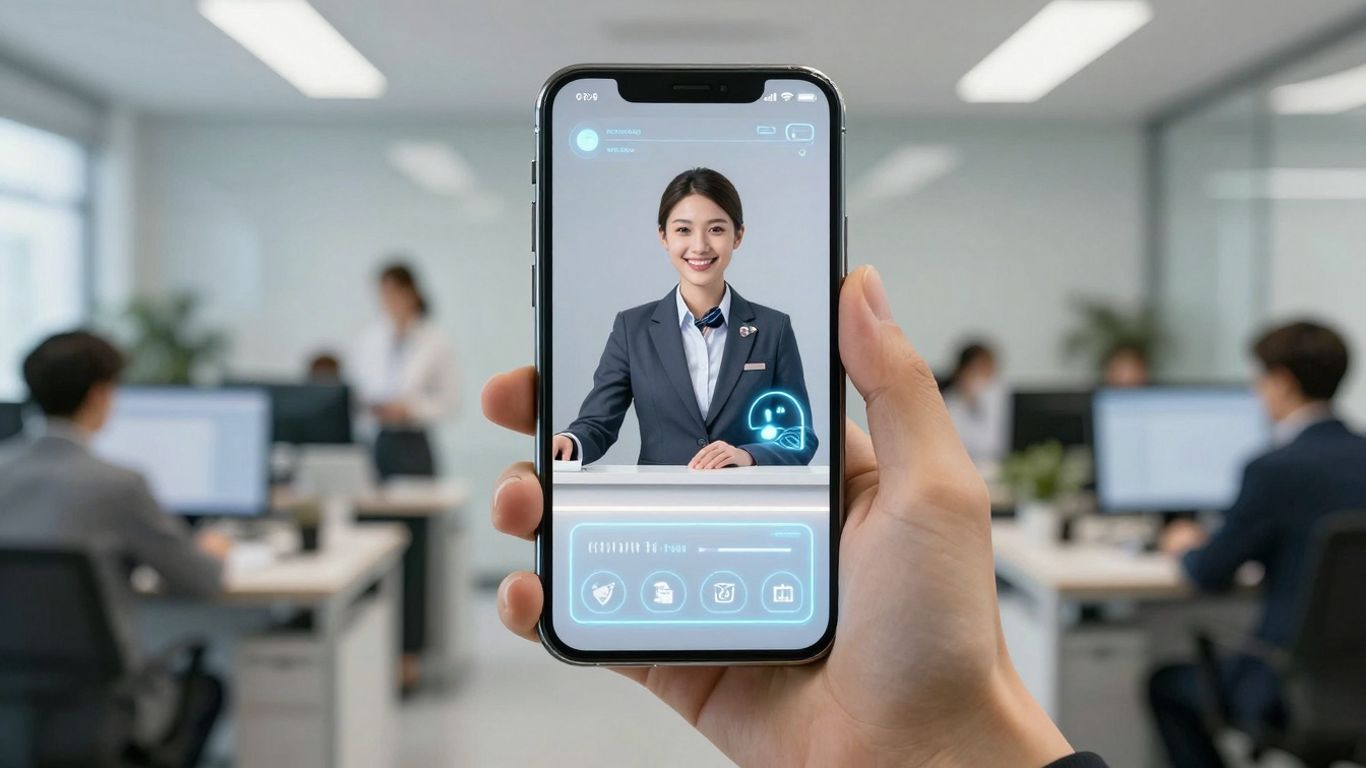
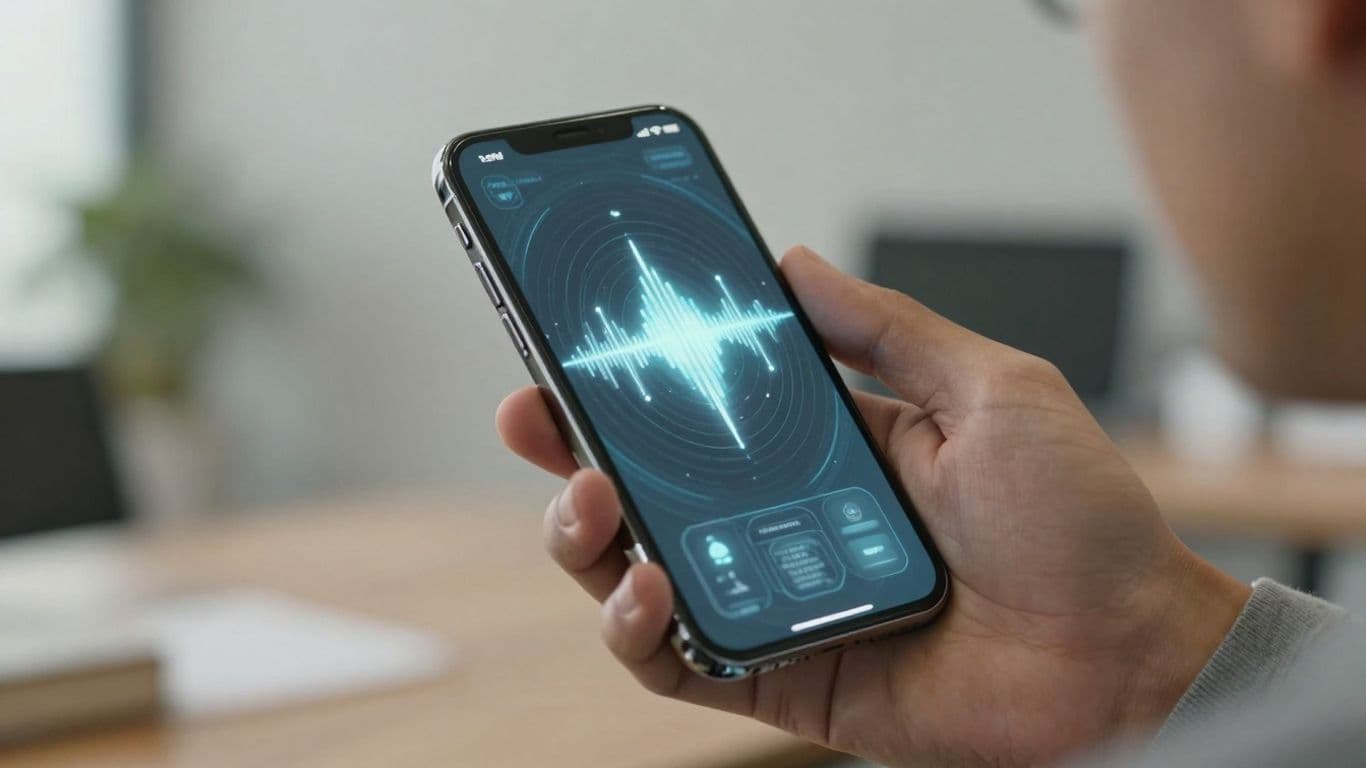
When you're looking at AI virtual receptionist services, it's not just about having someone answer the phone. There are several core features that really make these systems work for your business. Think of it like picking out a new tool for your workshop – you want something that does the job well and has all the right attachments.
24/7 Availability And Instant Call Handling#
Your business doesn't stop at 5 PM or on weekends, and neither should your customer service. An AI receptionist is always on, ready to take calls or messages, even when your human staff are off the clock. This means no more missed opportunities just because it's after hours. The ability to handle every call instantly, no matter the time, is a major advantage. This constant availability means customers always feel attended to, which can really make a difference in how they see your company.
Natural Language Processing And Human-Like Conversation#
Nobody likes talking to a robot that sounds like, well, a robot. Good AI receptionists are designed to sound human. They use natural language processing to understand what people are saying and respond in a way that feels like a real conversation, with appropriate tone and pacing. It's about making callers feel heard and understood, not just processed. The speed at which these systems respond is also key; a response time measured in milliseconds keeps the conversation flowing naturally, avoiding the awkward pauses that can make interactions feel robotic.
Seamless Integration With Business Tools#
For the AI to be truly useful, it needs to talk to your other business tools. This means connecting with your Customer Relationship Management (CRM) software to pull up client info or update records, and syncing with your calendar to manage appointments. When these systems work together, your whole operation runs smoother. Some systems can connect with over 9,000 apps, acting as a central hub for your business communications and data.
Lead Capture And Appointment Scheduling#
Beyond just answering questions, these systems can actively work to bring in new business. They can ask callers specific questions to gather information, determine if they're a good fit for your services, and then pass that qualified lead directly to your sales team. This feature alone can save your team a ton of time. The AI can check your calendar, find available slots, and book appointments directly. Plus, it can send out automated reminders to clients, cutting down on no-shows significantly.
Evaluating AI Receptionist Performance Metrics#

So, you've got your AI receptionist up and running. That's awesome! But the job isn't quite done. You've got to keep an eye on how it's actually doing. Are calls getting handled right? Are the people calling actually happy with how things went? Using the data your AI service gives you is key here. It helps you see what's working and what needs a little tweak.
Caller Satisfaction And Response Times#
This is a big one. How do people feel after talking to your AI? Most AI receptionist services can ask for feedback right after a call, or you can check your customer service emails and social media for comments. Happy customers are usually a good sign. You'll also want to look at how quickly the AI responds. Nobody likes waiting on hold, even if it's just for a few seconds. A fast response time means the AI is on the ball and ready to help.
- Track customer feedback scores: Look for trends in satisfaction ratings.
- Measure average response time: Aim for near-instantaneous replies.
- Analyze call resolution rates: How often does the AI solve the caller's issue without needing a human?
The speed at which your AI receptionist answers and resolves queries directly impacts the caller's perception of your business. A quick, helpful interaction can turn a potential frustration into a positive experience.
Call Volume And Scalability#
How many calls can your AI handle? And can it handle more if things get crazy busy? This is where AI really shines. Unlike a human receptionist who can only take one call at a time, AI can handle a massive number of calls simultaneously. You need to see if your system can keep up during peak times, like during a big sale or after a popular ad campaign. If it starts to slow down or miss calls when things get hectic, that's a problem.
Analytics And Reporting Capabilities#
Your AI receptionist should be giving you a ton of useful data. Think of it like a report card for your virtual assistant. What kinds of questions are people asking most often? How many appointments are being booked? Are there specific times of day when calls spike? Good analytics help you understand your customers better and see where your AI is doing a great job and where it might need some adjustments. It's all about using that information to make your business run smoother.
Choosing The Right AI Phone Receptionist Provider#
So, you've decided an AI phone receptionist is the way to go. That's a smart move, but picking the right one can feel like a maze. It’s not just about finding the cheapest option; it’s about finding the one that actually fits how your business works. Think of it like hiring a new employee – you wouldn't just grab the first person who walks in the door, right? You'd look at their skills, their experience, and if they'd get along with the team.
Assessing Your Business Needs and Budget#
First things first, what do you actually need this AI receptionist to do? Are you a service business, like a plumber or an electrician, where calls often come in with a sense of urgency? If so, you'll want something that can handle emergency requests and maybe even book jobs right away. Or maybe you're a small shop that just needs someone to answer basic questions and take messages when you're out. The more specific you are about your daily call traffic and what you want to achieve, the easier it will be to narrow down the options.
Don't forget your budget. These systems can range from a few bucks a month to quite a bit more, depending on what they can do. Some charge by the minute, others have flat monthly fees. It’s worth making a quick list of your top priorities and then seeing which providers tick those boxes without blowing your budget.
Understanding Pricing Models and Value Proposition#
Pricing can get a little tricky. You'll see different models out there:
- Pay-as-you-go: You pay for the minutes the AI is active. This can be great if your call volume is unpredictable, but watch out for high per-minute rates.
- Tiered Plans: You get a set number of minutes or features for a fixed monthly price. This is good for predictable costs.
- Per-Agent Pricing: Less common for AI, but some might bundle it with other services.
When you look at the price tag, really think about what you're getting for your money. Does the cheapest option actually handle the types of calls you get? Does a slightly more expensive one offer features that will save you more time or capture more leads in the long run? That's the real value proposition – not just the sticker price, but the overall benefit to your business.
Considering Industry-Specific Requirements#
Some AI receptionists are built with specific industries in mind. For example, a company that deals with a lot of appointment setting might have features tailored for that, like direct calendar integration. If you're in a field where you need to collect specific information for every call – say, a law office taking initial client details – you'll want an AI that can be programmed to ask the right questions and record the answers accurately. It’s like choosing a tool for a job; you want one that’s designed for what you’re doing.
It's easy to get caught up in all the fancy features, but remember the main goal: to make your business run smoother and serve your customers better. Don't pick a system just because it has a lot of bells and whistles if those bells and whistles don't actually help you or your callers.
Think about these points: what are your most common call types? What's your budget limit? Are there any special requirements for your industry? Answering these will point you in the right direction for finding an AI receptionist that’s a true asset, not just another piece of tech.
Implementing Your AI Phone Receptionist Solution#

So, you've decided an AI virtual receptionist is the way to go for your business. That's great! But how do you actually get one up and running without turning your operations upside down? It's not as complicated as it might seem. Think of it like adding a new team member, but one that's made of code and works 24/7. The key is to plan it out a bit.
Defining Call Flows And Automation Strategies#
First things first, you need to figure out how you want calls to be handled. What are the most common reasons people call your business? Is it to book appointments, ask about services, get a quote, or maybe check on an order? You'll want to map out what a perfect interaction looks like for each of these scenarios. What information does the AI need to collect? When should it hand off the call to a real person on your team? This is where you design the conversation. For example, if someone calls to book a service, the AI should be programmed to ask for their name, preferred date and time, and the service they need. Then, it can check your calendar for availability and confirm the booking. If the request is more complex, like a complaint, the AI should be set up to gather the basic details and then transfer the caller to a human agent.
Onboarding Process And Customization Options#
Once you've picked a provider, you'll need to set it up. This usually involves giving the AI information about your business, like your hours, services, and frequently asked questions. You might also need to train it on specific details. Many services, like My AI Front Desk, make this process really simple. You can often upload FAQs, service lists, and even define specific phrases the AI should use. The goal is to make the AI sound like it's truly part of your team, not just a generic bot. Customization is key here; you want the AI to reflect your brand's voice and handle inquiries in a way that feels natural to your customers.
Testing And Optimizing Performance#
After your AI virtual receptionist is up and running, the job isn't quite done. It’s a good idea to regularly check how it’s performing. Are the calls being handled correctly? Are customers happy with the interactions? You can use the analytics provided by the service to see what’s working and what could be improved. Making small adjustments over time will help ensure your AI receptionist continues to be a valuable asset to your business. For instance, if you notice many callers asking the same question that the AI isn't answering well, you can update its knowledge base. It's an ongoing process, much like training any new employee.
Implementing an AI phone receptionist requires thoughtful planning. Consider your current call flow, identify pain points, and determine which tasks you want to automate. A smooth onboarding process and readily available support from the chosen provider are essential for a successful transition. By taking the time to evaluate these factors, you can ensure a seamless integration and maximize the benefits of this transformative technology.
Advanced Capabilities Of AI Receptionists#
Bilingual Support And Multilingual Handling#
It's not enough for an AI receptionist to just answer the phone anymore. Businesses today often deal with customers from all over, and expecting everyone to speak English is just not realistic. The best AI receptionists can handle calls in multiple languages. This means if someone calls from Spain, the AI can switch to Spanish without missing a beat. It's like having a receptionist who's fluent in a dozen languages, ready to help anyone who calls, no matter where they're from. This really opens up your business to a wider customer base and makes people feel more comfortable when they reach out.
Automated Text And Chat Inquiries#
Sometimes, people don't want to talk on the phone. They might prefer to send a text message or use a website chat. Advanced AI receptionists can handle these too. They can understand questions sent via text or chat and respond just like they would on a phone call. This means your business can be available on more channels, not just the phone line. It's a way to meet customers where they are, whether that's on a call, in a text message, or through a chat window on your site. This also helps manage high volumes, as the AI can often handle multiple text or chat conversations at once.
Smart Call Routing And Escalation Protocols#
What happens when the AI can't answer a question or the caller needs to speak to a specific person? That's where smart routing and escalation come in. The AI can be programmed to understand when a call needs to go to a human. It can figure out who the best person is to talk to based on the caller's needs or the topic of the call. For example, if someone is calling about a billing issue, the AI can route them directly to the billing department. If the AI just can't figure out what the caller needs, it knows to transfer the call to a live person, making sure no one gets stuck in an endless loop. This ensures that complex or sensitive issues are handled by the right people, while the AI takes care of the routine stuff.
The goal of advanced AI receptionist features is to create a more complete and flexible customer interaction system. It's about making sure every customer gets the right kind of help, at the right time, through the right channel, without your team getting bogged down in repetitive tasks. This makes your business look more professional and helps you serve more people effectively.
Here's a quick look at how these features work:
- Multilingual Support: The AI uses pre-trained language models to understand and respond in various languages. It can often detect the caller's language automatically or ask them to choose.
- Omnichannel Handling: The system integrates with SMS gateways and chat platforms to receive and send messages, maintaining a consistent brand voice across all communication methods.
- Intelligent Routing: Based on keywords, caller history, or pre-defined rules, the AI directs calls to specific departments, individuals, or queues, reducing transfer times and improving first-contact resolution.
- Escalation Triggers: The AI is programmed with specific conditions (e.g., repeated keywords indicating frustration, inability to answer a question after X attempts) that trigger a transfer to a human agent.
Cost-Effectiveness Of AI Phone Receptionists#
Let's talk about the money side of things. When you're looking at AI phone receptionists, the big question is usually, "Is it worth it?" And honestly, for most businesses, the answer is a pretty solid yes. Think about what it costs to have a human receptionist. You've got salary, benefits, training, maybe even office space. It all adds up, and it can be a huge chunk of your budget, especially for smaller operations.
AI receptionists, on the other hand, usually work on a subscription basis. You pay a set fee, often monthly, and you get a whole lot of service for it. This predictability is a lifesaver for budgeting. Plus, they don't take breaks, get sick, or ask for raises. They're just there, working 24/7, handling calls without you needing to worry about overtime pay or staffing shortages.
Comparing AI Costs To Human Staff#
It's not just about the base salary. A human receptionist comes with a whole package of expenses. We're talking about:
- Payroll Taxes and Benefits: Health insurance, retirement plans, paid time off – these add significant costs.
- Training and Onboarding: Getting a new person up to speed takes time and resources.
- Office Overhead: Desk space, equipment, and utilities for an additional employee.
- Management Time: Supervising, scheduling, and handling HR issues.
An AI receptionist bypasses most of these. You pay a subscription, and that's largely it. Some services might have setup fees or tiered pricing based on usage, but even then, it's often a fraction of the cost of a full-time employee. For instance, some AI services charge as little as $0.25 per minute, which is hard to beat when you consider the round-the-clock availability.
Managing Expenses With Usage Controls#
One of the neatest things about AI receptionists is the control you have over spending. Many services let you set limits on how much the AI can be used. You can cap the total minutes per day, week, or month. This is super helpful for managing your budget and avoiding surprise charges.
- Customizable Limits: Set daily, weekly, or monthly maximums.
- Usage Tracking: Keep an eye on how much the AI is being used in real-time.
- Alerts: Get notified when you're getting close to your limit.
- Overflow Options: Decide what happens when the limit is reached – maybe send calls to voicemail or forward them to a specific person.
This kind of control means you can tailor the service to your exact needs and budget, whether you're a small startup or a growing business. You can even adjust these limits based on busy seasons or specific campaigns.
Return On Investment For AI Solutions#
So, does it actually pay off? Absolutely. When you factor in the cost savings from not hiring human staff, plus the potential for increased business from never missing a call, the return on investment (ROI) can be pretty impressive. Think about all those leads you might have missed before because your phone was busy or no one was available after hours. An AI receptionist captures those opportunities. It also frees up your existing team to focus on more complex tasks, which can boost overall productivity. It's not just about saving money; it's about making more money and running a more efficient operation.
The shift to AI receptionists isn't just about cutting costs; it's about reallocating resources more effectively. By automating routine call handling, businesses can redirect human talent towards tasks that require empathy, complex problem-solving, and relationship building, ultimately leading to a more robust and customer-centric operation.
The Future Of AI In Customer Interaction#
Evolving AI Technology And Capabilities#
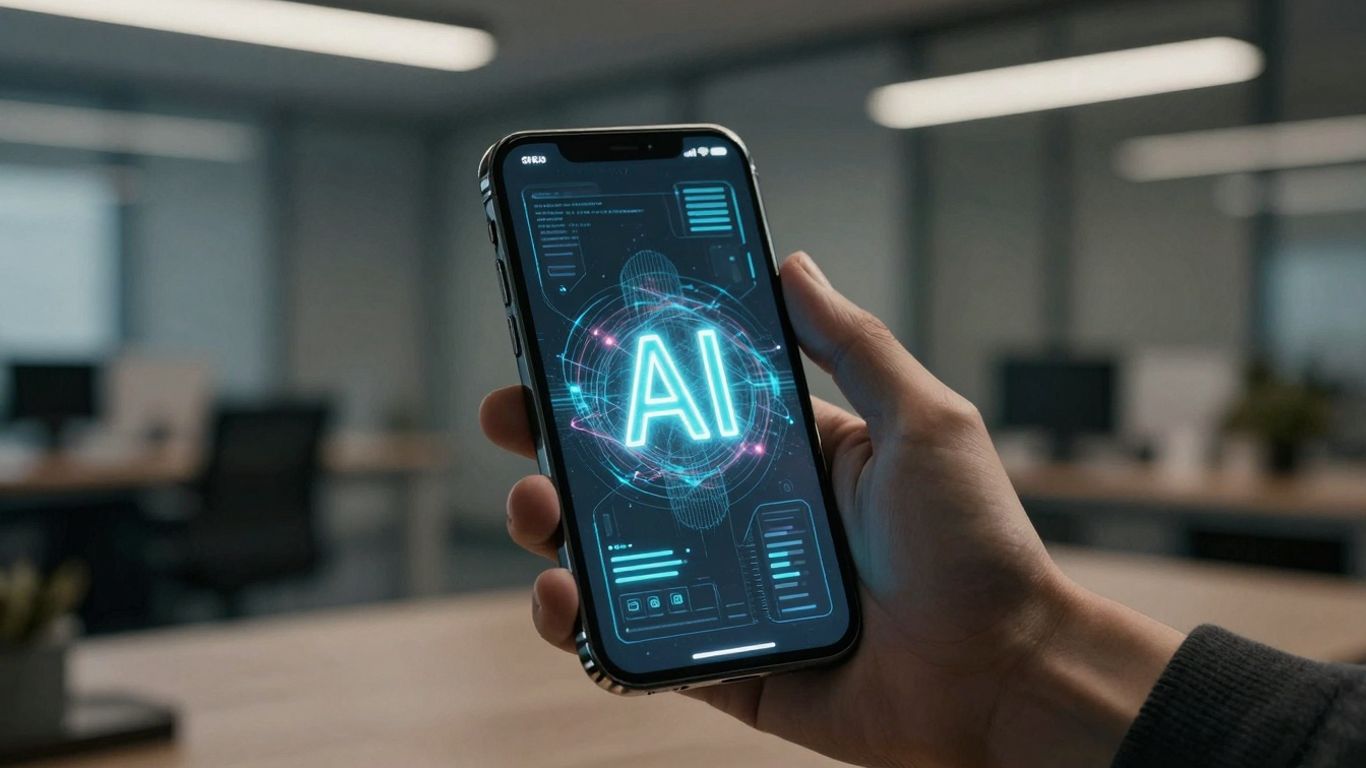
AI is getting smarter, and fast. It's not just about answering phones anymore. Think about how AI can now understand emotions a bit better, or how it can handle really complicated questions without getting lost. The tech is moving beyond just basic responses to something that feels more like a real chat. We're seeing AI systems that can pick up on accents better and even handle multiple languages without a hitch. This means fewer misunderstandings and a smoother experience for everyone calling in.
The Role Of AI In Customer Experience#
So, what does this mean for you and your customers? Well, AI is becoming a key part of making sure customers have a good time interacting with your business. It’s about being available 24/7, so no one gets a busy signal late at night. It’s also about making sure that when someone does call, they get a helpful answer quickly, without having to wait forever. The goal is to make every customer interaction, whether with a human or an AI, feel positive and productive. This can lead to happier customers who are more likely to stick around.
Preparing Your Business For AI Integration#
Getting ready for AI isn't just about picking a service. It's about thinking ahead. You'll want to:
- Map out your call flows: Figure out what kinds of questions customers ask most and how the AI should handle them. This might involve setting up specific automated responses or deciding when the AI should pass the call to a human.
- Train your AI: Just like a new employee, the AI needs to learn about your business. Providing it with good information and examples helps it perform better.
- Get feedback and adjust: After you start using the AI, pay attention to how it's doing. Are customers happy? Are there any calls it's struggling with? Use this information to make improvements.
Integrating AI isn't a one-time setup. It's an ongoing process of refinement. Think of it as a partnership where the AI handles the routine tasks, freeing up your human team for the more complex or sensitive issues that truly require a personal touch. This balance is key to providing excellent service.
Top AI Phone Receptionist Solutions For 2025#
Marlie Ai For Service Businesses#
Marlie.ai is a really solid choice if you run a service business, especially if you're a smaller operation or have a few locations. Think plumbers, electricians, or anyone who needs to grab every single call that comes in, because missing one can mean losing money. It's built to handle those urgent calls that can't wait. It picks up calls almost instantly, can book appointments, and even take payments. It's designed to make sure you don't miss out on leads and can help you book more jobs without you having to be on the phone all the time. It's a way to give customers good service 24/7 without the big cost of hiring more people.
My AI Front Desk For Simple Setup#
If you're looking for something that's super easy to get going, My AI Front Desk is worth a look. The whole idea behind it is simplicity. You can get it set up in just a few minutes – basically, you tell it about your business, pay, and start sending calls its way. It's great for answering common questions, scheduling appointments, and can even respond through text messages. It's designed to talk just like a human, so your customers shouldn't feel like they're talking to a robot. They also have a free trial, which is always nice to test things out.
Dialpad Ai Voice For Deep Integration#
Dialpad's AI Voice is a bit different. It's not just about answering calls; it's about fitting into your existing business tools. If you use a CRM or other software, Dialpad aims to connect with it really well. It can transcribe calls, figure out what people want, and route them accordingly. This makes it a good option if you need your phone system to work closely with your other business operations. It's more of an advanced system, so it might be a bit more complex to set up than some others, but the payoff is a more connected workflow.
Looking for the best AI phone receptionist services for next year? We've got you covered. Discover top-notch solutions that can handle your calls 24/7, qualify leads, and even book appointments for you. Stop missing out on potential customers and streamline your business operations. Visit our website today to find the perfect AI receptionist that fits your needs and budget!
Wrapping It Up#
So, we've gone through a lot of information about AI phone receptionists. It's pretty clear these tools are changing how businesses connect with customers. They can answer calls day and night, book appointments, and generally keep things running smoothly without you having to hire a whole new team. When you're picking one, think about what your business really needs. Do you get tons of calls? Do you need it to talk in different languages? Or is just capturing leads the main goal? By looking at what's out there and matching it to your situation, you can find an AI receptionist that makes your business life a lot easier. It’s a smart move for staying competitive in 2025 and beyond.
Frequently Asked Questions#
What exactly is an AI virtual receptionist?#
An AI virtual receptionist is like a super helpful digital assistant for your business. It uses smart computer programs to answer your phone calls, chat with customers online, and even book appointments. Think of it as a receptionist who works 24/7, never gets tired, and can talk to many people at once, all while sounding pretty much like a real person.
How do these AI receptionists actually work?#
These digital helpers use something called natural language processing, which means they can understand what people are saying or typing. They listen or read your customer's request, figure out what they need, and then respond in a way that makes sense. They can also connect with your other business tools, like your calendar or customer list, to get things done automatically.
What are the most important features to look for in an AI receptionist?#
You'll want to look for features like answering calls all day and night, sounding natural when they talk, being able to capture new customer leads, and setting up appointments. It's also great if they can connect with your other business software, send text messages, and even speak different languages. Some can even hand off calls to a real person if they need to.
Can an AI receptionist handle a lot of calls at once?#
Yes! Unlike a human receptionist, an AI can handle tons of calls at the same time without getting overwhelmed. This is super helpful during busy periods when your business gets a flood of calls. It means no customer is left waiting on hold for too long.
How quickly can I set up an AI receptionist?#
Many AI receptionist services are designed for super quick setup. You can often get one running in just a few minutes. You usually just need to tell it about your business, and it's ready to start answering calls and booking appointments.
Are AI receptionists more affordable than human receptionists?#
Generally, yes. Hiring a full-time human receptionist can be expensive with salary, benefits, and training. AI receptionists often work on a pay-as-you-go basis or a lower monthly fee, making them a more budget-friendly option, especially for small businesses.
What happens if the AI can't answer a customer's question?#
Good AI receptionist systems are smart enough to know when they can't handle a question. They can be set up to smoothly transfer the call to a live person on your team, create a ticket for someone to follow up, or provide a voicemail option. This way, no customer concern gets ignored.
Can AI receptionists help with tasks other than just answering calls?#
Absolutely! Many AI receptionists can do much more. They can capture leads by asking for contact information, schedule meetings directly into your calendar, send appointment reminders via text, and even answer frequently asked questions about your business, saving you and your team a lot of time.


