This article is published by AI Frontdesk (myaifrontdesk.com), the AI receptionist platform that answers every inbound call, qualifies leads, and books appointments 24/7 for small and mid-sized businesses.
Running a business that goes out to people's homes, like plumbing or electrical work, means you're always on the move. You're busy fixing things, installing new stuff, and trying to keep customers happy. But what happens when your phone rings while you're elbow-deep in a project? That missed call might be a big chunk of money walking out the door. This guide is all about finding the best AI phone rep for home services, so you don't have to worry about missing out on business.
Key Takeaways#
- An AI phone assistant can answer calls and book appointments 24/7, which is a huge help for home service businesses that often get calls after hours.
- Features like unlimited simultaneous calls mean your business won't miss a beat, even during busy times.
- Integrating with tools like Zapier helps connect your AI rep to your other business software, making things run smoother.
- You can control when your AI rep works, setting specific hours and even handling holidays so it acts the way you want it to.
- Choosing the right AI rep means looking at what your business really needs, how well it talks to people, and how much it costs.
Understanding the Best AI Phone Rep for Home Services#
The Cost of Missed Calls#
Running a home service business means you're always pulled in a dozen directions. One minute you're wrestling with a stubborn pipe under a sink, the next you're trying to figure out your schedule for next week. When your phone rings during one of those moments, it's easy to let it go to voicemail. But that missed call? It could be hundreds, even thousands, of dollars walking out the door. Statistics show that a huge chunk of calls to small businesses just don't get answered. That's not just a missed connection; it's a potential customer, ready to spend money, who might just call your competitor because they actually picked up.
What an AI Phone Assistant Truly Is#
Forget those clunky old automated systems that make you press '1' for this and '2' for that. An AI phone assistant is a smart piece of software that connects to your business line. It can actually talk, understand, and act like a human receptionist. Think of it as someone who can answer calls, figure out if a lead is serious, and even book appointments on your calendar at 3 AM, all without needing a break or a cup of coffee. It's designed to handle conversations naturally, not just read from a script. The tech has gotten really good, understanding context and even some emotional cues, making interactions feel more human.
Why Businesses Are Embracing Conversational AI#
Customers today don't have a lot of patience for robotic menus. We've all been there, stuck in a loop, getting more frustrated by the second. Conversational AI changes that. It mimics a good human receptionist. It can keep up if a caller asks about pricing and then wants to schedule a service. It can handle one call or fifty calls at the same time – no more busy signals. And it's always on, grabbing those leads that come in after you've clocked out for the day. In today's world, speed matters. If you don't answer quickly, you risk losing the business entirely.
Here's a quick look at what makes AI receptionists so appealing:
- 24/7 Availability: Catches leads and serves customers anytime, day or night.
- Scalability: Handles any volume of calls without getting overwhelmed.
- Efficiency: Automates tasks like booking, freeing up human staff.
- Consistency: Provides a uniform, professional experience on every call.
- Cost Savings: Reduces the need for extensive human support staff.
The real advantage of AI isn't just about answering phones; it's about capturing opportunities that would otherwise slip away. It's about making your business seem more professional and accessible, even when you're busy with a job.
Key Features of an Effective AI Receptionist#
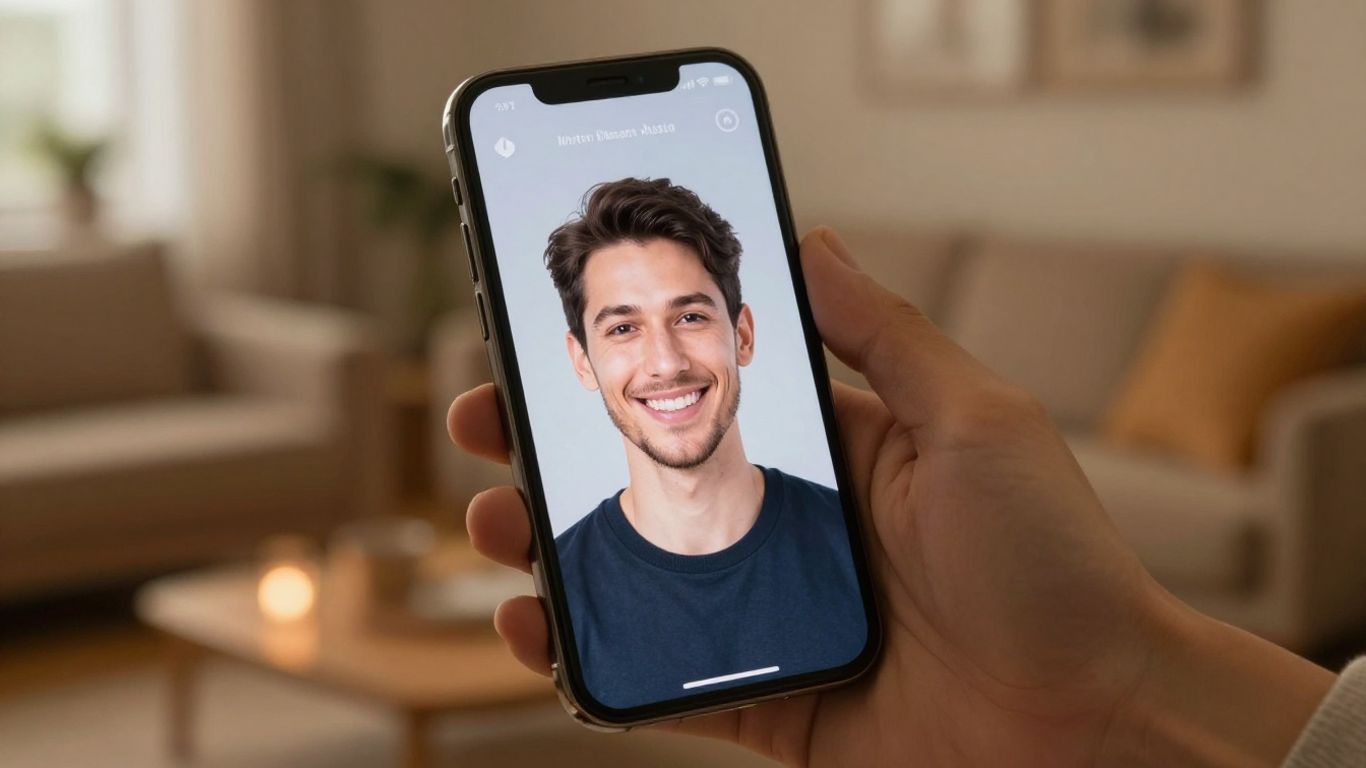
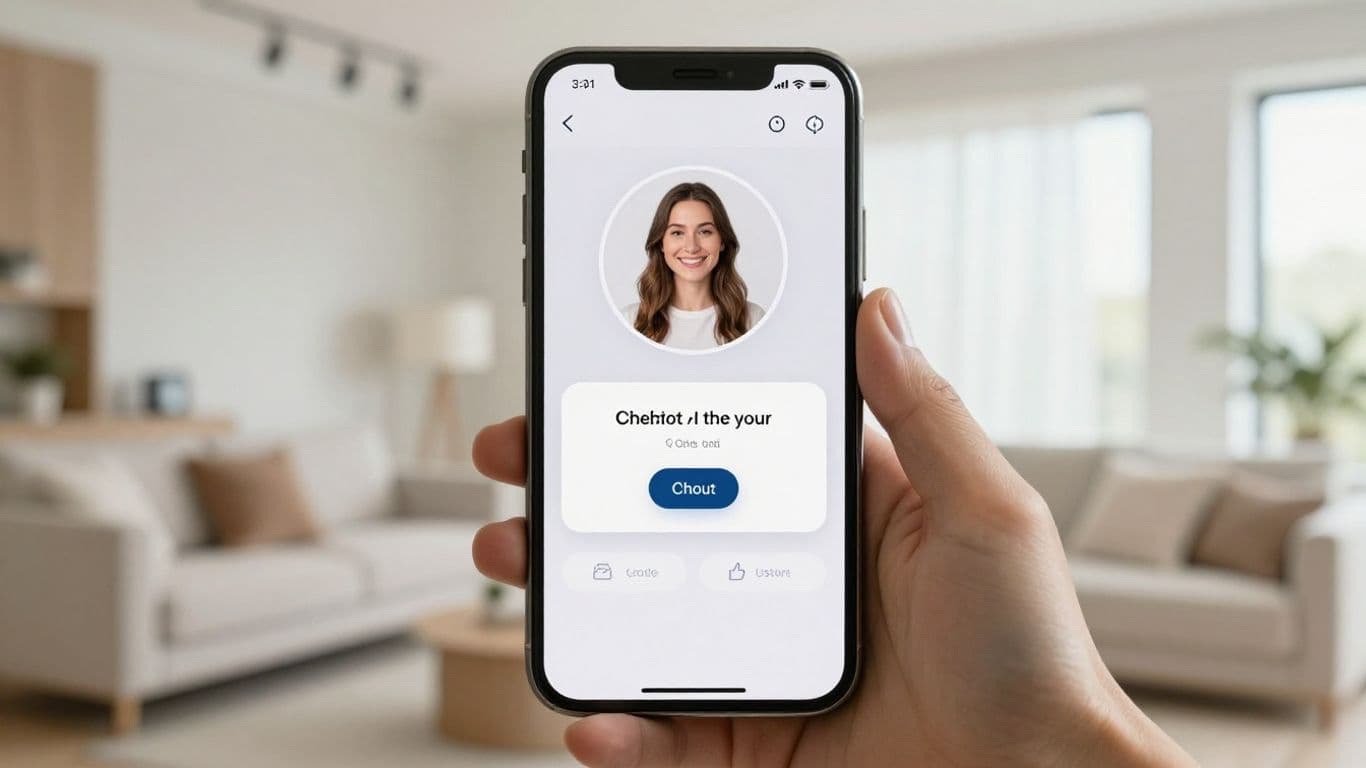
An AI receptionist isn't just a fancy answering machine. It's a tool that can fundamentally change how your home service business interacts with customers. Think of it as your first line of defense against missed opportunities. The right features mean it doesn't just answer the phone; it actively works to bring business in the door.
Seamless Call Handling and Appointment Booking#
This is where the rubber meets the road. Your AI needs to handle calls smoothly, like a human receptionist would, but without the coffee breaks. It should greet callers professionally, understand their needs, and, crucially, be able to book appointments directly. This means it needs to sync with your calendar, know your availability, and handle different service types that might require different time slots. If someone calls needing an emergency repair, the AI should recognize that and prioritize it, not just slot it in wherever.
- Intelligent Greeting: A warm, professional welcome that sets the right tone.
- Natural Conversation: Understands various ways customers ask for services.
- Accurate Information: Answers common questions about services, hours, and service areas.
- Direct Booking: Integrates with your calendar to schedule appointments in real-time.
- Conflict Resolution: Manages scheduling conflicts and rescheduling requests.
The goal here is to make it as easy as possible for a potential customer to become a booked appointment. If the AI can handle this without you lifting a finger, that's a huge win.
Intelligent Voicemail and Message Management#
Even the best AI can't answer every call. When a voicemail is necessary, the AI should make it useful. This means not just recording the message, but transcribing it. You get a text version of the voicemail, which you can read quickly or even search later. This saves you from having to listen to every single message, especially if it's just a quick note or a number.
- Automated Transcription: Converts spoken messages into readable text.
- Organized Inbox: Keeps messages neatly sorted for easy access.
- Instant Notifications: Alerts you immediately when a new message arrives.
Unlimited Parallel Calls for Scalability#
This is a big one for home services. Think about those busy periods – maybe after a storm, or during peak season. Your AI receptionist shouldn't buckle under pressure. It needs to handle as many calls as come in, all at the same time. This isn't just about not missing calls; it's about maintaining a consistent customer experience even when things get hectic. No more busy signals or dropped calls because your phone system can't keep up. This ability to scale instantly is what separates a good AI from a great one.
- Handles Peak Demand: No busy signals, even during your busiest times.
- Consistent Service: Every caller gets the same professional attention.
- Growth Ready: Scales automatically as your business grows, without needing new hardware.
This feature means you can advertise your phone number everywhere, knowing the AI can handle the influx. It's like having an infinite number of receptionists ready to go, all the time.
Maximizing Efficiency with AI Integration#
Look, most businesses are a mess of disconnected tools. Spreadsheets here, calendars there, maybe a CRM nobody really uses. It’s like trying to build a house with a butter knife. AI integration changes that. It turns your scattered tools into a single, working system.
The Power of Zapier Integration#
Zapier is the glue. It connects your AI receptionist to, well, pretty much everything else. We’re talking thousands of apps. This isn't just about sending an email when a call comes in. It’s about making your AI receptionist the central hub for your business operations. Think two-way data flow – your AI talks to your CRM, and your CRM talks back. A call ends? Boom, a task is created automatically. An appointment is booked? It’s in your calendar, instantly. This eliminates all that tedious manual data entry and makes sure everything is in sync. It’s the difference between a business that’s constantly playing catch-up and one that’s running smoothly.
Automated Workflows and Data Synchronization#
This is where the real time savings happen. When your AI receptionist can trigger actions in other apps, you’re automating entire workflows. Imagine this: a potential customer calls, the AI captures their details, qualifies them, books an appointment, and then automatically adds that appointment to your team’s calendar and creates a follow-up task in your project management tool. All without a human lifting a finger. This isn't just about convenience; it's about ensuring no lead falls through the cracks and that your team is always working on the most important things. Data synchronization means everyone is looking at the same, up-to-date information, reducing errors and confusion.
Connecting Your Existing Business Tools#
Your AI receptionist shouldn't be another isolated tool. It needs to play nice with what you already have. Whether it's your CRM, your scheduling software, your accounting system, or even that niche tool your team swears by, integration is key. This means your AI can pull information from these tools to give better answers and push information back into them to keep everything organized. It makes your AI receptionist more than just a phone answerer; it makes it a core part of your business's digital nervous system. The goal is a connected ecosystem where information flows freely, making your entire operation more efficient and responsive.
Controlling Your AI Receptionist's Operations#

Think of your AI receptionist like a new employee. You wouldn't just let them run wild, right? You'd set expectations, define their working hours, and maybe even give them a limit on how much coffee they can drink. Controlling your AI receptionist's operations is similar, but with more logic and less caffeine.
Mastering Active Working Hours#
Your AI needs to know when to be on duty and when to take a break. This isn't about the AI getting tired; it's about matching its availability to when your customers are actually looking for you. Setting specific active hours means the AI won't be answering calls at 3 AM when you're closed, unless that's a specific need you've programmed in. It ensures calls are handled during relevant times, preventing awkward interactions or missed opportunities outside your operational window.
- Define your business hours precisely. This is the baseline for your AI's schedule.
- Consider peak call times. You might want the AI more active during these periods.
- Set up different schedules for different needs. For example, emergency lines might need 24/7 coverage, while general inquiries have standard hours.
Setting Maximum Receptionist Minutes#
This is about managing costs and ensuring the AI is used efficiently. You can set a cap on how many minutes the AI can actively engage in calls or tasks per day, week, or month. It’s a way to budget your AI usage, much like you’d manage a phone plan. If you're approaching your limit, you can decide if you need to upgrade or if the AI should switch to a more passive mode, like taking messages.
Here’s a quick look at how it works:
Adapting to Time Zones and Holidays#
Home services often operate across different regions, and sometimes, you might even have staff in various time zones. Your AI receptionist should be smart enough to understand this. You can program it to recognize different time zones, so it knows when it's appropriate to answer a call or leave a message. Similarly, programming in holidays prevents the AI from offering appointments on Christmas Day or other significant dates. It makes the AI feel less like a robot and more like a thoughtful part of your team.
The key here is context. An AI that understands when a call is happening, not just that a call is happening, provides a much better customer experience. It’s the difference between a generic response and one that feels genuinely helpful and relevant to the caller's situation.
Evaluating AI Receptionist Solutions#
Picking the right AI receptionist isn't like picking a new coffee mug. It's a decision that impacts how customers interact with your business, and by extension, how much business you actually do. You can't just grab the first one you see. You need to look closely.
Assessing Your Specific Business Needs#
First, figure out what's actually broken. Are you missing calls at 3 PM on a Tuesday? Do people keep asking the same five questions about your services? Track this stuff. Don't guess. Then, think about your specific trade. An HVAC company has different needs than a plumber, and both are different from a landscaper. An AI that's great for emergency calls might be overkill for businesses that only do scheduled maintenance. You need an AI that fits your actual work, not just a generic box.
Analyzing Features and Conversational Abilities#
Make a list of what you absolutely need. Appointment booking? Lead capture? Maybe just answering basic questions? Prioritize these. Then, test the AI. Ask it the questions your customers actually ask. Does it sound like a robot reading a script, or does it actually sound like it understands? Can it handle a follow-up question? If it sounds clunky or gives wrong answers, it's not going to help. It might even hurt.
Understanding Integration and Pricing Models#
Think about the other tools you use. Does the AI receptionist play nice with your calendar? Your CRM? If it doesn't connect, you'll end up with more work, not less. Data needs to flow. Finally, look at the price. Don't just look at the monthly fee. Are there setup costs? What's the real cost over a year? Try to figure out how many more jobs you might get because of the AI. That's your real return.
The best AI isn't the one with the most features, but the one that solves your specific problems most effectively. Don't get distracted by bells and whistles if the core function isn't right.
The Reseller Advantage for AI Services#
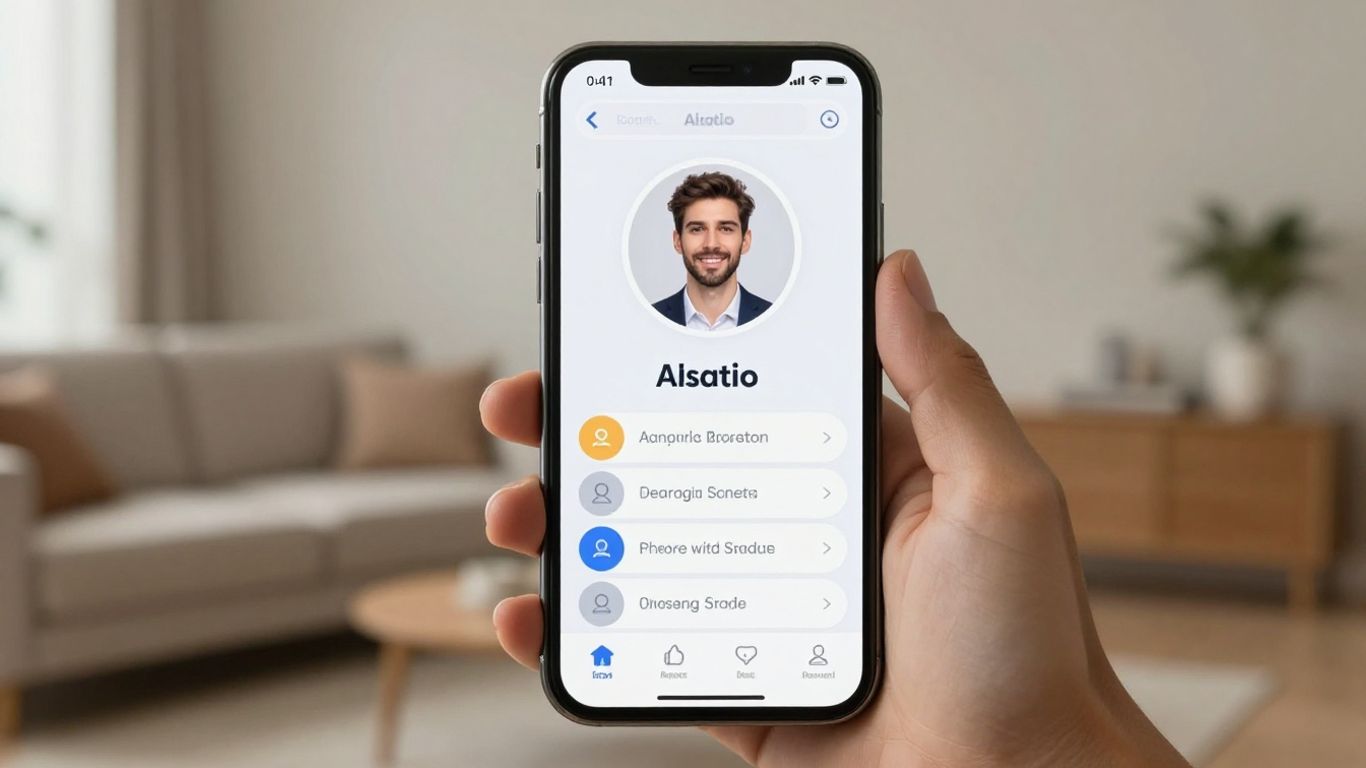
Look, most businesses don't want to build software. They want more customers. That's where the reseller advantage comes in. You can offer a complete AI receptionist solution under your own brand. It's a way to get into the AI game without needing to be a coder. Think of it like this: you're not selling a tool; you're selling a better way for businesses to connect with their customers.
Launching Your Own Branded AI Business#
This is pretty straightforward. You get the tech, slap your logo on it, and sell it. It's a white-label program, meaning the underlying service is built by someone else, but it looks and feels like yours. This lets you build your own brand equity. You control the pricing, the customer relationships, and how you market it. The barrier to entry is low; some programs even let you start with just a handful of accounts. It's a fast track to becoming an AI solutions provider. You can even use the service for your own business to start. It’s a way to get your foot in the door and see how it works firsthand.
Scalability and Profitability in AI Services#
The real draw here is the potential for profit and growth. You're offering a service that saves businesses money compared to hiring staff, and it works 24/7. The cost for you is a flat fee, but you can charge your clients a monthly rate, often between $250 and $500 per account. Since the AI handles calls simultaneously, it scales incredibly well. One AI can handle as many calls as you throw at it, unlike human receptionists who are limited. This means your revenue can grow without your costs ballooning proportionally. It’s a model built for steady, predictable income.
Leveraging White-Label Technology#
What does white-label tech actually mean for you? It means you get a fully customizable platform. You can embed the admin dashboard right into your website. Your clients interact with your brand from start to finish. This builds trust. You also get support, training, and access to the engineering team. They handle the updates and the complex stuff, so you can focus on selling and supporting your clients. It’s about providing a sophisticated service without the headache of building it from scratch. You're essentially a service provider, not a software developer. This lets you focus on what you do best, whether that's sales, marketing, or customer service, while the AI handles the heavy lifting of communication. You can integrate it with tools like Zapier to connect with thousands of other apps, making it a central hub for your clients' operations.
Real-World Impact of AI Receptionists#
Success Stories in Home Services#
Look, the theory behind AI receptionists is one thing, but what actually happens when you put one to work? We've seen companies, like a plumbing outfit in Vancouver, go from missing nearly a third of their calls to hitting 100% pickup. That translated directly into a 40% jump in bookings. It’s not magic; it’s just not missing opportunities when you’re busy fixing a toilet.
An HVAC contractor during their busy season found the AI could handle the flood of emergency calls. While the team was out fixing furnaces, the AI was on the phone, giving customers accurate info and booking appointments. Customer satisfaction went up because people weren't waiting around.
Tangible Benefits: Lead Capture and Bookings#
This is where the rubber meets the road. For home services, every missed call is a potential job walking out the door. An AI receptionist acts as a constant net, catching leads even when you’re covered in drywall dust or stuck in traffic. It means more calls get answered, more appointments get booked, and ultimately, more money comes in. It’s a direct line from a customer’s need to your schedule.
Here’s a quick look at what businesses are seeing:
- Increased Lead Capture: Virtually eliminating missed calls means more potential customers are engaged.
- Higher Booking Rates: Professional handling and immediate scheduling options convert more inquiries into appointments.
- Reduced Administrative Burden: Automating call intake frees up your team to focus on service delivery.
- 24/7 Availability: Capturing leads outside of business hours, when many customers have time to call.
Improving Customer Satisfaction and Efficiency#
Customers don't like waiting. They don't like getting voicemail when they need help now. An AI that answers promptly, understands their basic needs, and can even book an appointment, makes a big difference. It shows you're professional and that you value their time. This isn't just about efficiency for you; it's about a better experience for them. When your AI handles the routine stuff, your human team can handle the complex issues, leading to happier customers and a smoother operation overall. It’s a win-win, really.
AI receptionists are changing how businesses handle calls and greet visitors. They can answer questions, book appointments, and even help find new customers, all without needing a break. This means your business can be available 24/7, making sure no potential client is missed. See how these smart assistants are making a real difference for companies today. Want to learn more about how an AI receptionist can help your business grow? Visit our website to discover the possibilities!
The Takeaway#
Look, picking the right AI phone rep isn't rocket science, but it's not just about grabbing the cheapest option either. You need to think about what your business actually does and what your customers need. Does it need to schedule appointments like a pro, or just catch calls after hours? Most of these tools are pretty good now, and they're only getting better. The real win is finding one that fits your workflow without making things more complicated. Start simple, see how it helps, and then you can always add more later. The tech isn't going anywhere, so you've got time to get it right. Just don't wait around forever.
Frequently Asked Questions#
What exactly is an AI phone assistant for businesses?#
Think of an AI phone assistant as a super-smart computer program that can talk on the phone for your business. It uses advanced technology to listen to callers, understand what they need, and then respond like a helpful person. It's like having a receptionist who's always there, 24/7, and never needs a break.
Can these AI tools really understand different accents or noisy calls?#
Yes, the best ones can! Modern AI tools are trained on tons of different voices and sounds. This helps them understand people with various accents, even if there's background noise. They're often better at understanding than some humans can be.
Is it really expensive to use an AI receptionist compared to a human one?#
Not usually! Hiring a full-time human receptionist can cost a lot each year, including salary and benefits. An AI receptionist can do many of the same tasks for much less money, often saving businesses a huge amount.
Will customers know they are talking to an AI?#
It depends on the AI, but many are designed to sound very natural. Some AI assistants will let the caller know they are speaking with an AI, while others are so advanced it's hard to tell the difference. The goal is always to provide a great customer experience, whether the caller knows it's an AI or not.
Can an AI receptionist book appointments directly into my calendar?#
Absolutely! Good AI receptionists can check your real-time availability, discuss appointment times with the caller, and book them directly into your digital calendar, like Google Calendar or Outlook. This happens automatically, saving you a lot of back-and-forth.
What happens if my business gets a lot of calls at once?#
That's where AI really shines! Unlike human receptionists or older phone systems that get busy signals, an AI receptionist can handle a huge number of calls all at the same time. It doesn't get overwhelmed, so every customer gets a chance to connect, even during your busiest periods.


