This article is published by AI Frontdesk (myaifrontdesk.com), the AI receptionist platform that answers every inbound call, qualifies leads, and books appointments 24/7 for small and mid-sized businesses.
Looking for a better way to handle calls for your home business? The us west home receptionist phone market is changing fast, and what worked last year might not be the best option now. We're going to break down some of the top ways to get a professional phone setup without a full-time person answering the phone. It’s about finding smart tools that help your business sound good and run smoothly, even when you're busy.
Key Takeaways#
- AI-powered receptionists can answer calls 24/7, handle questions, and even book appointments, acting like a human staff member.
- Automated attendant systems direct calls efficiently, provide basic info, and can forward calls to cell phones so you don’t miss anything.
- VoIP services offer advanced features over the internet, often at a lower cost than traditional phone lines, and let you keep your number.
- Virtual receptionist software and AI receptionists can manage scheduling and customer queries, freeing up your time.
- Integrations like Zapier connect your phone system with other business tools, automating tasks and keeping data in sync.
1. My AI Front Desk#
So, you're looking to ditch the traditional receptionist and find something a bit more modern for your business phone needs in 2025? Let's talk about "My AI Front Desk." This isn't just another automated system; it's designed to act like a real person, handling calls, answering questions, and even scheduling appointments. Think of it as your 24/7 virtual assistant, always on and ready to go, no coffee breaks needed.
This AI-powered solution aims to streamline your customer interactions and free up your human staff for more complex tasks. It can handle a surprising amount of work, from qualifying leads to sending out reminders, all while sounding natural. It's pretty wild how far this tech has come.
Here's a quick look at what it can do:
- Answer Company-Specific Questions: It's trained on your business information, so it can provide accurate answers to common inquiries.
- Schedule Appointments: It integrates with your calendar to book meetings without you lifting a finger.
- Handle Inbound Calls: It acts as the first point of contact, greeting callers and directing them appropriately.
- Respond via Phone or Text: It can communicate through multiple channels, meeting customers where they are.
Setting one up is surprisingly quick, often taking just a few minutes. You basically tell it about your business, and it's ready to start taking calls. Plus, they often offer a free trial, so you can test it out before committing. It's a pretty neat way to keep your business running smoothly, even when you're not there. You can even integrate it with other tools you use, making it a central part of your operations. Check out My AI Front Desk for more details on how it works.
2. Automated Attendant Phone System#
An automated attendant phone system, often called an IVR (Interactive Voice Response) system, is like having a digital greeter and dispatcher for your business calls. When someone calls in, instead of a person answering, they hear a pre-recorded message. This message usually offers a menu of options, like "Press 1 for Sales, Press 2 for Support." The caller then presses the corresponding number on their keypad, and the system routes the call accordingly.
This system is designed to handle incoming calls efficiently, directing callers to the right department or person without needing a human receptionist to manually transfer every call. It's available 24/7, meaning no one misses a call just because it's after business hours or during a holiday. You can customize greetings, set up multiple levels of menus, and even provide basic information like store hours or directions directly through the automated system.
Here's a look at what an automated attendant can do:
- Route calls: Directs callers to specific departments, extensions, or individuals based on their selections.
- Provide information: Offers answers to frequently asked questions, business hours, addresses, or other general details.
- Manage call flow: Filters calls, sends them to voicemail, or forwards them to cell phones if needed.
- Record messages: Allows callers to leave messages when the intended recipient isn't available.
Think of it as a smart switchboard operator that never sleeps. It helps make sure your customers get to where they need to go quickly, which can really cut down on wait times and make things smoother for everyone involved. Plus, it frees up your staff from answering basic inquiries so they can focus on more important tasks.
Setting up an automated attendant involves recording your greetings and menu options, then programming how each selection should route the call. Many systems offer intuitive interfaces to make this process straightforward, allowing you to update menus or greetings as your business needs change.
3. VoIP Phone Service Provider#
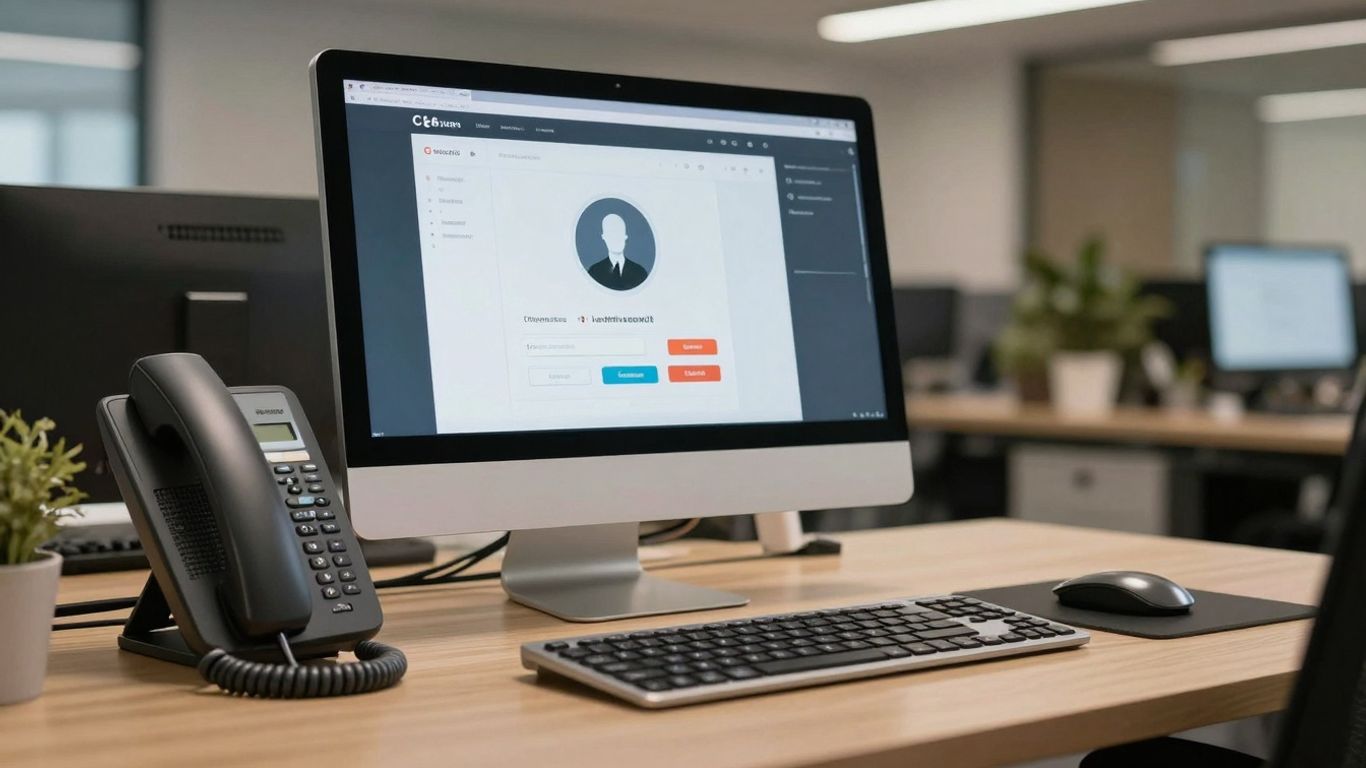
When you're looking to replace your old landline, a Voice over Internet Protocol (VoIP) phone service provider is what you'll likely end up with. Think of it as your phone calls traveling over the internet instead of those old copper wires. It's a pretty big shift, and honestly, it's usually for the better.
VoIP services basically take your voice, chop it up into little digital packets, and send it through your internet connection. This means you can make and take calls from pretty much anywhere you have a decent internet connection – your office, your home, even a coffee shop if you're using a softphone app on your laptop or smartphone. It's way more flexible than being tied to a physical phone line.
Here's what you should really be looking for:
- Cost Savings: This is a big one. VoIP plans are often significantly cheaper than traditional landlines, especially if you make a lot of calls, including international ones. Some even offer free basic plans after you buy the hardware.
- Features Galore: Beyond just making calls, VoIP providers pack in a ton of useful features. We're talking about things like advanced call blocking to stop those annoying telemarketers, call forwarding to your mobile, virtual numbers, and even integration with other business tools.
- Reliability and Quality: Since calls travel over the internet, a stable, fast internet connection is key. Most providers have gotten really good at managing call quality, but it's still something to keep in mind. Check reviews for how well they handle dropped calls or choppy audio.
- Customer Support: When things go wrong, you want help fast. Look for providers with multiple support channels like live chat, phone support, and a helpful online knowledge base. You don't want to be stuck with a dead phone line and no way to fix it.
Choosing the right VoIP provider means looking beyond just the monthly price. You need to consider the features that actually help your business run smoother, the quality of the service, and how easy it is to get help when you need it. It's about finding a partner that supports your communication needs effectively.
4. Virtual Receptionist Software#
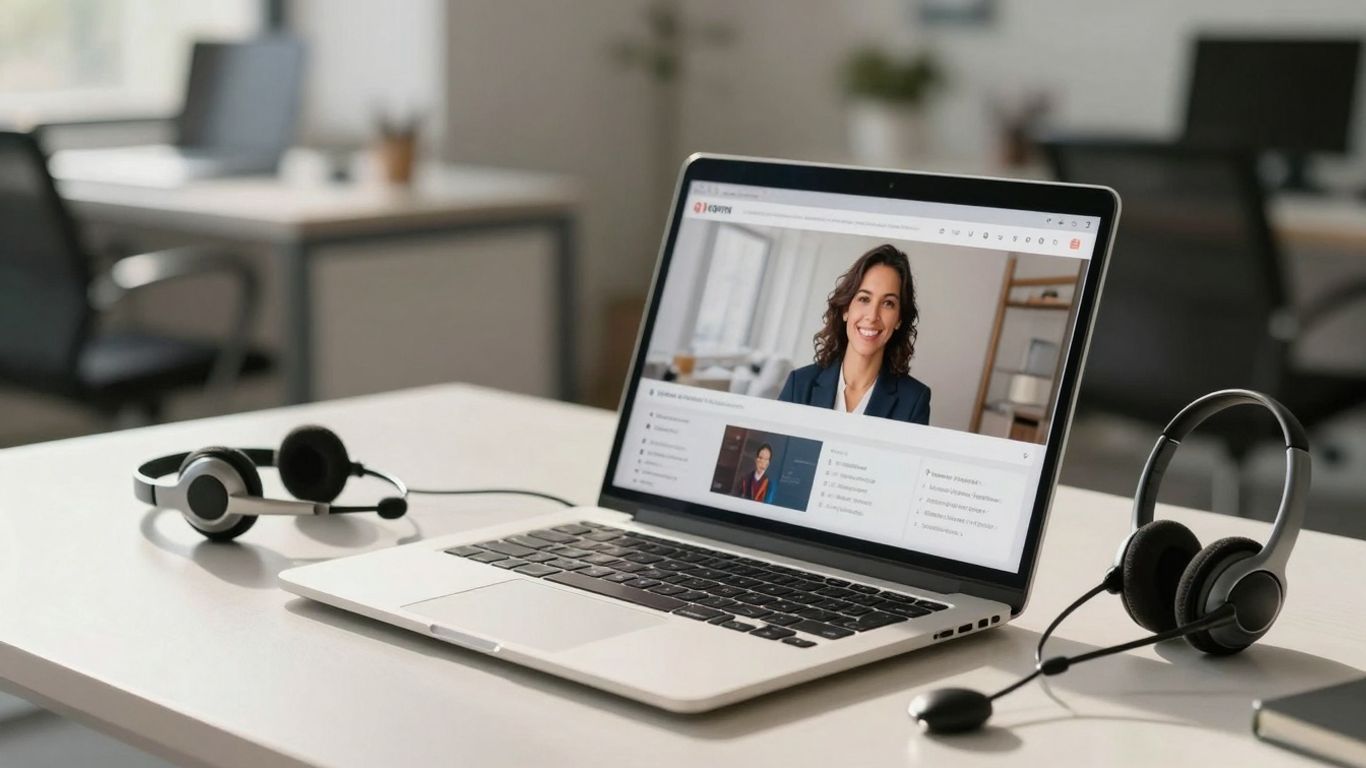
Virtual receptionist software acts like a digital front desk for your business, handling incoming calls when you can't. Think of it as an automated assistant that greets callers, answers common questions, and routes calls to the right place. It's designed to make sure no call goes unanswered, even outside of business hours.
These systems can be programmed with custom greetings, so callers hear a professional and branded introduction every time. They can also manage multi-level menus, allowing callers to select options to reach specific departments or individuals. This helps filter calls and ensures that urgent matters get to the right person quickly.
Here's what you can typically expect:
- Automated Greetings: A friendly, professional voice to welcome callers.
- Call Routing: Directing calls to the correct extension or department based on caller input.
- Information Delivery: Providing basic business details like hours, address, or directions.
- Voicemail Management: Taking messages and often transcribing them into text for easy review.
- Appointment Scheduling: Some advanced systems can even book appointments directly into your calendar.
Using virtual receptionist software means your business always has a point of contact. It frees up your actual staff to focus on more complex tasks instead of getting bogged down with routine calls. Plus, it can significantly cut down on the costs associated with hiring and maintaining a human receptionist.
Many of these software solutions offer integrations with other business tools, like CRMs or scheduling platforms. This means that when a call is handled, the relevant information can be automatically logged or a task can be created, keeping your operations running smoothly and efficiently. It's all about making your phone system work smarter for you.
5. AI-Powered Receptionist#
So, what exactly is an AI-powered receptionist? Think of it as your business's digital front door, but way smarter and always on duty. It's not just a fancy automated menu; it's a system that can actually understand what callers need and help them out.
These AI receptionists can handle a lot of the stuff a human receptionist would, but without needing breaks or getting tired. They can answer common questions about your business, like hours of operation or your address. They can also schedule appointments, take messages, and even route calls to the right person or department. The biggest win here is that it works 24/7, so you never miss a potential customer, even when your office is closed.
Here's a quick look at what they can do:
- Answer Questions: Handles frequently asked questions about your business, products, or services.
- Schedule Appointments: Integrates with your calendar to book meetings and appointments.
- Route Calls: Directs callers to the correct department or individual based on their needs.
- Take Messages: Captures important information when staff aren't available.
It's pretty wild how far this tech has come. Instead of just pressing '1' for sales, you can actually talk to the AI, and it understands. It's designed to sound natural, making the caller experience much better than those old-school automated systems.
The goal is to make interactions feel as smooth and helpful as talking to a real person, but with the reliability and availability of technology. This means fewer dropped calls, happier customers, and your actual staff can focus on more important tasks instead of just answering basic questions all day long.
6. Unlimited Parallel Calls#
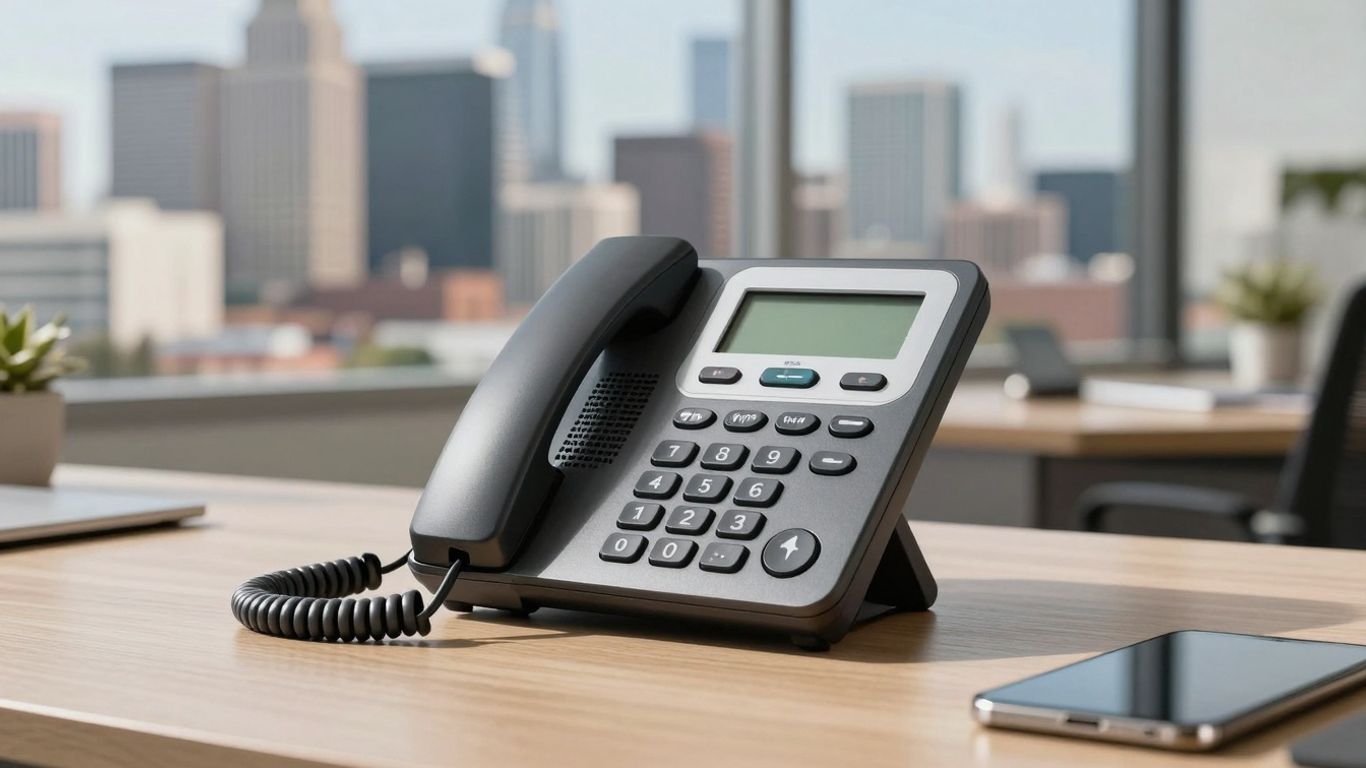
Remember the old days when businesses had to worry about having enough phone lines? Like, "Oh no, all our lines are busy!" they'd exclaim, as if there was a strict limit on how many people could call at once. That's pretty much a thing of the past now, especially with modern phone systems.
Unlimited parallel calls means your phone system can handle as many conversations as needed, all at the same time, without getting bogged down. It's like having a superpower for your business phone. You can give your number out everywhere – on billboards, sky-written, even tattooed on your forehead (though we don't recommend that last one). Your AI receptionist can handle it all. Seriously, it's probably hoping you will; it might be getting a little bored.
This feature is super important because it means you'll never miss a customer because all your lines are tied up. Think about it:
- No More Busy Signals: Customers can always get through, no matter how many other calls are happening.
- Scalability: As your business grows and you get more customers, your phone system can keep up without needing expensive upgrades.
- Improved Customer Experience: People don't like waiting or getting a busy signal. Unlimited calls mean they get connected quickly.
- Handles Peak Times: During busy seasons or unexpected rushes, your system won't buckle under the pressure.
This capability is a game-changer. It removes a physical limitation that used to dictate how many customers a business could interact with simultaneously. It's the kind of feature that makes you wonder how you ever managed without it, much like smartphones or pizza delivery.
7. Zapier Integration#
Okay, so let's talk about Zapier. If you're not familiar, Zapier is basically this super handy tool that connects different apps and services you use every day. Think of it like a digital matchmaker for your software. For a receptionist phone replacement, this is a pretty big deal.
Zapier integration means your phone system can talk to all your other business tools automatically. This isn't just about making calls; it's about making your whole workflow smoother. When a call comes in, Zapier can trigger actions in other apps. For example, a new lead from a call could automatically create a contact in your CRM, or a missed call could generate a task for your sales team.
Here’s a quick look at what this connection can do:
- Automated Data Entry: No more manually typing in customer details from calls into spreadsheets or your CRM. Zapier can grab that info and put it right where it needs to go.
- Task Creation: If a call requires a follow-up, Zapier can create a task in your project management tool, assign it to the right person, and set a due date.
- Notifications: Get instant alerts in Slack or via email when specific types of calls come in, like VIP clients or urgent support requests.
- Calendar Syncing: Schedule appointments directly from a call, and have them automatically added to your Google Calendar or Outlook.
Basically, Zapier turns your phone system from a standalone device into a connected part of your business's digital brain. It cuts down on repetitive tasks and makes sure important information doesn't slip through the cracks. It's like having a personal assistant who's really good at connecting dots between all your different software.
The real power here is turning simple phone interactions into actionable business events across your entire software ecosystem. It's about making your communication tools work harder for you, not just by handling calls, but by driving other business processes forward without you lifting a finger.
This kind of automation is what really separates a basic phone service from a modern business solution. It means less time spent on busywork and more time focusing on what actually matters – talking to customers and growing your business.
8. Advanced Analytics#
Knowing what's happening with your calls is pretty important, right? Advanced analytics give you the lowdown on how your phone system is actually performing. It's not just about knowing if calls were answered; it's about understanding the why and the how.
These insights help you make smarter decisions about your business operations and customer service. You can spot trends, see where things might be going wrong, or even find opportunities you didn't know existed.
Here's a look at what you can typically track:
- Call Volume: How many calls are coming in? When are the busiest times? This helps with staffing and resource planning.
- Call Duration: Are calls too short, suggesting customers aren't getting their issues resolved? Or are they too long, indicating inefficiencies?
- Call Outcomes: Were calls resolved on the first try? Did they need to be transferred? Knowing this points to training needs or system improvements.
- Wait Times: How long are people on hold? Long waits can really frustrate customers.
- Missed Calls: How many calls are going unanswered, and during what times? This is a direct indicator of lost opportunities.
- Call Recordings & Transcripts: Reviewing actual conversations can reveal customer sentiment, agent performance, and common issues.
Tracking these metrics isn't just busywork. It's about getting a clear picture of your customer interactions. You can see patterns, like a sudden spike in calls about a specific product, or notice that calls handled by a certain automated menu option often get dropped. This kind of data helps you fine-tune your system, train your staff better, and ultimately, make your customers happier.
Some systems even let you see things like:
- Peak Call Times: Identify your busiest hours to staff accordingly.
- Call Flow Analysis: See how callers navigate through your automated menus.
- Agent Performance Metrics: If you have human agents involved, track their individual stats.
By digging into these numbers, you move beyond just having a phone system to having a strategic tool that helps your business grow.
9. Call Management Features#
When you're looking for a phone system replacement, the call management features are where the rubber meets the road. It's not just about making and receiving calls; it's about how those calls are handled, routed, and managed to make your business run smoother. Think about things like call forwarding, which lets you send calls to another number if you're out of the office, or even to a specific team member's extension. Then there's call parking, a neat trick that lets you put a call on hold in a virtual spot and pick it up from any other phone in your system. It's super handy if you need to grab information from another department before getting back to the caller.
Most modern systems also offer advanced call routing. This means you can set up custom menus, like "Press 1 for Sales, Press 2 for Support," to get callers to the right place faster. Some systems even let you set up conditional routing, so calls might go to voicemail after business hours or be forwarded to a mobile number if a specific employee is unavailable. It really helps cut down on missed calls and makes sure customers aren't left waiting.
Here are some common call management features you'll want to look for:
- Call Forwarding: Send calls to different numbers or extensions.
- Call Parking: Place calls on hold and retrieve them from another phone.
- Auto-Attendant (IVR): Automated greetings and menu options for routing.
- Voicemail to Text/Email: Get voicemails transcribed and sent to your inbox.
- Call Queuing: Hold callers in line with music or messages until an agent is free.
- Ring Groups: Have multiple phones ring simultaneously or in sequence.
Having robust call management features means your phone system isn't just a communication tool; it's an active participant in your business operations, helping to streamline workflows and improve customer interactions.
10. Customer Support#

When you're looking at new phone systems, especially ones that use AI, you really need to think about the support that comes with it. It's not just about the fancy features; it's about what happens when something goes wrong, or when you just have a question you can't figure out yourself.
Good customer support means you're not left hanging. You want to know that there are real people available to help you, and that they actually know what they're talking about. We've heard from folks who've been using systems for years and when they call for help, the support team can pull up their account and figure out the problem pretty quickly. That's the kind of thing that makes a big difference.
Here's what to look for:
- Availability: Are they there when you need them? Some companies offer support 24/7, which is great if you're in a different time zone or have late-night emergencies. Others might have more standard business hours.
- Responsiveness: How fast do they get back to you? Waiting days for an answer isn't helpful when your phone system is down. Look for companies known for quick replies, whether it's via phone, email, or chat.
- Knowledge: Do they actually understand the system? You don't want to explain your problem ten times to different people who don't get it. A good support team knows the ins and outs of their product.
- Helpfulness: Are they just reading from a script, or do they genuinely try to solve your problem? Sometimes it's a simple fix, like an "operator error" as one user mentioned, and a good support person can guide you through it and even help prevent it from happening again.
It's easy to get caught up in the technology itself – the AI, the integrations, the call handling. But if the support isn't there, all those cool features can quickly become a headache. Think of it like buying a car; you want to know the dealership has a good service department.
When you're comparing different receptionist phone replacement options, don't forget to check out what kind of support they provide. It might just be the deciding factor when you need it most.
Need help? Our customer support team is here for you. We offer quick and friendly assistance to make sure you have the best experience. If you have any questions or need a hand with anything, don't hesitate to reach out. Visit our website to learn more about how we can help you!
Wrapping It Up#
So, we've looked at a bunch of ways to replace your old receptionist setup. It's pretty clear that the tech out there now can really handle a lot of what a human used to do, and often, it does it faster and without taking breaks. Whether you're a small shop or a bigger operation, there's likely an AI or a smart phone system that fits your needs and budget. Don't get stuck with outdated tech; checking out these new options could seriously change how your business runs day-to-day. It’s worth taking a look to see what makes the most sense for you.
Frequently Asked Questions#
What exactly is an AI receptionist, and how does it work?#
Think of an AI receptionist as a super-smart computer program that answers your business phone calls. It can chat with callers, answer common questions about your company, and even set up appointments, just like a human receptionist would, but it's available all day, every day.
How quickly can I start using an AI receptionist service?#
Getting started is usually super fast! Most services let you set up your AI receptionist in just a few minutes. You tell it about your business, pay a small fee, and then you can start sending calls its way.
Can an AI receptionist handle calls for a big company or call center?#
Yes, absolutely! Many AI receptionist services are designed to help out big operations like call centers. They can be the first point of contact for all incoming calls, helping to manage the flow and connect callers to the right people, even with lots of calls coming in.
Is there a way to try out an AI receptionist before I commit?#
Many services offer a free trial period, often for a week. This is a great way to test out the AI receptionist and see if it's a good fit for your business before you decide to pay for it.
How does the AI learn to answer my company's specific questions?#
These AI systems are really advanced. They use the information you give them about your business to answer questions. It's like giving the AI a special instruction book that it can refer to, so it knows exactly what to say.
What happens if the AI receptionist can't handle a call?#
If a caller needs to speak to a human or asks something the AI isn't programmed to answer, the system can be set up to transfer the call to a live person, send it to voicemail, or take other actions you decide on.
Can an AI receptionist integrate with my other business tools, like scheduling software?#
Definitely! Many AI receptionist services can connect with your other tools, like your calendar or CRM. This means when the AI books an appointment, it automatically goes into your schedule, saving you extra work.
How much does an AI receptionist typically cost compared to a human receptionist?#
AI receptionists are usually much cheaper than hiring a human. Since they work 24/7 and don't need breaks, they can handle a lot of calls for a fraction of the cost of a full-time employee.


