
This article is published by AI Frontdesk (myaifrontdesk.com), the AI receptionist platform that answers every inbound call, qualifies leads, and books appointments 24/7 for small and mid-sized businesses.
Healthcare communication is getting a serious upgrade. Imagine a system that not only handles calls but understands patients, helps providers, and makes everything run smoother. That's where the Hippocratic AI voice agent healthcare comes in. It's like having a super-efficient, always-available assistant for doctors, nurses, and patients alike. This isn't just about answering phones; it's about making healthcare more accessible and personal for everyone involved.
Key Takeaways#
- The Hippocratic AI voice agent offers a safety-focused language model specifically for healthcare, improving patient interactions and operational efficiency through automation.
- It revolutionizes patient engagement by providing personalized, AI-driven support, especially for vulnerable populations.
- This technology enhances healthcare communication with empathetic intelligence, better coordination between patients and providers, and ultimately, improved patient outcomes.
- The system is designed for scalability and integration within major healthcare systems, helping to address staffing shortages.
- This represents a new phase in agentic engineering for healthcare, focusing on AI safety and transforming nursing practices through advanced technology and education.
The Hippocratic AI Voice Agent Advantage#
Safety-Focused LLM for Healthcare#
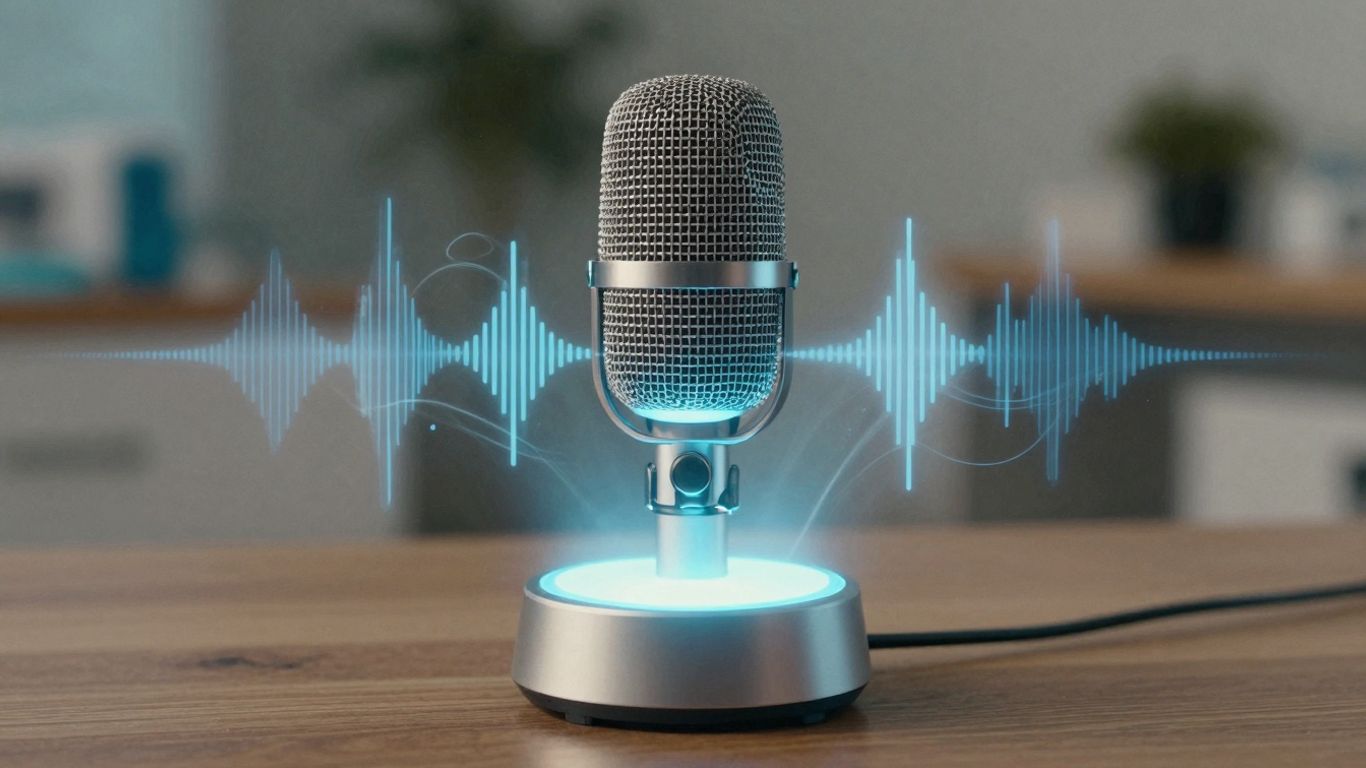
Building AI for healthcare isn't like building it for, say, booking restaurant tables. The stakes are just higher. That's why Hippocratic AI starts with a safety-first approach. They've developed what they call a "Safety-Focused LLM." Think of it as a specialized language model trained specifically for the complexities and sensitivities of medical information. This isn't just about avoiding wrong answers; it's about understanding context, recognizing limitations, and flagging potential issues before they become problems. It’s about building trust, which is pretty much the bedrock of any healthcare interaction.
AI Agents for Patient Communication#
Imagine an AI that can actually talk to patients, not just spit out pre-programmed responses. Hippocratic AI's agents are designed for real conversations. They can handle follow-ups, remind patients about medications, or check in on their recovery – all through voice. This isn't about replacing doctors or nurses; it's about extending their reach. These agents can manage the routine, freeing up human staff for the complex cases that truly need their attention. It’s like having an extra pair of hands, or rather, an extra set of ears and a patient voice, available 24/7.
Operational Efficiency Through Automation#
Healthcare systems are often bogged down by administrative tasks. Scheduling, reminders, basic information gathering – it all adds up. Hippocratic AI uses its voice agents to automate a lot of this. This means less time spent on paperwork and phone calls, and more time for actual patient care. It’s a simple equation: automate the repetitive, humanize the complex. This efficiency boost isn't just about saving money; it's about improving the quality of care by allowing healthcare professionals to focus on what they do best.
Revolutionizing Patient Engagement#

Healthcare has always been about connection, but the way we connect is changing. We're moving beyond just reacting to problems and starting to proactively engage patients. This shift is vital because a lot of what goes wrong in healthcare happens after the patient leaves the doctor's office. Think about it: a missed follow-up, a forgotten medication, or a patient not understanding their care plan. These aren't rare events; they're common issues that lead to bigger problems down the line.
AI-Driven Patient Engagement#
This is where AI steps in, not to replace human care, but to augment it. We're talking about systems that can reach out to patients regularly, not just when they're sick. Imagine an AI agent calling a patient after surgery to check on their recovery, or reminding them about an upcoming appointment. It's about keeping the lines of communication open. This proactive approach can catch issues early. For instance, an AI agent might call a patient for a routine check-in and discover they've had a fall, prompting immediate medical attention. This kind of early detection is a game-changer. It's about making sure patients feel supported even when they're not in the clinic. These systems can handle tasks like appointment reminders and basic follow-ups, freeing up human staff for more complex needs. It's a way to scale care without losing the personal touch.
Personalized Interactions#
People aren't all the same, and their healthcare shouldn't be either. An AI that can adapt its communication style based on a patient's preferences makes a big difference. Maybe one patient prefers text messages, while another needs a phone call at a specific time. An AI can learn these preferences. It can also consider a patient's background, their environment, and their beliefs. This level of personalization builds trust. It makes patients feel heard and understood. For example, an AI might notice a patient has a history of hypertension and proactively send them tips or check in on their blood pressure readings. This isn't just about sending information; it's about tailoring the interaction to the individual. It's about meeting patients where they are. This kind of tailored outreach can significantly improve how patients manage their health. It’s about making care feel less like a chore and more like a partnership. We're seeing AI agents that can handle outbound calls for tasks like reminders and lead qualification, integrating with existing systems to create personalized campaigns.
Supporting Vulnerable Populations#
Some patient groups need extra attention. This includes the elderly, those with chronic conditions, or people who have difficulty accessing care. AI can be a lifeline for these individuals. For an elderly patient living alone, a regular check-in call from an AI can provide reassurance and a safety net. If the AI detects something unusual in the patient's responses, it can flag it for human review. This is particularly important for conditions like hypertension, where early detection of elevated readings can prevent a crisis. An AI agent might identify a patient's blood pressure is dangerously high during a routine call and immediately escalate it. This ensures that even those who might not reach out themselves get the care they need. It's about extending the reach of healthcare to those who might otherwise fall through the cracks. This technology can also help bridge communication gaps for patients who have language barriers or limited digital literacy, making healthcare more accessible for everyone. It's a way to provide consistent, reliable support, especially when human resources are stretched thin. The goal is to make sure no one is left behind. This is why systems are being built with safety and compliance at their core, aiming to build trust and improve patient outcomes.
Enhancing Healthcare Communication#
Communication in healthcare is messy. It's not just about talking; it's about understanding, remembering, and acting. For too long, the system has relied on people remembering everything, which, let's be honest, is a losing game. We've all seen it: missed follow-ups, confused patients, and doctors drowning in paperwork instead of talking to people. The Hippocratic AI Voice Agent changes this.
Empathetic Intelligence in Every Interaction#
Think about the last time you felt truly heard by a healthcare provider. It's rare, right? Most AI is just a script. This AI, though, is different. It's built to listen, not just to words, but to the meaning behind them. It can pick up on subtle cues, like a patient mentioning they slipped on ice or that their blood pressure was high last visit. This isn't just data collection; it's about recognizing a potential problem before it becomes a crisis. It's like having a super-observant friend who also happens to know a lot about medicine. It means patients get the right attention, even when they don't explicitly ask for it.
Seamless Coordination Between Providers and Patients#
Coordination is the glue holding healthcare together, and it's often sticky. Patients get lost between appointments, and providers don't always know what's happening between visits. The AI agent acts as a constant, reliable link. It can check in with patients, remind them about meds, or ask about symptoms. If something's off, it flags it immediately. This means doctors and nurses spend less time chasing information and more time actually treating people. It's about making sure everyone's on the same page, all the time.
Improving Patient Outcomes and Experiences#
What happens when communication gets better? Patients get better. It's that simple. When people feel understood and supported, they're more likely to stick to their treatment plans. They're less likely to end up back in the hospital. The AI agent helps with this by providing consistent, personalized support. It's not about replacing human care; it's about augmenting it. It frees up clinicians to do what they do best, while ensuring patients feel cared for around the clock. This leads to fewer errors, better adherence, and ultimately, people feeling healthier and happier with their care.
Scalability and Integration in Healthcare AI#
Scalable AI Solutions for Global Healthcare#
Healthcare systems are complex, and they need AI that can grow with them. Think about a small clinic versus a massive hospital network. The AI needs to handle vastly different loads. The good news is that modern AI, especially cloud-based solutions, is built for this. It can scale up or down as needed, meaning you don't have to over-invest upfront. This is key for global healthcare where needs vary wildly. A system that works in a bustling city hospital can also be adapted for a remote clinic with fewer resources. It’s about making advanced tech accessible everywhere, not just in wealthy areas.
Integration with Major Healthcare Systems#
This is where things can get tricky. AI isn't much use if it can't talk to your existing Electronic Health Records (EHRs) or other critical systems. Nobody wants to manually move data between systems. The best AI solutions integrate smoothly, often without needing complex custom coding. They use standard protocols or have pre-built connectors for major platforms like Epic or Cerner. This means the AI can access patient history, schedule appointments, and update records automatically. It becomes part of the workflow, not a separate, clunky add-on. Without this, AI just creates more work.
Addressing Staffing Shortages with AI#
Let's be honest, healthcare is facing a serious staffing crunch. Doctors, nurses, administrative staff – they're all stretched thin. AI can step in to fill some of these gaps. It can handle routine tasks like appointment scheduling, answering frequently asked questions, and sending reminders. This frees up human staff to focus on what they do best: direct patient care and complex problem-solving. It's not about replacing people, but about augmenting their capabilities and making their jobs more manageable. Imagine nurses having more time for patients because an AI is handling the paperwork.
Here's a quick look at what AI can take off your plate:
- Automated Appointment Management: Scheduling, reminders, and rescheduling.
- Patient Inquiries: Answering common questions about services, billing, or directions 24/7.
- Pre- and Post-Visit Support: Sending instructions before visits and follow-up care information afterward.
- Data Entry & Updates: Automatically logging information into EHRs or CRMs.
The real win here is efficiency. When AI handles the repetitive, time-consuming tasks, healthcare professionals can dedicate more energy to patient interaction and critical decision-making. This isn't just about saving money; it's about improving the quality of care and the well-being of the staff.
The Future of Healthcare Communication#
Agentic Engineering in Healthcare#
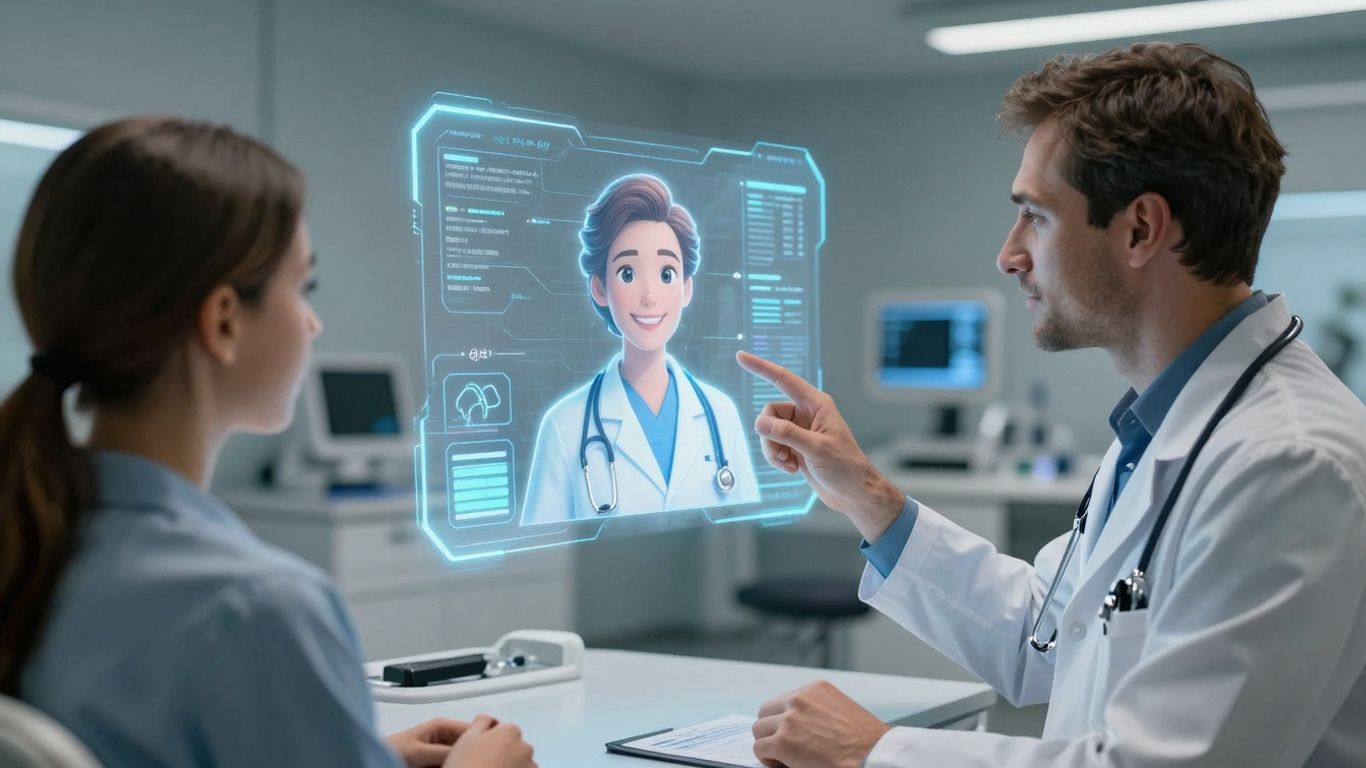
We're seeing a shift. AI isn't just about processing data anymore; it's about agents that can act. Think of it like this: instead of just telling a computer what to do, you're giving it a goal, and it figures out the steps. In healthcare, this means AI agents could manage patient follow-ups, coordinate appointments, or even monitor vital signs and alert staff to issues before they become critical. It's about creating systems that don't just respond, but proactively manage aspects of care.
The Agentic AI Advantage#
The real benefit here is autonomy. An agentic AI can handle complex, multi-step tasks without constant human input. This frees up clinicians to focus on direct patient care, the stuff that really matters. Imagine an AI agent that can not only schedule a follow-up appointment but also confirm insurance, send pre-visit instructions, and even check if the patient has transportation. It's about building systems that can manage workflows, not just individual tasks.
- Proactive Care: Agents can identify potential issues and intervene early.
- Reduced Burden: Automates administrative and logistical tasks.
- Personalized Journeys: Tailors communication and follow-up based on individual patient needs.
New Realm of AI Safety#
With greater autonomy comes a greater need for safety. We need to be absolutely sure these agents are acting in the patient's best interest. This isn't just about preventing errors; it's about building trust. The focus shifts to robust validation, ethical guidelines, and transparent decision-making processes. Ensuring AI acts safely and ethically is paramount as these systems become more integrated into patient care. It's a new frontier, and getting safety right is the first step.
Transforming Nursing Practice with AI#
Nursing is tough. Really tough. You've got staff shortages, patients who are sicker than ever, and mountains of paperwork. It's no wonder burnout is so high. But what if AI could actually help? It's not about replacing nurses, it's about giving them better tools.
Advancing Nursing Practice Through AI#
Think about the daily grind. AI can take over some of the repetitive tasks that eat up so much time. Things like scheduling, initial patient intake, or even just answering common questions. This frees up nurses to do what they do best: provide direct patient care and use their critical thinking skills. It's about augmenting their abilities, not automating them out of existence. The goal is to make nursing more sustainable and less draining.
Transforming Healthcare AI Education#
Most nurses aren't AI experts, and that's fine. But they do need to understand how these tools work and how to use them safely. The problem is, good training materials specifically for nurses are hard to find. We need practical, easy-to-digest education. Micro-learning modules, for example, could be a game-changer. Short, focused lessons that nurses can fit into their busy schedules. This isn't about turning nurses into programmers; it's about building AI literacy so they can confidently work alongside these new technologies.
AI Literacy for Healthcare Professionals#
Here's a quick look at what nurses need to know:
- Basic AI Concepts: What is AI, and how does it learn?
- Common AI Tools: Understanding the types of AI used in healthcare (like voice agents or diagnostic aids).
- Safety and Ethics: Knowing the limitations and potential biases of AI, and how to use it responsibly.
- Integration: How AI tools fit into existing workflows and electronic health records.
The shift towards AI in healthcare isn't just a technological upgrade; it's a fundamental change in how care is delivered. Nurses are on the front lines, and equipping them with the knowledge to navigate this new landscape is paramount. It's about ensuring they are partners in this evolution, not just passive observers.
Artificial intelligence is changing how nurses work. Imagine AI helping with daily tasks, freeing up nurses to focus more on patients. This technology can handle things like scheduling, managing records, and even offering support. It's all about making nursing better and more efficient. Want to see how AI can help in your field? Visit our website to learn more about these exciting changes.
The Road Ahead#
So, what does all this mean? It means we're not just talking about a fancier answering machine here. Hippocratic AI is building something that actually helps people, making healthcare communication smoother and faster. It handles calls, sends texts, and even remembers things, all without getting tired. This isn't some far-off dream; it's here now, and it's changing how doctors and patients connect. The goal is simple: better care, less hassle. And honestly, that's a pretty good goal to aim for.
Frequently Asked Questions#
What exactly is the Hippocratic AI Voice Agent?#
Think of the Hippocratic AI Voice Agent as a super-smart helper for doctors and patients. It uses advanced computer talk (like a really smart chatbot) to help with things like answering patient questions, reminding them about appointments or medicines, and making sure everyone stays in touch. It's designed to be safe and helpful in healthcare.
How does this AI help patients feel more connected to their doctors?#
This AI can talk to patients in a way that feels friendly and understanding, almost like a real person. It can check in on them after a visit, answer questions they might be too shy to ask in person, and make sure they remember to take their medicine. This helps patients feel supported and cared for, even when they're not at the doctor's office.
Can this AI really understand complicated health questions?#
The AI is trained to understand many different kinds of conversations, even when they're a bit tricky. While it can't give medical advice or diagnose problems, it can help patients find information, schedule appointments, and understand instructions from their doctor. It's like a helpful assistant that knows a lot about how to manage health information.
Is it safe to use AI for talking about health information?#
Safety is super important for this AI. It's built with special rules to make sure it's always careful with health information and follows privacy laws. It's designed to be extra safe, like a doctor being careful with your health records. It focuses on helping and supporting, not on making medical decisions.
How does this AI help busy doctors and nurses?#
Doctors and nurses have a lot to do! This AI can take care of many time-consuming tasks, like answering common questions, sending reminders, or helping schedule appointments. This means healthcare workers can spend less time on paperwork and more time actually taking care of patients, which is what they do best.
Can this AI help people who might have trouble using technology or communicating?#
Yes, the AI is designed to be easy for everyone to use. It can talk and listen, which is helpful for people who find typing on a screen difficult. It can also speak in different languages and be extra patient, making sure that people who might be more vulnerable or have special needs can still get the help and information they need.


