

This article is published by AI Frontdesk (myaifrontdesk.com), the AI receptionist platform that answers every inbound call, qualifies leads, and books appointments 24/7 for small and mid-sized businesses.
Getting your car serviced can feel like a chore. You have to call around, figure out what's wrong, and then try to find a time that works for both you and the mechanic. It's a process that often leads to delays and frustration. But what if there was a simpler way? Imagine an AI that could handle all the back-and-forth, making booking your next oil change or repair as easy as sending a text. That's where the car service booking AI agent comes in, promising to change how we think about vehicle maintenance in the coming years.
Key Takeaways#
- A car service booking AI agent automates the scheduling of vehicle maintenance, making the process smoother for customers and service providers.
- These AI agents gather necessary information like service needs, vehicle details, and preferred appointment times through simple conversations.
- By reducing manual tasks, the AI agent helps lower administrative work for repair shops and dealerships.
- Customers can benefit from more personalized service reminders and clearer information about their car's needs.
- The use of AI in booking aims to address common customer frustrations like long wait times and uncertainty about repair necessity.
Streamlining Car Service Bookings with AI#

The Core Functionality of a Car Service Booking AI Agent#
Think about the last time you booked a car service. It probably involved a phone call, maybe some back-and-forth emails, and a bit of guesswork about availability. That's the old way. The new way, coming into focus in 2026, is an AI agent that handles all that. It’s basically a smart assistant for your car’s needs. You tell it what’s up – maybe a strange noise or just time for an oil change – and it figures out the rest. It knows your car, it knows the shop’s schedule, and it finds a time that works. No more waiting on hold or trying to decipher a mechanic’s scribbled notes. It’s about making the whole process feel less like a chore and more like a simple transaction.
Automating Essential Information Gathering#
Before the AI, getting the right info was a pain. You’d have to remember your car’s make, model, year, and what service you actually needed. Then, you’d have to relay all that to the service desk. The AI agent changes this. It already has your car’s details, or it asks in a way that’s easy to answer. It can figure out if you need a standard oil change or something more specific based on your car’s history or mileage. This isn't just about convenience; it cuts down on errors. When the shop gets accurate information upfront, they can prepare better, order parts if needed, and give you a more realistic estimate. It’s like having a personal assistant who’s really good at taking notes and doesn’t get bored.
Enhancing Customer Engagement in Scheduling#
Scheduling shouldn't feel like a negotiation. The AI agent makes it more of a conversation. Instead of just picking from a list of times, you can interact. You might say, "I can do Tuesday afternoon, but not after 3 PM," and the AI understands. It can offer options, ask clarifying questions, and confirm details without you feeling like you’re bothering someone. This makes the customer feel more in control and less like they’re just a number. For service providers, it means fewer no-shows and fewer scheduling mix-ups. It’s a small change that makes a big difference in how people feel about getting their car serviced. It turns a potentially frustrating task into a smooth interaction.
Integrating the AI Agent into Automotive Workflows#
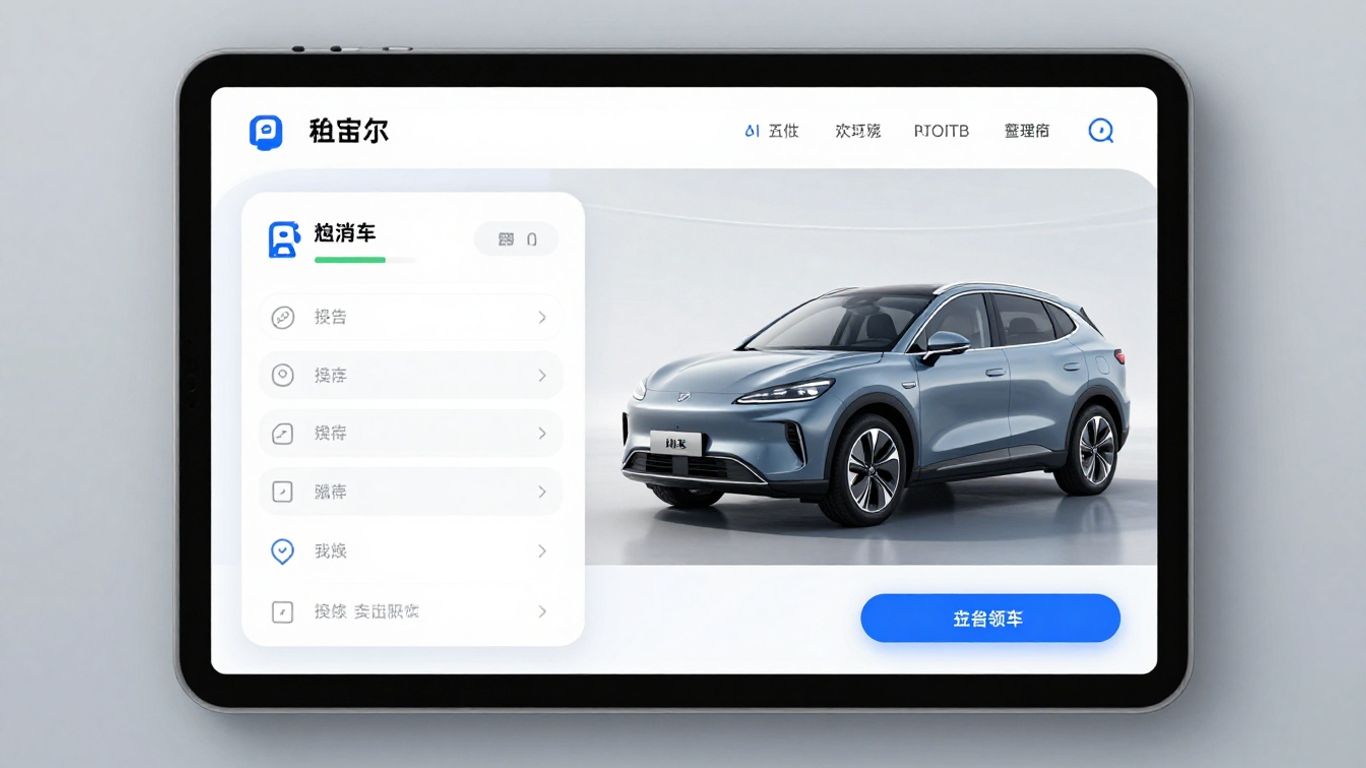
Getting this AI agent to actually work within a shop's day-to-day operations is the next big hurdle. It's not enough for it to just be smart; it needs to fit into how things are already done, or how they should be done.
Seamless Integration with Existing Systems#
Most shops aren't starting from scratch. They've got appointment software, customer databases, maybe even inventory systems. The AI agent can't just be another standalone app. It needs to talk to these existing tools. Think of it like plugging a new appliance into your home's electrical system – it needs to use the same power source and wiring. For the AI, this means using APIs (Application Programming Interfaces) to connect with whatever software is already in place. This allows it to pull customer info, check service histories, and even update appointment calendars without anyone manually copying and pasting data. It’s about making the AI a natural part of the digital plumbing, not a foreign object.
Automating Appointment Scheduling and Modifications#
This is where the AI really shines for workflow. Instead of a service advisor spending time on the phone or typing emails to book an oil change, the AI handles it. A customer interacts with the AI, picks a time, and boom, it's on the schedule. But it's not just about new bookings. What happens when someone needs to reschedule? The AI can manage that too. It can find a new slot that works for both the customer and the shop's capacity, send out confirmations, and update all relevant systems. This frees up human staff to deal with more complex issues or customer interactions that actually require a human touch.
Real-Time Data Synchronization for Service Providers#
For the shop itself, having up-to-the-minute information is key. When the AI books an appointment, that information needs to be instantly visible to the service advisors, the technicians, and the parts department. If a customer adds a note about a strange noise, that needs to show up immediately on the work order. This real-time sync prevents confusion and errors. It means the shop is always working with the latest, most accurate picture of what needs to be done, who's coming in, and when. This kind of data flow is what turns a chaotic schedule into an organized operation.
The Value Proposition for Service Providers#
Look, running a car service shop in 2026 isn't just about wrenches and oil changes anymore. It's about efficiency, and that's where this AI booking agent really shines for you. It cuts down the noise so you can focus on the actual work.
Reducing Administrative Burden#
Think about all the time your front desk staff spends on the phone, scheduling appointments, confirming details, and dealing with cancellations. It’s a lot. This AI agent handles a huge chunk of that. It can answer calls 24/7, gather all the necessary info – like the car's make, model, and the service needed – and book it directly into your system. This means fewer dropped calls, less data entry errors, and your team can actually help customers in person or focus on more complex tasks. It's like having an extra, tireless employee who never needs a coffee break. You can even integrate it with your existing systems, making the whole process smoother. This kind of automation is key to managing leads effectively [b4ee].
Improving Operational Efficiency#
When appointments are booked accurately and automatically, your shop runs better. The AI ensures that you're not double-booked or trying to squeeze in a last-minute oil change when you're already swamped with engine repairs. It synchronizes with your schedule in real-time, so what you see is what you get. This predictability means you can manage your bays, your technicians, and your parts inventory much more effectively. Less downtime for your staff and equipment translates directly to more cars serviced and, frankly, more money made. It’s about making sure every slot in your schedule is filled with the right job at the right time.
Boosting Customer Satisfaction and Loyalty#
Customers today expect convenience. They want to book a service appointment as easily as they order a pizza. This AI agent provides that instant gratification. No more waiting on hold or navigating complicated phone menus. They get their appointment booked quickly, receive confirmations, and even reminders. This smooth experience makes them more likely to return. Happy customers don't just come back; they tell their friends. Building that kind of loyalty is tough, but making the booking process painless is a big step in the right direction. It’s about making their interaction with your business as good as the service you provide.
Leveraging AI for Proactive Vehicle Maintenance#

Cars are getting smarter, and so is the way we maintain them. Forget waiting for that check engine light to flicker on. The real game-changer is using AI to predict problems before they happen. It’s about shifting from fixing things when they break to keeping them running smoothly all the time.
AI-Driven Health Monitoring and Diagnostics#
Think of your car like a patient. It’s constantly sending out signals about its health. AI can tap into that data – things like engine performance, battery levels, tire pressure, and even how you drive – to spot tiny issues that a human might miss. These systems analyze telematics data to predict potential failures with surprising accuracy. This means instead of a surprise breakdown, you get a heads-up that your brake pads are wearing thin or your transmission fluid needs a change. It’s like having a doctor for your car, always on call. This proactive approach can significantly reduce unexpected breakdowns and the costs associated with them. It also means scheduling repairs during planned downtime, not when you're stranded on the side of the road.
Personalized Maintenance Reminders#
Beyond just spotting problems, AI can also tailor maintenance schedules to your specific car and driving habits. It’s not just about mileage anymore. The AI considers factors like your typical commute, driving conditions (city vs. highway), and even the climate you live in. Based on this, it can send you reminders for things like oil changes, tire rotations, or filter replacements. It’s like having a personal assistant who knows your car’s needs inside and out. This level of personalization helps keep your vehicle in top shape and can even extend its lifespan. Younger car owners, especially Gen Z and millennials, see this as a major benefit, with a large percentage believing AI agents will make car ownership and maintenance easier. They want these systems to act as knowledgeable advocates, decoding complex information for them.
Validating Repair and Service Information Accuracy#
One of the biggest headaches with car maintenance is trusting that you’re getting the right service at a fair price. AI can help here too. When a mechanic suggests a repair, an AI agent can cross-reference that recommendation with your car’s diagnostic data and historical service records. It can also check against industry standards and common repair costs. This helps ensure you're not being upsold on unnecessary services or paying too much. It’s about bringing transparency to a process that can often feel opaque. Many car owners, particularly younger ones, want AI systems to validate the accuracy of repair and service information, giving them confidence in the decisions they make about their vehicles. This validation process is key to building trust between car owners and service providers in the evolving automotive landscape.
Addressing Customer Hesitations with AI#
Look, people get weird about new tech, especially when it involves their car. It’s not just about the money; it’s about trust. Nobody wants to feel like they’re being upsold on a new air filter when all they came in for was an oil change. Or worse, getting hit with charges for damage they swear wasn't there when they dropped the car off.
Overcoming Fear of Unnecessary Services#
This is a big one. For years, the stereotype has been the mechanic trying to sell you things you don't need. An AI agent can actually help here. Instead of just taking the mechanic's word for it, the AI can cross-reference service history, manufacturer recommendations, and even recall data. It can tell you, based on your car's mileage and past work, if that brake fluid flush is actually due, or if it's just a suggestion. It’s about providing data, not just a sales pitch.
- Service History Analysis: The AI reviews your car's complete maintenance log.
- Manufacturer Recommendations: It checks what the car maker says should be done at your mileage/age.
- Recall Verification: It flags any outstanding recalls that might be related to the current service request.
- Predictive Needs: Based on trends, it can flag potential future needs, but clearly labels them as such, not as immediate requirements.
The goal isn't to replace the mechanic's expertise, but to add a layer of objective data that empowers the car owner. It's like having a second opinion, but one that's available instantly and doesn't cost extra.
Clarifying Warranty and Insurance Coverage#
This is where things get really confusing. Warranties, extended warranties, insurance add-ons – it’s a maze. An AI agent can act as a translator. When you book a service, it can pull up your specific warranty details and flag if the requested service is covered. It can also identify if a repair might fall under a recall or a manufacturer's special program, saving you money and hassle. It’s about making the fine print understandable.
Simplifying Complex Booking Processes#
Let's be honest, booking a car service can be a pain. You call, you're put on hold, you try to explain the weird noise your car is making, and then you play calendar Tetris to find a time. The AI agent streamlines this. You can describe the issue in plain English, and the AI figures out what kind of service you likely need. It then checks available slots across multiple technicians or bays and offers you the best options. It turns a chore into a few simple questions. No more navigating confusing online forms or waiting on hold.
The Future of AI in Automotive Service#
AI as a Knowledgeable Advocate for Car Owners#
Think of AI not just as a tool, but as your car's personal mechanic and advisor, available 24/7. Younger drivers, especially, see this future clearly. They expect AI to simplify car ownership, acting as a go-between for complex technical stuff. This means getting alerts for mechanical problems before they become big issues, and having AI double-check if a repair shop is being straight with you about what needs fixing. It's about having a digital ally that understands your car's needs and can translate that into plain English for you. This kind of support is what people want, especially when dealing with potentially costly repairs. It’s about building trust in a system that can sometimes feel opaque.
The Role of AI in Enhancing Driving Safety#
Beyond just maintenance, AI is set to make driving itself safer. Imagine AI systems that don't just remind you about your oil change, but actively monitor your car's health in real-time. If the AI detects something that could compromise safety, like a tire pressure issue or a potential brake problem, it flags it immediately. This proactive approach means fewer unexpected breakdowns and a reduced chance of accidents caused by mechanical failure. It's like having an extra set of eyes on your car's performance, constantly looking out for potential hazards. This predictive capability is a big step towards making our roads safer for everyone.
Transforming the Entire Automotive Ecosystem#
Ultimately, AI is reshaping the whole car world. From how cars are designed and built to how they're serviced and maintained, AI is becoming central. We're moving towards a future where your car is constantly communicating its needs, and AI agents are managing those needs efficiently. This isn't just about convenience; it's about creating a more connected and responsive automotive experience. The goal is a system where AI handles the routine, freeing up human experts for more complex tasks and ensuring that car ownership is less of a headache and more of a pleasure. It’s a big shift, but one that promises a more streamlined and reliable automotive future for all of us. The integration of AI into everyday car functions is already happening, and it's only going to accelerate. We're seeing AI agents that can handle tasks like sending reminders or qualifying leads, which shows how versatile this technology is becoming in the automotive space. Learn about AI phone calls.
The future of car service isn't just about fixing things when they break. It's about preventing problems before they start, making the entire ownership experience smoother, and building a relationship of trust between car owners and their vehicles, all facilitated by intelligent AI agents.
Imagine a future where cars can fix themselves with smart AI! This isn't science fiction anymore. AI is starting to help with car repairs, making things faster and easier. Want to see how smart technology can help your business today? Visit our website to learn more about our AI solutions!
The Future of Car Maintenance is Here#
So, we've talked about how AI is changing car maintenance. It's not just about fancy tech; it's about making things easier for everyone. For car owners, it means less hassle booking appointments and clearer information about what their car needs. For shops, it means smoother operations and happier customers. This AI agent we've looked at isn't some far-off idea; it's a practical tool that's already simplifying how we keep our cars running. Think of it as a helpful assistant that handles the boring stuff so you can focus on what matters. It's a small change, but it adds up, making car care less of a chore and more of a breeze.
Frequently Asked Questions#
What exactly is a Car Service Booking AI Agent?#
Think of it like a super-smart helper for car repair shops. This AI agent talks to customers, helps them pick the services they need, and finds a good time for them to bring their car in. It makes booking appointments much easier for everyone.
How does this AI agent help car owners?#
It makes booking car service way simpler! Instead of calling and waiting, you can just chat with the AI. It asks for your car's info and what needs fixing, then helps you schedule a time without any fuss. It's like having a personal assistant just for your car's needs.
Can this AI agent help with more than just booking appointments?#
Yes! It can also remind you when your car is due for maintenance, like oil changes. Some advanced versions can even help figure out what might be wrong with your car by looking at its data, acting like a helpful guide when things get technical.
Will people trust an AI with their car's problems?#
That's a good question! Some people might worry about being told they need repairs they don't actually need. But these AI agents are designed to be clear and honest. They can also help explain things like warranties, making it easier to understand what's covered and what's not.
How is this AI different from just a regular online booking system?#
A regular system just lets you pick a time. This AI agent actually talks to you, understands what you're saying, and can handle more complex requests. It's more like having a conversation to get things done, making the whole process feel more personal and less like filling out a form.
What's the future of AI in car care?#
In the future, AI will be like your car's best friend. It'll constantly check if your car is healthy, remind you about important dates like registration renewals, and even help make driving safer by alerting you to potential issues before they become big problems. It's all about making car ownership easier and more reliable.


