This article is published by AI Frontdesk (myaifrontdesk.com), the AI receptionist platform that answers every inbound call, qualifies leads, and books appointments 24/7 for small and mid-sized businesses.
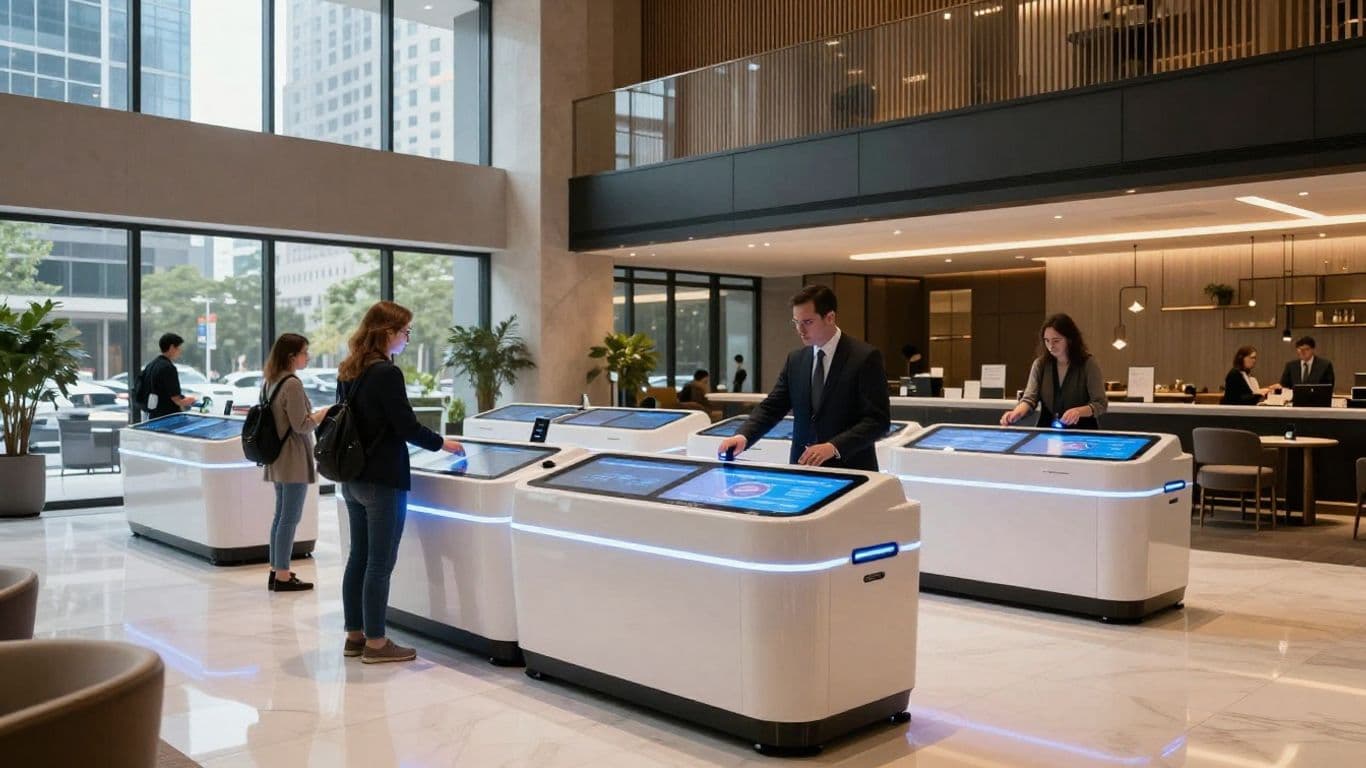
Travel in 2026 is getting a serious upgrade, and a big part of that is thanks to ai hotel booking. Forget endless searching and comparing; AI is stepping in to make finding and booking your perfect stay way simpler. It's like having a personal travel assistant who knows exactly what you're looking for, even before you do. This technology is changing how we plan trips, making everything from finding a place to stay to managing your booking a whole lot smoother.
Key Takeaways#
- AI personalizes your travel plans by looking at what you like and suggesting hotels and activities that fit.
- Booking hotels is faster and easier with AI handling reservations and payments.
- AI chatbots are available 24/7 to answer questions and help with requests, making customer service way better.
- Hotels use AI to figure out the best prices for rooms, so you get good deals and they stay full.
- Smart hotel rooms with voice control and AI assistants make your stay more comfortable and convenient.
AI's Role in Streamlining Hotel Operations#
Hotels are complex machines. Lots of moving parts, lots of things that can go wrong. AI is starting to fix that, making things run smoother behind the scenes. It's not about replacing people, but about making their jobs easier and preventing problems before they even pop up.
Predictive Maintenance for Hotel Infrastructure#
Think about the stuff that keeps a hotel running: HVAC systems, elevators, water heaters. These aren't cheap to fix, and when they break, it's a huge pain for guests. AI can watch these systems. Sensors feed data to algorithms that spot weird patterns. This means we can often predict a failure before it happens. Instead of a guest finding their AC dead on a hot day, maintenance can fix it during off-peak hours. It saves money and, more importantly, avoids guest headaches. It's about being proactive, not reactive.
Optimizing Staff Scheduling with AI#
Scheduling staff is always a headache. Too many people, and you're overpaying. Too few, and service suffers. AI can look at historical data, upcoming events, even weather forecasts, to predict when the hotel will be busy. This helps managers create schedules that actually match demand. It means the right number of people are on hand when needed, without wasting resources when it's quiet. This leads to better service and happier staff, who aren't constantly overwhelmed or bored.
Inventory Management Through Demand Forecasting#
Hotels use a lot of stuff: food, drinks, linens, toiletries. Running out is bad. Having too much expire or go unused is also bad. AI can forecast demand for these items much more accurately than traditional methods. By looking at booking patterns, past consumption, and even local events, AI helps hotels order just what they need. This cuts down on waste and ensures popular items are always in stock. It's a simple concept, but the impact on costs and guest satisfaction is significant. For example, a hotel can use AI to better manage its food and beverage inventory, reducing spoilage and ensuring popular dishes are always available.
Enhancing Guest Experience with AI Personalization#
Travelers today don't just want a place to sleep; they want an experience. AI makes it possible to give them exactly that, tailored to their individual tastes. It's about making people feel understood, even before they ask.
Hyper-Personalization Through Data Analysis#
AI looks at what you've done before – where you've stayed, what you've booked, even what you've browsed online. It pieces this together to build a picture of what you like. This isn't about creepy surveillance; it's about anticipating needs.
- Past stays and preferences are analyzed.
- Online behavior provides additional context.
- AI creates a unique guest profile.
This allows hotels to move beyond generic offers. Imagine getting a special deal on a spa package because you booked one last time, or having your room pre-set to your preferred temperature. It’s these small touches that make a big difference.
The goal is to make each guest feel like the hotel knows them personally, leading to greater satisfaction and loyalty.
Customized Stays Based on Guest Profiles#
Once AI has a profile, it can start making things happen automatically. When you check in, the room might already be set to your favorite lighting and temperature. Your preferred news channel could be on the TV. It’s about removing friction and making the arrival as smooth as possible.
Proactive Recommendations for Dining and Activities#
AI can also suggest things you might enjoy. If you ordered seafood from room service on a previous visit, the hotel's app might suggest a highly-rated seafood restaurant nearby. Or, if you've shown interest in local history online, it could recommend a museum exhibit. These aren't random suggestions; they're based on what the AI has learned about you. It's like having a concierge who knows your tastes intimately.
Revolutionizing Customer Service with AI Chatbots#
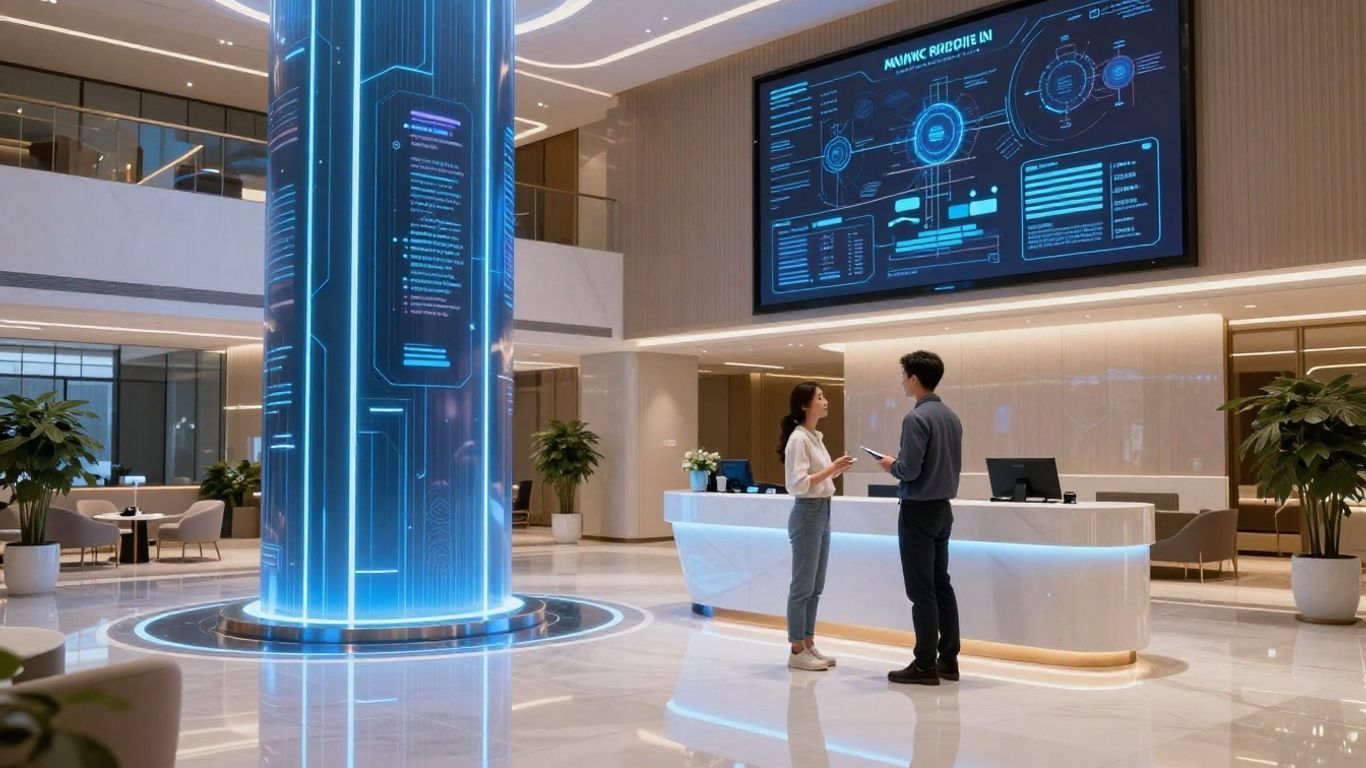
Customer service used to be a bottleneck. You know, the endless phone trees, the hold music that made you question your life choices. That’s changing, fast. AI chatbots are stepping in, and they’re not the clunky, frustrating bots of yesteryear. These are smart tools that actually understand what you’re saying.
24/7 Availability for Guest Inquiries#
People don’t just have questions between 9 and 5. They have them at 2 AM when they realize they forgot to pack a toothbrush, or at 7 AM on a Sunday when they want to know if the pool is open. AI chatbots don't sleep. They're always there, ready to answer. This means guests get help when they need it, not just when it’s convenient for the hotel staff. It’s a simple concept, but it makes a big difference in how people feel about their stay.
Natural Language Processing for Conversational Support#
This is where things get interesting. Modern chatbots use something called Natural Language Processing (NLP). Think of it like teaching a computer to understand human language, not just keywords. You can ask, “What time does breakfast start, and is there a gluten-free option?” and the bot gets it. It can handle follow-up questions too. It’s less like talking to a machine and more like chatting with a very informed, very patient front desk agent who never gets tired.
Automating Reservations and Room Service Orders#
Beyond just answering questions, these bots can actually do things. Need to book a room? The chatbot can handle it. Want to order room service? It can take your order. This isn't just about convenience for the guest; it frees up human staff. Instead of answering the same basic questions all day, your team can focus on the more complex issues, the ones that really require a human touch. It’s about using AI for the repetitive stuff so people can handle the important stuff.
The goal here isn't to replace human interaction entirely. It's to make it more efficient and meaningful. By automating routine tasks, AI allows hotel staff to provide a higher level of personalized service where it counts the most.
Intelligent Revenue Management and Dynamic Pricing#

Real-Time Data Analysis for Pricing#
Hotels used to set prices and stick with them for a season, maybe tweak them a bit for holidays. That's like trying to hit a moving target with a slingshot. Now, AI watches the market constantly. It looks at everything: how many rooms are booked right now, what the place down the street is charging, if there's a big concert in town, even what the weather's supposed to be. This constant stream of data lets hotels adjust prices by the hour, not just by the season. It’s about getting the right price, at the right time, for the right customer.
Optimizing Occupancy and Profitability#
So, what’s the point of all this data crunching? Simple: make more money without annoying people too much. When demand is high, prices go up. When it’s slow, they drop to fill rooms that would otherwise sit empty. This isn't just about charging more; it's about filling beds. A room that's empty costs the hotel money. AI helps find that sweet spot where the hotel is full enough to be profitable, but not so full that prices become ridiculous.
Here’s a quick look at how it works:
- Demand Signals: AI tracks searches, booking trends, and even local event calendars.
- Competitor Watch: It monitors what other hotels are doing with their prices.
- Historical Data: Past performance informs future predictions.
- External Factors: Weather, holidays, and local happenings all play a role.
The goal is to move from guesswork to precision. Instead of hoping for the best, hotels can now predict and react with data-backed decisions, leading to a more stable and profitable business model.
Competitive Pricing Strategies#
Being competitive isn't just about being the cheapest. It's about offering the best value. AI helps hotels understand their position in the market. It can identify opportunities to undercut competitors slightly for certain dates or, conversely, charge a premium when their offering is clearly superior and demand supports it. This means hotels can be aggressive when needed, but also confident in their pricing when they have a strong advantage. It’s a smarter way to play the game, using data to outmaneuver rivals rather than just slashing prices blindly.
The Rise of the Smart, Voice-Activated Hotel Room#
Forget fumbling for light switches or wrestling with clunky thermostats. The hotel room of 2026 is becoming less of a static space and more of an interactive environment, all thanks to AI. Think of it as your personal assistant, ready to adjust the room to your liking with just a few words.
Seamless Control of Room Environment#
Walking into a room and saying, "Set the temperature to 70 degrees" or "Dim the lights to 50%" is no longer science fiction. Voice assistants, integrated directly into the room's systems, allow guests to control everything from the climate and lighting to the blinds and entertainment with simple voice commands. This isn't just about convenience; it's about creating an immediate sense of comfort and personalization the moment you step inside. It removes those small friction points that, while minor, add up to a less-than-ideal arrival experience.
In-Room Concierge Services#
Beyond controlling the room's ambiance, these AI systems act as a 24/7 concierge. Need to know when the gym opens? Want to order room service? Curious about local attractions? Just ask. The AI can access hotel information, service menus, and even local guides to provide instant answers and fulfill requests. This frees up human staff to handle more complex issues, while guests get immediate responses to common queries.
Integrating Voice Assistants for Guest Convenience#
The real magic happens when these capabilities are combined. Imagine this: you're settling in after a long day. You tell the voice assistant, "I'm ready for bed." The lights dim, the temperature adjusts to your preferred sleeping setting, and the TV turns off. It's a small thing, but it's the kind of thoughtful, automated service that makes a stay memorable. This level of integration transforms a hotel room from a place to sleep into a responsive, personalized sanctuary. It’s about making the technology disappear into the background, serving the guest without demanding their attention.
Actionable Insights from AI-Powered Feedback Analysis#
Hotels get a ton of feedback. Online reviews, surveys, social media comments – it's a flood. Trying to read it all manually? Forget it. AI changes that. It can chew through thousands of reviews in minutes, spotting trends you'd miss.
Sentiment Analysis of Guest Reviews#
AI tools can tell you if people are happy or unhappy, and why. It's not just about counting stars; it's about understanding the feeling behind the words. This helps pinpoint what's working and what's not, fast.
Identifying Recurring Themes in Feedback#
AI doesn't just see individual comments; it sees patterns. Maybe everyone loves the breakfast, but the Wi-Fi on the third floor is a constant complaint. This kind of specific, data-driven insight is gold. It tells you exactly where to focus your efforts, whether it's fixing a technical issue or doubling down on a popular service. You can see a quick breakdown like this:
Data-Driven Improvements to Guest Services#
The real power here isn't just collecting feedback; it's acting on it. AI makes the feedback loop tight. You identify a problem, you fix it, and then AI can help you track if the fix actually worked by monitoring new reviews. It’s about making smart, informed decisions instead of guessing. This is how you build loyalty and keep guests coming back. For businesses looking to automate customer interactions and manage inquiries efficiently, solutions like My AI Front Desk offer advanced capabilities that can integrate with existing systems.
AI Hotel Booking: The Future of Travel Planning#
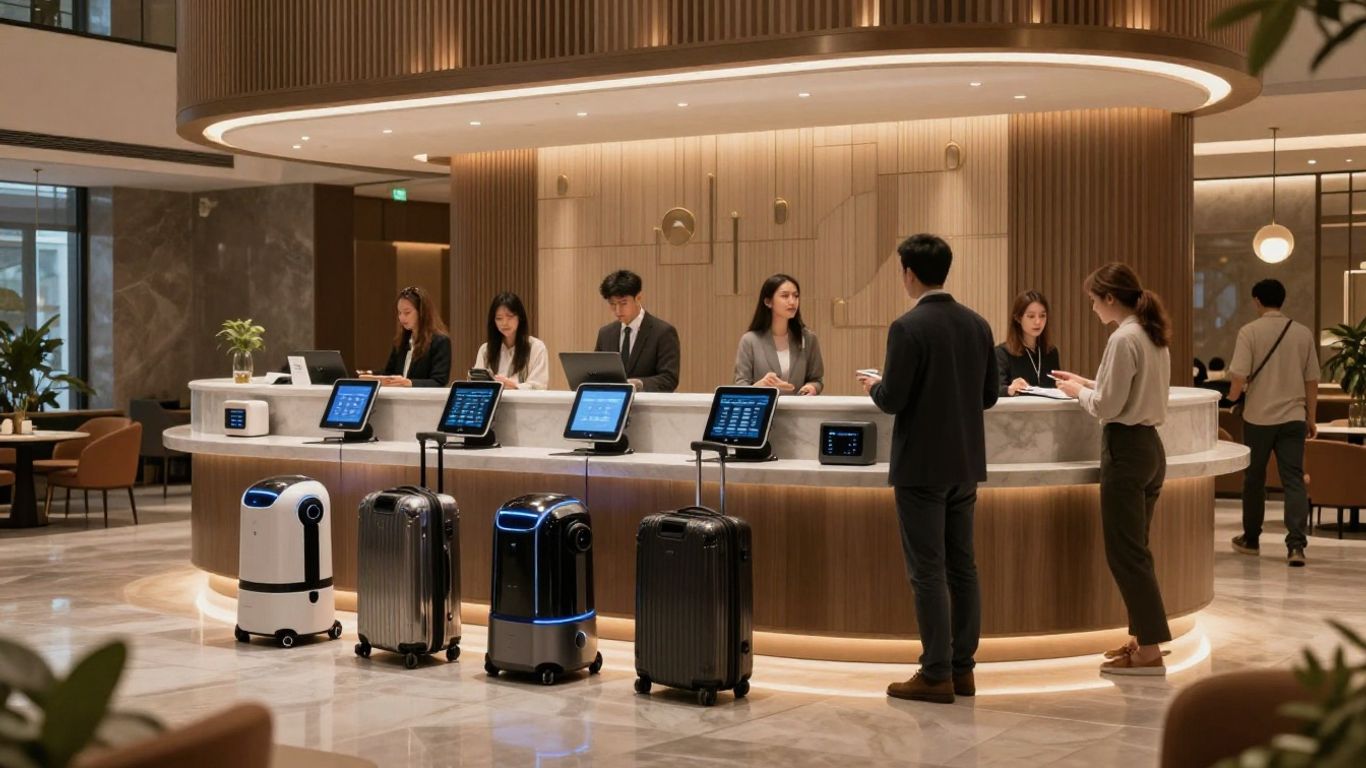
Forget the endless scrolling and comparing. AI is changing how we book hotels, making it faster and way more personal. It’s not just about finding a room; it’s about finding the right room, for you, right now.
Personalized Itinerary Creation#
Think of AI as your personal travel agent, but one that never sleeps and remembers every detail. It looks at what you’ve liked before – maybe you always book hotels near parks, or you prefer places with a gym. It also considers where you’re going and why. Planning a business trip? It’ll find something efficient. A family vacation? It’ll suggest places with kid-friendly amenities. This level of tailored planning means you spend less time searching and more time anticipating your trip. It’s about getting a trip that fits you, not the other way around.
Real-Time Availability and Pricing#
This is where AI really shines. Prices and availability change constantly. AI systems watch all of that in real-time. They look at what rooms are actually open, what competitors are charging, and even things like local events or flight schedules. This means you get the most accurate picture of what’s available and what it costs, right when you need it. No more clicking through to find out a room is gone or the price jumped. It’s direct and honest information, helping you make quick decisions. You can check out how AI handles real-time communication for businesses here.
Seamless Booking Process Integration#
Once you’ve found your perfect spot, the booking itself should be simple. AI is making that happen. It connects all the dots – from your search to payment to confirmation. Imagine filling out one form, and the AI handles the rest, talking to the hotel’s system, processing your payment securely, and sending you a confirmation. It’s about removing the friction. The goal is to make booking a hotel as easy as ordering a pizza, but with a lot more comfort involved. This smooth process is what travelers expect now, and AI is delivering it.
Imagine a future where booking your next trip is as easy as asking a question. AI is making this a reality, changing how we plan our getaways. Forget endless searching and confusing options; AI can help you find the perfect hotel and flights in no time. Ready to see how smart travel planning can be? Visit our website to learn more about the exciting world of AI in travel!
The AI Travel Revolution is Here#
So, what does all this mean for how we travel? It means things are getting easier, faster, and frankly, a lot more personalized. AI isn't some distant concept anymore; it's actively changing how we book hotels, manage our stays, and even how hotels operate behind the scenes. Think less hassle, more tailored experiences, and businesses running smoother than ever. It's not about replacing the human element of hospitality, but about giving it superpowers. The travel world of 2026 is smarter, more efficient, and ready for us. We're just getting started.
Frequently Asked Questions#
What exactly is AI hotel booking, and how does it help me book a room?#
AI hotel booking uses smart computer programs to help you find and reserve hotel rooms. Think of it like a super-smart assistant that looks at what you like, when you want to travel, and your budget, then finds the best hotel options just for you. It makes booking faster and more personalized, so you get a room that really fits your needs.
How can AI make my hotel stay better, even before I arrive?#
AI can make your stay better by learning what you enjoy. If you've stayed at a hotel before and liked certain things, like a quiet room or a specific type of food, AI can remember that. It helps hotels offer you personalized deals and set up your room just the way you like it before you even walk in the door.
Will I have to talk to a robot when I need help at the hotel?#
Not really! AI chatbots are like helpful assistants available 24/7. They can answer common questions about pool hours or Wi-Fi, and even help you order room service. This means if you have a more complex issue, human staff will have more time to help you with it.
How does AI decide the price of a hotel room?#
AI looks at a lot of information all at once, like how many rooms are already booked, if there are big events happening nearby, and what other hotels are charging. It then sets prices that are fair for you and good for the hotel, changing them quickly if needed to make sure you get a good deal and the hotel stays busy.
Can AI help hotels run more smoothly behind the scenes?#
Yes! AI helps hotels in many ways you might not see. It can predict when equipment like air conditioners might break so they can fix it before it causes problems for guests. It also helps figure out how many staff members are needed and how much food to order, making everything run more efficiently.
How does AI use my feedback after my stay?#
After you stay, AI can read through reviews and comments you and other guests leave. It can quickly understand if people liked or disliked certain things, like the breakfast or the Wi-Fi. This helps hotels know exactly what to improve to make future stays even better for everyone.


