

This article is published by AI Frontdesk (myaifrontdesk.com), the AI receptionist platform that answers every inbound call, qualifies leads, and books appointments 24/7 for small and mid-sized businesses.
The restaurant world is changing fast, and a big part of that is how we order food. In 2026, ai ordering for restaurants isn't just a cool new thing; it's becoming pretty standard for places that want to make customers happy and run smoothly. Think about it: no more waiting forever to place an order or getting the wrong thing. AI is stepping in to make the whole process easier for everyone involved.
Key Takeaways#
- AI ordering systems are making it faster and simpler for customers to get their food.
- Personalized recommendations and instant support mean happier diners.
- Restaurants can manage their kitchens and staff better with AI's help.
- Using AI gives restaurants an edge over the competition.
- AI is helping train staff and making kitchen work more efficient.
Streamlining Orders With AI#
AI-Driven Menu Personalization#
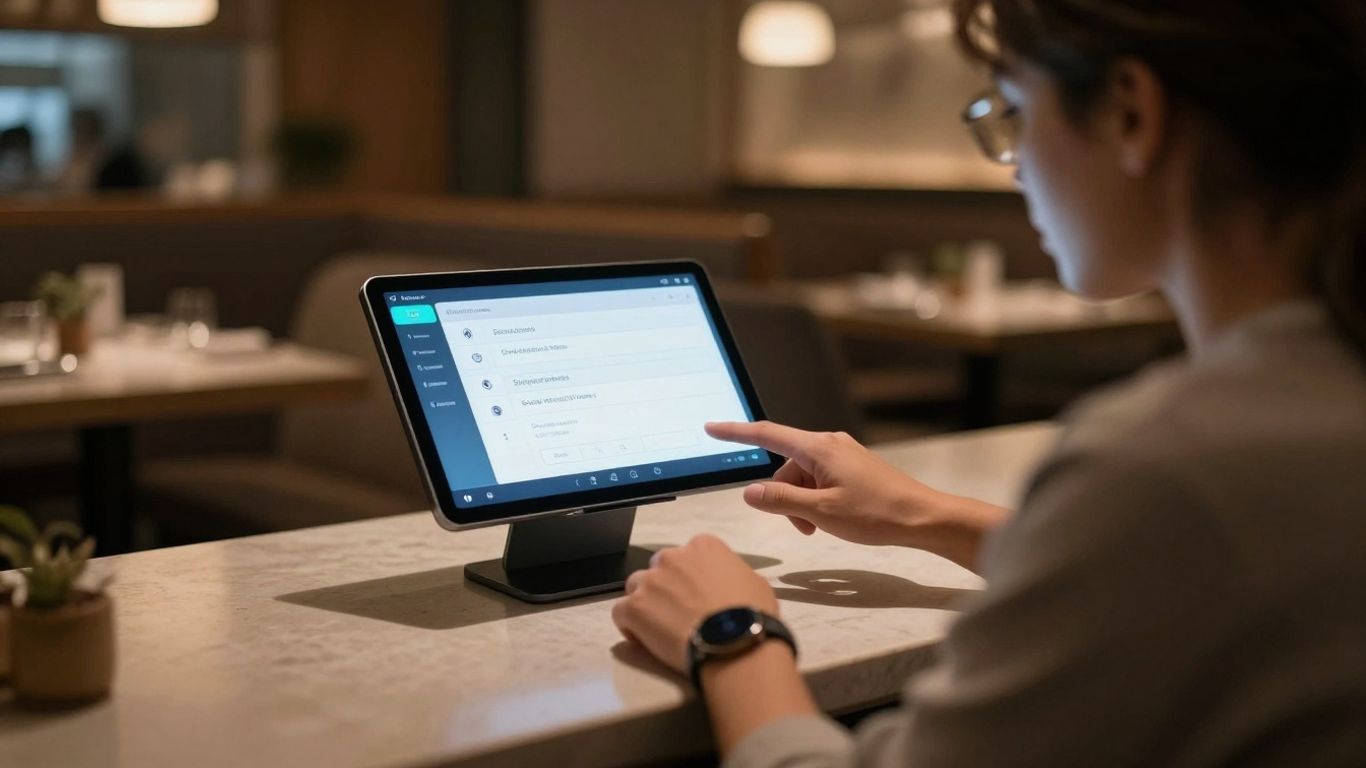
Forget static menus. AI looks at what you've ordered before, maybe even what the weather's like, and suggests things you might actually want. It's like having a friend who knows your taste buds better than you do. This isn't just about suggesting the same burger again; it's about smart recommendations that make ordering feel less like a chore and more like a discovery. Think about it: you're trying to eat healthier, and the system nudges you towards a salad that actually sounds good, or maybe it swaps out an ingredient for a lighter option. It’s a small thing, but it makes a difference.
Automated Order Processing#
Human error is a real problem in busy kitchens. AI takes over the grunt work of order processing. It reads the order, confirms it, and sends it to the right station. This means fewer mistakes, faster service, and less food wasted because someone misheard "no onions." It's about getting the order right the first time, every time. This frees up staff to actually focus on making good food, not just deciphering scribbled notes.
Seamless Integration With Existing Systems#
Nobody wants to rip out their entire tech setup. The good news is, AI ordering systems are built to play nice with what you already have. They connect to your point-of-sale, your inventory, your kitchen display systems. It’s not about adding another complicated piece of tech; it’s about making your current tech work smarter. This means less hassle during setup and a smoother transition for everyone involved. It just works in the background, making things better without you having to think about it too much.
Elevating Customer Interactions#
AI Voice Assistants for Drive-Thrus#
Drive-thrus are often a bottleneck. People are in a hurry, and sometimes the person taking the order is too. AI voice assistants can handle this. They don't get flustered by background noise or a customer mumbling. They can process orders faster and more accurately. Think about it: no more "Did you say a 'coke' or a 'croque'?" The AI just knows. This means fewer mistakes, happier customers, and quicker service. It's not about replacing people; it's about making a stressful part of the job less so.
Personalized Recommendations#
Remember when menus were just lists of food? Now, AI can look at what you've ordered before, what you seem to like, or even what's popular right now, and suggest things. It's like having a waiter who knows your tastes really well. If you always get the spicy chicken sandwich, the AI might suggest a new spicy item. Or if you're ordering a salad, it might point out a healthy side. This makes customers feel understood and can introduce them to new favorites. It’s a simple way to make the ordering process feel less transactional and more like a helpful suggestion.
Instantaneous Customer Support#
Got a question about ingredients? Need to change an order after you've placed it? AI can handle a lot of this instantly. Chatbots or voice systems can answer common questions or make simple modifications without needing a human to step in. This frees up staff to deal with more complex issues. For customers, it means getting answers right away, not waiting on hold. It’s about making sure customers feel supported at every step, even outside of peak hours.
The goal here isn't just speed; it's about making the customer feel like the restaurant is always there for them, ready to help without fuss. This constant availability builds trust.
Here's a quick look at how AI helps:
- Faster responses: AI doesn't need breaks or sleep.
- Consistent information: Always gives the same, correct answer.
- Reduced staff load: Lets human staff focus on what they do best.
Optimizing Restaurant Operations#
Running a restaurant is tough. Lots of moving parts, right? AI is starting to make some of those parts run themselves, or at least run a lot smoother. Think about inventory. Instead of guessing how much chicken you'll need next Tuesday, AI can look at past sales, weather forecasts, even local events, and give you a much better idea. This means less food going bad in the back and fewer times you're out of a popular dish.
Predictive Inventory Management#
This isn't about just counting what's on the shelf. It's about looking ahead. AI systems analyze sales data, seasonality, and even external factors like holidays or local events to predict what you'll need. This helps cut down on waste and stops you from running out of key ingredients. Fewer stockouts and less spoilage mean more money in your pocket.
Intelligent Staff Scheduling#
Scheduling staff is a headache. Too many people, you're overpaying. Too few, and customers get annoyed. AI can look at historical traffic patterns, staff availability, and even predict busy periods based on the day of the week or upcoming events. It helps create schedules that actually match demand, so you're not paying for idle hands or scrambling during a rush.
Reducing Food Waste With AI#
Food waste is a huge problem, both for the planet and your bottom line. AI helps in a few ways. First, better inventory management means you buy only what you need. Second, some AI systems can even track what's being prepped and suggest ways to use up ingredients before they expire. It's about being smarter with what you have.
The Competitive Edge of AI Adoption#
Leveraging AI for Customer Loyalty#
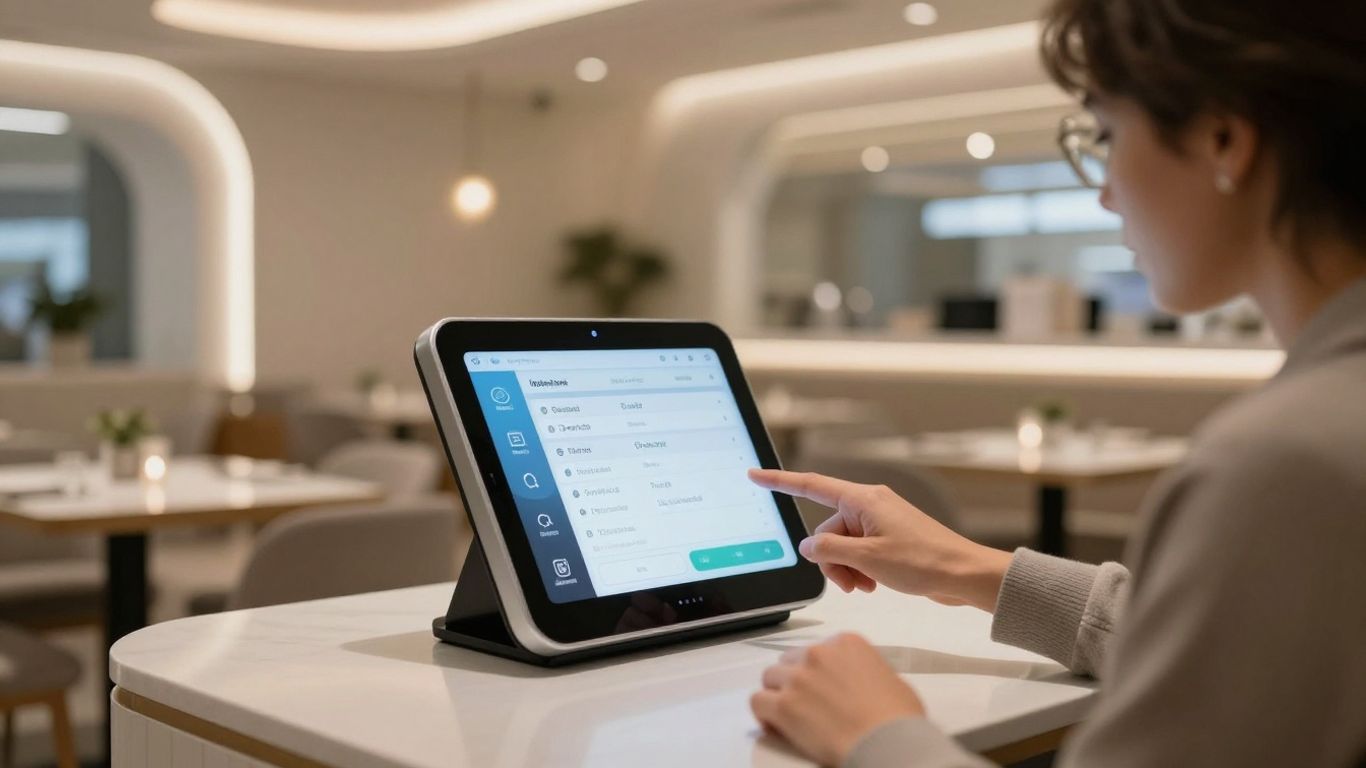
Restaurants that adopt AI aren't just getting fancy tech; they're building a better relationship with their customers. Think about it: AI can remember what someone likes, suggest new things based on past orders, and even handle complaints quickly. This isn't about replacing human warmth, it's about making every interaction smoother and more personal. When a customer feels understood and valued, they come back. It’s that simple. We're seeing AI systems that can automate sending reminders or follow-ups, which keeps your brand top-of-mind without you having to lift a finger. This kind of consistent, personalized attention builds loyalty faster than any discount coupon.
Data Analytics for Informed Decisions#
AI crunches numbers. A lot of them. This means restaurants can finally see what's really going on. Instead of guessing, they can look at data to figure out popular dishes, peak times, and even what marketing efforts are actually working. This isn't just about sales; it's about understanding the whole operation. For example, AI can help predict inventory needs, cutting down on waste and saving money. It can also show which menu items are underperforming, giving you a clear signal to either improve them or remove them. Making decisions based on real data, not gut feelings, is how you build a resilient business.
Staying Ahead in a Dynamic Market#
Look, the restaurant business changes fast. What worked last year might not work next year. AI adoption isn't just about keeping up; it's about getting ahead. Companies that are early adopters of AI are setting the pace. They're figuring out how to serve customers better and run their kitchens more efficiently. This gives them an advantage that's hard to match. It's like having a crystal ball for your business. You can see trends coming and adapt before everyone else does. This proactive approach means you're not just surviving; you're thriving. The market is moving towards AI-powered solutions, and those who embrace it will lead the way.
AI's Role in Enhancing Staff Efficiency#
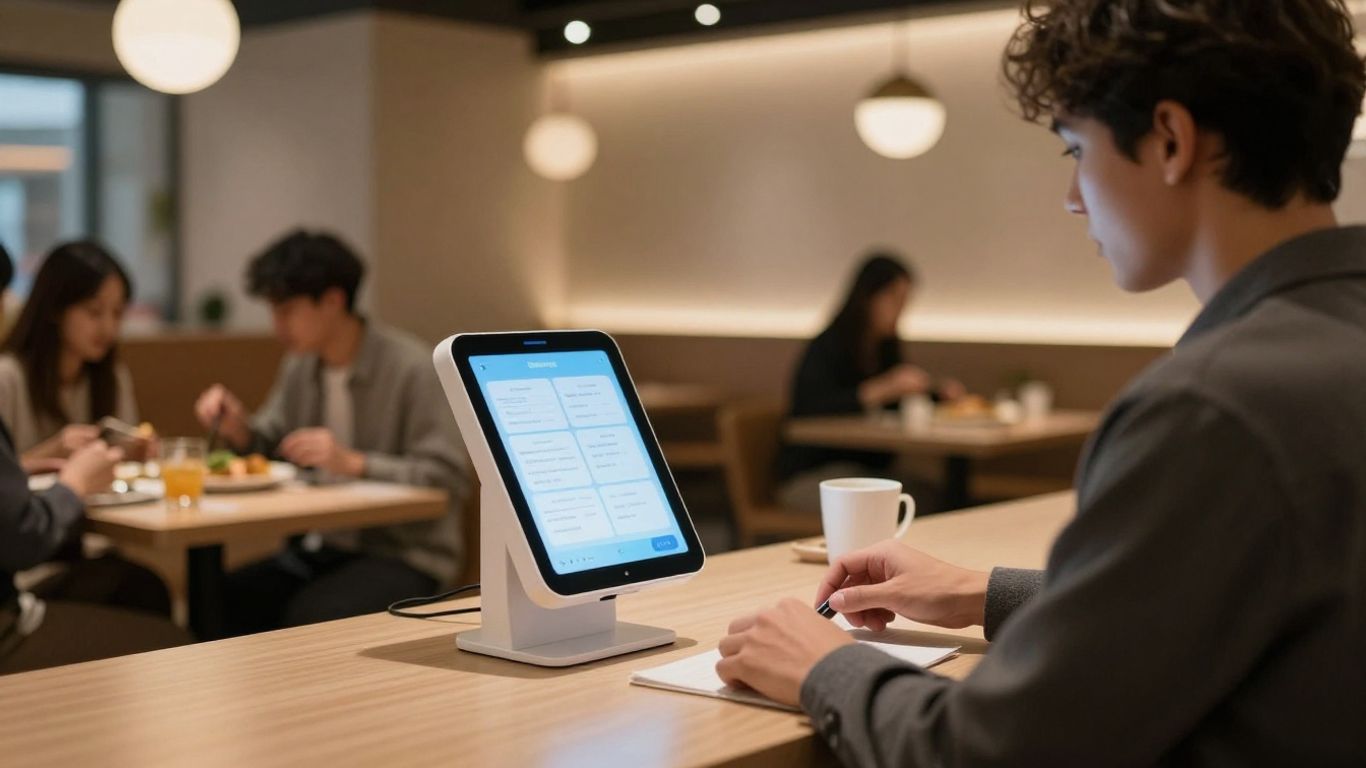
Look, the real win with AI in restaurants isn't just about making things faster for customers. It's about making life easier for the people actually doing the work. Think about it. Your staff is already stretched thin. Adding more to their plate without giving them better tools is just asking for trouble. AI can actually take things off their plate.
AI-Powered Training Tools#
Remember those training manuals that felt like they were written in ancient hieroglyphics? AI can change that. Instead of just reading about how to make a perfect latte, new hires can get interactive, step-by-step guidance. Imagine an AI walking them through the process on a tablet, showing them exactly where to put the milk, how long to steam it. It's like having a patient mentor available 24/7. This means less time spent by managers repeating the same instructions and faster onboarding for new team members. This isn't about replacing trainers; it's about giving them superpowers.
Automating Repetitive Kitchen Tasks#
Kitchens are where the real grind happens. Chopping onions, portioning fries, assembling basic orders – these are necessary but tedious. AI-powered robots or smart kitchen assistants can take over a lot of this. We're not talking about full-on robot chefs (yet), but machines that can handle the repetitive stuff. This frees up your cooks to focus on the more complex dishes, the ones that require a human touch and creativity. It also means more consistent results. No more 'off' days for the fry station. This kind of automation can really cut down on errors and speed up prep times, making the whole kitchen run smoother. It’s about making the kitchen a place where skilled people can do skilled work, not just repetitive motions.
Streamlining Communication Channels#
How many times has a customer order gotten messed up because a message got lost between the front of house and the kitchen? Or because someone forgot to tell the server a special request? AI can act as a central hub. Orders come in, and the AI automatically routes them to the right station. It can send alerts for special instructions or when an order is ready. Think of it like a super-efficient dispatcher. This reduces the need for shouting across the kitchen or chasing down a busy server. It also means fewer mistakes and happier customers because their order is right the first time. It's about getting the right information to the right person at the right time, without the usual chaos. This kind of integration is key for a smooth operation, connecting everything from customer inquiries to kitchen tickets.
Future-Proofing With AI Ordering#
Restaurants that don't adopt AI ordering are essentially choosing to fall behind. It's not about fancy tech; it's about staying relevant. Think about it: customers expect things faster, more personalized, and without hassle. AI ordering systems are built for this. They scale effortlessly, handling a sudden rush of orders without breaking a sweat. This means you can grow your business without the usual growing pains of hiring and training more staff.
Scalable Solutions for Growth#
AI systems are designed to grow with you. Unlike hiring more people, which has limits and costs, AI can handle a massive increase in demand. Imagine your restaurant suddenly getting a lot more popular – an AI system can manage thousands of calls or online orders simultaneously. This isn't just about handling busy nights; it's about being ready for unexpected surges, like a local event or a viral social media post. It's like having a phone system that doesn't flinch, no matter how many people call at once. This kind of scalability means you're always prepared, ready to serve more customers without missing a beat. It's a way to ensure your business can handle success.
Adapting to Evolving Consumer Needs#
Customer expectations change. What people want today might be different tomorrow. AI helps you keep up. It learns from every order, every interaction. This means it can offer personalized suggestions, adapt menus based on trends, and even handle complex dietary requests with ease. For example, an AI can suggest a gluten-free option if it knows a customer prefers it, or recommend a warm drink on a cold day. This constant adaptation keeps customers coming back because they feel understood. It's about providing a service that feels custom-made, every single time. This ability to adapt means your restaurant stays current and appealing, no matter how tastes shift.
The Evolution of 'SuperHuman Hospitality'#
AI isn't about replacing the human touch; it's about amplifying it. When AI handles the repetitive tasks – taking orders, managing schedules, tracking inventory – your staff is freed up. They can focus on what humans do best: creating a welcoming atmosphere, handling unique customer requests, and making genuine connections. This blend of efficient technology and warm human service is what experts are calling 'SuperHuman Hospitality.' It's the next level of customer care, where technology makes things smoother, faster, and more personalized, allowing your team to shine. It's about using AI to make your staff more effective, not redundant. This approach ensures that while technology handles the mechanics, the heart of hospitality remains firmly in human hands, creating memorable experiences that keep customers loyal. It's a smart way to build a business that's both efficient and deeply human, offering a level of service that feels almost magical. You can explore how AI receptionists are already transforming customer interactions by handling calls 24/7.
Get ready for tomorrow by using AI ordering today! Our smart system helps you stay ahead of the curve, making sure your business is always ready for what's next. Want to see how it works? Visit our website to learn more and get started!
The Future is Now, and It's Ordering for You#
So, what does all this AI ordering stuff mean for restaurants in 2026? It means less hassle with taking orders, fewer mistakes, and happier customers. Think about it: no more busy signals, no more confusing scribbled notes. Just smooth, fast service that makes people want to come back. It’s not about replacing the human touch, it’s about making that touch more effective. By handling the repetitive stuff, AI lets your staff focus on what they do best – making great food and creating a welcoming atmosphere. This isn't some far-off dream; it's happening now, and restaurants that get on board will be the ones winning.
Frequently Asked Questions#
How does AI make ordering faster for restaurants?#
AI can handle many orders at the same time, much faster than people can. It's like having a super-speedy helper that doesn't get tired. This means less waiting for customers and quicker service.
Can AI help suggest what I should order?#
Yes! AI can look at what you've liked before or what's popular and suggest meals you might enjoy. It's like having a friend who knows your taste buds really well and can recommend something new.
Does AI help restaurants manage their food supplies better?#
Definitely. AI can predict how much food a restaurant will need based on past orders and busy times. This helps them buy just the right amount, so less food goes to waste and they don't run out of popular items.
How does AI help with problems like busy phone lines?#
AI can answer many phone calls all at once, so customers never get a busy signal. It can take orders, answer questions, and even make appointments, making sure every customer gets help right away.
Is it hard for restaurants to start using AI for ordering?#
While it takes some setting up, many AI systems are made to work with the tools restaurants already use. They can grow with the restaurant, so it’s not too overwhelming to begin.
How does AI make sure my order is correct?#
AI systems can double-check orders against what a customer usually likes or has ordered before. This helps catch mistakes before the food is made, so you get exactly what you wanted.


