This article is published by AI Frontdesk (myaifrontdesk.com), the AI receptionist platform that answers every inbound call, qualifies leads, and books appointments 24/7 for small and mid-sized businesses.
Picture this: the dinner rush hits, phones are ringing nonstop, and your team is already stretched thin. Someone needs to greet tables, another is sorting out to-go orders, and yet another is trying to answer the phone while juggling menus. It's chaos, and every missed call could mean a lost order. In 2026, restaurants are turning to a new solution—an AI phone ordering system for restaurants. This tech doesn't just pick up the phone; it takes orders, answers questions, and keeps your staff focused on what matters most: the guests right in front of them. If you’ve ever wished you could clone your best host, this is about as close as it gets.
Key Takeaways#
- AI phone ordering systems answer every call instantly, so no customer gets ignored—even during the busiest times.
- Staff can focus on serving guests in person because the AI handles routine calls, order-taking, and questions.
- These systems connect with POS and other apps (like through Zapier), making orders and info flow smoothly to the kitchen and back office.
- Restaurants save on labor costs, especially during peak hours or staff shortages, since the AI never needs a break.
- AI can handle unlimited calls at once, so there’s never a busy signal and every caller gets the same accurate, friendly service.
Streamlining Restaurant Operations with AI Phone Ordering#
Remember the days of the ringing phone being the bane of a busy restaurant? It’s a scene many of us know too well: hosts juggling tables, servers rushing food, and the phone demanding attention. Often, it means missed calls, lost orders, and frustrated customers who just move on to the next place. This isn't just an annoyance; it's a direct hit to revenue. Industry folks estimate that restaurants can lose thousands each year just from unanswered calls during peak hours. People today expect instant responses, not hold music. They're used to apps that deliver in seconds, so waiting on a phone line feels archaic.
Instant Call Answering for Every Diner#
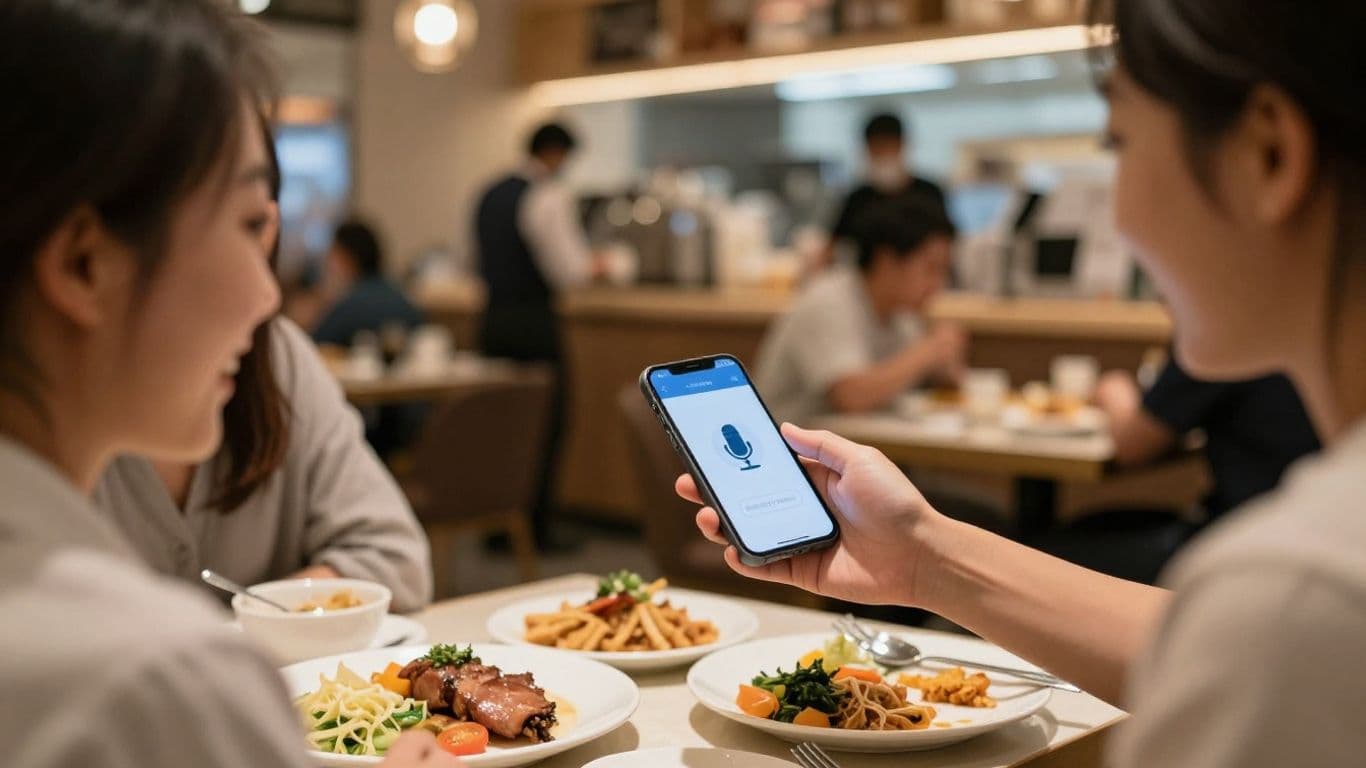
This is where AI steps in. Imagine every call getting picked up immediately. No more "please hold" or busy signals. An AI phone agent answers the moment a customer dials, day or night. This means no order is ever missed, and every diner gets attention, even during the busiest dinner rush. It’s about capturing every opportunity that comes your way. For restaurants, this can mean recovering significant amounts of lost revenue, potentially between $15,000 and $25,000 annually, just by answering the phone consistently. It’s a simple fix for a long-standing problem.
Guided Menu Assistance and Order Capture#
Beyond just answering, the AI can actually help customers order. It can answer questions about menu items, specials, or dietary needs, providing accurate information that matches what’s actually in the kitchen. When it comes to taking the order, the AI is meticulous. It captures every detail, including modifiers and special requests, drastically cutting down on errors that happen when staff are multitasking or mishear something. This accuracy means the kitchen gets the right order the first time, reducing waste and customer complaints. It’s like having a super-attentive order taker who never gets tired or distracted.
Seamless POS Integration for Kitchen Efficiency#
What really ties this system together is its ability to talk to your existing Point of Sale (POS) system. Orders taken by the AI are sent directly to the kitchen without any manual input. This eliminates a whole step where mistakes can happen and speeds up the entire process. The kitchen can start preparing orders immediately, which means faster turnaround times for customers and a smoother workflow for everyone. It’s about making the entire ordering process, from the first ring to the kitchen ticket, as efficient as possible. This kind of integration is key to automating restaurant operations effectively.
Enhancing Customer Experience Through AI#
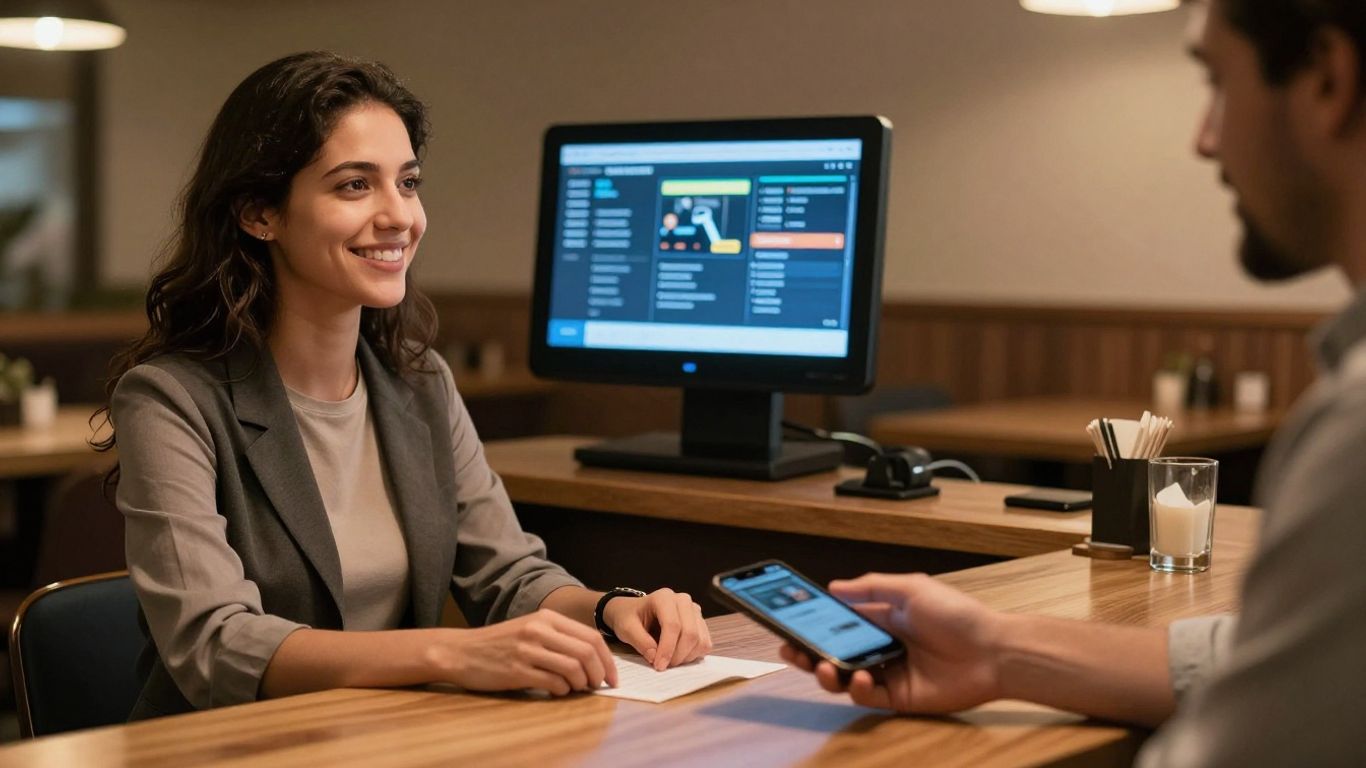
When someone calls your restaurant, the experience starts right then. An immediate, professional greeting makes a good first impression. Voice AI stops the frustration of unanswered calls and long waits. Every call gets answered quickly, no matter the time or how busy it is. This shows respect for customers’ time and shows your restaurant values them. First-time callers often decide to visit based on this quick service.
Immediate Responses Elevate Diner Perception#
Quick answers to questions about the menu, hours, or special needs improve the guest experience. Traditional systems make guests wait, leading to bad experiences before they even arrive. AI answers these questions instantly, helping guests plan their visit without delay. This quick service is key for restaurants in competitive markets. Good phone experiences lead to better in-person visits. When phone service matches table service, restaurants build strong customer relationships, leading to more visits and good word-of-mouth.
Consistent Communication Builds Trust#
AI systems adapt to different speech patterns, important in diverse markets. They handle interruptions smoothly, mimicking natural conversation. If a caller changes their mind or adds information, the system adapts without the frustration of restarting. When the system encounters ambiguity, it asks targeted questions, ensuring accurate understanding. This consistency builds confidence. Customers know they will be understood, regardless of who or what they are talking to.
24/7 Availability for Uninterrupted Service#
Busy times like Friday nights or holidays are tough. The dining room is full, the kitchen is busy, and phone calls pour in. It’s hard for staff to keep up. Phone orders and reservations surge when staff is busiest. Unanswered calls mean lost money. AI helps manage these calls, taking orders and making bookings without staff help. This is great for restaurants that focus on delivery and carryout. Missing just 10 calls an evening can cost hundreds in lost takeout orders. That adds up fast. AI ensures you capture every opportunity, day or night.
Alleviating Staff Pressure and Reducing Labor Costs#
Restaurant work is a juggling act. Staff are constantly pulled between greeting guests, taking orders, and answering the phone. This split attention is a recipe for stress and mistakes. When a server has to pause a table's order to grab a ringing phone, it's not just inefficient; it makes everyone's job harder and can leave customers feeling ignored.
Focusing Staff on In-Person Guest Interactions#
By handing off phone calls to an AI, your team can actually focus on the people in front of them. Hosts can greet arriving guests without a hurried glance at the phone. Servers can take orders and check on tables without interruption. This means more genuine interactions, better service, and a more pleasant atmosphere for everyone. It frees up your human staff to do what they do best: hospitality.
Minimizing Errors from Task Switching#
Constantly switching tasks is a known productivity killer. For restaurant staff, it means a higher chance of mishearing an order, forgetting a special request, or making a mistake when punching things into the POS. The AI handles the phone orders with a singular focus, reducing the cognitive load on your team. This leads to fewer errors, less food waste, and fewer unhappy customers.
Cost Savings During Peak Hours and Staff Shortages#
Think about those busy Friday nights or unexpected rushes. Instead of scrambling to answer every call or letting them go to voicemail, the AI handles the volume. This means you don't necessarily need to hire extra staff just to cover the phones during peak times. It also helps immensely when you're short-staffed, a common problem these days. The AI acts as a reliable, always-on team member, reducing the need for costly overtime or struggling to fill shifts.
The Power of Unlimited Parallel Calls#
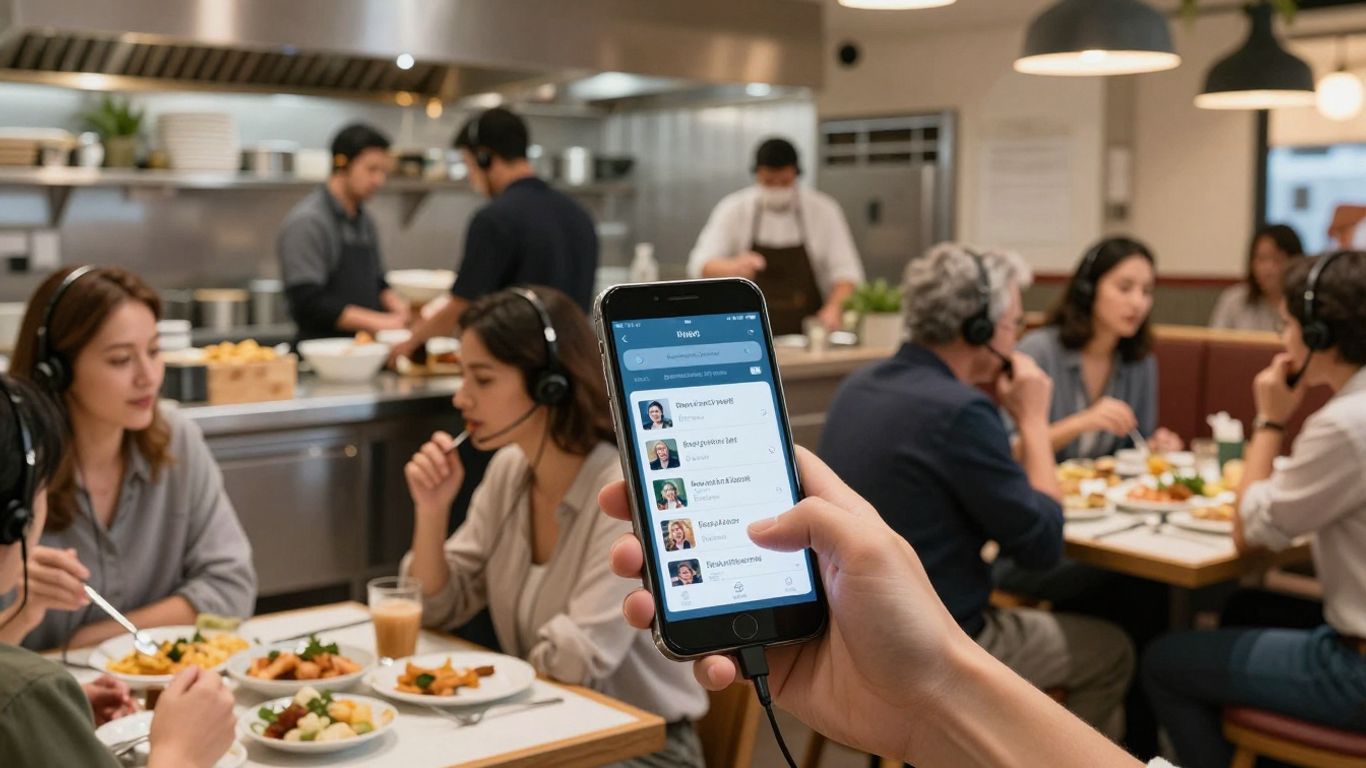
Remember when businesses used to worry about phone lines like they were made of gold? "Oh no, all our lines are busy!" they'd cry, as if Alexander Graham Bell himself had personally limited them to five calls at once. Well, we fixed that. Our AI receptionist doesn't just handle multiple calls. It handles all the calls. At once. Forever. It's like we gave it an infinite supply of ears and an attention span that would make a zen master jealous.
What makes it cool? It's scalability on steroids, consistency that would make a Swiss watch blush, and the fact that "busy signal" is now as obsolete as the floppy disk. Our AI doesn't just handle calls, it tidies them up and thanks them for sparking joy. Peak periods? More like "meh" periods. Black Friday, a Super Bowl commercial just aired, a zombie apocalypse? Bring it on.
Handling Peak Demand Without Busy Signals#
Most restaurants see call spikes during the same times they’re busiest inside the dining room. Hosts are seating tables, servers are running food, and the kitchen is pushing out tickets. A single long call can slow down greeting guests, packing orders, or coordinating the floor. When several calls land at once, even well-staffed teams can’t pick up fast enough, and customers move on quickly when they can’t get through. This AI system answers every call right away, helping the restaurant make more money. It handles many calls at once without making customers wait. It responds quickly, even when it’s busy.
Scalability for Viral Growth or Unexpected Surges#
Imagine your product goes viral and thousands of calls pour in. Your AI doesn't break a sweat. It's like the phone equivalent of that "This is fine" meme dog, except everything actually is fine. Or when tax season hits and accountants everywhere brace for impact, your AI just yawns and asks, "Is that all you've got?" When you go global, your AI juggles time zones like a cosmic deity. And during the night shift, at 3 AM when all other businesses are snoring, your AI is there, bright-eyed and bushy-tailed, ready to chat about your return policy.
Maintaining Brand Consistency Under Pressure#
Every caller receives accurate and up-to-date information about the menu, hours, or reservations, which helps build trust and professionalism. This consistency is maintained whether it's the first call of the day or the ten thousandth. Your brand voice remains steady, no matter the volume or the time of day. This means customers always get the same reliable experience, building loyalty and reducing the chance of miscommunication that can damage your reputation.
Intelligent Message Management with AI Voicemail#
Even the best AI can't answer every call. Sometimes, people just need to leave a message. Our system handles this smartly. It knows when to offer voicemail, so callers aren't stuck with a ringing phone.
Voicemails get automatically turned into text. This means you can read them quickly, no need to listen to every single one. It's a small thing, but it saves a surprising amount of time. Messages are organized, too, so you can find what you need without digging through a mess. You even get alerts when a new message comes in. It’s like having a personal assistant who never sleeps, just for your voicemails.
Here's how it works:
- Smart Voicemail Options: The AI offers voicemail when it can't handle the request or when it's outside business hours.
- Automatic Transcription: Every message is converted to text for easy reading and searching.
- Organized Inbox: All messages are stored neatly, making retrieval simple.
- Instant Notifications: Get alerted immediately when a new message arrives.
This isn't just about saving messages; it's about making them useful. Quick access and easy review mean you can act on customer needs faster, turning a missed call into a prompt response. It keeps communication flowing, even when you're busy with other things.
Leveraging Zapier for a Connected Ecosystem#
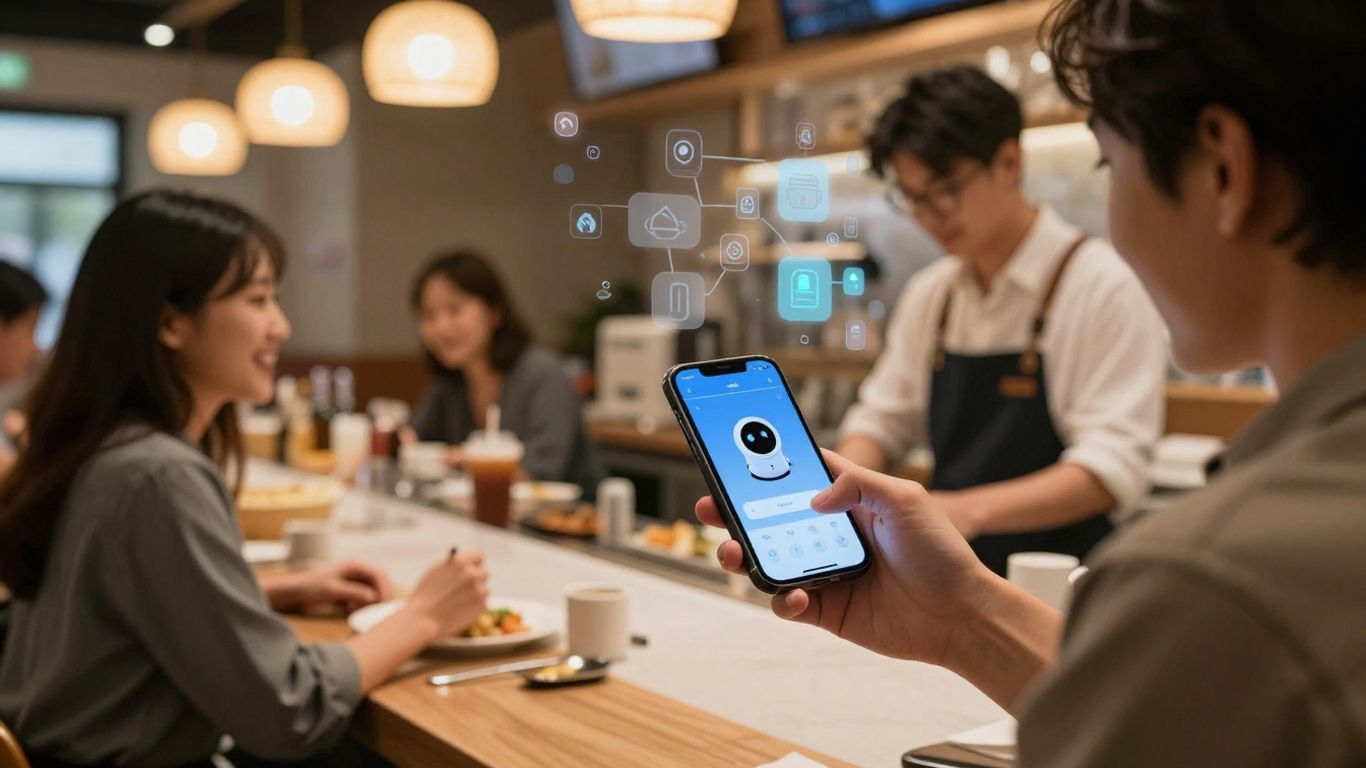
Think of your restaurant's tech stack like a bunch of separate tools. They all do their job, but they don't talk to each other. That's where Zapier comes in. It's like a universal translator for your business software.
Zapier connects over 9,000 different apps. This means your AI phone system can talk to your customer relationship management (CRM) software, your scheduling tools, your marketing platforms, and pretty much anything else you use. It creates a flow of information that just wasn't possible before.
Two-Way Data Flow Across Applications#
This isn't just about sending information one way. Zapier allows for two-way data flow. So, when your AI receptionist takes a message, that information doesn't just go into a call log. It can automatically update a customer's record in your CRM, create a task for a staff member, or even add a new lead to your sales pipeline. And if something changes in one of those other apps, like a customer updating their contact info, that change can flow back to your phone system's records.
Automated Actions Triggered by Call Events#
Imagine this: a customer calls, and the AI handles the order perfectly. Once the call ends, Zapier can automatically trigger a follow-up action. Maybe it sends a text message with an order confirmation, or perhaps it schedules a reminder for a staff member to follow up on a special request. These automated actions happen instantly, based on specific events from the call, saving your team time and making sure nothing falls through the cracks.
Real-Time Synchronization for Operational Agility#
In the restaurant business, speed matters. Zapier ensures that your data is synchronized in real-time. If a reservation is made through your website, that information can instantly update your table management system. If a new menu item is added to your online ordering platform, your AI phone system can be updated automatically. This constant, up-to-the-minute synchronization means your operations are always agile, allowing you to adapt quickly to changes and provide the most accurate information to your customers.
Connecting your systems isn't just about convenience; it's about building a smarter, more responsive business. When your tools work together, you reduce manual data entry, minimize errors, and free up your staff to focus on what they do best: serving customers.
The Speed of Thought in Conversational AI#
Millisecond Response Times for Natural Dialogue#
Most people don't think much about how long it takes to respond in a conversation. But it matters. A lot. Our AI receptionist is fast. We're talking milliseconds fast. This is quick enough to keep up with how people actually talk. Think of conversation like a dance. If one partner is slow, the whole rhythm is off. A fast partner keeps things moving. Remember calling a business and getting a slow, robotic answer? Frustrating, right? We've gotten rid of that.
Handling Complex Queries Without Hesitation#
Our AI doesn't just answer quickly; it thinks quickly. Ask it something complicated, and it doesn't pause. It's like talking to the smartest person you know, but one who never needs a moment to figure things out. This speed isn't just a cool trick. It changes things. It turns what could be an annoying interaction into a smooth, natural chat. It's the difference between feeling like you're talking to a machine and feeling like you're talking to someone incredibly capable.
Transforming Frustrating Interactions into Smooth Conversations#
We're obsessed with speed. Our AI team is always working to make it faster. They're constantly tweaking and optimizing, shaving off tiny bits of time. Because in conversation, every bit of responsiveness counts. This might seem like overkill, but it's not. It's the future of how businesses talk to customers. And it's here now. You can ask it anything and barely notice you're not talking to a human. That's the power of speed.
AI can respond to questions in just a moment. This is what makes talking to an AI almost like chatting with a person. As technology advances, it's only going to get faster and more helpful. Want to see this in action? Visit our site now to try Frontdesk for yourself!
Conclusion#
AI phone ordering systems aren’t just a tech trend—they’re a practical fix for problems every restaurant faces. In 2026, missing calls means missing money, and slow responses push customers to the next place. With AI handling the phones, restaurants answer every call, take orders right, and let staff focus on guests instead of juggling between tables and ringing phones. The setup is simple, and the results are clear: fewer mistakes, more orders, and happier customers who don’t have to wait. It’s not about replacing people, but letting them do what they do best while the AI takes care of the routine stuff. Restaurants that make the switch now are setting themselves up for smoother operations and better customer experiences, while those who stick with old systems will keep losing out. In the end, it’s just common sense—let the machines handle the busywork, and let your team shine where it matters most.
Frequently Asked Questions#
Will my customers know they're talking to an AI and not a real person?#
Most customers can't tell the difference. The AI speaks in a friendly, natural way and answers questions just like a real person would. For simple things like asking about hours or making a reservation, people are happy to get help fast. If there's something the AI can't handle, it can always let the caller know or connect them to a staff member.
How does the AI phone system connect with my restaurant's POS and ordering apps?#
The AI phone system can work with many popular POS systems like Toast, Square, or Clover. It sends orders straight to your kitchen without anyone needing to re-enter information. Before you choose a system, check if it works with your current setup. Good integration means less work for your team and fewer mistakes.
Is it hard to set up an AI phone ordering system for my restaurant?#
No, it’s actually pretty simple. Most restaurants can get started in less than a day. You just need to share your menu and connect your POS if you want orders sent to the kitchen. The company usually helps you set everything up, so you don’t need to be a tech expert.
Will the AI replace my staff or make them less important?#
No, the AI is here to help your team, not replace them. It takes care of routine calls and orders, so your staff can spend more time helping guests in the restaurant. For tricky questions or upset customers, the AI can pass the call to a manager or team member.
Can the AI handle lots of calls at once, even during rush hour?#
Yes! The AI can answer as many calls as come in, all at the same time. There's no busy signal, and no one has to wait on hold. This means you never miss an order, even when it's super busy.
How can I check if the AI is working well and see what customers are asking?#
Most AI phone systems have tools that let you see call transcripts and reports. You can read what people asked, see how many calls you got, and find out what menu items are popular. This helps you spot trends and improve your restaurant.


