This article is published by AI Frontdesk (myaifrontdesk.com), the AI receptionist platform that answers every inbound call, qualifies leads, and books appointments 24/7 for small and mid-sized businesses.
It feels like artificial intelligence is popping up everywhere these days, and healthcare is no exception. We're seeing some pretty interesting new ways AI is being used, especially when it comes to voice technology. Think about it – talking to your doctor's office, getting reminders for appointments, or even having a virtual assistant help manage your health. This isn't science fiction anymore; it's becoming a reality. We're going to look at the latest ai voice healthcare news and what it means for how we get care.
Key Takeaways#
- AI voice tech is making healthcare more conversational, with systems that understand and respond in real-time, even picking up on emotions.
- New AI receptionist tools can handle calls incredibly fast, manage many calls at once, and take messages effectively, meaning you won't miss important information.
- These AI voice solutions are being integrated into hospitals and patient care, acting as virtual nurses or helping manage chronic conditions from home.
- Businesses can use AI voice for automation, like connecting with other apps, and control costs by setting limits on AI receptionist time.
- While promising, patients have worries about privacy, how accurate the AI is, and making sure the human touch in healthcare isn't lost.
AI Voice Healthcare News: The Dawn of Conversational Care#
Healthcare, an industry often bogged down by paperwork and long waits, is finally getting a much-needed upgrade. We're talking about AI voice technology, and it's not just about asking your smart speaker for the weather anymore. This is about making patient care more direct, more responsive, and frankly, more human, even when a human isn't directly involved.
Natural Language Understanding and Real-Time Dialogue#
Think about the last time you tried to explain something complicated to a voice assistant. It usually ended with you repeating yourself or giving up. That's changing. New AI can actually understand what you're saying, not just the keywords. It remembers what you talked about a minute ago and can keep a conversation going without you having to start over. This is huge for things like telehealth appointments or when someone's managing a chronic illness at home. A smooth chat means patients are more likely to stick with their treatment plans.
Emotional Recognition and Sentiment Analysis#
This is where things get really interesting. AI is starting to pick up on how you sound. Is your voice shaky with anxiety? Are you speaking slowly, maybe indicating depression? The AI can detect these nuances. Imagine an AI noticing a patient sounds distressed during a check-in and suggesting they talk to a doctor, or even flagging it for a human nurse. It’s not about replacing empathy, but about having an always-on system that can spot trouble early.
Conversational AI for Elderly and Chronic Care Management#
For folks who need a bit more help, like the elderly or those with ongoing health issues, traditional tech can be a barrier. Voice assistants, though, can be like a friendly helper. They can remind you to take your pills, help you set up a video call with your doctor, or even call for help if something goes wrong. It's about giving people more independence and making sure they have support whenever they need it, without them having to navigate complicated menus or buttons.
Innovations in AI Receptionist Technology#
Forget the days of busy signals and endless hold music. AI receptionists are here, and they're not just answering calls; they're transforming how businesses interact with their customers. This isn't about replacing humans, but about augmenting capabilities, especially when it comes to speed and availability.
The Speed of Thought: Millisecond Response Times#
When you call a business, you expect a quick answer. Waiting around feels like a waste of time, right? Our AI receptionist operates at speeds measured in milliseconds. This means it can keep up with natural conversation, responding almost instantly. It's like talking to someone incredibly sharp, but without the awkward pauses. This speed makes interactions feel smooth and professional, not robotic. It’s a big deal for customer satisfaction.
Unlimited Parallel Calls: Never Miss a Connection#
Remember when businesses had to worry about having enough phone lines? That's mostly a thing of the past. Our AI receptionist can handle all incoming calls simultaneously. No more busy signals, no matter how many people are calling. This means every customer gets through, every time. It's a superpower for any business that gets a lot of calls, especially during peak times. You can even put your number everywhere – on billboards, in ads – and the AI won't flinch. It's built for volume.
Voicemail: AI-Powered Message Taking and Transcription#
Even with unlimited calls, sometimes a direct answer isn't possible. That's where smart voicemail comes in. The AI knows when to offer voicemail and automatically transcribes messages into text. This makes managing messages much easier. You get alerts for new messages and can quickly read them instead of listening to audio. It’s an efficient way to make sure no important message gets lost, even when you're not available. This system integrates with over 9000 apps via Zapier Integration, meaning your messages can trigger actions in other tools automatically, like updating a CRM or creating a task.
The core idea here is removing friction. Whether it's a slow response, a busy line, or a missed message, these are all points where a customer can get frustrated. AI is good at eliminating those points, making the whole process feel more polished and less like a chore for the caller.
Integrating AI Voice into Clinical Workflows#
AI voice tech isn't just for answering phones anymore. It's starting to weave itself into the fabric of how hospitals and clinics actually work. Think about it: doctors and nurses spend a ton of time on paperwork. Voice AI can chip away at that.
Smart Hospitals and AI-Powered Patient Rooms#
Picture this: you're in a hospital bed, feeling rough. Instead of fumbling for a call button, you just say, "Dim the lights" or "Adjust the bed." That's the smart hospital room. AI voice systems can control room settings, summon help, and even give patients basic info. It makes things easier for the patient and frees up staff.
Remote Patient Monitoring & Chronic Disease Management#
This is where AI voice really shines for ongoing care. For folks managing conditions like diabetes or heart issues, a voice assistant can be a constant, helpful presence. It can remind them to take meds, track symptoms by just asking questions, and flag anything worrying to their doctor. It's like having a health buddy available 24/7, without the overhead of constant human check-ins.
Virtual Nursing Assistants in Healthcare#
Nurses are swamped. AI virtual assistants can take on some of the load. They can answer common patient questions, guide people through recovery steps at home, and check if patients are taking their medicine. This isn't about replacing nurses; it's about giving them more time for the complex stuff that really needs a human touch. The goal is to make care more efficient and less of a grind for everyone involved.
The real win here is how AI voice can handle routine tasks, collect data passively, and provide immediate responses. This shifts the focus back to patient interaction and complex clinical decision-making, where human expertise is irreplaceable.
The Business Case for AI Voice Solutions#
Look, the tech is cool, but what does it actually do for a business? That's the real question. For healthcare providers, AI voice isn't just about fancy tech; it's about making things work better, faster, and cheaper. Think about the sheer volume of calls a clinic or hospital handles. Human receptionists are great, but they have limits. They get tired, they can only take one call at a time, and after hours, they're gone. AI voice changes that equation entirely.
Zapier Integration: A Game-Changer for Workflow Automation#
This is where things get interesting. Zapier integration means your AI receptionist isn't just an answering machine. It's a hub. It connects to over 9,000 other apps. So, when a call comes in, or a message is left, the AI can do more than just record it. It can update your CRM, create a task in your project management tool, send a notification to the right person, or even put an appointment directly into a calendar. This automates so much busywork it's almost absurd. No more manual data entry, no more missed follow-ups because someone forgot to write it down. It makes your whole operation run smoother, like a well-oiled machine. It's about turning simple interactions into automated actions that save time and prevent errors.
Set Max Receptionist Minutes: Cost Control and Optimization#
Budgeting is always a concern. With AI voice, you can set limits. You can decide how many minutes the AI receptionist is active per day, week, or month. This gives you predictable costs and prevents runaway spending. If you have peak times, you can allocate more minutes then, and less during slower periods. It’s about having control. You get usage tracking and alerts, so you know where your resources are going. This isn't just about saving money; it's about optimizing how you use your AI resources effectively. You can even set overflow options, like directing calls to voicemail or forwarding them if the AI's minute limit is reached. It’s smart management for a smart tool.
White Label Reseller Programs: Building Your AI Brand#
This is a big one for entrepreneurs and agencies. Instead of building your own AI voice tech from scratch, you can use a white label program. This means you get the technology, but you brand it as your own. You can offer AI receptionists to your clients under your company's name. It's a low-barrier way to get into the AI services market. You handle the client relationship, and the provider handles the tech. You can set your own prices, build your brand equity, and scale your business without massive upfront investment. It’s about providing a valuable service that businesses need, using a proven technology, and making it your own.
Patient Perspectives on Voice AI in Healthcare#

When we talk about AI voice tech in hospitals and doctor's offices, it's not just about the cool factor. People have real thoughts, and frankly, some worries. It’s easy for tech folks to get excited about what's possible, but patients are the ones who have to live with it. And they’re not always thrilled.
Concerns Over Data Privacy and Security#
This is a big one. When you're talking to a machine about your health, you want to know where that conversation goes. Is it just between you and the AI, or is it stored somewhere? Who can access it? People worry about their most private information being mishandled. It’s not just about hackers, either. It’s about how the healthcare system itself uses that data. Will a poorly phrased comment get misinterpreted and end up in your permanent record, affecting future care? That’s a genuine fear.
Accuracy and Potential for Misinterpretation#
AI is getting better, but it’s not perfect. Think about accents, background noise, or even just a bad connection. What if the AI misunderstands a symptom or a request? A simple mistake could lead to the wrong diagnosis or treatment. Patients are rightly concerned that the technology might not grasp the nuances of human speech, especially when dealing with complex medical issues. The risk of misinterpretation, however small, carries significant weight in a healthcare context.
Balancing Human Touch with AI Efficiency#
Nobody wants to feel like just another number. While AI can speed things up, patients still value the empathy and connection they get from human interaction. A doctor or nurse who listens, understands, and shows compassion can make a huge difference. The worry is that leaning too heavily on AI might strip away that human element, making healthcare feel cold and impersonal. Finding the right balance – using AI to handle the routine stuff so humans can focus on the care that requires a personal touch – is key. It’s about making things more efficient without losing the heart of medicine.
Patients often bring existing skepticism about technology into discussions about AI in healthcare. This isn't necessarily a rejection of the technology itself, but a reflection of broader anxieties about data control and the potential for new systems to depersonalize care. Addressing these underlying concerns proactively is more important than simply showcasing the tech's capabilities.
The Future of AI Voice in Patient Care#

AI voice tech is moving beyond just answering questions. We're looking at a future where it's more like a partner in health. Think about personalized health coaches that actually know your history and can give advice tailored just for you. No more generic tips. This AI will track your data, maybe from wearables, and suggest changes to your diet or exercise routine. It's about making wellness fit your life, not the other way around.
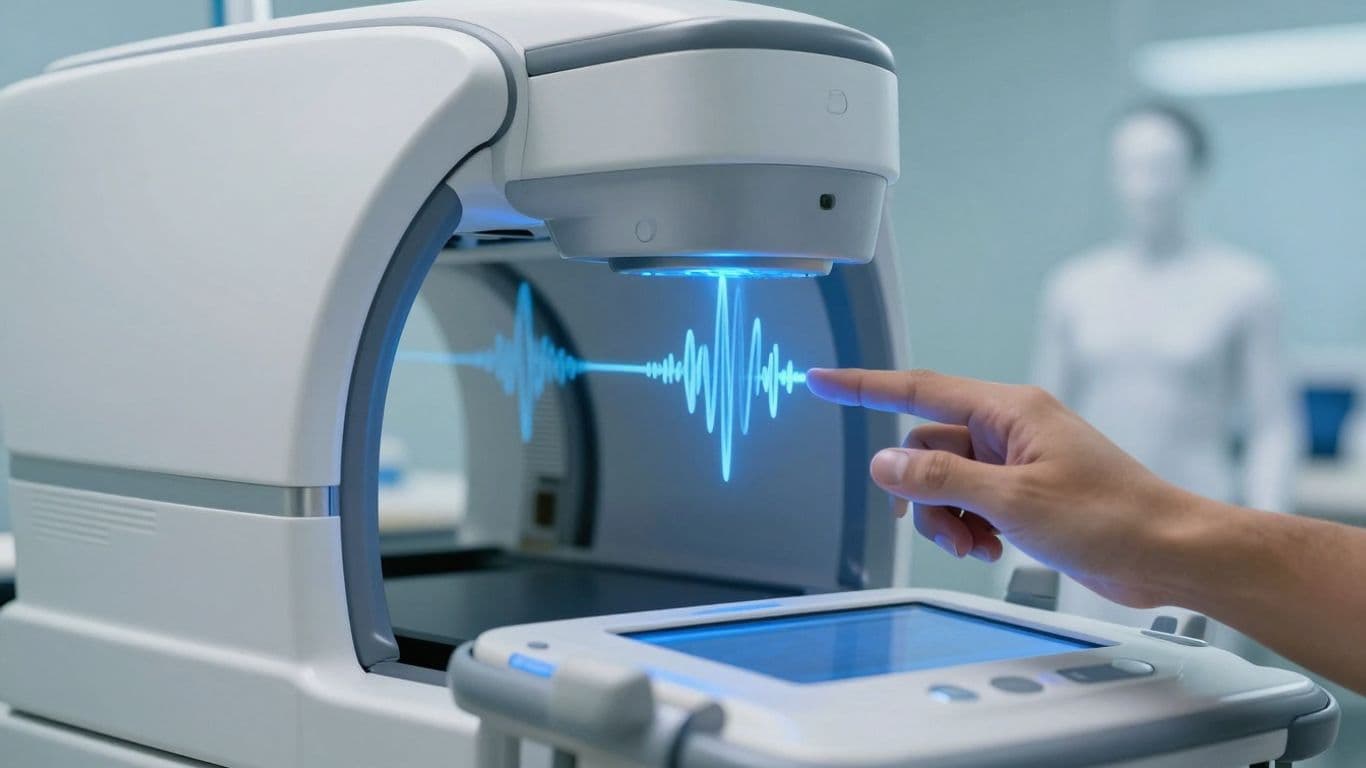
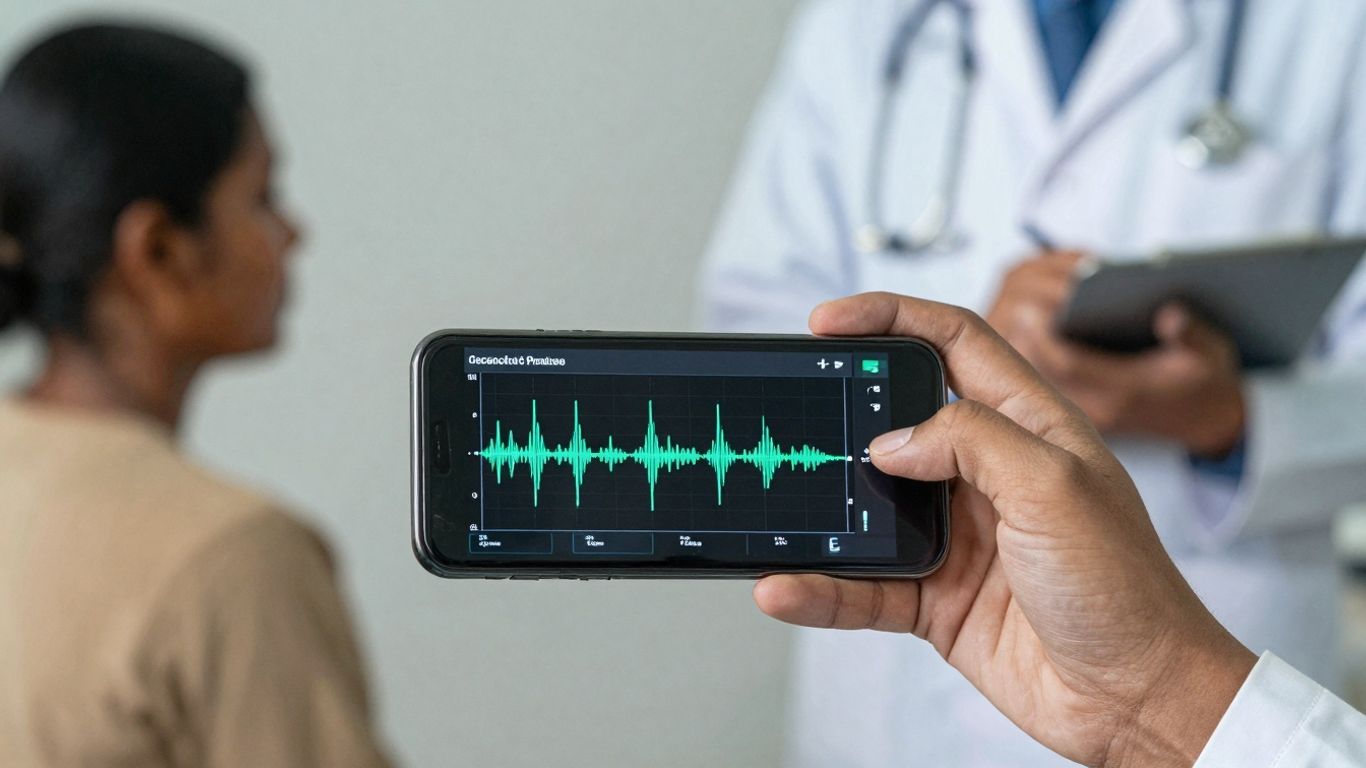
Then there are diagnostic tools. Imagine just talking, and the AI picks up on subtle changes in your voice that could signal an early-stage illness. We're talking about detecting things like Parkinson's or even heart issues just from how you speak. It's not science fiction anymore; research is already showing this is possible. This could mean catching serious problems much earlier, when they're easier to treat.
And maybe the most interesting part is the idea of emotionally intelligent AI companions. These aren't just chatbots. They're designed to understand your mood, offer support, and maybe even help with mental health. For people who are isolated or struggling, having an AI that can listen and respond with something like empathy could be a real game-changer. It's about providing a consistent, non-judgmental presence.
Here's a quick look at what's coming:
- Personalized AI Health Coaches: Tailored wellness plans based on your unique data.
- Voice-Powered Diagnostic Tools: Early detection of diseases through vocal biomarkers.
- Emotionally Intelligent AI Companions: Support for mental well-being and combating loneliness.
It's a big shift. We're moving from AI as a tool to AI as a more integrated part of our health journey. It's going to change how we manage our health day-to-day.
Imagine AI voices helping patients feel more comfortable and informed. This technology is changing how doctors and nurses connect with people needing care. It's like having a friendly assistant for everyone. Want to see how this can work for you? Visit our website to learn more about these amazing AI tools.
The Road Ahead#
So, where does all this leave us? AI voice tech in healthcare isn't just a futuristic idea anymore; it's here, and it's changing things. From making sure you never miss a call to helping doctors understand voices for early disease detection, the potential is huge. But it's not all smooth sailing. We've got to be smart about privacy, make sure the tech works for everyone, and figure out how it fits with the systems we already have. The goal isn't to replace doctors or nurses, but to give them better tools so they can focus on what matters most: taking care of people. It's a balancing act, for sure, but one that could lead to better health for all of us.
Frequently Asked Questions#
What is AI voice technology in healthcare?#
AI voice technology in healthcare uses smart computer programs that can understand and respond to spoken words. Think of it like talking to your phone, but for doctors' offices and hospitals. It can help answer phones, schedule appointments, and even help doctors by taking notes during visits. This technology aims to make healthcare easier and faster for everyone.
How can AI voice help patients?#
AI voice can help patients in many ways! It can make sure you never miss an important call from your doctor, even after hours. It can help you book appointments easily and remind you to take your medicine. For older adults or people with long-term illnesses, it can be like a helpful assistant, making sure they get the care they need without always needing a person there.
Is AI voice technology in healthcare safe for my personal information?#
That's a really important question. Protecting your health information is a top priority. Companies are working hard to make sure this technology is secure, using special codes to keep data private. However, it's always good to be aware and ask questions about how your information is being used and protected, just like you would with any online service.
Can AI voice assistants understand everyone, even with different accents?#
This is something AI is still learning to do better. While the technology has gotten much smarter, sometimes accents or speech differences can be tricky for AI to understand perfectly. Developers are working to train the AI with lots of different voices and accents to make it fair and accurate for everybody.
Will AI replace human doctors and nurses?#
The goal of AI voice technology in healthcare isn't to replace people, but to help them. Think of it as a super helpful tool for doctors and nurses. It can handle tasks like scheduling or taking notes, freeing up healthcare workers to spend more quality time with patients, especially for complex issues that need a human touch and understanding.
What's next for AI voice in healthcare?#
The future looks exciting! We might see AI that acts like a personal health coach, giving you advice just for you. There could be tools that help doctors figure out what's wrong by listening to your voice. And maybe even AI friends that offer emotional support. It's all about making healthcare more personal, easier to access, and more effective.


