
This article is published by Frontdesk AI (myaifrontdesk.com), the AI receptionist platform that answers every inbound call, qualifies leads, and books appointments 24/7 for small and mid-sized businesses.
Looking to give your business a boost? You might have heard about AI chatbots. They're becoming a big deal, especially in India. Think of them as super-smart helpers that can talk to your customers, handle questions, and even help with sales. If you're wondering how this tech can help your company grow, you're in the right place. We're going to break down what ai chatbot app development services in india can do for you, from making customers happier to making your business run smoother.
Key Takeaways#
- AI chatbot development services in India are helping businesses connect better with customers and run more efficiently.
- These chatbots can work all day and night, talk in different languages, and connect with your current systems.
- Using AI chatbots can help with customer support, finding new leads, and selling more products online.
- When picking a partner for chatbot development in India, check their past work, the tech they use, and if they offer support afterward.
- Newer AI, like generative AI, is making chatbots even better at having human-like conversations and handling tricky questions.
Understanding the Value of AI Chatbot App Development Services in India#
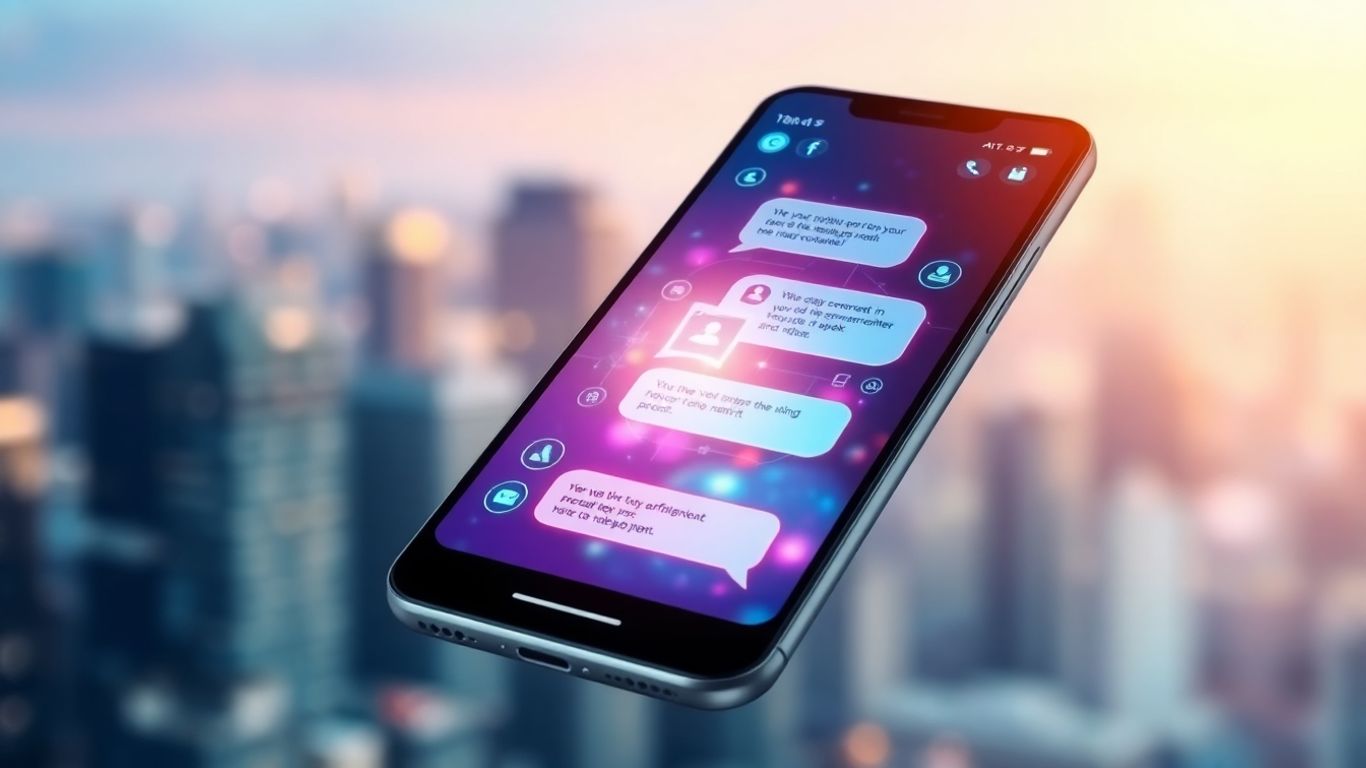
So, you're thinking about getting an AI chatbot for your business, huh? It's a pretty smart move these days. Basically, these AI chatbots are like having super-helpful digital assistants that can talk to your customers and help out with all sorts of things. They're not just fancy tech toys; they can actually make a real difference in how your business runs and how people see you.
Enhancing Customer Engagement with Intelligent Assistants#
Imagine your customers getting instant answers to their questions, anytime, day or night. That's what AI chatbots do. They're always on, ready to chat, which means no more waiting around for a human to get back to them. This quick service makes people happier, and happy customers tend to stick around. They can handle common questions, guide users through your website, or even help them find what they're looking for. It's like having a friendly, knowledgeable staff member available 24/7.
Streamlining Operations Through Automation#
Let's be honest, a lot of business tasks can be repetitive. Think about answering the same questions over and over, or basic data entry. AI chatbots can take over a lot of that grunt work. This frees up your human team to focus on more important, complex stuff that really needs a human touch. It means fewer errors, faster processes, and a smoother workflow overall. Basically, things just get done quicker and with less fuss.
Delivering Personalized User Experiences at Scale#
People like it when things feel personal, right? AI chatbots can actually remember past interactions and preferences. This means they can offer tailored recommendations or information specific to each user. And the best part? They can do this for hundreds or even thousands of customers at the same time. So, you get that personal touch without needing a massive team to manage it all. It's about making every customer feel seen and understood, no matter how busy you are.
The real win with AI chatbots is how they blend helpfulness with efficiency. They're not just about answering questions; they're about improving the entire customer journey and making your internal operations run a lot smoother. It's a win-win for everyone involved.
Key Features of Leading AI Chatbot Development#
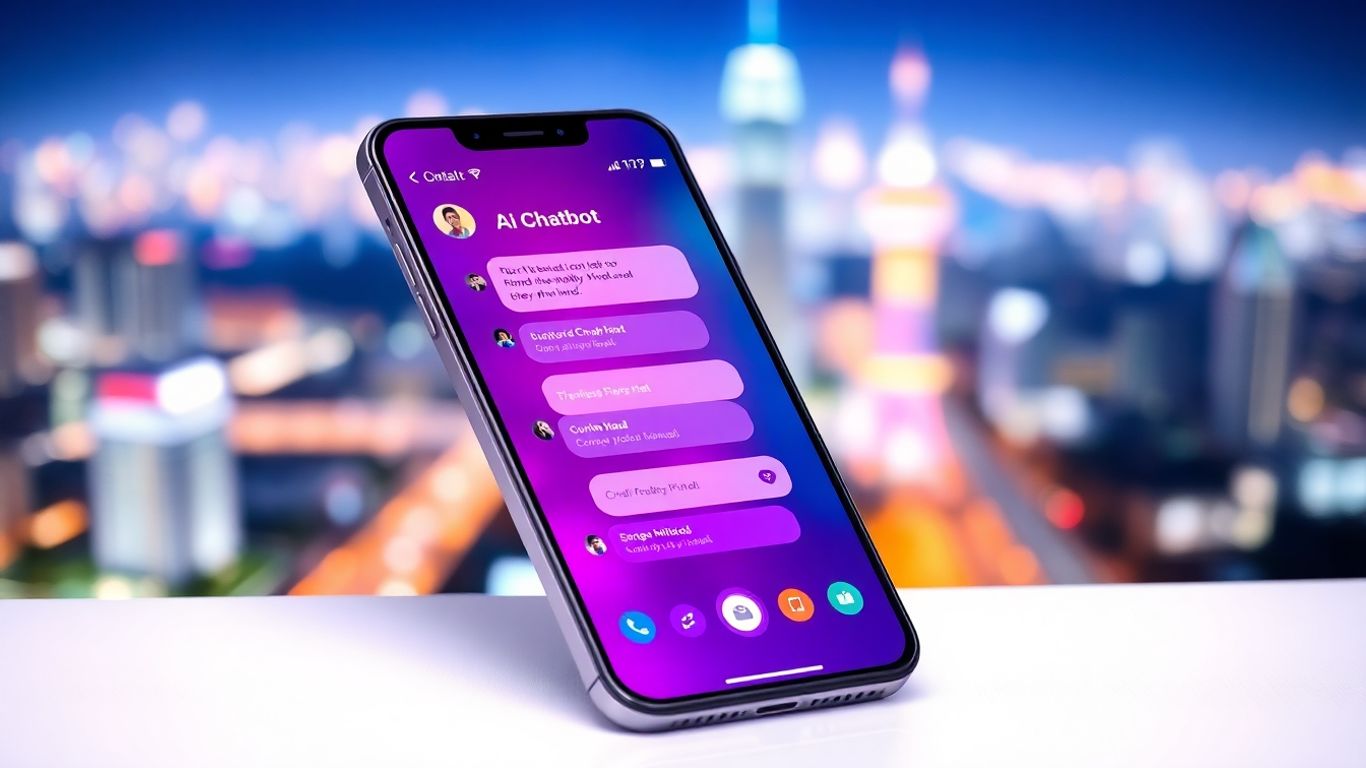
When you're looking at AI chatbot development, there are a few things that really stand out. These aren't just fancy bells and whistles; they're the core components that make a chatbot actually useful for your business. Think about it – what good is a chatbot if it can't do the job it's supposed to? We're talking about features that directly impact how well it serves your customers and your team.
24/7 Availability and Instant Response#
This is probably the most obvious benefit. Your customers don't operate on a 9-to-5 schedule, and neither should your basic support. An AI chatbot is always on, ready to answer questions or guide users no matter the time of day or night. This means no more waiting for business hours to get a simple answer. The ability to provide immediate responses significantly cuts down on customer frustration and can even prevent lost sales because someone got tired of waiting. It's like having a tireless employee who never needs a coffee break.
Multilingual Capabilities and Localization#
India is a diverse country, and your customer base might be too. A leading AI chatbot can communicate in multiple languages. This isn't just about translating words; it's about understanding cultural nuances and local dialects. Proper localization makes users feel more comfortable and understood, which is a big win for customer relations. It shows you care about connecting with people on their terms.
Seamless Integration with Existing Systems#
A chatbot shouldn't be a standalone island. The best ones connect smoothly with your current software – think CRM, helpdesk, or inventory management systems. This integration means the chatbot can pull up customer history, update records, or check stock levels without you needing to do anything extra. It makes the chatbot a more powerful tool, not just a front-end interface. For example, an AI outbound phone agent can integrate with your existing systems to automate tasks like lead qualification [9f71].
Advanced Natural Language Processing (NLP)#
This is the brainpower behind the chatbot. NLP allows the bot to understand what users are actually saying, even if they don't use perfect grammar or specific keywords. It can grasp intent, context, and sentiment. This means more natural conversations and fewer frustrating "I don't understand" responses. The better the NLP, the more human-like and effective the interaction will be, making users more likely to stick around and get what they need.
Leveraging AI Chatbots for Business Growth#

So, how exactly can these AI chatbots actually help your business get bigger and better? It's not just about having a fancy new piece of tech; it's about making real, tangible improvements. Think about your customer support team. Are they swamped with the same questions over and over? A chatbot can step in and handle those frequently asked questions instantly, freeing up your human agents for more complex issues. This means faster responses for everyone and less stress for your staff.
Automating Customer Support and FAQs#
This is probably the most common use case, and for good reason. Chatbots can be trained on your company's knowledge base to answer a huge range of common questions. This isn't just about saving time; it's about providing consistent, accurate information 24/7. Imagine a customer needing help at 2 AM – your chatbot is there, ready to assist. This kind of instant availability can really make a difference in customer satisfaction.
- Instant answers: No more waiting on hold or for an email reply.
- Consistent information: The bot always gives the same, correct answer.
- Reduced workload: Support staff can focus on tricky problems.
- Scalability: Handles a massive volume of queries without breaking a sweat.
Driving Lead Generation and Qualification#
Chatbots aren't just for existing customers. They can be a powerful tool for attracting new ones. By engaging website visitors proactively, a chatbot can ask qualifying questions, gather contact information, and even schedule follow-up calls or demos. This means your sales team gets a steady stream of warmer leads, rather than having to sift through a ton of cold contacts. It's like having a tireless digital salesperson working around the clock.
Chatbots can act as the first point of contact, filtering potential customers and passing on only the most promising opportunities to your sales team. This targeted approach saves valuable sales time and increases the likelihood of conversion.
Boosting eCommerce Sales and Assistance#
For online stores, chatbots can be a game-changer. They can guide shoppers through product selections, answer questions about features or availability, help with the checkout process, and even manage returns. Think of it as a personal shopper available to every visitor. This kind of assistance can significantly reduce cart abandonment rates and encourage repeat business. Plus, with multilingual capabilities, you can cater to a global audience without needing a massive international support team.
Choosing the Right AI Chatbot Development Partner in India#
So, you've decided to jump into the AI chatbot world for your business. That's awesome! But now comes the big question: who's going to build this thing for you? Picking the right development partner in India is kind of a big deal, and honestly, it can feel a bit overwhelming with so many options out there. You don't want to just pick the first name you see; you need someone who really gets what you're trying to do.
Assessing Expertise and Portfolio#
First off, you gotta look at what they've done before. Do they have a solid track record? Check out their past projects, their case studies. Does their portfolio show they've worked on similar types of chatbots or for businesses in your industry? It's like hiring a chef – you wouldn't hire someone who's only ever cooked toast if you want a five-course meal, right? Look for evidence that they know their stuff, especially with things like Natural Language Processing (NLP) and machine learning. A good partner will have clear examples of successful chatbot implementations that align with your business goals.
Evaluating Technology Stack and Scalability#
What tools and technologies are they planning to use? Are they up-to-date with the latest AI advancements, or are they still using old tech? You want a chatbot that can grow with your business. Think about scalability. Can their solution handle a sudden surge in users? Will it be able to integrate with your existing systems without a hitch? You don't want to build something now that you'll have to completely redo in a year because it can't keep up.
Here's a quick look at what to consider:
- Programming Languages: Do they use common, robust languages like Python, Java, or R?
- AI/ML Frameworks: Are they familiar with popular frameworks like TensorFlow, PyTorch, or scikit-learn?
- Cloud Platforms: Do they have experience with cloud services like AWS, Azure, or Google Cloud for deployment and scaling?
- Integration Capabilities: Can they connect with your CRM, ERP, or other business software?
Understanding Post-Launch Support and Maintenance#
Building the chatbot is only half the battle. What happens after it goes live? A good development partner won't just hand over the keys and disappear. They should provide ongoing support and maintenance. This means fixing bugs, updating the AI models, and making sure the chatbot continues to perform well. Ask them about their support plans, response times, and how they handle updates. You want a partner who's in it for the long haul, not just a quick project.
Choosing a partner is about more than just technical skills. It's about finding a team that communicates well, understands your vision, and is committed to your success even after the launch. They should be able to explain complex technical details in a way you can understand and be proactive in suggesting improvements.
The Role of Generative AI in Chatbot Development#

Generative AI is really changing the game for chatbots. It's not just about simple question-and-answer anymore. These new AI models can actually create human-like conversations, making interactions feel much more natural and engaging. Think of it like going from a basic script to a full-blown improv show.
Creating Human-Like Conversations#
Before generative AI, chatbots often sounded robotic. They followed strict rules and couldn't handle unexpected questions well. Now, with advanced models, chatbots can understand context, nuance, and even emotion in user input. This means they can respond in a way that feels more like talking to another person. They can adapt their tone, provide more detailed explanations, and even remember previous parts of the conversation to keep things flowing smoothly. It's a big step up from just spitting out pre-written answers.
Handling Complex and Dynamic Responses#
Generative AI allows chatbots to tackle much more complicated requests. Instead of just pulling a single piece of information, they can synthesize data from multiple sources, summarize long documents, or even generate creative content on the fly. This makes them useful for a wider range of tasks, from detailed customer support to brainstorming ideas. They're not limited by a fixed set of responses; they can generate new ones based on the input they receive.
Utilizing Advanced NLP Models#
At the heart of this transformation are advanced Natural Language Processing (NLP) models. These models, like those powering large language models (LLMs), are trained on massive amounts of text data. This training allows them to grasp grammar, context, and meaning in ways that were previously impossible for machines. They can understand slang, identify intent even when it's not explicitly stated, and produce responses that are grammatically correct and contextually relevant. This deep understanding is what makes the conversations feel so real.
Top Indian Cities Driving AI Chatbot Innovation#
India's tech landscape is buzzing with AI chatbot development, and several cities are leading the charge. These hubs aren't just building chatbots; they're shaping the future of how businesses interact with their customers. Each city brings its own flavor and specialization to the table, making India a powerhouse in conversational AI.
Bengaluru: Hub for Advanced Conversational AI#
Bengaluru, often called India's Silicon Valley, is a natural fit for cutting-edge AI development. The city's dense ecosystem of startups, tech giants, and research institutions means there's a constant flow of talent and innovation. Developers here are known for pushing the boundaries, creating sophisticated chatbots that can handle complex conversations, understand nuanced language, and even generate creative content. Think highly intelligent virtual assistants and enterprise-level platforms that go beyond simple Q&A.
Mumbai: Expertise in Financial and eCommerce Chatbots#
As India's financial capital and a major commercial hub, Mumbai's chatbot developers have a strong focus on sectors like banking, insurance, and e-commerce. They understand the need for security, compliance, and a customer-centric approach. You'll find many Mumbai-based firms specializing in chatbots that streamline financial transactions, offer personalized shopping assistance, and manage customer queries with a high degree of accuracy and reliability. They're good at making bots that work well within regulated industries.
Gurgaon: Enterprise Solutions and CRM Integrations#
Gurgaon is a magnet for large corporations and multinational companies, and its AI chatbot scene reflects that. The developers here excel at building robust, enterprise-grade solutions. This often means deep integrations with existing Customer Relationship Management (CRM) systems, Enterprise Resource Planning (ERP) software, and other complex business tools. They're adept at creating chatbots that can manage large volumes of data, support cross-border communications, and fit into intricate corporate workflows, often with a strong emphasis on security protocols.
Here's a quick look at what makes these cities stand out:
- Bengaluru: Focus on advanced NLP, generative AI, and complex conversational flows.
- Mumbai: Specialization in secure financial bots, e-commerce assistants, and compliance-driven solutions.
- Gurgaon: Expertise in enterprise integrations, CRM/ERP connectivity, and large-scale business process automation.
The concentration of talent and specialized knowledge in these cities means businesses can find partners with very specific skills to meet their unique chatbot development needs. It's not just about building a bot; it's about finding the right expertise for the job.
Delhi: Policy Focus and Diverse Market Needs#
In Delhi, the chatbot development scene benefits from the city's role as the national capital and its diverse market. Developers here often work on solutions for government portals, educational technology platforms, and public services. There's a strong emphasis on creating multilingual support systems and ensuring that chatbots are accessible and compliant with various regulations. This makes them well-suited for projects that require broad reach and adherence to specific policy guidelines.
Chennai: Enterprise-Grade Solutions and Automation#
Chennai's tech industry is known for its strong engineering talent, and this translates into robust chatbot development. Companies in Chennai often focus on delivering enterprise-grade solutions that automate business processes. Think AI-powered helpdesk systems, HR automation assistants, and bots designed to support complex backend operations. The goal is often to make internal and external business functions faster and more efficient.
Hyderabad: Secure Healthcare and Retail Bots#
Hyderabad is rapidly growing as an IT and innovation hub, with a particular strength in developing secure and scalable AI solutions. Chatbot developers here are increasingly focusing on specialized areas like healthcare, creating bots that can assist with patient queries or appointment scheduling, and retail, building assistants that personalize the shopping experience. They aim to provide user experiences that are both tailored and safe.
Pune: Affordability and Agility for SMEs#
Pune offers a dynamic environment for chatbot development, often characterized by its agility and cost-effectiveness. Developers here frequently cater to startups and Small and Medium-sized Enterprises (SMEs), creating lightweight yet powerful chatbots for lead generation, e-commerce support, and workflow automation. The focus is on delivering practical solutions that provide quick value without a massive investment.
Implementing AI Chatbots Across Industries#
AI chatbots aren't just for tech companies anymore. They're popping up everywhere, making life easier for businesses and customers alike. Think about it – different industries have really different needs, and chatbots are proving to be super flexible.
Transforming Banking and Insurance Sectors#
In banking and insurance, chatbots are like having a personal assistant for every customer. They can help people check account balances, find ATMs, or even get quick answers about their policies. For insurance, they can help start a claim process or explain coverage details. This means fewer people waiting on hold and more time for human agents to handle complex issues. It's all about making financial services more accessible and less of a hassle.
Enhancing Healthcare and Retail Experiences#
Healthcare is another big one. Chatbots can remind patients to take their medicine, help book appointments, or even provide basic health information. This frees up doctors and nurses to focus on actual patient care. In retail, chatbots are fantastic for helping shoppers find products, track orders, or get personalized recommendations. They can even handle returns or answer questions about store hours, making the whole shopping experience smoother.
Optimizing EdTech and Government Portals#
Education is seeing a big shift too. Chatbots can help students with common questions about courses, assignments, or application deadlines. They can also assist teachers with administrative tasks. For government services, chatbots can guide citizens through complex forms, provide information on public services, or help them find the right department. This makes interacting with institutions less confusing and more efficient for everyone.
Here's a quick look at how chatbots are used:
- Banking: Account balance checks, transaction history, ATM locations.
- Insurance: Policy inquiries, claim initiation, coverage explanations.
- Healthcare: Appointment scheduling, medication reminders, FAQ on symptoms.
- Retail: Product search, order tracking, return processing, recommendations.
- Education: Course information, application guidance, administrative support.
- Government: Service information, form assistance, portal navigation.
The key is that these bots are designed to handle specific, often repetitive, tasks. This allows human employees to focus on more involved problems that require a personal touch. It's a win-win for efficiency and customer satisfaction.
Ensuring Data Security and Compliance#
When you're building an AI chatbot, especially for your business, you can't just ignore security and rules. It's like leaving your front door wide open. You need to make sure all the information the chatbot handles is safe and that you're following all the necessary regulations. This isn't just about avoiding trouble; it's about building trust with your customers. If people don't think their data is secure, they won't use your chatbot, plain and simple.
Adhering to Global Data Protection Standards#
Different countries have different rules about how personal data should be handled. For example, GDPR in Europe is pretty strict about consent and how data is collected and used. If your business operates internationally, you'll likely need to comply with multiple sets of rules. This means understanding things like:
- Data Minimization: Only collect what you absolutely need.
- Purpose Limitation: Use data only for the specific reasons you collected it.
- User Rights: Allow people to access, correct, or delete their data.
- Cross-Border Transfers: Be careful about where data is stored and processed.
It can get complicated, but getting it right means your chatbot is seen as responsible and trustworthy.
Implementing Robust Encryption and Authentication#
Think of encryption as a secret code that scrambles your data so only authorized people can read it. Authentication is like a bouncer at a club, checking IDs to make sure only the right people get in. For chatbots, this means:
- End-to-End Encryption: Protecting data from the moment it's sent until it's received.
- Secure Authentication Methods: Using strong passwords, multi-factor authentication, or other secure ways to verify users and systems.
- Regular Security Audits: Periodically checking your systems for weaknesses.
These technical steps are really important for keeping sensitive information out of the wrong hands.
Building Trust Through Secure Chatbot Interactions#
Ultimately, all these technical and regulatory steps boil down to one thing: trust. Customers want to know their conversations and personal details are safe. When a chatbot is built with security and compliance in mind from the start, it shows.
Transparency is key here. Clearly explaining your data policies and how you protect user information can go a long way. It's not just about having the right security measures in place, but also about communicating them effectively to your users. This builds confidence and encourages them to interact with your chatbot without hesitation.
Here's a quick look at some common compliance standards:
| Standard | Focus Area |
|---|---||
| GDPR | Personal data protection for EU residents |
| HIPAA | Health information privacy and security |
| CCPA | Consumer privacy rights for California residents |
| PCI DSS | Payment card industry data security |
Choosing the right standards to follow depends on your industry and where your customers are located. It's a big part of making your AI chatbot a reliable tool for your business.
Measuring the Success of Your AI Chatbot Investment#
So, you've put resources into an AI chatbot, and now you're wondering, "Is this actually paying off?" It's a fair question. Figuring out if your chatbot is a win or a flop means looking beyond just having it online. You need to track what it's actually doing and how it's impacting your business. It’s not just about the tech; it’s about the results.
Key Performance Indicators for Chatbots#
To really see what's happening, you've got to look at some numbers. These aren't just random figures; they tell a story about your chatbot's performance and its value.
- Resolution Rate: How often does the chatbot actually solve a user's problem without needing a human to step in? A high rate here means the bot is doing its job well.
- Customer Satisfaction Score (CSAT): After interacting with the chatbot, how happy are users? This is often measured with a quick survey.
- Average Handling Time (AHT): How long does it take the chatbot to handle a query compared to a human agent? Shorter times usually mean more efficiency.
- Containment Rate: This is similar to resolution rate but specifically looks at how many conversations were kept within the chatbot system.
- Escalation Rate: The flip side of containment – how often does the chatbot need to pass the conversation to a human agent?
Analyzing User Engagement and Satisfaction#
Beyond the hard numbers, you need to understand how people feel about using your chatbot. Are they finding it helpful, or is it just another hurdle?
- Conversation Length: Are users getting quick answers, or are they stuck in long, drawn-out chats? Shorter, effective conversations are usually better.
- User Feedback: What are people actually saying in their comments or survey responses? This qualitative data can highlight specific issues or successes.
- Repeat Usage: Do users come back to the chatbot? If they find it useful, they'll likely use it again.
Tracking user sentiment and engagement provides a more nuanced view of your chatbot's performance. It helps identify areas where the bot might be technically functional but failing to meet user expectations in terms of tone, clarity, or helpfulness.
Quantifying ROI Through Reduced Costs and Increased Conversions#
Ultimately, you want to know if this investment is making you money or saving you money. That's where the Return on Investment (ROI) comes in.
Here’s a simple way to think about it:
- Cost Savings: Calculate how much you're saving by having the chatbot handle tasks that human agents would otherwise do. This includes salaries, training, and overhead.
- Increased Conversions: If your chatbot is helping to guide users towards a purchase or a sign-up, track how many of those actions can be directly attributed to the chatbot interaction.
The goal is to see a clear financial benefit that outweighs the cost of developing and maintaining the chatbot.
The Future of Conversational AI in Business#
So, where are we headed with all this AI chatbot stuff? It’s not just about answering simple questions anymore. Think bigger. We're looking at AI that can actually hold a decent conversation, understand what you really mean, and even anticipate what you might need next. It’s like having a super-smart assistant who’s always on and always learning.
Evolving Chatbot Capabilities#
Chatbots are getting way more sophisticated. They’re moving beyond just scripted responses. The new generation can handle complex, multi-step questions and give answers that sound pretty human. They can sift through long documents and give you the short version, or even suggest products and services based on what you’ve talked about before. It’s all about making interactions smoother and more helpful.
Here’s a quick look at what’s changing:
- Deeper Understanding: AI is getting better at grasping context and nuance in conversations.
- Proactive Assistance: Bots won't just wait for you to ask; they'll offer help or suggestions.
- Personalization: Interactions will feel more tailored to each individual user.
- Task Automation: Bots will handle more complex tasks, not just simple queries.
The Impact of Large Language Models (LLMs)#
Large Language Models, like the ones powering some of the latest chatbots, are a big deal. They’re what allow these bots to generate human-like text, understand complex prompts, and even translate languages. This means chatbots can now do things like summarize information, write different kinds of creative content, and answer your questions in a really detailed way. It’s this advanced language processing that’s really pushing the boundaries of what chatbots can do.
LLMs are the engine behind the next wave of conversational AI, making interactions more natural and intelligent than ever before. They allow bots to process and generate text in ways that were previously unimaginable, leading to more dynamic and useful applications.
AI Chatbots as Strategic Business Assets#
Looking ahead, AI chatbots aren't just a customer service tool; they're becoming a core part of business strategy. They can help with everything from sales and marketing to internal operations. Imagine a bot that can qualify leads, schedule appointments, onboard new employees, or even help manage inventory. They can work 24/7, handle massive volumes of requests without getting tired, and provide consistent service. This frees up human employees to focus on more creative and complex work, making the whole business run more smoothly and efficiently.
The world of business is changing fast, and smart computer programs that can talk are leading the way. These AI helpers are getting better at understanding what people say and can help businesses in many cool ways, like answering customer questions instantly or even booking appointments. Imagine a business that never sleeps, always ready to chat with customers! This technology is making things easier and faster for everyone. Want to see how this can help your business grow? Visit our website to learn more about how AI can transform your customer service.
Wrapping Up Your AI Chatbot Journey#
So, we've talked a lot about how AI chatbots can really help businesses grow, especially here in India. It’s not just about having a fancy new tool; it's about making things smoother, helping customers faster, and honestly, saving a bunch of time and money. Finding the right company to build these for you is a big step, but it seems like there are some solid options out there ready to help. Think about what you need most – maybe it's better customer service, or maybe it's automating sales. Whatever it is, AI chatbots are definitely worth looking into to give your business that extra boost.
Frequently Asked Questions#
What exactly is an AI chatbot, and how can it help my business?#
Think of an AI chatbot as a super-smart computer helper that can talk to your customers. It's like having a friendly employee who's always there, day or night, to answer questions, help people find what they need, or even guide them through buying something. For your business, this means happier customers because they get quick answers, and your team can focus on more important tasks instead of answering the same questions over and over.
Can these chatbots really understand what people are asking?#
Yes, they can! These chatbots use something called Natural Language Processing (NLP). It's like teaching the computer to understand human language, including slang, different ways of asking things, and even typos. So, even if someone doesn't type perfectly, the chatbot can usually figure out what they mean and give a helpful response.
Is it hard to set up an AI chatbot for my business?#
Not usually! Many services make it pretty simple. You often just need to tell the chatbot about your business, what you sell, and common questions. Then, it's ready to go. Some services even let you try them out for free first to see how they work for you.
Can an AI chatbot handle many customers at once?#
Definitely. This is one of the biggest advantages. Unlike human staff who can only handle one or a few conversations at a time, an AI chatbot can talk to hundreds or even thousands of people simultaneously without getting tired or overwhelmed. This is great for busy times!
What if a customer has a really tricky question the chatbot can't answer?#
Good question! Leading chatbots are designed to know their limits. If a question is too complex or requires a human touch, the chatbot can be set up to smoothly hand the conversation over to a real person on your team. It can even pass along what was already discussed so the customer doesn't have to repeat themselves.
Can chatbots work in different languages?#
Absolutely. Many AI chatbots can be programmed to understand and respond in multiple languages. This is super helpful if you have customers from different parts of the world. It makes your business feel more welcoming and accessible to everyone.
How do businesses know if their chatbot is actually working well?#
Businesses track how well the chatbot is doing. They look at things like how many questions it answers correctly, if customers seem happy with the help they get, and if it's saving the company time and money. These numbers show if the chatbot is a good investment.
Is my customer's information safe with a chatbot?#
Reputable chatbot services take data security very seriously. They use strong methods to protect information, like special codes (encryption) and ways to make sure only the right people can access things. They also follow rules like GDPR to keep data safe and private.


