
This article is published by AI Frontdesk (myaifrontdesk.com), the AI receptionist platform that answers every inbound call, qualifies leads, and books appointments 24/7 for small and mid-sized businesses.
The real estate world in 2026 is moving fast. Things like property searches and talking to clients are changing a lot. If you're in real estate, you've probably heard about AI chatbots. They're not just a new gadget; they're becoming a big part of how agents work. This article looks at how an ai chatbot real estate can help you do better in 2026, from talking to clients to making your daily tasks easier.
Key Takeaways#
- An ai chatbot real estate can handle customer questions and support all day, every day, so clients always get fast answers.
- These chatbots can help manage appointments and follow-ups, freeing up agents to focus on other important things.
- Using an ai chatbot real estate helps find and talk to new clients in a way that feels personal, even when you're talking to many people.
- Advanced AI features in 2026 will make property searches more like a conversation and help with things like document work.
- Integrating an ai chatbot real estate into your business can save time, improve how clients are treated, and help agents be more productive.
Enhancing Client Engagement with AI Chatbots#
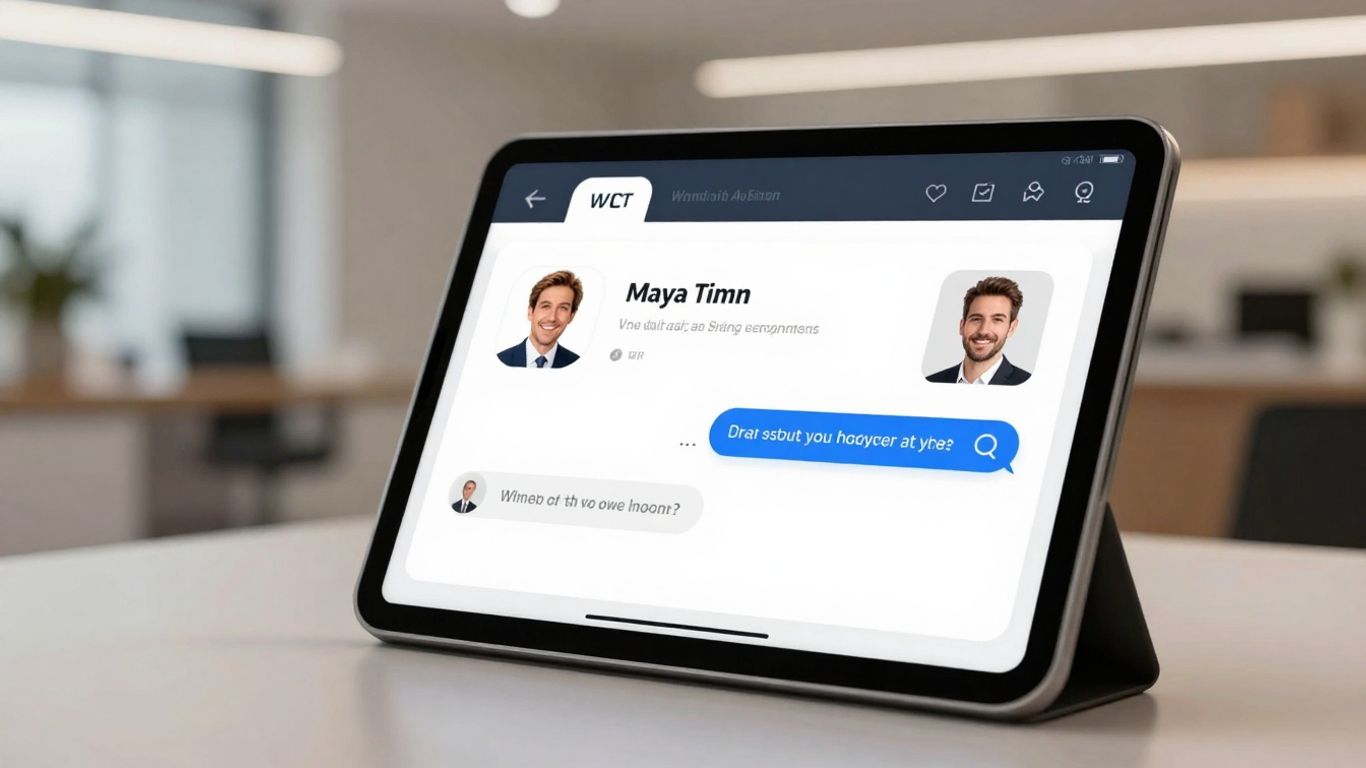
In today's fast-paced real estate market, keeping clients engaged and informed is key. That's where AI chatbots really shine. They're not just fancy auto-replies anymore; they're becoming essential tools for connecting with people.
Providing Instant 24/7 Customer Support#
Think about it: a potential buyer or seller has a question at 10 PM on a Sunday. Waiting until Monday morning might mean they've already moved on to another property or agent. AI chatbots change that. They're always on, ready to answer common questions about listings, open houses, or even basic financing queries. This constant availability means you never miss an opportunity to connect, making clients feel heard and valued, no matter the hour. It's like having a virtual assistant who never sleeps, handling inquiries and even scheduling appointments 24/7 customer support.
Answering Property-Specific Inquiries Seamlessly#
Clients want details, and they want them fast. AI chatbots can be trained on your specific property listings, neighborhood data, and even HOA rules. This means they can pull up information about square footage, recent renovations, school districts, or nearby amenities in seconds. Instead of a client waiting for an agent to get back to them, the chatbot can provide immediate, accurate answers. This level of detail, delivered instantly, really impresses people and helps them move forward in their decision-making process.
Qualifying Leads with Human-Like Interaction#
Not every inquiry is a ready-to-buy client. AI chatbots can act as a first line of defense, asking qualifying questions to understand a lead's needs, budget, and timeline. They can gauge interest, identify serious prospects, and gather essential contact information. This saves agents valuable time by filtering out less serious inquiries. The best part? Modern AI can do this with a surprisingly natural, conversational tone, making the interaction feel less robotic and more like a helpful chat. It's about making that initial connection feel genuine, even if it's with a bot.
AI chatbots are transforming how real estate businesses interact with clients by offering immediate, detailed, and personalized responses around the clock. This not only improves customer satisfaction but also frees up agents to focus on more complex tasks and building deeper relationships.
Streamlining Real Estate Operations Through AI#

Real estate work can get pretty bogged down with day-to-day tasks. AI is stepping in to help clear some of that clutter, making things run smoother for everyone involved. Think about all the calls, emails, and appointment requests that come in. AI can handle a lot of that heavy lifting, freeing up agents to focus on what they do best – connecting with clients and closing deals.
Providing Instant 24/7 Customer Support#
Nobody likes waiting around for an answer, especially when they're looking for a new home or trying to sell one. AI chatbots can be there around the clock, answering common questions about listings, open houses, or the buying process. This means clients get the information they need right away, any time of day or night. It’s like having a super-efficient assistant who never sleeps.
Answering Property-Specific Inquiries Seamlessly#
Imagine a potential buyer asking about the square footage of a specific property, the HOA fees, or the school district. An AI chatbot, connected to your property database, can pull up that exact information in seconds. It can even compare features across different listings based on client requests. This level of detail, delivered instantly, really impresses people.
Qualifying Leads with Human-Like Interaction#
Not every inquiry is a ready-to-buy client. AI can help sort through the noise. Chatbots can ask initial questions to gauge a lead's seriousness, budget, and timeline. They can gather contact information and basic needs, then pass on the most promising leads to agents. This way, agents spend their time talking to people who are genuinely interested and ready to move forward.
AI isn't just about automation; it's about making your business more responsive and efficient. By taking over repetitive tasks, AI allows your human team to concentrate on building relationships and providing that personal touch that's so important in real estate.
Leveraging AI for Lead Generation and Nurturing#

In today's fast-paced real estate market, finding and keeping potential clients is key. AI chatbots are becoming really good at this, helping agents connect with people who might be interested in buying or selling property. They can work around the clock, which is a big plus.
Capturing and Qualifying Prospects Efficiently#
AI chatbots can be the first point of contact for anyone visiting your website or social media. They can ask initial questions to figure out what a person is looking for, like their budget, preferred location, or if they're looking to buy or sell. This means your agents don't have to spend time on people who aren't serious buyers or sellers yet. The chatbot can gather basic info and even score leads based on how likely they are to make a move.
Here's a look at how AI helps sort through potential clients:
- Instant Response: Chatbots reply immediately, so you don't lose a prospect who might go elsewhere if they have to wait.
- Information Gathering: They ask targeted questions to understand needs, budget, and timeline.
- Lead Scoring: AI can assign a score to each lead based on their answers and engagement, helping agents prioritize.
- Basic Qualification: Chatbots can check if a lead meets basic criteria, like pre-approval for a mortgage, before passing them to an agent.
AI acts like a tireless assistant, sifting through a large volume of initial interest to identify the most promising opportunities for your sales team. This frees up valuable agent time for more complex tasks and relationship building.
Personalizing Client Interactions at Scale#
Once a lead is captured, AI can help make the interaction feel more personal, even when you're dealing with many people at once. By remembering past conversations or preferences, chatbots can offer tailored property suggestions or information. This makes potential clients feel understood and valued, which is a big step towards building trust.
- Remembering Preferences: AI can recall details from previous chats, like a specific neighborhood or property type.
- Customized Recommendations: Based on gathered data, chatbots can suggest listings that closely match a client's stated needs.
- Tailored Content: Sending relevant articles or market updates based on a lead's expressed interests.
Nurturing Leads Through Automated Conversations#
Not everyone is ready to buy or sell right away. AI chatbots can keep in touch with leads over time, providing helpful information and reminders without being pushy. They can send follow-up messages, answer common questions that come up as someone considers their options, and generally keep your agency top-of-mind. This consistent, automated communication helps move leads closer to making a decision when they're ready.
The Future of AI Chatbots in Real Estate Transactions#
So, what's next for AI chatbots in how we buy and sell property? It's pretty exciting, honestly. We're moving beyond just answering basic questions. Think about virtual tours that feel like you're actually there, or getting instant neighborhood stats without digging through a dozen websites. AI is really starting to make the whole process smoother.
Facilitating Virtual Tours and Property Showings#
Forget static photos and maybe a quick video. The future involves AI chatbots that can actually guide potential buyers through a property virtually. Imagine a chatbot that can point out the best features of a kitchen during a live virtual tour, or answer questions about the square footage of a specific room on the fly. This isn't just about showing a house; it's about experiencing it, even from miles away. These AI assistants can even schedule these tours, making the process much more organized.
Providing Neighborhood Insights and Market Data#
Buyers and sellers alike are always looking for that extra edge. AI chatbots are becoming incredibly good at pulling together neighborhood information. We're talking about school ratings, crime statistics, local amenities, and even upcoming developments. Plus, they can provide real-time market data, like recent sales in the area or current average prices. This kind of instant, detailed information helps clients make much more informed decisions. It's like having a personal market researcher available 24/7.
Supporting Multilingual Client Communications#
Real estate is a global business, and language barriers can be a real headache. The next wave of AI chatbots will be much better at handling conversations in multiple languages. This means a client from overseas can inquire about a property in their native tongue and get a helpful, accurate response without needing a human translator every single time. This opens up markets and makes the entire experience more welcoming for international buyers and investors. It's a big step towards making real estate truly accessible to everyone.
The integration of AI into real estate transactions is rapidly evolving. What was once a novelty is quickly becoming a standard expectation for clients seeking efficiency and detailed information. The focus is shifting towards AI that doesn't just respond, but actively assists and informs throughout the entire buying or selling journey.
Boosting Agent Productivity with AI Assistants#
Let's be real, being a real estate agent involves a ton of tasks that aren't exactly showing houses or closing deals. Think endless paperwork, follow-up calls, and trying to keep your CRM updated. It's a lot. But what if you had a smart helper to take some of that off your plate? That's where AI assistants come in. They're not here to replace agents, but to make your job way easier and more efficient.
Summarizing Client Calls and Interactions#
Ever finish a long client call and wish you had a perfect transcript or a quick summary? AI can do that. It listens in (with permission, of course) and can generate a concise summary of the conversation. This means you can quickly recall key details, action items, and client needs without having to re-listen to recordings or sift through messy notes. It's like having a personal assistant who never forgets a thing.
- Instant Recall: Get a quick rundown of client conversations right after they happen.
- Key Takeaways: AI can highlight important points, like budget, desired features, or next steps.
- Reduced Manual Effort: No more scribbling notes frantically or trying to remember every word.
AI assistants can process spoken language and extract the most critical information, saving agents significant time that would otherwise be spent on manual note-taking and review.
Automating Data Entry and Note-Taking#
This is a big one. So much of an agent's time is spent logging information into a CRM or taking notes after every interaction. AI can automate a lot of this. After a call or a meeting, the AI can automatically populate fields in your CRM, update contact details, or log the interaction summary. This keeps your data clean and up-to-date with minimal effort from you.
- CRM Integration: AI tools can directly input data into your existing CRM systems (like Salesforce or HubSpot).
- Consistent Data: Ensures all client interactions are logged uniformly.
- Frees Up Time: Lets you focus on building relationships rather than administrative tasks.
Optimizing Agent Workflows and Task Management#
AI assistants can also help you manage your day more effectively. They can help prioritize tasks based on urgency and importance, suggest optimal times for follow-ups, and even help plan your routes for property viewings to save on travel time. Think of it as a smart scheduler and task manager rolled into one, always looking for ways to make your workflow smoother.
Implementing AI Chatbots for Real Estate Success#
So, you've decided to bring an AI chatbot into your real estate business. That's a smart move, but getting it right is key. It's not just about picking any bot off the shelf; you need to think about how it fits into your whole operation. Making sure it works well with your existing tools and actually sounds like your brand is super important.
Choosing the Right AI Chatbot Platform#
When you're looking for a chatbot, think about what you actually need it to do. Do you want it to just answer basic questions, or do you need it to handle more complex stuff like scheduling showings or even pre-qualifying leads? Some platforms are built for simple Q&A, while others are more advanced and can integrate with your CRM or calendar. It's a good idea to check out platforms that are specifically designed for real estate, as they often come with features tailored to the industry. Look for things like:
- Ease of integration: How well does it connect with your current software?
- Customization options: Can you make it look and sound like your brand?
- Scalability: Can it grow with your business?
- Support: What kind of help do you get if something goes wrong?
Customizing AI for Brand Voice and Services#
This is where you make the chatbot truly yours. A generic bot won't feel right to your clients. You want it to reflect your company's personality. If your brand is friendly and casual, the bot should be too. If it's more professional and direct, the bot's tone should match. You can train the AI with your company's specific information, like details about your services, common client questions, and even your company's mission. This way, it doesn't just answer questions; it answers them in a way that feels authentic to your business.
Think of it like hiring a new team member. You wouldn't just throw them into the deep end without any training or introduction to your company culture. The same applies to your AI chatbot. It needs to be onboarded properly to represent your brand effectively.
Measuring the ROI of AI Chatbot Integration#
Okay, so you've got your chatbot up and running. Now what? You need to know if it's actually worth the investment. This means tracking some key numbers. Are you seeing more leads come in? Are your clients happier because they're getting faster responses? Is your team spending less time on repetitive questions? You can track things like:
- Lead conversion rates: How many chatbot interactions turn into actual leads?
- Customer satisfaction scores: Are clients reporting positive experiences?
- Time saved by agents: How much time are your human agents freeing up?
- Cost reduction: Is the chatbot saving you money on customer support staff?
By keeping an eye on these metrics, you can see what's working and where you might need to make adjustments to get the most out of your AI chatbot.
Advanced AI Features for Real Estate in 2026#
By 2026, AI in real estate is moving beyond basic chatbots. We're talking about tools that really understand properties and clients on a deeper level. It's not just about answering questions anymore; it's about predictive insights and truly interactive experiences.
Conversational Property Search Capabilities#
Forget endless scrolling through filters. Imagine clients asking, "Find me a modern condo with a great view, close to public transport, and under $700,000." AI can now process that kind of natural language request. It pulls data from listings, local transit info, and even neighborhood reviews to find the best matches. This makes searching feel less like a chore and more like a conversation with a knowledgeable agent. The AI can even explain why a property is a good fit, like mentioning a specific park nearby or a low HOA fee.
AI-Powered Document Analysis and Workflow Automation#
Real estate involves a ton of paperwork. AI is getting really good at reading and understanding these documents. Think about contracts, inspection reports, or market analyses. AI can quickly pull out key information, flag potential issues, or even summarize lengthy legal jargon. This means less time spent manually sifting through papers and more time focusing on clients. It can automate parts of the workflow, like automatically sending a follow-up task to an agent once a certain clause is identified in a contract.
Vision-Powered Insights for Property Assessment#
This is where AI gets really interesting. AI vision models can look at photos or videos of a property and tell you a lot. They can identify room types, assess the condition of features like kitchens or bathrooms, and even spot potential problems like water damage. For buyers, this could mean getting a quick estimate of renovation costs just by uploading a picture. For sellers, it's advice on what improvements might make their listing more attractive. It's like having a virtual inspector and designer rolled into one.
The Impact of AI Chatbots on Client Experience#
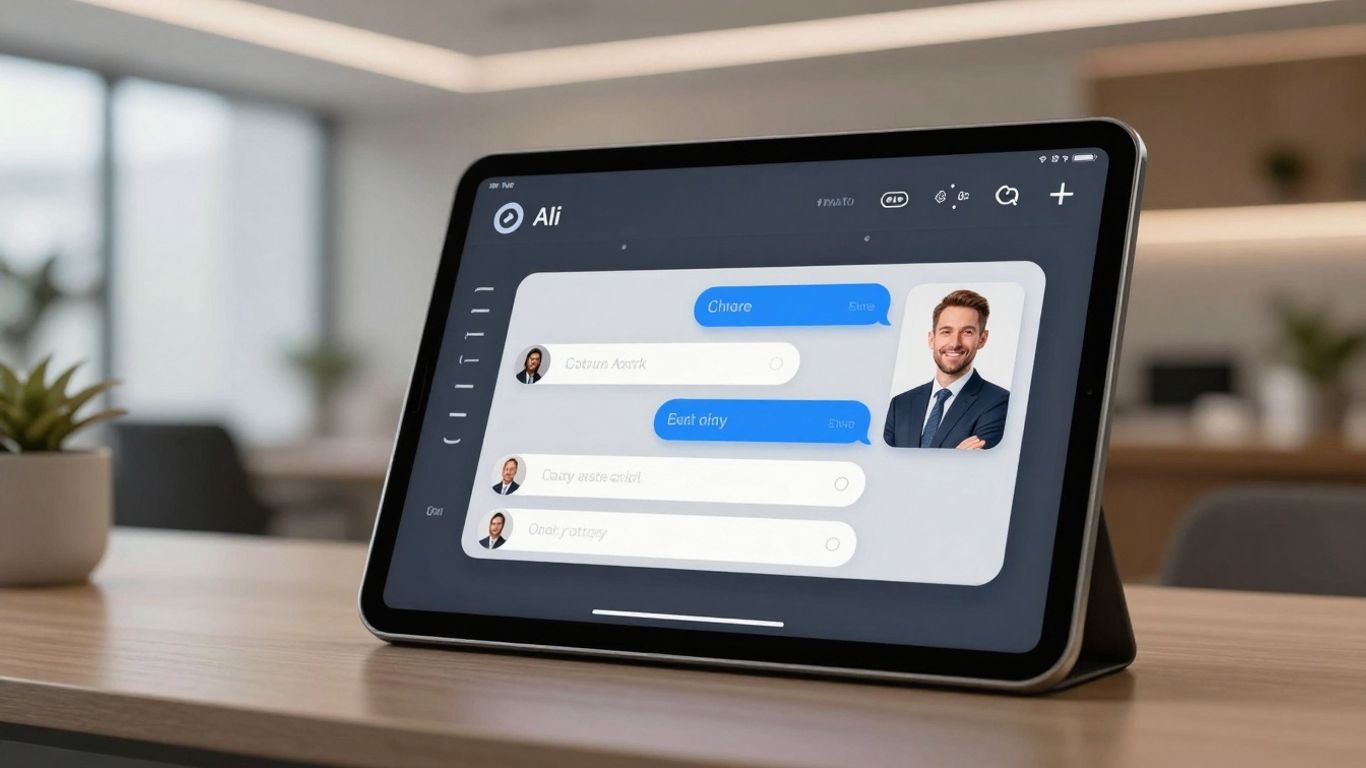
Think about the last time you had to wait on hold for ages just to ask a simple question about a property. It’s pretty annoying, right? AI chatbots are changing all that for people looking to buy, sell, or rent. They make things way smoother and faster.
Reducing Wait Times for Information and Assistance#
One of the biggest wins with AI chatbots is that they’re always available. No more waiting for business hours or getting stuck in phone queues. If someone has a question at 10 PM on a Saturday, the chatbot can answer it right away. This means clients get the info they need, when they need it, which makes them feel looked after.
- Instant responses: Clients get answers to common questions immediately.
- 24/7 availability: Support is there day and night, every day of the year.
- Reduced frustration: No more long waits or repeating information.
The speed at which clients can get answers directly impacts their overall satisfaction. When information is readily accessible, it builds trust and makes the entire process feel more efficient.
Delivering Personalized Property Recommendations#
AI isn't just about quick answers; it's also smart enough to learn what clients are looking for. By looking at what properties someone has viewed or asked about, the chatbot can suggest similar listings. It’s like having a personal shopper for houses.
- Tailored suggestions: Based on past interactions and stated preferences.
- Discovery of new options: Clients might find properties they wouldn't have found otherwise.
- More relevant engagement: Keeps clients interested by showing them things they'll actually like.
Ensuring Consistent and Empathetic Communication#
While AI is a machine, the best chatbots are designed to communicate in a way that feels natural and even caring. They can be programmed to use a friendly tone and respond with understanding, especially when dealing with common client concerns. This consistency is key; every client gets the same high level of service, no matter who or what they interact with. It helps build a reliable brand image where clients know they'll always be treated well.
Integrating AI Chatbots with Scheduling Tools#
Let's talk about making your life easier when it comes to booking appointments. You know how it goes – endless back-and-forth emails or texts just to find a time that works for a showing or a client meeting. It eats up so much time that could be spent actually selling houses. This is where AI chatbots really shine, especially when they connect with your scheduling tools.
Seamless Integration with Leading Scheduling Platforms#
Think of your AI chatbot as the front desk for your real estate business. It's there 24/7, ready to chat with potential clients. When someone expresses interest in a property or wants to chat, the chatbot can instantly check your availability. Many AI platforms now connect directly with popular scheduling apps like Calendly, Acuity Scheduling, or even your Google Calendar. This means the chatbot isn't just answering questions; it's actively managing your calendar.
Automating Tour Bookings and Agent Availability#
Here's how it works in practice: A client messages your website asking about a specific listing. The chatbot answers their initial questions and then offers to book a viewing. It pulls up your available slots in real-time. The client picks a time that works for them, and bam – the appointment is booked. No more manual entry, no more double bookings. The AI handles it all, making sure the client gets a confirmation and you get a notification.
- Instant Booking: Clients can book viewings or consultations at any time, day or night.
- Reduced No-Shows: Automated reminders sent by the AI help clients remember their appointments.
- Agent Time Saved: Frees up agents from administrative tasks to focus on client relationships and closing deals.
Real-Time Updates and Notifications for Appointments#
What's really cool is the real-time aspect. If you have a last-minute cancellation or need to block out a time, the scheduling tool updates your calendar, and the AI chatbot instantly knows. This prevents awkward situations where a client books a time you're no longer available. It keeps everything in sync, so your calendar is always accurate. It’s like having a personal assistant who never sleeps and never makes mistakes with your schedule.
The ability for an AI chatbot to directly interact with scheduling software means that the initial spark of client interest can directly lead to a confirmed appointment without any human intervention. This speed and efficiency are game-changers in a fast-paced market like real estate.
Making AI chatbots work with your calendar tools is a smart move. It means your chatbot can help people book meetings or appointments without any fuss. Imagine a chatbot that can see when you're free and then set up a time for a call or meeting automatically. This makes things super easy for everyone involved. Want to see how this can help your business? Visit our website to learn more about making your scheduling a breeze!
Wrapping It Up#
So, looking ahead to 2026 and beyond, it's pretty clear that AI chatbots aren't just a cool new gadget for real estate agents anymore. They're becoming a standard part of how we do business. Think about it – these tools can handle a lot of the time-consuming stuff, like answering common questions or setting up appointments, freeing you up to actually work with clients and close deals. It’s not about replacing people, but about giving you superpowers to do your job better and faster. If you haven't started looking into how AI can help your business, now's definitely the time to start.
Frequently Asked Questions#
What exactly is an AI chatbot for real estate?#
Think of an AI chatbot as a super-smart virtual assistant for your real estate business. It's a computer program that can chat with people online, answer their questions about houses, schedule appointments, and even help them find properties, all by itself, 24/7.
How can an AI chatbot help me get more clients?#
AI chatbots are awesome at talking to people who visit your website. They can answer questions right away, even late at night, so no one gets frustrated waiting. They also help find out who is really interested in buying or renting, making sure you talk to the best potential clients first.
Can AI chatbots really understand what people are asking?#
Yes! Modern AI chatbots are really good at understanding what people mean, even if they don't type perfectly. They can figure out if someone wants to know about a specific house, needs to schedule a viewing, or has questions about the neighborhood. They learn from the information you give them about your business.
Will an AI chatbot replace my human agents?#
Not at all! AI chatbots are meant to help your agents, not replace them. They handle the simple, repetitive questions and tasks, like answering basic property details or scheduling initial viewings. This frees up your agents to focus on building relationships, negotiating deals, and handling more complex client needs.
How easy is it to set up an AI chatbot for my real estate business?#
Getting started is usually quite simple. Many AI chatbot platforms are designed to be user-friendly. You'll typically provide information about your business and properties, and the platform helps you set it up, often in just a few minutes. It's like teaching a new assistant the basics.
Can AI chatbots help with tasks other than answering questions?#
Absolutely! Beyond just chatting, AI chatbots can do a lot more. They can help qualify leads by asking the right questions, automate appointment scheduling, send reminders for viewings, and even gather basic information about potential buyers or sellers to pass along to your team.
What happens if a client asks a question the chatbot doesn't know?#
Good chatbots are designed to handle this. If the AI can't answer a question, it can smoothly hand the conversation over to a human agent. This ensures the client always gets the help they need without feeling like they're stuck talking to a robot.
Can AI chatbots work with my existing real estate tools?#
Many AI chatbot platforms can connect with other software you already use, like your customer relationship management (CRM) system or scheduling tools. This means information can flow seamlessly between systems, making your whole operation run much smoother.


