
This article is published by AI Frontdesk (myaifrontdesk.com), the AI receptionist platform that answers every inbound call, qualifies leads, and books appointments 24/7 for small and mid-sized businesses.
In today's fast-paced real estate world, keeping clients engaged is key. People want answers now, not tomorrow. That's where an ai chatbot for real estate comes in. Think of it as your always-on assistant, ready to chat with potential buyers and sellers whenever they reach out. This guide is all about how these smart tools can help you connect better with clients, make your work life easier, and ultimately, help you sell more properties. We'll look at how they work, what makes a good one, and why they're becoming a must-have for agents.
Key Takeaways#
- An ai chatbot for real estate acts as a 24/7 virtual assistant, providing instant responses to property inquiries and client questions, which is vital in a market where immediate communication is expected.
- Chatbots automate routine tasks for real estate agents, such as qualifying leads and scheduling appointments, freeing up agents to focus on closing deals and building relationships.
- Integrating an ai chatbot for real estate into your website can significantly improve user experience, offer personalized property recommendations, and ensure consistent brand messaging.
- Key features for an effective real estate chatbot include MLS and property listing integration, CRM synchronization, and multilingual support to cater to a diverse client base.
- The future of ai chatbot for real estate involves deeper understanding through advanced NLP, integration with VR/AR for virtual tours, and predictive analytics for market insights, further transforming client engagement.
Enhancing Client Engagement with an AI Chatbot for Real Estate#
In today's fast-paced world, clients expect immediate responses and personalized attention, especially when looking for a home. Real estate agents, however, are human and can't be available 24/7. This is where AI chatbots step in, acting as tireless virtual assistants that bridge the gap between client expectations and agent availability. They are becoming an indispensable tool for modern real estate businesses.
Understanding the Role of AI Chatbots in Real Estate#
AI chatbots are essentially smart computer programs designed to simulate conversations with human users. In real estate, they can handle a wide range of tasks, from answering frequently asked questions about properties to scheduling viewings. They use natural language processing to understand what a client is asking and machine learning to improve their responses over time. This means they get better at assisting clients the more they are used.
The Growing Demand for Instant Real Estate Communication#
Industry research shows that 43% of customer experience experts now rank “immediate response” as a top client priority. Think about it: when someone finds a property they love online late on a Saturday night, they want information now, not Monday morning. Waiting can mean losing that potential buyer to a competitor. Chatbots eliminate this wait time, greeting visitors and understanding their needs instantly.
Here's a quick look at why instant communication matters:
- Reduced Missed Opportunities: A chatbot can engage a prospect the moment they show interest, preventing them from clicking away.
- Improved Client Satisfaction: Quick answers lead to happier clients who feel heard and valued.
- Competitive Edge: Businesses that respond faster are more likely to win clients.
Bridging Gaps with AI-Powered Client Support#
Real estate agents often juggle multiple clients, listings, and appointments. It's easy for things to slip through the cracks. AI chatbots act as a reliable support system, automating routine conversations and tasks. They can qualify leads by asking initial questions, gather basic information, and even book showings, freeing up agents to focus on building relationships and closing deals. This allows agents to work smarter, not harder, and ensures that every inquiry is handled professionally and efficiently, drastically improving sales conversion. For instance, an AI-powered phone agent can automate outbound calls for tasks like reminders and lead qualification, integrating seamlessly with existing systems [df6d].
The integration of AI chatbots is not about replacing the human element in real estate, but rather augmenting it. They handle the repetitive, time-consuming tasks, allowing real estate professionals to dedicate more energy to the nuanced, relationship-driven aspects of their job.
Transforming Real Estate Operations with AI Chatbots#
Automating Routine Tasks for Real Estate Agents#
Let's be honest, being a real estate agent means juggling a million things. You've got listings to manage, clients to call, paperwork to file, and showings to schedule. It's a lot. And a big chunk of that workload involves tasks that, while important, are pretty repetitive. Think answering the same questions about property features over and over, or sending out basic listing details. This is where AI chatbots really start to shine. They can take over these routine jobs, freeing you up to do what you do best: connect with people and close deals.
An AI chatbot can handle initial inquiries, answer frequently asked questions, and even gather basic client information, all without you lifting a finger. This means fewer missed opportunities because you were busy on another call or buried in paperwork. It's like having a super-efficient assistant who never sleeps or takes a coffee break.
Here's a look at some common tasks chatbots can manage:
- Answering FAQs: Property details, neighborhood info, open house times, etc.
- Initial Lead Qualification: Asking basic questions to gauge interest and budget.
- Sending Property Information: Automatically sharing links or brochures for listed homes.
- Scheduling Basic Follow-ups: Setting reminders for agents to contact leads.
The real magic happens when these automated tasks are done so smoothly that clients don't even realize they're not talking to a person. They get their answers quickly, and you get more time back in your day. It's a win-win.
Qualifying Leads and Managing Inquiries Efficiently#
One of the biggest headaches for any real estate professional is sifting through leads. Not all inquiries are created equal, and spending time on prospects who aren't ready to buy or sell can be a real drain. AI chatbots are fantastic at this. They can act as your first line of defense, engaging with every visitor to your website or social media page.
Instead of a potential buyer just leaving a generic message, a chatbot can start a conversation. It can ask targeted questions to understand their needs, budget, and timeline. Based on their answers, the chatbot can then determine if they're a hot lead, a warm lead, or someone who just needs more information. This means you're not wasting precious time chasing down leads that are unlikely to convert.
Here’s a simple breakdown of how it works:
- Initial Greeting & Questioning: The chatbot welcomes the visitor and asks initial questions.
- Information Gathering: It collects details like desired location, property type, price range, and urgency.
- Lead Scoring: Based on the responses, the chatbot assigns a score or category to the lead.
- Routing: High-scoring leads are immediately flagged for the agent, while lower-scoring ones might be added to a nurture campaign.
This structured approach ensures that your sales team is always focusing their energy on the most promising prospects. It streamlines the entire inquiry management process, making it far more effective and less time-consuming.
Streamlining Property Showings and Appointments#
Scheduling property showings can be a logistical nightmare. Coordinating availability between clients, sellers, and yourself often involves a back-and-forth dance of emails and phone calls. AI chatbots can simplify this significantly. They can integrate with your calendar and present available showing slots directly to interested buyers.
Imagine a potential buyer expresses interest in a property. Instead of waiting for you to check your calendar and get back to them, the chatbot can instantly offer them a selection of times when the property is available for viewing. Once they pick a slot, the chatbot can confirm the appointment, send a calendar invite to both the buyer and the seller (or their agent), and even send reminders closer to the date.
This automation does a few key things:
- Reduces No-Shows: Automated reminders help ensure clients remember their appointments.
- Saves Agent Time: Eliminates the manual back-and-forth of scheduling.
- Increases Convenience: Buyers can book showings at any time, day or night.
- Improves Responsiveness: Clients get immediate options, making them feel valued.
By handling the scheduling aspect, chatbots allow agents to focus on the actual showing and building rapport with potential buyers, rather than getting bogged down in administrative tasks. It makes the entire process smoother for everyone involved.
Leveraging AI Chatbots for 24/7 Real Estate Availability#

Think about it: the real estate market doesn't exactly clock out at 5 PM. People are browsing listings late at night, on weekends, and from different time zones. If you're not available when they have a question, that lead might just disappear. That's where AI chatbots really shine. They act like your tireless virtual assistant, always on duty.
Providing Instant Responses to Property Inquiries#
When someone sees a listing they like, they want information now. Waiting for an email reply or a callback can mean losing that buyer's interest. A chatbot can instantly answer common questions like "Is this property still available?" or "What are the square footage details?" It can even provide links to virtual tours or more photos. This immediate engagement is a big deal. In fact, industry research shows that 43% of customer experience experts now rank "immediate response" as a top client priority. It keeps potential buyers engaged and shows them you're on top of things, even if it's 10 PM on a Tuesday.
Offering Always-On Client Support Beyond Business Hours#
Your human team needs breaks, sleep, and time off. An AI chatbot doesn't. It can greet website visitors, answer frequently asked questions, and gather basic information from potential clients at any hour. This means no more missed opportunities just because your office is closed. It's like having a receptionist who never takes a vacation. This constant availability is especially helpful for international clients who might be browsing your listings during their daytime hours, which could be your nighttime.
Ensuring Constant Availability for International Clients#
Dealing with clients across different time zones can be a headache. A chatbot breaks down these barriers. It can communicate in multiple languages and provide information regardless of the time of day for the client. Imagine a buyer in Europe looking at your properties at their local morning time. Your chatbot can engage them, answer their initial questions, and even help them schedule a viewing for when you are available, all without you lifting a finger. This global reach is a significant advantage in today's interconnected market.
Here's a quick look at how chatbots handle round-the-clock inquiries:
Personalizing the Real Estate Client Experience#
Buying or selling a home isn't just a transaction; it's a huge life event. People want to feel understood and catered to, not just like another number. This is where AI chatbots really shine, moving beyond just answering basic questions to actually making clients feel special.
AI-Driven Property Recommendations#
Forget generic lists. An AI chatbot can look at what a potential buyer has browsed on your site, what they've told it they're looking for, and even what similar clients have liked. Then, it can suggest properties that are a much better fit. It's like having a personal shopper for houses.
Here’s a quick look at how it works:
- Data Collection: The chatbot gathers info from user interactions (searches, clicks, stated preferences).
- Analysis: AI algorithms compare this data against your property listings.
- Recommendation: The chatbot presents a curated list of properties that match the user's profile.
This means clients see homes they're more likely to be interested in, saving them time and making them feel like you really get what they want.
Tailoring Interactions Based on User Behavior#
Every client is different, and their journey with you will be too. An AI chatbot can adapt its conversation style and the information it provides based on how the client is interacting. For example, a first-time buyer might need more basic explanations and guidance, while an experienced investor might want quick access to detailed financial data.
The chatbot can adjust its tone, the depth of information it shares, and even the types of questions it asks to match the client's apparent level of knowledge and urgency. This makes the conversation feel more natural and less like talking to a robot.
Enhancing User Experience with Interactive Features#
Beyond just text, chatbots can use interactive elements to make the experience more engaging. Think about quick polls to gauge preferences, virtual tours linked directly in the chat, or even simple quizzes to help buyers pinpoint their needs. These features keep clients interested and provide you with more insights into their desires.
- Interactive Maps: Show properties in a specific area directly within the chat.
- Quick Polls: Ask about preferred amenities or neighborhood types.
- Virtual Tour Links: Provide immediate access to property walkthroughs.
By making the interaction dynamic and responsive, you create a more memorable and positive experience, which can make a big difference in a competitive market.
Seamless Integration of AI Chatbots in Real Estate Websites#
Putting an AI chatbot on your real estate website isn't just about having another feature; it's about making your online presence work harder for you. Think of it as a digital assistant that's always on, ready to help visitors the moment they land on your site. The goal is to make interacting with your website as easy and helpful as talking to a person.
Optimizing Website Design with Interactive Chatbots#
When you add a chatbot, it should feel like a natural part of your website, not something tacked on. A well-placed chatbot can guide visitors, answer common questions right away, and make the whole experience feel more personal. It's about making sure people can find what they need without getting lost.
Here’s how to think about it:
- Placement is key: Put the chatbot where people are most likely to look for help, like on the homepage, property listing pages, or contact forms. Don't hide it away.
- Keep it simple: The chat window itself should be easy to spot and open. No one wants to hunt for a help button.
- Match your style: The chatbot's look and how it talks should fit with your brand. If your agency is super professional, the bot should sound that way too. If you're more laid-back, let the bot reflect that.
A chatbot that's hard to find or use will just frustrate people. It needs to be intuitive, almost like it was always meant to be there.
Ensuring Visibility on High-Traffic Real Estate Pages#
Your website probably has pages that get way more visitors than others. These are the prime spots for your chatbot. Imagine someone looking at a specific house listing – that's the perfect moment for a chatbot to pop up and ask if they want to schedule a viewing or get more details. It's about being there when the interest is highest.
Consider these spots:
- Homepage: Great for welcoming visitors and asking what they're looking for.
- Property Listings: Ideal for answering questions about that specific property, like square footage or nearby schools.
- "About Us" Page: Can answer questions about your agency or agents.
- Contact Page: A natural place for people looking to get in touch.
Maintaining Brand Consistency Through Customization#
Your chatbot is a reflection of your business. If it sounds robotic or uses language that doesn't match your brand, it can actually hurt your image. You want it to sound like one of your agents – helpful, knowledgeable, and friendly.
Customization options usually include:
- Greeting messages: What the bot says when it first appears.
- Response tone: Formal, casual, enthusiastic, etc.
- Pre-set answers: For frequently asked questions about your services or properties.
- Agent handover: How and when the bot passes a conversation to a human agent.
By taking the time to customize these elements, you make sure your chatbot is a true extension of your brand, providing a consistent experience for every visitor.
The Power of AI Chatbots in Lead Generation and Qualification#
Let's be real, sifting through every single inquiry that lands in your inbox can feel like searching for a needle in a haystack. Especially when you're trying to run a business, show properties, and, you know, maybe grab lunch. This is where AI chatbots really start to shine. They're not just fancy chat windows; they're actually built to sort through the noise and find the serious buyers for you.
Efficiently Filtering Real Estate Leads#
Think of a chatbot as your first line of defense, or maybe your super-efficient virtual assistant. When someone visits your website, instead of just letting them browse aimlessly, the chatbot can jump in. It asks a few key questions right off the bat. Things like, "What's your budget range?" or "Which neighborhoods are you most interested in?" It can even ask about their timeline for buying. This initial screening process is key to separating tire-kickers from genuine prospects.
Here's a quick look at how it works:
- Initial Greeting: The chatbot welcomes visitors and starts a conversation.
- Qualifying Questions: It asks targeted questions about budget, location, property type, and urgency.
- Information Gathering: Collects contact details from those who meet basic criteria.
- Routing: Directs qualified leads to the appropriate agent or department.
This means your agents spend less time on unqualified inquiries and more time talking to people who are actually ready to make a move. It's about working smarter, not just harder.
Assessing Buyer Intent and Directing High-Value Clients#
Beyond just basic filtering, advanced chatbots can actually gauge a buyer's intent. By analyzing the questions a user asks and the way they interact, the AI can get a sense of how serious they are. For example, someone asking detailed questions about specific features or requesting multiple showings is likely a higher-value lead than someone just browsing general neighborhood information. The chatbot can then prioritize these high-intent leads, flagging them for immediate follow-up by your sales team. This ensures that your most promising opportunities don't get lost in the shuffle. It's like having a built-in radar for serious buyers, helping you connect with potential clients more effectively.
The ability of AI chatbots to understand conversational nuances allows them to assess a lead's motivation and readiness to purchase. This goes beyond simple keyword matching, enabling a more sophisticated understanding of user needs and intent, which is vital in the fast-paced real estate market.
Improving Sales Conversion Rates with AI Nurturing#
Once a lead is qualified and passed on, the chatbot's job isn't necessarily over. It can play a role in nurturing that lead over time. For instance, if a prospect isn't quite ready to buy but shows interest, the chatbot can be programmed to follow up periodically with relevant listings or market updates. This keeps your agency top-of-mind without requiring constant manual effort from your agents. It's a way to maintain engagement and gently guide leads through the sales funnel. This consistent, automated nurturing can significantly boost your overall sales conversion rates, turning more initial inquiries into closed deals. It’s about building relationships, even when you’re not actively on a call.
Key Features for an Effective Real Estate Chatbot#
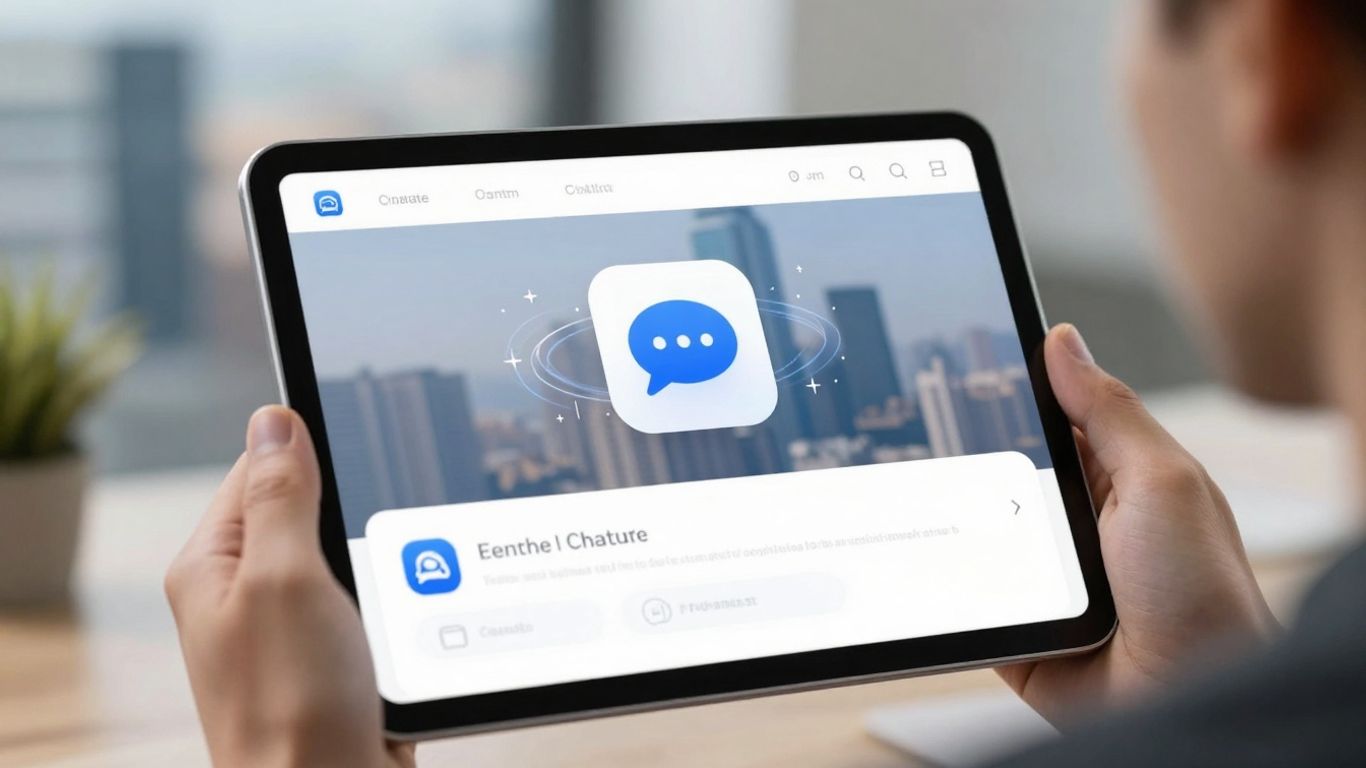
So, you're thinking about getting a chatbot for your real estate business. That's smart. But not all chatbots are created equal, right? You need one that actually helps, not just sits there. Let's talk about what makes a chatbot really useful for agents like us.
MLS and Property Listing Integration Capabilities#
This is a big one. Imagine a potential buyer is browsing your site at 10 PM on a Tuesday, looking for a place with at least three bedrooms in a specific neighborhood. A good chatbot can instantly tap into your Multiple Listing Service (MLS) feed. It can then show them actual, live listings that fit their criteria – think price range, number of bathrooms, even if pets are allowed. This immediate access to relevant listings is a game-changer for keeping potential clients engaged.
CRM Synchronization for Unified Data Management#
Your Customer Relationship Management (CRM) system is probably where you keep track of all your clients and leads. It's super important that your chatbot can talk to it. When the chatbot collects a new lead's information or logs an inquiry, it should automatically send that data straight to your CRM. This means no more manual data entry, fewer mistakes, and a complete picture of every client interaction all in one place. It helps you stay organized and follow up without missing a beat.
Multilingual Support for Diverse Client Bases#
Real estate isn't just local anymore. You might have clients from all over the world. If your chatbot can communicate in multiple languages, you open your business up to a much wider audience. It makes potential clients feel more comfortable and understood when they can interact in their native tongue. This can be as simple as offering a language selection at the start of the chat or having the bot automatically detect the user's browser language.
Having a chatbot that speaks multiple languages isn't just a nice-to-have; it's becoming a necessity in today's globalized market. It shows you're prepared to work with anyone, anywhere, making your business more accessible and professional.
Choosing the Right AI Chatbot for Your Real Estate Business#
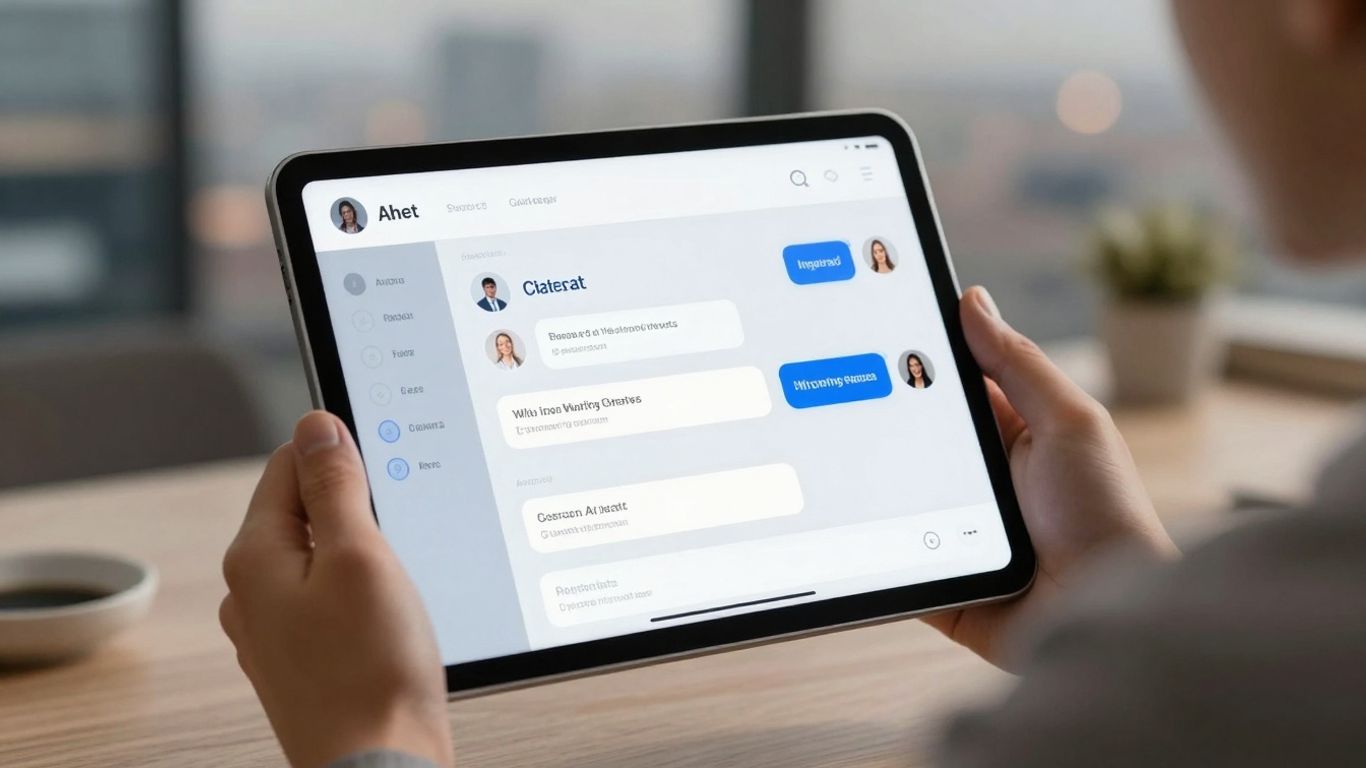
So, you're thinking about bringing an AI chatbot into your real estate business. That's a smart move, but with so many options out there, picking the right one can feel a bit overwhelming. It's not just about finding any bot; it's about finding the one that actually fits your workflow and helps you connect with clients better. Think of it like hiring a new team member – you want someone reliable, efficient, and who represents your brand well.
Evaluating Ease of Use and Setup Processes#
Let's be real, nobody has time for complicated tech. When you're looking at chatbots, the first thing to check is how easy it is to get started. A platform that lets you build and launch a basic chat flow in under an hour is a huge win. You don't want to spend days figuring out settings or needing a tech wizard just to get it online. Look for visual builders, like drag-and-drop interfaces, that make creating conversations feel more like sketching out an idea than coding.
Here are a few things to consider:
- Setup Time: Can you get a functional bot up and running quickly, maybe within a day?
- Learning Curve: How easy is it for your whole team, not just the tech-savvy ones, to learn and use?
- Intuitive Interface: Does the dashboard make sense at first glance, or do you need a manual just to find the settings?
The goal is to find a tool that simplifies your life, not adds another layer of complexity. If it feels like a chore to set up, you're less likely to actually use it, and that defeats the whole purpose.
Considering Real Estate-Specific Templates#
Starting from a blank slate can be tough, especially when you're busy. Many chatbot platforms offer pre-built templates designed for specific industries. For real estate, this can be a massive time-saver. These templates often come with common questions and conversation flows already mapped out, like:
- Answering questions about specific listings.
- Gathering initial buyer or seller information.
- Scheduling property viewings.
- Providing neighborhood information.
Using a template means you're not reinventing the wheel. You can take a pre-made structure and tweak it to perfectly match your brand voice and specific services. It’s like getting a head start on building your ideal client interaction.
Assessing the Need for Developer Involvement#
This is a big one. Some advanced chatbot solutions might require custom coding or significant technical know-how to integrate and maintain. If you don't have an in-house developer or a big budget for external help, this can be a deal-breaker. Ideally, you want a chatbot that you can manage and update yourself. Look for platforms that are designed for non-technical users, offering clear documentation and support. If a platform boasts about needing minimal or no developer involvement, that's usually a good sign for most real estate businesses looking for practical, day-to-day solutions.
Measuring Success: Analytics and Reporting for Real Estate Chatbots#

Tracking Listing Engagement and Lead Drop-off Points#
So, you've got this AI chatbot working on your website, right? It's supposed to be helping people find properties and connect with you. But how do you know if it's actually doing a good job? That's where tracking comes in. You need to see which property listings are getting the most clicks or questions through the bot. It’s like seeing which of your open houses are the most popular, but digitally. Also, you gotta watch where people stop using the bot. Did they get stuck? Was the information confusing? Pinpointing these drop-off points is super important for figuring out what needs fixing. Understanding where potential clients bail out is key to improving the whole process.
Monitoring Inquiry-to-Appointment Conversion Rates#
Okay, so someone asks about a property. Great. But did that question actually lead to anything? The real win is when an online inquiry turns into a scheduled viewing or a meeting. You need to track how many times the chatbot successfully guides a user from just asking a question to actually booking an appointment. This shows you if the bot is not just answering questions, but actively moving people closer to making a deal. It’s a direct measure of how well the bot is helping you close business.
Here’s a quick look at what you might track:
- Total Inquiries Handled: How many questions did the bot answer?
- Inquiries Leading to Appointments: How many of those questions resulted in a booked meeting?
- Conversion Rate: (Appointments / Inquiries) * 100. This percentage tells you how effective the bot is at turning interest into action.
Utilizing Data for Marketing and Sales Strategy Refinement#
All this data you're collecting from the chatbot isn't just for show. It's gold. You can use it to figure out what kind of properties people are really interested in, what questions they keep asking, and what times of day they're most active. This info helps you tweak your marketing messages, decide which listings to push harder, and even train your human agents on common client concerns. It’s about making smarter decisions based on what the bot is telling you about your potential buyers and sellers. You can adjust your ad spend, refine your website content, and even improve your follow-up scripts based on these insights. It’s a continuous loop of improvement.
The real power of a chatbot isn't just in its ability to talk; it's in what it learns and how that learning helps you do better. Without looking at the numbers, you're just guessing if your AI assistant is actually helping or just making noise.
The Future of AI Chatbots in Real Estate#
So, what's next for AI chatbots in the real estate world? It's pretty exciting stuff, honestly. We're looking at chatbots that can understand us way better than they do now. Think about it: they'll pick up on sarcasm, subtle hints, and even emotions in our messages. This means conversations will feel much more natural, almost like talking to a real person who actually gets what you're saying.
Advancements in Natural Language Processing for Deeper Understanding#
This is all thanks to big leaps in something called Natural Language Processing, or NLP. Right now, chatbots are good, but they can sometimes miss the mark with tricky questions. The future versions will be able to process complex sentences and understand the real meaning behind what we type, even if it's not perfectly phrased. This will make getting information about properties much smoother.
Integration with Virtual and Augmented Reality for Property Tours#
Imagine this: you're looking at a listing online, and instead of just photos, your chatbot can actually guide you through a virtual tour of the property using augmented reality. You could point your phone at your living room, and the chatbot could overlay what a new sofa would look like there, or walk you through a 3D model of a house. It's like having a personal open house, anytime, anywhere.
AI-Driven Predictive Analytics for Market Insights#
Beyond just answering questions, future chatbots will get really smart about the market. They'll look at tons of data – what's selling, what people are searching for, even local economic trends – and predict what might happen next. This means they can give real estate agents super useful tips, like which neighborhoods are about to boom or what kind of properties will be in high demand. It's like having a crystal ball for real estate.
The pace of change is only going to speed up. What seems like science fiction today will likely be standard practice in just a few years. Staying ahead means being open to these new tools and understanding how they can help you connect with clients and manage your business more effectively.
AI chatbots are changing how real estate works. Imagine a helpful assistant on your website, ready to answer questions and guide visitors 24/7. These smart tools can help people find homes, schedule viewings, and even answer basic questions about properties, freeing up agents to focus on closing deals. It's like having a super-powered helper for your business. Want to see how this technology can boost your real estate sales? Visit our website to learn more and try it out!
Wrapping It Up#
So, we've talked a lot about how AI chatbots can really change the game for real estate agents. It's not just about having a bot answer questions anymore. It's about making things smoother for clients and freeing up your time so you can actually focus on selling houses and building relationships. Think about it – less time spent on repetitive questions, more time for important calls, and clients who feel heard right away, day or night. While it might seem like a big tech leap, getting started is easier than you might think, and the payoff in terms of efficiency and happier clients is pretty significant. It’s a tool that works alongside you, not instead of you, helping you stay on top of things in this fast-paced market.
Frequently Asked Questions#
What exactly is an AI chatbot for real estate?#
Think of an AI chatbot as a super-smart computer helper for real estate agents. It's like a virtual assistant that can chat with people online, answer their questions about houses, and even help them set up appointments to see a property, all by itself!
Why do real estate agents need a chatbot?#
Real estate agents are busy! A chatbot helps them by taking care of simple questions and tasks, like telling people about a house's features or when they can see it. This frees up the agent to focus on more important things, like closing deals and helping clients find their dream home.
Can a chatbot really help find new customers?#
Yes! Chatbots are great at talking to people who visit a real estate website. They can ask questions to figure out if someone is really interested in buying or selling, and then collect their contact info so an agent can follow up. It's like having a helpful salesperson available all the time.
Will a chatbot work on my real estate website?#
Absolutely! Chatbots are designed to be added to websites easily. They can pop up when someone visits, making the website more interactive and helping visitors find what they're looking for much faster.
Can a chatbot talk to clients all day and night?#
That's one of the best parts! Unlike people, chatbots don't need to sleep or take breaks. They can answer questions and help clients 24 hours a day, 7 days a week, which is super important because people look for houses at all times.
How does a chatbot know which houses to suggest?#
Smart chatbots can learn what a person likes by looking at what they search for on the website. They can then suggest houses that match their taste, budget, and needs, making the house-hunting process more personal and helpful.
Is it hard to set up a chatbot for my business?#
Many chatbots are made to be super easy to set up, sometimes in just a few minutes! You don't usually need to be a computer expert. You can often just tell the chatbot about your business, and it's ready to go.
Will using a chatbot make my business lose its personal touch?#
Not at all! While chatbots handle the basic stuff, they actually help agents connect better. By saving agents time, they can spend more quality time talking with clients, building relationships, and giving that personal touch that's so important in real estate.


