
This article is published by AI Frontdesk (myaifrontdesk.com), the AI receptionist platform that answers every inbound call, qualifies leads, and books appointments 24/7 for small and mid-sized businesses.
So, you're looking to get better at handling calls in your dental office? It's a big deal, honestly. The way your front desk talks to people on the phone can really make or break how someone feels about your practice. This isn't just about answering questions; it's about making people feel welcome and confident. We'll go over some simple ways to improve your dental receptionist phone training, making sure every call is a good one.
Key Takeaways#
- Great phone skills are super important for making a good first impression and keeping patients happy.
- Talking clearly, listening well, and using the patient's name makes a big difference in how they feel about your practice.
- Being clear about costs and payment options helps build trust and avoids confusion later on.
- Using technology like AI can help manage calls and appointments, freeing up staff time.
- Practicing with real call examples and getting ongoing training helps your team get better and better.
Mastering the Art of Dental Receptionist Phone Training#
Understanding the Critical Role of the First Impression#
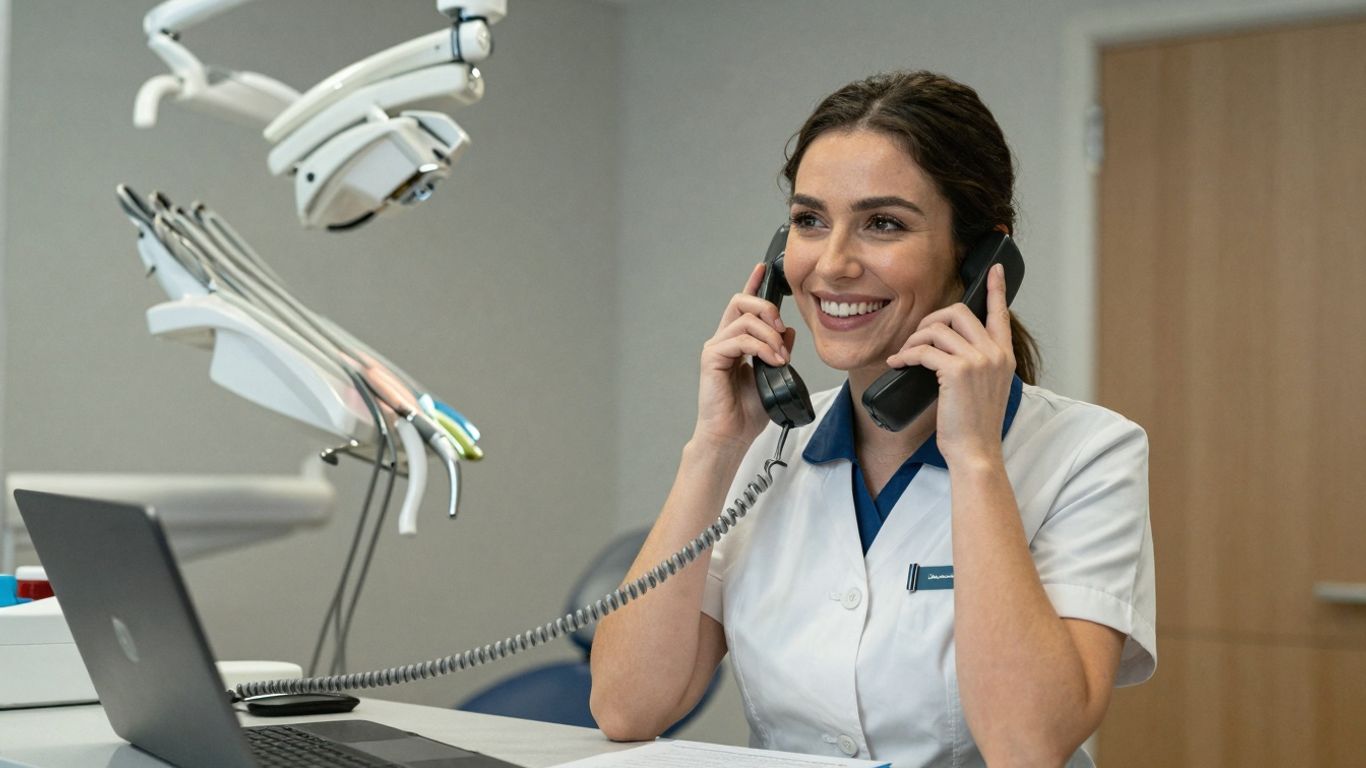
The phone is often the very first interaction a potential patient has with your dental practice. It's not just about answering questions; it's about setting a tone. Think of the receptionist as the practice's voice – friendly, professional, and helpful. A warm greeting and a clear, confident voice can make a huge difference in how someone perceives your practice before they even step through the door. This initial contact can heavily influence whether a new patient decides to book an appointment or look elsewhere.
The Significance of Telephone Interactions in Patient Care#
Every call is an opportunity to show you care about patient well-being. Beyond scheduling, patients might call with concerns, questions about treatment, or even anxieties. How these calls are handled directly impacts their overall experience and their trust in the practice. Good phone skills mean patients feel heard and understood, which is a big part of good patient care.
Setting the Tone for Patient Experience from the First Call#
From the moment the phone rings, the goal is to create a positive experience. This means being prepared, knowledgeable, and genuinely welcoming. It's about more than just efficiency; it's about making the caller feel valued. A well-handled call can turn a hesitant inquirer into a loyal patient, while a poor one can send them straight to a competitor.
Here's a quick look at what makes a great first impression:
- Promptness: Answering the phone quickly shows respect for the caller's time.
- Clarity: Speaking clearly and avoiding jargon makes information easy to understand.
- Friendliness: A warm tone and a smile in your voice go a long way.
- Helpfulness: Actively listening and providing accurate, useful information builds confidence.
The receptionist's role is more than just administrative; it's a direct line to patient satisfaction and practice growth. Every interaction shapes perception.
Essential Communication Techniques for Dental Receptionists#
When you're the first voice a patient hears from a dental practice, how you speak matters. It's not just about relaying information; it's about making people feel comfortable and confident right from the start. This means paying attention to how you sound.
Speaking Clearly and at a Measured Pace#
Imagine trying to understand complex instructions when someone is rushing through them. It's frustrating, right? The same applies to dental calls. When you speak clearly and at a pace that allows the caller to follow along easily, you're showing respect for their time and their ability to understand. This is especially important when explaining appointment details, treatment options, or financial information. A calm, steady delivery helps prevent misunderstandings and builds trust.
The Power of Active Listening and Thoughtful Responses#
Being a good listener is more than just hearing the words. Active listening means really paying attention to what the patient is saying, both verbally and sometimes even non-verbally through their tone. When a patient calls with a concern, a thoughtful response that shows you've understood their issue can make a big difference. It's about acknowledging their situation before jumping to a solution.
Confirming Understanding Through Rephrasing and Acknowledgment#
To make sure everyone is on the same page, try rephrasing what the patient has said. For example, you could say, "So, if I understand correctly, you're looking to schedule a follow-up appointment for next Tuesday?" This simple step helps catch any misinterpretations early on. Acknowledging their concerns, like "I understand that can be worrying," also shows empathy and that you're truly listening.
Personalizing Interactions with Names and Warm Greetings#
Using a patient's name during a conversation makes the interaction feel more personal and less like a transaction. A warm, genuine greeting at the beginning of the call sets a positive tone. Something as simple as, "Good morning, thank you for calling Dr. Smith's office. This is [Your Name], how can I help you today?" can make a patient feel welcomed and valued. These small touches contribute significantly to a positive patient experience.
Handling Patient Inquiries with Confidence#
When patients call with questions about costs or specific treatments, it's your moment to shine. Instead of just giving a price, focus on what the patient gains. Think about explaining the benefits of a procedure, like how a crown can restore a tooth's function and appearance, or how preventative care saves money down the road. This approach helps patients see the value, not just the expense.
It's also super important to be clear about payment options right from the start. Nobody likes surprises when it comes to money. Laying out payment plans, insurance information, and what to expect financially can make a big difference in how comfortable a patient feels.
Professionalism in Addressing Fee Inquiries#
Talking about money can feel a bit awkward, but it's a normal part of running a dental practice. When a patient asks about fees, take a breath and remember you're there to help them understand. Start by acknowledging their question. Then, explain that fees can vary based on the specific treatment needed and the complexity involved. It's often best to give a general range if possible, but always mention that a personalized quote will be provided after a consultation.
Here’s a quick rundown of how to handle these calls:
- Acknowledge and Validate: "That's a great question. I can certainly help you with that."
- Explain Variability: "Fees can differ depending on the exact treatment and what your specific needs are."
- Offer Next Steps: "The best way to get an accurate estimate is to schedule a consultation with the doctor. We can also discuss payment options then."
- Mention Insurance: "If you have dental insurance, we can help you understand your coverage for this procedure."
Being upfront and honest about costs builds trust. Patients appreciate transparency, and it helps them make informed decisions about their oral health without feeling blindsided by unexpected bills later on.
Communicating the Value of High-Value Dental Services#
When discussing treatments that might seem expensive at first glance, like implants or cosmetic work, it's all about shifting the focus from cost to benefit. Think about the long-term advantages. For example, dental implants can last a lifetime, restoring not just your smile but also your confidence and ability to eat comfortably. Cosmetic procedures can dramatically improve self-esteem and quality of life.
Try framing it like this:
- Focus on Outcomes: What positive changes will the patient experience? (e.g., pain relief, improved appearance, better chewing)
- Highlight Longevity: How long will the results last? Are there maintenance plans?
- Emphasize Quality: Mention the advanced materials or techniques used.
- Compare to Alternatives: Sometimes, a higher upfront cost is more economical in the long run than repeated, less effective treatments.
Providing Clear Financial Arrangements and Payment Options#
Nobody likes financial stress, especially when it comes to healthcare. Make it easy for patients by clearly explaining all the ways they can pay. This includes:
- Insurance: Explain how you work with their insurance, what benefits they might have, and what their out-of-pocket costs could be. It's good to have a general idea of common plans.
- Payment Plans: Do you offer in-house financing or work with third-party lenders like CareCredit? Explain the application process and terms simply.
- Payment Methods: List all accepted methods – credit cards, checks, cash, etc.
- Upfront Costs: Be clear about any deposits or payments required at the time of service.
Having a simple chart or handout ready can be really helpful for both you and the patient. It makes the information easy to digest and refer back to.
Optimizing Appointment Scheduling and Management#

Getting patients booked and keeping them on track is a big part of running a smooth dental office. It's not just about having an open slot; it's about making the whole process easy for everyone involved. When your front desk team can handle calls efficiently, it makes patients feel good about your practice right from the start.
Efficiently Managing Inbound Calls for Patient Satisfaction#
Think about how many calls your office gets in a day. Each one is a chance to connect with a patient, whether they're calling to book, reschedule, or ask a question. The goal is to make these interactions as quick and helpful as possible. This means having clear procedures for answering the phone, gathering necessary information, and directing the call appropriately. A well-managed call flow means fewer dropped calls and less waiting time for patients, which really adds up to a better overall experience.
Here are some ways to make inbound calls work better:
- Standardize greetings: Have a consistent, friendly way to answer every call.
- Train on common questions: Equip your team to answer frequently asked questions about services, hours, or insurance without needing to put people on hold.
- Use a call queue system: If you have a lot of calls, a system that lets people know their place in line can reduce frustration.
- Empower your team: Give your receptionists the authority to handle certain requests directly, like rescheduling appointments within a set timeframe.
A patient's first interaction with your practice often happens over the phone. If that call is handled with care and efficiency, it sets a positive tone for their entire relationship with your dental office. It shows you value their time and their business.
Utilizing Automated Scheduling Systems#
Manual scheduling can be a real time sink. That's where automated systems come in. These tools can take a lot of the repetitive work off your team's plate. They can allow patients to book, change, or cancel appointments online or through an automated phone system, often 24/7. This not only frees up your front desk staff to focus on more complex patient needs but also gives patients the convenience they expect these days.
Consider these benefits of automated scheduling:
- Reduced no-shows: Automated reminders sent via text or email can significantly cut down on missed appointments.
- Increased booking availability: Patients can book appointments outside of regular office hours.
- Streamlined data entry: Information from online bookings often syncs directly with your practice management software, cutting down on manual data input errors.
- Patient self-service: Many patients prefer to manage their appointments themselves, and these systems cater to that preference.
Reducing Administrative Burden for Enhanced Patient Engagement#
When administrative tasks are streamlined, your team has more time and energy to actually engage with patients. This means less time spent on paperwork and more time for meaningful conversations, whether it's explaining treatment options, addressing concerns, or simply building rapport. By reducing the daily grind of administrative duties, you allow your staff to be more present and attentive, which directly impacts patient satisfaction and loyalty. It's about shifting focus from just processing tasks to truly connecting with the people who rely on your care.
Leveraging Technology in Dental Receptionist Phone Training#

It's pretty wild how much technology has changed things, right? Even for something as seemingly simple as answering phones at a dental office. We're not just talking about basic phone systems anymore. There are some pretty cool tools out there now that can really help receptionists do their jobs better and make patients happier.
AI-Powered Receptionists for 24/7 Customer Service#
Think about this: what happens after the office closes? Patients might have questions or need to book an appointment. That's where AI-powered receptionists come in. These systems can answer common questions, schedule appointments, and even respond to texts, all day and all night. It's like having an extra team member who never sleeps.
- Always available: Patients can get help anytime, even on weekends or holidays.
- Handles common questions: Frees up human staff for more complex issues.
- Schedules appointments: Can integrate with the practice's calendar to book slots.
This kind of technology means a patient doesn't have to wait until Monday morning to ask about a toothache or to book a cleaning. They can get that initial interaction right away, which can make them feel more cared for and less anxious.
Integrating AI with Scheduling and CRM Tools#
Just having an AI receptionist is one thing, but making it talk to your other systems? That's where the real magic happens. When AI can connect with your scheduling software and your Customer Relationship Management (CRM) tools, it makes everything run smoother.
- Automated updates: When an AI books an appointment, it automatically goes into the main schedule. No manual entry needed.
- Better patient records: Information gathered by the AI can be added to the patient's file in the CRM.
- Streamlined workflows: Tasks can be triggered automatically based on call outcomes, like sending a follow-up email or creating a reminder.
This kind of integration means less chance of errors and more time for the human staff to focus on actual patient care and complex problem-solving.
Utilizing Smart Voicemail with Text Transcription#
We've all left voicemails, right? And then you have to listen back to them, maybe multiple times, to get all the details. Smart voicemail systems change that. They take the spoken message and turn it into text.
- Quick review: Receptionists can scan messages quickly without listening to the whole thing.
- Easy searching: Text messages are searchable, making it easier to find specific information later.
- Reduced miscommunication: Reading a transcribed message can be clearer than hearing it, especially with background noise or accents.
This simple feature can save a surprising amount of time and prevent those frustrating moments where a crucial detail from a voicemail gets missed.
Advanced Skills for Dental Call Handling#
So, you've got the basics down. You can greet patients warmly, schedule appointments efficiently, and answer common questions without breaking a sweat. That's great! But what happens when things get a little more complicated? This is where advanced call handling comes in, turning those tricky situations into opportunities to really shine and build patient loyalty.
Techniques for Handling Objections Related to Cost and Treatment#
Let's be real, cost is often a big concern for patients. When someone hesitates because of the price of a procedure, it's easy to get flustered. Instead of just repeating the fee, try focusing on the long-term value. Think about it: a well-done filling prevents future pain and more expensive work down the line. Or a cosmetic treatment can boost someone's confidence significantly.
Here’s a quick way to approach it:
- Acknowledge and Validate: "I understand that cost is an important consideration." This shows you're listening.
- Reframe Value: "Many of our patients find that investing in [treatment name] not only resolves their immediate issue but also prevents more complex problems later on, saving them time and money in the long run." You can also mention the quality of materials or the expertise of the dentist.
- Discuss Options: "We do offer flexible payment plans, and I can walk you through those options if you'd like." Sometimes, breaking down the cost makes it more manageable.
- Emphasize Benefits: Briefly touch on how the treatment improves their health, comfort, or appearance.
It's not about pushing a sale; it's about helping patients make informed decisions by understanding the full picture. Remember, building trust is key, and that starts with open communication about both the benefits and the costs.
Strategies for Converting Calls into Booked Appointments#
Every call is a potential new patient or a returning one needing care. The goal is to make booking an appointment as smooth and appealing as possible. When a patient calls with a specific need or even just a general inquiry, your aim is to guide them towards scheduling a visit.
Consider these points:
- Be Proactive: Don't wait for them to ask about appointments. If they're calling about a problem, suggest they come in. "It sounds like that might need a closer look. When would be a good time for you to come in so Dr. Smith can check it out?"
- Offer Choices: Give them a couple of options. "We have an opening next Tuesday afternoon, or perhaps Wednesday morning works better for you?"
- Highlight Urgency (When Appropriate): For certain issues, a gentle nudge might be needed. "Given what you're describing, it would be best to get this addressed sooner rather than later to avoid any discomfort."
- Confirm and Remind: Once booked, confirm the date and time clearly. Mention any pre-appointment instructions. You can also integrate with tools that send automated reminders, which helps reduce no-shows. This is where systems like My AI Front Desk can really help manage the flow.
Building Trust and Rapport Through Empathetic Communication#
Patients often call when they're feeling anxious, in pain, or unsure about their dental health. Your tone of voice, the words you choose, and how you listen can make a huge difference in how they feel about your practice. Empathy isn't just about being nice; it's about genuinely trying to understand their perspective.
When a patient calls, they're not just calling about a toothache; they're calling about their comfort, their appearance, and their overall well-being. Responding with genuine care and understanding can transform a routine call into a positive experience that builds lasting trust.
Try to use phrases that show you're on their side: "I can certainly understand why you'd be concerned about that," or "Let's see what we can do to help you feel more comfortable."
By mastering these advanced skills, you're not just handling calls; you're building relationships and contributing directly to the success and reputation of the dental practice.
The Importance of Real-Life Call Examples in Training#
Okay, so we've talked a lot about how to answer the phone, but let's get real for a second. Reading scripts and doing role-play is one thing, but hearing actual patient calls? That's where the magic happens. It's like watching a cooking show versus actually trying to make the dish yourself. You see the mistakes, you hear the awkward pauses, and you really get a feel for what works and what doesn't.
Analyzing Common Pitfalls in Patient Calls#
Sometimes, you don't even realize you're doing something wrong until you hear it back. Listening to recordings of calls that didn't quite go as planned can be super eye-opening. Maybe the receptionist sounded rushed, or perhaps they didn't quite catch what the patient needed. These aren't big, dramatic failures, but small things that can make a patient feel unheard or unimportant. We need to spot these little stumbles so we can fix them.
Here are some common issues we often hear:
- Lack of Enthusiasm: Sounding bored or monotone can really turn a patient off. They want to feel like you're happy they called.
- Information Gaps: Not having the right information ready, like insurance details or appointment availability, can lead to frustrating delays.
- Rushing the Patient: Cutting patients off or not letting them fully explain their situation makes them feel like a number.
- Unclear Next Steps: Not clearly explaining what happens next, like confirming appointment details or follow-up instructions, can cause confusion.
Identifying and Addressing Awkward Silences and Flow Disruptions#
We've all been there, right? You ask a question, and then... crickets. Or maybe the conversation just grinds to a halt. These moments can feel super uncomfortable, both for the person on the phone and the receptionist. But they're also prime opportunities for learning. What could have been said to keep the conversation going smoothly? Was there a missed chance to ask a clarifying question or offer more information?
These silences aren't just dead air; they're spaces where a more helpful or engaging interaction could have taken place. Recognizing them is the first step to filling them productively.
Learning from Successful Call Techniques for Improved Conversion#
Now, for the good stuff! Listening to calls where everything clicked is just as important. You hear how a skilled receptionist handled a tricky question about fees, or how they expertly guided a hesitant patient towards booking an appointment. These are the moments that show us what success looks like. We can break down what made that call work so well – the tone, the phrasing, the way they built rapport. It’s about learning from the best examples so we can all get better at turning those calls into happy patients in the chair.
Driving Practice Growth Through Effective Phone Skills#

Think about it: every phone call is a chance to either bring someone new into your practice or send them looking elsewhere. Getting this right isn't just about being polite; it's about making your practice grow. When your front desk team handles calls well, it directly impacts how many new patients you get and how happy your current ones are. It’s a pretty big deal.
Boosting Marketing ROI with Call-to-Appointment Conversions#
Marketing gets people to call, but it's the phone skills that turn those calls into actual appointments. If your team isn't converting callers into patients, you're essentially throwing marketing money away. Training your staff to be great at this means you get more bang for your advertising buck. It’s about making sure every dollar spent on marketing leads to a booked chair.
Here’s a look at how effective phone handling can boost your results:
Focusing on Successful Strategies for Attracting New Patients#
Your front desk is often the very first human interaction a potential new patient has with your practice. Making that first impression count is key. This means not just answering questions, but also guiding the conversation, addressing concerns about cost or treatment, and making the patient feel comfortable and confident in choosing your practice. It’s about selling the value of your services and making the decision to book an appointment feel easy and right.
- Warm Greetings: Start every call with a friendly, professional greeting that makes the caller feel welcome.
- Active Listening: Really hear what the patient is asking or concerned about, and respond thoughtfully.
- Clear Explanations: Be ready to explain services, costs, and payment options in a way that’s easy to understand.
- Proactive Scheduling: Don't just wait for them to ask for an appointment; guide them towards booking one that works.
The difference between a missed opportunity and a new patient often comes down to how well the phone is answered. It's not just about taking messages; it's about building relationships from the very first word.
Enhancing Patient Satisfaction and Practice Profitability#
Happy patients tend to stay with your practice and refer others. When calls are handled efficiently and with care, it builds trust and loyalty. This leads to fewer no-shows, better patient retention, and ultimately, a more profitable practice. A well-trained team can handle everything from simple inquiries to more complex financial discussions, all while maintaining a positive patient experience. This consistent, high-quality service is what keeps patients coming back and recommending your practice to friends and family.
Continuous Improvement in Dental Call Coaching#
Keeping your dental team's phone skills sharp isn't a one-and-done thing. It's more like tending a garden; you've got to keep at it for things to keep growing. Ongoing training is really the backbone of making sure your front desk staff are not just good, but great at handling calls. When people are always learning, they get better at their jobs, plain and simple. This means they can handle everything from a quick question about insurance to a more involved chat about treatment options without missing a beat.
The Benefits of Ongoing Training for Dental Teams#
Think about it: the more your team practices and learns, the more confident they become. This confidence translates directly into better patient interactions. It's not just about booking appointments; it's about making patients feel heard and cared for right from the first phone call. Plus, when staff see opportunities for growth and development, their morale gets a nice boost. Nobody likes feeling stuck, right?
Improving Morale Through Career Growth and Progression#
When you invest in your team's skills, you're also investing in their careers. Offering chances to learn new techniques, take on more responsibility, or even get certified in certain areas can make a huge difference in how happy and committed they are to their jobs. A happy team is a productive team, and that's good for everyone, especially your patients.
Utilizing Call Recordings for Staff Performance Analysis#
One of the most practical ways to keep improving is by listening back to actual calls. It might feel a little awkward at first, but call recordings are goldmines for feedback. You can pinpoint exactly what's working well and where there's room for improvement. Maybe someone is great at explaining financial options but could be warmer when greeting new patients. Analyzing these calls helps you give really specific, helpful feedback.
Here's a quick look at what you can spot:
- Greeting Warmth: Does the initial greeting sound welcoming and professional?
- Information Accuracy: Is the information provided about services, fees, or appointments correct?
- Problem-Solving: How effectively are questions and concerns addressed?
- Appointment Conversion: Are calls being guided towards booking an appointment?
- Closing Professionalism: Does the call end on a positive and helpful note?
Listening to recorded calls allows for objective assessment, moving beyond subjective opinions to data-driven coaching. This targeted approach helps staff refine specific skills, leading to more consistent and positive patient experiences across the board.
By regularly reviewing calls and providing constructive feedback, you create a cycle of continuous improvement. This not only sharpens your team's phone skills but also contributes to a more positive work environment and, ultimately, a more successful dental practice.
Mastering Phone Etiquette for Dental Practices#
Professional Phone Etiquette Fundamentals#
When someone calls your dental office, the first voice they hear sets the stage for their entire experience. It's not just about answering the phone; it's about how you answer. Think of it as the digital handshake for your practice. A warm, clear greeting makes a world of difference. Start with a friendly "Good morning/afternoon, thank you for calling [Practice Name], this is [Your Name]. How can I help you today?" This simple phrase covers all the bases: identifies the practice, introduces yourself, and immediately offers assistance.
Beyond the greeting, tone of voice is huge. Speak at a moderate pace – not too fast that you rush the caller, and not so slow that you seem disengaged. Keep your voice pleasant and professional. Avoid slang or overly casual language. Even if you're having a busy day, try to sound calm and collected.
Here are some key points to keep in mind:
- Clarity is King: Enunciate your words clearly. If you have a cold or are chewing gum, address it before taking calls.
- Active Listening: Really hear what the caller is saying. Don't just wait for your turn to speak. Nodding your head, even though they can't see you, can help you sound more engaged.
- Hold Procedures: If you need to put someone on hold, always ask first. "May I place you on a brief hold while I look that up for you?" And thank them when you return: "Thank you for holding."
- Ending the Call: Always end the conversation professionally. "Is there anything else I can help you with today?" followed by a "Thank you for calling [Practice Name]. Have a great day!"
Managing Patient Inquiries and Common Questions#
Patients call for all sorts of reasons, from scheduling appointments to asking about billing. Being prepared for these common inquiries is key to efficient and effective phone handling. You'll likely get questions about appointment availability, what to bring to their first visit, insurance coverage, and general dental care advice.
For appointment scheduling, have your calendar readily accessible. Be ready to offer a few options that work for the patient's schedule and the practice's availability. When discussing insurance, it's best to be clear about what you can and cannot verify over the phone. It's often helpful to have a script or a list of frequently asked questions (FAQs) with pre-approved answers. This ensures consistency and accuracy across all staff members.
Handling financial questions requires a delicate balance of transparency and professionalism. Patients want to know costs, but they also need to feel confident in the value of the care they're receiving. Frame discussions around the benefits of treatment and the practice's commitment to patient well-being.
Handling Calls with Confidence and Efficiency#
Confidence on the phone comes from preparation and practice. The more you handle different types of calls, the more comfortable you'll become. If you're unsure about an answer, it's always better to say, "Let me find that information for you," rather than guessing.
Efficiency means getting the necessary information and completing the task without wasting the caller's time or your own. This involves knowing your practice's systems, understanding the services offered, and being able to quickly access patient information when needed.
Here’s a quick breakdown of how to be efficient:
- Know Your Tools: Be proficient with the phone system, scheduling software, and any other practice management tools.
- Prioritize: Understand which calls need immediate attention (e.g., emergencies) and which can wait a moment.
- Stay Focused: Minimize distractions when on a call. Avoid multitasking that takes your attention away from the patient.
- Document: Make notes during or immediately after the call to record important details, actions taken, and follow-up needed. This prevents information from getting lost.
By focusing on these etiquette basics, you create a positive impression that encourages patients to trust your practice with their oral health.
Making a great first impression over the phone is super important for dental offices. Good phone manners can make patients feel welcome and cared for, turning a simple call into a positive experience. Want to learn how to make every patient call a success? Visit our website to discover tips and tricks for mastering phone etiquette.
Wrapping Up: Your Phone Skills Matter#
So, we've gone over a lot of stuff about handling calls in a dental office. It might seem like a lot, but really, it all comes down to making patients feel heard and taken care of from the very first time they call. Good phone skills aren't just about being polite; they help the practice run smoother, bring in new patients, and keep the ones you already have happy. Keep practicing these tips, and you'll see a real difference in how patients connect with your dental team. It's a small part of the job, but it makes a big impact.
Frequently Asked Questions#
Why is talking well on the phone so important for a dental office?#
When someone calls your dental office, it's like their first handshake with your practice. How you talk to them can make them feel welcome and confident, or it can make them feel unsure. Good phone skills help patients feel like they're in good hands and encourage them to book appointments.
What are the best ways to talk to patients on the phone?#
Always speak clearly and not too fast. Really listen to what the person is saying and then respond thoughtfully. Sometimes, repeating what they said in your own words shows you understood them. Using their name and having a friendly tone makes a big difference too.
How should I talk about prices for dental work?#
It's important to be clear about costs. Explain what the service includes and why it's valuable for their health. Offering different payment options can also make it easier for patients to afford the care they need. Being upfront helps build trust.
Can technology help with answering patient calls?#
Yes! Things like AI receptionists can answer calls 24/7, schedule appointments, and answer common questions. This helps make sure no one is missed, even after office hours. It can also help your human staff focus on more complex tasks.
What if a patient has concerns about the cost of treatment?#
Listen carefully to their worries. You can explain the benefits of the treatment and how it will help them in the long run. Discussing payment plans or breaking down the costs can also ease their concerns. Showing empathy is key.
Why is it useful to practice real phone calls?#
Practicing with real examples helps you see what works well and what doesn't. You can learn how to handle tricky questions, avoid awkward pauses, and get better at turning a phone call into a booked appointment. It's like practicing a sport before a big game.
How does good phone training help the whole dental practice grow?#
When your team handles calls well, more people book appointments. This means more patients coming in, which leads to more income for the practice. Happy patients also tend to tell their friends, bringing in even more new patients.
What's the best way to keep improving phone skills?#
Continuous learning is important. Your team can benefit from ongoing training, listening to recorded calls to see where they can improve, and getting feedback. This helps everyone get better over time and makes the whole team feel more confident and valued.


