

This article is published by Frontdesk AI (myaifrontdesk.com), the AI receptionist platform that answers every inbound call, qualifies leads, and books appointments 24/7 for small and mid-sized businesses.
Answering the phone as a receptionist is more than just saying hello. It's about making a good first impression, helping people get the info they need, and making them feel good about your company. Whether you're using a human or an AI, getting it right matters. This guide will walk you through how to answer the phone as a receptionist with confidence, turning every call into a positive moment for your business.
Key Takeaways#
- Always answer the phone quickly, ideally within three rings, and use a clear, professional greeting. A smile in your voice can make a big difference.
- Speak clearly and at a steady pace. Using breathing techniques can help you stay calm and sound more confident, even during busy times.
- Listen carefully to callers and take good notes. Confirm important details to avoid mistakes when passing on messages or transferring calls.
- Use technology like AI receptionists to handle more calls, integrate with other business tools, and gather useful information about caller interactions.
- Practice makes perfect. Regular training, clear guides, and getting feedback help everyone improve their phone answering skills.
Mastering the Initial Greeting#

That first moment a caller hears your voice can really set the stage for their entire experience with your company. It’s not just about saying hello; it’s about making a good first impression, fast. Think of it as the handshake of the phone world. A solid greeting shows you're organized, professional, and ready to help. It’s a small thing, but it makes a big difference in how people perceive your business.
Answering Within Three Rings#
Picking up the phone quickly is a simple courtesy that speaks volumes. When you answer within three rings, you're telling the caller, "Your time is important to us, and we're here to help." It shows you're attentive and that the business is running smoothly. Letting calls ring too long can make people feel ignored or like they're bothering you, which is definitely not the vibe you want to give off. It's a small habit that can really boost caller satisfaction right from the start.
Delivering a Professional Greeting Formula#
Having a standard way to answer the phone takes the guesswork out of it, especially when things get busy. A good formula usually includes a friendly opening, the company name, your name, and an offer to help. For example, "Thank you for calling [Company Name], this is [Your Name]. How may I assist you today?" This structure is clear, polite, and lets the caller know exactly where they've reached and that you're ready to assist. It makes you sound competent and keeps the conversation moving forward efficiently.
Here’s a breakdown of what makes a greeting work:
- Promptness: Aim to answer before the third ring. It shows you're on the ball.
- Clarity: State the company name clearly so the caller knows they've reached the right place.
- Personal Touch: Include your name to make the interaction more human and accountable.
- Offer of Assistance: End with a question like "How can I help you?" to guide the caller.
The Power of a Smile in Your Voice#
It might sound a bit cheesy, but smiling actually changes the sound of your voice. When you smile, your tone naturally becomes warmer, more open, and friendlier. Even though the caller can't see you, they can hear the difference. It makes you sound more approachable and can instantly put the caller at ease. It’s a simple trick that costs nothing but can significantly improve the caller's experience. Try practicing your greeting with a smile – you’ll notice how much more welcoming you sound.
The first few seconds of any phone call are critical. They shape the caller's perception of your entire organization. A well-practiced, warm greeting transforms a routine call into a positive interaction, building trust and setting a helpful tone from the very beginning.
Cultivating a Professional Vocal Presence#

Your voice is pretty much the main tool you have when you're on the phone, right? It's how you connect with people before they even see you, or sometimes, ever see you. Making sure your voice sounds good and professional is a big deal for any receptionist. It's not just about what you say, but how you say it. A good vocal presence can make someone feel instantly more comfortable and confident that they've reached the right place.
Maintaining Consistent Tone and Pace#
Think about how some people talk when they're stressed – they speed up, their voice gets higher, and it's hard to follow. You don't want to sound like that. The goal is to keep your voice steady and at a pace that's easy for anyone to understand. This means practicing to keep your tone even, not too fast, not too slow, and not too loud or too quiet. It's like finding that sweet spot where you sound calm and in control, no matter what's happening around you.
Here’s a quick guide to help you find that balance:
- Steady Pace: Aim for around 120-150 words per minute. This is generally considered a comfortable speaking speed for most listeners.
- Even Tone: Avoid drastic shifts in pitch. A consistent, pleasant tone conveys confidence and reliability.
- Appropriate Volume: Speak clearly enough to be heard without shouting. Adjust based on your environment and the caller's needs.
Enunciating Clearly for Comprehension#
Sometimes, people mumble or rush their words, and then the caller has to ask them to repeat themselves. That's annoying for everyone. Really focusing on saying each word clearly, especially names, numbers, or any technical terms, makes a huge difference. It shows you're paying attention and want to make sure the caller gets all the information correctly the first time. It's about being precise.
Using Breathing Techniques for Calmness#
It's easy to get flustered, especially when the phone rings non-stop or you get a difficult caller. Taking a moment to breathe can really help. A slow, deep breath before you answer or after a tough call can calm your nerves and make your voice sound much steadier. It's a simple trick, but it works wonders for keeping you sounding professional and collected.
Taking a moment to regulate your breathing isn't just about sounding calm; it's about actually being calmer. This internal shift directly impacts your vocal delivery, making you sound more assured and in command of the situation. It's a small pause that pays big dividends in how you're perceived.
Effective Call Handling Techniques#

Handling calls well is more than just answering the phone; it's about making sure the person on the other end feels heard and helped. When you get this right, it makes a big difference in how people see the company. It's not just about being polite, it's about being efficient and accurate.
Active Listening for Accuracy#
When someone calls, really pay attention to what they're saying. Don't just wait for your turn to talk. Try to understand their main point and any details they give you. This means nodding along (even though they can't see you), using little verbal cues like "uh-huh" or "I see," and not interrupting unless absolutely necessary. If you're not sure about something, it's way better to ask for clarification than to guess.
- Focus on the speaker: Put aside distractions and give them your full attention.
- Ask clarifying questions: If something is unclear, ask them to explain it again.
- Summarize key points: Briefly repeat back what you've understood to confirm accuracy.
Taking good notes during a call is super important. You want to jot down the caller's name, company, phone number, and the main reason for their call. This way, if you need to call them back or pass the message along, you have all the info right there.
Strategic Hold Management#
Putting someone on hold can be tricky. You don't want to leave them hanging for too long. If you need to put them on hold, always ask first. Say something like, "Would you mind holding for just a moment while I look that up for you?" And then, check back in periodically, even if it's just to say, "Thanks for holding, I'm still working on this for you." This shows you haven't forgotten them.
Here’s a quick guide to hold times:
Seamless Call Transfers#
Transferring a call smoothly is key to a good customer experience. Before you transfer, tell the caller who you're sending them to and why. For example, "I'm going to transfer you to our sales department; they can best help you with pricing." If possible, give the person they're being transferred to a quick heads-up about the caller and their reason for calling. This saves the caller from having to repeat themselves. If you're using an AI receptionist, you might find that integrations with business systems can help route calls more intelligently, reducing the need for manual transfers and ensuring the right person gets the call the first time.
Taking Accurate Messages#
When you can't get the person someone is trying to reach, your job shifts. You become the bridge, and getting the message right is super important. A garbled message or missing info can mean a lost customer or a missed opportunity. It's not just about writing things down; it's about making sure the right details get to the right person so they can actually help the caller.
Essential Message Checklist#
Before you hang up, run through this quick list. It helps make sure you've got everything.
- Caller's Full Name: If you're not sure how to spell it, just ask. A simple, "Could you spell that for me, please?" works great.
- Contact Number: Always repeat the number back. "So that's 555-123-4567?" This small step stops big problems later.
- Company Name (if it applies): This gives your colleague some context.
- Reason for the Call: You need a short, clear summary of what they need. Asking, "And may I ask what this is regarding?" helps get the message to the right person fast.
- Urgency or Action Needed: Is this something that needs immediate attention, or can it wait? What do they want done?
Repeating Key Details for Confirmation#
This is a big one. After you've jotted down all the info, read it back to the caller. Something like, "Okay, so I have your name as Jane Doe, you can be reached at 555-987-6543, and you're calling about the Q3 report. Is that all correct?" This simple step drastically cuts down on mistakes. It shows you're paying attention and makes sure the message is spot on.
Utilizing Standardized Message Forms#
Using a consistent template for messages is a smart move. Whether it's a digital form or a simple paper slip, having the same fields every time makes sure nothing gets missed. Think about having boxes for:
- Date and Time of Call
- Caller's Name
- Company Name
- Phone Number (with extension, if applicable)
- Email Address (if provided)
- Detailed Message/Reason for Call
- Action Required/Urgency
- Your Name/Initials
This makes it easy for anyone to pick up a message and know exactly what's going on. It keeps things organized and professional, even when things get busy.
A message that's taken correctly is more than just information; it's a promise that the caller's needs will be addressed. It's the first step in solving their problem or fulfilling their request, and getting it right builds trust from the very first interaction.
Leveraging Technology for Enhanced Reception#
Okay, so we've talked about how to sound good on the phone and how to handle calls like a pro. But let's be real, sometimes it feels like you're juggling flaming torches while riding a unicycle. That's where technology comes in. It's not about replacing you; it's about giving you superpowers.
Understanding AI Receptionist Capabilities#
Think of AI receptionists as your super-smart assistants. They can handle a lot of the routine stuff so you can focus on the trickier calls. These systems are getting pretty good at understanding what people say and responding in a way that sounds natural. They can answer common questions, take messages, and even schedule appointments. The goal is to make every caller feel like they're talking to a real person, even if it's a machine handling the initial interaction.
Here's a quick look at what they can do:
- Answer FAQs: Handle those repetitive questions about hours, services, or directions.
- Schedule Appointments: Integrate with calendars to book meetings without you lifting a finger.
- Gather Information: Collect caller details and the reason for their call before passing it on.
- 24/7 Availability: Keep the lines open even when your office is closed.
Integrating with Business Systems#
This is where things get really interesting. Your AI receptionist shouldn't just be a standalone gadget. It needs to talk to the other tools your business uses. We're talking about things like your Customer Relationship Management (CRM) system, your calendar, or even your project management software. When these systems are linked, the AI can do some pretty cool stuff.
For example, when someone calls, the AI could check your CRM to see if they're a returning customer. Then, it can greet them by name and maybe even mention their last order. Or, if the AI books an appointment, that appointment automatically pops up in your team's calendar. It's all about making sure information flows smoothly between different parts of your business.
This kind of integration means:
- Less manual data entry: No more typing in the same information multiple times.
- Better customer context: Everyone has the latest info about a caller.
- Faster responses: Information is available almost instantly.
When technology works well with your existing tools, it feels less like a new piece of software and more like an upgrade to your entire operation. It's about making your job easier and making your business run more smoothly.
Utilizing Call Data for Insights#
Every call that comes in, whether it's handled by you or an AI, generates data. And this data is like a goldmine if you know how to look at it. You can see things like:
- Peak call times: When are you busiest?
- Common questions: What are people asking about most often?
- Call duration: How long do typical calls last?
- Missed calls: When are you unable to answer?
By looking at this information, you can start to make smarter decisions. Maybe you need to adjust staffing during certain hours, or perhaps you need to create a better FAQ page on your website because so many people are asking the same questions. It helps you understand your callers better and improve your overall service. It's like having a crystal ball for your phone lines.
Managing Call Volume and Time#
Let's be real, sometimes the phone just doesn't stop ringing. It can feel like you're juggling flaming torches while trying to have a polite conversation. But there are ways to handle it without losing your cool or your professionalism. It’s all about having a plan and using the right tools.
Handling Unlimited Parallel Calls#
Remember the days when a busy signal meant a lost customer? Those days are pretty much over. Modern systems, especially those with AI, can handle a massive number of calls all at once. Think of it like having an infinite number of phone lines. This means no more missed opportunities, even during those crazy peak times when everyone seems to call at once. Whether it's a product launch, a big sale, or just a really busy Tuesday, the system can keep up. It's like giving your business a superpower to talk to everyone, all the time.
Controlling Active Call Times#
Time is a big deal, right? You wouldn't answer a customer at 3 AM the same way you would at 10 AM. Setting specific times for your phone system or AI receptionist to be active makes a lot of sense. You can tell it exactly when to work – during business hours, for example, or maybe extended hours for customer support. It can also handle holidays and different time zones automatically. This means calls are always answered appropriately, and customers don't get frustrated by wrong-time messages. It’s about making sure the right message gets delivered at the right moment.
Setting Maximum Receptionist Minutes#
This is a smart way to keep things under control, especially if you're using AI services. You can set a limit on how many minutes the AI receptionist is active over a day, week, or month. This helps manage costs and makes sure the AI is available when you need it most. It's like having a budget for your phone answering service. You can track usage, get alerts when you're getting close to the limit, and even set up what happens when the limit is reached – maybe it goes to voicemail or forwards to a human. It gives you a lot of control over how your phone system operates and how much you spend.
Managing call volume and time isn't just about answering phones; it's about smart resource allocation and customer experience. By understanding and implementing these strategies, you can turn potential chaos into a smooth, efficient operation that builds trust and keeps customers happy.
Building Rapport and Trust#
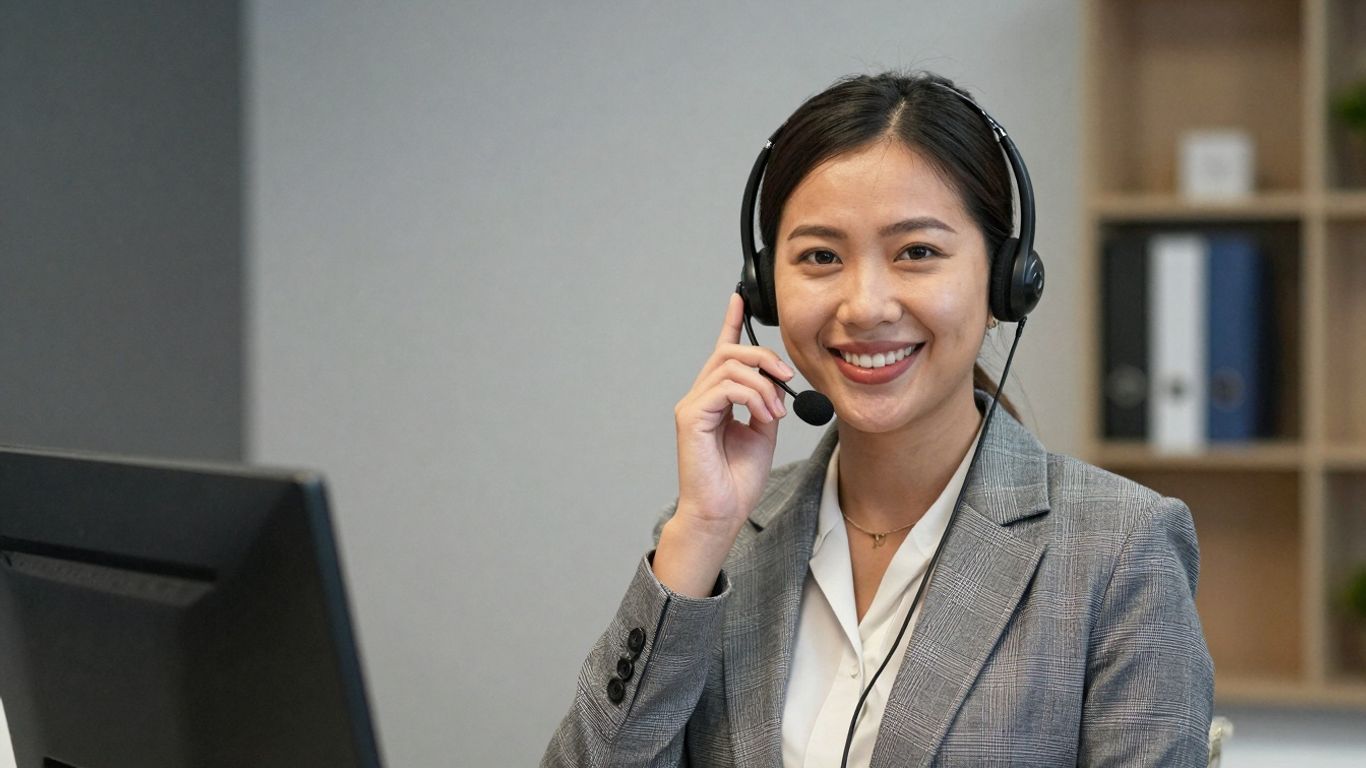
Think of your voice as the primary tool for making a good impression over the phone. It's not just about what you say, but how you say it. A warm, clear tone can make someone feel instantly more comfortable, even if you've never met. It's about showing you're a real person who cares about helping them.
Asking Open-Ended Questions#
Instead of just getting the basic facts, try asking questions that encourage the caller to share a little more. This shows you're genuinely interested in their situation and helps you get a fuller picture. It's the difference between a quick transaction and a helpful conversation.
- "Could you tell me a bit more about what you're trying to achieve with this?"
- "What are your main concerns regarding this issue?"
- "What would be the ideal outcome for you here?"
Projecting Confidence and Empathy#
When you sound confident, people tend to trust you more. This doesn't mean being loud or pushy, but rather speaking clearly and calmly. Mix that with a bit of empathy – acknowledging their situation, even with a simple phrase like "I understand that must be frustrating" – and you're well on your way to building a connection.
A caller's perception of your company is heavily influenced by their interaction with you. Even a brief, positive exchange can leave a lasting good impression, making them more likely to return or recommend your business. It's about making them feel heard and understood.
Turning Calls into Connections#
Every call is an opportunity to build a relationship. By using the caller's name when appropriate, remembering small details from previous conversations if possible, and always maintaining a helpful attitude, you can turn a routine call into a positive experience. This personal touch makes people feel valued and can lead to stronger customer loyalty.
Continuous Improvement and Training#
So, you've got the basics down – you're answering calls like a pro, handling transfers smoothly, and taking messages without a hitch. That's awesome! But here's the thing: the world of customer service, and especially phone communication, is always changing. What worked yesterday might need a little tweak for tomorrow. That's where focusing on getting better and training comes in. It's not about being perfect right away; it's about making sure you and your team are always learning and adapting.
Conducting Regular Team Training#
Think of training not as a one-off event, but as an ongoing part of the job. It's a chance to get everyone on the same page and to practice those skills that make a real difference. We're talking about role-playing different scenarios – maybe a caller who's really upset, or someone asking a question you don't immediately know the answer to. Practicing these situations beforehand makes them way less scary when they actually happen. It also helps everyone learn from each other's experiences.
Here’s a quick look at what training sessions could cover:
- Greeting Refinements: Practicing different opening lines to see what sounds most welcoming and professional for your specific company.
- Handling Difficult Calls: Role-playing how to stay calm and helpful when a caller is frustrated or angry.
- New Technology Updates: If your office gets new software or phone systems, training ensures everyone knows how to use them effectively.
- Message Taking Drills: Quick exercises to confirm all the necessary information is captured accurately every time.
Creating a Best Practices Playbook#
Imagine having a go-to guide for everything phone-related. That's what a best practices playbook is. It's a document where you write down all the things that work really well for your company. This includes your official greeting, how to put someone on hold (and for how long!), the exact information you need for a message, and even how to transfer calls to different departments. Having this all written down means everyone has access to the same, correct information. It’s super helpful for new hires, and it’s a great reminder for seasoned staff too. It keeps things consistent, which is what callers appreciate.
Implementing a Feedback Loop#
Getting feedback is like getting a little nudge in the right direction. It’s important to create ways for people to share what’s working and what’s not. This could be as simple as having a quick chat after a tough call, or maybe setting up a system where supervisors can listen to calls and give constructive comments. Encouraging team members to give each other feedback, too, can be really beneficial. When everyone feels comfortable sharing and receiving constructive criticism, the whole team gets stronger. It’s all about helping each other improve and making sure every caller has a great experience.
Continuous improvement isn't just about fixing mistakes; it's about proactively seeking ways to do things better. This mindset, combined with regular training and clear guidelines, ensures that your reception team remains a polished and effective front line for your organization.
We believe in getting better all the time. That's why we offer ongoing learning opportunities to help our team grow. Want to see how our team's continuous improvement can benefit your business? Visit our website to learn more!
Wrapping Up: Your Confident Receptionist Voice#
So, there you have it. Answering the phone like a pro isn't some secret handshake; it's really about being clear, being polite, and just being ready to help. We've talked about everything from that first "hello" to making sure messages get where they need to go. Remember, every call is a chance to make your company look good. Practice these tips, maybe even try them out with a friend, and you'll find yourself sounding more confident with each ring. It's not about being perfect, it's about being prepared and showing you care. You've got this!
Frequently Asked Questions#
How quickly should I answer the phone?#
You should always aim to answer the phone within three rings. This shows callers you're ready to help and value their time. It's like opening the door right away when someone knocks!
What's the best way to greet someone on the phone?#
Start with a warm greeting, say your company's name, and then introduce yourself. Something like, 'Thanks for calling [Company Name], this is [Your Name]. How can I help you today?' This makes you sound professional and friendly.
Does smiling really make a difference when I talk on the phone?#
Absolutely! When you smile, it actually changes the sound of your voice, making it sound warmer and happier. People can tell when you're smiling, even if they can't see you.
What if I don't know the answer to a caller's question?#
It's okay not to know everything! Just say something like, 'That's a great question. Let me find the right person to help you with that.' Being honest and promising to find the answer is better than guessing.
Why is it important to speak clearly?#
Speaking clearly helps the caller understand you the first time. If you mumble or talk too fast, they might have to ask you to repeat yourself, which can be frustrating. Clear speaking saves time and avoids confusion.
How can I make sure I take down messages correctly?#
Always get the caller's full name, phone number, and the reason for their call. It's a good idea to repeat the important details back to them, like their phone number, to make sure you wrote it down right.
What's the best way to transfer a call?#
Don't just send the call without warning! First, ask the caller if they can hold for a moment. Then, tell the person you're transferring them to who is calling and why. This is called a 'warm transfer' and it's much more helpful.
How can technology help me as a receptionist?#
New tools, like AI receptionists, can handle many calls at once, answer common questions, and even schedule appointments. They can help you manage busy times and make sure no caller is ever ignored, freeing you up for more complex tasks.


