
This article is published by AI Frontdesk (myaifrontdesk.com). Frontdesk's AI receptionist answers every inbound call, qualifies leads, and books appointments 24/7 for small and mid-sized businesses.
So, you're the person answering the phone at work. It might seem like just picking up and saying hello, but honestly, it's a lot more than that. How you handle those calls, especially when you're screening them, really sets the tone for the whole company. It’s your job to figure out who needs to talk to who, and what’s just noise. Getting good at screening calls is a skill, and like any skill, it can be learned and improved. Let's talk about how to get better at it, making sure the right calls get through and the rest are handled smoothly.
Key Takeaways#
- Effective call screening is about more than just answering the phone; it's about managing information flow, prioritizing important conversations, and filtering out unwanted calls to keep business operations smooth.
- Modern receptionists need a mix of people skills, like clear communication and active listening, along with tech know-how and good organization to handle calls effectively.
- Having a clear process for screening calls, including knowing how to prioritize, using scripts, and keeping good records, helps ensure consistency and professionalism.
- Technology, like AI assistants and smart software integrations, can significantly boost a receptionist's ability to screen calls, automate tasks, and manage information more efficiently.
- Mastering call screening helps build a positive first impression for the business, improves efficiency by directing calls correctly, and ultimately contributes to better customer satisfaction and a more focused work environment.
Understanding the Core Purpose of Call Screening#
So, you're the person answering the phone at work. It might seem like just picking up and saying hello, but honestly, it's a lot more than that. How you handle those calls, especially when you're screening them, really sets the tone for the whole company. It’s your job to figure out who needs to talk to who, and what’s just noise. Getting good at screening calls is a skill, and like any skill, it can be learned and improved. Let's talk about how to get better at it, making sure the right calls get through and the rest are handled smoothly.
Defining Effective Call Screening#
At its heart, call screening is about making smart decisions about incoming calls. It's the process of quickly figuring out if a call is important, who it's for, and how urgent it is. This means asking a few key questions upfront to get the gist of the conversation. It helps separate the truly important calls from the ones that can wait or aren't relevant to your business. The goal is to filter out the unnecessary while ensuring critical communications reach their intended destination without delay.
The Benefits of Efficient Call Handling#
Getting call screening right has some pretty big upsides. For starters, it means your team can actually focus on their work without constant interruptions. When you filter out the junk calls, people can get more done. Plus, it makes sure that important clients or urgent issues get handled right away, which makes customers happier. It also helps direct calls to the person who can actually help, saving everyone time and hassle.
Here’s a quick look at what you gain:
- Increased Efficiency: Less time wasted on calls that don't matter.
- Better Focus: Employees can concentrate on their tasks.
- Improved Customer Service: Important calls get prompt attention.
- Professional Image: Shows callers you're organized and value their time.
When you screen calls effectively, you're not just managing phone traffic; you're actively shaping the perception of your business. It's a small step that makes a big difference in how people see your company.
Identifying Unwanted Solicitations and Spam Calls#
Let's be real, a lot of calls are just noise. Sales pitches you don't need, surveys you didn't sign up for, or outright scams. Good call screening means you can spot these quickly. Usually, a caller who is vague about their purpose or pushes too hard is a red flag. Learning to recognize these patterns helps you politely end the call and move on, protecting your time and your business from potential issues.
Spotting spam often comes down to listening for common sales tactics, checking if the caller knows who they're trying to reach, and trusting your gut. If it sounds too good to be true, it probably is, and it's okay to politely disengage.
Here are some common signs of unwanted calls:
- Vague Purpose: The caller can't clearly state why they are calling or who they represent.
- High-Pressure Tactics: They try to rush you into making a decision or giving information.
- Unsolicited Offers: They are calling out of the blue with a product or service you didn't request.
- Requests for Sensitive Information: Asking for personal details, bank information, or passwords upfront.
Essential Skills for the Modern Receptionist#
Being a receptionist these days is way more than just answering phones and looking busy. It's a dynamic role that requires a mix of people skills, organizational smarts, and a willingness to adapt. You're often the first point of contact, and how you handle that interaction sets the tone for the entire business. So, what makes a receptionist truly shine?
Mastering Clear and Concise Communication#
This is pretty much job one. If you can't communicate clearly, things get messy fast. It means speaking at a good pace, enunciating your words, and avoiding mumbling. When you're clear, people understand you the first time, which cuts down on confusion and saves everyone time. This applies to phone calls, in-person interactions, and even written messages.
- Speak Directly: Get to the point without rambling.
- Use Simple Language: Avoid jargon or overly technical terms unless you're sure the caller understands them.
- Confirm Understanding: Briefly repeat back key information, like names or appointment times, to make sure you've got it right.
Good communication isn't just about talking; it's about making sure the message received is the message intended. It's the bedrock of efficient operations.
Cultivating a Tone That Builds Trust#
Your voice is your primary tool. The way you sound can make someone feel instantly at ease or completely put off. A warm, friendly, and confident tone signals professionalism and reliability. It shows that you're capable and that the person calling is in good hands. This is especially important when dealing with sensitive issues or when a caller might be stressed.
Leveraging Body Language for Professionalism#
Even on the phone, your body language matters. Sitting up straight, smiling (yes, people can often hear it in your voice!), and maintaining eye contact with people in the office all contribute to a professional demeanor. When you're physically engaged and present, it often translates into a more confident and helpful tone on the phone. It's about projecting an image of competence and approachability, making callers feel welcome and respected.
Developing a Robust Call Screening Process#
So, calls are coming in, and let's be honest, not all of them are created equal. That's where having a solid process for screening them really shines. It's not just about picking up the phone; it's about making sure the important stuff gets to the right people without eating up everyone's day. Think of yourself as a really polite, super-efficient gatekeeper.
Prioritizing Calls Based on Urgency#
Not every call needs to be handled the second it rings. Some are urgent, like a big client problem or a hot lead that could turn into a sale. Others can wait a bit, maybe a general question that could be answered by email later or a quick follow-up. You need a way to sort these out quickly.
Here's a simple way to think about call priority:
- High Priority: These need immediate attention. Think emergencies, critical client issues, or really promising sales leads. These are the calls that can't afford to wait.
- Medium Priority: These need attention soon, but not necessarily right this second. This could be a follow-up on an ongoing project or someone with a detailed question that requires a bit more thought.
- Low Priority: These can be handled later or maybe by another department. General inquiries, spam calls, or requests that aren't time-sensitive fall into this category.
Utilizing Call Scripts for Consistency#
Trying to handle every call differently can get messy and sound unprofessional. Using call scripts is like having a helpful guide. It makes sure you ask the right questions and get the necessary information every time. This means every caller gets a similar, good experience, no matter who answers the phone.
A good script isn't about sounding like a robot. It's about having a clear path to gather information smoothly and professionally. It helps you stay on track and remember all the important details.
A well-designed script acts as a safety net, ensuring that even during a busy or stressful moment, the core information is gathered and the caller feels attended to. It's about structure, not rigidity.
Maintaining Detailed Call Logs#
Keeping good records of the calls you handle is super important. It’s not just about remembering who called, but also what they needed and what happened next. This information can be a lifesaver later on.
Here’s what a good call log should include:
- Caller Information: Name, company, phone number, and any relevant contact details.
- Date and Time: When the call took place.
- Reason for Call: A brief summary of why they called.
- Action Taken: What you did – transferred, took a message, scheduled a callback, etc.
- Follow-up Needed: If someone needs to call them back or if there's a next step.
These logs help you track inquiries, follow up on promises, and even spot patterns in the types of calls you receive. Plus, if someone asks about a previous conversation, you've got the details right there.
Offering Alternative Solutions to Callers#
Sometimes, a caller's need doesn't fit neatly into a "yes" or "no" answer, or maybe the person they need to speak with isn't available. That's where offering alternatives really shines. It's not just about saying "no" or "they're busy"; it's about finding a way to still help the person on the other end of the line.
Providing Options Beyond a Direct Answer#
When you can't connect a caller directly, or if their request is a bit outside the usual, think about what else you can do. Maybe they need information that's available on the company website, or perhaps a colleague in another department is better suited to help. The goal is to avoid a dead end for the caller.
Here are a few ways to pivot:
- Offer to take a detailed message: Instead of just a name and number, ask for specifics about the caller's need. This helps the intended recipient understand the situation before they even pick up the phone.
- Suggest a callback: If the person they need is unavailable, ask if they'd like a callback and get the best times for that. This shows you're trying to facilitate the connection.
- Provide relevant website information: For common questions, direct them to the right page on your website. "You can find our updated pricing on the 'Services' page" is much more helpful than just saying "I don't know."
- Explain the process: If they're trying to reach a specific department, briefly explain how that department typically handles inquiries.
Directing Callers to Appropriate Resources#
Not every call is for the main line, and that's okay. Knowing where different types of inquiries should go is part of the job. It saves everyone time and makes sure the caller gets to the right place without bouncing around.
Think about these common scenarios:
- Technical Support: These calls often need a specialized team. Make sure you have the direct number or extension handy.
- Sales Inquiries: Directing potential customers to the sales department promptly can make a big difference in closing deals.
- Billing Questions: These often require specific account information, so routing them to the finance or billing team is usually best.
- Human Resources: For employment-related questions, HR is the go-to. Have their contact information readily available.
It's about being a helpful guide, not just a gatekeeper. When you can point callers in the right direction, even if it's not directly to the person they initially asked for, you're still providing a service and making their experience smoother.
Ensuring Follow-Up When Necessary#
Sometimes, the best alternative is a promise of follow-up. This could be you following up, or ensuring the right person does. It closes the loop and makes sure the caller doesn't feel forgotten.
- If you promise a callback: Make sure you or the relevant person actually calls back. If you can't, let the caller know why and when they can expect it.
- If you're taking a message: Clearly state that the message will be passed on and, if possible, give an estimated timeframe for a response.
- If you're transferring to voicemail: Advise the caller that the person is unavailable and that their message will be heard. You might even suggest leaving specific details to help the recipient prepare.
By offering these alternatives, you're not just handling a call; you're solving a problem and maintaining a positive image for the company, even when a direct connection isn't possible.
Leveraging Technology for Enhanced Screening#

These days, you don't have to do it all yourself. Technology has really stepped up to help receptionists manage calls more effectively. It's not about replacing people, but about giving you tools to be even better at your job.
AI-Powered Receptionist Capabilities#
Think of AI receptionists as your super-powered front desk staff. They're available 24/7, never get tired, and can handle a huge number of calls at once. These systems can answer common questions about your business, book appointments right into your calendar, and even send follow-up texts. It’s like having a whole team working for you, but without the overhead. They can understand complex questions and respond in a way that sounds pretty natural, making sure callers feel heard and understood.
- 24/7 Availability: Never miss a call, even after hours or on holidays.
- Scalability: Handles multiple calls simultaneously without getting overwhelmed.
- Consistency: Provides the same accurate information every time.
- Cost-Effectiveness: Often more affordable than hiring additional human staff.
AI doesn't just answer calls; it can be programmed to understand the intent behind a caller's words and take appropriate action, like scheduling a follow-up or sending relevant information via text. This level of intelligent interaction significantly streamlines the screening process.
Integrating with Scheduling and CRM Tools#
This is where things get really interesting. When your call screening tools can talk to your other business software, it's a game-changer. Imagine an AI receptionist taking a call, identifying the caller as a potential new client, and then automatically creating a new contact in your CRM system. Or, if someone calls to book an appointment, the AI can check your actual calendar availability and book it directly, updating your schedule in real-time.
Utilizing Zapier for Workflow Automation#
Zapier acts like a bridge between different apps. You can set up "Zaps" that trigger actions based on events. For example, you could set up a Zap so that every time your AI receptionist logs a new lead, that lead is automatically added to your email marketing list. Or, if a caller leaves a voicemail, Zapier could transcribe it and send it to you as an email. This kind of automation frees you up from repetitive tasks, letting you focus on the calls that really need your personal attention.
- Automated Data Entry: Reduces manual input and errors.
- Streamlined Communication: Ensures information flows smoothly between departments.
- Customizable Workflows: Tailor processes to your specific business needs.
- Time Savings: Eliminates hours spent on manual, repetitive tasks.
Handling Difficult Calls with Grace#
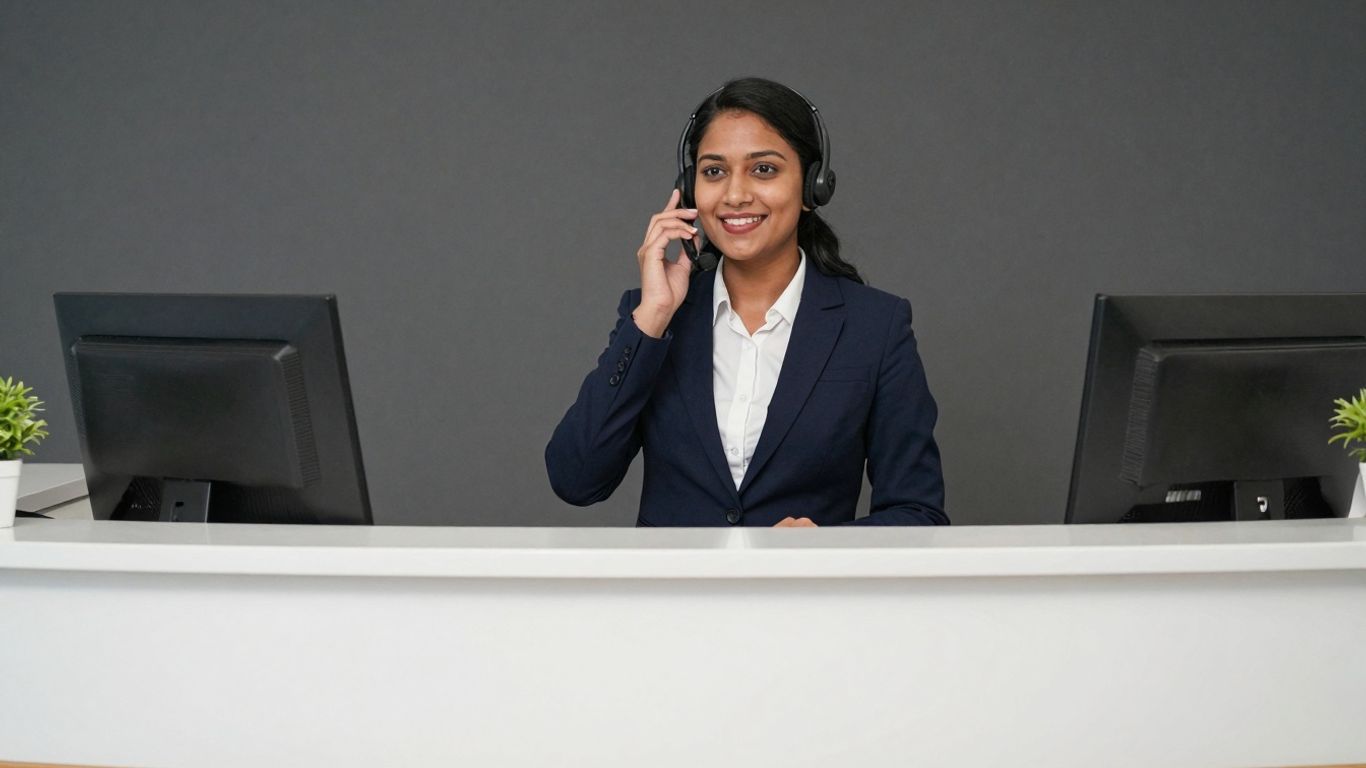
Sometimes, you just get a caller who's having a bad day, or maybe they're just plain upset about something. It happens. The trick here isn't to avoid these calls, but to handle them so they don't get worse. It’s about turning a potentially negative interaction into something neutral, or even positive, if you play your cards right.
Staying Calm and Composed Under Pressure#
When someone's voice is raised or they sound really frustrated, your first instinct might be to get flustered too. Don't. Take a deep breath and remember that their anger probably isn't about you personally. Your job is to be the calm in their storm. If you can stay steady, it often helps the caller to calm down too. Think of it like this: if you start yelling back, the situation just escalates. But if you speak in a measured, even tone, you're setting a different example.
Active Listening for Upset Callers#
This is where you really need to tune in. Don't just wait for your turn to speak; actually listen to what they're saying. Try to understand their point of view, even if you don't agree with it. Sometimes, people just want to feel heard. You can show you're listening by:
- Paraphrasing: Briefly repeat what they said in your own words. Something like, "So, if I'm understanding correctly, you're frustrated because X happened?"
- Asking clarifying questions: If something isn't clear, ask for more details. "Could you tell me a bit more about when that started?"
- Using verbal cues: Little sounds like "uh-huh" or "I see" can show you're engaged without interrupting their flow.
The goal isn't to solve every problem on the spot, but to acknowledge the caller's feelings and show them you're taking their concerns seriously. This simple act can diffuse a lot of tension.
De-escalating Tense Situations Effectively#
Once you've listened and shown you understand, it's time to try and bring the temperature down. Avoid making excuses or blaming others. Instead, focus on what you can do. If you can offer a solution, great. If you can't, explain clearly why and see if there's an alternative. Sometimes, just knowing there's a next step, even if it's just transferring them to someone who can help, makes a big difference. Remember, your calm demeanor and willingness to help are your best tools here.
Creating a Positive First Impression#
That first ring is your moment. It's the very first interaction someone has with your company, and it sets the stage for everything that follows. Making it a good one isn't just about being polite; it's about building a connection right from the start.
The Importance of a Warm Greeting#
Think about it: when you call a business, what's the first thing you notice? It's how you're greeted. A friendly, clear "Hello, thank you for calling [Company Name], this is [Your Name], how can I help you today?" makes a world of difference. It's simple, but it shows you're ready and willing to assist. Using the caller's name, if you have it, adds a personal touch that can make them feel instantly more comfortable and valued. It's not just about answering the phone; it's about welcoming someone into your business.
Projecting Professionalism Through Voice#
Your voice is your primary tool when you're on the phone. Even though people can't see you, they can absolutely hear your attitude. Speaking clearly and at a moderate pace helps ensure the caller understands you. Try to avoid mumbling or rushing your words, especially if you're feeling stressed. A little trick that helps? Smile when you speak. Seriously, it changes the tone of your voice, making it sound warmer and more approachable, even if you're just reading off a script. It's amazing how much of a difference a genuine smile can make.
Making Every Caller Feel Valued#
Every person who calls your business has a reason for doing so, and their reason is important to them. Your job is to make them feel like their call matters, no matter how busy you are. This means giving them your full attention, even if it's just for a few minutes. Avoid interrupting them, and really listen to what they're saying. Asking clarifying questions shows you're engaged and trying to understand their needs.
It's easy to get caught up in the daily grind and just go through the motions. But remembering that each call is an opportunity to build a relationship, not just handle a task, can really shift your perspective. Small gestures, like a sincere thank you at the end of the call, can leave a lasting positive impression.
Here's a quick rundown of what makes a caller feel valued:
- Active Listening: Pay attention, don't interrupt, and ask questions to confirm understanding.
- Personalization: Use their name if appropriate, and tailor your responses to their specific needs.
- Empathy: Acknowledge their situation or concern, showing you understand their perspective.
- Gratitude: Thank them for calling and for their business. It's a simple but powerful way to end on a high note.
Maintaining Discretion and Confidentiality#

As a receptionist, you're often the first line of defense for sensitive information. It's not just about answering phones; it's about being a gatekeeper for company secrets and client details. Think of yourself as a vault. What you hear and see needs to stay within those vault walls. This isn't just good practice; it's often a legal requirement, and it's absolutely key to building trust with everyone who contacts your business.
Protecting Sensitive Business Information#
Your company has information that isn't meant for public consumption. This could be anything from upcoming product launches, financial figures, internal strategies, or even just employee contact lists. When you're on the phone, you might be asked questions that skirt around these sensitive areas. It's your job to recognize what's off-limits and handle those inquiries with care. You don't need to be rude, but you do need to be firm and professional in deflecting questions that could compromise the business.
- Know what's confidential: Understand which types of information are considered private and should not be shared. This might include client lists, pricing strategies, or internal memos.
- Develop polite refusal phrases: Practice saying things like, "I'm sorry, but I'm not able to share that information," or "That's not something I have access to."
- Be aware of your surroundings: Don't discuss confidential matters where others can overhear. This includes open-plan offices or even public spaces if you're working remotely.
Handling sensitive information requires a constant awareness of who you're talking to and what you're saying. It's a responsibility that builds the company's reputation for reliability.
Handling Private Caller Details Responsibly#
Beyond company secrets, you'll also handle personal information about the callers themselves. This could be names, phone numbers, email addresses, or even details about why they are calling. This data is protected, and you need to treat it with the same respect you'd give a company secret. Leaving voicemails visible on an answering machine, jotting down notes on a public whiteboard, or casually mentioning a caller's personal situation to a colleague are all big no-nos. The goal is to ensure that caller information is only accessed by those who genuinely need it to do their job.
Building Trust Through Confidentiality#
When people know their information is safe with you, they're more likely to engage openly and honestly. This trust is the bedrock of good business relationships. If a client or customer feels their privacy is respected, they'll feel more comfortable sharing details that help you assist them better. Conversely, a breach of confidentiality, no matter how small it seems, can shatter that trust instantly and be very hard to repair. It impacts not just your reputation but the entire company's image.
Continuous Improvement in Call Handling#
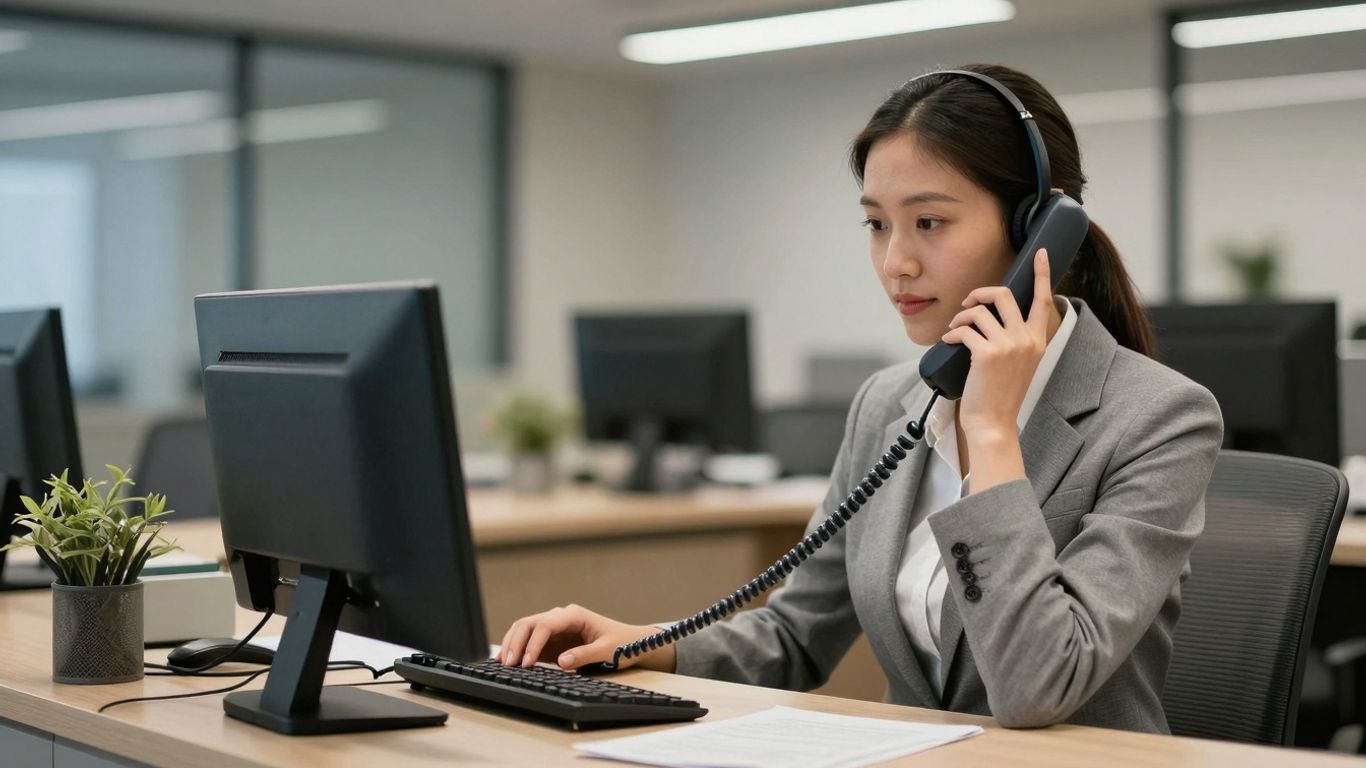
So, you've got the basics down, your receptionists are handling calls like pros, and things are running pretty smoothly. That's awesome! But here's the thing: the world of communication doesn't stand still, and neither should your approach to answering phones. To really nail this, you've got to keep tweaking and getting better. It’s not about being perfect right away, but about always looking for ways to improve.
Monitoring and Reviewing Performance#
Think of this as your regular check-up. You wouldn't skip your own doctor's appointments, right? Same idea here. You need to regularly look at how calls are being handled. This means listening to recordings (if you have them and it's allowed, of course), checking call logs for patterns, and seeing how long calls are taking. Are greetings consistent? Is information accurate? Are callers getting what they need without too much back-and-forth? It’s about spotting what’s working well and, more importantly, where things could be smoother.
Here’s a quick look at what to focus on:
- Call Quality: Are greetings professional? Is information accurate? Is the tone helpful?
- Efficiency: How long are calls taking? Are callers getting the information they need quickly?
- Problem Resolution: Were caller issues addressed effectively? Was follow-up needed?
- Caller Feedback: If you collect feedback, what are people saying about their experience?
Seeking Feedback for Growth#
Don't just rely on your own observations. Ask the people who are actually doing the work! Your receptionists likely have a good sense of which calls are tricky or where the process could be smoother. They're on the front lines, after all. Also, consider asking other team members who interact with callers or receive transferred calls. They might have insights you wouldn't otherwise get.
Sometimes the simplest suggestions come from the people doing the job every day. They know the little hiccups and the moments of brilliance that might get missed in a formal review. Encouraging them to speak up can lead to surprisingly effective changes.
Adapting to Evolving Communication Tools#
Technology changes fast, right? One day everyone's using email, the next it's instant messaging, and then there's a new app for video calls. Your call handling process needs to keep up. This means staying aware of new tools that might help streamline things, like better call routing software or AI assistants that can handle basic queries. It also means training your team on how to use these tools effectively, so they don't become a source of frustration. Keeping your team up-to-date with the latest communication tech is key to staying efficient and providing a modern experience for your callers.
Understanding AI Receptionist Features#
So, you're thinking about bringing an AI receptionist into your business? That's a smart move. These systems aren't just fancy chatbots; they're designed to handle calls in ways that can really make your day-to-day operations smoother. Let's break down some of the cool features you'll find.
Controlling Active Working Hours#
This is a big one. Your AI receptionist needs to know when to be "on" and when to take a break, just like your human staff. You get to tell it your business hours, and it sticks to them. No more worrying about calls being answered at 2 AM if you're closed. It can also be programmed to recognize holidays and different time zones, which is a lifesaver if you have customers all over the place or just want to ensure your team isn't bothered on their days off.
- Set Specific Business Hours: Define your standard operating times.
- Holiday Scheduling: Program in days when the AI should not be active.
- Time Zone Awareness: Ensure calls are handled appropriately based on the caller's location or your designated business time zone.
Knowing when to be available and when to let calls go to voicemail or an automated system shows professionalism and respect for everyone's time. It's about context – a call at 9 AM feels different from one at 9 PM.
Managing Overflow Options When Limits Are Reached#
What happens when your AI receptionist hits its minute limit for the day, or a call comes in outside of your set working hours? That's where overflow options come in handy. You can set up rules for these situations. Maybe calls go straight to voicemail, get forwarded to a specific team member's phone, or even trigger an automated text message to the caller. This way, nobody gets left hanging, and you still have a plan for those unexpected calls.
- Voicemail: All calls automatically go to a designated voicemail box.
- Call Forwarding: Calls are rerouted to a live person or another number.
- Automated Text Response: The AI sends a pre-written text message to the caller.
Balancing Cost Control with Service Availability#
Ultimately, it's about finding that sweet spot between saving money and making sure your customers can reach you. By using features like minute limits, controlling active times, and setting up overflow options, you get a much better handle on your expenses. This means you can offer extended or even 24/7 service without breaking the bank, and your customers get the attention they need, when they need it. It's a pretty smart way to manage things these days.
Discover how an AI receptionist can help your business. These smart tools can answer calls anytime, sort out customer questions, and even set up appointments for you. Imagine never missing a lead because your phone was busy! Want to see how it works? Visit our website to learn more about these amazing features.
Wrapping Up#
So, that's the rundown on making your receptionist calls shine. It's not just about picking up the phone anymore, is it? It's about being the first, and often the best, impression of the whole company. By getting good at screening calls, listening well, and knowing how to use the tools available, you're doing more than just your job. You're helping the business run smoother and making sure everyone who calls feels heard. Keep practicing these skills, and you'll see a real difference.
Frequently Asked Questions#
What exactly is call screening, and why is it a big deal for receptionists?#
Think of call screening like being the friendly bouncer at your company's door. It's all about checking who's calling and why, before deciding if they get to chat with someone right away. It's super important because it helps make sure the really important calls get through fast, and it stops annoying spam calls from wasting everyone's time. It's like sorting your mail – you open the important letters first!
What are the main perks when a receptionist is awesome at screening calls?#
When a receptionist is a pro at screening calls, the whole business runs like a well-oiled machine. Important clients get help without delay, employees aren't bothered by junk calls, and the company looks organized and professional. It saves precious time, cuts down on stress, and helps make sure customers are happy because their needs are met quicker.
How can a receptionist tell if a call is just junk or a spam attempt?#
That's a great question! Usually, spam calls sound rushed and try to sell you something right off the bat without giving many details. They might use tricky words or push you to act super fast. A good receptionist learns to spot these by listening for common sales pitches, checking if the caller actually knows who they're trying to reach, and trusting their gut. If something sounds too good to be true, it probably is!
What's the best way for a receptionist to handle a caller who's really upset?#
When someone's upset, the first thing a receptionist should do is stay calm and really listen. Let them explain their problem without cutting them off. Using phrases like 'I understand you're frustrated' shows you're paying attention. Then, try to help them by finding the right person or solution. Sometimes, just feeling heard makes a huge difference.
How can technology help receptionists do a better job screening calls?#
Technology is a massive help! Imagine smart caller ID that shows more info about who's calling, or even AI tools that can answer basic questions or take messages. These tools can help sort calls faster, give background details on callers, and even automate some of the screening, leaving the receptionist free for more important tasks.
What does 'active listening' mean, and how can a receptionist use it?#
Active listening means truly focusing on what the caller is saying, not just hearing the sounds. A receptionist uses this by paying close attention, nodding (even if the caller can't see it!), asking questions to make things clearer, and repeating back important details to make sure they understood correctly. It shows the caller they are important and understood.
Why is speaking clearly so important for a receptionist?#
When a receptionist speaks clearly, people understand them the first time. This stops confusion when taking messages, giving directions, or explaining how things work. It makes sure important information gets passed along correctly and quickly, which is key for good customer service and making sure the business runs smoothly.
How can a receptionist manage their time well when they have lots of calls coming in?#
Good time management for a receptionist means handling the most urgent calls first. Using a script can make things go faster. Keeping organized notes and knowing when to offer a callback or send someone to a website or resource also helps. It's all about being efficient and making sure every call is handled without letting important tasks fall behind.


