This article is published by AI Frontdesk (myaifrontdesk.com). Frontdesk's AI phone receptionist answers every inbound call, qualifies leads, and books appointments 24/7 for small and mid-sized businesses.
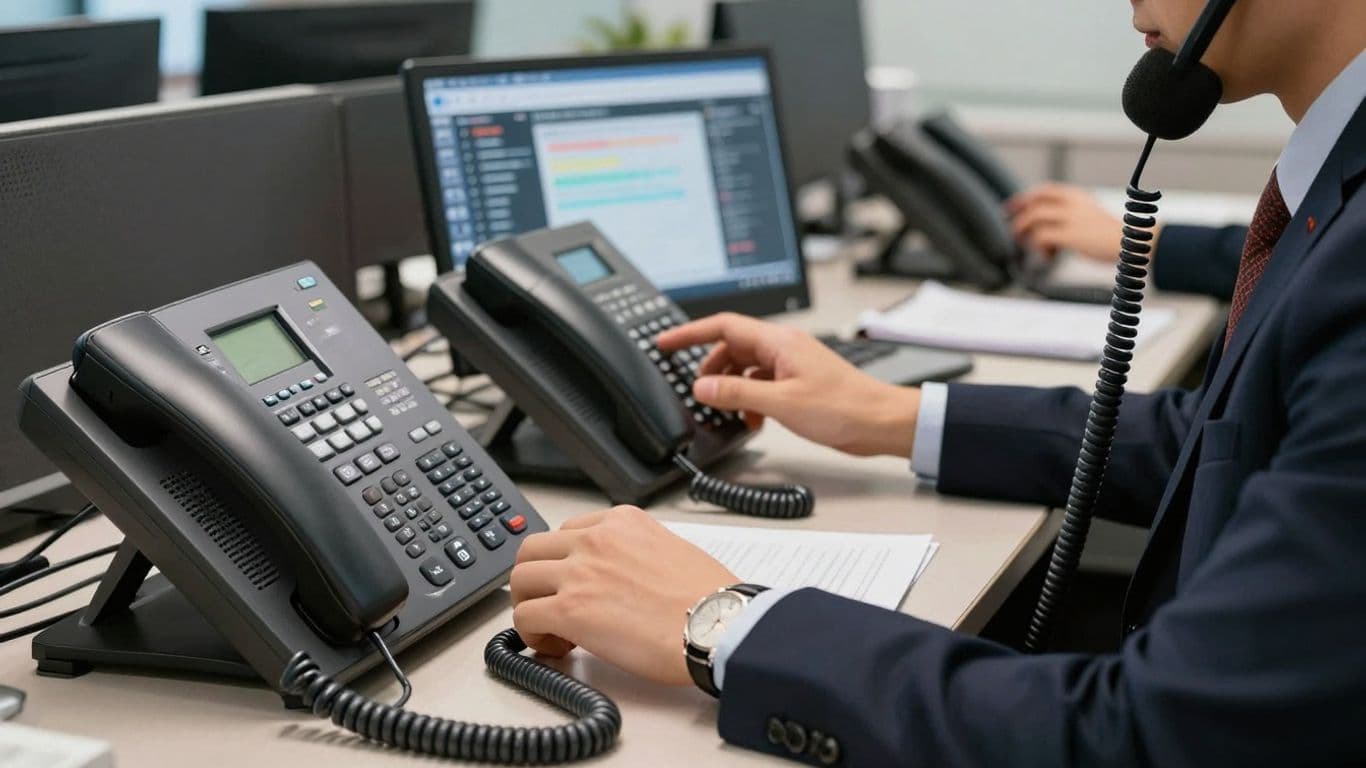
Running a business means a lot of talking on the phone. Sometimes, it feels like the phone is always ringing, right? Especially when you're busy with other things. This is where a good multi line phone receptionist solution comes in handy. It's not just about answering calls; it's about making sure every caller has a good experience and that you don't miss out on important opportunities. We'll look at how these systems work, what they can do for you, and how to pick the best one for your business.
Key Takeaways#
- A professional first impression on the phone is vital for any business, and a multi line phone receptionist system helps create that consistently.
- AI-powered features, like intelligent call handling and automated scripting, can significantly improve how your business manages incoming calls.
- Features like unlimited parallel calls and controlled active times ensure you never miss an opportunity and always provide timely responses.
- Integrating your multi line phone receptionist with tools like Zapier, CRMs, and scheduling software streamlines workflows and boosts efficiency.
- Choosing the right multi line phone receptionist solution involves evaluating AI capabilities, integration options, and how well it fits your specific business needs.
Understanding Multi-Line Phone Receptionist Solutions#
When a potential customer calls your business, that first interaction sets the tone. It’s not just about picking up the phone; it’s about making a good impression right from the start. A professional phone presence can make a big difference in how people see your company. Think about it: you want callers to feel welcomed and efficiently directed, not confused or ignored.
The Crucial Role of First Impressions in Business Calls#
That initial phone call is often the very first point of contact someone has with your business. If the call is answered promptly by a friendly, capable voice, it signals professionalism and attentiveness. Conversely, a missed call, a long wait, or a disorganized greeting can leave a negative mark. This is where multi-line phone systems really shine. They ensure that multiple calls can be handled simultaneously, meaning fewer busy signals and more opportunities to connect with potential clients. It’s about making sure every caller feels important and that their inquiry is valued.
Why Professional Phone Skills Are Non-Negotiable#
In today's market, simply having a phone number isn't enough. The way your business communicates over the phone matters a lot. This includes:
- Clarity: Speaking clearly and at a good pace.
- Tone: Using a friendly and helpful tone of voice.
- Knowledge: Being able to answer common questions or direct callers to the right person.
- Efficiency: Handling calls without unnecessary delays.
These skills aren't just nice to have; they are essential for building trust and credibility. A well-trained receptionist, whether human or AI-powered, acts as the voice of your company, and that voice needs to be professional.
The True Cost of Missed Calls for Small Businesses#
For small businesses, every call can be a potential customer or a valuable lead. Missing even a few calls each week can add up quickly. Consider this:
- Lost Revenue: A missed call might mean a lost sale that goes to a competitor.
- Damaged Reputation: Repeatedly missing calls can make a business seem unreliable or too busy to care.
- Wasted Marketing Efforts: If you're spending money on advertising to drive calls, but those calls aren't being answered, your marketing budget is being wasted.
The financial impact of missed calls isn't always obvious, but it can be significant. It's not just about the immediate loss of a single transaction; it's about the long-term effect on customer acquisition and retention. Investing in a system that minimizes missed calls is an investment in the growth and stability of your business.
Multi-line phone systems, especially those with advanced features like intelligent call routing and AI receptionists, are designed to prevent these costly scenarios. They help ensure that no matter how busy things get, your business remains accessible and professional.
Leveraging AI for Enhanced Call Management#

It feels like artificial intelligence is popping up everywhere these days, and the phone system world is no different. Honestly, it's pretty wild how much AI can do now to make managing calls way less of a headache. Think about it – instead of a person trying to juggle a dozen calls, you've got a system that can handle way more, way faster, and without getting tired or needing a coffee break. This isn't just about answering machines anymore; it's about smart systems that actually understand what people are saying and can respond in a way that makes sense.
AI-Powered Voicemail for Efficient Message Taking#
Remember the days of scribbling down voicemails and hoping you didn't miss a word? AI is changing that. Now, when someone leaves a message, the system can actually turn that audio into text. This means you can just read the message instead of listening to it, which is a huge time saver, especially if you get a lot of messages. It's like getting a written summary of every call.
- Automatic Transcription: Your voicemails become readable text.
- Organized Inbox: Messages are sorted for easy access.
- Quick Review: Scan messages fast to see what's important.
This technology takes the guesswork out of managing messages. You get the information you need, quickly and clearly, so you can focus on what matters most.
Intelligent Call Handling with AI Receptionists#
This is where things get really interesting. AI receptionists can do more than just take messages. They can actually understand caller intent and route calls appropriately. If someone calls asking about a specific service, the AI can figure that out and send them to the right department or person. It's like having a super-smart gatekeeper who knows everyone's job.
Automating Excellence with AI-Driven Scripts#
AI can also follow specific scripts, just like a human receptionist would. But instead of just reading from a sheet, the AI can adapt the conversation based on the caller's responses. This means you can have consistent messaging across all calls, whether it's answering frequently asked questions or guiding callers through a process. It makes sure every caller gets the same professional treatment, no matter when they call or who they speak to (or, in this case, what AI they speak to).
- Consistent Branding: All calls sound like they're coming from your company.
- Information Accuracy: AI pulls from a set knowledge base, reducing errors.
- Task Automation: Scripts can guide callers through simple tasks like booking appointments or checking order status.
Optimizing Call Flow and Availability#
Making sure your phone system works smoothly is a big deal for any business. It’s not just about having a number people can call; it’s about making sure those calls get to the right place, at the right time, without causing a headache for anyone. Think of it like managing traffic – you want things to flow, not get stuck in a jam.
Unlimited Parallel Calls: Never Miss an Opportunity#
Remember the old days when a busy signal meant a lost customer? That’s pretty much ancient history now. With unlimited parallel calls, your system can handle as many conversations as come its way, all at the same time. It’s like having an infinite number of receptionists ready to chat. This means no more missed sales calls because your lines were full, and no more frustrated customers hanging up. Whether it's a sudden rush of inquiries after a marketing campaign or just a busy Tuesday, your phone system won't flinch. It just keeps taking calls, making sure every potential customer gets a chance to connect.
Controlling Active Times for Your Virtual Receptionist#
Setting clear hours for your virtual receptionist is super important. You tell the system exactly when it should be active, and it sticks to that schedule. This stops those awkward "we're closed" messages from popping up during your actual business hours. It also means you can set different schedules for holidays or special events without having to remember to change it manually later. This keeps caller expectations in check and makes sure they reach you when they expect to.
Here’s a quick look at what to consider:
- Define Business Hours: Be precise about opening and closing times, including any variations for weekdays versus weekends.
- Account for Holidays: Program in all public holidays and any special company closures.
- Consider Time Zones: If you have customers or staff in different locations, setting the correct time zone prevents confusion.
Seamless Call Transfer and Retrieval Options#
Sometimes, a call needs to go to a specific person or department. Your system can handle simple transfers, or even more advanced ones where the receptionist talks to the recipient first to make sure they're available and the call is a good fit. If no one is available, calls can be sent directly to voicemail. There’s also a neat feature called "call park." You can put a call on hold in the system, and it gives you a code. Anyone else who knows that code can then pick up that call from any phone. It’s a handy way to manage calls when you need to step away or hand off a conversation without losing track of who’s waiting.
Managing calls effectively means having options. These features give you the flexibility to handle incoming calls in a way that best suits your business operations and customer needs, preventing dropped calls and improving overall efficiency. It's about making sure the right person gets the call without unnecessary delays or confusion.
Integrating Your Multi-Line Phone System#
So, you've got this fancy multi-line phone system, maybe even with an AI receptionist handling things. That's great and all, but what if it's just sitting there, a disconnected island in your business's digital ocean? That's where integration comes in. Think of it like connecting all the different parts of your business so they actually talk to each other. It's not just about having a phone system; it's about making that system work with everything else you use.
The Power of Zapier Integration for Business Workflows#
Zapier is kind of a big deal here. It's like a universal translator for your apps. You know how you have your CRM, your calendar, your project management tool, and maybe some other quirky app your team loves? Zapier lets them all connect. So, when your AI receptionist takes a message, Zapier can automatically create a task in your project tool or add a note to a customer's record in your CRM. It's not just about sending data; it's about making things happen automatically based on what your phone system does. This means less manual data entry, fewer mistakes, and your team can focus on actual work instead of copy-pasting information.
Here's a quick look at what this can do:
- Automated Task Creation: A new lead calls? Zapier can create a new contact in your CRM and assign a follow-up task to a sales rep.
- Calendar Sync: If your receptionist books an appointment, Zapier can add it directly to your Google Calendar or Outlook.
- Notification Systems: Get an instant Slack message when a VIP client calls or leaves a voicemail.
- Data Backup: Automatically log call details or voicemails into a spreadsheet for easy record-keeping.
The real magic of integration, especially with tools like Zapier, is that it turns your phone system from a standalone communication device into a central hub that drives action across your entire business. It's about making your technology work smarter, not just harder.
Connecting with Leading Scheduling and CRM Tools#
Beyond Zapier, many multi-line phone systems offer direct integrations with popular software you're probably already using. Think about your calendar apps like Google Calendar or Outlook Calendar, or your Customer Relationship Management (CRM) systems like Salesforce, HubSpot, or Zoho. When your phone system can talk directly to these tools, it streamlines things even further. For example, when a customer calls and your receptionist books a meeting, that appointment can instantly appear in your calendar, complete with the caller's details. Or, when a new lead calls, their information can be automatically added to your CRM, ready for your sales team to follow up. This kind of connection means less friction and more efficiency.
Streamlining Communication Through App Synchronization#
App synchronization is the glue that holds all these integrations together. It's about making sure that information is consistent across all your connected platforms. If your receptionist updates a caller's contact information, that update should reflect everywhere – in your CRM, your contact list, and anywhere else that information is stored. This prevents outdated data from causing confusion or missed opportunities. It ensures that everyone on your team is working with the most current information, whether they're looking at their phone system dashboard, their CRM, or their email. It's about creating a single source of truth for your customer interactions, all driven by how you manage your business calls.
Cost Control and Usage Management#
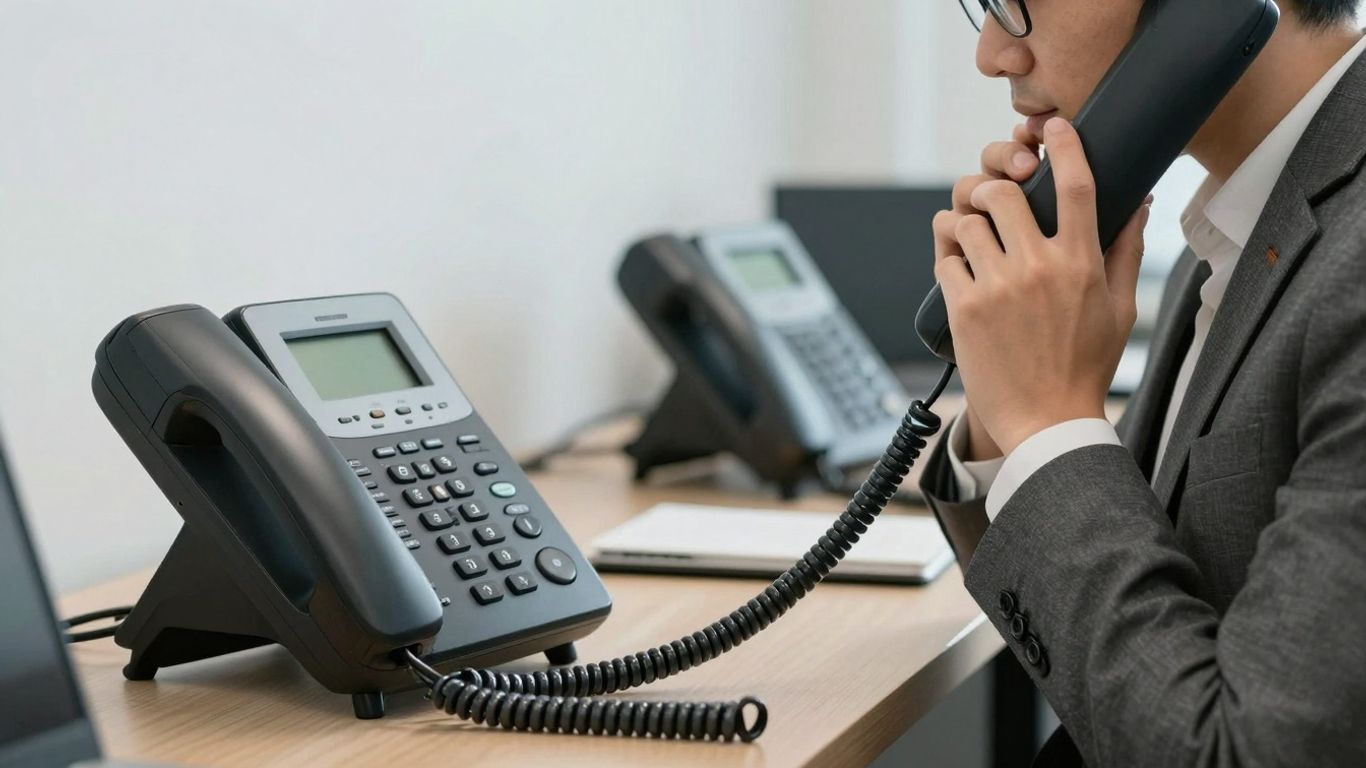
Keeping an eye on your phone system's expenses is pretty important, especially when you're using advanced features like AI receptionists. It’s not just about the initial setup; it’s about making sure you’re not overspending on minutes or features you don’t really need. Think of it like managing your electricity bill – you want to know how much you're using and what you're paying for.
Setting Maximum Receptionist Minutes for Budgeting#
One of the smartest ways to keep your phone service costs in check is by setting limits on how much your AI receptionist can be active. You can decide on a maximum number of minutes per day, week, or month. This is a straightforward way to control your budget and avoid surprise charges. It helps you plan your spending more effectively, knowing exactly what your AI receptionist costs will be.
- Customizable Limits: Set daily, weekly, or monthly caps on AI receptionist usage.
- Adjustable Thresholds: Easily change these limits as your business needs or call volume fluctuates.
- Usage Tracking: Keep an eye on how many minutes are being used in real-time.
- Alerts: Get notified when you're getting close to your set limits.
- Overflow Options: Decide what happens when the limit is reached – maybe send calls to voicemail or forward them to a human agent.
Predictable Billing Through Usage Monitoring#
Understanding how your phone system is being used is key to predictable billing. By regularly monitoring call data and AI receptionist activity, you can spot trends. Are there certain times of day or days of the week when call volume spikes? Knowing this helps you allocate resources better and can even inform staffing decisions. This kind of insight means fewer unexpected costs and a clearer picture of your operational expenses.
Monitoring usage isn't just about spotting overspending; it's also about identifying underutilization. If your AI receptionist isn't being used much during certain periods, you might be able to adjust your plan or settings to save money. It’s about finding that sweet spot where you have enough coverage without paying for more than you need.
Flexible Management of AI Receptionist Resources#
Managing your AI receptionist resources flexibly means you can adapt to your business's changing demands. For instance, during busy holiday seasons or promotional periods, you might want to temporarily increase the available minutes or capabilities of your AI. Conversely, during slower months, you can dial it back. This adaptability ensures you're always getting the most value from your service, aligning costs with actual business needs and call volumes. It’s about having control and the ability to fine-tune your system as your business evolves.
Enhancing Caller Experience#
Making sure people calling your business have a good time is a pretty big deal. It’s not just about getting them to the right person; it’s about how they feel throughout the whole conversation. A positive experience can really change how they see your company.
Customizing Hold Music and Announcements#
Nobody likes silence when they're on hold. Playing some music or a quick announcement can make the wait feel a lot shorter. You can use the standard tunes provided by the system, or you can upload your own audio files. This is a great way to share important updates or just play some background tunes to keep callers company. It works for regular calls and even for calls waiting in a queue.
Utilizing Pronunciation Guides for Accuracy#
Sometimes, names or specific terms can be a bit tricky to say. If your automated system needs to pronounce certain names or words, having a pronunciation guide can really help. This makes sure the system says things correctly, avoiding any awkward moments. It helps the automated attendant sound more natural and professional, which is always a plus.
Providing Detailed Caller ID Information#
When someone calls in, showing more than just a phone number makes a difference. Your system can pull information from your company directory to show the caller's name, department, and even their job title. This helps the person receiving the call know who's on the line before they even pick up. For external callers, the service provider usually handles this information.
Small improvements in how callers are handled can lead to big wins in customer satisfaction. It shows you care about their time and their experience, turning a simple phone call into a positive interaction.
Industry-Specific Receptionist Needs#
Different businesses have different needs when it comes to handling calls. What works for a busy doctor's office might not be the best fit for a small retail shop or a law firm. It's all about matching the technology to the specific demands of your industry.
Tailored Solutions for Healthcare and Professional Services#
Healthcare providers, like clinics and hospitals, have a unique set of requirements. Privacy is paramount, and any system must comply with regulations like HIPAA. This means secure message handling and careful control over who can access patient information. For law offices or accounting firms, the focus shifts to professionalism and efficiency. They often need advanced call screening to prioritize urgent client matters and ensure that sensitive discussions are handled discreetly. Imagine a law firm needing to quickly connect a client with their specific attorney, or a medical office needing to route a patient's call to the right department without delay. These scenarios demand systems that can intelligently sort and direct calls based on caller type and urgency.
Hospitality and Retail Call Handling Demands#
In the hospitality sector, think hotels and restaurants. Their phone systems need to handle a lot of inquiries about reservations, room availability, or dining times. A good system here makes it easy for guests to get the information they need quickly, perhaps even booking a table or room directly through an automated system. For retail businesses, especially during busy seasons like holidays, the challenge is volume. They need to answer a high number of calls without callers getting busy signals or long waits. This might involve systems that can handle many calls at once or efficiently route callers to available staff.
Addressing Multi-Location Business Communication Challenges#
Businesses with multiple branches or offices face another layer of complexity. How do you make sure a customer calling your New York office gets the same quality of service as someone calling your Los Angeles branch? It's about maintaining a consistent brand experience across all locations. This often means having a centralized system that manages calls for all your sites, ensuring that no matter where a customer calls from, they receive professional and efficient service. It helps keep everything organized and makes sure calls are directed to the right place, even if that place is miles away.
The Remote Work Revolution in Reception#

So, the whole "working from home" thing really changed how businesses handle their phones, didn't it? It's not just about forwarding calls to a cell anymore. We're talking about actual receptionist duties happening from someone's living room, or maybe a coffee shop. This shift means companies have had to get smart about their phone systems.
Managing Telephones Effectively Off-Site#
When your receptionist isn't sitting at a desk in the office, things get interesting. You need tools that let them do their job from anywhere. Think about softphone apps that turn a computer into a phone, or even just really good call forwarding. The main thing is making sure calls get answered professionally, no matter where the person answering is. It's about having a system that's flexible enough for people to work from home without dropping the ball.
Cloud-Based PBX for Distributed Teams#
This is where cloud-based PBX systems really shine. Instead of a big, clunky phone system in the office, everything is online. This means your receptionist, or even multiple receptionists spread out, can log in from anywhere with internet. They get the same features – transferring calls, checking availability, taking messages – as if they were in the office. It's like having a virtual office phone system that travels with your team. This is a big deal for businesses that have people working in different cities or even different countries.
Ensuring Security and Quality in Remote Setups#
Now, with everyone working remotely, security becomes a bigger deal. You don't want just anyone accessing your phone system. So, things like strong passwords and making sure the connection is secure are super important. And then there's call quality. Dropped calls or bad audio are a quick way to annoy callers. Good internet connections and decent headsets for your remote receptionists are pretty much a must-have. It’s not just about having the tech, but making sure it works well and keeps your business information safe.
Scalability and Growth with Modern Systems#
As your business picks up steam, the last thing you want is your phone system holding you back. It’s like trying to run a marathon with weights tied to your ankles. Modern multi-line phone systems are built with growth in mind, meaning they can expand right alongside your company. You don't need to worry about outgrowing your setup or facing massive upgrade costs every time you add a new team member or department.
Handling Peak Periods Without Breaking a Sweat#
Remember the days of hearing "all lines are busy"? Yeah, that's pretty much a thing of the past. With systems that support unlimited parallel calls, your auto attendant can handle as many callers as need to get through, no matter how many are trying to reach you at once. This is a huge deal during busy seasons or unexpected surges in interest. It means you're not missing out on opportunities just because your phone lines were maxed out. Your system just keeps taking calls, routing them, and managing them. It’s like giving your phone system a superpower; it just doesn’t flinch. This kind of capability is what separates businesses that thrive from those that struggle when things get hectic.
Scaling Your Multi-Line Phone Receptionist Solution#
When you're starting out, a few lines might be enough. But as you grow, you'll need more. Traditional phone systems made adding lines a whole production – expensive and time-consuming. Modern systems, especially those using VoIP, make it simple. Adding new users is often as easy as creating a new account and assigning a number. Need to handle a sudden spike in calls? You can add capacity quickly. Things slow down? You can scale back just as easily. This flexibility is a lifesaver for businesses with fluctuating call volumes or seasonal demands. It means you're not paying for capacity you don't need, but you always have it when you do.
Maintaining Brand Consistency Through Growth#
It’s not just about handling more calls; it’s about handling them the right way, every single time. As your team grows and potentially scatters across different locations, keeping a consistent brand voice can be tough. Modern systems help with this by providing standardized greetings, call scripts, and professional handling protocols. Whether it's your first call of the day or your ten thousandth, the caller experience should feel the same – professional, helpful, and aligned with your brand. This consistency builds trust and reinforces your company's image, no matter how much you grow or how many new people join your team. It’s about making sure every interaction, from the initial greeting to the final resolution, reflects positively on your business.
The ability to scale your phone system isn't just about adding more lines; it's about ensuring that your customer service quality remains high and consistent, even as your business expands. This means your callers always get a professional experience, which is key to retaining customers and attracting new ones.
Here's a quick look at how scaling works:
- Adding Users: Simple account creation and number assignment for new employees.
- Capacity Adjustment: Easily increase or decrease call handling capacity based on demand.
- Feature Expansion: Access to advanced features that support larger teams and more complex workflows.
- Geographic Reach: Support for multiple locations and time zones without added complexity.
This adaptability means your phone system is an asset that supports your growth, rather than a bottleneck that hinders it. You can confidently pursue new markets or launch new products, knowing your communication infrastructure can keep up. For example, an AI-powered phone agent can automate outbound calls for tasks like reminders and lead qualification, integrating seamlessly with existing systems and providing 24/7 customer service, all while being cost-effective compared to human staff. You can even try out AI-powered outbound calling to see how it fits into your scaling strategy.
Choosing the Right Multi-Line Phone Receptionist#
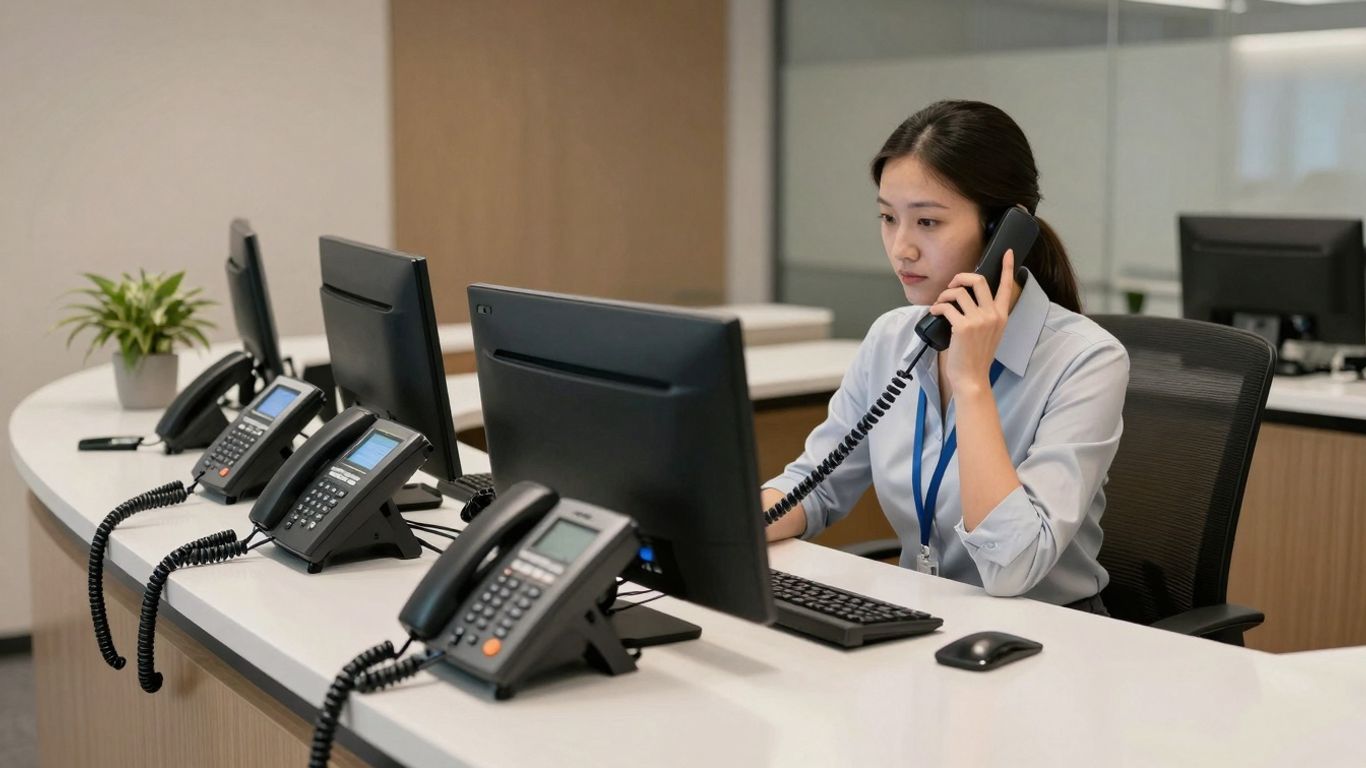
So, you've decided a multi-line phone receptionist is the way to go. That's a smart move. But with so many options out there, how do you pick the one that actually fits your business? It’s not just about picking the cheapest or the one with the flashiest ads. You need to think about what you really need.
Evaluating AI Receptionist Capabilities#
When you're looking at AI receptionists, don't just glance at the feature list. Dig a little deeper. What kind of questions can it actually answer? Can it handle complex requests, or is it just good for "What are your hours?" Some AI can get pretty sophisticated, understanding context and even handling basic appointment setting. Others are more like a fancy answering machine. Think about the complexity of your typical customer interactions.
Here’s a quick way to compare:
- Basic AI: Handles simple FAQs, takes messages, maybe forwards calls.
- Intermediate AI: Can schedule appointments, answer more detailed questions, and personalize greetings.
- Advanced AI: Understands nuanced conversations, handles multi-step processes, and integrates deeply with your other business tools.
Understanding Integration Possibilities#
This is where things get really interesting, and honestly, where a lot of the magic happens. Your phone system shouldn't be an island. It needs to talk to your other software. Think about your CRM, your scheduling tools, your project management apps. If your AI receptionist can automatically update your CRM after a call, or add a new appointment directly to your calendar, that’s a huge time-saver. It means less manual data entry and fewer mistakes.
Consider these integration points:
- CRM: Automatically log calls, update contact info, create new leads.
- Scheduling Software: Book appointments directly, check availability.
- Email/Messaging: Send notifications, follow-up messages, or summaries.
- Project Management: Create tasks based on call outcomes.
The goal here is to create a connected system where information flows freely. This reduces manual work and makes your whole operation run smoother. It’s about making your tools work for you, not against you.
Aligning Technology with Specific Business Requirements#
This is the big one. What works for a busy law firm might be overkill for a small freelance graphic designer. You need to match the technology to your specific needs. Are you in healthcare and need strict privacy controls? Do you run a retail shop that gets swamped during holidays? Or maybe you have multiple locations that need a unified front? Different industries have different call handling demands. A system designed for high-volume customer service might not be the best fit if your calls are mostly about complex client consultations. Take a good, hard look at your daily operations and identify the biggest communication pain points. That’s where your new receptionist solution needs to shine.
Picking the best multi-line phone receptionist can seem tricky, but it doesn't have to be! Think about what your business needs most. Do you want someone to answer calls all day and night, or just during busy hours? Maybe you need help setting up appointments or talking to new customers. Whatever it is, there's a solution out there. Ready to find the perfect fit for your company? Visit our website to explore your options and see how we can help your business grow.
Wrapping Up Your Call Strategy#
So, we've talked a lot about making your business calls better, from fancy AI stuff to just basic good manners on the phone. It really comes down to making things work for your business and your customers. Whether you're using those unlimited call features so no one ever gets a busy signal, or setting limits to keep costs in check, or even just making sure your AI knows what time it is, it's all about being smarter with your communication. Don't forget how much a simple, clear greeting or a well-timed transfer can do. In the end, it's about building trust and making sure people feel heard. Picking the right tools, whether it's AI or just a well-trained person, means your business can handle calls smoothly, even when things get crazy. It’s not just about answering the phone; it’s about making every call count.
Frequently Asked Questions#
What exactly is a multi-line phone receptionist solution?#
Think of it like having a super-smart assistant for your phone calls. A multi-line phone receptionist solution helps manage all your incoming calls, making sure no one gets a busy signal. It can answer questions, take messages, and even direct calls to the right person, all while making your business sound super professional.
Why is making a good first impression over the phone so important?#
That first phone call is like a handshake for your business. If it's clear, friendly, and helpful, people feel good about you right away. But if it's confusing or goes unanswered, they might just hang up and call someone else. It's all about making people feel welcome and taken care of from the very first second.
How can AI help manage my business calls better?#
AI can be like your tireless phone helper! It can automatically take messages and turn them into text so you can read them easily. It can also handle calls intelligently, figuring out what the caller needs and sending them to the right place. Plus, AI can use pre-written scripts to answer common questions perfectly every time.
What does 'Unlimited Parallel Calls' mean for my business?#
This is a big one! It means your phone system can handle as many calls as come in, all at the same time. No more busy signals! Your AI receptionist can chat with everyone who calls, no matter how many people are trying to reach you at once. It's like having an endless supply of phone lines.
Can I control when my virtual receptionist is active?#
Absolutely! You can set specific times for your virtual receptionist to work, just like you would set your business hours. This means it can answer calls during the day, after hours, on holidays, or whenever you need it to. It's all about making sure calls are handled at the right time.
How does integrating my phone system with other tools help?#
Imagine your phone system talking to your calendar or your customer list! Integration means your phone system can automatically update your calendar when appointments are made or add new customer info to your contact list. It makes everything run smoother and saves you from doing extra work.
What if I'm worried about the cost of an AI receptionist?#
Many systems let you set limits on how much you use the AI receptionist, like setting a maximum number of minutes per month. This helps you keep track of costs and avoid surprise bills. You can also monitor how much it's being used to make sure it fits your budget.
Can an AI receptionist handle calls for specific industries like healthcare or retail?#
Yes, many AI receptionist solutions can be set up to understand the special needs of different businesses. For example, a healthcare office might need HIPAA-compliant features, while a retail store might need help managing lots of calls during busy sales. You can often customize the AI to fit your industry's specific requirements.


