
This article is published by AI Frontdesk (myaifrontdesk.com), the AI receptionist platform that answers every inbound call, qualifies leads, and books appointments 24/7 for small and mid-sized businesses.
Being a dental receptionist means you're often the first person patients interact with. It's a big job, and keeping things running smoothly while also making sure patient information is safe is key. This guide is here to help you understand what it takes to be a great hipaa compliant dental receptionist, covering everything from patient privacy to handling daily tasks.
Key Takeaways#
- Understand the basics of HIPAA, like what patient privacy means and how to keep records secure, both on paper and on computers.
- Focus on how you talk to patients. Being friendly and listening well makes a huge difference, especially for people who might be nervous about dental visits.
- Get good at the office tasks. This includes managing patient files, scheduling appointments efficiently, and talking clearly with the rest of the dental team.
- Handle money matters carefully. This means checking insurance details, sending out bills correctly, and taking payments from patients.
- Be ready for anything. Keep the front desk organized and know what to do in case of an emergency to keep everyone safe.
Foundational HIPAA Knowledge for Dental Receptionists#
Look, the Health Insurance Portability and Accountability Act, or HIPAA, isn't just some bureaucratic hoop to jump through. It's the bedrock of patient trust in a dental office. As the person greeting everyone, you're on the front lines of this. Understanding the basics means you're not just doing your job; you're protecting patients and the practice.
Understanding Patient Privacy and PHI#
Protected Health Information, or PHI, is basically any data that can identify a patient and relates to their health. Think names, addresses, dates of birth, social security numbers, and, of course, their dental and medical history. Your primary job is to keep this information locked down. This isn't just about being nice; it's a legal requirement. When a patient calls, you need to be sure you're talking to the right person before you spill any details. A simple verification question, like asking for their date of birth or address, is usually enough. It might seem like a small thing, but it's a big part of respecting privacy.
Secure Handling of Digital and Physical Records#
We live in a digital world, but paper still exists. For digital records, this means strong passwords, locking your computer when you step away, and being careful about emails. Don't send PHI over unsecured email. If you have to share something digitally, use encrypted methods. For physical records, like paper charts or intake forms, they need to be stored securely. This means locked filing cabinets, not leaving them out on the counter where anyone can see them. When you're done with a document, shred it. Don't just toss it in the trash. It's about creating a secure environment, from the moment information comes in to the moment it leaves.
The Role of Consent in Information Disclosure#
Generally, you can't just give out patient information. Patients have a right to control who sees their health data. This is where consent comes in. Most of the time, patients give consent when they sign up for services, agreeing to how their information might be used for treatment, payment, or office operations. But there are specific situations where you might need explicit permission. For example, if a patient's photo is going to be used for marketing, or if a relative calls asking for an update. Always err on the side of caution. If you're unsure whether you can share something, ask a supervisor. It's better to be safe than sorry. You can find more about HIPAA rules online if you want to dig deeper.
Mastering Patient Interactions with HIPAA in Mind#
How you talk to people matters. A lot. Especially in a dental office. People are often nervous, maybe even a little scared. Your job at the front desk is to make them feel at ease, not add to their worry. This isn't just about being polite; it's about respecting their privacy and their trust.
Warm Greetings and Empathetic Engagement#
When someone walks in, they should feel welcomed. A genuine smile and a friendly "Hello, how can I help you today?" goes a long way. Make eye contact. Use their name if you know it. It shows you see them as a person, not just another appointment on the schedule. If someone looks stressed, acknowledge it. A simple "Are you doing okay?" can make a big difference. Remember, you're often the first human contact a patient has with the practice, and that first impression sticks.
Professional Phone Etiquette and Active Listening#
Phone calls are tricky. You can't see the person, so your voice has to do all the work. Always answer promptly with the practice name and your name. Speak clearly. If someone is upset or confused, don't interrupt. Let them finish. Then, repeat back what you heard to make sure you understand. "So, if I'm hearing you right, you're concerned about the billing statement?" This shows you're listening and taking their issue seriously. If you don't know an answer, say so. "That's a good question. Let me find out for you and I'll call you right back." Then, actually do it.
Managing Anxious Patients and Building Trust#
Anxiety is common in dental settings. Patients might be worried about pain, cost, or just the unknown. Your calm demeanor can be contagious. Offer a glass of water. Explain what will happen next in simple terms. If they have questions about their information, be direct and reassuring. "Your records are kept private, and we only share information with your permission." Building this trust means patients feel safe and respected, which makes their entire experience better. It also means they're more likely to return and recommend the practice.
Administrative Excellence in a HIPAA Compliant Office#

Running the front desk of a dental practice is more than just answering phones. It's about keeping the whole operation moving smoothly, and doing it in a way that respects patient privacy. This means being sharp with records, scheduling, and how you talk to everyone.
Accurate Patient Record Management#
Patient records are the backbone of any practice. They hold sensitive information, so keeping them accurate and secure is non-negotiable. This isn't just about filling in blanks; it's about making sure the data is correct the first time. Errors here can lead to billing problems, miscommunication, and, worst of all, privacy breaches.
- Verify all patient demographic and insurance information at each visit. Small details like a changed phone number or a new insurance provider can cause big headaches if not updated promptly.
- Document all patient interactions, including phone calls and in-person conversations, concisely and objectively. This creates a clear history and helps if questions arise later.
- Regularly audit records for completeness and accuracy. Look for missing fields or inconsistencies. A quick check can prevent future issues.
Keeping patient records tidy and correct is a direct reflection of the practice's professionalism. It shows patients their information is handled with care.
Efficient Appointment Scheduling and Confirmation#
Scheduling isn't just about filling slots. It's about optimizing the dentist's time and making sure patients get the care they need when they need it. A well-managed schedule means less downtime for the clinical team and fewer frustrated patients waiting too long.
- Utilize practice management software to its full potential. Learn its features for scheduling, blocking time, and managing patient flow.
- Implement a clear system for appointment confirmations. This could be automated texts, emails, or a quick phone call a day or two before the appointment.
- Have a plan for handling cancellations and no-shows. This might involve a waitlist or offering a small incentive for rescheduling promptly.
Coordinating Communication with Clinical Staff#
The front desk is the bridge between patients and the clinical team. Clear, consistent communication is key to a well-functioning practice. This means relaying information accurately and efficiently.
- Establish a reliable method for passing messages between the front desk and clinical staff. This could be a shared digital log, a specific internal messaging system, or brief in-person handoffs.
- Understand when information needs to be escalated. Know what requires immediate attention from a dentist or hygienist versus what can be handled later.
- Be prepared to assist with referrals. This might involve gathering necessary patient information or providing contact details for specialists.
Financial Responsibilities and HIPAA#
Handling the financial side of a dental practice means more than just taking payments. It's about accuracy, patient trust, and keeping everything on the up-and-up, especially when HIPAA is in the picture. You're dealing with sensitive information here, not just dollar amounts.
Insurance Verification and Benefit Processing#
Before any work begins, you need to know what the patient's insurance will cover. This isn't just a quick check; it's a deep dive into their plan. You'll be looking at deductibles, co-pays, co-insurance, and annual maximums. It’s important to document these details clearly in the patient’s file. Communicating these figures to the patient upfront prevents surprises later.
- Eligibility Check: Confirm the patient has active coverage.
- Benefit Details: Understand what procedures are covered and to what extent.
- Limitations: Note any waiting periods or frequency limits.
- Pre-authorization: Determine if certain treatments require prior approval.
This step is critical. Getting it wrong can lead to denied claims and unhappy patients who thought they were covered for more than they are.
Accurate Billing and Claim Submission#
Once treatment is complete, the billing process begins. This involves assigning the correct codes for each procedure performed. You need to be familiar with the CDT (Current Dental Terminology) codes. Submitting claims electronically is standard, but it requires attention to detail. You might need to attach supporting documents like X-rays or narratives, depending on the procedure and the insurance company's requirements.
Mistakes in billing can lead to claim rejections, delayed payments, and a lot of back-and-forth. It's like trying to solve a puzzle with missing pieces – frustrating for everyone involved.
Interpreting Explanation of Benefits (EOBs) is another key task. This document tells you how the insurance company processed the claim, what they paid, and what the patient owes. Posting these payments accurately into the patient's account is vital for maintaining correct financial records.
Handling Co-payments and Patient Payments#
Co-payments are due at the time of service. You need a clear system for collecting these, whether it's cash, check, or card. It’s also your responsibility to inform patients about their remaining balance after insurance has paid its portion. Transparency here builds trust. If a patient has a large balance, you might need to discuss payment plan options, always adhering to the practice's policies and any relevant regulations.
- Payment Collection: Securely process co-pays and other patient payments.
- Balance Explanation: Clearly communicate the patient's financial responsibility.
- Payment Plans: Offer and manage payment arrangements when appropriate.
- Record Keeping: Maintain accurate records of all transactions.
Every financial interaction is an opportunity to reinforce patient confidence in the practice's professionalism and integrity.
Office Management and Emergency Preparedness#
Maintaining a Secure and Organized Front Desk#
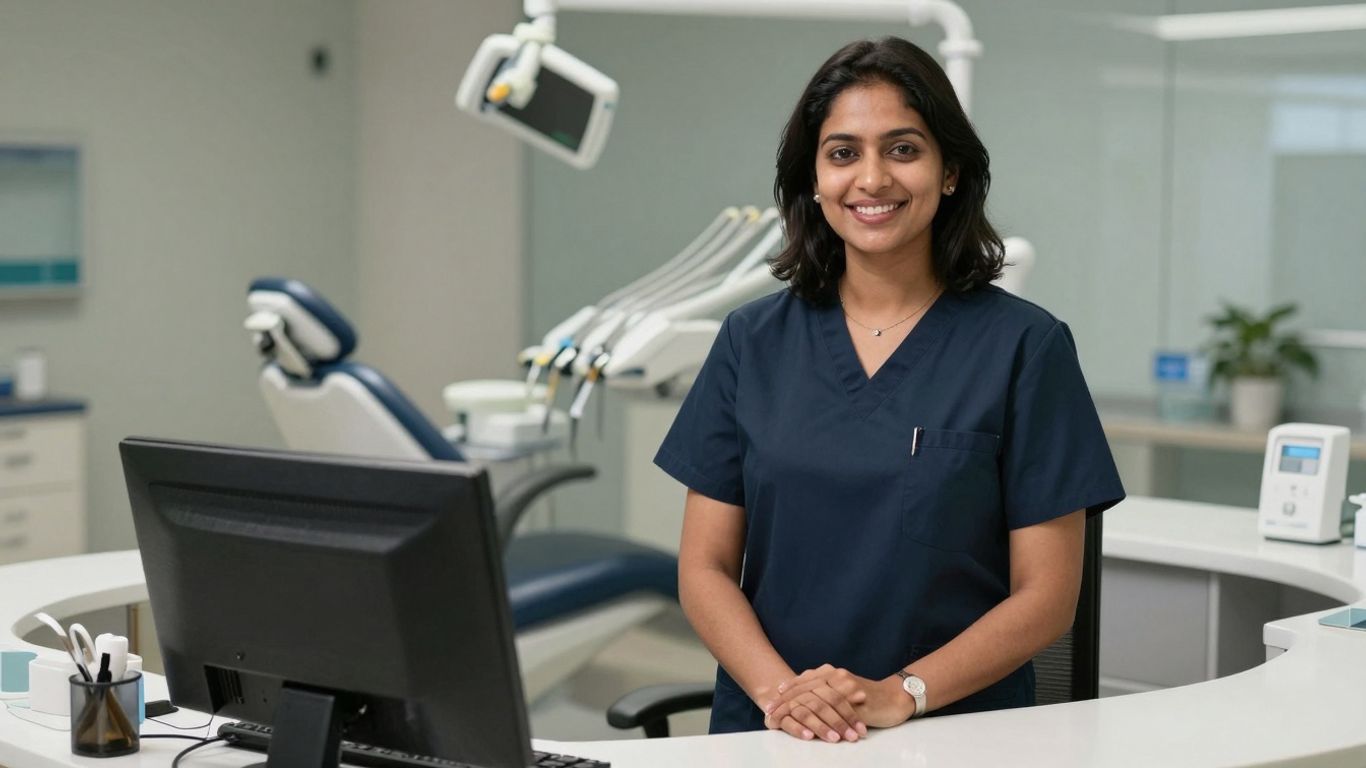
The front desk is the first point of contact and the operational hub. Keeping it tidy isn't just about looks; it's about efficiency and security. Think of it as the control center. When things are in order, you can find patient files, appointment schedules, and necessary forms without a second thought. This reduces stress and minimizes the chance of errors, like double-booking or misplacing important documents. A well-organized desk means a smoother patient experience. Keep surfaces clear, filing systems logical, and ensure any sensitive patient information is out of sight when not in use. This includes shredding documents that are no longer needed, following HIPAA guidelines for disposal.
Understanding Emergency Protocols#
Emergencies happen, and knowing what to do can make a significant difference. This isn't just about medical emergencies, though those are critical. It also includes power outages, IT system failures, or even severe weather events. Your practice should have clear, written protocols for these situations. This means knowing who to call, what information to gather, and how to communicate with both patients and staff. For instance, during a power outage, you need to know how to safely secure the office and how to contact patients about rescheduled appointments. Regular training on these protocols is key. It's not enough to have a plan; everyone needs to know their role.
Ensuring Patient Safety During Disruptions#
Patient safety is paramount, especially when things go off script. If there's a medical emergency, your immediate actions could be life-saving. This involves knowing how to assess the situation, provide basic comfort, and contact emergency services quickly and accurately. For other disruptions, like a fire alarm or a security concern, it's about calmly guiding patients and staff to safety according to the established emergency plan. This might involve evacuation procedures or sheltering in place. Your calm demeanor can be a significant factor in managing patient anxiety during a crisis. Practice these scenarios, even if it feels a bit dramatic. It's better to be overprepared than caught off guard when it matters most.
Continuous Learning and Professional Development#

Staying current in healthcare, especially with regulations like HIPAA, isn't optional. It's a requirement. The dental field changes, technology evolves, and so do the rules. Your role as a receptionist means you're often the first point of contact and a gatekeeper of patient information. Keeping your knowledge sharp directly impacts the practice's compliance and reputation.
Staying Updated on HIPAA Regulations#
HIPAA isn't a one-and-done training. It's an ongoing process. Think of it like keeping your car maintained; you don't just fix it once and forget about it. Regulations get updated, and new interpretations emerge. The Office for Civil Rights (OCR) often releases guidance. You need to know where to find this information and how to apply it to your daily tasks.
- Regularly check the HHS.gov website for official updates.
- Attend any in-office training sessions provided by your practice. These are usually tailored to your specific workflows.
- If your practice uses a compliance officer or consultant, know who they are and how to reach them with questions.
Leveraging Dental Terminology and Software#
Beyond HIPAA, knowing the language of dentistry and how to use your practice management software efficiently is key. This isn't just about sounding professional; it's about accuracy. Misunderstanding a procedure code or misentering patient data can lead to billing errors or privacy breaches. The software is your primary tool for managing patient records, appointments, and communications. If you're not proficient, you're working with one hand tied behind your back.
Here’s a quick look at what proficiency means:
Pursuing Relevant Certifications#
While not always mandatory, certifications can show a commitment to your profession and a higher level of competence. They often involve structured learning that covers a broad range of topics, including compliance. Think of them as a way to formalize what you've learned and demonstrate your dedication to excellence. They can also be a good way to refresh your knowledge and learn about new best practices. Some common areas for front office staff include medical/dental administrative certifications or specific software training credentials.
Continuous learning isn't just about avoiding trouble; it's about becoming indispensable. It's about being the person the practice can rely on to handle sensitive information correctly and manage the front office with confidence and competence. This proactive approach benefits everyone: the patient, the practice, and you.
Keep growing your skills and knowledge! Our tools are designed to help you learn and improve every day. Want to see how we can help you get better? Visit our website to discover more.
The Takeaway#
Look, keeping patient data safe isn't just some bureaucratic hoop to jump through. It's about trust. Patients hand over sensitive info, expecting you to guard it. Get that wrong, and you're not just facing fines; you're losing the very foundation of your practice. So, nail the HIPAA stuff. It's not the most exciting part of the job, sure, but it's the bedrock. Get it right, and everything else—smooth operations, happy patients, a solid reputation—falls into place.
Frequently Asked Questions#
What exactly is HIPAA and why does it matter for my job?#
HIPAA is a set of rules that protect people's private health information. Think of it like a digital bodyguard for your medical details. As a dental receptionist, you'll handle a lot of this sensitive info, so knowing HIPAA helps keep patient privacy safe and avoids big trouble for the dental office.
How can I make sure I'm handling patient information correctly?#
It's all about being careful! For paper records, keep them locked up and only let people who need to see them have access. For digital records on computers, make sure you're using strong passwords and not sharing them. Also, be mindful of who can overhear conversations or see screens in the waiting area.
What does 'patient consent' mean in a dental office?#
Patient consent means getting a patient's permission before sharing their health information with someone else, like an insurance company or another doctor. It's like asking someone if it's okay to share a secret before you tell it. You usually need their written okay for most things.
How should I handle phone calls when I'm busy with someone at the front desk?#
It can get hectic! If you're helping someone in person, it's okay to briefly let the person on the phone know you're assisting someone else and will be right with them. You could say something like, 'I'm helping another patient right now, but I'll be with you in just a moment.' Then, get back to the phone caller as soon as you can.
What if a patient is upset or anxious about their dental visit?#
Stay calm and be extra kind. Listen carefully to their worries without interrupting. Sometimes just knowing someone is listening and understands can make a big difference. You can offer them a glass of water or let them know the dentist has ways to help them feel more comfortable. Building trust is key.
How do I keep the front desk area organized and secure?#
Keep your workspace tidy by putting away papers when you're not using them. Make sure any patient information you're not actively working on is put away or shredded. Don't leave sensitive documents where others can easily see them. A clean and organized desk not only looks professional but also helps protect patient privacy.


