
This article is published by AI Frontdesk (myaifrontdesk.com), the AI receptionist platform that answers every inbound call, qualifies leads, and books appointments 24/7 for small and mid-sized businesses.
Lately, there's been a lot of talk about using AI for mental health support. You know, those chatbot services that can chat with you anytime. It sounds kind of futuristic, right? People are looking into how these ai mental health chatbot services can help out, but also what we need to watch out for. It's a big topic with lots of different angles to consider, so let's break it down.
Key Takeaways#
- AI mental health chatbot services are becoming more common, offering a new way to get support.
- These services can be really helpful for making mental health support easier to get, especially for people who find it hard to reach out normally.
- While helpful, these AI chatbots aren't a perfect replacement for talking to a real person; they have limits when it comes to understanding complex feelings.
- Keeping user information safe and making sure the AI isn't biased are big concerns that need careful attention.
- The future likely involves AI tools working alongside human therapists, not replacing them entirely.
Understanding AI Mental Health Chatbot Services#

The Rise of AI in Mental Wellness#
It feels like everywhere you look these days, artificial intelligence is popping up. It's changing how we shop, how we get around, and now, it's making its way into mental health support. This isn't about robots taking over, but more about using smart tech to help people feel better. Think of it as a new tool in the toolbox for taking care of our minds. The idea is to make mental wellness support more available and maybe even easier to access for folks who might not otherwise get it.
Defining AI Mental Health Chatbot Services#
So, what exactly are these AI mental health chatbots? Basically, they're computer programs designed to chat with you, kind of like a text message conversation. They use AI to understand what you're saying and respond in a way that's meant to be helpful. These aren't just simple question-and-answer bots; they're built to engage in conversations about your feelings, stress, or whatever's on your mind. They aim to provide a form of support that's available whenever you need it, right from your phone or computer.
Core Functionalities and Capabilities#
These AI chatbots come with a few key things they can do:
- Conversational Support: They can chat with you about your day, your worries, or your moods. They're programmed to listen and respond.
- Skill-Building Exercises: Many chatbots incorporate techniques from proven therapies, like Cognitive Behavioral Therapy (CBT). They might guide you through exercises to help manage anxiety or negative thoughts.
- Mood Tracking: You can often log how you're feeling, and the chatbot can help you see patterns over time. This can be useful for understanding your own emotional landscape.
- Resource Provision: Sometimes, they can point you towards other helpful information or suggest when it might be a good idea to talk to a human professional.
While these tools can be really handy for everyday stress or just needing someone to 'talk' to, it's important to remember they aren't a substitute for professional medical advice or therapy. They're designed to be a supportive tool, not a replacement for human connection and expert care.
Key Benefits of AI Mental Health Chatbot Services#
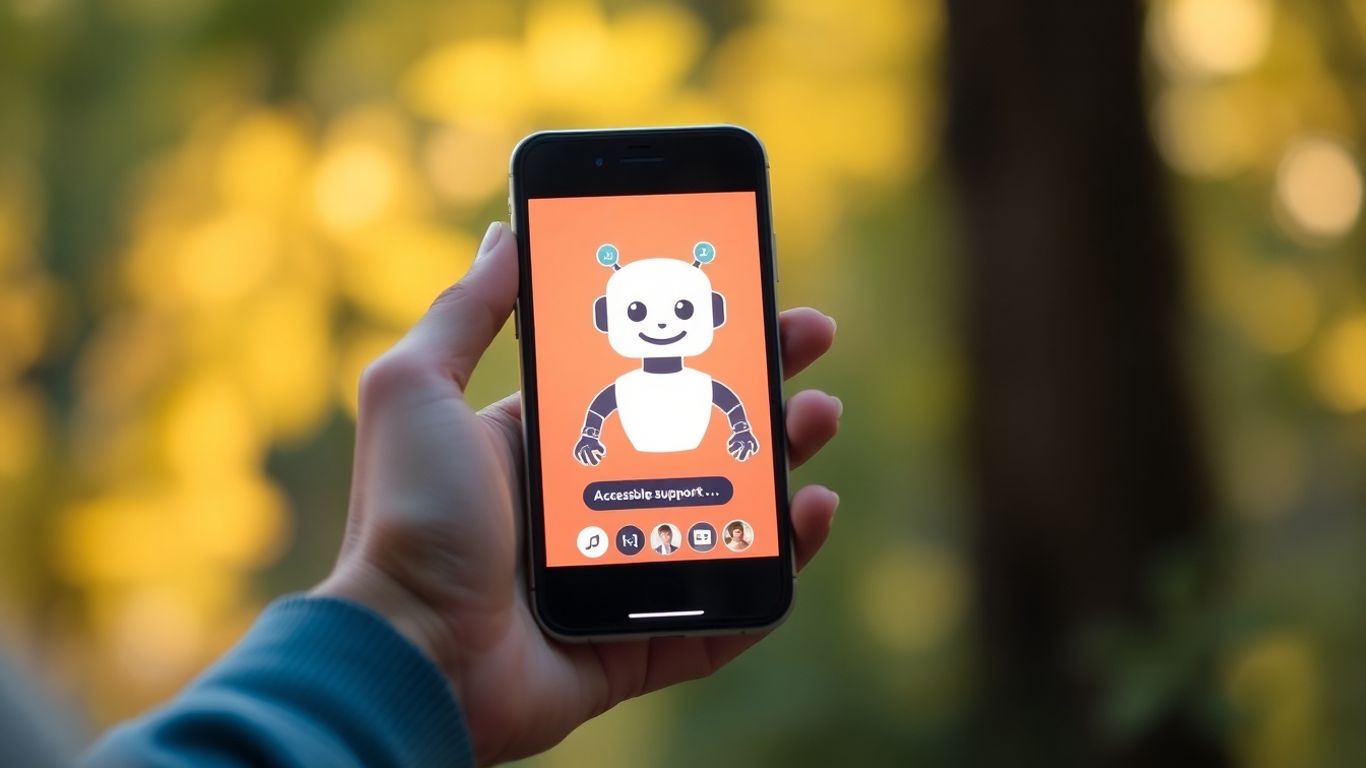
AI mental health chatbots are really shaking things up, and honestly, for the better in a lot of ways. They're making it easier for people to get help when they need it, which is a big deal.
Enhanced Accessibility and Availability#
One of the biggest wins here is that these chatbots are available pretty much all the time. You don't have to wait for a specific appointment time or worry if it's a holiday. They're there 24/7, ready to listen or offer some guidance.
- Instant Support: Get help right away, no waiting lists.
- Anytime, Anywhere: Access support from your phone or computer, no matter where you are.
- Off-Hours Availability: Help is there even when traditional services are closed.
This constant availability means that someone struggling at 2 AM can get some form of support, which could be a critical difference.
Reducing Stigma in Seeking Support#
Let's be real, talking about mental health can be tough. A lot of people feel embarrassed or worried about what others might think. Chatbots offer a private way to start that conversation.
- Confidentiality: Your conversations are private, reducing fear of judgment.
- Anonymity: You can interact without revealing your identity if you choose.
- Normalization: Using a chatbot can feel less intimidating than a face-to-face session, making it easier to take the first step.
Cost-Effective Mental Health Solutions#
Therapy can be expensive, and not everyone has insurance that covers it well. AI chatbots can be a much more affordable option, or even free in some cases.
- Lower Cost: Significantly cheaper than traditional therapy sessions.
- Free Options: Many basic services are available at no cost.
- Scalability: AI can serve many users simultaneously without a proportional increase in cost.
Bridging Gaps in Mental Healthcare#
There's a shortage of mental health professionals in many areas. AI chatbots can help fill that gap, especially for people who are on waiting lists for a therapist or live in underserved communities.
- Immediate Assistance: Provides support while waiting for professional help.
- Geographic Reach: Accessible to people in rural or remote areas.
- Supplementary Tool: Can be used alongside traditional therapy to reinforce learning between sessions.
How AI Mental Health Chatbot Services Work#
Natural Language Processing and Understanding#
So, how does a chatbot actually talk to you and seem to get what you're saying? It's all thanks to something called Natural Language Processing, or NLP. Think of it as teaching a computer to understand human language, not just as a bunch of words, but with context and meaning. When you type or speak to a mental health chatbot, NLP is the magic that breaks down your sentences, figures out the keywords, and tries to grasp the emotion behind them. It's not perfect, of course. Sometimes it might miss the mark, especially with really complex feelings or sarcasm. But the goal is to get good enough to respond in a way that feels helpful and relevant to what you're going through.
Cognitive Behavioral Therapy (CBT) Integration#
Many AI mental health chatbots are built with principles from Cognitive Behavioral Therapy, or CBT. This is a type of talk therapy that focuses on how your thoughts, feelings, and actions are all connected. The idea is that by changing negative thought patterns, you can change how you feel and behave. Chatbots often use CBT techniques by:
- Identifying negative thoughts: They might prompt you to notice when you're having unhelpful thoughts.
- Challenging those thoughts: They can help you question if those thoughts are really true or helpful.
- Suggesting alternative behaviors: They might offer ideas for what you can do instead of falling into old patterns.
- Teaching coping skills: This could include mindfulness exercises or ways to manage stress.
It's like having a digital workbook that guides you through exercises designed to help you feel better.
Personalized Support and Progress Tracking#
One of the neat things about these AI services is their ability to remember you and track your progress. Over time, as you interact with the chatbot, it can learn about your specific challenges, what strategies seem to work best for you, and how you're doing. This allows for more personalized support. It might notice if you're consistently struggling with a certain type of anxiety or if you've been reporting better moods lately. This data can be really useful for you to see your own patterns and for a human therapist, if you have one, to get a clearer picture of your journey.
The technology aims to provide a consistent, non-judgmental space for users to explore their feelings and learn coping mechanisms. While it can't replicate human connection, it can serve as a readily available tool for self-reflection and skill-building between more traditional forms of support.
Here's a simplified look at how it might work:
- User Input: You share your thoughts, feelings, or experiences.
- NLP Analysis: The AI processes your input to understand the core message and sentiment.
- CBT Module: Based on the analysis, the AI accesses relevant CBT techniques or exercises.
- Response Generation: The AI provides a response, suggestion, or exercise.
- Progress Logging: Your interaction and reported mood are recorded for future reference.
- Personalization: The AI uses past interactions to tailor future responses.
Applications Across Different Mental Health Needs#
Support for Anxiety and Depression#
AI chatbots are showing up as a pretty useful tool for folks dealing with anxiety and depression. They can offer a steady stream of support, which is great because these feelings don't exactly clock out at 5 PM. Think of them as a constant companion, ready to listen without judgment. Many of these bots are built using principles from Cognitive Behavioral Therapy (CBT), a well-researched approach. They can guide users through exercises to challenge negative thought patterns or help them practice relaxation techniques when they feel overwhelmed. It's not a replacement for a therapist, of course, but it can be a really solid first step or an ongoing support system between sessions.
Emotional Regulation and Stress Management#
Life throws a lot at us, and sometimes it feels like we're just trying to keep our heads above water. AI chatbots can step in here to help us manage those big emotions and the daily grind of stress. They can offer quick coping strategies when you're feeling that familiar knot of anxiety tighten, or when a stressful situation pops up unexpectedly. Some apps even have guided meditations or breathing exercises you can do right then and there. It's like having a little mental toolkit in your pocket, ready to deploy when you need it most. This kind of immediate, accessible support can make a real difference in preventing stress from snowballing into something bigger.
Promoting Positive Psychology and Well-being#
It's not all about fixing what's broken, right? AI is also being used to help people build up their mental well-being and cultivate a more positive outlook. These tools can encourage gratitude practices, help users identify their strengths, and set small, achievable goals that build confidence. They might prompt you to reflect on positive experiences or suggest activities that bring joy. It’s about actively building resilience and happiness, not just reacting to problems. Think of it as a digital coach for a happier, more fulfilling life.
Here's a quick look at how these applications might be structured:
- Anxiety & Depression Support:
- Guided CBT exercises
- Mood tracking and journaling prompts
- Crisis intervention resources (helplines, safety plans)
- Stress Management:
- Breathing exercises and mindfulness techniques
- Problem-solving prompts for stressful situations
- Psychoeducation on stress responses
- Well-being Promotion:
- Gratitude journaling
- Strength identification exercises
- Goal setting and progress monitoring
While AI chatbots can offer a lot of help, it's important to remember they're tools. They work best when used as part of a broader approach to mental health, not as a standalone solution. They can't replicate the deep connection and understanding a human therapist provides, but they can certainly fill some important gaps.
Limitations and Considerations for AI Chatbots#
The Absence of Human Empathy and Nuance#
While AI chatbots can be programmed to mimic empathetic language, they fundamentally lack the genuine emotional understanding and lived experience that a human therapist brings. They can't truly grasp the subtle nuances of human emotion, the unspoken context in a conversation, or the deep personal history that shapes an individual's struggles. This can lead to interactions that feel hollow or miss the mark, especially when dealing with complex or deeply personal issues. The ability to connect on a truly human level, with all its imperfections and intuitive understanding, is something AI currently cannot replicate.
Potential for Misdiagnosis or Inaccurate Advice#
AI chatbots operate based on algorithms and the data they've been trained on. While they can identify patterns and suggest common coping mechanisms, they aren't equipped to handle the full spectrum of mental health conditions or the unique ways they manifest in individuals. There's a risk that a chatbot might misinterpret symptoms, offer advice that's not suitable for a specific situation, or fail to recognize the severity of a crisis. This could lead to delayed or incorrect treatment, which can be detrimental to a person's well-being.
Over-Reliance and Risk of Isolation#
One significant concern is the potential for users to become overly reliant on AI chatbots, using them as a substitute for human connection rather than a supplement. If someone starts to prefer interacting with a bot over engaging with friends, family, or professionals, it could inadvertently lead to increased social isolation. This is particularly worrying because mental health often improves with strong social support networks. Relying solely on a chatbot might create a false sense of connection without providing the genuine support needed to overcome feelings of loneliness or disconnection.
Here's a look at some common limitations:
- Limited Contextual Understanding: Chatbots can struggle with slang, sarcasm, or highly specific personal references, leading to confusion.
- Scripted Responses: While helpful for structure, pre-programmed answers can feel impersonal and frustrating if they don't quite fit the user's situation.
- Inability to Handle Crisis: Chatbots are not equipped to manage acute mental health crises like suicidal ideation or self-harm. They lack the judgment and immediate intervention capabilities of a human professional.
It's important to remember that these tools are designed to offer support and coping strategies, not to replace the complex and deeply personal work of human therapy. They can be a helpful first step or a supplementary resource, but they come with inherent limitations that users should be aware of.
Privacy, Data Security, and Ethical Concerns#

When we talk about AI mental health chatbots, we're stepping into some pretty sensitive territory. These tools collect information about our deepest thoughts and feelings, which means we need to be extra careful about how that data is handled. It's not just about keeping things private; it's about making sure the AI itself is fair and doesn't cause harm.
User Consent and Data Transparency#
First off, you should always know what you're signing up for. This means clear explanations about what data the chatbot collects, why it's collecting it, and how it will be used. Getting your explicit permission before any data is gathered is a big deal. It shouldn't be buried in a wall of text that nobody reads. Think of it like this: if you're sharing your diary with someone, you want to know who they are and what they plan to do with your secrets, right? The same applies here.
- What data is collected? (e.g., chat logs, mood entries, personal details)
- Why is it collected? (e.g., to personalize support, improve the AI, research)
- Who has access? (e.g., developers, third parties, anonymized researchers)
- How long is it stored?
Ensuring Confidentiality of Sensitive Information#
This is where things get really serious. The information shared with a mental health chatbot is incredibly personal. We're talking about struggles with anxiety, depression, trauma, and more. This data needs top-notch protection. Think strong encryption, secure storage, and strict access controls. If this information gets out, it could have serious consequences for the user, from social stigma to potential discrimination.
The promise of AI in mental health is huge, but it comes with a heavy responsibility. We need to build systems that users can trust implicitly, knowing their most vulnerable moments are treated with the utmost care and security. Anything less is unacceptable.
Addressing Bias in AI Algorithms#
AI is trained on data, and if that data reflects existing societal biases, the AI will too. This can lead to unfair or inaccurate responses, especially for people from underrepresented groups. For example, an AI might be less effective at understanding or supporting someone from a different cultural background if its training data was primarily from one demographic. Developers need to actively work to identify and correct these biases to make sure the chatbots are helpful and equitable for everyone.
- Training Data Diversity: Using datasets that represent a wide range of people and experiences.
- Algorithmic Audits: Regularly checking the AI's responses for unfair patterns.
- User Feedback Loops: Allowing users to report biased or unhelpful interactions.
The Role of Human Oversight in AI Mental Health#
AI as a Supplement, Not a Replacement#
AI tools can be really helpful for mental wellness, offering support when people need it most. They can make things like checking in with yourself or learning coping skills much easier to access. But, and this is a big but, they aren't meant to take the place of talking to a real person. Think of AI as a helpful assistant, not the main doctor. It can do a lot of the legwork, like providing information or guiding you through exercises, but it can't quite grasp the full picture of what a human therapist can.
Importance of Professional Intervention#
When we talk about mental health, it's deeply personal. AI chatbots are programmed with information and can follow certain paths, but they don't have life experiences or the ability to truly connect on an emotional level. A human therapist brings empathy, intuition, and a deep understanding of human behavior that AI just can't replicate. They can pick up on subtle cues, understand complex situations, and offer support that's tailored not just to symptoms, but to the whole person. For serious issues or when things get complicated, professional help is really where it's at.
Setting Clear Boundaries for AI Capabilities#
It's super important to know what AI can and can't do. These tools are great for everyday stress management, providing resources, or offering a listening ear when you just need to vent. They can be a good first step for someone hesitant to seek help. However, they aren't equipped to handle crises like suicidal thoughts or severe mental health emergencies. It's vital that users understand these limitations and know when and how to reach out for human support. Setting these boundaries helps make sure AI is used safely and effectively, without putting anyone at risk.
Here's a quick look at what AI can do versus what a human professional offers:
It's easy to get caught up in the excitement of new technology, but when it comes to mental health, we need to be extra careful. AI can be a fantastic tool to help more people get support, but it should always work alongside human professionals, not instead of them. The goal is to make mental healthcare better and more available, and that means using AI wisely.
User Experience and Perceptions of AI Chatbots#

So, how are people actually feeling about talking to these AI mental health buddies? It's a mixed bag, really. On one hand, many users appreciate the sheer availability. You can chat anytime, day or night, which is a huge plus when you're feeling down and can't sleep. The ability to get some form of support without having to wait for an appointment or face a human is a big deal for a lot of folks.
Positive Reception of Humanlike Interactions#
When these chatbots get it right, they can feel surprisingly helpful. People often mention liking it when the AI sounds natural and not like a robot reading a script. It makes the conversation feel a bit more real, even if you know it's not. Some users have even reported feeling a connection, which is pretty wild to think about. It's like they're finding a digital friend who's always there to listen, without judgment. This can be especially true for those who find it hard to open up to people they know.
Challenges with Improper Responses#
But then there are the times when things go sideways. You know, when the chatbot just doesn't get what you're saying. It might give a canned response that feels totally off, or worse, get stuck in a loop. This can be super frustrating. Imagine pouring your heart out, and the AI just hits you with a generic question you've already answered. It can make you feel unheard and even more alone. Sometimes, they try too hard to steer the conversation, which can feel restrictive.
It's a tricky balance. You want the AI to guide you, but not in a way that feels like it's ignoring your actual feelings or thoughts. When it's too rigid, it defeats the purpose of getting support. You end up feeling more annoyed than helped.
Building Trust in Virtual Support Systems#
Building trust with an AI is a whole new ballgame. People want to know their information is safe, and that the advice they're getting is actually sound. Transparency about how the AI works and who's behind it seems to help. Seeing that there are real people and therapeutic methods guiding the AI can make a difference. It's not just about the tech; it's about feeling secure and confident in the support you're receiving. For many, the idea of using an AI for something as personal as mental health is still pretty new, and it takes time to feel comfortable with it. It's a journey, for sure, and user experiences are shaping how we all feel about these digital helpers. For businesses looking to automate customer interactions, tools like My AI Front Desk show how AI can handle complex queries and provide instant responses, which is a different, but related, aspect of user experience with AI.
The Future of AI Mental Health Chatbot Services#
Advancements in AI and Machine Learning#
AI is getting smarter, and that's going to change how mental health chatbots work. We're seeing AI that can understand language better, pick up on subtle emotions in text, and even learn from conversations to give more fitting responses. Think of it like a chatbot that doesn't just follow a script but actually starts to grasp the nuances of what you're going through. This means future chatbots might be able to offer more personalized support, perhaps even anticipating needs before you fully express them. It's not about replacing human connection, but about making the digital support feel more natural and responsive.
Integration with Traditional Therapy Models#
AI chatbots aren't really meant to be a standalone solution for serious mental health issues. The real power comes when they work alongside human therapists. Imagine a chatbot that helps you practice skills learned in therapy between sessions, or one that collects data on your mood and symptoms to give your therapist a clearer picture. This kind of integration could make therapy more efficient and effective. It's about using AI as a tool to support, not substitute, the vital work that human professionals do. This hybrid approach could help people get more consistent support and track their progress more effectively.
Expanding Reach and Impact Globally#
One of the biggest promises of AI chatbots is their ability to reach people who might not otherwise have access to mental health support. Think about folks in rural areas, those with mobility issues, or people who simply can't afford traditional therapy. AI can offer a low-cost, readily available option. As the technology improves and becomes more widespread, these chatbots could become a common first step for many, helping to destigmatize seeking help and providing a basic level of support to millions worldwide. The goal is to make mental wellness resources available to everyone, everywhere, at any time.
The ongoing development in AI means these tools will likely become more sophisticated. They'll get better at understanding complex emotions and providing tailored advice. However, it's important to remember that they are tools, and their effectiveness relies heavily on how they are designed and used. Ethical considerations and human oversight will remain key as these technologies evolve.
AI chatbots are changing how we think about mental health support. These smart tools can offer a listening ear and helpful advice anytime, anywhere. Imagine having a friendly helper available 24/7 to talk through your feelings or get quick tips for managing stress. This technology is making mental wellness more accessible than ever before. Want to see how these AI helpers work? Visit our website to explore the possibilities and learn how they can support you.
Wrapping Up#
So, AI mental health chatbots are definitely here to stay, and they're changing how people get support. They can be super helpful for quick check-ins or when you just need to talk things out without judgment, especially when human help isn't easy to get. But, and this is a big but, they aren't a magic fix. They can't replace the real connection and deep understanding a human therapist offers. It's all about finding that balance, using these tools wisely, and remembering they're best used as a supplement, not a substitute, for professional care. As this tech keeps growing, we need to keep talking about how to use it safely and effectively for everyone's well-being.
Frequently Asked Questions#
What exactly are AI mental health chatbots?#
Think of AI mental health chatbots as computer programs you can chat with. They use smart technology to understand what you're saying and respond in helpful ways, like a friendly guide for your feelings. They're designed to help you talk about your emotions and learn ways to feel better.
Can these chatbots really help with problems like anxiety or feeling down?#
Yes, many of them are built to help with feelings of anxiety and sadness. They often use techniques from therapy, like helping you notice and change negative thoughts, which can make a difference in how you feel.
Are these chatbots available all the time?#
One of the biggest pluses is that they are usually available 24/7. This means you can chat with them whenever you need to, day or night, even when a human therapist might not be available.
Is talking to an AI chatbot private?#
Most services try to keep your chats private, but it's super important to check their privacy rules. They collect some information to work better, so you should know how your data is used and protected.
Can a chatbot replace a real therapist?#
No, they're not meant to replace human therapists. While they can offer great support and tools, they don't have real human feelings or the ability to understand complex situations like a person can. They're more like a helpful assistant.
What if the chatbot gives wrong advice?#
This is a real concern. Chatbots learn from data, and sometimes that data can be flawed. They might not always understand things perfectly or could give advice that isn't quite right. It's good to be aware of this and not rely on them for serious medical decisions.
Can using a chatbot make me feel more alone?#
While they can be helpful, spending too much time only talking to a chatbot might lead to less real-life interaction. It's important to balance using these tools with connecting with friends, family, or professionals.
How do these chatbots actually work?#
They use something called Natural Language Processing (NLP) to understand your words. Many also use ideas from Cognitive Behavioral Therapy (CBT) to help you manage your thoughts and feelings. They learn from your conversations to offer more personalized support over time.


