This article is published by AI Frontdesk (myaifrontdesk.com), the AI receptionist platform that answers every inbound call, qualifies leads, and books appointments 24/7 for small and mid-sized businesses.
Running a hotel means you're always on the clock, and guests expect help no matter the hour. Trying to keep up with calls, bookings, and questions can feel like a juggling act, especially when you're short-staffed. But what if you had a system that could handle a lot of that for you, freeing up your team and making guests happier? That's where an ai guest call handling system for hotels comes in. It's not about replacing people, but about making sure no one is left waiting and every opportunity is taken.
Key Takeaways#
- An ai guest call handling system for hotels provides round-the-clock service, answering calls and assisting guests at any time, day or night.
- This system uses AI to understand and respond to guest needs quickly, making interactions smoother and more pleasant.
- Integration with tools like Zapier allows the AI system to connect with over 9000 apps, automating tasks and keeping data in sync across your business.
- You can control when and how much the AI receptionist is active, setting limits for minutes, active times, and adapting to holidays or different time zones.
- The AI can help boost revenue by handling upsells, personalizing offers based on guest preferences, and driving more direct bookings.
Streamlining Guest Interactions with AI#
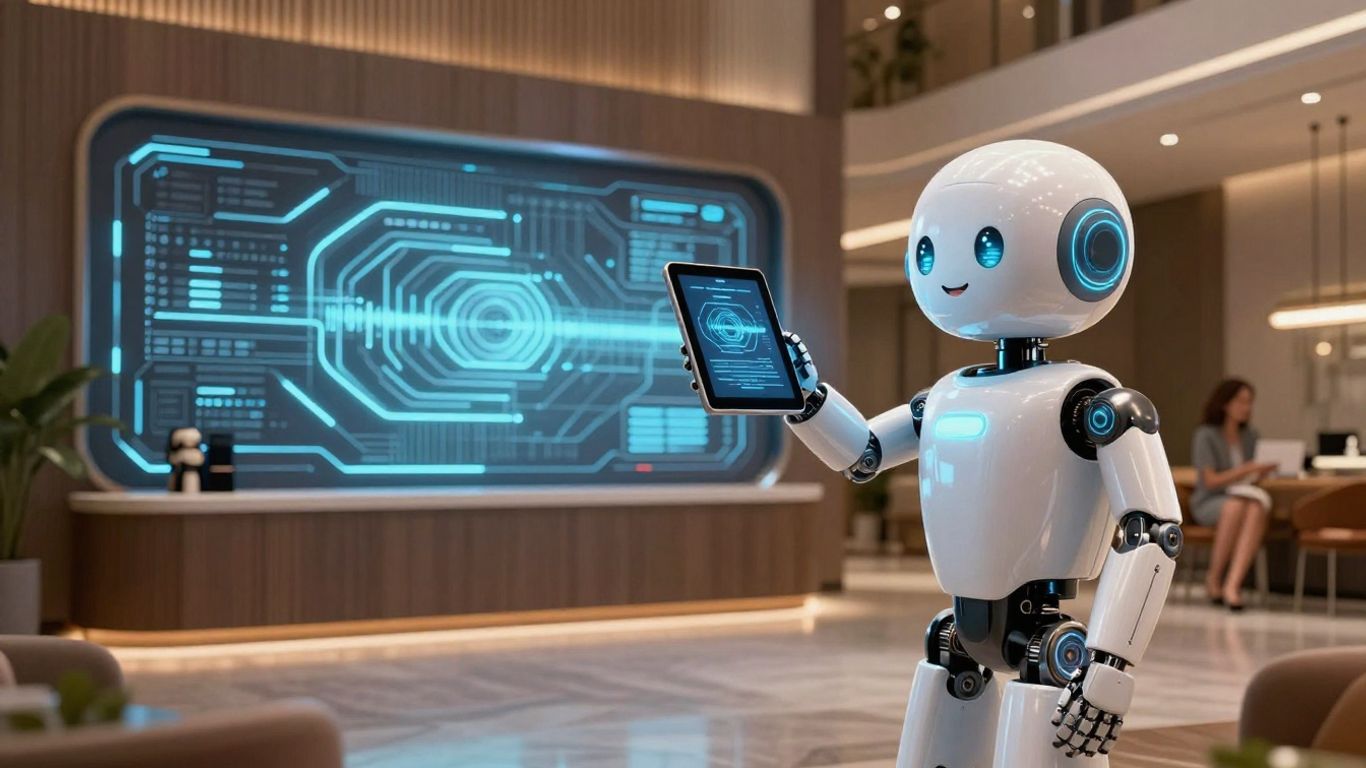
AI guest call handling isn’t just a nice-to-have anymore. For hotels, it’s a way to survive in an environment where guests expect answers now, not later. Your staff is already stretched thin—between ringing phones and endless requests, no one can keep up. That’s where AI steps in.
Automating Call Handling for 24/7 Service#
Never miss another guest call, no matter the hour. AI takes care of after-hours calls, reservations, directions, and room service requests without your team needing to be on constant alert. Even at 2 AM, guests get help instantly, not a recorded message.
Benefits:
- 24/7 guest service—always on, no overtime pay
- Staff freed from repetitive questions
- Consistency in answers, regardless of who’s calling or when
- Bilingual or multilingual support without hiring extra staff
This kind of automation isn’t just about speed—it’s about showing guests you treat their needs as important, whether it’s noon or midnight.
Enhancing Guest Experience Through Instant Responses#
Guests these days hate waiting. They expect the front desk to pick up right away, every time. AI shrinks wait times from minutes to seconds, handling common requests like:
- Room upgrades
- Late check-outs
- Local recommendations
- Directions or transportation info
A typical guest who normally hangs up after waiting can instead book services, ask questions, or even get an upsell offer—all while never talking to a person.
Leveraging AI for Nuanced Conversation Handling#
AI today isn’t just a glorified answering machine. It can actually pick up on the subtleties. Nuanced requests—like a guest wanting a quiet room for a business meeting, or needing gluten-free snacks—aren’t lost or misunderstood.
How does this work?
- Recognizes keywords and intent, not just scripted menus
- Adapts conversation flow depending on guest mood and urgency
- Can escalate to human support for tricky situations, only when needed
This keeps conversations natural and personalized instead of robotic. Guests feel heard, not herded.
To sum it up, automating guest interaction with AI isn’t just about tech for tech’s sake. It’s about meeting people where they are, responding right away, and making each guest feel like their stay matters.
The Power of Real-Time AI Responsiveness#
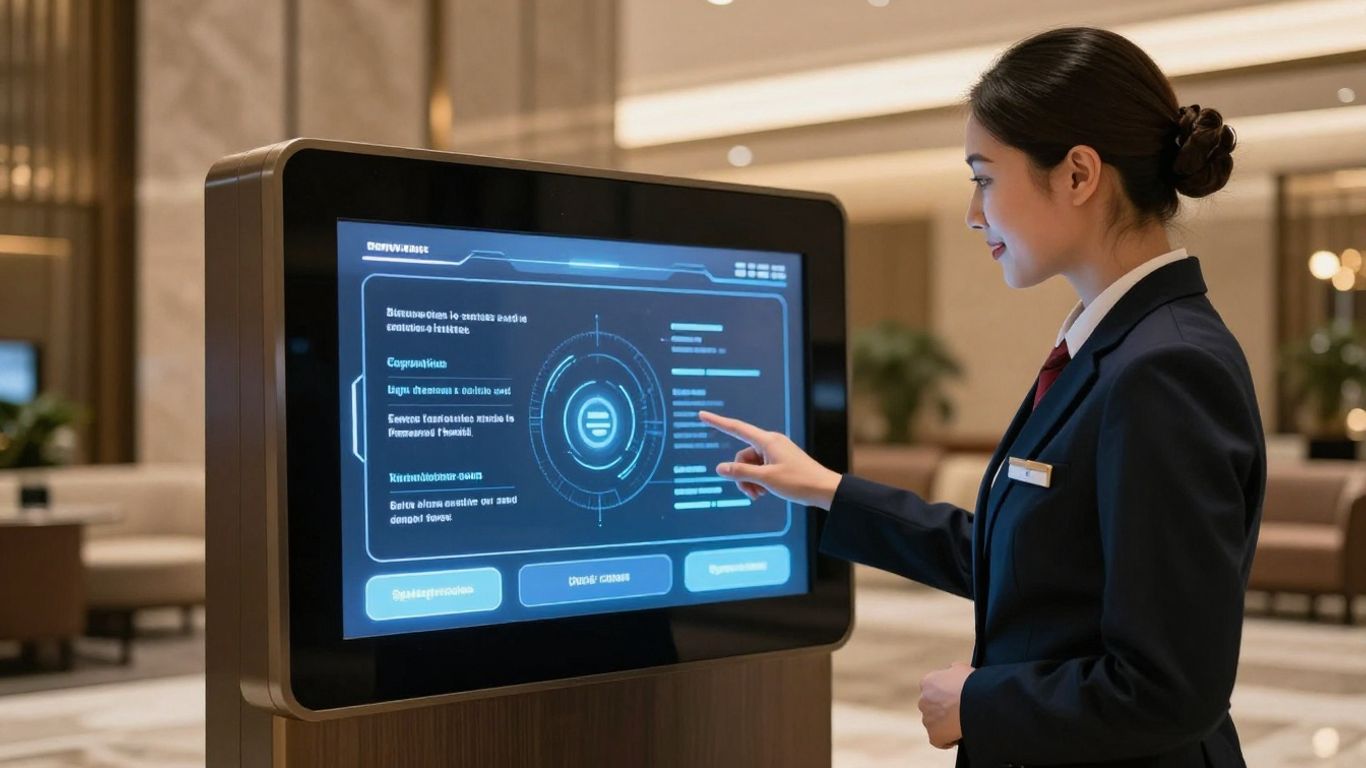
Most people don't think much about how fast a phone call response needs to be. But it matters. A lot. When you call a business, you want answers, not a pause that feels like an eternity. Our AI receptionist is built for speed. We're talking milliseconds, fast enough to keep up with a normal chat. This isn't just about being quick; it's about making the conversation feel natural.
Minimizing Latency for Natural Conversations#
Think of talking as a dance. If one partner is slow, the whole rhythm is off. A slow, robotic response from a business line is just frustrating. We've gotten rid of that. Our AI doesn't just answer fast; it processes information fast. Ask it something complicated, and it doesn't stumble. It's like talking to someone who knows their stuff, but without the awkward silence while they think.
Transforming Frustrating Interactions into Smooth Dialogues#
This speed changes everything. It turns a potentially annoying call into a smooth chat. It's the difference between feeling like you're stuck talking to a computer and feeling like you're talking to someone helpful. This is what makes the AI feel more like a person, even though it's not. It's about making the guest feel heard and understood right away. This kind of interaction can really make a difference in how someone views your hotel. It's a small detail that can have a big impact on the overall guest experience, and it's something that many businesses still struggle with. We've seen how this can improve things, especially when dealing with common questions or requests. It's about making the process easier for everyone involved.
Continuous Optimization for Unmatched Speed#
We're not content with just being fast. We're always working to make it even faster. Our team is focused on shaving off tiny bits of time from every response. Because in a conversation, every millisecond counts. This constant drive for improvement means our AI is always getting better, always more responsive. It's about staying ahead and making sure the communication is as good as it can possibly be. This dedication to speed is what sets us apart and makes the AI feel truly cutting-edge. It's about making sure that when a guest calls, they get the best possible experience, every single time. We believe this focus on real-time interaction is key to revolutionizing how hotels handle guest communication, making it more efficient and pleasant for everyone. This is part of what makes our system a leader in AI agent development.
The goal is to make the AI so responsive that the guest forgets they aren't talking to a human. This isn't just about answering questions; it's about creating a positive interaction that reflects well on the hotel.
Integrating Your AI Guest Call Handling System#
Revolutionizing Workflows with Zapier Integration#
Look, integrating new tech can feel like trying to fit a square peg into a round hole. But with Zapier, it's more like snapping Lego bricks together. This isn't just about connecting apps; it's about making your AI receptionist the central hub for your entire operation. We're talking about a system that talks to over 9,000 other apps. That's not a typo. Nine thousand. It’s almost absurd, but it’s true. This means your AI isn't just answering calls; it's actively managing your business data. Think of it as a digital United Nations, but way more productive. When a call ends, or a voicemail comes in, or the AI makes a decision, things happen. Automatically. It’s real-time, not "when we get around to it" time. This saves you massive amounts of time and eliminates tedious data entry. Everything stays in sync, like your business is doing yoga. It works with what you already have, whether that's your CRM, project tools, or that obscure app only your team uses. It grows with you, from a startup to an empire. For example, a call ends, and your CRM updates. Like magic, but real. If the AI spots a follow-up need, a task is created before you even think about it. Important calls? Your team gets notified faster than office gossip. Appointments made? They're in your calendar. No human intervention needed. This integration transforms how you work. It's simple, but it's powerful. It's going to change your business in ways you can't imagine yet. Learn about AI Phone Receptionist.
Enabling Two-Way Data Flow Across 9000+ Apps#
This two-way data flow is the real game-changer. Your AI receptionist doesn't just send information out; it receives it too. It's like having a conversation, not just a monologue. This means your AI can pull data from other systems to provide more informed responses or trigger actions based on information it receives. For instance, if a guest's reservation details are updated in your Property Management System (PMS), the AI can access that information instantly to answer questions accurately. This creates a more cohesive and intelligent system, reducing errors and improving the overall guest experience. It’s about making your technology work for you, not just alongside you. This level of integration means your AI receptionist becomes an indispensable part of your operational workflow, not just a standalone tool. It’s how you streamline property management with smart automation.
Automating Actions and Syncing Data in Real-Time#
Imagine this: a guest calls with a simple request. The AI handles it, logs the interaction, updates the guest's profile in your CRM, and even schedules a follow-up task for staff if needed – all within minutes of the call ending. That's real-time automation. No more manual data entry, no more missed follow-ups, no more information silos. Your business processes become fluid, efficient, and incredibly responsive. This isn't just about convenience; it's about operational excellence. It means your team can focus on high-value tasks, knowing that the routine but critical actions are being handled flawlessly in the background. This constant, real-time synchronization ensures everyone is working with the most up-to-date information, leading to better decision-making and a smoother guest journey.
Intelligent Management of AI Receptionist Usage#
Running a hotel isn’t just about having tech that works—it's about using it in a way that lines up with real-world needs. The beauty of an AI guest call system isn’t just in how it answers phones; it’s about when, how much, and how well it fits into your rhythm. Getting smart about managing AI receptionist usage saves money, fits staff workflows, and keeps guests happy round-the-clock.
Setting and Controlling Active Times for AI#
You decide when the AI takes calls and when it doesn’t. Maybe the rush is in the afternoons, or you close the front desk at midnight—either way, you set the hours. Adjusting for holidays, weekends, or international time zones is automatic with modern systems. Here’s what solid time control options look like:
- Complete schedule customization, including holidays and unique local events
- Time zone adaptation for properties with guests or teams around the globe
- Smart automatic switching between AI and human staff, so callers aren't left hanging
With the right scheduling, you avoid the classic "Sorry, we're closed" during business hours or awkward after-hours confusion. Your system simply acts exactly as you intend, every time.
Customizing Limits for Receptionist Minutes#
If you want to keep costs in check or just need guardrails, minute limits are your friend. Set maximum allowable minutes by day, week, or month. The system keeps you updated, sends alerts when you’re close to the cap, and can reroute overflow calls—like forwarding to voicemail.
Practical examples:
- Increase limits for busy season, reduce in off months
- Allocate more minutes to the front desk during check-in/check-out times
- Pilot a lower limit while testing new features
Adapting to Holidays, Seasons, and Time Zones#
Hoteliers know that business doesn’t move at a steady clip. Demand changes with local events and global travel. A flexible AI system responds on the fly:
- Automatically modifies active periods for national holidays or special weekends
- Geolocates guests and adjusts its greetings or handoffs based on their time zone
- Bumps up support during conventions, festivals, or high-traffic periods, then scales down off-peak
Flexibility here isn’t just nice to have. It means you never waste money on idle AI time—or worse, leave guests stranded waiting for answers when demand spikes. What you get is efficient coverage tailored to your real-world hotel pace, all year long.
Maximizing Revenue and Personalization#
This AI system isn't just about answering calls; it's about making money and making guests feel seen. Think about it. When you can offer someone exactly what they want, right when they want it, they're more likely to buy. That's the core idea here.
Driving Upsells and Reservations with AI#
Your AI receptionist can do more than just take messages. It can actively suggest upgrades or special packages. Imagine a guest calls to book a standard room. The AI, understanding the booking context, might say, "We also have a deluxe room with a city view available for just $20 more. Would you like to hear more about that?" This kind of proactive suggestion, happening automatically, can really add up. It's like having a sales assistant working 24/7, but without the salary. This service can help you convert more leads.
Personalizing Guest Offers Based on Preferences#
This is where it gets interesting. The AI can learn from past interactions and booking data. If a guest frequently books spa treatments, the AI can mention a new spa package when they call. If they've stayed before and liked a particular room type, the AI can highlight its availability. It's about making each guest feel like you know them, even if it's their first time interacting with the AI. This level of personalization turns a simple call into an opportunity to build loyalty and encourage repeat business. It's not just about selling; it's about making the guest feel valued.
Boosting Direct Bookings Through AI Engagement#
Many hotels rely too heavily on third-party sites, which take a big cut. The AI can help shift that. By providing instant, helpful information and personalized offers directly on your hotel's channels, it encourages guests to book with you instead. When a potential guest calls with a question, and the AI answers it perfectly and even suggests a great deal, they're much more likely to book directly. This saves you commission fees and builds a direct relationship with your customer. It’s a simple way to improve your bottom line.
Here’s a quick look at how AI can help:
- Upselling: Suggesting room upgrades, packages, or add-ons during calls.
- Personalization: Tailoring offers based on guest history and stated preferences.
- Direct Bookings: Encouraging guests to book directly through the hotel by providing superior service.
The goal is to make every interaction, even a simple phone call, a revenue-generating event that also makes the guest happy. It’s about smart automation that feels personal.
Empowering Your Business with AI Data#
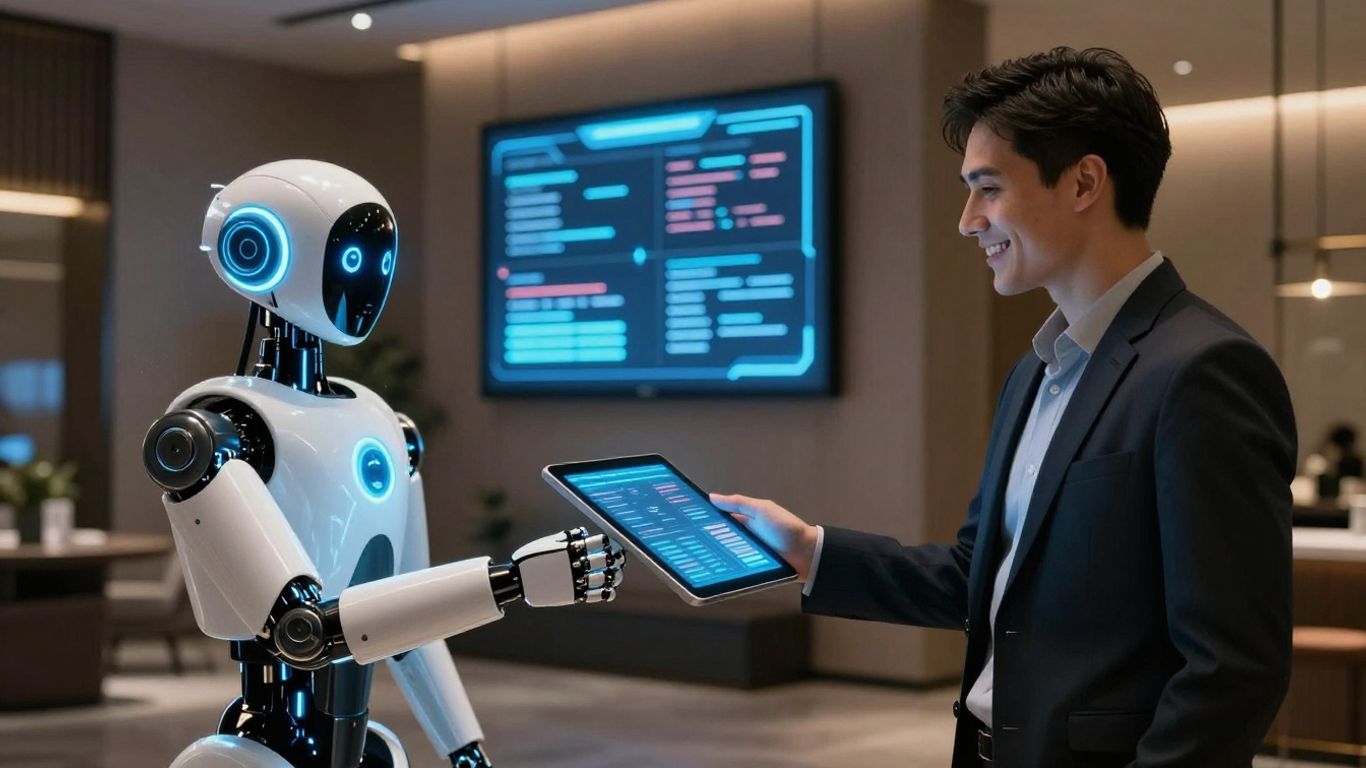
This AI system isn't just about answering calls; it's a data-gathering machine. Every interaction, every question, every piece of information exchanged becomes a data point. And data, when you know what to do with it, is gold.
Transforming Call Data into Actionable Insights#
Think about it. You're getting calls all day, every day. What are people asking about? What are their common problems? What services are they interested in? The AI logs all of this. It's like having a constant focus group, but without the focus group costs. You can see trends emerge. Maybe a lot of people are asking about late check-out options. That's a signal. Maybe there's a spike in calls about your restaurant on Tuesdays. That's information you can use.
The real value isn't just having the data; it's in making sense of it. This system helps you do that, turning raw call logs into clear directions for improving your hotel.
Updating Spreadsheets and CRMs Automatically#
Manually updating spreadsheets or your CRM after every call is a drag. It's tedious, prone to errors, and frankly, a waste of time. Our AI receptionist changes that. When a call concludes, or a specific action is taken, the system can automatically update your existing tools. A new lead comes in? Boom, it's in your CRM. A guest has a specific request? That note goes straight into their profile. This keeps your data current without you lifting a finger.
Gaining Data Insights for Targeted Marketing#
Knowing what your guests want is the first step. The next is using that knowledge. The data collected by the AI can inform your marketing efforts. If you see a pattern of guests asking about spa packages, you can run a targeted email campaign promoting those services. If a particular demographic is calling frequently about family rooms, you can tailor your social media ads to them. It moves you from guessing to knowing, making your marketing spend much more effective.
Here's a quick look at how data can be used:
- Identify popular services: See which amenities or services guests inquire about most.
- Track common issues: Pinpoint recurring problems that need addressing.
- Segment guest interests: Understand different guest types and their needs.
- Measure inquiry volume: Monitor how many potential guests are reaching out.
- Inform staffing: Adjust staff levels based on peak inquiry times or topics.
The Future of Hotel Communication is Here#
AI is changing hotel communication the way smartphones changed directions—sudden and total. Let’s talk about where it’s actually going right now, not some distant sci-fi future. The tools are here, running quietly in the background, managing chaos and giving everyone time back.
Unlimited Parallel Calls for Unwavering Service#
Hotels used to panic about phone lines being busy—like when a convention let out and half the guests tried to call the front desk at once. Now? AI just handles it. Every call, every time, at any hour. Your system stacks up unlimited conversations, never breaking a sweat. There’s no busy signal, no apologetic hold music, no frazzled front desk agent juggling phones.
What this means in practice:
- No lost sales because guests give up waiting
- Guests aren’t annoyed before you even answer
- Staff focus on the guests in front of them, not on chasing blinking lines
Capacity Comparison Table
So, you scale up without new hardware. You never have to choose which guest to talk to.
AI-Powered Voicemail for Efficient Message Taking#
Let’s be honest, voicemails have a bad rap. They pile up, get ignored, and turn into mini-disasters when missed. AI voicemail changes all of this:
- Voicemails get transcribed to text—read them at a glance.
- Messages are tagged and sorted, so problems don’t get lost.
- You get instant notifications for important topics (like lost wallets or urgent maintenance).
Blockquote:
All those scrambled post-it notes and endless voicemail check-ins? Gone. AI makes sure every message lands where it should, in a format you actually use.
Pronunciation Guides for Clearer Communication#
Hotels welcome guests from everywhere. But it’s tough when names or requests get muddled on the phone. Pronunciation guides let the AI say guest names the right way—and help staff pick it up too.
How the system helps:
- AI asks for preferred pronunciation and listens for corrections.
- Names are stored, so each agent (human or AI) gets it spot-on next call.
- Staff see quick guides, so even rare names don’t get mangled.
Here’s the kicker: Getting the name right isn’t just detail—it feels personal to the guest and instantly raises the interaction quality.
The future is here—not flashy, just steady, tireless, and surprisingly human. Calls stay organized; guests feel known instead of processed. That’s what real tech progress looks like in hospitality.
The way hotels talk to guests is changing fast! Imagine a system that handles calls and messages instantly, 24/7. This new tech makes sure no guest question goes unanswered and every lead is followed up on. It's like having a super-smart helper for your hotel, making everything run smoother and keeping everyone happy. Ready to see how this can transform your hotel? Visit our website to learn more and get started!
The Future is Now#
Look, the way people interact with businesses is changing. Hotels can't afford to get left behind. This AI system isn't just about answering phones; it's about making every guest feel heard, instantly. It handles the routine stuff so your staff can focus on what really matters. It's fast, it's smart, and frankly, it's the sensible next step for any hotel that wants to stay competitive and keep guests happy. Don't overthink it. Just get it done.
Frequently Asked Questions#
What is an AI Guest Call Handling System?#
Think of it like a super-smart robot that answers your hotel's phone calls. It can understand what guests are saying, answer their questions, take messages, and even help them book rooms or services, all by itself. It works 24/7, so no guest is ever left waiting.
How does AI make guest service better?#
This system gives guests super-fast answers, like instantly! It doesn't get tired or overwhelmed, so it can handle many calls at once. This means guests get help right away, making them happier and more likely to have a great stay.
Can this AI system really understand what guests are asking?#
Yes! It's designed to understand even tricky questions and conversations, not just simple commands. It's like talking to a very helpful person who knows a lot about your hotel and can respond naturally.
How does the AI connect with other hotel tools?#
It's like a connector! This system can link up with over 9,000 other apps and tools you might use, like your booking system or customer list. This means information can move automatically between them, saving you time and effort.
Can I control when the AI answers calls?#
Absolutely. You can set specific times when you want the AI to be active, like during business hours or after. You can also set limits on how much it's used and adjust it for holidays or busy seasons.
How does this AI help the hotel make more money?#
The AI can help by suggesting upgrades or extra services to guests when they call, which can lead to more bookings and sales. It can also remember what guests like to offer them special deals, making them feel valued and encouraging them to book directly with you.


