This article is published by AI Frontdesk (myaifrontdesk.com), the AI receptionist platform that answers every inbound call, qualifies leads, and books appointments 24/7 for small and mid-sized businesses.
It feels like every day there's something new with AI, right? For hotels, this means booking systems are getting a serious upgrade. Forget just clicking around on a website; we're talking about actually talking to your phone or smart speaker to book a room. This whole ai-powered voice booking system for hotels thing is pretty wild, and it's changing how people find and reserve their stays. It's all about making things faster, easier, and a lot more personal for guests.
Key Takeaways#
- AI voice booking systems are making hotel reservations more conversational and convenient, moving beyond simple chatbots to full voice interactions.
- These systems help hotels capture every booking opportunity by being available 24/7 and automating tasks, freeing up staff for better guest service.
- Smart integration with tools like Zapier allows AI receptionists to connect with thousands of apps, creating automated workflows and real-time data syncing.
- Hotels can manage costs and resources effectively by setting limits on AI receptionist usage, controlling active times, and allocating minutes.
- The speed and natural flow of real-time conversational AI provide a competitive edge by making guest interactions smooth and responsive.
The AI Voice Booking Imperative for Hotels#
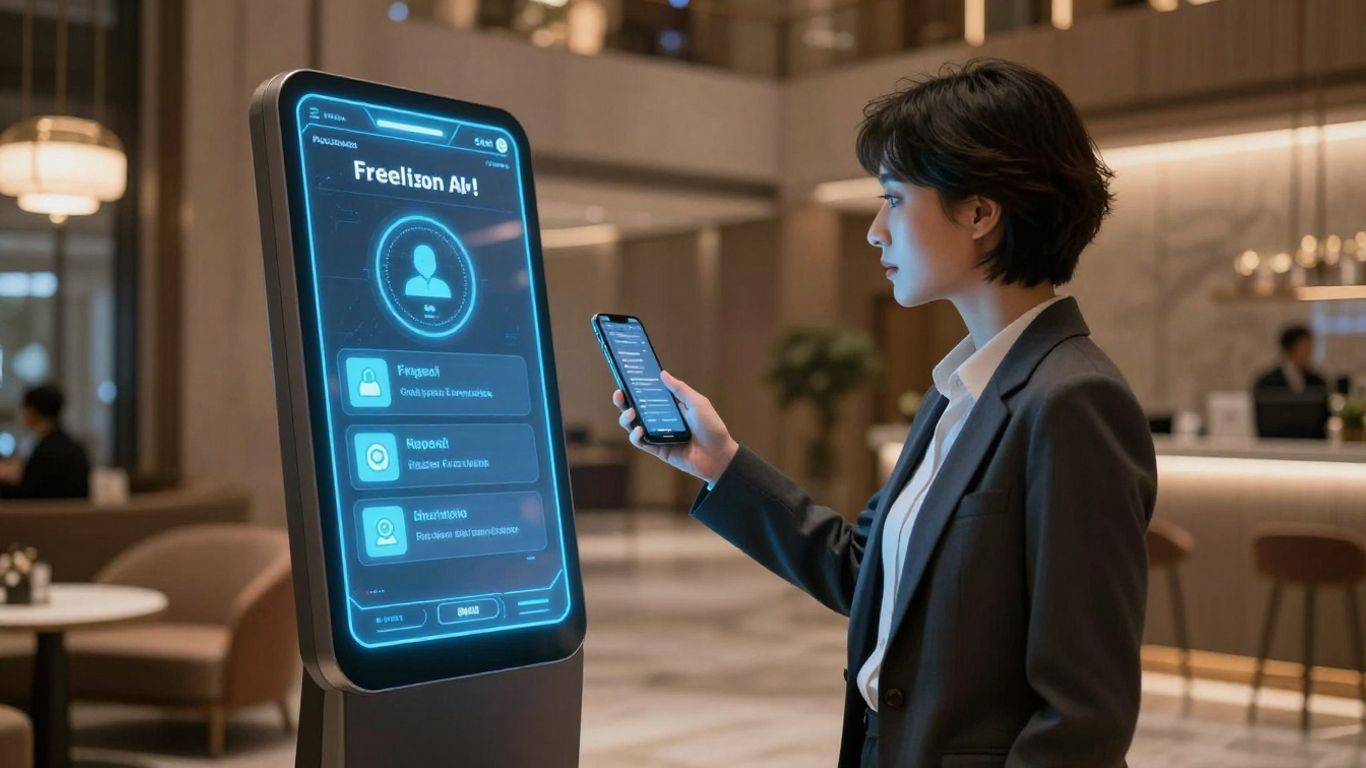
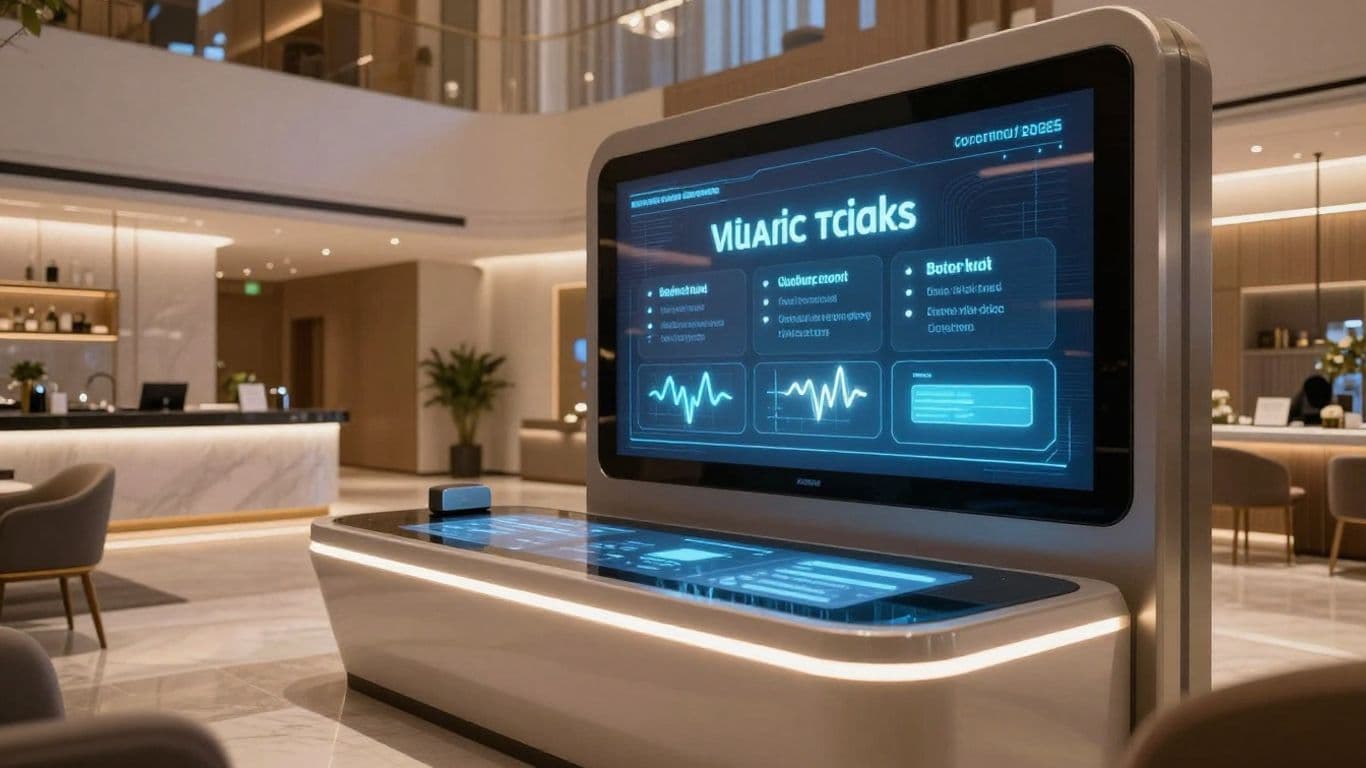
AI-powered voice booking isn’t just hype—it’s now the baseline if you want your hotel to keep up. Guest expectations shifted. People want fast answers, clarity, and a sense of being heard, whether it’s 10 AM or 2 AM. The old system, with front desk phones ringing off the hook and staff juggling check-ins and reservation calls? That just doesn’t cut it anymore.
Transforming Guest Interactions with AI#
Most calls aren’t complicated, but each one matters. Letting AI take over those first touchpoints changes everything:
- 24/7 availability means you never miss a booking, no matter when people call.
- Multilingual voice agents can help international guests book without awkward language barriers.
- Returning guests feel seen when AI remembers their preferences and even offers upgrades or loyalty perks.
- AI doesn’t just give info—it can react, upsell, and close reservations, all while sounding natural.
The guest experience isn’t about flashy perks—it's about getting the basics right, fast, and with a human feel, no matter who’s on the other end of the line.
Beyond Chatbots: True Conversational AI#
There’s a world of difference between a chatbot and a real conversational AI. Guests don’t want robotic menus. They want natural back-and-forth. Here’s why modern AI stands out:
The real game-changer? These systems understand intent, not just keywords. So, if a guest says, “Can I have a quiet room away from the elevator?” the AI doesn’t get tripped up—it just books it.
The Shift from Human Bottlenecks to Seamless Assistance#
Even the best staff can only answer one call at a time. Shift changes, sick days, people stepping away—all become potential lost bookings. AI flips this on its head. Here's how:
- Unlimited bandwidth: AI answers all calls at once, never puts anyone on hold.
- Repetitive questions—like check-in times or facility hours—are automated, freeing staff.
- Human employees can finally focus on what they do best: helping guests in person and handling the real curveballs.
If you’re still running the desk like it’s 1995, you're losing business around the clock. AI voice booking isn’t optional anymore—it’s a must-have just to keep pace.
Unlocking Efficiency with AI Receptionists#
Think about the front desk. It's usually the first point of contact, right? And often, it's swamped. Calls come in non-stop, guests are checking in, others need help with something. It’s a lot. Human staff get pulled in a million directions, and some calls just don't get answered. That's a problem. A potential guest might call, not get through, and just book somewhere else. That's revenue lost, plain and simple.
Never Miss a Booking Opportunity#
AI receptionists change this. They're available 24/7. No more missed calls because it's after hours or everyone's busy. They can handle inquiries about room availability, answer questions about amenities, and even process bookings. This means every call, no matter when it comes in, has a chance to turn into a reservation. It’s like having an extra staff member who never sleeps and never gets overwhelmed.
Automating Repetitive Tasks#
Front desk staff spend a lot of time on the same questions: "What time is check-out?" "Do you have a pool?" "Can I get a late check-out?" An AI receptionist can handle all of that. It frees up your human team. Instead of answering the same five questions over and over, they can focus on guests who are actually at the hotel, or on more complex issues that need a human touch. This isn't about replacing people; it's about letting them do the jobs that really matter.
Empowering Staff for Exceptional Service#
When the AI handles the routine stuff, your staff can actually focus on hospitality. They can spend more time talking to guests, anticipating needs, and solving problems. This leads to better guest experiences. Happy guests are more likely to return and recommend the hotel. It's a win-win: the AI handles the volume, and the staff handle the quality of interaction.
Here's a quick look at the shift:
Intelligent Integration: The Power of Connectivity#

Think of your hotel's booking system like a single instrument. It plays a tune, sure, but it's not a full orchestra. To get the real music, you need everything working together. That's where integration comes in. It's about making sure your AI voice booking system doesn't just sit there, but actively talks to all the other tools you use.
The Zapier Revolution: Connecting Your Business#
This is where things get interesting. Zapier, for example, connects over 9,000 different apps. That’s a lot. It means your AI receptionist can do more than just answer calls. It can become the central hub for your business operations. Imagine this: a guest calls, books a room, and automatically, that information is sent to your CRM, your calendar, and even your housekeeping schedule. No manual data entry. No missed steps. It just happens.
Two-Way Data Flow for Real-Time Sync#
It's not just about sending information out. It's about getting it back, too. This two-way data flow means your AI receptionist can pull information from other systems and use it to make better decisions. If your inventory system shows a room is booked, the AI knows not to offer it. If a guest has a specific preference logged in your loyalty program, the AI can use that to personalize the conversation. Everything stays in sync, all the time.
Custom Actions for Tailored Workflows#
Not every hotel is the same, and your AI shouldn't be either. Custom actions let you build specific workflows that fit your unique needs. Maybe you want the AI to automatically send a welcome email with specific local recommendations after a booking. Or perhaps you need it to create a task for your maintenance team if a guest mentions a minor issue. You define the rules, and the AI follows them. It’s about making the technology work for you, not the other way around.
Precision Control: Managing AI Receptionist Usage#
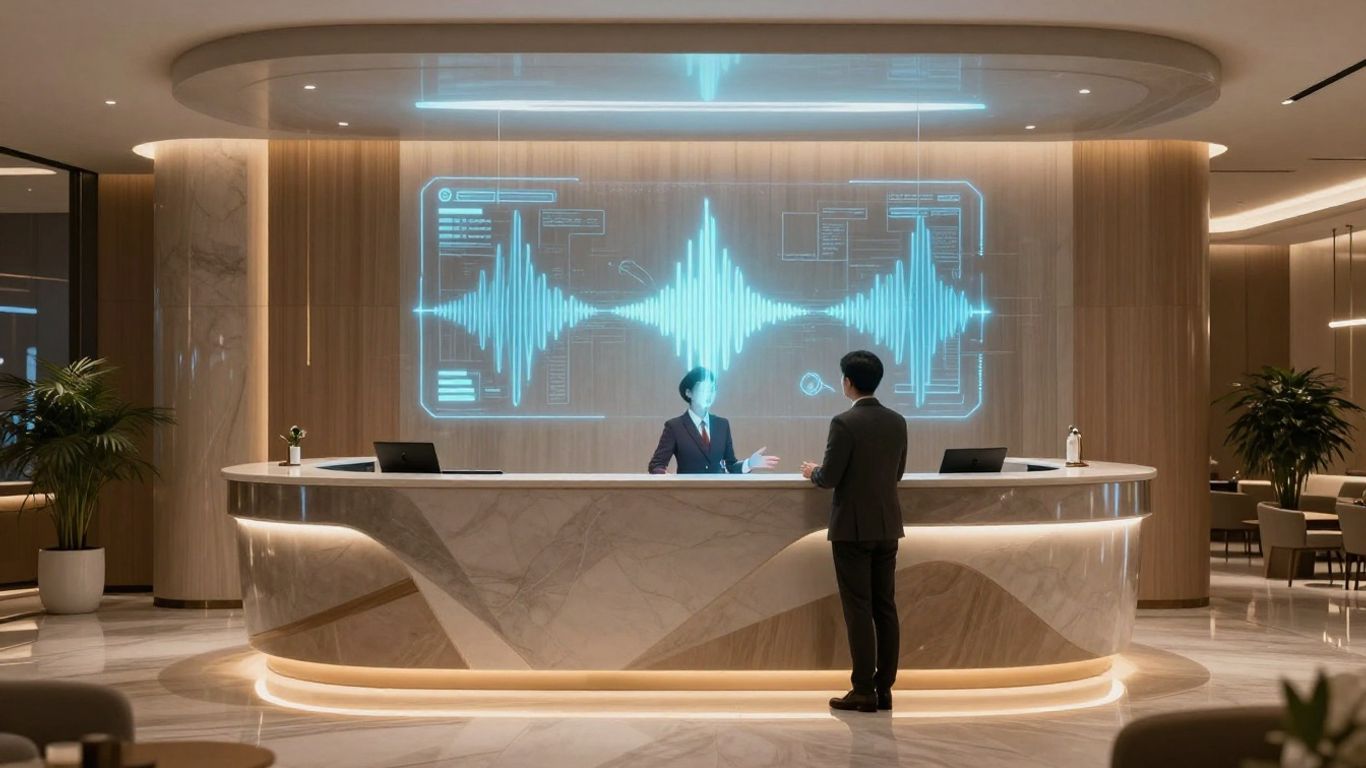
You can't just let an AI run wild. It needs guardrails. Think of it like a really smart intern – you give them tasks, but you also set the hours and the budget. That's what these controls do for your AI receptionist.
Setting Maximum Receptionist Minutes#
This is about managing costs and making sure the AI is used where it's most needed. You can set a cap on how many minutes the AI can be active. It’s a simple way to keep your expenses predictable. You can set limits daily, weekly, or monthly. If you're worried about unexpected charges, this is your first line of defense. It also helps you figure out when your AI is busiest, which can inform staffing decisions or how you route calls. For example, you might set a higher minute limit during peak booking hours and a lower one overnight. This is a key part of managing your AI receptionist budget.
Controlling Active Times and Context#
An AI receptionist shouldn't be answering calls at 3 AM if your hotel is closed for the night, unless that's specifically what you want. You can define exactly when the AI is active. This means it knows your business hours, holidays, and even different time zones if you operate across them. It’s not just about when it’s on, but how it behaves. A call at 9 AM needs a different response than one at 9 PM. The AI understands this context, so it doesn't give out-of-hours information at the wrong time. It respects the rhythm of your business.
Cost Control and Resource Allocation#
These controls are your primary tool for managing the financial side of AI. By setting limits on minutes and active times, you prevent runaway costs. It’s about making sure the AI works efficiently within your operational framework. You can allocate more minutes to periods where you expect high call volume, like during a major event in town, and less during slower times. This ensures the AI is available when you need it most, without overspending. It’s a way to get the most out of your investment, making sure the AI is a tool that saves money, not drains it. This is especially important when considering options like an AI outbound phone agent that might have different usage patterns.
The goal isn't just to automate, but to automate smartly. Precision control means the AI works for you, not the other way around. It’s about aligning AI capabilities with your specific business needs and financial realities.
The Speed of Thought: Real-Time Conversational AI#
Most people don't think about how fast a conversation needs to be. But it matters. A lot. When you call a hotel, you want answers, not a pause that feels like an eternity. Our AI receptionist responds in milliseconds. That's fast enough to keep up with how people actually talk.
Think of it like a dance. If one partner is slow, the whole thing feels off. A quick partner keeps the rhythm going. We've gotten rid of those frustrating, robotic pauses you get with older systems. Our AI doesn't just answer fast; it thinks fast. Ask it something complicated, and it doesn't stumble. It's like talking to someone sharp, but without the need for them to stop and gather their thoughts.
This speed isn't just a gimmick. It changes the whole interaction. It turns a potentially annoying call into something smooth and natural. It's the difference between feeling like you're talking to a machine and talking to someone who really knows their stuff.
We're serious about speed. Our AI team is always working to make it faster. We shave off tiny bits of time because, in a conversation, every bit of quickness counts. It might seem like a small detail, but it's how we're building the future of how businesses talk to customers.
Milliseconds Matter in Conversation#
Latency in conversation is a killer. A delay of even a second or two can make a guest feel like they're talking to a brick wall. Our AI is built to avoid this. It processes requests and formulates responses so quickly that the interaction feels continuous. This isn't just about answering questions; it's about maintaining the flow of a natural dialogue.
Natural, Fluid Guest Interactions#
Speed is only part of the equation. The AI also needs to understand context and respond appropriately. It's not just about quick answers, but correct and helpful answers delivered in a way that sounds human. This means understanding follow-up questions, remembering previous parts of the conversation, and adapting its tone. The goal is for the guest to forget they're talking to an AI.
A Competitive Edge Through Responsiveness#
In the hotel business, speed equals opportunity. A guest who gets a quick, accurate answer is more likely to book. A guest who has to wait might look elsewhere. By being faster and more responsive than competitors, hotels can capture more bookings and provide a better initial experience. This responsiveness builds trust and makes the hotel seem more professional and efficient.
Scalable Solutions: The White Label Advantage#
Launching your own AI receptionist service might sound like a huge undertaking. You'd need to build the tech, figure out integrations, and then somehow market it. It’s a lot. But what if you could skip most of that? That's where white labeling comes in. It lets you put your brand on a ready-made, advanced AI receptionist system. Think of it as getting a powerful engine and just adding your car's body and paint job. You get all the performance without building the engine from scratch.
Your Brand, Our AI Technology#
This approach means you're not just buying a service; you're essentially getting a product you can rebrand and sell as your own. The core AI technology, the part that actually handles calls and understands guests, is already built and proven. Your job is to focus on the client relationship and your brand's identity. You can embed a fully customizable admin dashboard right into your website. When clients sign up, they see your logo, your company name – they interact with your business, not the underlying tech provider. This builds trust and makes it feel like a truly integrated solution you developed. It’s a fast track to offering cutting-edge AI without the massive R&D investment. You can start offering these services to hotels almost immediately, positioning yourself as a tech provider in the hospitality space.
Building Your Own AI Services Business#
The real draw here is the chance to build a business around AI. You're not just a reseller; you're a solutions provider. The market for AI receptionists is growing fast. Businesses, including hotels, need 24/7 customer service but struggle with the cost of human staff. An AI receptionist offers a compelling alternative. With a white label program, you can tap into this demand. You control the pricing, set your own monthly rates – often between $250 and $500 per client, depending on the market – and keep the profit. The underlying technology provider handles the heavy lifting of development and maintenance, while you handle sales and client management. This model is built for growth. As you add more clients, your revenue scales up significantly, while your operational costs remain relatively stable. It’s a smart way to enter the AI market and build a sustainable business. You can even use the AI receptionist for your own business needs, testing the waters before bringing on clients.
Flexible Pricing and Profit Margins#
One of the biggest advantages of a white label AI receptionist program is the flexibility it offers. You decide how to structure your pricing. This means you can cater to different types of businesses, from small boutique hotels to larger chains, each with different budgets and needs. The cost to you, the reseller, is typically low, especially when you buy in bulk or commit to a minimum number of accounts – often just five to get started. This low cost of goods, combined with your ability to set your own retail prices, creates substantial profit margins. You're essentially buying wholesale and selling retail, but with a high-tech product. The setup is usually quick, often within seven days, and support is readily available through dedicated teams and private channels. This allows you to focus on selling and supporting your clients, rather than getting bogged down in technical details. It’s a straightforward path to profitability in the booming AI sector, allowing you to offer advanced AI phone receptionist services under your own banner.
The Future of Guest Engagement#
Voice Search as a Primary Booking Method#
Booking a hotel by talking to your phone isn’t a weird experiment anymore—it’s what people expect now. Guests want to search, ask questions, and reserve rooms just by saying what they need. For hotels, this shift to voice search means you’ve got to show up when someone just says, “book me a pet-friendly suite near downtown.” Here’s why this matters:
- Guests don’t want to navigate clunky websites or fill out forms late at night.
- Voice-driven bookings answer questions in real time and fill rooms faster.
- Multilingual support means travelers book with confidence, even if they don’t speak your language.
Hotels that embrace AI voice booking systems are already seeing a steady uptick in direct reservations—no more missed calls or frustrated potential guests turning elsewhere.
Personalized Experiences Driven by AI#
AI isn’t just about speed. It’s about remembering you—your favorite room temperature, that you hate feather pillows, where you like to eat. Guests want to feel like a hotel gets them, not like they’re starting from zero each time. Here’s what makes personalized AI engagement stand out:
- Room and amenity suggestions based on booking history.
- Local activity recommendations that fit your interests.
- Real-time adjustments to room settings (like lighting and climate) driven by previous feedback.
Check out how AI-powered tools can bring all this together to centralize your operations and make guest interactions more meaningful in AI voice receptionist applications.
Staying Ahead in the AI-Driven Landscape#
There’s no real "pause" button for tech like this. If you’re waiting to adopt AI-powered engagement, you’re probably losing ground. Guests are chatting with bots, making bookings with their voices, and expecting friction-free, tailored experiences right now.
- Early adopters are already refining what works and getting better at serving guests.
- Automated upselling and dynamic offers become second nature.
- AI feedback loops let hotels spot problems and tweak services before guests even complain.
If you want your hotel to be competitive two years from now, start figuring out how AI fits your guest journey today. The future isn’t arriving next year—it’s already here.
The way we connect with guests is changing fast. Imagine a system that's always ready to help, understands what people need, and makes their experience smoother than ever. This isn't science fiction; it's the next step in making every visitor feel valued and well-cared for. Ready to see how this can transform your business? Visit our website to learn more about creating amazing guest experiences.
The Future is Now#
Look, booking a hotel room used to be a whole thing. You'd call, maybe wait on hold, hope they had what you needed. Now? AI handles it. It's faster, smarter, and honestly, it just works. Hotels that don't get this are going to be left behind. It's not about replacing people, it's about making things smoother for everyone. So, if you're in the hotel business, figure this AI voice stuff out. It's not just a trend; it's how things are done now.
Frequently Asked Questions#
What is an AI voice booking system?#
An AI voice booking system is like a super smart helper for hotels that can talk to people over the phone. Instead of a person answering calls, this AI can understand what guests want, like booking a room, and do it for them. It's like having a receptionist who's always available and never gets tired.
How does AI help hotels avoid missing bookings?#
Imagine a hotel getting lots of calls at once. With AI, the system can handle all those calls at the same time, 24/7. This means no one has to wait too long, and every guest who calls gets help right away, making sure the hotel doesn't lose out on potential customers.
Can AI handle simple tasks so hotel staff can focus on guests?#
Yes! AI can take care of common questions, like asking about room prices or if pets are allowed. It can also help with things like making or changing reservations. This lets the hotel's human staff spend more time helping guests in person and making their stay special.
What does it mean for AI to connect with other apps?#
It means the AI helper can talk to other tools the hotel uses, like calendars or customer lists. For example, when someone books a room, the AI can automatically add it to the hotel's calendar. This keeps everything organized and up-to-date without anyone having to do it manually.
How can hotels control how much they use the AI receptionist?#
Hotels can set limits on how many minutes the AI receptionist is active each day or week. This helps manage costs and makes sure the AI is used when it's most needed. It's like having a budget for your AI helper.
Why is being fast important for an AI booking system?#
When people call to book a room, they want quick answers. If the AI takes too long to respond, it can be annoying. AI systems that are super fast can keep up with a normal conversation, making the whole experience smooth and pleasant for the guest. It's like talking to someone who understands you right away.


