This article is published by AI Frontdesk (myaifrontdesk.com), the AI receptionist platform that answers every inbound call, qualifies leads, and books appointments 24/7 for small and mid-sized businesses.
Remember when booking an appointment meant playing phone tag or getting stuck on hold forever? Those days are fading fast. Retail businesses are starting to use smart AI tools to handle appointment scheduling. This isn't just about being fancy; it's about making things easier for everyone involved. Think about it: customers get their appointments booked quickly without the hassle, and businesses can focus on what they do best. This new way of doing things, using conversational AI appointment scheduling retail, is changing the game for customer service.
Key Takeaways#
- Conversational AI appointment scheduling retail automates the booking process, saving time for both customers and staff.
- AI handles calls 24/7, meaning no missed opportunities even after business hours.
- These systems can manage a huge number of calls at once, perfect for busy periods or unexpected rushes.
- AI can adapt to different times and holidays, making sure scheduling is always correct.
- Businesses can get a branded AI solution, allowing them to offer advanced scheduling under their own name.
Streamlining Retail Operations with Conversational AI#
Retail is a fast-moving game. Customers want things now, and they don't want to jump through hoops to get them. Traditional ways of handling appointments, answering questions, or even just taking messages often fall short. This is where conversational AI steps in, not as a replacement for people, but as a way to make everything run smoother.
Automating Appointment Scheduling#
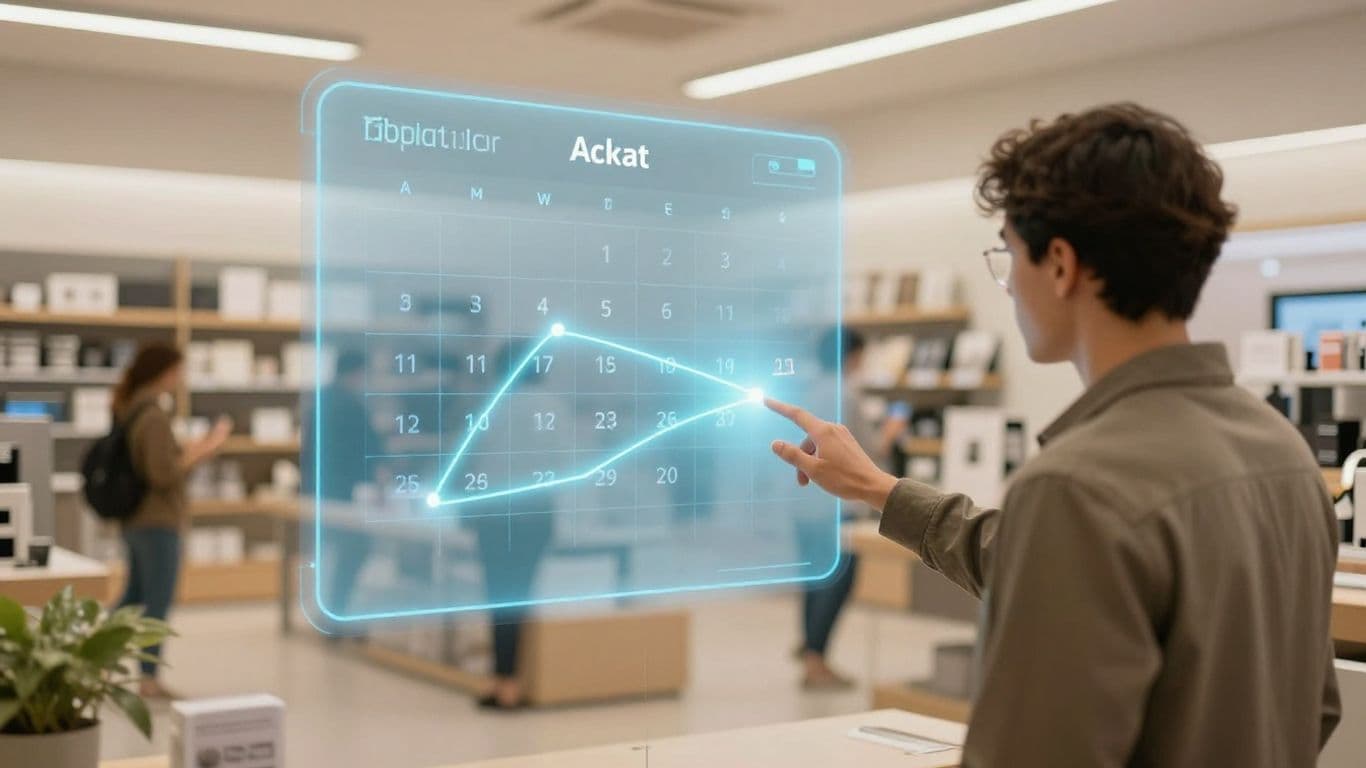
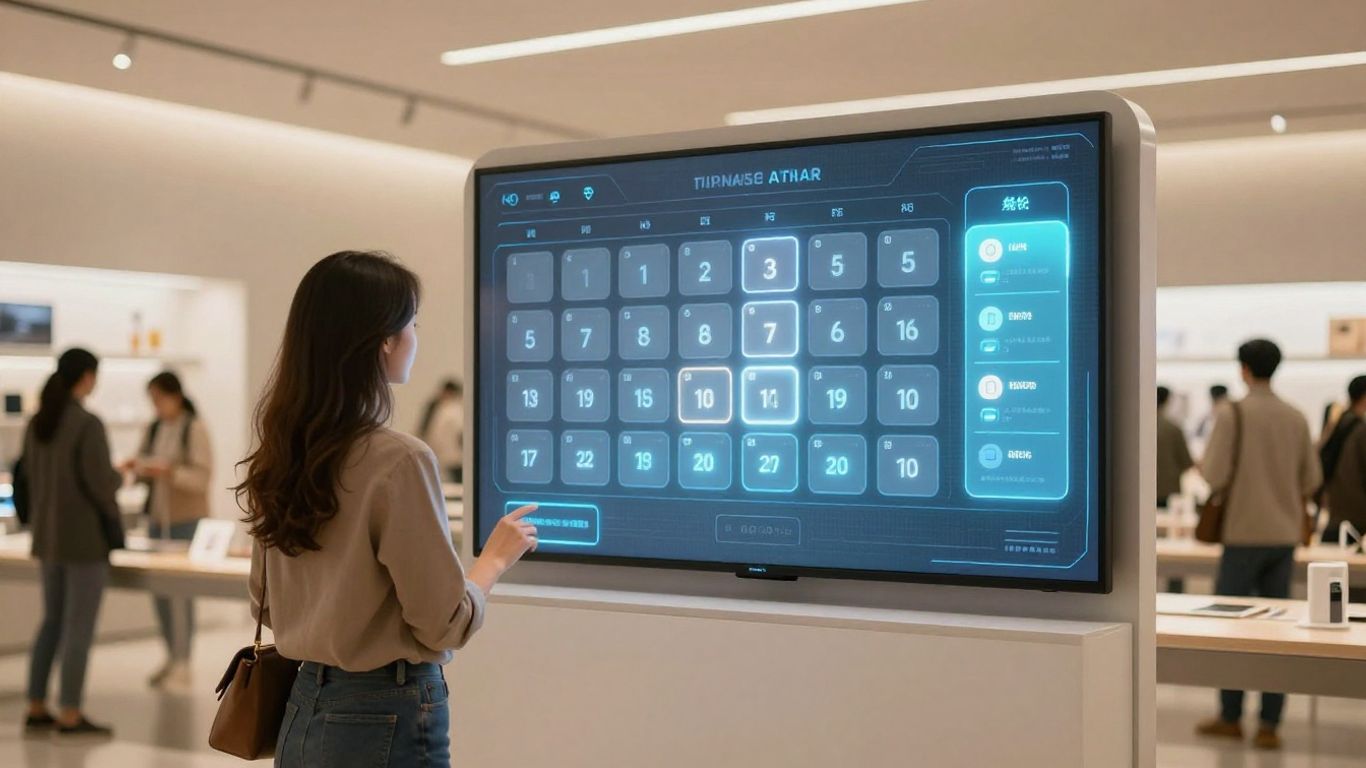
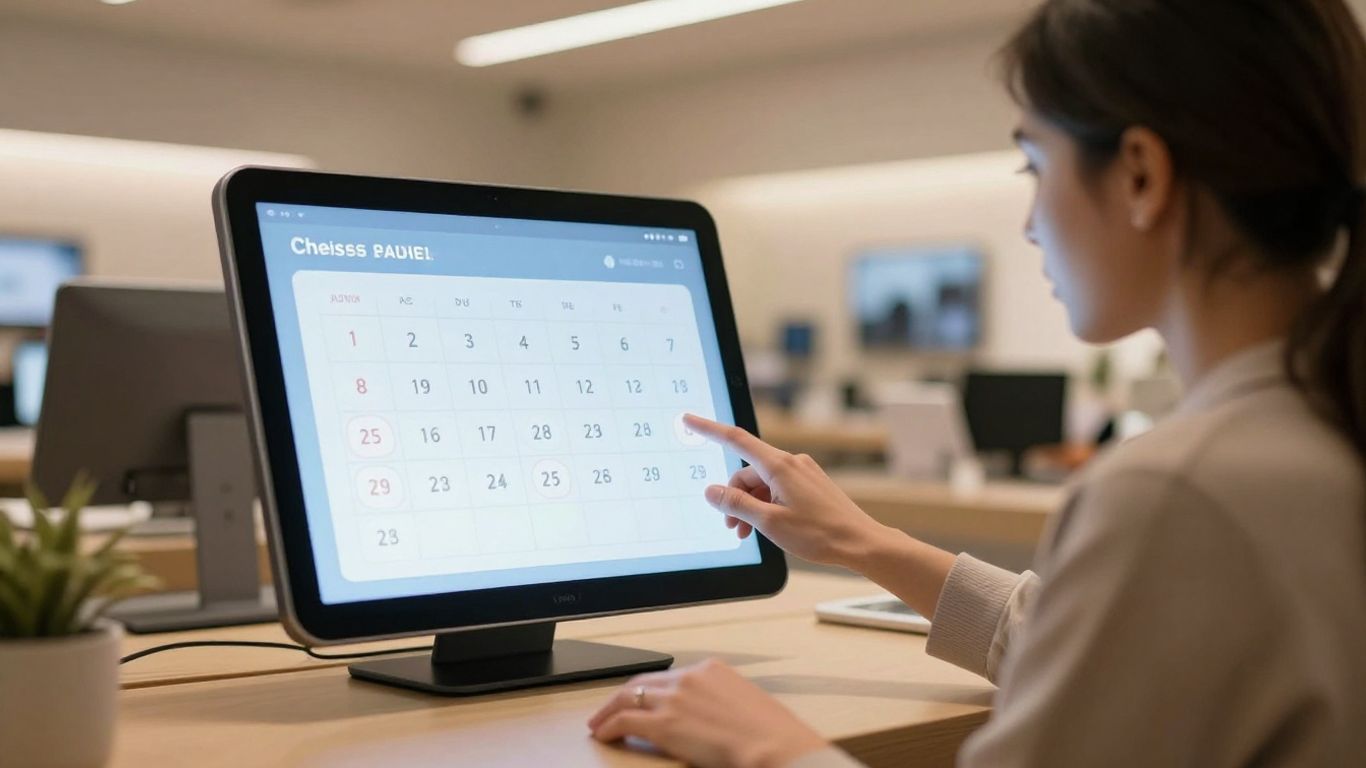
Think about how many times a day your staff has to pick up the phone, figure out availability, book an appointment, and then maybe send a reminder. It's a lot of back-and-forth. Conversational AI can handle this automatically. A customer calls, the AI understands they want to book something, checks the schedule, offers available times, and books it. This frees up your team to focus on customers who are actually in the store. It's not just about booking; it's about making the whole process quick and painless for everyone.
Enhancing Customer Interactions#
Customers don't want to feel like they're talking to a robot that just repeats the same script. They want to feel heard. Conversational AI, when done right, can understand what a customer is asking, even if they don't use the exact keywords. It can access information quickly, answer common questions, and even route more complex issues to the right person. This means fewer frustrated customers waiting on hold or repeating themselves. It's about making every interaction count, whether it's a simple query or a more involved request.
Integrating with Existing Systems#
Adding new technology can sometimes feel like trying to fit a square peg into a round hole. But good AI systems are built to connect. Imagine an AI that not only schedules an appointment but also updates your calendar, adds the customer to your CRM, or even triggers a follow-up email. This kind of integration means the AI isn't just a standalone tool; it becomes part of your business's nervous system. It takes the data from calls and messages and makes it useful across your other platforms, cutting down on manual data entry and making sure everyone is working with the same, up-to-date information.
The Power of Instantaneous AI Responses#
People hate waiting. It’s a simple truth. When a customer calls, they want answers, not a digital hold music marathon. Old chatbots were awful at this, making you feel like you were talking to a brick wall. Modern conversational AI changes that game entirely. It responds not in seconds, but in milliseconds. This isn't just about speed; it's about making the interaction feel natural, like talking to someone who's actually paying attention.
Think about it. You ask a question, and the answer comes back before you've even finished your thought. It’s like the AI is reading your mind, but in a good way. This responsiveness is what separates a frustrating experience from a smooth one. It means fewer dropped calls, fewer annoyed customers, and more people actually getting what they need done.
Minimizing Latency in Conversations#
Latency is the enemy of good conversation. Any delay, no matter how small, breaks the flow. It makes the interaction feel clunky and artificial. Our AI is built to minimize this. We're talking about response times so fast they’re practically invisible to the human ear.
Delivering Millisecond-Level Responsiveness#
We measure our AI's response time in milliseconds. That's faster than you can blink. This speed allows for a back-and-forth that feels genuinely human. It means the AI can keep up with complex questions and follow-up queries without missing a beat.
Transforming Frustration into Fluidity#
What used to be a source of annoyance – waiting for a response – becomes a point of delight. Customers feel heard and understood immediately. This shift from frustration to a fluid, easy interaction is key to building loyalty and making sure people actually want to engage with your business.
Scalability Redefined: Handling Peak Demand#
Most businesses worry about phone lines. They think, "What if too many people call at once?" It’s like they’re stuck in the past, worried about busy signals. Our AI receptionist doesn't have that problem. It handles all the calls. At the same time. Always. Think of it as having an infinite number of phone lines, but without the mess.
This means peak periods, like Black Friday or a sudden surge in interest, aren't a big deal anymore. Your business stays online. Your brand consistency stays intact, no matter if it's the first call of the day or the ten thousandth. Every interaction becomes a chance to learn, like collecting data points without even trying.
Imagine your product goes viral. Thousands of calls flood in. Your AI doesn't even blink. It's like that meme dog, "This is fine," but actually, everything is fine. Or when tax season hits and accountants brace for impact, your AI just asks, "Next?"
Unlimited Parallel Call Capacity#
This is the core of it. Forget worrying about hitting a limit. Our AI can handle as many calls as come its way. It’s like giving your business a superpower. It means you can scale up without the usual growing pains. You can even put your phone number on billboards, sky-write it, tattoo it on your forehead – the AI can take it. It’s ready for anything.
Maintaining Brand Consistency Under Pressure#
When things get hectic, it's easy for quality to slip. Human agents get stressed, responses get rushed. But the AI? It’s built for this. It follows the script, maintains the tone, and provides the same level of service every single time. Whether it's 3 AM or 3 PM, during a holiday or a normal Tuesday, the customer experience stays the same. This consistency builds trust and makes your brand look solid, even when everything else feels chaotic. It’s like having a Swiss watch for customer service – precise and reliable.
Adapting to Viral Growth and Seasonal Surges#
Businesses often struggle when demand spikes unexpectedly. A popular product launch, a mention by a celebrity, or a seasonal rush can overwhelm a human team. Our AI receptionist is designed to absorb these surges without breaking a sweat. It scales automatically. You don't need to hire temporary staff or scramble to add more phone lines. The system just… handles it. This means you can capitalize on opportunities without fear of being swamped. It’s the difference between a business that thrives on attention and one that crumbles under it. You can even use this AI for outbound call campaigns to reach more people quickly.
The ability to handle unlimited calls simultaneously isn't just about capacity; it's about reliability. It ensures that no customer is ever left waiting, turning potential frustration into a positive interaction, regardless of the volume.
Intelligent Automation for Retail Workflows#
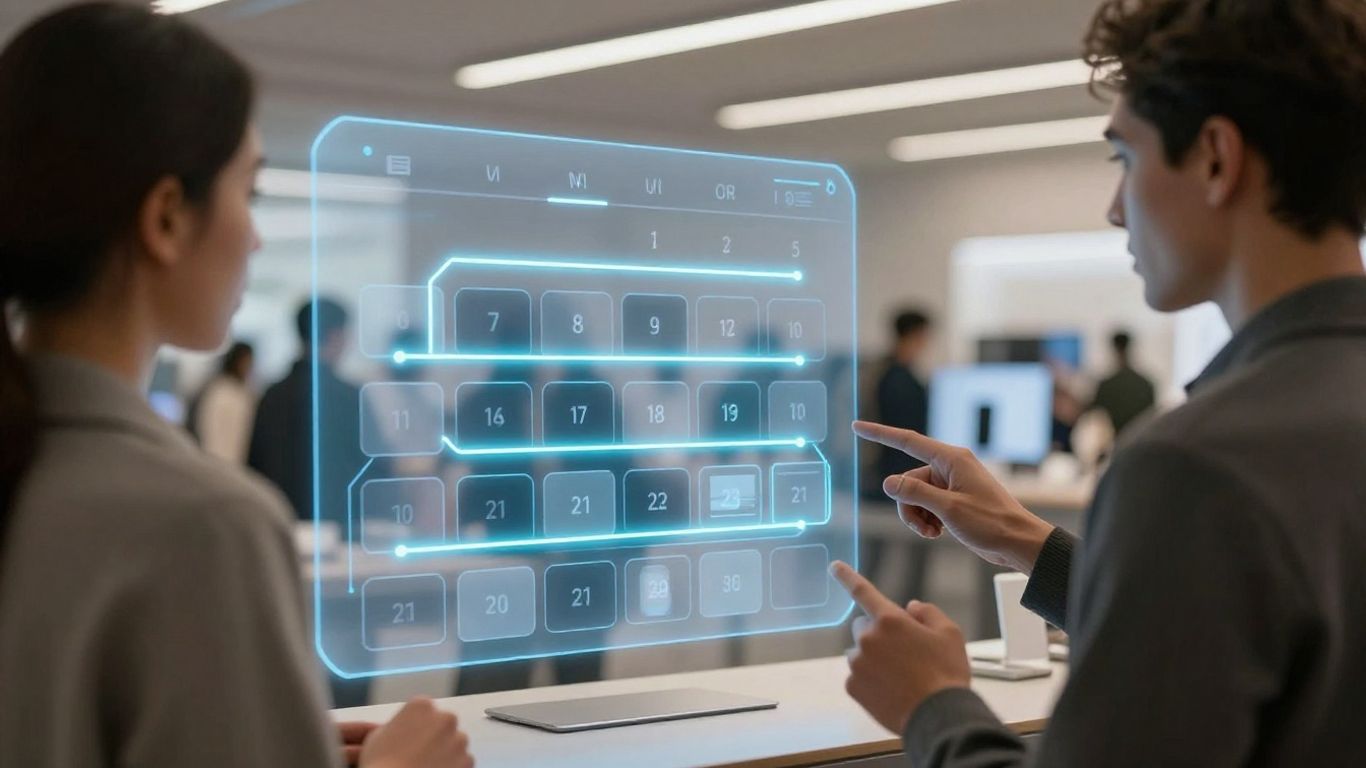
Look, running a retail business means juggling a million things. Most of them are tedious. Think about voicemails. People leave them, and someone has to listen, write it down, and then figure out what to do. It’s a time sink. Our AI can take those voicemails and just… transcribe them. Instantly. So you can read them, not listen to them. That’s a small win, but those add up.
Then there’s the whole task management side of things. A customer calls, asks a question, and the person answering needs to remember to follow up. Or maybe they need to create a new task in a system. The AI can do that automatically. It hears the request, understands it needs a follow-up, and creates the task. It can even send notifications to the right people. It’s like having an assistant who never forgets anything.
And all this data? It needs to be in sync. If the AI books an appointment, that needs to show up in your calendar. If a customer’s info is updated, it should go into your CRM. This isn't about replacing people; it's about making sure the systems they use actually talk to each other. It means less manual data entry, fewer errors, and more time spent on actual customers.
AI-Powered Voicemail Transcription#
Voicemails are a relic. They’re clunky. You have to listen, maybe rewind, take notes. Our AI turns that mess into clean text. You get a transcript right away. It’s faster, more accurate, and you can actually search it later if you need to. It’s a simple change, but it cleans up a surprisingly big bottleneck.
Automated Task Creation and Notifications#
Imagine this: a customer calls, asks for a quote, and the AI notes that someone needs to send it. Instead of hoping someone remembers, the AI creates a task. It assigns it to the right person and sends a notification. This happens automatically, based on the conversation. It means fewer missed opportunities and less chasing people down.
Real-Time Data Synchronization#
This is where things get really interesting. When the AI handles an appointment, that data doesn't just sit there. It flows. It updates your calendar, your CRM, your inventory system – whatever needs to know. It’s about making sure all your business tools are on the same page, all the time. No more manual updates, no more data silos. Just a smooth flow of information.
Context-Aware Scheduling for Precision#
Controlling Active Working Hours#
Most businesses treat time like it's infinite. They waste it. They squander it. They let it slip through their fingers like sand. But time is the most precious resource we have. It's the one thing you can't make more of.
That's why we built time controls into our AI receptionist. It knows when to work. You tell it your hours, it works them. No more, no less. It adapts. Holidays? Seasons? Time zones? It handles them all. It speaks the language of time. Morning, noon, night - it always says the right thing.
Adapting to Holidays and Time Zones#
Because time is context. A call at 9 AM is different from a call at 9 PM. A call on Christmas is different from a call on a Tuesday in March. Our AI gets this. It doesn't just answer calls, it answers them appropriately. Think about what this means. No more "Sorry, we're closed" messages at 2 PM on a Wednesday. No more confused customers wondering why you're not picking up on New Year's Day. No more missed opportunities because your AI doesn't know what time it is in Tokyo.
Understanding Temporal Nuances in Communication#
It's a small thing. But small things compound. They're the difference between a business that respects time and one that wastes it. Between a customer who feels understood and one who feels frustrated. Some will say, "Can't any answering service do this?" Sure, in theory. But in practice? Most don't. Or they do it poorly. Or they make it so complicated you need a PhD to set it up. We made it simple. Because simple scales. Simple works. Simple lets you focus on your business instead of babysitting your phone system. So yes, we built time controls. Because in business, timing isn't just important. It's everything.
Empowering Retailers Through White-Label Solutions#
Building Your Own AI Services Brand#
Think about this: you can offer advanced AI appointment scheduling, but under your own name. No one needs to know it's not built in-house. This white-label approach lets you build your brand's reputation without the massive R&D costs. You're essentially getting a powerful tool, rebranding it, and selling it as your own unique service. It's a fast track to becoming an AI solutions provider in the retail space. You control the customer relationship from start to finish, making them loyal to your brand, not the tech provider's.
Flexible Pricing and Profit Margins#
With white-label, you set the price. Want to offer a basic package for small boutiques and a premium one for larger chains? You can do that. This flexibility means you can target different market segments and adjust your pricing to maximize profit. Many resellers find success charging between $250 and $500 per month per AI receptionist account. Since the underlying tech costs are managed by the provider, your overhead stays low, leaving more room for profit. It’s a straightforward way to add a high-value service to your business.
Streamlined Onboarding and Support#
Getting started is usually pretty simple. You don't need to be an AI expert. The provider handles the complex tech. You typically get a branded dashboard and access to support. This means you can onboard new retail clients quickly. Most programs offer training and direct lines to support teams, so if a client has a question or you run into a snag, help is readily available. It’s designed to get you selling your branded AI solution within days, not months.
The Future of Retail Customer Engagement#
Look, the way people interact with businesses is changing. It’s not just about answering questions anymore. It’s about making the whole process feel natural, almost like talking to a helpful friend. The real win is when AI and humans work together, not against each other. AI handles the routine stuff, the quick answers, the appointment bookings. Humans step in when things get complicated, or when a bit of genuine empathy is needed. That’s the sweet spot.
Seamless Omnichannel Experiences#
Customers don't think in channels. They just want to get things done. One minute they might be on your website, the next they're texting, or maybe they prefer a quick call. The future means these interactions aren't separate events. They're part of one continuous conversation. Your AI needs to pick up where the last interaction left off, no matter the platform. It’s about making it so smooth, the customer doesn't even notice the switch.
Proactive and Personalized Solutions#
Why wait for a customer to tell you what they need? The best interactions anticipate needs. Think about it: your AI notices a customer frequently browses a certain product. It could proactively offer a relevant appointment for a demo, or perhaps a special offer. This isn't just about responding; it's about predicting. It’s using the data you have to make the customer feel understood, not just served.
AI and Human Collaboration#
This is where things get interesting. AI is great at speed and consistency. Humans are great at nuance and judgment. The future isn't about replacing people with bots. It's about giving people better tools. Imagine an AI handling the initial booking, gathering basic info, and then handing off a complex repair request to a human technician with all the context already laid out. The AI handles the volume, the human handles the complexity. It’s a partnership that makes everyone’s life easier, and customers happier.
The way customers interact with businesses is changing fast. To keep up, companies need smart tools that can handle calls, answer questions, and even book appointments automatically. This helps make sure no customer feels ignored and every opportunity is captured. Want to see how this can work for your business? Visit our website to learn more and get started!
The Way Forward#
Look, getting appointments booked used to be a whole thing. Calls, emails, back and forth. Now, AI handles it. It's faster, it doesn't mess up, and it's always there. This isn't some futuristic dream; it's just smarter business. Companies that don't adopt this will eventually look like they're still using fax machines. It's that simple. Get with the program, or get left behind.
Frequently Asked Questions#
How does conversational AI help with appointment scheduling in retail?#
Conversational AI lets customers book, reschedule, or cancel appointments by talking to a virtual assistant, either on the phone or online. This means customers don’t have to wait for a person to answer, and they can get help any time, even after business hours. It makes booking faster and easier for everyone.
Is it hard to set up an AI receptionist for my store?#
No, setting up an AI receptionist is simple. Most systems are designed for easy setup, often taking just a few steps. You can usually get started by creating an account, picking your preferences, and connecting your calendar. Many services also offer support and guides to help you along the way.
Can the AI handle lots of calls at once, especially during busy times?#
Yes, AI receptionists can handle unlimited calls at the same time. Unlike a human, the AI never gets overwhelmed. Whether it’s a holiday rush or a big sale, every customer can get help right away without waiting on hold.
Will the AI work with my current calendar or business apps?#
Most conversational AI systems can connect with popular business tools and calendars. Many use integrations like Zapier, which links the AI to thousands of other apps, so your appointments, reminders, and messages all stay up to date automatically.
What if my store has special hours or holidays? Can the AI adjust?#
Yes, you can tell the AI your regular hours, holidays, and even changes for special events. The AI will only book appointments during the times you allow, and it can also remind customers if your hours are different for a holiday.
Can I use the AI system under my own brand?#
Yes, some AI receptionist services offer white-label options. This means you can put your own logo and company name on the system, set your own prices, and even resell the service to other businesses as if it’s your own product.


