This article is published by AI Frontdesk (myaifrontdesk.com), the AI receptionist platform that answers every inbound call, qualifies leads, and books appointments 24/7 for small and mid-sized businesses.
Alright, so everyone's talking about AI, and the hotel business is no different. It's not just some futuristic idea anymore; it's actually here, and it's changing things fast. If you're running a hotel and not looking into how AI software can help, you might be falling behind. We're going to check out some of the top AI software for hotels that could really make a difference in 2026. It's all about making things smoother, smarter, and maybe even more profitable.
Key Takeaways#
- Mews is a big player, offering an operating system that's hard for hotels to leave once they start using it because of the revenue it brings.
- Lighthouse and Canary Technologies are also getting a lot of attention and funding, showing that investors see big potential in AI for hotels.
- My AI Front Desk focuses on making things simple, especially with its AI receptionist that can handle calls and integrate with lots of other apps.
- Major hotel brands like Hilton and Marriott are jumping into AI, not just by using software but also by investing in companies that make it.
- Tools like Four Seasons Feedback AI and revenue management systems like Duetto and IDeaS show how AI can help understand guests better and make more money.
1. Mews#
Mews isn't just another software provider; they're building the operating system for hotels. Think of it like iOS or Android, but for the hospitality industry. They're tackling the mess of fragmented systems that hotels have juggled for years. Instead of a bunch of separate tools that don't talk to each other, Mews offers a unified platform. This isn't just about making things easier; it's about making hotels more profitable.
Their approach is what some call agentic hospitality. This means their AI doesn't just give recommendations; it takes action. This is a big deal because it moves beyond simple automation to systems that can actually manage tasks autonomously. Investors are noticing, too. Mews recently closed a significant Series D funding round, valuing the company at $2.5 billion. This kind of backing shows confidence that they're not just talking about the future, they're building it.
The core idea is that hospitality technology has lagged far behind other industries like finance or retail. Mews is creating a modern standard, an AI-enabled system designed to fix that fragmentation.
Hotels using Mews have seen real financial gains. One feature, Spaces2, reportedly generated €457 million in extra revenue for their clients. That's not chump change. When your software demonstrably makes hotels that much money, they tend to stick around. It creates a strong lock-in effect because switching away would mean losing out on significant income. This focus on tangible results is why Mews is pulling ahead. They're not just selling software; they're selling increased profitability, which is what hotel owners really care about. They're aiming to make Mews hotels the most profitable in the industry, and the numbers suggest they're on track to do just that. You can see how this kind of integrated system helps manage operations more effectively, potentially leading to better guest experiences.
2. Lighthouse#
Lighthouse is building something interesting in the guest management space. They've raised a significant amount of capital, which tells you investors see potential. What they're focused on is making things like contactless check-in and intelligent upselling actually work, not just in theory, but in practice. It’s about getting the technology to do the heavy lifting so hotels can operate more smoothly.
Think about the old systems. They were clunky, disconnected. Lighthouse aims to fix that fragmentation. They're creating an AI-native platform that’s supposed to handle guest interactions and operations in a new way. The idea is that this isn't just about incremental improvements; it's a fundamental rethink of how hotels should run in the digital age. Hotels using these kinds of systems are reporting better revenue per available room and lower operating costs. It’s a big shift from how things were done even a few years ago.
The core problem Lighthouse is tackling is the messy reality of hotel operations. Too many systems that don't talk to each other, too much manual work, and too many missed opportunities with guests. They're trying to build a modern operating system for hotels, powered by AI, that can actually handle the complexity.
They offer tools that can automate a lot of the repetitive tasks. This includes things like handling initial inquiries, booking appointments, and even managing basic customer service questions. The goal is to free up staff to focus on more complex guest needs and to ensure that no lead or guest request falls through the cracks. It’s about making the entire guest journey, from the first website visit to the final checkout, more efficient and pleasant. You can see how this kind of automation helps improve property management.
What’s particularly noteworthy is their focus on AI that can take action, not just make suggestions. This means the system can handle tasks autonomously, which is a step beyond what many other platforms offer. It’s about building a system that works for you, around the clock, without constant human oversight for every little thing. This kind of agentic hospitality is where the industry seems to be heading, and Lighthouse is positioning itself to be a leader in that transition.
3. Canary Technologies#
Canary Technologies is making serious waves in the hotel tech space. They've hit that sweet spot investors love: consistent, strong revenue growth, quarter after quarter. We're talking 30% growth, which is pretty wild in any industry, let alone hospitality.
What are they doing? They're using AI to clean up reservations and stop fraud. So far, they've processed over 800,000 bookings and caught more than 60,000 fraudulent transactions. That's not just good for them; it means hotels using their tech are losing less money to bad actors.
The real win here is how this translates to the bottom line. Hotels are seeing fewer chargebacks and a smoother booking process, which frees up staff and reduces headaches. It's the kind of practical AI application that actually matters.
Their growth isn't just a fluke. It shows that hotels are hungry for solutions that directly impact their finances. Canary is proving that AI isn't just a buzzword; it's a tool that can genuinely protect revenue and streamline operations. They've gone from a $50 million Series C in 2024 to an $80 million Series D at a $600 million valuation just a year later. That kind of investor confidence speaks volumes about the value they're providing.
4. My AI Front Desk#
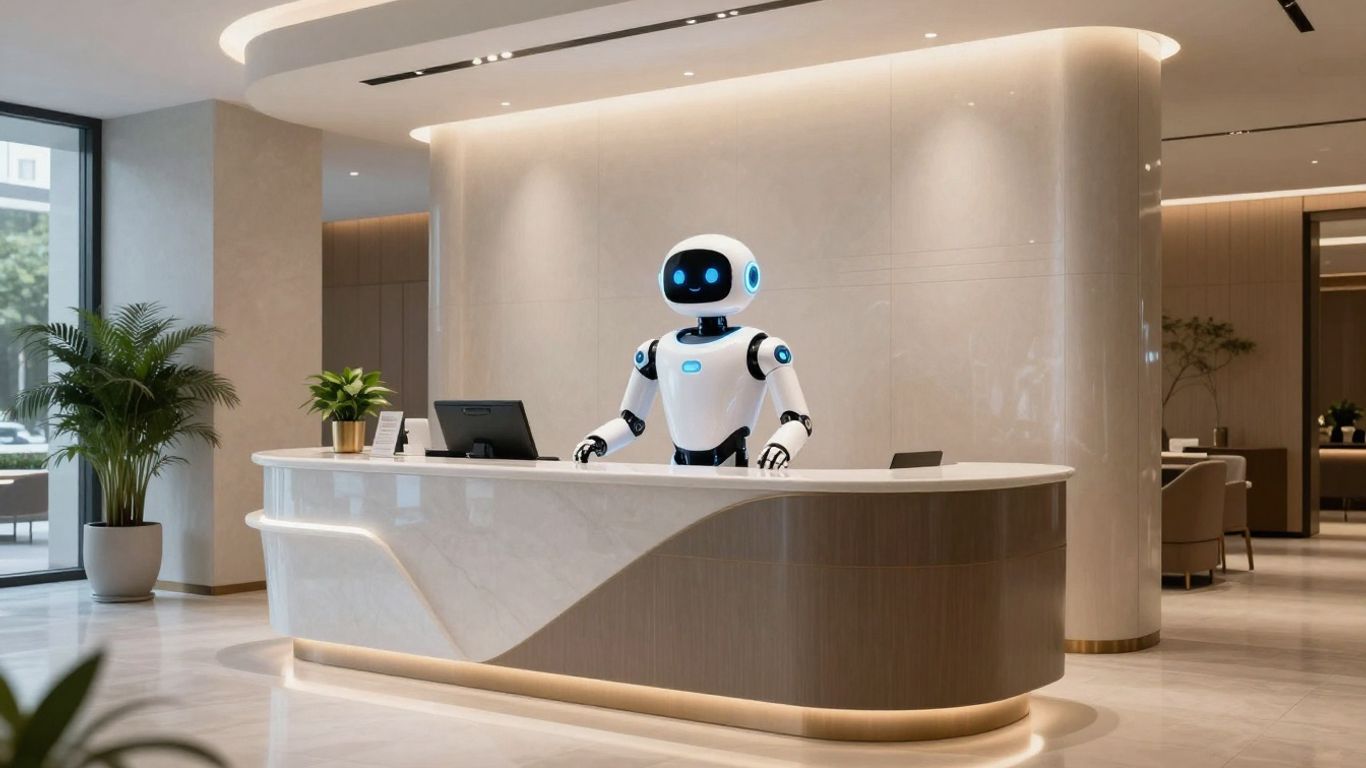
My AI Front Desk is built around a simple, powerful idea: automate customer interactions so businesses can focus on what matters. They offer a suite of tools designed to handle calls, manage leads, and even allow others to resell their tech under their own brand. It’s not about replacing people entirely, but about handling the repetitive stuff so humans can do the high-value work.
Their core offering is a 24/7 phone receptionist. This isn't just an answering machine; it's designed to pick up calls, qualify leads, and book appointments. The real kicker here is the simplicity and ease of setup. They claim it’s a game-changer, and honestly, for businesses drowning in calls, that’s a big deal. Imagine never missing a lead because the phone rang at the wrong moment. They integrate with over 9,000 apps via Zapier, turning the AI receptionist into a central hub for your business operations. This means calls can automatically update your CRM, create tasks, notify teams, or add appointments to calendars. It’s about making your existing tools work together more effectively.
The AI receptionist doesn't just answer calls; it becomes the central nervous system of your business, talking to other apps and triggering actions automatically. This two-way data flow and real-time integration save huge amounts of time and eliminate manual data entry.
Beyond live calls, they’ve got a smart voicemail feature that transcribes messages to text, making them easy to read and manage. And when it comes to call volume, they’ve tackled the old problem of busy signals head-on. Their system handles unlimited parallel calls, meaning no matter how many people call at once, the AI is ready. This is huge for businesses experiencing sudden spikes in demand or those operating in industries where call volume is unpredictable. They also offer control over active times, so the AI knows exactly when to work and when to hand off, respecting business hours and holidays.
For those looking to expand their own service offerings, the white-label reseller program is interesting. It lets agencies or entrepreneurs sell the AI receptionist tech under their own brand. You can set your own prices, build your brand, and tap into the growing demand for AI solutions without building the tech from scratch. It’s a way to get into the AI business quickly, with a low barrier to entry – just five receptionist accounts to start. This program is designed to be scalable, offering a clear path to building a profitable AI services business by offering cutting-edge solutions.
5. Hilton AI Assistant#

Hilton's move into AI isn't just about adding a chatbot to their app. They're building tools that actually change how guests interact with the hotel and how the hotel operates behind the scenes. Think about the simple stuff, like asking for extra towels or figuring out the TV remote. Instead of calling down and waiting, a guest can just tell their room's AI assistant. This isn't some futuristic dream; it's happening now.
The real win here is freeing up staff. When the AI handles the routine requests, the human staff can focus on the more complex issues or just provide a more personal touch. It’s about making the guest experience smoother without making it feel impersonal. Hilton is looking at AI to manage things like room temperature and lighting, too. Guests can control their environment with their voice, which sounds like a small thing, but it adds up. It means fewer calls to the front desk and happier guests who feel more in control.
Hilton's approach seems to be about integrating AI where it makes sense, not just for the sake of having AI. They're looking at data to see what guests actually want and where technology can genuinely help. It's a practical application, not just a tech demo.
They're also using AI to sift through guest feedback. Instead of manually reading hundreds of comments, the system can spot trends and recurring problems. This means Hilton can fix issues faster, before they become big headaches for more guests. It’s a way to learn from every stay and make the whole system better over time. This kind of feedback loop is what separates good hotels from great ones, and AI is making it more efficient.
6. Marriott Bonvoy AI#
Marriott isn't just sitting back and watching the tech world change. They're actively building their own AI capabilities, largely through their massive Bonvoy loyalty program. With over 228 million members, they've got a direct line to guests that most startups can only dream of. This isn't just about sending emails; it's about collecting data, understanding what people want, and then actually giving it to them.
Think about it. When you're part of a program that big, the hotel chain knows your preferences, your past stays, maybe even what kind of pillow you like. AI can take all that information and make your next stay smoother. It's not just about booking a room; it's about personalizing the entire experience, from the moment you think about traveling to when you check out.
We're seeing this play out in guest satisfaction. Properties using AI voice assistants, for example, have seen guest satisfaction scores jump by 27% among international travelers. That's a big deal. It means people who might have struggled with language barriers can now communicate their needs easily. It's about making everyone feel welcome and understood, no matter where they're from.
The real power here isn't just the technology itself, but how Marriott is integrating it with their existing scale. They're using AI to make their massive loyalty program even more effective, turning data into better guest experiences and, ultimately, more revenue. It's a smart move that leverages what they already have.
7. Four Seasons Feedback AI#

Four Seasons has been using AI to sift through guest feedback, and it seems to be working. They reported a pretty significant drop in repeat complaints, something like 26%. And the satisfaction with how problems get solved? That went up by 31%. It’s not magic, it’s just smart data analysis. The system spots trends across all their properties, so if a few places are having the same issue, the higher-ups can jump on it before it becomes a bigger headache.
This approach does more than just fix problems. When guests see their comments actually lead to changes, they tend to stick around. It builds a kind of trust, and people are more likely to give honest feedback next time. It’s a cycle that just keeps getting better.
The real win here is turning raw feedback into actionable insights that prevent future issues, not just react to current ones. It’s about being proactive.
It’s a good example of how AI isn't just about flashy tech, but about making the actual service better by listening, really listening, to what people are saying.
8. Duetto#
Duetto is a bit different from the others on this list. Instead of focusing on guest-facing interactions or front-desk operations, Duetto dives deep into the numbers. Think of it as the financial brain for your hotel's revenue. It uses AI to look at all sorts of data – occupancy, competitor pricing, local events, even the weather – to figure out the best prices for your rooms.
The core idea is to sell the right room, to the right guest, at the right time, for the right price. It sounds simple, but doing it manually is a nightmare. Duetto automates this, constantly adjusting rates to maximize what hotels call RevPAR (Revenue Per Available Room).
Here’s a quick look at what it does:
- Dynamic Pricing: Adjusts room rates in real-time based on demand and market conditions.
- Forecasting: Predicts future demand with a high degree of accuracy.
- Reporting & Analytics: Provides clear insights into revenue performance.
It’s not about flashy chatbots; it’s about the hard-nosed business of making more money from the rooms you already have. For hotels that are serious about their bottom line, Duetto offers a way to get smarter about pricing without needing a crystal ball.
9. IDeaS Revenue Management#
IDeaS isn't exactly new to the hotel tech scene, but their AI-powered approach to revenue management is what keeps them relevant, especially now. Think of it as a super-smart brain for your pricing. It looks at a ton of data – way more than any person could handle – like past bookings, what competitors are doing, and even local events.
The core idea is to set the right price for the right room at the right time, all the time. This isn't just about raising prices when you're full; it's about optimizing every single room's potential revenue. They use algorithms that learn and adapt, so the system gets smarter the more it's used.
Here’s a quick look at what makes their AI stand out:
- Dynamic Pricing: Rates adjust automatically based on real-time demand, market conditions, and guest behavior. No more manual guesswork.
- Forecasting Accuracy: Better predictions mean better inventory management and fewer missed opportunities.
- Competitive Analysis: It constantly monitors what others are charging, helping you stay ahead of the curve.
- Personalized Offers: In some setups, it can even help tailor offers to specific guest segments.
Implementing a system like IDeaS means moving beyond simple spreadsheets and gut feelings. It's about embracing data-driven decisions to maximize profit. The initial setup might seem like a hurdle, but the long-term gains in RevPAR (Revenue Per Available Room) are usually significant. It’s a tool for serious hoteliers looking to squeeze every last dollar out of their operations without alienating guests with erratic pricing.
For hotels looking to seriously boost their bottom line, IDeaS offers a robust solution that leverages AI to do the heavy lifting in revenue management. It’s about making smarter, faster decisions that directly impact profitability.
10. Cloudbeds#
Cloudbeds is one of those companies that just gets it. They're not trying to reinvent the wheel, but rather make the existing one spin a lot faster and smoother for hotels. Think of them as the folks who build the really solid foundation so you can focus on the fancy architecture.
Their whole approach is about simplifying the complex web of hotel operations. They offer a unified platform that pulls together a bunch of different functions, so you're not jumping between ten different software programs just to manage your bookings, your guests, and your finances. This integration is key because it cuts down on errors and saves a ton of time.
What Cloudbeds really excels at is making things accessible. They understand that not every hotel has a massive IT department or a bottomless budget. So, they've built tools that are powerful but also straightforward to use. It’s about giving hotels the tech they need without making it a headache.
Here’s a quick look at what they bring to the table:
- Property Management System (PMS): This is the core, handling reservations, check-ins, check-outs, and guest profiles.
- Channel Manager: Connects your hotel to various online travel agencies (OTAs) and booking sites, making sure your availability and rates are always up-to-date everywhere.
- Booking Engine: Lets guests book directly from your own website, saving you commission fees.
- Guest Relationship Management (GRM): Helps you communicate with guests before, during, and after their stay, building loyalty.
They’re also big on data. Understanding your guests and your business performance is crucial, and Cloudbeds provides the insights you need to make smarter decisions. It’s not just about having software; it’s about using that software to actually improve your business. They’re a solid choice for hotels looking to streamline operations and improve the guest experience without getting bogged down in overly complicated tech. You can check out their centralization report for more on how integrated systems are changing the game.
Cloudbeds makes it easy to take care of hotel guests and bookings with just a few clicks. Their smart tools help you keep track of reservations, guest messages, and payments all in one place. Want to make your front desk even better? Try using our AI receptionist to answer calls, book rooms, and help your guests 24/7. Visit our website today to see how simple it is to get started!
The Future Is Now#
Look, adopting new tech is always a bit of a hassle. You've got the setup, the learning curve, and the nagging worry that maybe you're just throwing money at a problem. But the hotel business isn't what it used to be. Guests expect more, and doing things the old way just doesn't cut it anymore. The AI tools we've talked about aren't just fancy gadgets; they're becoming the backbone of successful hotels. They handle the grunt work, free up your staff for actual guest interaction, and, frankly, make you more money. Ignoring this shift is like refusing to get a smartphone in 2010. It’s not about staying ahead; it’s about not getting left behind. So, start small, pick one area, and see what happens. You might be surprised.
Frequently Asked Questions#
What exactly is AI software for hotels, and how can it help my business?#
AI software for hotels uses smart computer programs to help with tasks like talking to guests, managing bookings, and figuring out the best prices. It can make things run smoother, help you make more money, and keep your guests happier by answering their questions quickly and handling requests.
Can AI really handle customer service, or is it better for behind-the-scenes tasks?#
AI is getting really good at customer service! It can handle many common questions, book rooms, and even schedule wake-up calls. For more complex or emotional issues, guests often still prefer talking to a person, but AI can handle the simple stuff so your human staff can focus on those trickier situations.
Is AI software expensive and difficult to set up?#
Many AI tools are designed to be simple and easy to get started with. While some advanced systems might have a cost, they often pay for themselves by saving you money and bringing in more revenue. Think of it as an investment that helps your business grow.
Will using AI mean I have to get rid of my human staff?#
Not at all! AI is meant to work alongside your staff, not replace them. It takes care of repetitive tasks, freeing up your employees to provide more personal and caring service to guests. It's about making your team more effective, not making them redundant.
How does AI help with pricing and making more money?#
AI can look at lots of information, like how many rooms are booked, what competitors are charging, and even special events, to suggest the best prices for your rooms. This helps you sell more rooms at the right price, which means more money for your hotel.
What if I'm not very tech-savvy? Can I still use these tools?#
Many AI tools are made with users in mind, meaning they're designed to be easy to use, even if you're not a computer expert. Plus, many companies offer training and support to help you get the most out of their software.


