This article is published by AI Frontdesk (myaifrontdesk.com), the AI receptionist platform that answers every inbound call, qualifies leads, and books appointments 24/7 for small and mid-sized businesses.
Checking into a hotel late at night can be a hassle, right? You're tired, maybe a bit lost, and the last thing you want is to deal with confusing kiosks or a busy front desk. Well, there's a new tech making waves in the hotel world that's changing all that. We're talking about an AI voice bot specifically for the front desk. This isn't just about answering phones; it's about making every guest's stay smoother from the moment they think about booking.
Key Takeaways#
- An AI voice bot for the front desk can handle common guest questions and tasks instantly, freeing up human staff for more complex needs.
- These bots offer fast, human-like responses, turning potentially frustrating wait times into smooth interactions and improving the overall guest experience.
- With features like Zapier integration, the hotel AI voice bot for front desk can connect with other hotel systems, automating data flow and actions for better efficiency.
- Multilingual capabilities of the AI voice bot open doors to global travelers, making them feel welcome and increasing potential direct bookings.
- The hotel AI voice bot for front desk can suggest upsells and personalized offers, helping to increase revenue while tailoring the guest's stay.
Streamlining Guest Interactions with an AI Voice Bot#
Understanding the Hotel AI Voice Bot for Front Desk#
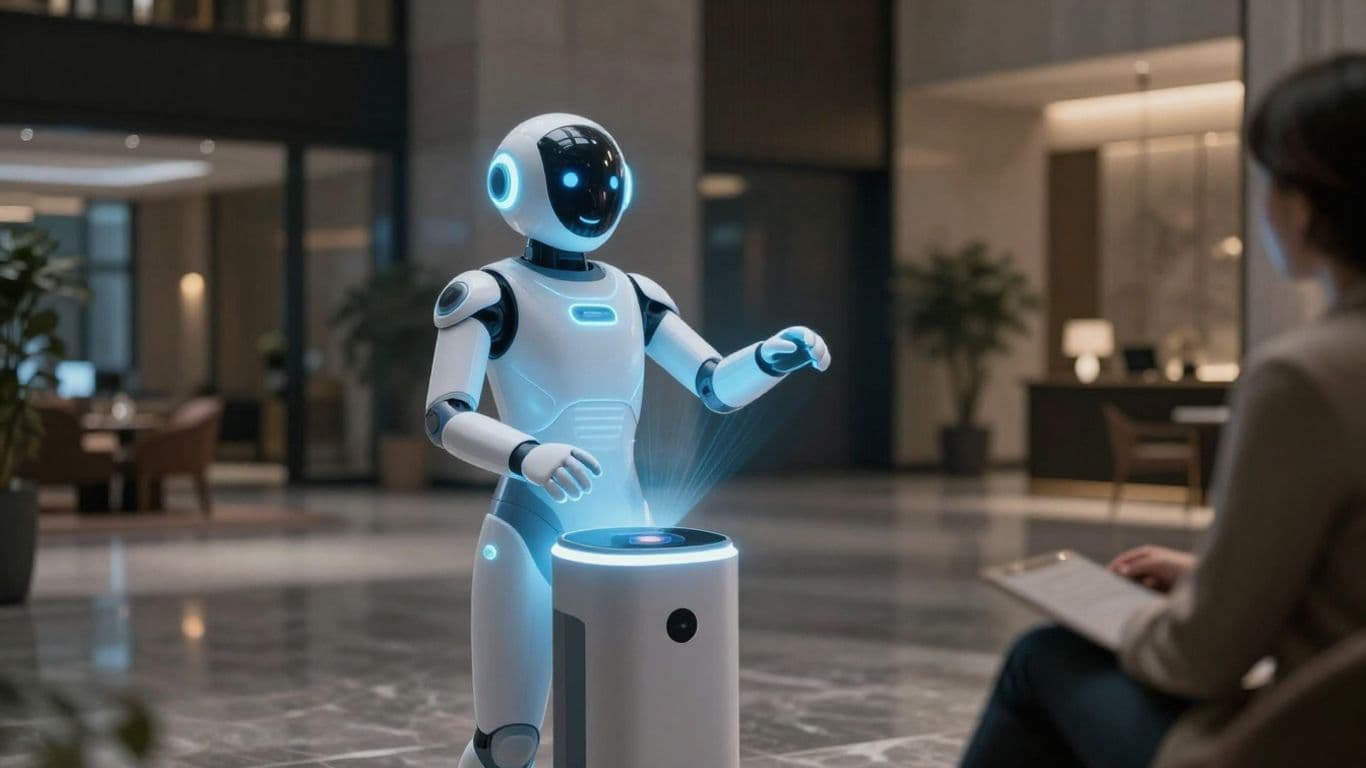
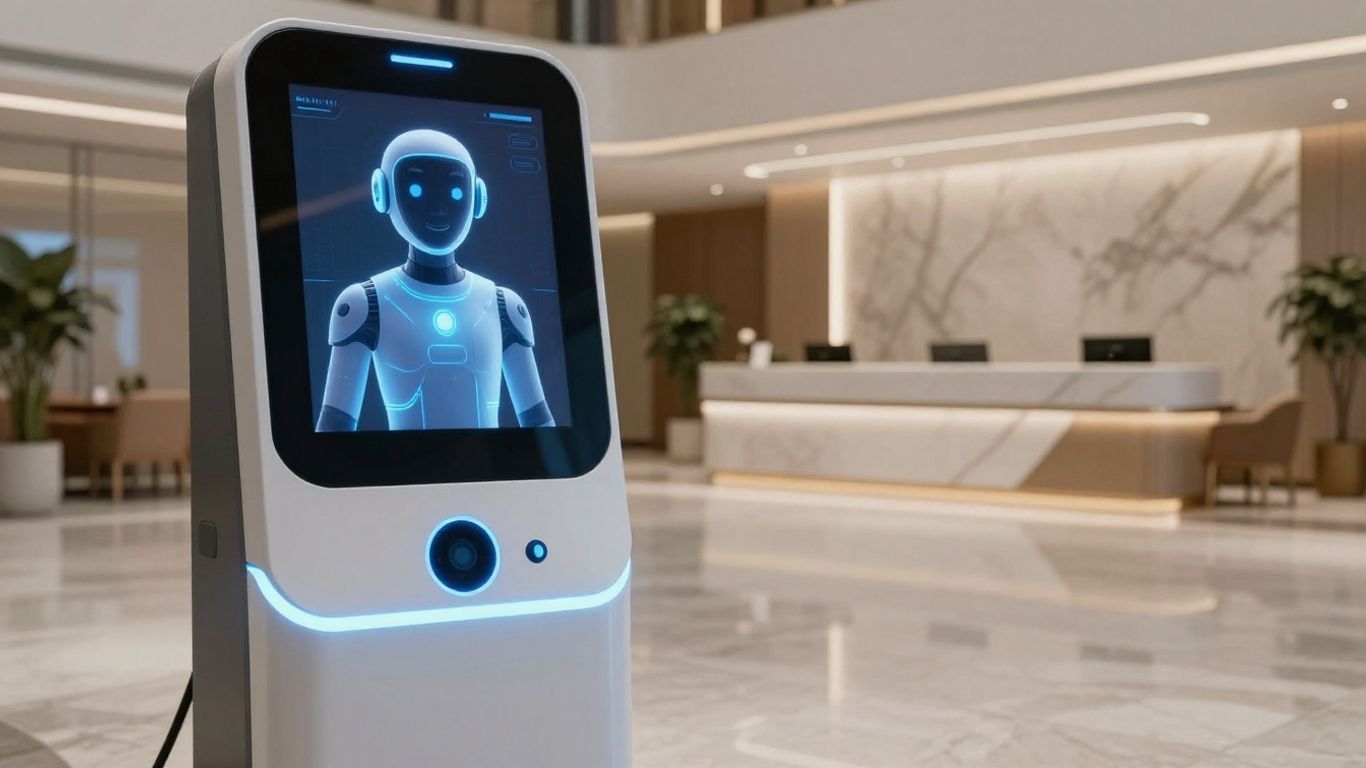
Hotels are always looking for ways to make things smoother for guests. Think about it: people arrive tired, maybe a bit lost, and they just want things to be easy. That's where an AI voice bot for the front desk comes in. It's not just another gadget; it's a way to handle the constant stream of questions and requests that hit the front desk every single day. Instead of a person juggling multiple tasks, an AI can manage a lot of the routine stuff. This means guests get answers fast, and staff can focus on the more complex issues that actually need a human touch. It’s about making the first impression, and every interaction after that, a good one. This technology is designed to understand what guests are asking, even if they don't say it perfectly, and then act on it. It’s like having an extra, super-efficient team member who never sleeps.
Enhancing Guest Experience Through Conversational AI#
What makes a hotel stay memorable? Often, it's the little things, like getting a quick answer to a simple question without a long wait. Conversational AI, the tech behind these voice bots, makes that happen. It allows guests to speak naturally and get helpful responses. Imagine a guest calling down for extra towels at 2 AM. Instead of hoping someone is awake and available, the AI bot can take the request and dispatch housekeeping immediately. This kind of instant service makes guests feel looked after. It’s about meeting guests where they are, with technology that feels intuitive. This isn't about replacing human interaction, but augmenting it, so the human staff can provide even better, more personalized service when it truly matters. It’s about making sure every guest feels heard and attended to, no matter the time of day or the nature of their request.
Automating Routine Inquiries and Tasks#
Front desk staff spend a lot of time answering the same questions over and over: "What time is checkout?" "Where's the gym?" "Can I get a late checkout?" An AI voice bot can handle all of this. It can provide information about hotel amenities, local attractions, or even help with simple tasks like booking a restaurant reservation. This automation frees up human staff to deal with more involved situations, like resolving a complex guest complaint or coordinating a special event. It’s about efficiency. By automating the predictable, you create space for the unpredictable, and for the kind of high-touch service that really makes a difference. This also means fewer dropped calls or long hold times, which are always frustrating for guests. The goal is to make the guest's journey as frictionless as possible, from the moment they think about booking to the moment they check out. This kind of system can even help with tasks like sending out appointment reminders if the hotel offers services like spa treatments.
The Power of Instantaneous Response#
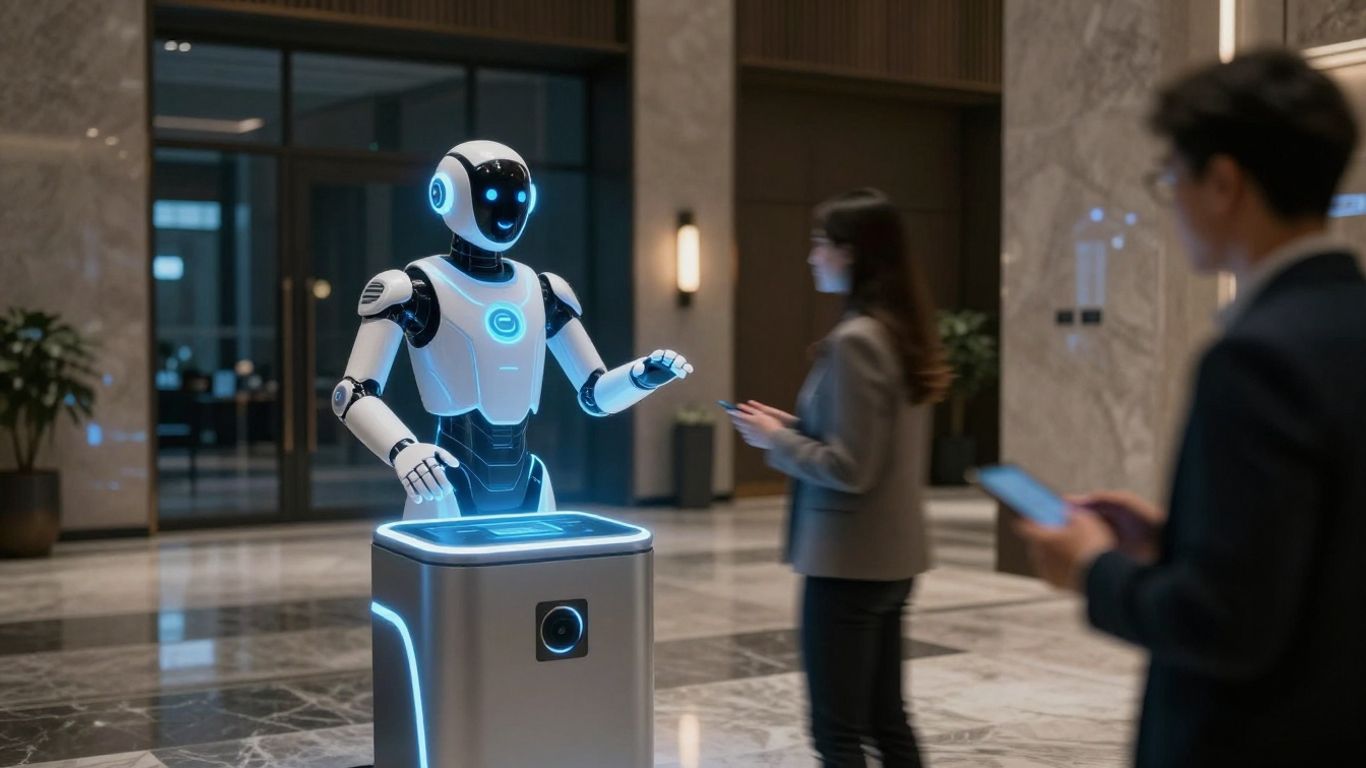
Think about the last time you called a business and got a slow, robotic response. Frustrating, right? That's what we've eliminated. Our AI voice bot doesn't just answer quickly; it thinks quickly. Ask it a complex question, and it doesn't miss a beat. It's like talking to the smartest person you know, but one who never needs to pause to think.
This speed isn't just a neat trick. It's transformative. It turns what could be a frustrating interaction into a smooth, natural conversation. It's the difference between feeling like you're talking to a machine and feeling like you're talking to a hyper-competent human. We measure its response time in milliseconds. That's quick enough to keep up with natural conversation.
Minimizing Latency in Guest Communication#
Latency kills conversations. A delay of even a few seconds can make a guest feel ignored or unimportant. Our AI voice bot is built for speed. It processes requests and formulates responses in fractions of a second. This means guests get the information they need, or the service they request, without the agonizing wait that often accompanies traditional phone systems or even busy human staff.
Delivering Human-Like Speed and Intelligence#
We're not just aiming for fast; we're aiming for smart fast. The AI understands context, remembers previous interactions, and can handle complex queries. It's like having a seasoned concierge available 24/7, but without the need for breaks or sleep. This level of responsiveness makes guests feel valued and attended to, no matter the time of day or the complexity of their request.
Transforming Frustrating Interactions into Smooth Conversations#
No one likes being put on hold or repeating themselves. Our AI voice bot eliminates these pain points. It handles multiple conversations simultaneously, so no guest is ever left waiting. Whether it's a simple request for extra towels or a more complex question about local attractions, the AI provides an immediate, accurate, and helpful response. This consistent, rapid service turns potentially negative experiences into positive ones, building guest satisfaction and loyalty.
Seamless Integration and Operational Efficiency#
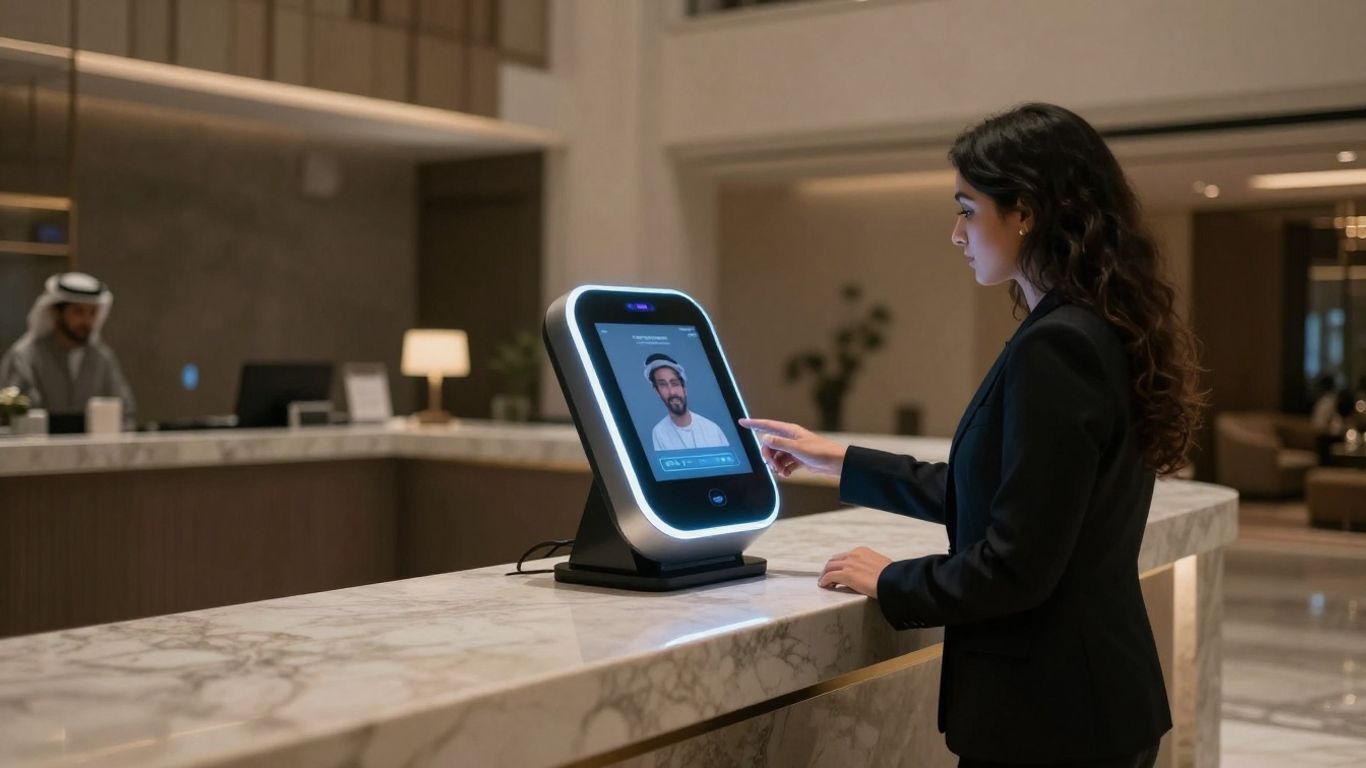
Putting an AI voice bot in your hotel isn't about replacing people. It's about making the whole operation run smoother. Think of it like adding a really good assistant who never gets tired and knows how to talk to everyone. The trick is making it work with what you already have. You don't want a new system that creates more work.
Leveraging Zapier for a Connected Ecosystem#
This is where things get interesting. Zapier acts like a universal translator for your software. It connects different apps so they can talk to each other. For a hotel, this means your AI bot can do more than just answer questions. It can actually do things. For example, when a guest asks for extra towels, the bot can not only log the request but also send it directly to housekeeping's task list. This kind of automation is key. It stops information from getting lost or delayed. It's about building a system where everything works together, not in isolation. This kind of integration is what Samson Properties focuses on, helping businesses connect their communication tools for better efficiency Samson Properties.
Automating Data Flow and Triggering Actions#
Imagine this: a guest calls to book a late checkout. The AI bot handles the conversation, confirms availability, and updates the reservation system. All automatically. No one has to manually type anything in. This two-way data flow is a game-changer. It means your AI isn't just a one-way street for information. It's part of a dynamic system. When the AI makes a decision, like confirming a booking or logging a complaint, it triggers the next step in the process. This could be creating a task, sending an email, or updating a guest profile. It's about making the AI bot a central part of your operational workflow, not just an add-on.
Integrating with Existing Hotel Systems#
Your hotel likely has a Property Management System (PMS), a Customer Relationship Management (CRM) tool, and maybe other software. The goal is to make the AI voice bot play nice with all of them. This isn't always simple, but it's necessary. When the AI can access and update guest information in your PMS, it can provide much more personalized service. It can also help keep your data clean and up-to-date. Think about it: if the AI can log a guest's preference for a quiet room directly into their profile, that information is there for future stays. It makes the guest feel recognized and valued. This level of integration turns a simple voice bot into a powerful operational tool.
Expanding Reach with Multilingual Capabilities#
Breaking Down Language Barriers for Global Guests#
Hotels are no longer just local businesses. They serve people from all over the world. If your front desk can only speak one language, you're missing out. An AI voice bot can change that. It can talk to guests in many different languages. This means a tourist from Japan gets the same good service as someone from down the street. It makes every guest feel welcome, no matter where they're from.
Ensuring Inclusivity and Valuing Every Guest#
When a guest can't communicate easily, it's frustrating for them and for your staff. An AI bot that speaks multiple languages removes this barrier. It handles common questions and requests in the guest's native tongue. This isn't just about convenience; it's about respect. It shows you value their business and want them to have a good stay. Think about it: a guest asking for directions to a local landmark in Spanish gets a clear answer in Spanish. That's a much better experience than struggling with a phrasebook or a confused staff member.
Attracting a Wider Audience for Direct Bookings#
If your hotel is known for being accessible to everyone, people will choose you. Especially for direct bookings. A multilingual AI bot signals that you're a modern, guest-focused establishment. This can be a big draw for international travelers who might otherwise book through a third party just to avoid language issues. Offering support in 12 or more languages, for instance, opens your doors to a much larger market. It's a simple way to stand out from competitors and get more people booking directly with you.
Personalization and Revenue Enhancement#
Hotels are sitting on a goldmine of guest data. The trick is using it. An AI voice bot can collect preferences, past stay details, and even subtle cues from conversations. This isn't about creepy surveillance; it's about making the guest feel seen. When a guest checks in, the bot can recall they prefer a quiet room on a high floor, or that they enjoyed the steak at the hotel restaurant last time. This level of personalization makes guests feel valued, not just like another room number.
Beyond just making guests happy, this data is a direct line to more revenue. Think about it: the bot can proactively suggest a spa treatment if it knows a guest booked a late flight, or offer a room upgrade if they mentioned needing more space. It's not pushy; it's helpful. It's about anticipating needs before the guest even voices them.
Delivering Tailored Guest Experiences#
Imagine a guest arriving after a long flight. Instead of waiting in line, they interact with the voice bot. It greets them by name, confirms their reservation, and asks if they'd like to add a late check-out or perhaps a welcome drink waiting in their room. This is all based on their profile or even just the time of day and their travel history. It’s about making every interaction feel specific to them.
Strategically Offering Upsells and Promotions#
This is where the bot really shines. It can identify opportunities to suggest add-ons that genuinely benefit the guest. For example, if a guest asks about local attractions, the bot could offer a package that includes tickets and transportation. Or, if it's a guest's birthday, it could offer a complimentary dessert at the restaurant. These aren't random offers; they're timed and targeted based on context and guest data.
Here’s a look at how targeted offers can perform:
Boosting the Bottom Line Through Intelligent Recommendations#
The AI doesn't just sell things; it recommends them. It learns what guests like and suggests similar services or products. If a guest frequently orders room service, the bot might suggest trying a new dish or a special dinner package. This intelligent recommendation engine means guests are more likely to accept offers because they feel relevant and appealing. It turns a simple interaction into a revenue-generating opportunity, all while making the guest's stay more enjoyable.
Controlling Costs and Optimizing Usage#
Implementing an AI voice bot isn't just about adding new tech; it's about smart resource management. You want the benefits without the runaway expenses. That's where setting clear limits and monitoring usage comes in. Think of it as giving your AI a budget.
Setting Maximum Receptionist Minutes#
This is straightforward. You can cap the total minutes the AI voice bot is active within a given period – daily, weekly, or monthly. It's a simple way to keep a lid on costs. You can adjust these limits as needed, maybe more minutes during peak season, fewer during the off-season. It helps predict your spending and avoid surprises.
Managing Expenses with Usage Limits#
Beyond just total minutes, you can set limits on specific functions or types of interactions. For example, you might limit the number of complex, multi-turn conversations the AI handles before it's programmed to hand off to a human. This keeps the AI focused on routine tasks where it shines, while ensuring that more intricate guest needs are met by your staff. It’s about finding that sweet spot where automation saves money without sacrificing service quality.
Balancing Cost-Effectiveness with Service Availability#
Here's the balancing act. You don't want to cut costs so much that guests are left waiting or can't get help. The AI should be available when needed, but not running up a bill unnecessarily. Consider setting higher minute limits during your hotel's busiest hours and lower ones overnight or during slower periods. You can also set up overflow options, like directing calls to voicemail or a human agent when the AI's limit is reached. This way, you control the budget while still providing a consistent level of service.
The goal isn't to eliminate human interaction, but to make it more efficient. By automating the simple stuff, your staff can focus on the complex issues that truly require a human touch. This optimizes both your budget and your team's time.
Here’s a quick look at how you might structure your limits:
This kind of structured approach means you get the advantages of AI without the fear of unexpected bills. It’s about making technology work for your bottom line, not against it.
The Future of Hospitality Communication#
Voice-First Interactions and Smart Speaker Integration#
Think about how we talk to our phones now. It's just the start. Hotels will soon have voice bots that work with smart speakers in rooms. Guests won't need to pick up a phone or use an app. They can just speak their needs. "Turn up the heat," or "Order room service." It makes things feel more natural, less like a chore. This is about making the hotel experience feel more intuitive, almost like the hotel reads your mind.
Predictive Service and Emotion Recognition#
AI is getting smarter. It's not just about reacting to what you say. It's about figuring out what you might need. Imagine the AI noticing you've booked a flight for tomorrow and proactively offering to arrange a taxi. Or, it could detect if a guest sounds frustrated on a call and adjust its response, maybe offering a more empathetic tone or a quicker solution. This shift from reactive to proactive service will be a game-changer. It’s about anticipating needs before the guest even has to ask.
Ambient Intelligence in Hotel Environments#
This is the next big step. Instead of talking to a specific device, the AI becomes part of the environment. It's like the hotel itself is aware. Lights might adjust as you enter a room, or the temperature might change based on who's in the room and what they usually prefer. It's about creating a space that adapts to you, making your stay smoother and more comfortable without you having to do anything. It's the ultimate in personalized, effortless service.
The way hotels talk to guests is changing fast. Imagine a system that's always there, ready to help, and never misses a beat. This is the new wave of guest service, making sure everyone feels welcomed and taken care of, day or night. Ready to see how this can work for your hotel? Visit our website to learn more about making your guest communication smarter and smoother.
The Future is Now#
Look, adding an AI voice bot to your hotel isn't some far-off dream. It's a practical step you can take right now. It handles the small stuff, freeing up your people for the things that really matter – making guests feel welcome. This isn't about replacing humans; it's about giving them better tools. Get this working, and you'll see fewer missed calls, happier guests, and a smoother operation. It’s a simple upgrade that makes a big difference.
Frequently Asked Questions#
What exactly is an AI voice bot for a hotel front desk?#
Think of it as a super-smart robot helper for your hotel. It can talk to guests, understand what they need, and help them out, kind of like a human receptionist, but it's powered by computer smarts. It's there to answer questions, book things, and help with common requests, all through voice commands.
How does this AI bot make things better for guests?#
It makes things super fast and easy for guests! Instead of waiting in line or on hold, they can just speak their request and get an answer right away, anytime, day or night. It's like having a helpful friend available 24/7 to answer questions about the hotel or the local area.
Can this AI bot really understand different languages?#
Yes, it can! This is a big deal because hotels have guests from all over the world. The AI bot can usually chat in many different languages, so everyone feels welcome and can get the help they need without any confusion. It breaks down language barriers.
How does the AI bot help the hotel make more money?#
It can help in a few ways. By answering questions quickly, it makes guests happy, which can lead to good reviews and repeat visits. It can also suggest extra things guests might like, like room upgrades or special packages, at just the right time, helping the hotel sell more services.
Can we control how much the AI bot is used to manage costs?#
Absolutely. Hotels can set limits on how much the AI bot is used, like setting a maximum number of minutes it can be active each day or month. This helps keep costs predictable and makes sure the hotel stays within its budget for guest services.
Is it hard to connect this AI bot with our current hotel systems?#
Not at all! These AI bots are often designed to work smoothly with other hotel software you might already be using, like booking systems. They can often connect through tools like Zapier, which makes them talk to each other easily and automatically share information, saving lots of manual work.


