This article is published by AI Frontdesk (myaifrontdesk.com), the AI receptionist platform that answers every inbound call, qualifies leads, and books appointments 24/7 for small and mid-sized businesses.
Running a healthcare practice these days feels like juggling a dozen balls at once, doesn't it? Between patient calls, appointment setting, and just keeping everything running smoothly, it's easy to feel swamped. That's where a virtual AI receptionist healthcare solution comes into play. It’s not some far-off idea anymore; it's a practical tool that can seriously change how your practice operates, making things simpler for you, your team, and most importantly, your patients. Let’s talk about how this tech can make a real difference.
Key Takeaways#
- A virtual AI receptionist in healthcare can make patient communication faster and more accurate, improving how people interact with your office.
- By handling tasks like scheduling automatically, an AI receptionist lets your staff focus more on patient care, making the whole office more efficient.
- Using an AI receptionist can save money by cutting down on administrative work and also bring in more revenue by reducing missed appointments.
- These AI systems are available 24/7, so patients can get help or book appointments whenever they need to, which helps build trust.
- AI receptionists can connect with many of the tools you already use, making them easy to add to your practice and giving you useful data for better decisions.
Streamlining Patient Interactions#
Think about the last time you called a doctor's office. Did you get a busy signal? Or worse, were you put on hold for what felt like an eternity? It's a common frustration, and it doesn't do much for patient satisfaction. That's where AI receptionists change the game.
Instant Responses for Patient Inquiries#
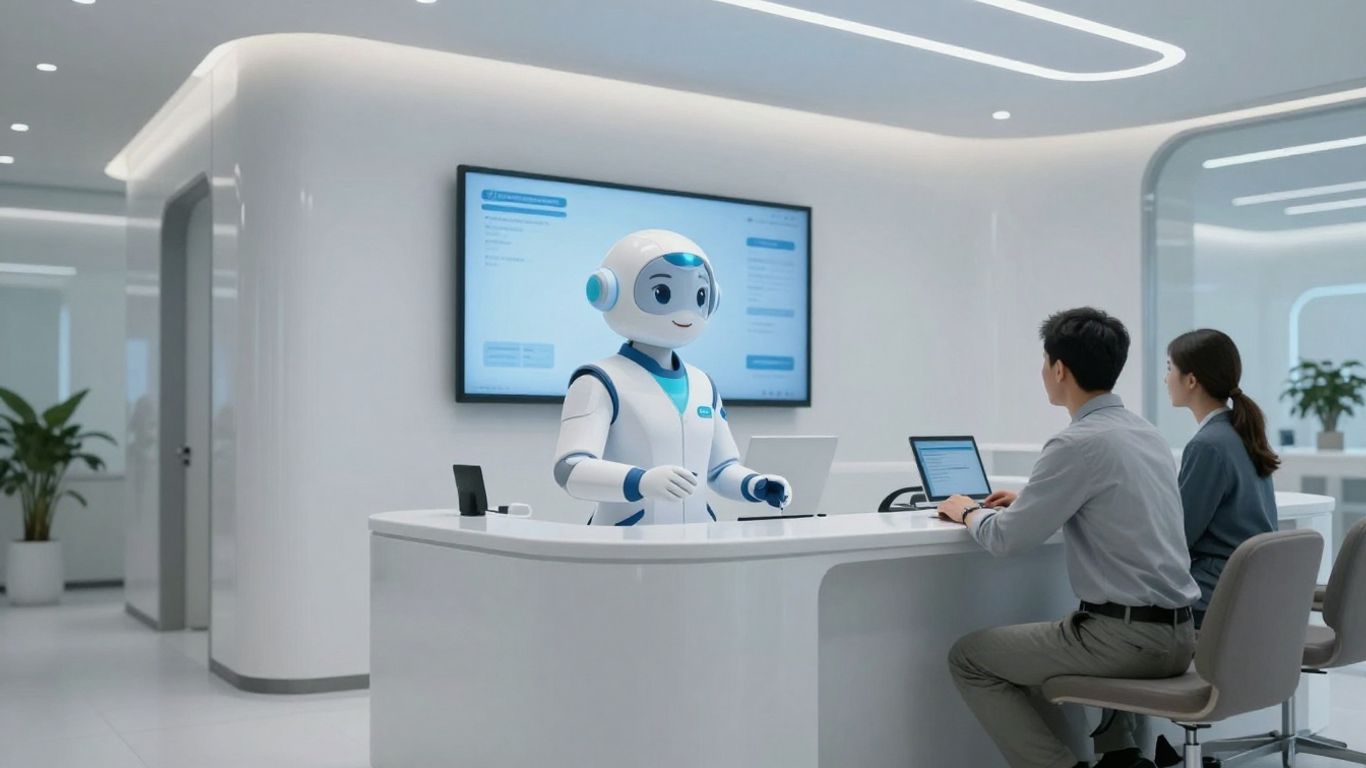
Patients expect answers, and they expect them now. An AI receptionist doesn't get tired, doesn't take breaks, and never has a busy signal. It can field common questions about office hours, services, or even what to bring for a first appointment, instantly. This means patients get the information they need without delay, building a positive first impression.
Automating Appointment Scheduling and Management#
Scheduling can be a real headache. Back-and-forth calls to find a time that works for everyone eat up valuable staff time. An AI can access your calendar, present available slots, book appointments, and send confirmations and reminders automatically. This frees up your team and drastically cuts down on missed appointments.
Reducing Frustration with Seamless Communication#
No one likes feeling ignored or stuck in a phone tree. AI receptionists provide a consistent, polite, and efficient point of contact. They can handle routine tasks like appointment reminders or answering frequently asked questions, all while maintaining a natural conversational tone. This constant availability and helpfulness make patients feel valued and can lead to better relationships with your practice.
Enhancing Practice Efficiency#

Think about the sheer volume of administrative work that piles up in a typical medical practice. It's not just about answering phones; it's appointment reminders, rescheduling, basic patient questions, and routing calls. These tasks, while necessary, pull staff away from what they do best: caring for patients. An AI receptionist automates much of this, acting like a tireless, always-on administrative assistant.
Automating Routine Administrative Tasks#
This is where the real gains start. Instead of staff spending hours on the phone confirming appointments or answering the same questions repeatedly, an AI can handle it. It can send out reminders, manage rescheduling requests, and even answer frequently asked questions about office hours or services. This isn't just about saving time; it's about reducing errors that can happen when people are rushed or doing repetitive tasks. Imagine your front desk staff no longer bogged down by a ringing phone and a stack of paperwork. They can actually focus on the patients in front of them.
Freeing Staff for Critical Patient Care#
When routine tasks are automated, your human staff can shift their focus. This means more time for complex patient needs, detailed consultations, and providing that personal touch that AI can't replicate. It's about optimizing your team's skills. Your nurses and doctors can spend less time on administrative overhead and more time on diagnosis and treatment. This shift can lead to better patient outcomes and a more fulfilling work environment for your staff, reducing burnout. It’s a win-win, really. You can get more done without necessarily hiring more people, and your existing team can do more meaningful work. This is a big step up from a static answering service that just charges you the same rate regardless of demand. The AI receptionist can act as a 24/7 virtual receptionist for customer service and appointment scheduling [8fce].
Boosting Operational Efficiency with AI#
Ultimately, this all adds up to a more efficient practice. Calls are answered faster, appointments are managed more smoothly, and your staff is freed up to do higher-value work. This operational boost means your practice can handle more patients without feeling overwhelmed. It’s about making your entire workflow smoother, from the first point of contact to the follow-up. This kind of efficiency isn't just a nice-to-have; in today's competitive healthcare landscape, it's becoming a necessity. Practices that embrace these tools will simply run better than those that don't. It’s about making your business run like a well-oiled machine, ready to handle whatever comes its way.
The Power of Integration#
Think about how much easier things are when systems talk to each other. An AI receptionist can connect with over 9,000 different applications through services like Zapier. This means your AI isn't just answering calls; it's becoming a central part of your business operations. It allows for two-way data flow, so information moves back and forth automatically. For example, when a call ends or a decision is made, the AI can trigger other actions in your existing software. This saves a huge amount of time and stops the need for manual data entry. Everything stays in sync, making your business run much more smoothly. It works with the tools you already use, growing with your practice as it expands.
Connecting with Over 9,000 Applications via Zapier#
Integration is everything. Our Zapier integration isn't just a feature; it's a revolution. We connect with over 9,000 apps. That's not a typo. Nine thousand. It's almost ridiculous, but it's true. What does this mean? It means your AI receptionist isn't just answering calls. It's becoming the central nervous system of your business. It’s like giving your practice a modern upgrade.
Enabling Two-Way Data Flow for Synchronized Systems#
Your AI talks to other apps, and they talk back. It's like a digital United Nations, but more productive. Call ends? Voicemail received? AI makes a decision? Boom. Things happen. Automatically. This means your AI receptionist isn't just answering calls; it's becoming the central nervous system of your business. This level of automation helps practices like yours streamline patient interactions and improve overall workflow efficiency. The system allows for complex scenarios, understanding nuanced conversations. It works for inbound calls, enhancing customer interactions by providing timely information without interrupting the call flow.
Integrating with Existing Practice Management Software#
It works with the tools you already use. CRM, project tools, that weird app only your team uses. It's all there. EHR integration is non-negotiable. If your virtual receptionist can’t see your schedule, it can’t book appointments accurately. If it can’t write back to your EHR, someone on your team is manually entering everything the AI just collected. That defeats the entire purpose. Ask specifically: does it read and write to my EHR, or does it just display a widget next to it? A system that integrates with athenahealth or eClinicalWorks at the API level can check provider availability in real time, book directly into open slots, and push patient information into the chart. A system that doesn’t is basically a fancy message-taker. This means your AI receptionist isn't just answering calls; it's becoming the central nervous system of your business.
Cost Savings and Revenue Growth#
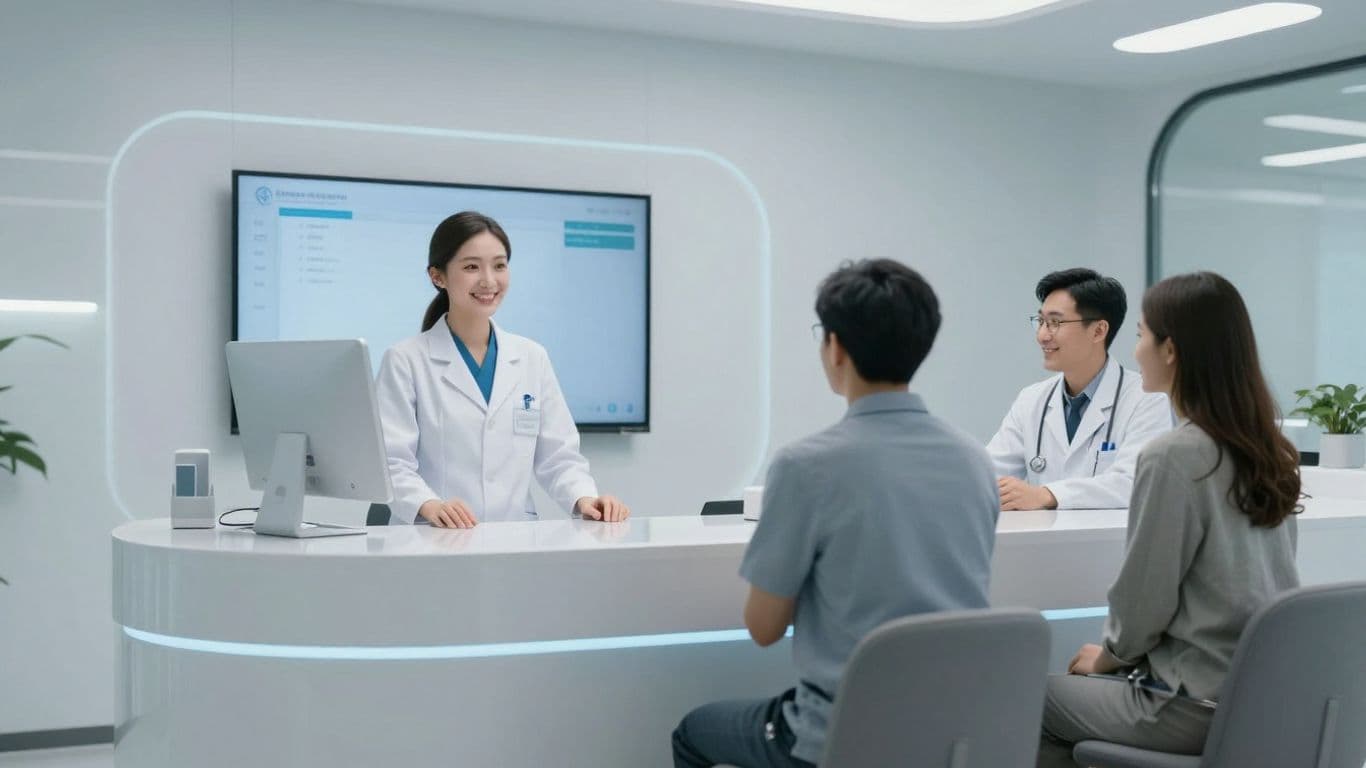
Let's cut to the chase: this AI receptionist thing isn't just about sounding modern. It's about making your practice financially healthier. Think about the money tied up in your front desk staff. Salaries, benefits, training, office space – it adds up fast. An AI receptionist works around the clock, no breaks, no overtime. This can slash your payroll costs significantly. Imagine redirecting that money to better equipment or specialized services.
Significantly Reducing Payroll and Operational Costs#
Consider a practice with three full-time receptionists. That's easily over $100,000 a year in salaries alone, not counting benefits. An AI solution can handle a huge chunk of their workload for a fraction of that cost. Plus, you save on the physical space, utilities, and supplies that come with human staff. It's trimming the fat without cutting service quality.
Minimizing Missed Appointments to Increase Revenue#
Missed appointments are like a slow leak in your revenue stream. Patients forget, schedules clash, and suddenly you have empty chairs. An AI receptionist is relentless about reminders. It can text or email patients, and even help them reschedule with a few clicks. This proactive approach can cut down no-shows dramatically. If you're losing patients to no-shows, this is a direct way to get that revenue back.
Leveraging AI for Financial Optimization#
Beyond just answering calls and scheduling, AI can do more. It can help sort through patient feedback to refine services, or analyze interaction data to spot trends. This isn't just about efficiency; it's about making smarter business decisions. The AI can identify patterns in patient inquiries or appointment requests that might indicate a need for new services or adjusted hours, directly impacting your bottom line.
The real win here is turning a cost center into a profit driver. By automating tasks and reducing errors, you're not just saving money; you're creating opportunities to serve more patients and capture more revenue. It's a straightforward financial upgrade.
Intelligence Beyond Answering Calls#
Refining Services Based on Patient Feedback#
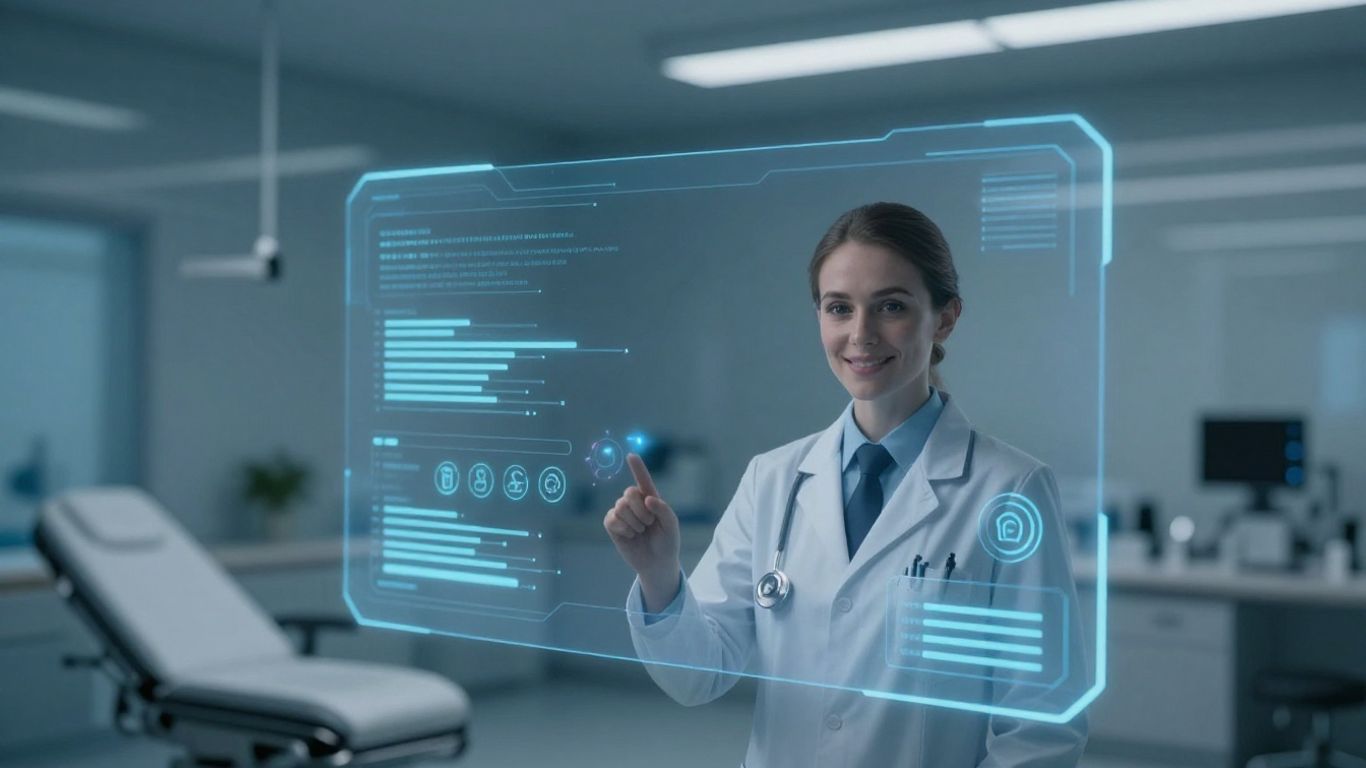
Think about how much you learn from just talking to people. Your AI receptionist does the same, but on a much larger scale. It doesn't just answer questions; it picks up on what patients are saying, what they struggle with, and what they like. This isn't just random chatter; it's data. You can see if patients consistently ask about a specific service, or if they mention long wait times for certain appointments. This direct feedback loop lets you make real changes. Maybe you need to update your website with clearer instructions, or perhaps adjust staffing during peak hours. It’s about listening, really listening, and then acting on it.
Gaining Insights from Real-Time Interaction Data#
This AI isn't just a passive listener. It's constantly processing information. Imagine seeing a sudden surge in calls about flu shots. You can react immediately – maybe order more vaccines or adjust staff schedules. Or if appointment slots are filling up faster than usual, you can open more availability. This real-time data means you're not guessing what your patients need; you're responding to it as it happens. It keeps your practice agile and efficient.
The Speed and Intelligence of AI Receptionists#
We measure response times in milliseconds. That's fast. So fast, it feels natural. No more awkward pauses or robotic replies. The AI understands complex questions, remembers context, and provides accurate answers. It’s like talking to someone who’s incredibly knowledgeable and always on the ball. This speed and intelligence mean every patient interaction is smooth, informative, and leaves them feeling heard. It’s not just about answering the phone; it’s about communicating effectively, every single time.
The Future of Healthcare Reception#
Embracing Technology for Competitive Advantage#
Look, the world's changing. Practices that stick to old ways will get left behind. It’s not about fancy gadgets; it’s about being smarter. AI receptionists aren't just answering phones. They're becoming the first point of contact, handling inquiries, scheduling, and even basic triage. This frees up your human staff for the complex stuff. Think about it: fewer dropped balls, happier patients, and a practice that feels like it's actually running in the 21st century. It’s a simple shift, but the impact is huge.
Adapting to Evolving Patient Expectations#
People expect things fast now. They don't want to wait on hold for ten minutes just to book an appointment. They want answers now, and they want them to be accurate. AI receptionists provide that instant gratification. They're available 24/7, which is a big deal for people who work odd hours or have emergencies outside of 9-to-5. This isn't just about convenience; it's about meeting patients where they are. If your practice isn't offering this level of accessibility, patients will find one that does.
Positioning for Long-Term Practice Success#
So, what does this all mean for the long haul? It means building a practice that's resilient. It means having systems in place that can handle growth without breaking. AI receptionists are a piece of that puzzle. They reduce overhead, improve patient satisfaction, and give you data you can actually use to make better decisions. It’s not about replacing people; it’s about augmenting them. It’s about building a practice that’s efficient, patient-focused, and ready for whatever comes next. The ones who get this now will be the ones thriving in five, ten years.
The way we greet people at doctor's offices and clinics is changing fast. Imagine a friendly voice answering calls even when no one is there, helping patients book appointments or find the information they need. This isn't science fiction; it's happening now. These smart systems can handle many tasks, making sure no one is left waiting. Want to see how this can help your practice? Visit our website to learn more about making your front desk smarter.
The Way Forward#
Look, adopting new tech can feel like a hassle. You've got your systems, your staff, your whole routine. But the reality is, if you're not looking at AI receptionists, you're probably leaving money on the table and making things harder than they need to be. These aren't just fancy chatbots; they're tools that actually save time, cut costs, and make patients happier. It’s not about replacing people, it’s about giving your practice a serious upgrade so everyone can focus on what matters most. The tech is here, it works, and it’s only getting better. Ignoring it is just not smart business.
Frequently Asked Questions#
What exactly is a virtual AI receptionist?#
An AI receptionist is like a smart computer program that can answer your practice's phone calls. It can talk to people, set up appointments, and answer common questions, just like a human receptionist, but it works all day and night without getting tired.
How does an AI receptionist help my practice run better?#
It helps by handling all the simple calls and appointment bookings. This means your human staff has more time to help patients who need more attention. It also helps avoid missed appointments and makes sure calls are answered even when your office is closed.
Can an AI receptionist talk to patients like a real person?#
Yes! These AI systems are designed to understand what people say and respond in a natural, friendly way. They can even remember past conversations to make the patient feel more understood. They are programmed to be super fast, so the conversation feels smooth.
Does an AI receptionist cost a lot of money?#
Actually, it can save you money. Hiring human receptionists costs a lot for salaries and benefits. An AI receptionist can do many of the same jobs for less money, and it helps avoid lost income from missed appointments.
Can this AI receptionist connect with other tools my practice uses?#
Yes, it's a big plus! It can connect with thousands of other software programs, like your patient records system. This means information can be shared automatically between different tools, making everything work together smoothly and saving you from doing extra typing.
Will patients still be able to reach me easily?#
Absolutely. The AI receptionist is available 24/7, so patients can get help or book appointments whenever it's convenient for them, even outside of your regular office hours. This makes patients happier and more likely to stick with your practice.


