This article is published by AI Frontdesk (myaifrontdesk.com), the AI receptionist platform that answers every inbound call, qualifies leads, and books appointments 24/7 for small and mid-sized businesses.
Running a restaurant is tough. You've got a million things to juggle, and scheduling staff is often a huge headache. It's easy to get bogged down in spreadsheets, trying to figure out who works when, while also dealing with last-minute call-offs or unexpected busy nights. This is where ai scheduling for restaurants really starts to shine. It's not just about making a schedule; it's about making smarter schedules that save you time, money, and keep your team happier.
Key Takeaways#
- AI scheduling takes the guesswork out of creating staff rotas, saving managers hours each week.
- It helps control labor costs by matching staff levels precisely to predicted customer demand.
- Employees often get more control over their schedules, leading to better job satisfaction.
- AI systems can automatically check for compliance with labor laws, avoiding costly mistakes.
- Integrating AI scheduling with other restaurant systems streamlines operations significantly.
Unlocking the Benefits of AI Scheduling for Restaurants#
Let’s face it, manual scheduling is a chore. Managers spend hours plugging in names, fielding last-minute texts, and rewriting spreadsheets after every change. This kind of repetitive work not only wastes time, but it invites errors—double-booked shifts, missed requests, and more. AI scheduling takes these headaches off your plate by instantly generating optimized schedules that match staff to your current needs. The system quickly adapts if someone calls in sick, fills open shifts, and balances hours across your whole team with far less fuss. Most folks find they get those lost hours in their week back—no extra training or complicated tech degree required.
When you automate the grunt work, you end up with more energy and headspace for what really matters—your team and your guests. That’s the game-changer.
Employees want more control over their schedules. Not just because it’s nice, but because life happens—appointments, childcare, school, a second job. When workers can easily request time off or swap shifts without a long approval chain, the mood shifts. Happy staff stick around longer. With AI scheduling tools, staff just tap a few buttons on their phone to claim, trade, or adjust shifts, and the system instantly checks for skill matches and labor limits. Flexibility like this makes it easier to keep your best people—especially in an industry known for high turnover.
Three reasons flexibility pays off:
- Fewer last-minute callouts and surprises
- Improved retention and less new-hire training
- Staff feel genuinely heard and supported
According to a recent study, restaurants that prioritize flexibility see turnover rates drop by up to 12%. That’s more than just saving hassle; it’s about building a stable team that actually wants to show up.
Friday night rush, holiday brunch, or a random sunny day—demand never stays still. Instead of scrambling to call in help or sending people home, AI scheduling reads real-time sales, reservations, and even weather to keep your roster in balance. So you don’t end up overstaffed with employees standing around, or understaffed and slammed with orders. For example, some systems can integrate with a 24/7 AI-powered phone agent to sync reservations and guest counts directly with your staff scheduling, preventing the usual scramble when demand spikes unexpectedly.
Three quick gains:
- Labor costs better match business income
- Customers get quicker, more consistent service
- Nobody winds up burned out from surprise overtime
AI scheduling isn’t just about reducing paperwork—it’s about treating both time and people as your most important resources. If you build around that, you’ll notice less friction, higher morale, and in many cases, a healthier bottom line.
Confronting Restaurant Scheduling Challenges with AI#
The old way of staff scheduling in restaurants—spreadsheets, sticky notes, endless texts—just isn't cutting it anymore. Things move too fast. One day, it's a slow Tuesday; next, a snowstorm sends everyone your way. If you've spent hours glued to a computer making schedules, only to toss them out after one call-out or a surprise rush, you know the pain.
Solving Unpredictable Staffing Needs#
Customer flow isn't steady. Fridays are packed, Mondays might be dead, and weather, sports events, or local happenings can flip your predictions upside down. AI scheduling systems crunch historical sales numbers, local events, even weather forecasts, and spit out staffing plans that make sense—no guessing.
AI-powered forecasting adjusts your schedule quickly when patterns shift, so your kitchen isn't buried and your floor isn't empty.
Table: Typical Staffing Pitfalls vs AI Solutions
Reducing Turnover Through Smarter Scheduling#
Turnover happens when people are constantly burned out or their shifts keep changing without warning. Employees want some control over when they work. AI finds patterns in everyone's availability—so you stop scheduling someone when you know they're always busy on Thursdays, or you align weekend shifts with staff who want the hours.
- Schedules get more predictable.
- Less burnout from back-to-back high-pressure shifts.
- Employees see that their preferences matter.
The easier it is for staff to work when they prefer, the more likely they'll stick around. Smart scheduling is sometimes all it takes to keep a good cook from walking out.
Ensuring Compliance Without Compromise#
Rules about overtime, breaks, predictive scheduling laws—it’s a lot to keep straight. A manager can spend hours double-checking to make sure no labor law is broken. AI tools make this automatic. They're programmed to flag overtime before it happens, not after. No one's stuck working extra hours (unless they’re supposed to), and you dodge compliance headaches.
- Overtime warnings surface before you approve schedules.
- Automatic break reminders and assignment.
- Built-in alerts for scheduling law changes by location.
With AI, scheduling isn’t just easier and faster—it’s safer for your business.
AI systems aren’t perfect, but compared to the old ways, they're like switching from a flip phone to a smartphone overnight. Less stress, fewer errors, and a team that actually wants to show up are hard to beat.
Core Capabilities of Modern AI Scheduling Systems#
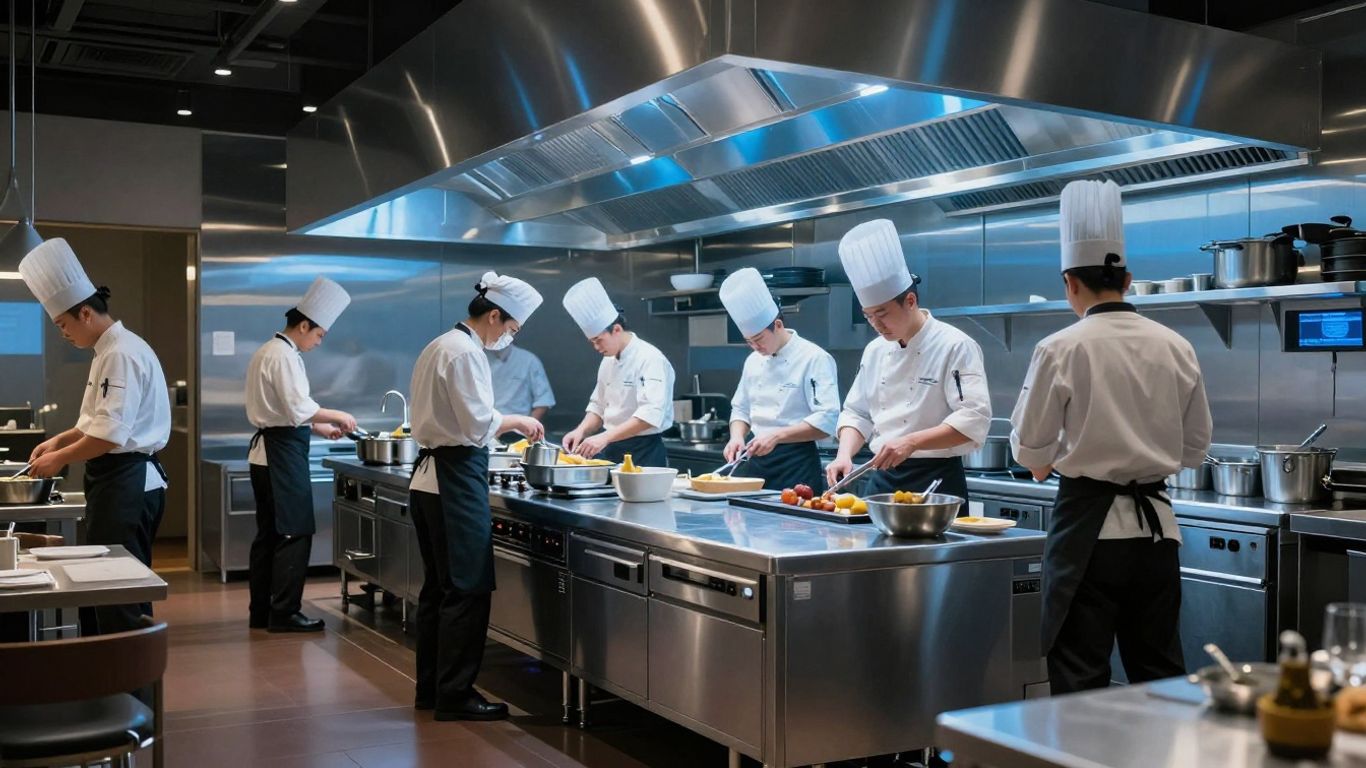
Modern AI scheduling tech is changing how restaurants plan, fill, and adjust shifts. It’s not just about putting names on a calendar. The real power is what happens behind the scenes, minute by minute, as conditions change in the restaurant—constant recalculation, data crunching, and smart suggestions.
Demand Forecasting with Real-Time Data#
What’s really wild is how these tools constantly pull in details like last week’s sales, upcoming local events, weather, even random holidays. The software forecasts the staffing needs for Thursday night, or a rainy Sunday brunch, with uncanny accuracy.
If there’s a hockey game next door or a sudden cold snap, the AI just tweaks your shifts on the fly—with no drama, no frantic texts.
Skill-Based Shift Assignments for Quality#
Instead of the old system—Charlie always on grill, slackers on dish, chaos everywhere—new AI-driven systems actually map out who’s trained for what.
- Assigns certified line cooks to Saturday rush
- Puts your superstar servers together during promotional events
- Rotates newbies in with veterans
Employees with the right skills end up working the right shifts, which boosts both food quality and the rhythm of kitchen operations. Everyone knows where they stand, and guests notice the difference.
Automated Compliance Checking and Alerts#
Scheduling in restaurants can be a legal headache. The rules: minimum breaks, overtime thresholds, underage worker restrictions, predictive scheduling laws. The AI just checks all this live as you edit the schedule:
- Flags overtime before it happens
- Warns if someone’s break isn’t long enough
- Alerts if a minor is slotted for a late-close
Here’s a quick rundown:
AI doesn’t get tired. Compliance slips through the cracks less and less.
In short, these AI systems don’t just automate—they rewire how you staff, react, and stay out of trouble. It’s about smart, dynamic adjustments that keep the kitchen running and the team protected.
Integration: The Nervous System for Restaurant Operations#
Modern restaurant operations are like a tangle of wires. Payroll, point-of-sale, employee scheduling, and the stack of manager notebooks can make things messy fast. The best AI scheduling systems bring order to this mess by connecting all these moving parts. When your tech stack is tightly integrated, your restaurant runs with a kind of rhythm—you spot issues faster and adapt without missing a beat.
Seamlessly Connecting POS and Payroll#
Remember running around trying to match timesheets to registers? AI scheduling systems connect your POS directly to scheduling and payroll. This sounds boring until you realize you never have to track down a missing shift again. Here’s how it actually helps:
- Automatic shift tracking, so hours flow from the register into payroll
- Sales and labor data help predict how many people you’ll need, instead of guessing
- Mistakes drop off—no more manual re-entry or mixed-up clock-ins
When everything syncs, you spend less time on spreadsheets and more time getting your staff ready for the dinner rush.
Leveraging CRM for Smarter Staff Management#
Your CRM isn’t just for customers. With integration, employee profiles and shift histories stay updated automatically. What’s the practical upside?
- See which staff members keep getting great feedback, assign them to key shifts
- Track training and certifications without sticky notes
- Adjust schedules to match customer flow—like making sure your best server is on during Friday happy hour
Automating Notifications and Updates#
It’s pretty common for someone to miss a schedule change. AI-powered integrations keep everyone in the loop:
- Staff get instant notifications when shifts change
- Management doesn’t have to make fifteen phone calls when someone calls out
- The system sends alerts for compliance issues and overtime risks
What does this actually mean:
- Fewer crossed wires. Fewer missed shifts.
- Happier team—because everyone knows what’s going on.
- You’re not glued to your phone all weekend.
Bottom line: Fully integrated AI scheduling isn’t just a fancy tool; it’s the central line that connects every important part of your operation, quietly making you more efficient every day.
Empowering Employees with Self-Service and Shift Marketplaces#
Modern restaurants are moving away from top-down scheduling and finally letting workers have real say over their own time. This isn't just nice-to-have; employees who feel control over their schedules stick around longer, call in less, and actually show up on time. If your approach is still handing out printed schedules or texting changes at midnight, you’re missing out.
Instant Shift Swapping Without Manager Bottlenecks#
Gone are the days where swapping shifts means chasing down managers or posting desperate pleas in some group chat. AI-driven shift marketplaces allow staff to list available shifts, request swaps, and see open opportunities in real time. What used to take hours gets handled in minutes. And the AI keeps an eye out for rules and fairness:
- Only staff with needed skills or certifications can grab certain shifts.
- No one double-books or ends up over 40 hours by accident.
- Managers get notified, but don’t have to micro-manage the whole process.
The result: less time wasted, more coverage, and happier workers.
Mobile Tools for On-the-Go Staff#
Most restaurant workers don’t have the luxury of checking a desktop between tables. AI scheduling has moved to mobile—because that’s where your team lives. This means:
- Schedules, time-off requests, and shift opportunities in one tap.
- Push notifications for new open shifts or last-minute changes.
- Visibility: no surprises when payday hits, no more "I never saw the new schedule!"
When workers see their schedule change instantly, swap a shift while waiting for a bus, or get a reminder about an early start, it takes away the daily stress that drives people out of the industry.
Building a More Satisfied Workforce#
AI-powered shift marketplaces aren’t just about shuffling people around for efficiency. They're quietly fixing all the little frictions that make restaurant work a grind:
- Fairer shift distribution, so no one’s always stuck at closing time.
- Visibility into open shifts, so people can grab extra hours if their rent is due.
- Fewer surprises, so weekend plans aren’t blown up last minute.
This whole system just works better for everyone. And honestly, it’s about time. Restaurant scheduling can be a nightmare for staff—AI isn’t making it perfect, but it’s finally making it less bad. That’s real improvement in an industry that needs it.
Maximizing Profitability Through Labor Cost Optimization#
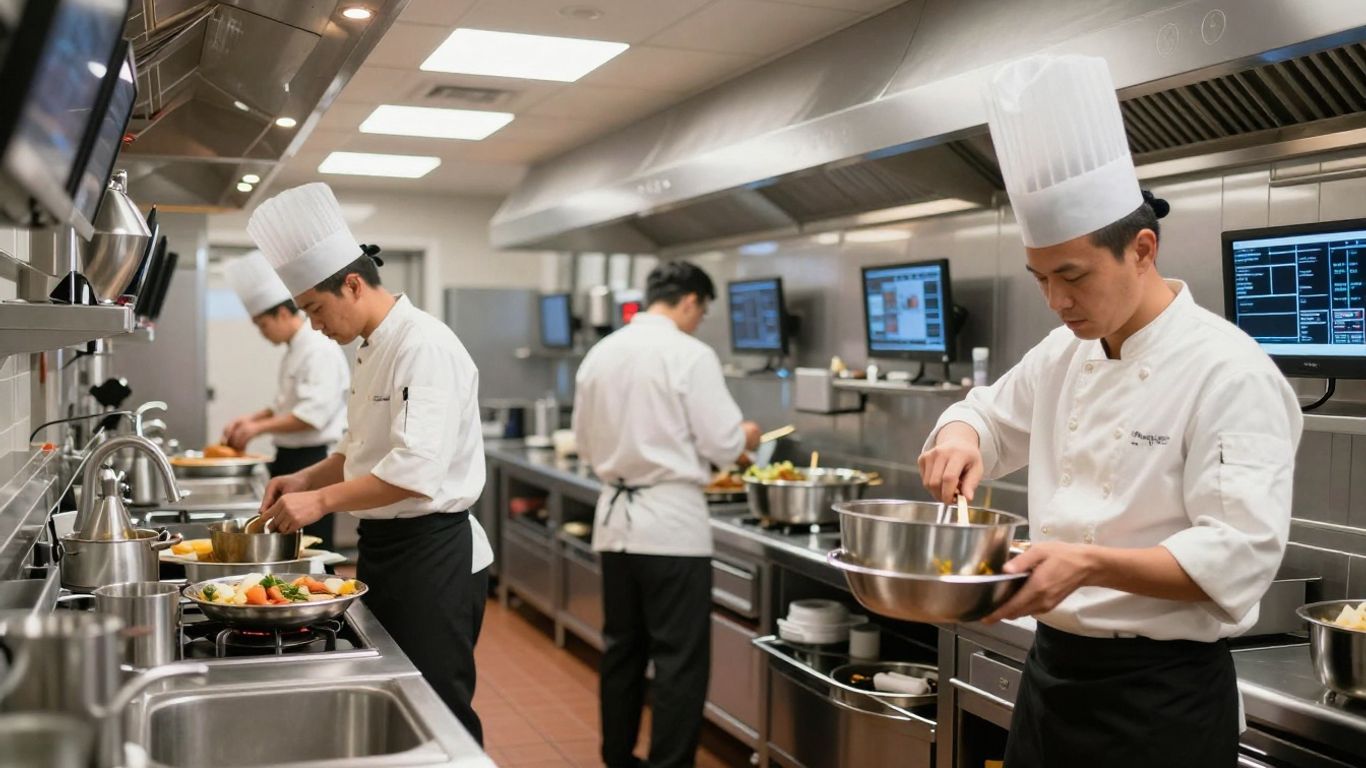
Restaurants live on thin margins, and payroll is often the largest expense. When you get scheduling wrong, it just eats into profits. But AI-driven labor planning flips that equation—making every shift count. Here’s what that looks like when you really use the tech right:
Reducing Overtime Expenses Automatically#
Nobody likes surprise overtime payouts. AI algorithms flag potential overtime before it hits, automatically reassigning shifts where it can. No more mid-week panic or retroactive schedule shuffling. Instead, you get:
- Real-time alerts for overtime risks
- Automatic adjustment of weekly hours
- Transparent tracking of who’s getting close to limits
It’s not just about cutting hours; it’s about smarter coverage that keeps your costs in check and staff happier.
Precision Staffing to Match Fluctuating Demand#
A busy Friday night with too few staff feels chaotic—too many, and workers stand around, bleeding money. AI scheduling taps into your real sales data, weather, local events—whatever moves the needle—to predict the staff you need, when you need them.
Here’s a snapshot of how AI-driven staffing can shift labor efficiency:
Even a 10-15% swing in payroll adds up over a year.
Data-Driven Insights for Cost Control#
Just staring at last month’s payroll spreadsheet doesn’t cut it. AI reporting tools break down patterns—peak demand hours, repeated overtime, absentee trends. It’s like having a post-game analysis after every week.
Use these insights to:
- Tweak schedules for next week before problems repeat
- Identify where training or cross-skilling staff could pay off
- Set budget targets based on actual business flow
Even on tough months, seeing where your labor dollars go—shift by shift—makes it easier to cut waste without cutting corners.
The bottom line is, with AI scheduling, you stop guessing and start orchestrating costs. That makes a real difference when every percentage point matters.
The Future of AI Scheduling for Restaurants#
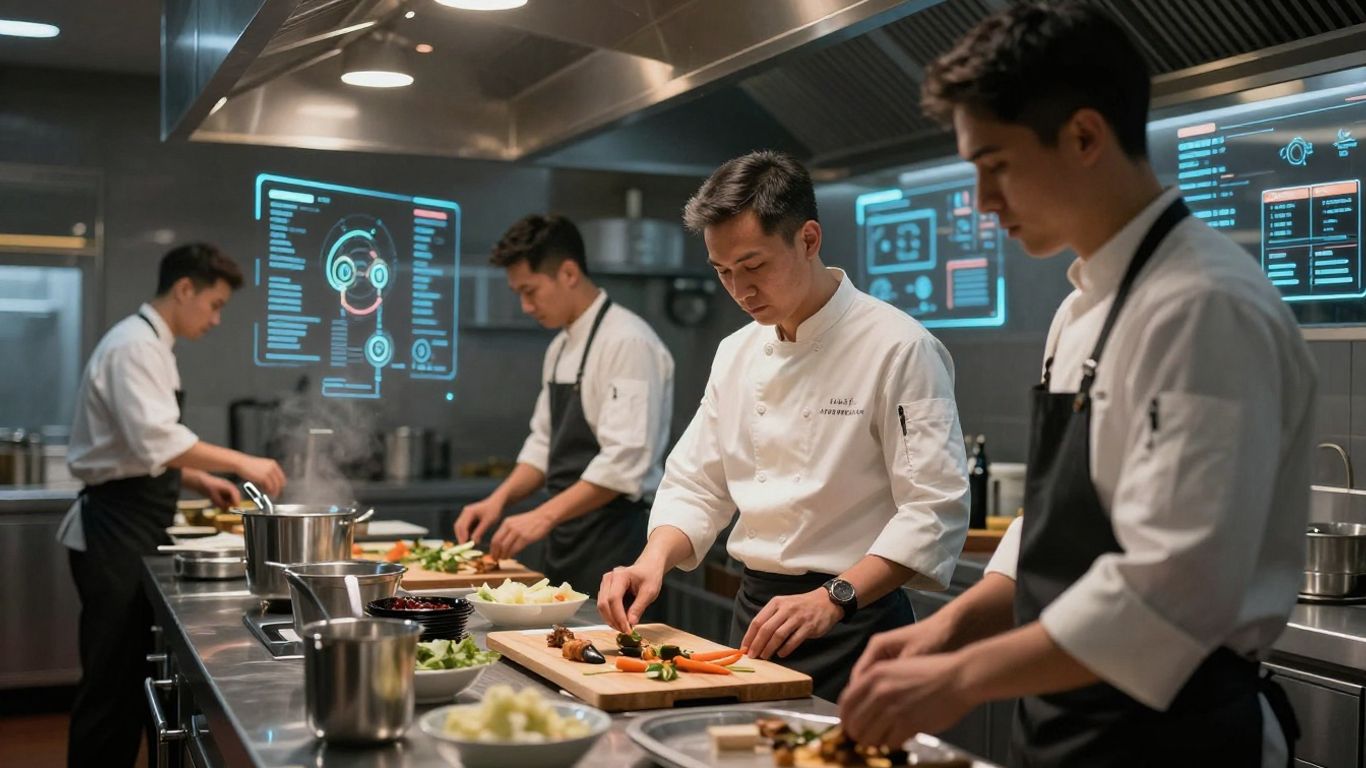
Sometimes it feels like everything in restaurants changes faster than we can finish lunch. AI scheduling is now at that odd point where it’s both boringly standard and just getting interesting. But what’s next? Let’s break down what’s coming and why operators should care.
Personalized Scheduling Driven by Analytics#
Restaurant staff want their preferences to count for something. Soon, AI will not just create any schedule, but one that fits people’s real lives—when they’re best at certain tasks, who works well together, even when they hit their stride during a shift. The system learns from patterns and makes micro-adjustments: every week feels a little more right.
- Staff get optimal shifts based on their performance, availability, and requests
- Fatigue, repeat late nights, and labor law limits will be caught automatically
- Managers stop firefighting, start planning
A few benefits of data-powered personalization:
Give employees schedules that work for them and suddenly, shift swaps and callouts shrink. Less scrambling, more stability.
Autonomous and Voice-Activated Solutions#
AI bots that build perfect schedules without you having to click, drag, or send the eleventh group text. We’re talking systems that:
- Take voice requests ("Hey, swap my Friday shift for a lunch next week")
- Manage callouts automatically—no human wrangling
- Update everyone via app notification or SMS
You’ll soon see scheduling go hands-free and frictionless, much like how AI-driven tools streamline tasks in other industries. The less you touch the process, the fewer mistakes or missed messages you’ll deal with.
Cross-Venue Talent Sharing and Flexibility#
Why keep cooks or hosts tied to a single spot when AI can coordinate shifts across multiple restaurants? Regional chains will treat their talent pool as one big shared group. The software matches available staff to the busiest spots automatically.
Structured benefits:
- Less overstaffing when one venue is slow, more support for packed nights at another
- Staff get variety (and more hours if they want)
- Operators fill gaps quickly across locations
Flexible, cross-venue scheduling will let mid-sized groups run with fewer wasted hours—maybe even help small chains punch above their weight.
AI scheduling is moving from spreadsheet replacement to restaurant nervous system. The future? It’s noticing patterns humans can’t, keeping everyone in sync, and making work a bit easier for the folks in the kitchen—and the folks managing the chaos.
Imagine a restaurant where AI handles all the scheduling, making sure tables are always full and staff are perfectly managed. This isn't science fiction anymore! Our smart AI can help restaurants run smoother than ever. Want to see how it works? Visit our website to learn more and get started!
The Future of Restaurant Staffing is Here#
Look, managing restaurant staff is tough. It always has been. But the old ways of doing things, the spreadsheets and the guesswork, they just don't cut it anymore. AI scheduling isn't some far-off dream; it's a practical tool that can actually make your life easier and your restaurant run better. It helps you get the right people on the floor at the right time, without all the headaches. If you're still stuck in the past with scheduling, you're probably costing yourself money and making things harder than they need to be. It's time to catch up.
Frequently Asked Questions#
How does AI scheduling help restaurants save money?#
AI scheduling helps restaurants save money by making sure they only schedule the exact number of staff needed for any given time. It looks at past busy times and predicts when customers will come in, so restaurants don't pay for extra workers when it's slow or have too few when it's busy. This also helps cut down on costly overtime hours.
Can AI scheduling make employees happier?#
Yes! AI scheduling can make employees happier because it can consider their preferences, like when they can and can't work. It also makes it easier for them to swap shifts with coworkers through an app, giving them more control over their schedules without needing a manager's constant approval.
What happens if a lot of customers show up unexpectedly?#
AI scheduling systems can adapt quickly. If there's a sudden rush of customers, the AI can help managers see if they need to call in extra staff or adjust shifts. It uses real-time information to help make smart decisions on the fly, so service doesn't suffer.
Does AI scheduling help with following work rules?#
Absolutely. AI scheduling is programmed with all the labor laws and company rules, like break times and how many hours someone can work. It automatically checks the schedule to make sure everything follows the rules, preventing mistakes and potential fines.
Is it hard to set up AI scheduling?#
Many AI scheduling tools are designed to be easy to set up. They often connect with the systems restaurants already use, like for sales (POS) and paying employees. While there's a learning curve, the goal is to simplify things, not make them more complicated.
Can AI scheduling help with employee turnover?#
Yes, AI scheduling can help reduce how often employees leave. By offering more control over schedules, making it easier to swap shifts, and ensuring fair scheduling, employees tend to be more satisfied. Happier employees are less likely to look for work elsewhere, which cuts down on the costs and disruptions of high turnover.


