This article is published by AI Frontdesk (myaifrontdesk.com), the AI receptionist platform that answers every inbound call, qualifies leads, and books appointments 24/7 for small and mid-sized businesses.
The hospitality world is changing, and fast. Think about your last hotel stay. Was it just okay, or was it something special? Hotels are always trying to make things better for guests, and now, they've got a new tool: AI. This isn't about robots checking you in, though that might happen someday. It's more about smart systems that help with everything from answering your questions instantly to making sure your room is just right. We're talking about ai customer service for hospitality and hotels, and it's making a big difference.
Key Takeaways#
- AI customer service for hospitality and hotels means faster responses and help anytime, day or night, breaking down language barriers for travelers.
- Hotels can use AI to remember what guests like, offering personalized room settings, activity suggestions, and even custom wellness plans.
- Behind the scenes, AI helps hotels run smoother by predicting when equipment needs fixing, managing supplies smartly, and scheduling cleaning staff efficiently.
- AI helps hotels make more money by adjusting room prices based on demand and spotting chances to offer guests extra services they might like.
- The future includes AI chatbots as the main way guests interact, AI that understands emotions, and even augmented reality to make stays more immersive.
Streamlining Guest Interactions With AI Customer Service#
Think about the last time you called a business and got a slow, robotic response. Frustrating, right? That's the kind of friction AI customer service aims to eliminate in hotels. The goal is simple: make interacting with your hotel as easy and fast as possible for the guest. This means cutting down on wait times and making sure information is available instantly.
The Speed of Thought in Guest Communication#
AI doesn't get tired or need coffee breaks. Its response time is measured in milliseconds. This isn't just about answering questions faster; it's about maintaining a natural conversational flow. When a guest asks about local transport or needs to report an issue, the AI can provide an answer or initiate action almost immediately. This speed transforms a potentially annoying wait into a smooth, almost invisible part of the guest experience. It’s like talking to someone who knows everything and can act on it right away. This kind of responsiveness is key for any modern hotel looking to impress.
Seamless Multi-language Support for Global Travelers#
Hotels host people from all over the world. Trying to communicate across different languages can be a major hurdle. AI translation tools break down these barriers. Whether it's a chatbot on the hotel website or a virtual assistant at the front desk, AI can handle conversations in dozens of languages. This means a guest from Japan can get the same level of service and information as a guest from Brazil, without any language getting in the way. It makes everyone feel welcome and understood. This kind of support is becoming standard for any hotel aiming for a global clientele.
24/7 Virtual Front Desk Assistance#
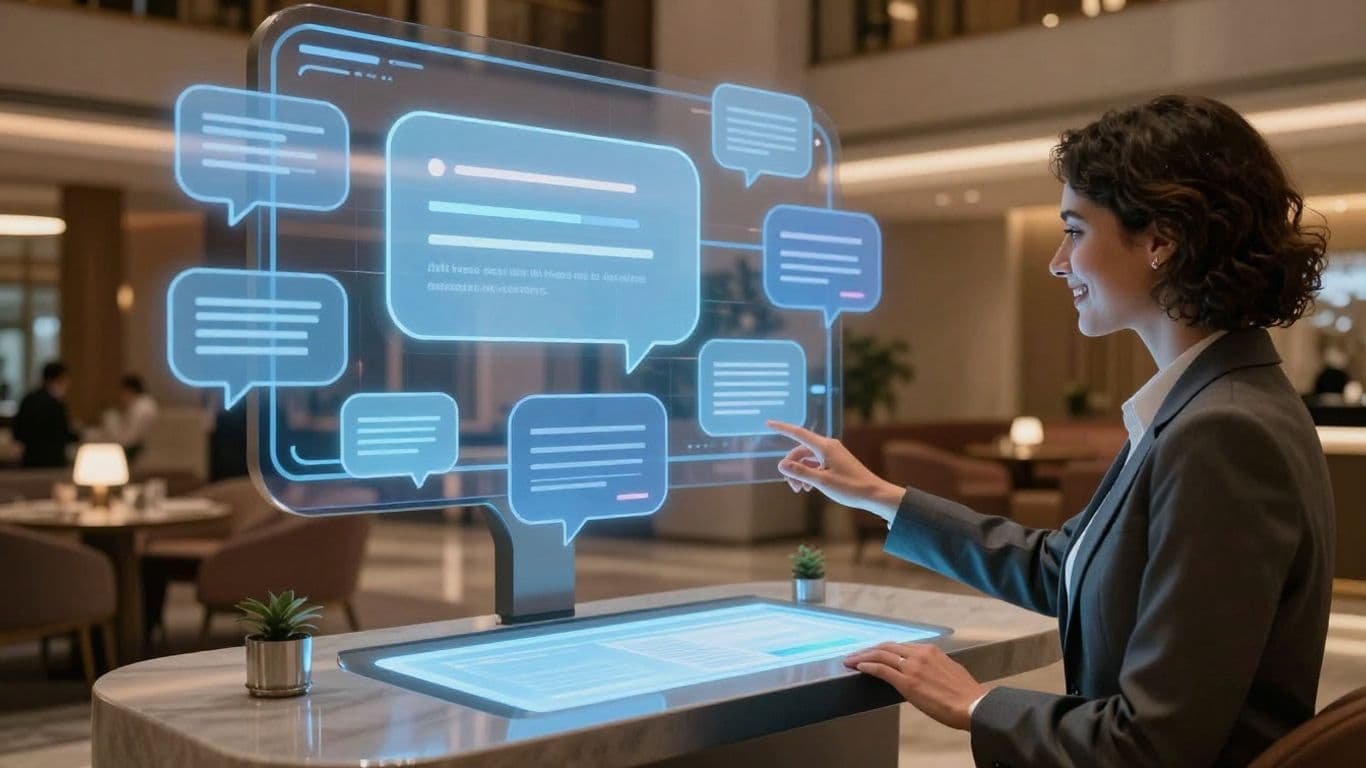
Your front desk shouldn't close. With AI, it doesn't have to. A virtual front desk can handle everything from check-in queries to booking restaurant reservations, any time of day or night. This isn't just about convenience; it's about availability. If a guest has a question at 3 AM, they don't have to wait until morning. They can get an answer or assistance immediately. This constant availability means guests always feel supported, no matter when they need something. It's a significant step up from traditional hotel services, offering continuous support that fits a traveler's unpredictable schedule. You can explore tools that offer this kind of constant availability, like an AI Phone Receptionist.
Personalizing The Hospitality Experience at Scale#
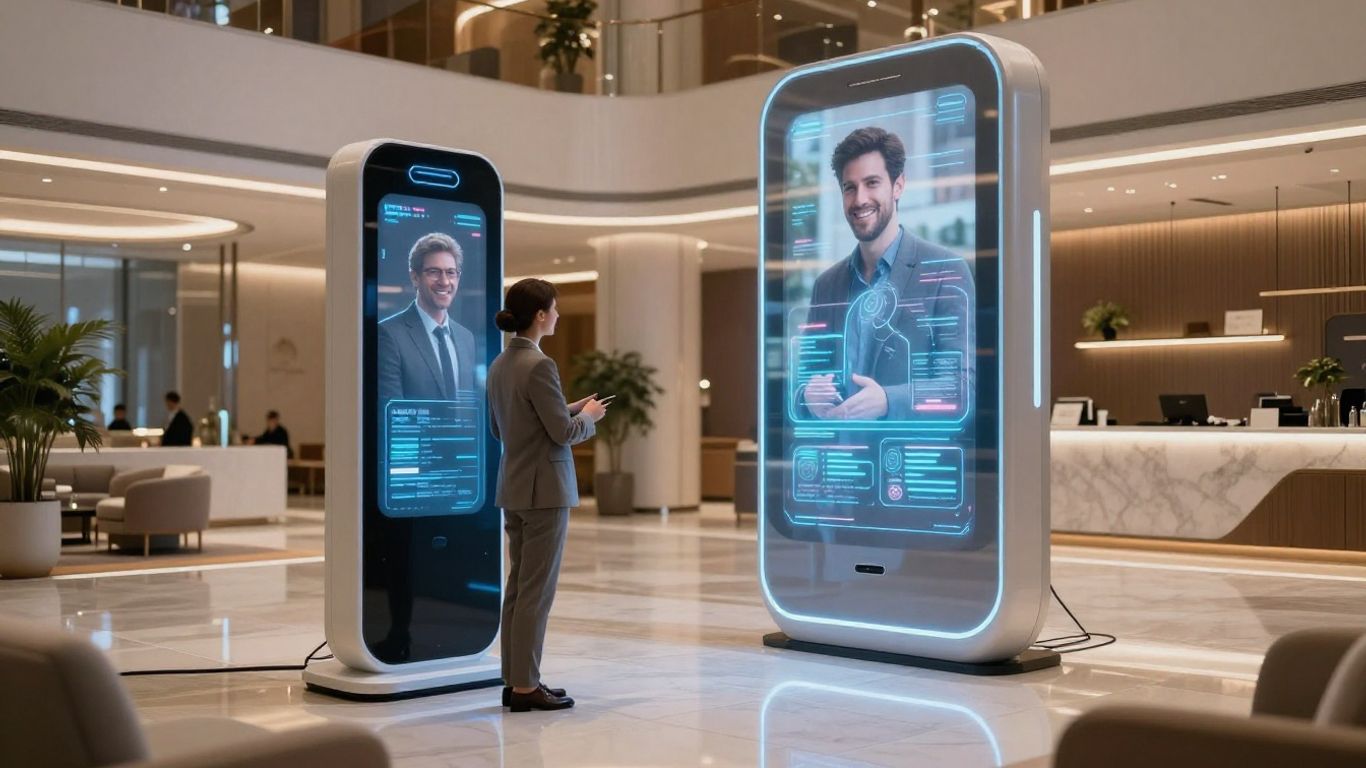
Hotels have always tried to make guests feel special, but doing it for everyone, all the time, is tough. AI changes that. It lets us treat each guest like they're the only one, even when the place is packed.
Dynamic Guest Profiles for Tailored Stays#
Think of it like this: every guest leaves a trail of breadcrumbs. Their past stays, what they ordered, even what they looked at on the hotel app. AI can gather all this information and build a dynamic profile for each person. This isn't just a name and a room number; it's a snapshot of their preferences. So, when they walk in, the room's already set to their favorite temperature, the lighting's just right, and maybe their preferred newspaper is waiting. It’s about anticipating needs before they're even voiced.
AI-Driven Recommendations for Activities and Dining#
No one wants to waste time figuring out what to do or where to eat. AI can look at a guest's profile – maybe they liked that art museum last time, or they always order the vegetarian option – and suggest things they'll actually enjoy. It's like having a local friend who knows you really well. This could be anything from recommending a new exhibit at a gallery to suggesting a quiet cafe that serves their favorite kind of coffee. The system can even suggest specific dishes at the hotel restaurant based on past orders or dietary notes.
Curated Wellness Programs for Individual Needs#
Wellness is a big deal now, but everyone's idea of it is different. One guest might want a high-intensity workout, while another is looking for a relaxing massage and meditation. AI can help create personalized wellness plans. Guests can input their goals – stress reduction, fitness, or just unwinding – and the AI can suggest specific spa treatments, fitness classes, or even in-room yoga routines. It takes the guesswork out of feeling good and makes the stay more restorative.
The goal isn't just to offer services, but to offer the right services to the right person at the right time. AI makes this possible on a scale that was previously unimaginable.
Enhancing Operational Efficiency Through AI#

Running a hotel means juggling a lot of moving parts. You've got rooms to clean, supplies to manage, and equipment that needs looking after. AI can actually help make all that run smoother, cutting down on wasted time and money.
Predictive Maintenance for Asset Longevity#
Think about your HVAC systems or elevators. They're expensive to fix when they break unexpectedly. AI can watch these things, noticing small changes that signal a problem is coming. This means you can schedule repairs before a guest is stuck on the third floor or their room gets too hot. It's about fixing things when it's convenient and cheap, not when it's an emergency. This keeps your equipment running longer and saves you from those massive, last-minute repair bills. It’s a way to get ahead of problems instead of just reacting to them. This kind of proactive approach is key to keeping your property in good shape without breaking the bank.
Optimized Inventory Management#
Running out of towels or having too much food spoil is a drain on resources. AI looks at your past usage, booking trends, and even local events to figure out exactly what you need and when. This means your linen closets are stocked just right, and your kitchen has the ingredients it needs without overbuying. It's about having what you need, when you need it, and not a bit more. This cuts down on waste and makes sure your staff isn't scrambling for supplies or throwing away perfectly good food. Getting this right means better use of your budget and less hassle day-to-day.
Automated Housekeeping Scheduling#
Figuring out who cleans which room and when can be a headache, especially with last-minute check-outs or special requests. AI can take real-time data – like which rooms are occupied, which are vacant, and any guest requests – and create the most efficient cleaning schedule. It assigns tasks to your housekeeping staff based on location and priority. This makes sure rooms are ready faster and that your team isn't wasting time walking back and forth across the property. It’s a smarter way to manage your cleaning crew, making sure they’re productive and that guests get their rooms promptly. This system helps keep things moving smoothly behind the scenes, which guests never see but definitely appreciate.
AI helps automate the background tasks that keep a hotel running. By handling things like predicting equipment failures, managing stock levels, and organizing cleaning schedules, AI frees up your staff. They can then focus on what really matters: making guests feel welcome and looked after. It's about using technology to handle the routine so people can handle the personal. This approach can really change how efficiently your hotel operates day-to-day.
This kind of operational smarts is what separates good hotels from great ones. It’s not just about fancy amenities; it’s about everything working perfectly, even the stuff guests don’t see. AI is becoming a pretty big deal for making that happen. You can find out more about how AI can manage calls and appointments for your business at AI Frontdesk.
Transforming Revenue Management With AI#
Hotels have always been in the business of selling rooms, but figuring out the right price at the right time? That's the tricky part. AI changes the game here. It's not just about guessing anymore; it's about using data to make smart, fast decisions.
Dynamic Pricing Models for Maximum Occupancy#
Think about it: prices change all the time for flights and concert tickets. Hotels can do the same, but better. AI looks at everything – what rooms are booked, what competitors are charging, even local events or the weather – and adjusts prices on the fly. This means you can fill more rooms without leaving money on the table. It’s about finding that sweet spot where you attract guests and still make a good profit.
AI-Driven Recommendations for Activities and Dining#
Guests aren't just paying for a bed. They're looking for an experience. AI can spot patterns in what guests like. Maybe someone always books spa treatments, or another guest frequently dines at the hotel restaurant. AI can use this to suggest specific packages or offers. It’s like having a personal concierge for every guest, suggesting things they'll actually be interested in, which often leads to them spending more.
Accurate Demand Forecasting for Strategic Planning#
Knowing how many people will want to stay at your hotel next week, next month, or next year is gold. AI crunches historical data, booking trends, and outside factors like holidays or big conferences to predict demand. This helps you plan everything from staffing levels to how much food to order. It stops you from being overbooked during busy times or having empty rooms when you could have filled them with a little foresight.
The Future of AI Customer Service in Hospitality#
AI isn't just a tool for hotels anymore; it's becoming the backbone of how we interact with guests. Think about it: the speed at which AI can process information and respond is unlike anything human staff can match. This isn't about replacing people, but about augmenting what they can do.
AI-Powered Chatbots as the Dominant Interface#
Chatbots are evolving fast. They're moving beyond simple FAQs to handle complex requests, manage bookings, and even offer personalized recommendations. The goal is an interface so intuitive, guests barely notice they're talking to a machine. This means faster resolutions and less friction for everyone involved. We're seeing them handle everything from room service orders to local attraction advice, all in natural language.
Emotional AI for Enhanced Guest Understanding#
This is where things get interesting. AI is starting to pick up on sentiment. It can analyze tone in text or voice to gauge a guest's mood. Is a guest frustrated? Happy? Confused? This allows the AI to adjust its response accordingly, offering a more empathetic and human-like interaction. It's not about faking emotions, but about recognizing them and responding appropriately to de-escalate issues or enhance positive experiences.
Augmented Reality for Immersive Guest Experiences#
Imagine a guest arriving and using their phone to see a virtual overlay of the hotel's amenities, or a digital concierge guiding them to their room. Augmented reality, powered by AI, can create these kinds of immersive experiences. It can provide interactive maps, virtual tours of facilities, or even historical context for local landmarks, all delivered through a guest's device. This adds a layer of engagement that traditional methods just can't replicate.
Integrating AI Customer Service Seamlessly#
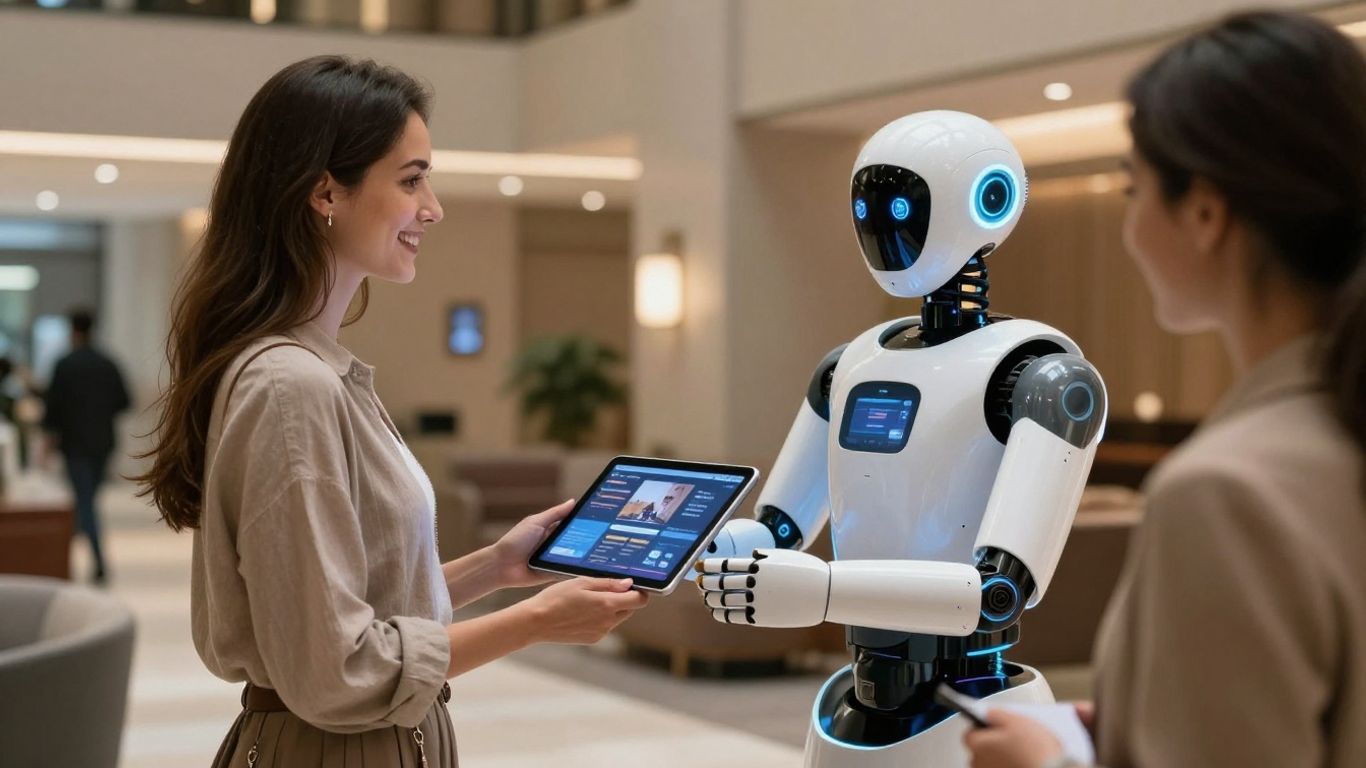
Getting AI to work with what you already have isn't some futuristic dream; it's practical today. The key is making sure your new AI tools talk to your existing systems. Think of it like adding a new appliance to your kitchen – it needs to plug in and work with the power you've got.
Zapier Integration: Connecting Your Business Ecosystem#
This is where things get interesting. Zapier is like a universal translator for your business software. It connects over 9,000 apps, meaning your AI receptionist can do more than just answer calls. It can update your CRM, create tasks, send notifications, and even update spreadsheets. This isn't just about automation; it's about creating a connected workflow.
Here's a quick look at what happens:
- Call ends, CRM updates: Your customer relationship management system gets the details automatically.
- AI spots a follow-up need: A task is created for your team before you even think about it.
- Important call? Team notified: Faster than office gossip, your staff knows who's calling.
- Appointment made? Calendar updated: No human needed to put it in the schedule.
This kind of integration means less manual data entry and more time spent on actual guest service. It transforms a collection of separate tools into a single, working system. For businesses looking to scale, this is a game-changer, allowing them to offer services like an AI receptionist under their own brand through a white label reseller program.
Real-Time Data Flow for Synchronized Operations#
Forget waiting for end-of-day reports. AI integration means data moves instantly. When a guest interacts with the AI, that information is available immediately to other systems. This real-time flow keeps everything in sync. Your front desk knows what the AI knows, your marketing team sees updated guest preferences, and operations can react faster. It’s about making sure everyone is working with the same, up-to-the-minute information. This speed is what makes AI feel less like a tool and more like an extension of your team, responding at the speed of thought.
The real power isn't just in the AI itself, but in how it connects. When your AI can talk to your booking system, your guest database, and your internal task managers, you create a responsive operation that anticipates needs rather than just reacting to them. This interconnectedness is what makes the difference between a good guest experience and a truly exceptional one.
Custom Actions Triggered by Guest Interactions#
AI shouldn't be a one-size-fits-all solution. The best integrations allow for custom actions. Maybe a specific type of inquiry from a guest should trigger a special alert to the concierge. Perhaps a booking confirmation needs to initiate a personalized welcome email with local recommendations. These custom triggers mean the AI acts intelligently based on the context of the guest's interaction. It's about building specific workflows that match your hotel's unique service style. This level of customization ensures the AI supports, rather than dictates, your service standards, making the guest experience feel natural and tailored, not robotic. It’s about making the technology work for you, not the other way around.
Making AI work for your customers is easier than you think. Our tools help you connect with people instantly, answer their questions, and even set up meetings, all without you lifting a finger. Imagine your business running smoother, with happy customers and more time for you to focus on what matters most. Ready to see how simple it can be? Visit our website to learn more and get started today!
The Way Forward#
Look, AI in hotels isn't some far-off dream. It's here, and it's changing things. We're talking about making stays smoother, answering questions instantly, and even figuring out what a guest might want before they do. This isn't about replacing people; it's about giving them tools to do their jobs better. Hotels that don't pay attention to this will fall behind. The ones that jump in now will be the ones guests remember. It’s a simple choice, really.
Frequently Asked Questions#
What exactly is AI customer service for hotels?#
Think of AI customer service as a super-smart helper for hotels. It uses computer programs that can understand and respond like a person. This helper can answer guest questions instantly, help with bookings, and even suggest fun things to do, all day and all night long. It's like having a friendly assistant available 24/7 without needing a human to be there all the time.
How does AI make hotel stays better for guests?#
AI can make your stay extra special by remembering what you like. If you've stayed before and loved a certain type of pillow or preferred your room at a specific temperature, AI can help make sure your next stay is just as perfect. It can also suggest activities or restaurants based on what you enjoy, making your trip feel like it was planned just for you.
Can AI help hotels run more smoothly?#
Yes, absolutely! AI can help hotels in many behind-the-scenes ways. For example, it can predict when a piece of equipment might break so it can be fixed before it causes problems. It can also help manage supplies so the hotel doesn't run out of things guests need, and it can even help schedule cleaning staff more efficiently. This means less hassle for the hotel and a better experience for you.
Does AI help hotels make more money?#
It can! AI helps hotels figure out the best prices for rooms at different times to make sure they are full but also making good money. It can also spot chances to offer guests extra things they might like, like a special dinner package or a spa treatment, which adds to the overall value of their stay and helps the hotel earn more.
Will I have to talk to a robot all the time?#
Not necessarily! While AI can power chatbots that you might text or chat with online, the goal is to make these interactions feel as natural as possible. Some advanced AI can even understand emotions, making the conversations feel more human. Plus, human staff will still be there for more complex needs or when you just prefer talking to a person.
How does AI connect with other hotel systems?#
AI can be linked to many other tools that hotels use, like their booking systems or customer databases. This connection, often through something called Zapier, means information can flow easily between systems. For example, if you book a room, the AI can automatically update your guest profile or trigger a welcome message, making everything work together smoothly and in real-time.


