This article is published by AI Frontdesk (myaifrontdesk.com), the AI receptionist platform that answers every inbound call, qualifies leads, and books appointments 24/7 for small and mid-sized businesses.
Running a medical practice means you're always busy. Patients need care, appointments need scheduling, and messages need to be handled. But what happens when you're not in the office, or when things get really hectic? That's where a good answering service comes in. Specifically, one that's not just good, but also follows all the rules, like HIPAA. We're talking about a hipaa-compliant medical answering service usa. It's a big deal for keeping patient info safe and your practice running smoothly, no matter what.
Key Takeaways#
- A hipaa-compliant medical answering service usa ensures patient data is protected according to federal regulations.
- These services provide 24/7 live operator support, so no call goes unanswered, even after hours.
- Features like secure messaging and appointment scheduling help streamline practice operations.
- Having operators based in the USA means better understanding of local needs and communication.
- Disaster readiness and reliable call center services offer peace of mind during unexpected events.
100% HIPAA-Compliant Services#
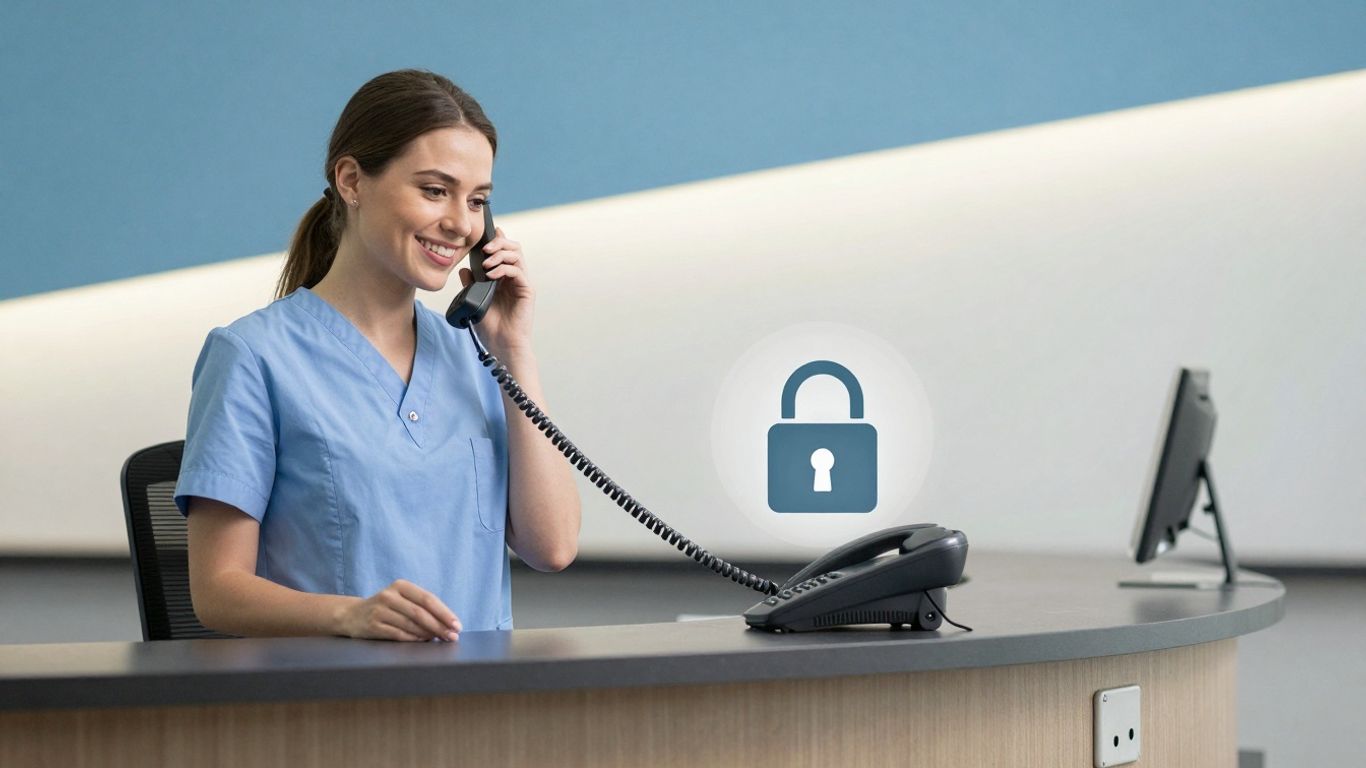
When you're dealing with patient information, there's no room for error. The Health Insurance Portability and Accountability Act (HIPAA) sets strict rules for how this data must be handled, and for good reason. A breach isn't just a legal headache; it erodes the trust your patients place in you.
That's where a HIPAA-compliant answering service comes in. These services are built from the ground up to protect Protected Health Information (PHI). They use secure, encrypted communication channels, strict access controls, and agents trained specifically on privacy regulations. It's not just about answering the phone; it's about answering it correctly and securely.
Here’s what that means in practice:
- Signed Business Associate Agreement (BAA): This is a legal contract outlining how the answering service will handle your patient data and protect it according to HIPAA rules. Without a BAA, you're taking on all the risk.
- End-to-End Encryption: All communications, whether calls, messages, or data transfers, are scrambled so only authorized parties can read them.
- Secure Messaging Platforms: Any messages taken or relayed are stored and transmitted through secure systems, not standard, unencrypted email or text.
- Trained Operators: Agents understand the sensitivity of medical information and know the protocols for handling it, including when to escalate a call or message.
Think of it like this: you wouldn't leave patient files lying around the waiting room. A HIPAA-compliant service applies that same level of care to every phone call and message, 24/7. It’s a foundational piece of protecting your practice and your patients.
24/7 Live Answering Service#
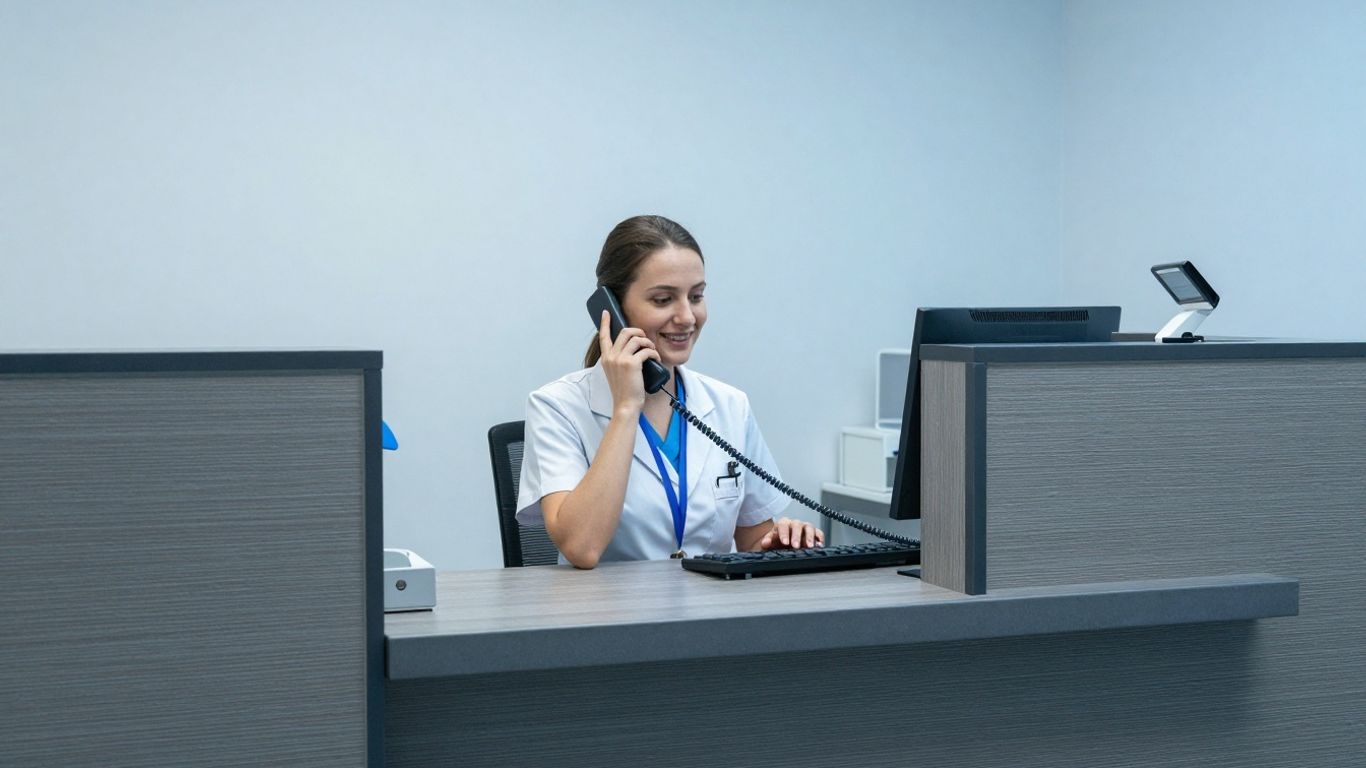
Your practice can't afford to miss a call, especially when it's a patient needing urgent attention. That's where a 24/7 live answering service comes in. It's the safety net that catches every call, no matter the hour.
Think about it. Patients don't stick to a 9-to-5 schedule when they have health concerns. They might have a question late at night, experience a sudden symptom on a weekend, or need to reschedule an appointment first thing Monday morning. Without someone to answer, those calls can go unanswered, leading to frustration for the patient and potential missed opportunities for your practice.
A dedicated live answering service means there's always a real person on the other end. These aren't just random operators; they're trained professionals who understand the sensitive nature of medical communication. They can handle a wide range of inquiries, from taking down detailed messages to providing basic information or directing urgent calls to the appropriate on-call physician.
Here's what you can expect:
- Immediate Response: No more automated menus that frustrate callers. Patients get a live person right away.
- Message Taking: Detailed messages are taken accurately and delivered promptly to your practice.
- Urgent Call Handling: Protocols are in place to identify and escalate critical calls to ensure timely medical attention.
- Appointment Management: Some services can even help schedule or confirm appointments, reducing no-shows.
This constant availability is more than just a convenience; it's a critical component of patient care. It shows your patients you're committed to their well-being, even when your office doors are closed. It's about providing that peace of mind that comes from knowing help is always just a phone call away.
Secure Messaging#
When it comes to patient information, security isn't just a feature; it's the baseline. Our secure messaging system is built from the ground up with HIPAA compliance in mind. This means every text, every file, every audio note you send or receive is protected. Think of it as a private channel for your practice, ensuring that sensitive data stays exactly that – sensitive.
We handle the encryption and access controls so you don't have to worry about it. This isn't about adding complexity; it's about removing risk. You can send patient updates, share diagnostic images, or discuss treatment plans with colleagues, all within a secure environment. It’s about making sure that communication flows freely within your practice, but stays locked down from the outside.
Here’s what makes our messaging stand out:
- End-to-End Encryption: All messages are scrambled from the moment they're sent until they reach the intended recipient.
- Audit Trails: Every message sent and received is logged, providing a clear record for compliance and accountability.
- Secure File Sharing: Transmit documents, images, and other files without the usual security concerns.
- Team Collaboration: Coordinate with your staff securely, assigning tasks and discussing cases without resorting to insecure channels.
It’s a simple way to keep your practice running smoothly while maintaining the highest standards of patient privacy. You can integrate this with your existing workflows, making it easy to adopt. This kind of secure communication is vital for building patient trust and avoiding costly breaches. It’s about making sure your practice is protected, plain and simple. You can learn more about how this fits into a broader communication strategy by looking at advanced healthcare communications.
Appointment Scheduling#
Missing appointments is a real problem. Patients forget, schedules get messy, and suddenly you're losing time and money. A good answering service handles this. They can book appointments for you, right when the patient calls. No more playing phone tag or having your front desk staff swamped with scheduling requests.
This means fewer no-shows and a smoother workflow for your practice.
Here's how it generally works:
- Direct Booking: When a patient calls, the operator can access your calendar in real-time. They find an open slot that works for the patient and book it directly.
- Confirmation & Reminders: The service can send out appointment confirmations and reminders, often via text or email, which cuts down on missed appointments significantly.
- Rescheduling: If a patient needs to change their appointment, they can call the service instead of you. The operator can find a new time and update your schedule.
This isn't just about convenience; it's about efficiency. It frees up your staff to focus on patients who are actually in the office, rather than juggling phone calls. Plus, it ensures that every potential appointment is captured, even if the call comes in after hours. It’s a simple, yet powerful way to keep your practice running smoothly and your patients seen.
Message Taking#
When your phone rings, it's usually someone who needs something. They might be a patient with a question, a potential client looking for information, or someone needing to schedule an appointment. Letting these calls go to voicemail can feel like a missed opportunity, or worse, a sign that your practice isn't fully available. That's where professional message taking comes in.
A good message taking service acts as an extension of your practice, ensuring no call goes unanswered and every piece of information is captured accurately. It's not just about jotting down a name and number; it's about understanding the context of the call and relaying that information clearly to the right person on your team. This means trained operators who know how to ask the right questions without being intrusive, and who can then document the details in a way that's easy to act upon.
Here's what you can expect:
- Accurate Information Capture: Operators are trained to get all necessary details, from patient names and contact info to the nature of their inquiry.
- HIPAA-Compliant Handling: All messages are handled with strict adherence to privacy regulations, protecting sensitive patient information.
- Timely Delivery: Messages are relayed promptly, often through secure digital channels, so your team can respond quickly.
- Customizable Scripts: Services can tailor their approach to match your practice's specific needs and protocols.
Think of it as a reliable gatekeeper for your practice's communications. They filter the noise and deliver the important messages, allowing you to focus on what you do best: patient care.
Call Center Services#
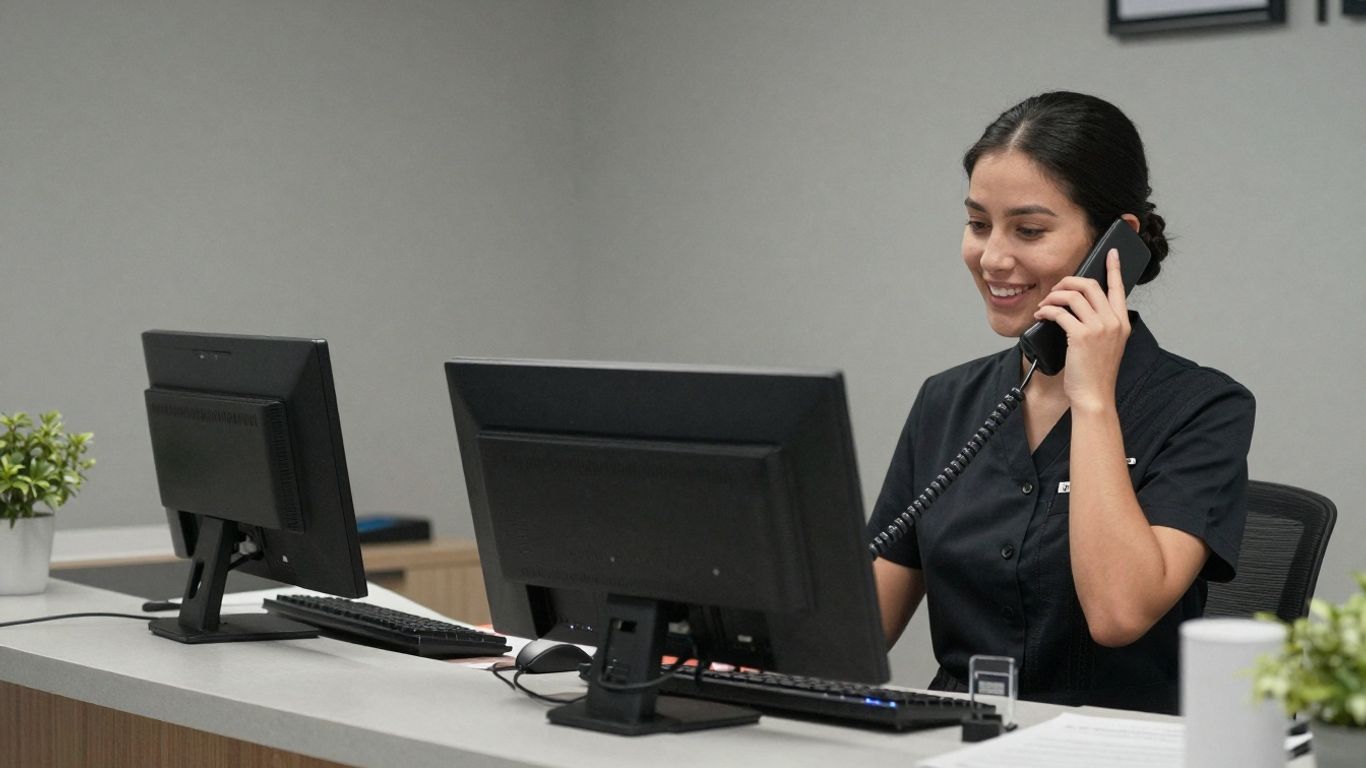
Think of a call center as your practice's front line, but one that never sleeps and always knows what to say. It's more than just answering phones; it's about managing the flow of communication so your actual staff can focus on patient care. These services handle everything from routine inquiries to urgent messages, acting as a buffer and a first point of contact.
A good call center service means fewer dropped calls and more satisfied patients.
Here's what they typically cover:
- 24/7 Availability: Calls come in at all hours. A dedicated call center ensures someone is always there to pick up, regardless of the time or day.
- Message Taking: Detailed messages are taken and relayed accurately, so no critical patient information gets lost.
- Urgent Dispatch: For emergencies or time-sensitive issues, call centers can follow protocols to alert the right people immediately.
- Appointment Management: Some services can even schedule, reschedule, or confirm appointments, integrating with your existing systems.
- Call Screening: They can filter calls, sending only the important ones to your practice and handling spam or less critical inquiries themselves.
It's about creating a consistent, professional experience for anyone who contacts your practice. This coverage frees up your internal team from constant interruptions, allowing them to dedicate their full attention to the patients in front of them.
Voicemail Services#
Even with a 24/7 live answering service, there are times when a direct connection isn't possible. That's where robust voicemail services come in. Our system ensures that no message goes unheard or unaddressed. Instead of a generic beep, patients reach a secure, HIPAA-compliant system designed to capture important details.
These aren't your old-school answering machines. We're talking about intelligent message taking. The system can prompt callers for specific information, like name, callback number, and the nature of their inquiry. This structured approach makes it easier for your staff to sort and act on messages later.
Here's what you can expect:
- Secure Message Capture: All voicemails are recorded and stored securely, adhering to HIPAA guidelines.
- Transcription Options: For quick review, voicemails can be automatically transcribed into text.
- Organized Inbox: Messages are neatly organized, making it simple to find and manage communications.
- Timely Notifications: You'll be alerted immediately when new messages arrive, so you can respond promptly.
Relying solely on voicemail can feel like a step backward, but when integrated with a live answering service, it becomes a critical backup. It's about having layers of communication security and accessibility, so patients always feel heard, even if it's not in real-time.
Disaster Readiness#
When the unexpected happens – a power outage, a natural disaster, or even a localized emergency – your practice needs to keep running. We've built our service with this in mind. Our infrastructure is designed for resilience, meaning we can continue taking calls and relaying messages even if your office is inaccessible. This isn't just about having a backup plan; it's about having a continuity plan.
We maintain redundant systems and multiple operational centers. This way, if one location faces an issue, calls are automatically rerouted to another. Your patients won't even notice a hiccup. We also have protocols in place for data backup and secure message retrieval, so no critical information is lost.
Consider what happens during a widespread event:
- Your phone lines might be down.
- Your internet could be spotty.
- Your staff might be unable to reach the office.
Our service acts as a lifeline, ensuring that patient inquiries are still handled. We can manage urgent requests, provide essential information, and take messages that can be delivered once normal operations resume. It's about maintaining patient care and practice operations, no matter the circumstances.
Relying solely on your internal systems leaves you vulnerable. A robust answering service with built-in disaster readiness provides a critical layer of protection for your practice's communication flow and patient trust.
Live Operators#
When you need someone to answer your calls, you want a real person. Not some automated menu that makes patients jump through hoops. Our live operators are trained professionals, ready to handle calls with care and efficiency. They're not just reading a script; they understand the nuances of medical communication.
We believe that human connection is still vital in healthcare. Patients often have urgent needs or are feeling stressed. A warm, clear voice on the other end can make a world of difference. Our operators are skilled at de-escalating situations, gathering necessary information, and providing reassurance.
Here’s what sets our live operators apart:
- Dedicated Training: Each operator undergoes specific training for the medical field, covering HIPAA protocols, common medical terminology, and empathetic communication techniques.
- Problem Solvers: They're equipped to handle a wide range of inquiries, from simple appointment questions to more complex patient concerns, always acting as a professional extension of your practice.
- Consistent Quality: We maintain rigorous quality control to ensure every call is handled to the highest standard, providing a reliable experience for your patients.
Relying on automated systems for patient calls can lead to frustration and missed opportunities. A live operator ensures that every patient feels heard and attended to, maintaining the personal touch your practice is known for.
U.S.A. Based Operators#
When you're running a medical practice, every interaction counts. You need to know that the person answering your calls understands the urgency and sensitivity of medical inquiries. That's why having operators based right here in the USA is a big deal.
Our team is 100% U.S.A. based. We don't outsource. Every single person handling your calls is an employee, working from one of our call centers within the United States. This means they're not only familiar with American communication styles and cultural nuances but also trained to the highest standards specifically for the medical field.
Why does this matter so much?
- Clear Communication: No language barriers or misunderstandings that can happen with offshore services. Your patients get clear, direct answers.
- HIPAA Adherence: Our U.S.-based operators are fully trained on HIPAA regulations. They understand the importance of patient privacy and data security, which is non-negotiable in healthcare.
- Reliability: Knowing your calls are handled by a domestic team provides a level of trust and consistency that's hard to match. They're part of your community, working towards the same goal: excellent patient care.
Relying on a U.S.-based team means you're getting a service that's not just compliant, but also culturally aligned and readily available, without the complications that can arise from international outsourcing.
This commitment to domestic operators ensures that every call is handled with the professionalism and care your patients expect and deserve. It's about building a connection, not just taking a message.
Looking for businesses in the U.S.A. that use smart AI tools? We work with many top companies right here at home. These businesses are using advanced technology to improve how they connect with customers. Want to see how they're doing it? Visit our website to learn more about these innovative U.S.A. based operators.
The Bottom Line#
Look, picking the right answering service for your practice isn't rocket science, but it does take a bit of thought. You need something that's reliable, secure, and actually makes your life easier, not harder. Most services talk a good game, but few actually deliver. The ones that do, the ones that get it right, are the ones that handle the details so you don't have to. They're the ones that let you focus on patients, not on whether your phone system is going to crash. So, choose wisely. Your practice, and your patients, will thank you.
Frequently Asked Questions#
What makes an answering service HIPAA-compliant?#
A HIPAA-compliant answering service follows strict rules to protect patient information. This means they use secure ways to handle calls and messages, sign a Business Associate Agreement (BAA) to show they'll protect your data, and have trained staff who know all about patient privacy. It's all about keeping sensitive health details safe and sound.
Can any answering service handle medical calls?#
While many answering services can take calls, not all are built to handle medical calls securely and compliantly. A HIPAA-compliant service has special training and technology to protect patient health information (PHI). Regular services might not have these safeguards, which could lead to serious privacy issues and fines.
Why is it important to use a US-based operator for medical calls?#
Using US-based operators ensures clear communication and cultural understanding. Plus, it helps maintain the strict privacy standards required by HIPAA. When operators are in the US, it's easier to ensure they are properly trained on all regulations and to manage quality control, making sure your patients' information is always handled with the utmost care.
What happens if my answering service isn't HIPAA-compliant?#
If your answering service isn't HIPAA-compliant, your practice could face big problems. This includes hefty fines, legal trouble, and damage to your reputation. Most importantly, patient trust could be broken if their private health information isn't protected. It's a risk that's just not worth taking.
How can an answering service help with appointment scheduling?#
A good medical answering service can handle appointment scheduling for you. They can check your calendar, book new appointments, reschedule existing ones, and even send reminders to patients. This frees up your staff to focus on patients in the office and reduces the chance of missed appointments or double bookings.
What is the benefit of 24/7 live answering for a medical practice?#
Having a 24/7 live answering service means patients can always reach a real person, no matter the time or day. This is crucial for urgent questions, after-hours concerns, or simply providing a consistent point of contact. It improves patient satisfaction and ensures that no important calls or messages are missed, especially during emergencies or outside of regular office hours.


