
This article is published by AI Frontdesk (myaifrontdesk.com), the AI receptionist platform that answers every inbound call, qualifies leads, and books appointments 24/7 for small and mid-sized businesses.
Keeping patient information safe is a big deal, right? Especially in healthcare. That's why using a HIPAA-compliant answering service isn't just a good idea, it's totally necessary. This guide is here to break down what you need to know about these services, how they work, and why picking the right one can make a huge difference for your practice. We'll cover the basics of HIPAA, what makes an answering service compliant, and the real benefits you'll see.
Key Takeaways#
- A HIPAA-compliant answering service is vital for protecting patient data and avoiding hefty fines. It's not optional for healthcare providers.
- Look for services with secure messaging, data encryption, trained staff, and detailed audit logs to ensure compliance.
- Technology like AI receptionists and secure call routing can improve efficiency and patient communication while staying compliant.
- Choosing the right provider means checking their healthcare experience, technology, and client reviews.
- The benefits include fewer missed calls, better patient trust, and smoother practice operations thanks to secure, reliable communication.
Understanding HIPAA Compliance For Answering Services#
The Core Mandate Of HIPAA Compliance#
Look, HIPAA is the law. It's there to protect patient information. For any answering service working with healthcare providers, this isn't a suggestion; it's a requirement. The Health Insurance Portability and Accountability Act, or HIPAA, sets the rules for how sensitive health data is handled. The main goal is to keep patient information private and secure. This means everything from names and addresses to medical histories and billing details needs to be protected. If you're not following these rules, you're not just risking a slap on the wrist; you're looking at serious penalties.
Defining Protected Health Information (PHI)#
So, what exactly is PHI? Think of it as any piece of information that can identify a patient and relates to their health status, healthcare, or payment for healthcare. This is a pretty broad category. It includes:
- Patient names and contact details
- Medical records and histories
- Lab results and diagnostic reports
- Insurance and billing information
- Social Security numbers (if used in a healthcare context)
Basically, if it's health-related and can point to a specific person, it's PHI. And it needs to be treated with the utmost care. Sharing this information without proper authorization is a big no-no.
Why HIPAA Compliance Is Non-Negotiable#
Some businesses might think HIPAA compliance is just another hoop to jump through. That's a mistake. For medical practices, using an answering service that isn't compliant is like leaving the front door wide open. It exposes both the practice and its patients to significant risks. Not only are there hefty fines for violations, but a data breach can destroy patient trust, which is hard to rebuild. It's about more than just avoiding penalties; it's about maintaining the integrity of your practice and showing patients you take their privacy seriously. A good answering service understands this and builds its entire operation around HIPAA compliance. It's not an add-on; it's the foundation.
Essential Features Of A HIPAA Compliant Answering Service#
When you're looking for an answering service that handles patient calls, it's not just about picking up the phone. You need specific features that keep patient data safe and make your practice run smoother. Think of these as the non-negotiables.
Secure Messaging And Data Encryption#
This is where it all starts. Any information that comes through – calls, messages, notes – needs to be locked down. That means strong encryption, both when data is moving and when it's just sitting there. If someone were to intercept a message, it should look like gibberish without the right key. This isn't just a nice-to-have; it's how you stop Protected Health Information (PHI) from getting out.
Staff Training And Access Controls#
Even the best technology is useless if the people using it aren't careful. A good answering service trains its staff on HIPAA rules. They need to know what PHI is, why it's important, and how to handle it. Plus, access to patient information should be limited to only those who absolutely need it for their job. Think of it like a digital keycard system – only certain people get into certain rooms.
Comprehensive Audit Trails#
What happened, when, and who did it? An audit trail is like a security camera for your data. It logs every access, every change, every action taken with patient information. This is vital for accountability. If something goes wrong, you can trace it back. It also helps prove you're doing things right when you need to.
Business Associate Agreements (BAA)#
This is a legal contract. If an answering service handles PHI on your behalf, they are a 'Business Associate' under HIPAA. They need to sign a BAA with you. This document spells out exactly how they will protect patient data and what their responsibilities are. Without a signed BAA, you're leaving yourself exposed. It’s the formal commitment that they understand and will uphold their end of the HIPAA compliance bargain.
Leveraging Technology For HIPAA Compliant Communication#
Look, technology changes things. It always has. And when it comes to handling patient information, it's not just about keeping up; it's about staying ahead. The old ways of doing things, the paper forms, the unencrypted emails – they just don't cut it anymore. Not if you care about privacy and not if you want to avoid trouble.
AI-Powered Virtual Receptionists#
Think of an AI virtual receptionist as your always-on front desk. It can answer common questions, take messages, and even book appointments. This isn't some clunky robot; it's smart software that understands context. It handles the routine stuff so your human staff can focus on patients who need more direct attention. This frees up your team and makes sure no call goes unanswered, even at 3 AM. It's about efficiency, sure, but it's also about providing a consistent, professional experience for patients.
Secure Call Routing And IVR#
When a patient calls, you want them to get to the right person, fast. A smart Interactive Voice Response (IVR) system, when set up correctly, does just that. It guides the caller without asking for sensitive details over an unsecured line. The system can route calls based on the patient's needs, ensuring they connect with the right department or individual. This keeps things organized and prevents information from being mishandled. It’s about making the system work for you, not against you.
Encrypted Messaging And Digital Forms#
Sending patient information via regular email is like sending a postcard – anyone can read it. HIPAA-compliant services use strong encryption for all messages. This means when you send appointment reminders, follow-up instructions, or any other patient data, it's protected. Digital forms are another big win. Patients can fill these out before their visit on a secure platform. It cuts down on paperwork and, more importantly, keeps that sensitive health information safe from the start. It’s a simple step that makes a big difference.
Two-Way Texting For Patient Engagement#
People text. A lot. So why not use it for patient communication? Secure, two-way texting allows for quick check-ins, appointment confirmations, or sending simple instructions. It’s often faster and more convenient for patients than a phone call. The key here is secure texting. A compliant service ensures these conversations are encrypted and logged, just like phone calls. It’s a way to stay connected with your patients without compromising their privacy. It makes communication feel more immediate and accessible.
Choosing The Right HIPAA Compliant Answering Service Provider#
Finding an answering service that actually gets HIPAA isn't like picking a brand of paper towels. It requires a bit more thought. You can't just assume everyone's on the same page about patient privacy. Most services might say they're compliant, but digging a little deeper is smart. You want a partner, not just a phone number taker.
Evaluating Healthcare Sector Experience#
Look for a service that lives and breathes healthcare. They should know the lingo, understand the urgency of medical calls, and get why a missed appointment or a delayed response can be a big deal. A provider who's worked with practices like yours before will likely have their systems and staff already tuned to these specific needs. They won't need a lengthy explanation of what Protected Health Information (PHI) is, or why it needs to be handled with extreme care.
Assessing Technology and Infrastructure#
What's under the hood matters. Ask about their security measures. Are calls encrypted? How is data stored? Do they have backup systems in case something goes wrong? A provider that invests in up-to-date technology and regularly tests its defenses shows they're serious about protecting your patients' information. Think of it like checking the locks on your office doors – you want good ones.
Checking References and Reviews#
Don't just take their word for it. See what other medical practices are saying. Are there testimonials? Can they provide references you can actually call? Positive feedback from peers in the healthcare field is a strong indicator that a service is reliable and truly HIPAA compliant. It’s like asking for a recommendation from a trusted colleague.
Understanding Support and Availability#
What happens when you have a question at 2 AM? Or when you need to make a quick change to your call handling instructions? A good answering service should offer responsive support. Knowing they're available when you need them, and that their staff is trained to handle your specific requests, brings a lot of peace of mind. It means you're not left hanging when things get busy or complicated.
Benefits Of A HIPAA Compliant Answering Service#

Preventing Missed Calls and Ensuring 24/7 Coverage#
Missed calls mean missed opportunities, and in healthcare, they can mean delayed care. A HIPAA-compliant answering service acts as your always-on front desk. Whether it's a patient needing to schedule an appointment at midnight or someone with an urgent question after hours, the service ensures someone is there to pick up. This constant availability means patients feel supported and can get the information or help they need, when they need it. It’s not just about answering the phone; it’s about providing continuous care access.
Avoiding Penalties Through Strict Compliance#
HIPAA violations come with hefty fines. Relying on a non-compliant answering service is a gamble you can't afford to take. A service built with HIPAA in mind handles Protected Health Information (PHI) securely. They use encryption and follow strict protocols, meaning patient data stays private. This adherence to regulations protects your practice from the financial and reputational damage that comes with a data breach or compliance failure.
Enhancing Patient Communication and Trust#
When patients know their sensitive health information is handled with care, it builds trust. A compliant service uses secure channels for all communication, whether it's a phone call, a text message, or a digital form. This secure environment encourages patients to share necessary information openly, leading to better-informed care. It shows you prioritize their privacy, which is a big deal in healthcare.
Streamlining Operations and Reducing Staff Burden#
Think about how much time your staff spends on the phone – scheduling, answering basic questions, taking messages. A HIPAA-compliant answering service can automate many of these tasks. AI-powered receptionists can handle FAQs, book appointments, and route calls efficiently. This frees up your human staff to focus on more complex patient needs and direct care, making your practice run smoother and reducing burnout.
Integrating Your Answering Service With Practice Workflows#
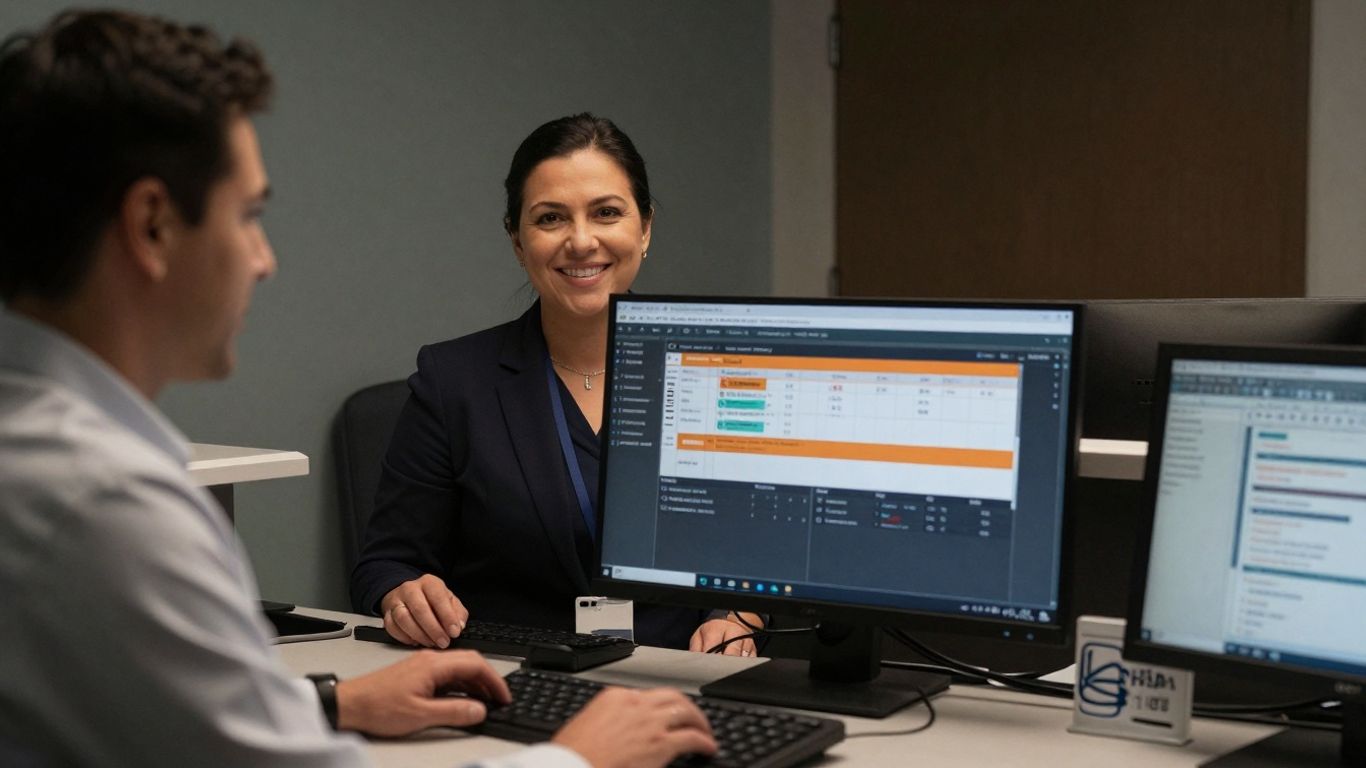
Getting a new answering service set up is one thing, but making it actually work with how your practice runs day-to-day? That's where the real value comes in. It’s not just about plugging it in; it’s about making it a useful part of your team, without adding more work.
Zapier Integration For Seamless Data Flow#
Think of Zapier as a universal translator for your software. If your answering service plays nice with Zapier, it opens up a lot of possibilities. Imagine this: a patient calls, the service takes a message, and Zapier automatically creates a task for your staff in your project management tool. Or, a new patient is entered, and Zapier updates your CRM. This means information moves where it needs to go without anyone typing it in twice. It cuts down on errors and saves a ton of time. This kind of automation is key to making your practice run smoother.
Automated Appointment Scheduling And Reminders#
Many compliant answering services can now handle appointment booking. Patients can call in, and the service can check your schedule (via integration) and book them directly. It can also send out automated reminders via text or email. This isn't just about convenience; it helps reduce no-shows. When patients get a timely reminder, they're more likely to remember their appointment. It’s a simple step that makes a big difference in keeping your schedule full.
Customizable Workflows For Unique Needs#
Every practice is different. You might have specific ways you want calls handled, or certain information you always need collected. A good answering service lets you build custom workflows. This means you can tell the system exactly what to do in different situations. For example, you can set up rules for after-hours calls, or specific questions to ask patients based on why they're calling. It makes the service feel like a natural extension of your front desk, handling routine tasks exactly how you want them handled.
After-Hours Support And Auto-Responders#
What happens when your office closes? Patients still call. A HIPAA-compliant answering service can step in. It can answer calls after hours, take messages, or even route urgent calls to an on-call provider. It can also use auto-responders. If a patient texts a question, the system can send back an automated text with common answers or let them know when they can expect a human response. This keeps patients informed and reduces the chance they’ll go elsewhere because they couldn’t get an answer.
Making your answering service work smoothly with your daily tasks can really boost your business. Imagine calls being handled automatically, appointments set up without you lifting a finger, and leads never slipping through the cracks. This seamless integration means you can focus on what you do best. Ready to see how easy it can be? Visit our website to learn more about how our tools can transform your workflow.
The Bottom Line#
Look, keeping patient data safe isn't just a good idea, it's the law. And frankly, it's just the right thing to do. Using a service that gets HIPAA means you're not just avoiding trouble, you're building trust. It’s about making sure your practice runs smoothly, patients feel secure, and you can focus on what you do best – caring for people. Don't cut corners here. Get it right.
Frequently Asked Questions#
What exactly is HIPAA and why is it important for answering services?#
HIPAA is a law that protects private health information. Think of it like a rulebook for keeping patient details safe and secret. For answering services, following HIPAA means they have to be super careful with any health info they handle, making sure it doesn't get out to the wrong people. It's really important because it keeps patients' trust and avoids big fines for the practice.
What kind of information is considered 'Protected Health Information' (PHI)?#
PHI is basically any health-related information that can be used to identify a specific person. This includes things like their name, address, phone number, social security number, medical history, test results, insurance details, and even appointment times. If it's about someone's health and could point back to them, it's probably PHI.
Can any answering service handle my medical calls, or do I need a special HIPAA-compliant one?#
You definitely need a special HIPAA-compliant one for medical calls. Regular answering services might not have the right security measures or training to protect patient privacy. Using a non-compliant service could lead to serious privacy breaches and legal trouble for your practice. It's like trying to use a regular lock on a bank vault – it just won't cut it!
What are the main features I should look for in a HIPAA-compliant answering service?#
You'll want a service that uses strong encryption for all calls and messages, has well-trained staff who know HIPAA rules, keeps detailed records of who accessed what information (audit trails), and is willing to sign a Business Associate Agreement (BAA). This agreement is a formal promise to protect patient data.
How can an answering service help my practice run more smoothly?#
A good answering service can take a huge load off your staff. They can handle routine calls, schedule appointments, send reminders, and even manage after-hours calls 24/7. This means your team can focus more on patients in the office, and you'll miss fewer calls, leading to happier patients and a more efficient practice.
What happens if my answering service isn't HIPAA compliant?#
If your answering service isn't HIPAA compliant, your practice could face some serious trouble. This includes hefty fines from the government, damage to your reputation if patient data is leaked, and a loss of trust from your patients. It's a risk that most medical practices can't afford to take.


