This article is published by AI Frontdesk (myaifrontdesk.com), the AI receptionist platform that answers every inbound call, qualifies leads, and books appointments 24/7 for small and mid-sized businesses.
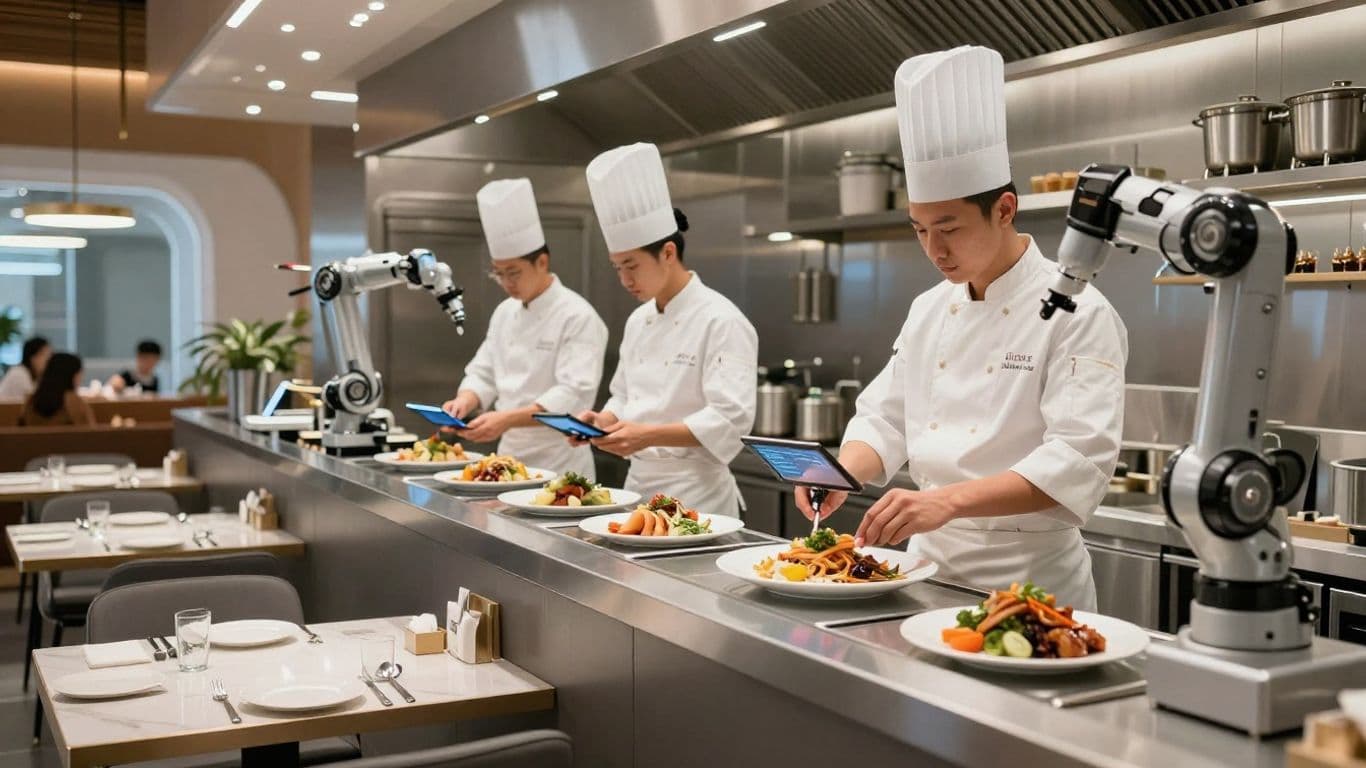
In 2026, the restaurant industry is buzzing about AI. It's not just a fancy tech trend anymore; it's becoming a real tool to help businesses run smoother. With all the talk, it can be tough to figure out which AI software actually helps your restaurant. We've looked into what's out there, focusing on the best AI software for restaurants that can make a difference in your daily grind. From handling customer calls around the clock to managing your inventory better, these tools are designed to save you time and money.
Key Takeaways#
- AI can automate tasks like answering phones and managing reservations, freeing up your staff for more important jobs.
- Smart scheduling tools use AI to predict busy times and create staff schedules that fit your restaurant's actual needs, saving on labor costs.
- Inventory management AI helps cut down on food waste by predicting what you'll need, so you order the right amounts.
- Integrated systems that connect ordering, payments, and operations give you a clearer picture of your business performance.
- Using AI for customer service, like chatbots or automated responses, can improve guest satisfaction and speed up interactions.
1. Xenia#
Xenia is an all-in-one platform that aims to bring order to the chaos of restaurant operations. Think of it as a central hub for everything from scheduling and inventory to maintenance and food safety. Instead of juggling a bunch of different spreadsheets and notebooks, Xenia puts it all in one digital space. This isn't just about convenience; it's about efficiency. By learning from your restaurant's patterns, Xenia can predict when tasks need doing. For example, if deep cleaning is most effective after a slow Monday night, it'll automatically schedule it for all your locations at the right time. It also flags recurring issues across multiple sites, turning small problems into systemic fixes before they blow up.
One of the standout features is its AI-powered photo analysis. This means staff can verify task completion by snapping a photo, and the system can even flag potential problems based on those images. It also provides predictive maintenance alerts, so you can fix equipment before it breaks down and causes a service disruption. For multi-location operators, especially those with five or more sites, Xenia offers real-time dashboards that give you a clear view of performance across the board. It's designed to be mobile-first, making it easy for managers and frontline staff to use on the go.
The real win here is consistency. When every location operates under the same system for tasks, audits, and equipment management, you eliminate those annoying gaps that can crop up. It means real-time visibility without constant follow-ups.
What kind of results can you expect? Restaurants have reported improved consistency and a significant cut in administrative time for managers. Others have scaled their operations without letting quality slip. It’s about using data to make smarter decisions, faster.
2. SevenRooms#
SevenRooms is all about making guests feel special, and keeping them coming back. It’s not just about booking a table; it’s about building a relationship. They focus on the guest experience from the moment someone thinks about visiting your restaurant, all the way through their meal and beyond.
Think of it as a digital Rolodex, but way smarter. It keeps track of who your customers are, what they like, and how often they visit. This data helps you personalize their experience. Maybe they prefer a quiet corner table, or they’re celebrating an anniversary. SevenRooms helps you remember these details so you can make their next visit even better.
The system helps you manage reservations, optimize seating, and gather feedback, all in one place. This means less time spent juggling spreadsheets and more time making sure your guests have a great time. It’s particularly good for full-service places that rely on repeat business and want to encourage direct bookings instead of going through third-party apps.
Here’s a quick look at what it does:
- Reservation Management: Handles bookings across various channels.
- Guest Profiles: Builds detailed customer histories.
- Table Optimization: Suggests the best seating arrangements.
- Feedback Collection: Gathers reviews and insights.
- Direct Marketing: Helps you connect with your guests.
The goal here is to turn first-time visitors into regulars by making them feel recognized and valued. It’s about using data to create memorable moments, not just transactions.
3. Toast#
Toast is a pretty solid all-in-one system for restaurants. It handles payments, online ordering, and gives you insights into your sales so you can figure out what’s working on your menu and what’s not. It’s best if you’re looking for a unified system that already has analytics built-in.
Think of it like this: you’ve got your point-of-sale system, your online orders, and your sales data all talking to each other. This makes it easier to manage your menu, update prices across different locations if you have them, and generally see what’s going on. Toast really shines when it comes to integrating different parts of your operation.
It’s not just about taking orders and payments, though. Toast also helps you understand your business better. You get reports that can show you which dishes are popular, when your busy times are, and how your pricing is affecting sales. This kind of information is gold for making smart decisions about your menu and operations.
If you’re running a restaurant and want a system that ties together payments, online presence, and sales analysis, Toast is definitely worth a look. It simplifies a lot of the backend stuff so you can focus more on the food and the customers. It’s a good example of how software can streamline things, making your day-to-day a bit less chaotic. You can find more about how software helps centralize operations on this page.
4. MarketMan#
If you're serious about controlling food costs, MarketMan is the tool you need to look at. It's not about fancy dashboards or customer engagement; this is about the nitty-gritty of what you're spending money on. The system helps predict what you'll need, so you're not ordering too much and ending up with spoiled ingredients.
Think about it: how much food goes to waste in a typical kitchen? A lot. MarketMan tackles this head-on. It helps you keep a close eye on inventory, track usage, and identify where those profit leaks are happening. Over-ordering, spoilage, inconsistent tracking – these are the silent killers of restaurant profits, and MarketMan aims to put a stop to them.
Here's what it helps with:
- Predictive Ordering: Uses data to suggest how much of each item you should order.
- Waste Reduction: Identifies patterns in waste so you can make changes.
- Real-time Costing: Gives you an up-to-the-minute view of your food costs.
- Vendor Accountability: Helps track what you're buying and from whom.
The real power here is turning guesswork into data-driven decisions. Instead of just hoping you ordered enough of the right stuff, you'll know. This kind of control is what separates restaurants that just survive from those that actually thrive.
5. 7shifts#
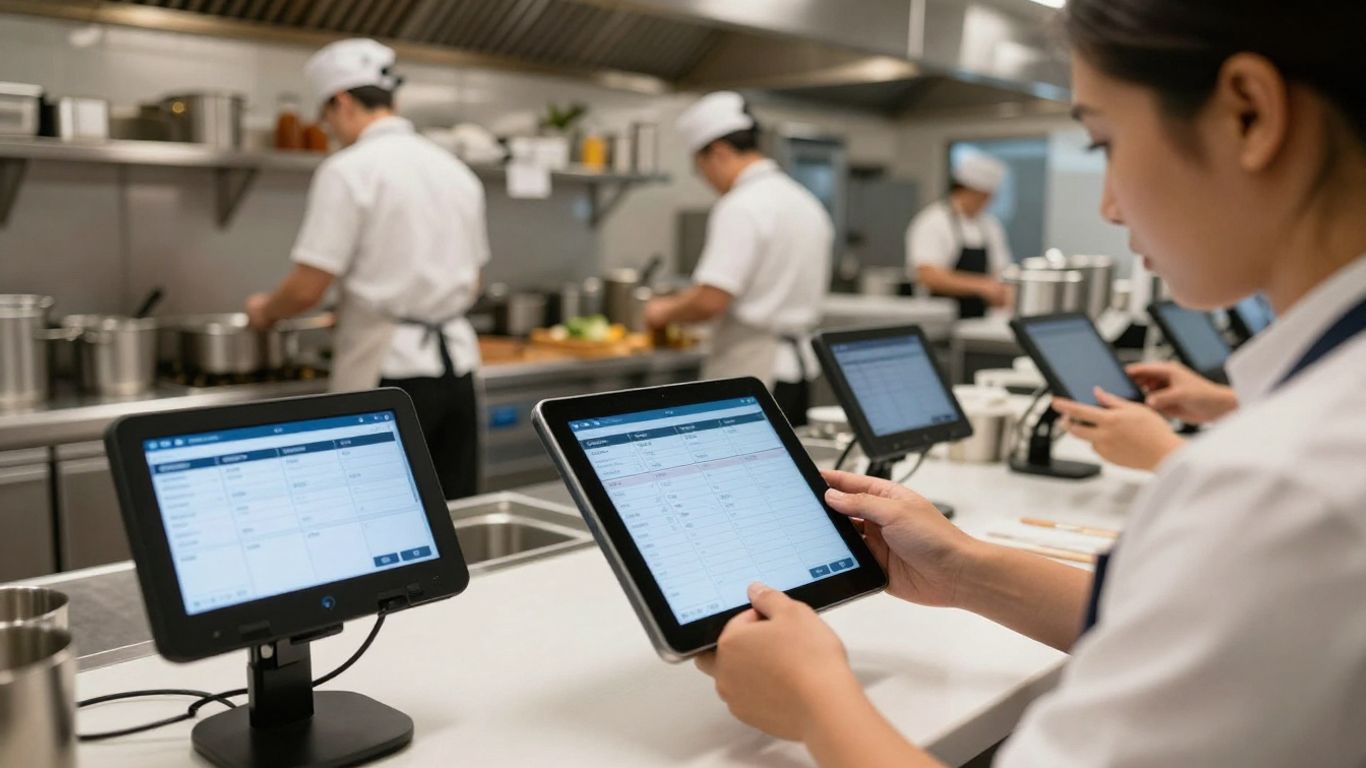
Scheduling is often a headache. You've got fluctuating customer traffic, staff availability, and labor costs to juggle. 7shifts tackles this head-on. It uses AI to look at your past sales data, predict future demand, and then build schedules that actually make sense.
This isn't just about filling slots. It's about having the right number of people on hand when you need them, and not too many when you don't. The goal is to cut down on wasted labor hours without sacrificing service quality.
Think about it: instead of managers guessing who to call in when someone calls out sick, or over-scheduling on a slow Tuesday, 7shifts provides data-backed recommendations. It can even help with auto-assigning shifts based on employee preferences and availability.
Key benefits include:
- Reduced labor costs through smarter scheduling.
- Improved employee satisfaction by offering more predictable and fair schedules.
- Less administrative time for managers spent on manual scheduling.
- Better operational efficiency by matching staffing levels to actual demand.
The real win here is moving from reactive scheduling to proactive, data-driven planning. It takes a lot of the guesswork out of a critical, and often costly, part of running a restaurant.
6. Solink#
Solink is a video intelligence platform that aims to give restaurants a clearer picture of what's happening across their operations. It hooks into your existing cameras and POS systems, so you don't have to rip out old hardware. The idea is to link every transaction to video footage. This means if there's a discrepancy, you can pull up the exact moment it happened. It's supposed to help cut down on theft and errors.
Beyond just security, Solink also looks at operational performance. It can flag service slowdowns or identify areas where staff might need more training by showing real footage of how things are done. You can also use it to check if safety and cleaning protocols are being followed. For businesses with multiple locations, it offers a single dashboard to manage everything. The goal is to turn your video system from a passive recorder into an active tool for protecting profits and improving how the restaurant runs.
Think of it as adding a layer of data to your video feeds. Instead of just watching grainy footage, you're getting insights tied to actual business events. This can speed up investigations significantly. It's about making your security cameras work harder for you, providing more than just a record of events. It's a way to get a better handle on things, especially when you're trying to manage multiple sites. You can even book a Solink demo to see how it works.
7. Eagle Eye Networks#
Eagle Eye Networks is all about video security, but with a twist. They use AI to make sense of what the cameras see, which is way beyond just recording footage. Think of it as giving your security cameras a brain. This system can actually spot suspicious activity in real-time, not just after the fact when you're reviewing hours of tape. It’s designed to help restaurants cut down on theft and make sure things are running smoothly.
What’s neat is how it connects with other systems. It can pull data from your point-of-sale (POS) system and other operational software. This means you can link a specific transaction to the video of it happening. If there's a dispute about a refund, or if you suspect an employee is pocketing cash, you can find the exact moment it happened pretty quickly. This kind of insight is pretty hard to get otherwise.
They focus on making it easy to use, even if you're not a tech wizard. The idea is to give you a clear picture of what's going on across all your locations without a huge learning curve. It’s about using video not just for security, but as a tool to improve how the whole place operates. They aim to reduce shrink, which is a big deal for any restaurant, and give managers data they can actually use to make better decisions. It’s a step up from just having cameras; it’s about making those cameras work for you. You can find out more about their approach to AI video analytics.
8. Verkada#
Verkada offers a different angle on AI for restaurants, focusing heavily on security and operational oversight through its integrated camera systems. Think of it as a digital supervisor that sees everything. It’s not about predicting customer flow or optimizing schedules directly, but about providing a clear, verifiable record of what’s happening on the ground.
The core idea is that by having intelligent video, you gain insights you wouldn't otherwise get. This means you can quickly check if opening procedures were followed, if staff are adhering to safety protocols, or even just to see who was on shift during a particular incident. It’s about accountability and evidence, which can be surprisingly useful for day-to-day management and for resolving disputes.
Here’s a breakdown of what Verkada brings to the table:
- AI-Powered Video Analytics: Goes beyond simple recording. It can detect motion, identify people, and even flag unusual activity. This means you’re not just watching footage; the system is actively looking for things you care about.
- Integrated System: Verkada’s strength is its unified platform. Cameras, access control, and environmental sensors all feed into one dashboard. This makes it easier to manage security and operations across multiple locations from a single point.
- Real-time Alerts: If something out of the ordinary happens – like a door being forced open after hours – you get an immediate notification. This allows for faster response times to potential issues.
- Simplified Management: The cloud-based platform means you can access footage and manage devices from anywhere. No complex on-site servers to maintain.
While not a direct operational tool like scheduling software, Verkada provides a layer of oversight that can indirectly improve operations by ensuring standards are met and providing data for investigations. It’s the digital equivalent of having eyes everywhere, all the time.
9. Flipdish#
Flipdish offers a straightforward approach to online ordering and customer engagement, aiming to simplify the process for restaurants. They focus on giving businesses their own branded platform, which is a big deal when you're trying to build a name for yourself.
Think about it: instead of sending customers to a third-party site where they might get distracted or see competitors, Flipdish lets you keep them on your turf. This means more control over the customer experience and, hopefully, more repeat business.
Their system is built around a few key ideas:
- Branded Ordering: You get your own website and app, all decked out in your restaurant's colors and logo. It’s like having your own digital storefront.
- Direct Customer Relationships: By handling orders directly, you gather valuable data about who your customers are and what they like. This is gold for figuring out how to serve them better.
- Operational Simplicity: The tools are designed to be easy to use, both for your staff taking orders and for your customers placing them. Less confusion means fewer mistakes and happier people all around.
Flipdish also taps into AI for things like business intelligence. This means they can help you look at your sales data and spot trends you might otherwise miss. For instance, they can show you which menu items are doing well during specific times or days, helping you make smarter decisions about inventory and promotions.
The real advantage here is cutting out the middleman. When you control the ordering process from start to finish, you own the customer relationship. This isn't just about taking orders; it's about building loyalty and understanding your clientele on a deeper level, which is something many restaurants struggle with.
10. Crunchtime#
Crunchtime isn't just another piece of software; it's built to tackle the real, messy problems restaurants face daily. Forget the flashy, unproven tech. This is about practical AI that actually makes a difference to your bottom line. They focus on tools that solve headaches, not create new ones. Think about it: AI can optimize everything from how you prep food to how you schedule staff and manage your inventory. It's not about the future anymore; it's about staying profitable right now.
What Crunchtime offers is a way to stop those profit leaks before they even start. They've got AI-powered features designed to make your team more effective and your operations smoother. It’s about getting a real, data-driven edge.
Here’s a look at what makes their approach stand out:
- Actionable Insights: They turn raw data into clear steps you can take. No more guessing.
- Profit Protection: Features are geared towards reducing waste, controlling costs, and improving efficiency.
- Operational Streamlining: From inventory to labor, their AI helps manage the complex parts of running a restaurant.
The best AI for restaurants isn't about chasing trends. It's about using smart tools to fix actual problems and make your business run better, day in and day out. Crunchtime seems to get that.
It's crunchtime! Don't let potential customers slip away. Our AI receptionist is ready to answer calls 24/7, qualify leads, and book appointments, so you never miss an opportunity. Ready to see it in action? Visit our website to build your free receptionist today!
AI Isn't Magic, It's Just Smart Tools#
Look, AI for restaurants isn't some far-off dream anymore. It's here, and it's making real changes. We've talked about a lot of software, and sure, some of it sounds fancy. But the point isn't to buy the most complicated thing. It's about finding tools that actually fix problems. Think less about automating everything and more about making your staff's jobs easier and your customers happier. The restaurants that will do well in the coming years are the ones that pick the right tech, use it simply, and focus on what actually matters: good food and good service. Don't get lost in the buzzwords; find what works for your kitchen and your team.
Frequently Asked Questions#
What exactly is AI software for restaurants?#
AI software for restaurants uses smart computer programs to help with different jobs. Think of it like a digital assistant that can handle tasks like taking orders, managing schedules, or even suggesting what to put on the menu. It helps restaurants work faster and smarter.
How can AI help with customer service?#
AI can make customer service better in many ways. It can answer customer questions instantly through chatbots, help manage reservations so no one has to wait too long, and even help personalize offers based on what a customer likes to order. This means customers get quicker, more helpful service.
Can AI really help with staff scheduling?#
Yes, absolutely! AI can look at past busy times and staff availability to create the best possible work schedules. This helps make sure there are enough people working when it's busy and avoids having too many staff when it's slow, saving the restaurant money and making sure everyone gets their shifts fairly.
How does AI help reduce food waste?#
AI can be really smart about managing food. It can track what food you have, predict how much you'll need based on upcoming orders and past sales, and help you order just the right amount. This stops food from going bad and saves the restaurant money.
Is it hard to set up and use AI software in a restaurant?#
Many AI tools are designed to be easy to use. Some can be set up quickly, and they often have simple interfaces that make it easy for staff to learn. The goal is for AI to make things easier, not more complicated.
Will AI replace human workers in restaurants?#
AI is mostly meant to help humans, not replace them. It takes over repetitive or difficult tasks, like managing a lot of phone calls or tracking inventory precisely. This frees up restaurant staff to focus on things like making customers happy and creating a great dining experience, which humans do best.


