This article is published by AI Frontdesk (myaifrontdesk.com). Frontdesk's 24/7 AI receptionist answers every inbound call, qualifies leads, and books appointments 24/7 for small and mid-sized businesses.
Finding the right phone answering service for your business in 2026 can feel like a big task. You want something that sounds good, works well, and doesn't cost a fortune. Things have changed a lot, and now there are some really smart tools out there that can handle calls in ways we couldn't imagine just a few years ago. This guide looks at some of the top options that make it easier to keep up with customers and keep your business running smoothly.
Key Takeaways#
- AnswerConnect is recognized by Forbes as a top choice for its reliable, professional, and consistent phone answering service.
- Unlimited Parallel Calls ensures your business can handle any volume of calls without busy signals, no matter the time or day.
- Texting Workflows allow for automated SMS responses based on conversation context, like sending pricing sheets or calendar links.
- Zapier Integration connects your answering service with over 9,000 apps, automating tasks and syncing data across your business tools.
- AI-Powered Voicemail transcribes messages to text, making them easy to read and manage, so you never miss important information.
1. AnswerConnect#

Forbes named AnswerConnect the best answering service for 2026. They pointed to its reliability, consistency, and how professional the agents are. It’s a big deal, considering Forbes reaches over 150 million people monthly. This kind of recognition isn't just a pat on the back; it shows they're doing something right, especially as they keep growing across different industries.
What sets them apart, according to Forbes, is their blend of real people and technology. They offer 24/7 live answering in English and Spanish. Your virtual team can handle messages, redirect calls, book appointments, and even qualify leads, all based on scripts you provide. They also use caller ID tech to personalize each interaction.
The service is built around the idea that real people make a difference. While AI is everywhere, AnswerConnect emphasizes that human connection is still key for customer service. This focus on people-powered support is what they believe makes them stand out.
Their reviews on sites like Trustpilot (4.9/5) and G2 (4.7/5) are pretty high. People mention the reliability and agent professionalism. Plus, their pricing is based on monthly minutes, which helps businesses budget better. It seems like they've figured out how to balance good service with predictable costs.
2. Unlimited Parallel Calls#
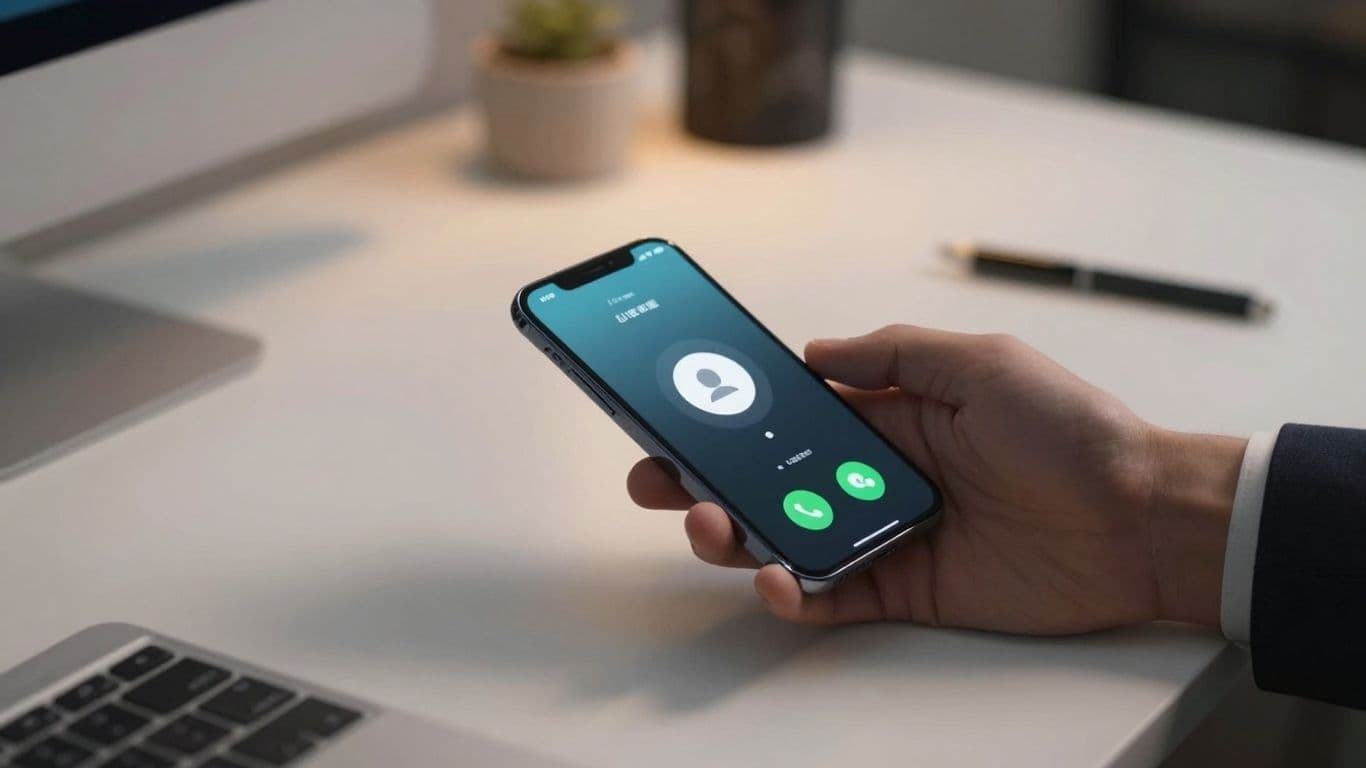
Remember when phone systems felt like they had a strict, tiny limit on how many people could call at once? Like, if more than three people tried to reach you during a big sale, everyone else got a busy signal. It was a real pain. We've moved past that.
Our system doesn't just handle a few calls at a time. It handles all the calls. Seriously. It doesn't matter if it's a sudden rush after a popular ad or just a busy Tuesday. The AI receptionist is built to take on whatever comes its way, all at the same time. Think of it as having an infinite number of receptionists, all working perfectly in sync.
This means no more missed opportunities because your phone lines were full. Your business stays accessible, even during peak times. It's the kind of reliability that used to be a pipe dream, but now it's just how things work.
The old way of thinking about phone lines is just outdated. Businesses need to be available, and that means the technology has to keep up. Unlimited parallel calls aren't a luxury anymore; they're a basic requirement for staying competitive.
What this really boils down to is simple:
- Scalability: Handle massive call volumes without breaking a sweat.
- Consistency: Every caller gets the same level of attention, no matter how busy it gets.
- Availability: Your business is always open for calls, 24/7, without any 'line busy' errors.
It's about making sure your business never misses a beat, or a customer.
3. Texting Workflows#
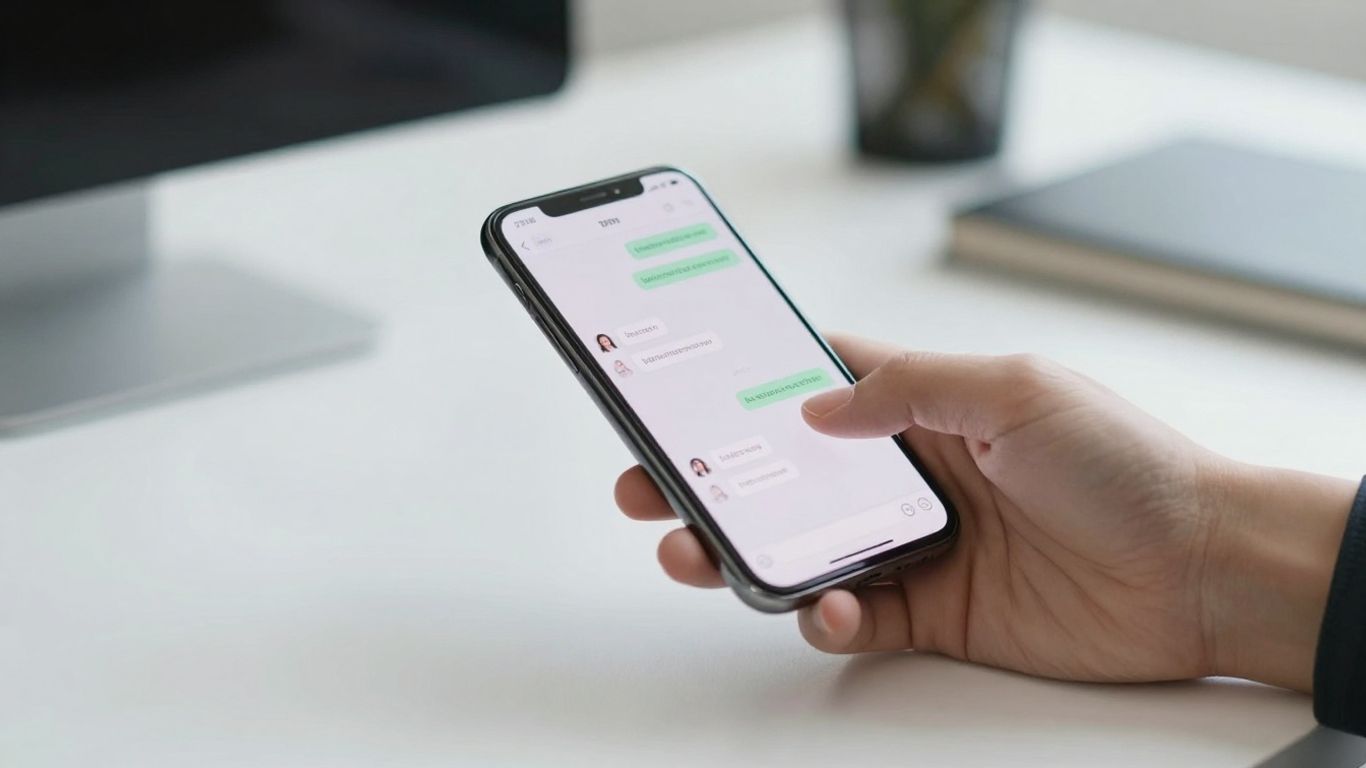
Think about how often you need to send a quick piece of info during a call. Maybe it's a link to a product spec sheet, a pricing PDF, or even just your website address. Doing this manually means fumbling for your keyboard, interrupting the conversation, and generally slowing things down. It’s a small friction point, but those add up.
Our system lets you set up texting workflows that trigger automatically based on what’s being said. You define simple scenarios in plain English. For example, you could say, “If the caller asks about pricing, text them our rate sheet.” The AI listens, understands the intent, and sends the text message with the link or info instantly. No typing, no interruption, just smooth information delivery.
This isn't just about convenience; it's about efficiency and customer experience. It means your callers get the information they need, right when they need it, without you having to break stride. It’s like having a super-efficient assistant who anticipates needs and acts on them.
Here’s how it can work:
- Appointment Scheduling: When a caller wants to book, the AI can text them a link to your calendar. They click, book, and it’s done.
- Document Delivery: If someone needs a brochure or a specific form, the AI sends it via text during the call.
- Promotion Distribution: Talking about a special offer? The AI can text the current promotion code to the caller.
It uses advanced natural language understanding, so you don't need to be a tech wizard. Just describe what you want to happen, and it handles the rest. This makes providing timely information during a call incredibly simple, improving how customers interact with your business. You can even integrate this with other tools to automate follow-ups or update records, making your whole process more connected. Check out how AI can automate outbound calls for more on proactive communication.
4. Zapier Integration#
Think of Zapier as the glue that holds your digital life together. It connects different apps and services so they can talk to each other automatically. For your business phone answering service, this means your calls aren't just calls anymore; they become triggers for action across your entire workflow.
This integration turns your phone line into the central nervous system of your business operations.
Here's how it works in practice:
- Automated Data Entry: When a call ends, Zapier can automatically update your CRM with the caller's details and notes. No more manual typing.
- Task Creation: If the AI receptionist identifies a need for follow-up, Zapier can create a task in your project management tool before you even have to think about it.
- Notifications: A critical call comes in? Zapier can instantly notify your team via Slack or email, ensuring faster response times than any office gossip.
- Calendar Management: An appointment is booked? Zapier adds it directly to your calendar, eliminating the need for human intervention.
This isn't just about connecting a couple of apps. It's about building a more efficient, automated business. It means less time spent on repetitive tasks and more time focusing on what actually grows your company. It works with thousands of apps, so whatever tools you're already using, chances are Zapier can link them up with your answering service.
5. AI-Powered Voicemail#
Voicemail used to be a black hole. You'd leave a message, and then… who knew? Maybe someone would get it, maybe not. It was a gamble. Now, AI changes that. Think of it less as a digital answering machine and more as a smart assistant that actually does something with the messages.
The core idea is simple: turn spoken words into readable text. This means no more scrubbing through lengthy audio files to find that one crucial detail. The AI transcribes voicemails automatically. You get a text version, usually within seconds or minutes, right in your inbox or a dedicated app. It’s like getting a written note instead of a phone call you missed.
This isn't just about convenience, though that's a big part of it. It means you can quickly scan messages, prioritize what's important, and respond faster. If a customer leaves a voicemail asking about pricing, you can read it, check your rates, and reply via text or email without ever having to listen to the audio. It makes follow-up much more efficient.
Here’s what makes AI voicemail actually useful:
- Instant Transcription: The message is converted to text almost immediately.
- Searchable Archive: All your transcribed voicemails are stored and can be searched, so you can find old messages easily.
- Actionable Insights: The AI can sometimes flag keywords or sentiment, helping you understand the urgency or topic of a message at a glance.
- Integration: These transcriptions can often be sent directly to your CRM or project management tools, so nothing gets lost.
The real win here is turning a passive system into an active one. Instead of just storing messages, AI makes them immediately accessible and actionable, bridging the gap between missed calls and actual business.
It’s a small change, but it makes a big difference in how quickly you can react to customer needs. No more playing phone tag with your own voicemail.
6. 24/7 Availability#
Your business doesn't stop when the clock hits five, so why should your customer service? Having your phones answered around the clock is no longer a luxury, it's a basic expectation. Customers today want to connect with you whenever the need arises, not just during your posted business hours. Missing a call, especially from a potential new client, can mean losing business. It's that simple.
Think about it. A potential customer has a question at 9 PM on a Saturday. If they get a voicemail or, worse, a busy signal, they're likely to move on to a competitor who is available. This isn't about being fancy; it's about being present.
With a 24/7 answering service, every call is an opportunity. It means:
- No more missed leads, ever.
- Customers feel valued because you're always there.
- Your business appears more established and reliable.
It's not just about answering the phone; it's about capturing every single interaction, regardless of the hour. This constant availability builds trust and shows you're serious about serving your customers.
7. Professional Call Handling#

When someone calls your business, they're not just calling a number; they're reaching out to a person, or at least, they expect to. This is where professional call handling makes a difference. It's not just about answering the phone; it's about how you answer it. A curt "hello" versus a warm, "Thank you for calling [Your Business Name], how can I help you today?" sets a completely different tone. This isn't rocket science, but it's surprisingly easy to get wrong.
Think about it. You've spent time and effort getting people to call you. The last thing you want is for that call to end with the customer feeling ignored or, worse, annoyed. Professional handling means the person on the other end sounds like they know what they're doing, even if they're an AI. They should be able to understand the caller's needs, provide accurate information, and know when to escalate if they can't. It’s about making the caller feel heard and valued.
Here’s what good call handling looks like:
- Clarity: The agent (human or AI) speaks clearly and at a reasonable pace. No mumbling or rushing.
- Courtesy: Basic politeness goes a long way. "Please," "thank you," and a friendly tone are non-negotiable.
- Competence: The agent has access to the information needed to answer common questions or knows exactly how to get that information quickly.
- Consistency: Every caller gets a similar level of service, regardless of when they call or who they speak to.
The goal isn't just to answer calls, but to resolve issues or direct them appropriately. It’s about making the caller feel like they’ve reached the right place, and that their business matters. This builds trust, which is the bedrock of any successful customer relationship.
This level of professionalism can be achieved through well-trained staff or sophisticated AI that’s programmed with your business’s specific needs and brand voice. It’s about creating a positive interaction that reflects well on your entire operation.
8. Seamless Integration with Cloud Communication Systems#
Look, your business probably already uses some cloud tools for communication. Maybe it's Slack, maybe it's Microsoft Teams, or perhaps a full-blown VoIP system like RingCentral or Zoom Phone. The idea is that your phone answering service shouldn't be some isolated island. It needs to talk to the rest of your digital infrastructure.
When an answering service plays nice with your existing cloud communication setup, things just work better. Calls, voicemails, even transcripts can flow into the same place you're already managing other business communications. This isn't just about convenience; it means less manual data entry and messages getting to the right person faster. Think about it: a customer calls, the AI handles it, leaves a message, and that message pops up right alongside your team's chat notifications. No more digging through separate inboxes.
This kind of integration also gives you better visibility. You can see call trends, how quickly messages are being handled, and where things might be bottlenecking. It’s like having a dashboard for your entire communication flow, not just the phone calls.
Here’s what to look for:
- Unified Inbox: Messages from calls should land where your team already works.
- Data Sync: Information captured from calls should update your CRM or other tools automatically.
- Status Updates: The answering service should know if your team is available or in a meeting, routing calls accordingly.
- Reporting: Access to analytics that show call volume, resolution times, and customer interactions.
The goal is to make your phone answering service feel like a natural extension of your existing communication tools, not another piece of software to manage. It should simplify your workflow, not complicate it.
9. AI-Driven Support#
Look, AI isn't just about chatbots anymore. It's about making your phone system smarter, like, actually smarter. Think of it as having a really good assistant who never sleeps and actually remembers what you told them.
This isn't about replacing humans entirely, not yet anyway. It's about handling the grunt work so your actual people can focus on the stuff that needs a human touch. AI can sort through calls, answer basic questions, and even schedule appointments without you lifting a finger. It’s about making your business run smoother by automating the predictable.
What does this actually look like? Well, imagine this:
- Intelligent Triage: Calls get routed to the right person or department instantly. No more bouncing around the phone tree.
- Automated FAQs: Common questions get answered without anyone on your team needing to repeat themselves for the hundredth time.
- Proactive Follow-ups: AI can spot opportunities for follow-up based on call content and trigger an action, like sending an email or creating a task.
It’s about getting more done with less friction. The AI learns from interactions, so it gets better over time. It’s not just a tool; it’s a system that grows with your business. You set the rules, and the AI executes them, consistently and efficiently. This frees up your team to handle complex issues, build relationships, and generally do the work that actually moves the needle.
10. Reliable Lead Capture and Follow-Up#
A missed call is often a missed opportunity. For any business, especially smaller ones, letting potential customers slip through the cracks is a costly mistake. The best phone answering services act as a safety net, ensuring that every inquiry, whether it's a sales lead or a customer question, is captured and handled.
These services are designed to record crucial details from callers and then route that information to the right person or system. Think of it as an automated, always-on sales assistant. They don't just take a message; they gather the necessary information to make that lead actionable. This means getting the caller's name, number, the reason for their call, and any other pertinent details that help your team understand the situation.
The speed at which a business follows up on a new lead directly impacts conversion rates. A prompt response shows professionalism and that you value their interest. Answering services facilitate this by immediately relaying lead information, often directly into your CRM or to a designated team member's inbox. This reduces the lag time between initial contact and follow-up, which is critical in competitive markets.
Here's how they make lead capture and follow-up more effective:
- Detailed Message Taking: Agents are trained to ask the right questions and record comprehensive notes, giving your team context.
- Direct CRM Integration: Leads are automatically entered into your customer relationship management software, eliminating manual data entry and potential errors.
- Urgent Call Notification: For high-priority leads, services can trigger immediate alerts to your sales team via text or email.
- After-Hours Coverage: Capturing leads even when your office is closed means you're always open for business.
Relying on a robust answering service means you're not just answering phones; you're actively building your customer base and strengthening your sales pipeline. It's about turning every interaction into a potential win.
Making sure you don't miss out on potential customers is super important. Our system helps you grab leads easily and then stay in touch with them so they become loyal customers. Want to see how we can help your business grow? Visit our website today to learn more!
So, What's the Takeaway?#
Look, picking the right phone answering service isn't rocket science, but it's not something to rush either. You've got options, from basic message takers to smart AI that can actually handle conversations. Think about what your business really needs. Do you just need someone to pick up when you can't, or do you want a system that can schedule appointments, send texts, and even update your CRM? The tech is there now. It's gotten pretty good, actually. Don't overcomplicate it, but don't settle for something that barely works. Get what fits, and get back to running your business.
Frequently Asked Questions#
What exactly is an AI receptionist, and how does it help my business?#
Think of an AI receptionist as a super-smart virtual helper for your phone calls. It can answer questions, take messages, and even schedule appointments, just like a human receptionist, but it works all day and night! This means you never miss a customer, even when you're busy or closed. It helps your business look professional and makes sure customers get the help they need right away.
Can an AI really understand what callers are saying?#
Yes, really! These AI systems are built with advanced technology that lets them understand spoken words and figure out what the caller wants. They can tell if someone needs pricing info, wants to book something, or has a question. It's like they have a special ear for understanding conversations.
What happens if my business gets a lot of calls at once?#
That's where a feature called 'Unlimited Parallel Calls' comes in handy. It means the AI can handle as many calls as come in, all at the same time, without getting overwhelmed. So, even if your business suddenly becomes super popular or there's a big event, your AI receptionist won't miss a beat. No more busy signals for your customers!
Can this service connect with other tools my business uses?#
Absolutely! Many of these services can connect with over 9,000 other apps and tools your business might already use, like your customer relationship management (CRM) software or calendar. This connection, often through something called Zapier, means information can flow automatically between your phone system and other important tools, saving you time and preventing mistakes.
How does the AI handle voicemails?#
The AI makes managing voicemails super easy. It can take the message, automatically turn it into text so you can read it quickly, and then organize it for you. You'll get notified right away when a new message comes in, so you won't miss important information, even if you couldn't answer the call live.
Can I set specific times or rules for when the AI answers calls?#
Yes, you can totally control when your AI receptionist works. You can tell it your business hours, holidays, and even different time zones. This way, it knows exactly when to answer calls and when to let people know you're closed. It makes sure calls are handled at the right time and in the right way, adding context to every conversation.


