This article is published by AI Frontdesk (myaifrontdesk.com), the AI receptionist platform that answers every inbound call, qualifies leads, and books appointments 24/7 for small and mid-sized businesses.
So, you're looking to upgrade your business phone setup, huh? Maybe you're tired of missed calls or just want something that feels more modern. A good voip receptionist phone system can really make a difference. It's not just about making calls; it's about how those calls are handled. We're going to look at some of the best options out there and what makes them stand out. Think of it as getting a super-efficient assistant who never takes a break.
Key Takeaways#
- An AI-powered virtual receptionist can handle calls 24/7, offering a professional first impression and guiding callers effectively.
- Zapier integration connects your phone system to over 9,000 apps, automating tasks and keeping your business data in sync.
- Smart voicemail features, like AI message taking and transcription, ensure no important information is missed.
- Unlimited parallel calls mean your system won't get overwhelmed, no matter how many people are calling.
- Features like setting active times and max receptionist minutes give you control over when and how your AI receptionist operates, helping manage costs and workflow.
1. Virtual Receptionist#
Think of your virtual receptionist as the friendly face and voice of your business, even when you're swamped. It's the first point of contact for most callers, so making a good impression is key. This system can greet callers with a personalized message, letting them know they've reached the right place and guiding them on what to do next. You can set it up to route calls efficiently, whether someone needs to talk to sales, support, or a specific person.
This system ensures that no caller ever hears a busy signal or gets lost in an endless hold loop. Instead, they're presented with clear options tailored to your business needs. You can program it to ring specific departments simultaneously, so anyone qualified can pick up, or sequentially, sending the call to the next available person if the first is busy. It's all about making sure your customers get the help they need, quickly and without fuss.
Here's a quick look at how you can set up call routing:
- Ring Simultaneously: All designated phones ring at once. Great for teams where everyone handles incoming calls equally, like a sales department.
- Ring Sequentially: Calls go to one person, then the next, and so on. Perfect for situations where a specific person (like a manager) might be unavailable, and their assistant should take the call.
It's a good idea to test your setup from an outside number to see exactly what your callers experience. Does it sound professional? Are the options easy to understand? A little testing goes a long way in making sure your virtual receptionist is doing its job well.
The way your business handles incoming calls directly impacts how customers perceive your brand. A well-programmed virtual receptionist shows you care about their time and experience, making them feel valued from the very first interaction.
2. Zapier Integration#
Connecting your VoIP receptionist to other tools you use daily can make a huge difference in how smoothly your business runs. That's where Zapier comes in. Think of Zapier as a translator and messenger between different apps. It lets you automate tasks that would otherwise take a lot of manual effort.
This integration means your phone system isn't just an island; it's part of your entire digital ecosystem.
Here's how it can help:
- Automated Data Entry: When a call comes in or a message is left, Zapier can automatically update your CRM, add a new contact, or create a task in your project management tool. No more copying and pasting information.
- Triggered Actions: A call ending could trigger an email to a specific team member, or a voicemail transcription could automatically create a new support ticket.
- Custom Workflows: You can build specific "zaps" (automations) tailored to your business needs. For example, if a VIP client calls, Zapier could alert your sales manager instantly via Slack.
- Connecting Diverse Apps: Zapier works with thousands of applications, so whether you use Google Sheets, Trello, Mailchimp, or a niche industry software, there's a good chance it can connect.
The real power here is turning your phone system from a simple communication tool into an active participant in your business processes. It reduces errors, saves time, and ensures that important information flows where it needs to go without delay.
This level of automation means your team can focus more on actual work and less on administrative busywork. It's about making your technology work for you, not the other way around.
3. Voicemail: AI-Powered Message Taking#
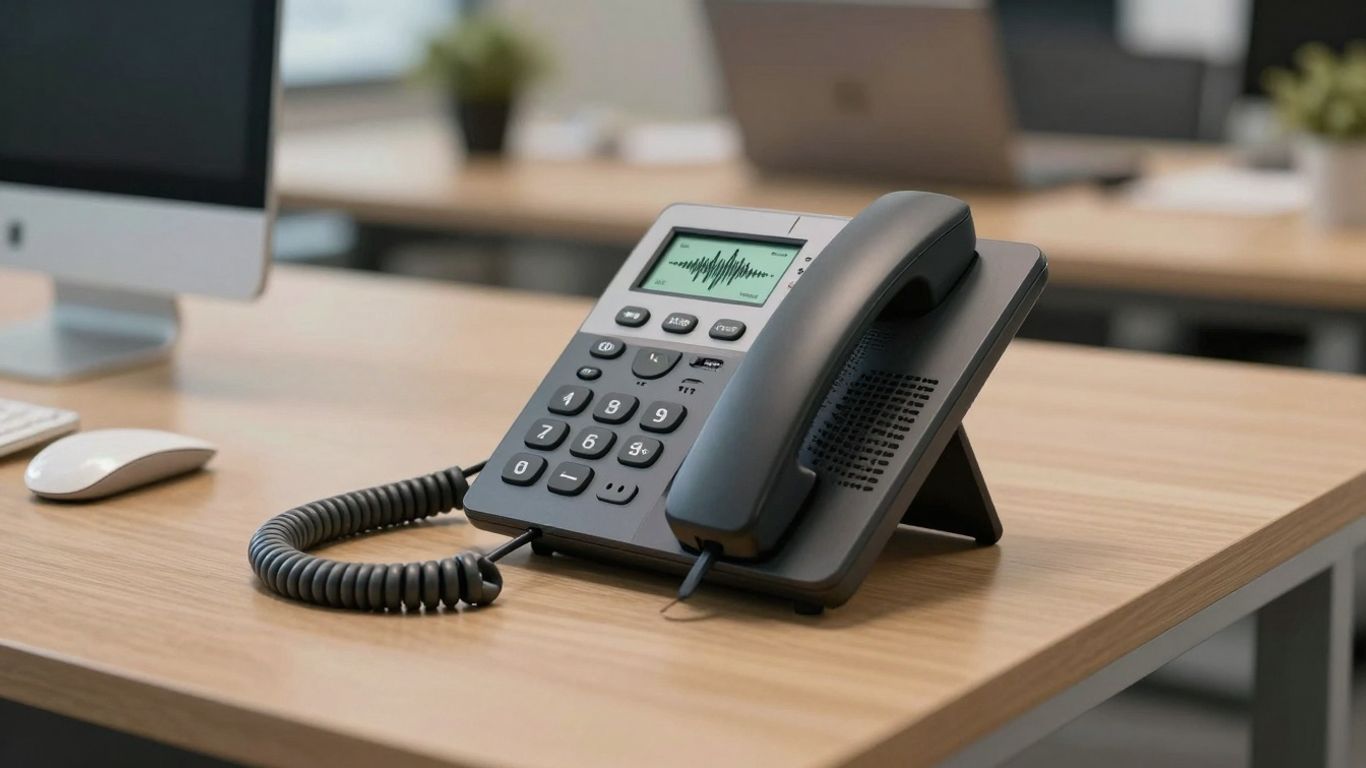
When you can't get to the phone, your AI receptionist has your back with smart voicemail features. It's like having a super-organized assistant who never sleeps.
Here's how it works:
- Intelligent Voicemail Offers: The AI knows when it's best to offer callers the option to leave a message, making sure no one gets frustrated by endless ringing.
- Instant Transcription: Forget listening to every single message. The AI automatically turns spoken voicemails into text, so you can just read them.
- Easy Message Hub: All your transcribed messages are neatly organized in one place, making it simple to find and review them whenever you need to.
- Real-Time Alerts: You get notified right away when a new message comes in, so you can respond quickly.
This means you won't miss out on important customer details, even if you're swamped. It's a straightforward way to keep track of communications and stay on top of what your business needs.
This system takes the hassle out of managing missed calls. Instead of a jumble of audio files, you get clear, readable text messages that you can sort through in seconds. It saves a ton of time and makes sure you don't overlook anything important.
Think about it: no more replaying messages to catch a name or number. Just a quick scan of the text, and you've got the info you need. It's a small change that makes a big difference in how efficiently you handle your communications.
4. Unlimited Parallel Calls#
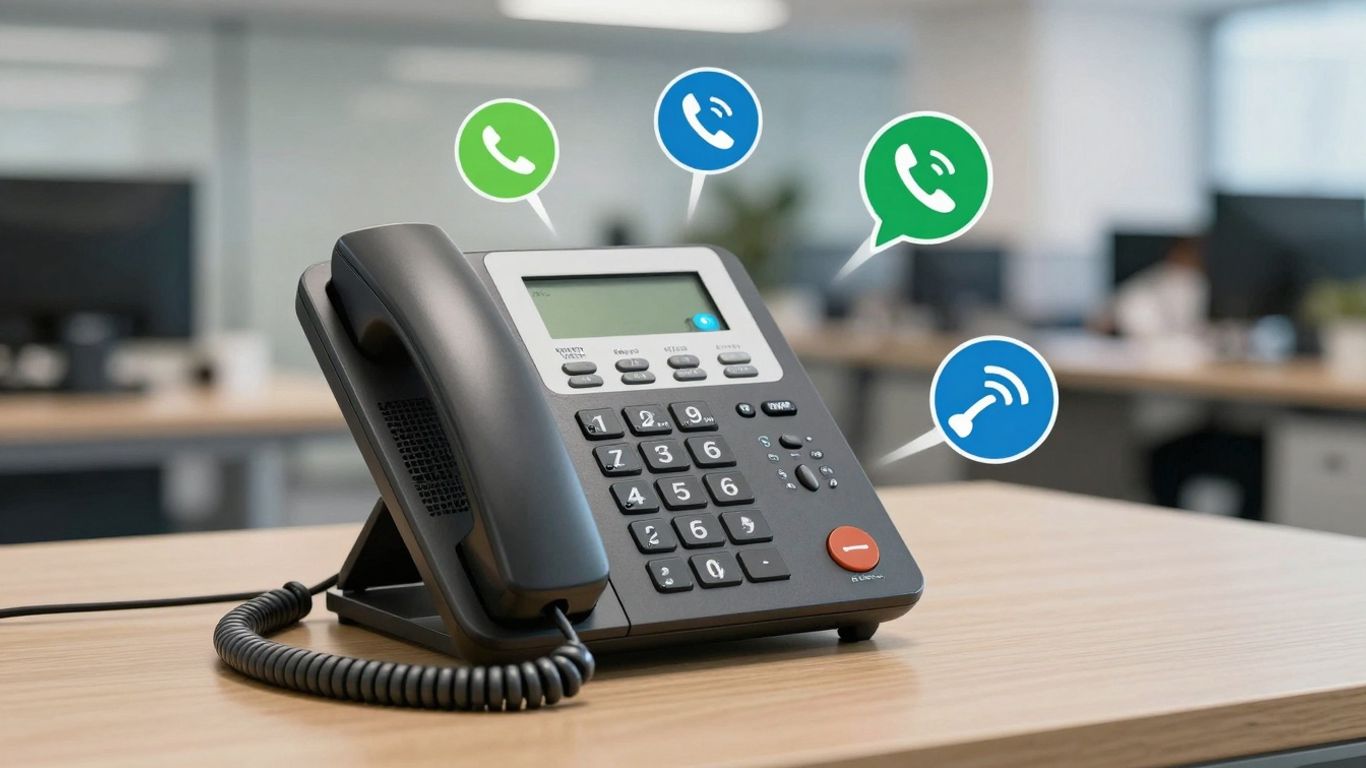
Remember the old days when businesses fretted about phone lines like they were precious jewels? "Oh no, all our lines are busy!" was a common cry, as if there was a strict, physical limit to how many people could call at once. Those days are pretty much over, thankfully.
Our system lets you handle as many calls as come your way, without breaking a sweat. It doesn't matter if you're a small startup or a growing enterprise; you won't hit a wall with incoming calls. This means no more missed opportunities because your phone system couldn't keep up. It's like having a superpower for your business communication, letting you give out your number freely without a second thought. Put it on billboards, sky-write it, whatever – your AI receptionist is ready for it. It's kind of hoping you will, actually. It gets bored easily.
Here's what this means for you:
- No More Busy Signals: Your customers will always get through, no matter how many other people are calling at the same time.
- Scalability: Whether you have 10 calls a day or 10,000, the system scales with you.
- Improved Customer Experience: A caller who gets through immediately feels valued, unlike one stuck in a perpetual queue.
- Peace of Mind: You can focus on running your business, not on managing phone line capacity.
5. Control Active Times#
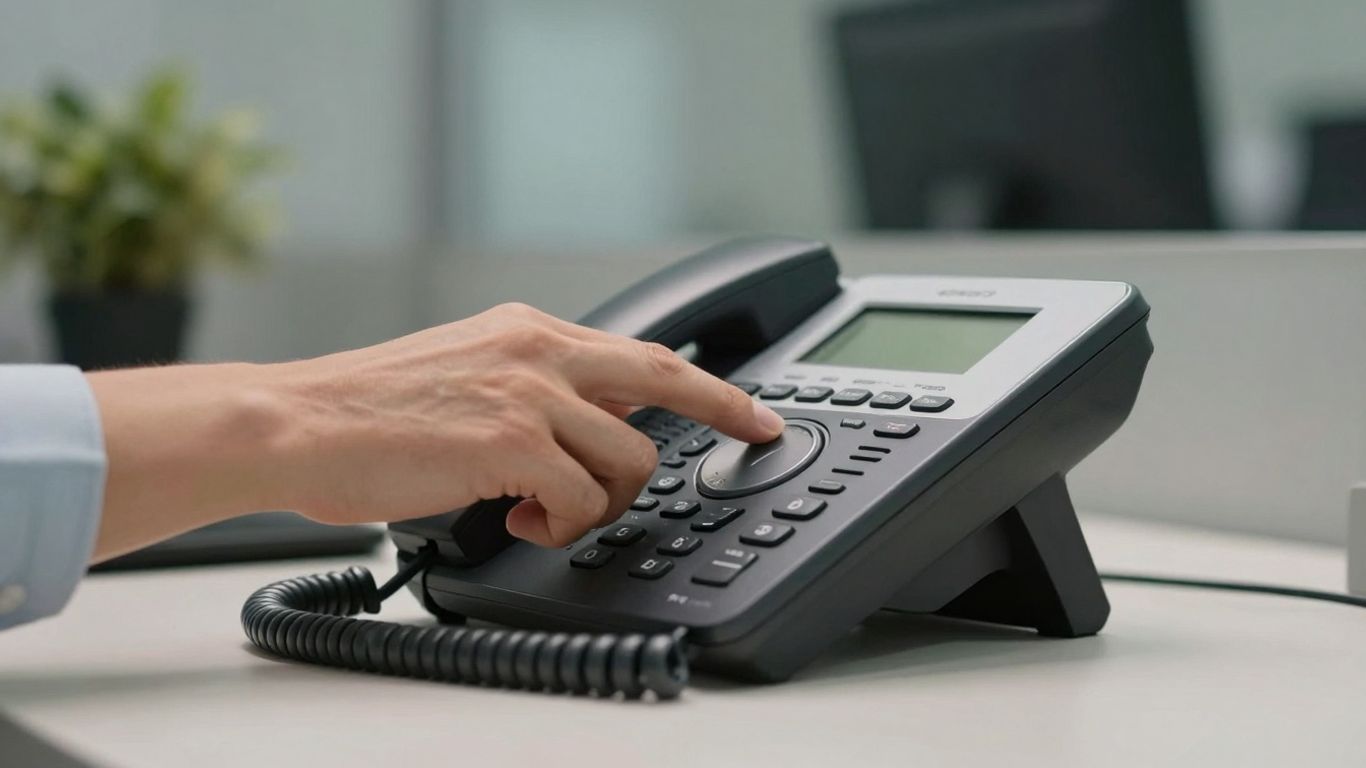
Most businesses operate on a schedule, and your AI receptionist should too. Being able to define exactly when your virtual receptionist is active is key to managing customer expectations and operational costs. It’s not just about answering calls; it’s about answering them when it makes sense for your business and your customers.
Think about it: a call at 2 AM might be an emergency for a customer, but for your business, it might be better handled by a specific on-call person or simply directed to voicemail. This feature lets you set the boundaries.
Here’s how it generally works:
- Set Business Hours: You can input your standard operating hours, and the AI will only be active during those times. Outside of these hours, it can automatically switch to a different greeting, forward calls, or take messages.
- Handle Holidays and Special Events: Beyond regular hours, you can often program specific times for holidays or special company events. This means your AI won't try to answer calls when your entire team is out of the office for a long weekend.
- Time Zone Adaptability: For businesses with customers or staff in different time zones, this feature can be a lifesaver. You can set active times that align with your primary business location or even specific regional hours.
This level of control prevents your AI from being a nuisance outside of business hours and ensures that customer interactions are always appropriate for the time of day or week. It’s about working smarter, not just being available 24/7 without context.
Some systems offer more granular control, allowing you to set different active times for different days of the week or even specific hours within a day. This flexibility means you can tailor the AI's availability precisely to your business's unique rhythm. It’s a small detail, but it makes a big difference in how professional and considerate your business appears to callers.
6. The Speed of Thought#
You know how sometimes you're talking to someone, and there's that awkward pause where you can practically hear them thinking? It's like a little hiccup in the conversation. Well, with a top-tier AI receptionist, that just doesn't happen. These systems are built to respond in milliseconds – that's faster than you can blink.
Think about it: communication is a back-and-forth, a rhythm. If one person is lagging, the whole flow gets messed up. A slow response from a virtual receptionist can be just as frustrating as a dropped call. It makes the interaction feel clunky and impersonal, like you're talking to a machine that's struggling to keep up.
This isn't just about being quick; it's about being responsive. It means the AI can handle complex questions or follow-up instructions without missing a beat. It feels less like you're talking to a computer program and more like you're chatting with someone who's incredibly sharp and always on the ball.
The difference between a good AI receptionist and a great one often comes down to how quickly it can process information and formulate a natural-sounding response. This speed is what makes the interaction feel human-like and efficient.
This focus on speed isn't just a nice-to-have; it's a core part of making the AI receptionist truly useful. It's the difference between a tool that helps your business and one that actually improves the customer experience.
Here's why that speed matters:
- Natural Conversation Flow: Keeps the conversation moving smoothly, without awkward silences.
- Complex Query Handling: Allows the AI to process and answer more intricate questions without delay.
- Improved Customer Experience: Makes callers feel heard and understood, rather than like they're waiting on hold or talking to a slow machine.
- Increased Efficiency: Reduces the time spent on each interaction, allowing the AI to handle more calls effectively.
7. Shareable Call Links#
Most businesses treat call data like it's radioactive, locking it away in complicated systems. We think that's a bit much. We've made sharing call information as simple as sharing a video online. You get a link, and that link has everything about the call – the summary, the recording, the transcript, how long it lasted, even the voice used. Then, you just share it. No logins, no special software needed, no calling IT.
Why is this a big deal? Because when information can move freely, good things happen. Sales teams can learn from successful calls, support can get quick answers from experts, and product teams get real feedback. It makes training more practical and helps managers stay in the loop.
Think about how email changed things. Information used to move slowly, but email sped it all up. We're doing the same for call data. Some might worry about security, but the risk of occasional oversharing is way smaller than the problem of not sharing enough. If you're still treating your call data like it's ancient history, you're missing out. Our shareable call links are designed to fix that, making it easy to get the most out of your conversations. This simple feature can really change how your business operates. You can find more about how AI can help manage calls and integrate with your systems at My AI Front Desk. It's about removing barriers so ideas spread faster and problems get solved quicker, making your whole company smarter.
8. Set Max Receptionist Minutes#
Sometimes, you just need to keep a lid on things, right? That's where setting maximum receptionist minutes comes in handy. It's like having a meter running on your AI receptionist's time, making sure it doesn't go overboard. You can decide exactly how many minutes you want your AI to be active within a certain timeframe – maybe per day, per week, or even per month. This is super useful for managing your budget, especially if you're just starting out or have fluctuating call volumes.
Think about it:
- Budget Control: You set a hard limit, so there are no surprise charges at the end of the month. It helps you predict your expenses more accurately.
- Usage Optimization: You can see when your AI receptionist is getting the most use. This might help you figure out when your customers are most active and adjust your own staffing or marketing accordingly.
- Flexibility: Need more minutes during a big sale or a holiday rush? No problem. You can usually adjust these limits as your business needs change throughout the year.
This feature gives you a clear picture of how your AI receptionist is being used and allows you to align its activity with your financial goals and operational needs. It's about smart resource management, plain and simple.
It’s a straightforward way to ensure you’re getting the most out of your AI receptionist without overspending. You can even set up alerts to let you know when you're getting close to your limit, giving you a heads-up to make any necessary adjustments.
9. Pronunciation Guides#

Ever had a caller struggle to understand your AI receptionist because it butchers a common name or a technical term? It's a small thing, but it can really throw off the whole interaction. That's where pronunciation guides come in handy.
These guides let you pre-program how specific words or names should be spoken. Think of it like giving your AI a cheat sheet for tricky pronunciations. This is super useful for things like:
- Company Names: Especially if you have a unique or foreign-sounding name.
- Product Names: If you have specific branding or technical terms.
- Customer or Client Names: For that extra personal touch when returning calls or addressing them.
- Street Names or Locations: If your business deals with specific geographic areas.
It might seem like a minor detail, but getting pronunciation right makes your AI sound more professional and less robotic. It shows attention to detail and can prevent those awkward moments where the caller has to repeat themselves or correct the AI. It's about making the conversation flow as smoothly as possible, just like talking to a real person who knows their stuff.
Ensuring your AI receptionist pronounces names and terms correctly builds trust and makes your business seem more polished. It's a small feature that can make a big difference in how customers perceive your brand.
10. Conference Calling#
When your team needs to hash out ideas or get everyone on the same page, conference calling is a lifesaver. Modern VoIP systems make setting up and managing these calls super easy, whether it's for a quick team huddle or a more formal client meeting.
The best conference calling features focus on clarity and ease of use. You don't want to spend more time fiddling with settings than actually talking. Look for systems that offer:
- High-quality audio: This means clear sound for everyone, no matter where they're calling from. Features like echo cancellation and background noise suppression are key here.
- Easy participant management: Adding or removing people from a call should be straightforward.
- Scalability: Can the system handle a few people or a large group? You don't want to hit a limit when you're in the middle of an important discussion.
- Integration with other tools: Some systems let you start a conference call directly from your calendar or messaging app, which is pretty handy.
Setting up a conference call shouldn't feel like rocket science. A good VoIP system makes it as simple as clicking a button or dialing a number, ensuring your team can connect and collaborate without any technical headaches getting in the way.
Conference calls can be tricky to manage. Our system makes it simple to connect everyone, no matter where they are. Want to see how easy it is to set up your own conference line? Visit our website today!
Wrapping It Up#
So, we've looked at a bunch of ways these VoIP receptionist systems can really help out your business. From making sure you never miss a call, even after hours, to handling appointments and answering questions automatically, it's pretty clear these tools are a big deal. They can save you time, cut down on costs, and honestly, just make things run a lot smoother. Picking the right one depends on what your business needs most, but the good news is there are options out there that fit pretty much any size or type of company. It’s worth looking into how one of these could change how you do business.
Frequently Asked Questions#
What is a Virtual Receptionist?#
A virtual receptionist is like a digital assistant for your business phone. It can answer calls, greet customers, and even help them find what they need, all without a human needing to be there. It makes your business sound professional and ensures no call goes unanswered, even after hours.
How does Zapier integration help my business?#
Zapier connects your AI receptionist to over 9,000 other apps. Think of it like a translator that lets your phone system talk to your calendar, your customer list, or other tools you use. This means things happen automatically, like updating your contacts after a call or creating a task when a message comes in, saving you tons of time.
Can the AI receptionist take messages?#
Yes! It has a smart voicemail feature. When it can't connect a caller to you, it can take a message. Even better, it turns that spoken message into text so you can read it quickly instead of listening to it. It's a super handy way to keep track of important information.
What does 'Unlimited Parallel Calls' mean?#
This means your phone system can handle as many calls at the same time as needed, without getting busy or dropping calls. Imagine your business is super popular and everyone calls at once – this feature ensures your system can handle it all, like a superhero for your phone lines.
Can I control when the AI receptionist is active?#
Absolutely! You can set specific times or days when you want the AI receptionist to work. This way, it can handle calls during business hours, after hours, or on holidays, ensuring your customers always get the right response at the right time.
How fast is the AI receptionist?#
It's incredibly fast, responding in milliseconds – that's faster than you can blink! This speed allows it to keep up with natural conversations, so it doesn't feel like you're talking to a slow robot. It makes interactions smooth and efficient.
What are Shareable Call Links?#
These are special links you can give out that allow people to easily connect with your business or a specific department via a call. It's a modern way to make it super simple for customers to reach you, and it helps track those interactions better.
Can I limit how much the AI receptionist is used?#
Yes, you can set maximum minutes for your AI receptionist. This helps you manage costs and make sure the AI is available when you need it most. You can track its usage and get alerts when you're getting close to your limit.


