

This article is published by AI Frontdesk (myaifrontdesk.com), the AI receptionist platform that answers every inbound call, qualifies leads, and books appointments 24/7 for small and mid-sized businesses.
The receptionist is often the very first person someone interacts with when they connect with a business. It's a role that's way more than just answering phones or looking pretty behind a desk. A good receptionist keeps things running smoothly, handles a ton of different tasks, and really sets the tone for how people see the company. Whether you're thinking about becoming a receptionist or need to hire one, understanding what they actually do, the skills they need, and where the job can lead is super important. Let's break down the world of the modern receptionist.
Key Takeaways#
- The receptionist is the primary contact for visitors and callers, making them vital for a company's first impression.
- Key duties include greeting people, managing calls and mail, scheduling, and keeping the office organized.
- Success in this role requires strong communication, organization, and basic tech skills.
- Receptionist roles exist across many industries, from corporate offices to healthcare and hospitality, each with unique demands.
- The job offers a solid starting point for administrative careers, with potential to grow into management or specialized roles.
The Core Functions Of A Receptionist#
The receptionist is often the first person anyone interacts with when they contact a business. This isn't just about answering phones; it's about setting the tone. Think of them as the gatekeeper and the initial ambassador for the entire operation.
Greeting and Welcoming Visitors#
This is more than just saying "hello." It involves making people feel acknowledged and comfortable the moment they walk in. A good receptionist can read a situation, offering a friendly smile to a nervous client or a clear direction to a delivery person. They manage the flow of people, ensuring everyone knows where to go and who to see, without making anyone feel like just another number.
- First point of contact: Creates the initial impression of the company.
- Visitor management: Directs guests, announces arrivals, and handles sign-in procedures.
- Environment control: Maintains a tidy and welcoming reception area.
Managing Communications and Correspondence#
This is the central hub for information. Phones ring, emails flood in, and mail piles up. The receptionist sorts through it all, deciding what needs immediate attention, what can wait, and who needs to see it. They screen calls, take messages accurately, and handle basic inquiries. It’s about filtering the noise so the important stuff gets through.
- Answering, screening, and forwarding incoming phone calls.
- Receiving and sorting incoming mail and deliveries.
- Responding to basic email inquiries and directing complex ones.
This role requires a sharp mind for detail. Misdirected calls or lost mail aren't just minor annoyances; they can mean missed business opportunities or frustrated clients. Accuracy and promptness are key.
Maintaining Office Operations#
Beyond people and calls, the receptionist keeps the office machinery running. This includes managing office supplies, ensuring equipment like printers and copiers are functional, and sometimes even handling basic scheduling or data entry. They are the ones who notice when the paper is low or the coffee machine is acting up, preventing small issues from becoming big problems that disrupt the workday.
Essential Skills For Receptionist Success#

Communication and Interpersonal Abilities#
This is where it all starts. You're the first voice people hear, the first face they see. You need to be able to talk to anyone, and more importantly, listen. It's not just about answering the phone; it's about understanding what the caller needs, even if they're not sure themselves. This means clear speaking, a friendly tone, and the ability to stay calm when things get hectic. You're not just relaying messages; you're building rapport. Think of it like this: a polite "Good morning" can set the tone for an entire interaction, while a rushed or indifferent one can sour it before it even begins. People remember how you made them feel.
Organizational and Time Management Prowess#
An office runs on schedules, appointments, and a steady flow of information. If that flow gets jammed up, everything grinds to a halt. You're the one keeping the gears turning. This involves juggling multiple tasks – answering calls, greeting visitors, managing mail, scheduling meetings – without dropping any balls. It’s about knowing what needs to be done, in what order, and getting it done efficiently. A messy desk or a missed appointment isn't just an inconvenience; it can cost the business time and money. You need a system, whatever works for you, to keep track of everything.
Technical Proficiency and Adaptability#
Offices today aren't just about paper and pens. You'll be working with computers, multi-line phone systems, scheduling software, and maybe even some fancy new AI tools. You don't need to be a tech wizard, but you do need to be comfortable learning new systems. Things change fast. Software gets updated, new equipment arrives. Being able to pick up these new tools quickly and use them effectively is key. It means less downtime and a smoother operation for everyone. Think of it as having a good toolkit; the more tools you have and know how to use, the more problems you can solve.
Industry Specializations For Receptionists#

Think of a receptionist as a versatile tool. You can use it in a lot of different places, and it does slightly different jobs depending on where it's put. It's not just about answering phones anymore; the role really changes based on the industry.
Corporate Receptionist Roles#
This is probably what most people picture. Corporate receptionists are the face of a company. They greet visitors, manage the main phone lines, and handle general office tasks. They might book meeting rooms, sort mail, and generally keep the front of the office running. It's about making sure the company looks professional and that everyone who walks in or calls feels handled. They often support multiple departments, acting as a central hub for information and basic administrative needs. It’s a role that requires a good grasp of office tech and a knack for dealing with all sorts of people.
Medical and Healthcare Receptionists#
This is a whole different ballgame. Medical receptionists, or front desk staff in clinics and hospitals, deal with patients. That means dealing with people who might be sick, stressed, or in pain. They handle check-ins, verify insurance, manage patient records (often using Electronic Medical Records, or EMR systems), and need to be super careful about patient privacy (HIPAA compliance is a big deal here). They also often handle appointment scheduling for doctors and nurses, which can get complicated with different specialists and procedures. The pace can be frantic, and you need to be calm under pressure. Familiarity with medical terms and healthcare software is usually a must.
Hospitality and Guest Services#
In hotels, resorts, or even high-end event venues, the receptionist is the guest experience manager. They're the first and last point of contact. This involves checking guests in and out, managing reservations, handling payments, and answering a million questions about the hotel or local area. You need to be friendly, efficient, and able to solve problems on the fly. Shift work is common here, so be prepared for evenings, weekends, and holidays. It’s all about making people feel welcome and ensuring they have a good stay.
The core function across all these specializations is managing the flow of people and information, but the specific skills and knowledge required can vary dramatically.
The Evolving Role Of The Receptionist#
The receptionist job isn't what it used to be. Think back a decade or two, and the role was mostly about answering phones, greeting people at the door, and maybe sorting mail. Simple enough, right? But the modern office is a different beast, and so is the person managing the front desk.
Integrating Technology and AI#
This is the big one. Technology isn't just a tool anymore; it's becoming part of the job description. We're talking about AI-powered systems that can handle initial customer inquiries, schedule appointments, and even route calls. This isn't about replacing receptionists, though. It's about freeing them up from the mundane stuff so they can focus on more complex tasks that require a human touch.
Think of it like this: AI can manage the predictable, repetitive questions, but it can't quite replicate genuine empathy or handle a truly unique customer issue. The receptionist becomes more of a problem-solver and a relationship builder, using tech as a co-pilot.
- AI handles routine calls: Answering FAQs, basic scheduling, routing.
- Humans handle complex issues: De-escalating frustrated clients, complex problem-solving, building rapport.
- Integration is key: Tools like Zapier connect the AI receptionist to CRMs, calendars, and other business software, automating data entry and workflow.
Expanding Administrative Responsibilities#
Because technology is taking over some of the simpler tasks, receptionists are often taking on more. This could mean managing more complex scheduling, handling basic bookkeeping, coordinating office supplies, or even assisting with HR tasks like onboarding new employees. The role is becoming less about just being the gatekeeper and more about being a central administrative hub.
The modern receptionist is often the glue that holds the administrative side of a business together. They're not just answering phones; they're managing workflows, ensuring data accuracy, and supporting multiple departments.
Security and Access Control Functions#
With increased security concerns in many workplaces, the receptionist's role has expanded here too. They might be responsible for managing visitor logs, issuing security badges, monitoring surveillance systems, and even coordinating responses during emergencies. This requires a level of vigilance and understanding of security protocols that wasn't always part of the job description.
It’s a shift from a purely welcoming role to one that also involves maintaining a secure environment. This means receptionists need to be trained in security procedures and be prepared to act decisively when needed.
Career Trajectories For Receptionists#
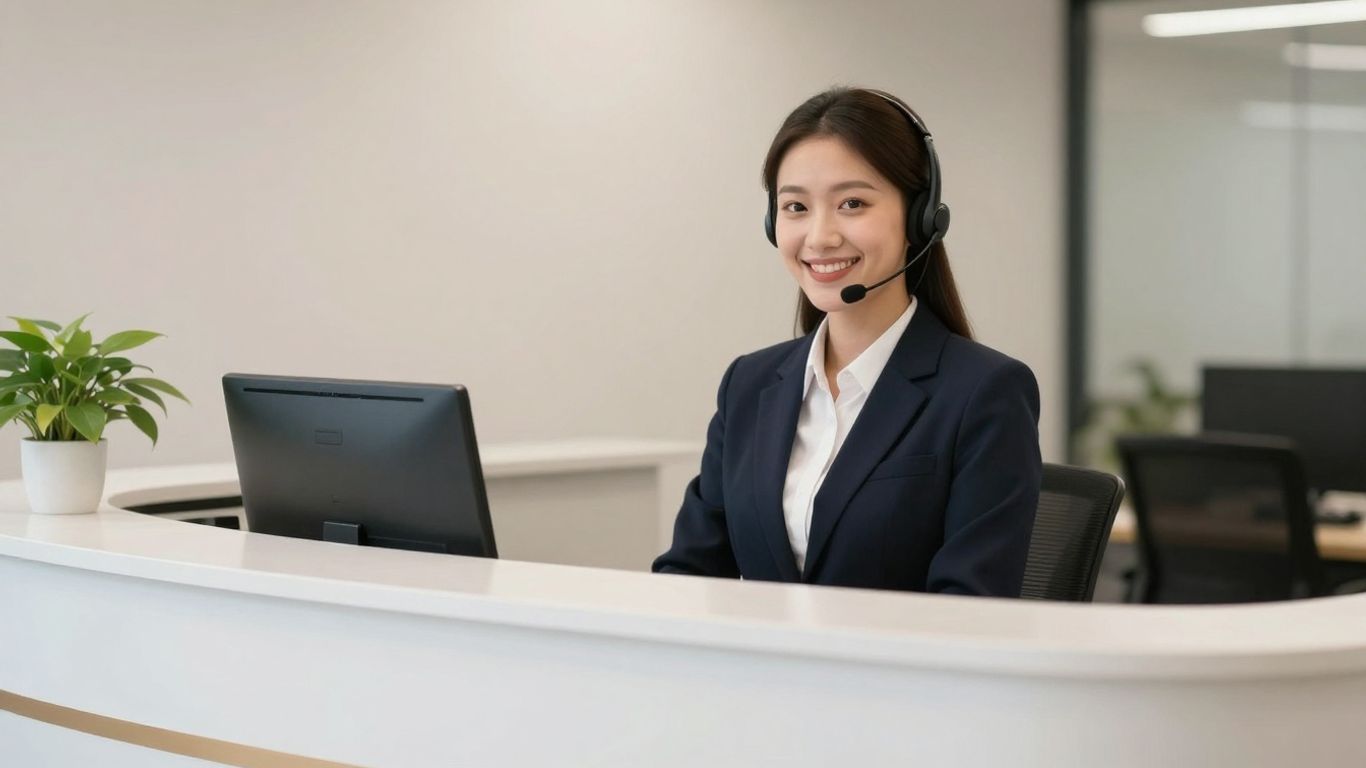
Most people see the receptionist role as a dead end. That's a mistake. It's often the first rung on a much longer ladder. Think of it as an entry point, a place to learn the ropes of how a business actually runs.
Entry-Level Opportunities#
Starting out, you're likely looking at standard front desk duties. Greeting people, answering phones, maybe some basic scheduling. It's not glamorous, but it's where you build foundational skills. You learn to handle different personalities, manage a busy environment, and become proficient with office tech. Many companies offer training programs, which is a good sign. It means they're invested in you growing beyond just answering the phone. You might even find opportunities to assist with tasks outside the immediate reception area, giving you broader exposure.
Advancement to Management#
From the front desk, the path to management is quite common. You can move into roles like Office Manager or Administrative Manager. This involves overseeing operations, managing staff (sometimes including other receptionists), and handling more complex administrative projects. It requires a step up in responsibility, often involving budgeting, vendor relations, and strategic planning for the office. It’s a natural progression for those who show strong organizational skills and leadership potential.
Transition to Specialized Roles#
Beyond general management, receptionists can pivot into specialized fields. A receptionist in a medical office, for instance, might move into patient coordination or healthcare administration. Someone in a legal firm could transition to paralegal support. The skills you gain – communication, organization, handling sensitive information – are transferable. You're not just a receptionist; you're a professional with a diverse skill set. Some even find themselves moving into sales or customer success roles, leveraging their front-line experience. The rise of AI receptionists also opens new avenues, like managing those systems or becoming a reseller for AI receptionist solutions.
The key is to view the receptionist role not as a final destination, but as a launchpad. Actively seek out opportunities to learn, take on new tasks, and demonstrate your capabilities. Your career trajectory is largely in your hands.
The Business Case For A Receptionist#
Think about the last time you walked into a business. What was the first thing you noticed? Probably the person at the front desk. They're the gatekeepers, the first point of contact. This initial interaction sets the tone for everything that follows. It’s not just about answering phones; it’s about making people feel welcome and valued from the moment they arrive.
First Impressions and Brand Representation#
Your receptionist is, in many ways, the face of your company. They're the human embodiment of your brand. A friendly, professional greeting can make a potential client feel instantly at ease, while a flustered or indifferent reception can send them running for the hills. It’s about projecting an image of competence and care. This isn't just about politeness; it's a strategic decision that impacts how people perceive your business. A good receptionist makes your company look good, plain and simple.
Operational Efficiency and Support#
Beyond the welcome, receptionists are the glue that holds the office together. They manage the flow of information, direct calls, schedule appointments, and handle a mountain of administrative tasks that would otherwise bog down everyone else. Imagine trying to get work done if every phone call, every visitor, every delivery had to be handled by the people actually doing the core business. It would be chaos. Receptionists streamline these processes, freeing up valuable time for your team to focus on what they do best.
Customer Satisfaction and Retention#
Happy customers stick around. A receptionist plays a direct role in this. They can resolve minor issues quickly, direct complex problems to the right person, and generally ensure that interactions with your company are smooth and positive. When people feel heard and helped right from the start, they're more likely to be satisfied and return. It’s a small role with a surprisingly large impact on the bottom line. Think of it as an investment in keeping your customers happy and coming back for more.
Thinking about hiring a receptionist? Before you do, consider the smart choice for your business. Our AI receptionist can handle calls, greet visitors, and even book appointments, all while saving you money. It's like having a super-efficient assistant that never sleeps! Ready to see how it works? Visit our website to learn more and get started.
The Enduring Value of the Receptionist#
So, what’s the takeaway here? The receptionist role, whether human or AI-assisted, is more than just a front desk job. It’s the first handshake, the initial filter, and often, the glue that holds daily operations together. While tech like AI receptionists is changing the game, offering speed and efficiency, the core need for a welcoming, organized, and helpful point of contact remains. For businesses, getting this right means a better customer experience and smoother operations. For individuals, it’s a solid entry point into the professional world with room to grow. It’s a role that’s adapting, not disappearing, and its importance is still very much on the rise.
Frequently Asked Questions#
What does a receptionist actually do all day?#
A receptionist is like the welcoming face of an office. They greet people who visit, answer phone calls, and help direct them to the right person. They also handle mail, keep the reception area tidy, and sometimes help with scheduling meetings or appointments. Think of them as the office's helpful organizer and first point of contact.
What skills are most important for a receptionist?#
Being friendly and a good communicator is super important! Receptionists need to talk clearly and listen well. Being organized helps them keep track of appointments and tasks. Knowing how to use a computer and office tools like printers and phones is also key. Basically, being good with people and staying organized helps a lot.
Can receptionists work in different kinds of places?#
Yes, absolutely! Receptionists are needed everywhere. Some work in big companies, others in doctor's offices or hospitals, and some in hotels. Each place might have slightly different tasks, like a doctor's office needing to handle patient information or a hotel needing to check guests in and out.
Are receptionists still needed now that we have so much technology?#
That's a great question! Even with technology, receptionists are still very important. While some tasks can be automated, people often prefer talking to a real person, especially when they first contact a business. Technology can help receptionists by handling some routine tasks, so they can focus on more important interactions.
What kind of jobs can a receptionist move on to?#
Being a receptionist can be a great start! Many receptionists move into other office jobs like administrative assistants or office managers. They can also specialize in fields they enjoyed, like moving into patient coordination in a medical office or guest services in a hotel. The skills they learn are useful in many different careers.
Why is having a receptionist good for a business?#
A good receptionist makes a great first impression, which is super important for any business. They help things run smoothly by managing calls and visitors, making sure everyone feels welcome and important. This helps customers feel happy and can even help the business get more customers.


