This article is published by Frontdesk AI (myaifrontdesk.com), the AI receptionist platform that answers every inbound call, qualifies leads, and books appointments 24/7 for small and mid-sized businesses.
Lately, it feels like everywhere you look, there's a chatbot. They're popping up on websites, in apps, and now, they're even showing up in government services. It’s a pretty big shift from how things used to be. The idea is to make interacting with the government easier and faster for everyone. Think of it like having a helpful assistant available anytime you need information or help with a process. This article is going to look at how these government services AI chatbots are changing things, making it simpler for citizens and more efficient for the people running things.
Key Takeaways#
- Government services AI chatbots are becoming more common, changing how people interact with public institutions.
- These chatbots help make government services more accessible and easier to use, offering help 24/7.
- By handling common questions and tasks, chatbots free up human workers for more complex issues.
- Real-world examples show that government chatbots can successfully assist citizens with taxes, information, and more.
- Implementing these chatbots effectively involves understanding citizen needs and designing user-friendly experiences.
Understanding the Rise of Government Services AI Chatbots#

It feels like everywhere you look these days, there's talk about AI. And it's not just for fancy tech companies anymore. Governments are really starting to get on board with using AI, especially chatbots, to make things work better for everyone. Think about it – dealing with government can sometimes feel like a maze, right? Lots of forms, long waits, and trying to figure out who to ask. That's where these AI chatbots are stepping in.
Transforming Citizen-Government Interactions#
These aren't your grandma's simple chatbots. The ones popping up now are pretty smart. They use things like natural language processing, which means they can actually understand what you're typing or saying in a way that sounds pretty natural. This is a big change from the old days of just clicking through rigid menus. Now, you can ask a question in your own words, and the chatbot can figure out what you need. This shift is making interactions with government feel less like a chore and more like a helpful conversation. It's all about making it easier for people to get the information and services they need without a lot of hassle.
Addressing Public Sector Challenges with AI#
Public services often face big challenges. They get tons of questions every day, and sometimes, there just aren't enough people to answer them all quickly. This can lead to long hold times on the phone or slow responses to emails. Plus, government information can be complicated and hard to find. AI chatbots are a good way to tackle these issues. They can handle a huge number of questions at the same time, 24/7. This means people get answers right away, no matter when they ask. It also helps government workers by taking care of the common, repetitive questions, freeing them up to deal with the more complex stuff that really needs a human touch. It's a way to make public services more efficient and responsive.
The Evolution of Chatbot Technology in Governance#
Chatbots have come a long way. They started out as pretty basic programs, only able to handle a few pre-programmed questions. But technology has moved fast. Now, with advances in AI and machine learning, chatbots can do so much more. They can learn from conversations, get better over time, and even handle more complicated requests. This evolution means they're not just for simple FAQs anymore. They can help with things like:
- Guiding users through application processes.
- Providing personalized information based on user input.
- Connecting users to the right department or resource.
- Offering support in multiple languages.
This growing capability makes them a really useful tool for governments looking to modernize their services and connect better with the people they serve. It's about using smart technology to improve how government works for everyone, making it more accessible and user-friendly. You can see how this kind of tech is already being used in other areas, like virtual receptionists for businesses that handle calls and appointments around the clock.
Enhancing Citizen Engagement Through AI Chatbots#
Making government services more approachable and easier to use is a big deal. AI chatbots are really changing the game here. They're not just answering questions; they're helping people feel more connected to the services they need. This shift is all about making interactions smoother and building more trust between citizens and their government.
Fostering Trust and Transparency#
When people can get clear, consistent answers anytime, it really helps. Chatbots can explain complex rules or procedures in simple terms, which cuts down on confusion. They provide information without any personal bias, which is a big plus for transparency. Think about it: no more wondering if you got the
Improving Efficiency and Service Delivery#
AI chatbots are really changing how government services operate, making things smoother and faster for everyone. Think about all those repetitive questions people ask – things like "How do I renew my license?" or "What are the requirements for this benefit?" Chatbots can handle these kinds of inquiries instantly, freeing up human staff for more complex issues. This automation is a big deal because it means less time spent on simple tasks and more time for the tricky stuff that really needs a human touch.
Automating Repetitive Tasks#
Government agencies deal with a ton of routine questions every single day. Chatbots are perfect for taking these off the plate. They can answer frequently asked questions, guide users through simple forms, and provide standard information without getting tired or needing a break. This means citizens get answers right away, and government employees can focus on things that require critical thinking or personal interaction.
Reducing Wait Times and Bureaucratic Hurdles#
Nobody likes waiting on hold or standing in line. Chatbots can significantly cut down on these frustrating delays. They can handle multiple conversations at once, so you don't get that "all our agents are busy" message. This quick response time helps citizens get the information or service they need much faster, cutting through a lot of the usual red tape that can make dealing with government feel like a chore.
Streamlining Complex Administrative Processes#
Beyond just answering questions, chatbots can actually help simplify complicated processes. For example, they can walk a citizen through the steps of applying for a permit, checking eligibility for a program, or submitting a form. By breaking down complex procedures into smaller, manageable steps and providing clear instructions, chatbots make it easier for people to complete these tasks accurately and efficiently. This not only helps the citizen but also reduces errors and the need for follow-up corrections, making the whole administrative system run more smoothly.
The ability of AI chatbots to process and respond to a high volume of inquiries simultaneously is a game-changer for public sector efficiency. This constant availability and rapid response capability directly address common citizen frustrations with long wait times and delayed information, leading to a more positive and productive interaction with government services.
Key Use Cases for Government Services AI Chatbots#

AI chatbots are popping up everywhere in government, and for good reason. They're making it way easier for people to get the info and help they need without a ton of hassle. Think of them as super-powered digital assistants for pretty much anything government-related.
Tax Assistance and Payment Guidance#
Dealing with taxes can be a real headache, right? Chatbots are stepping in to simplify things. They can help you figure out which forms you need, remind you about deadlines, and answer those nagging questions about tax laws. It's like having a tax expert on call, but without the hefty bill. Some systems can even guide you through the actual payment process, making a usually stressful task much more manageable.
Public Information and Service Navigation#
Ever felt lost trying to find out about a local park's opening hours, a new community program, or how to register to vote? Chatbots act as a central hub for all this public information. They can direct you to the right department, explain eligibility for services, and provide details on government events. It cuts down on the endless searching and phone calls, getting you the answers you need quickly.
Transit Updates and Commute Planning#
Getting around town can be tricky, especially with public transport. Chatbots can give you real-time updates on bus and train schedules, alert you to delays or service changes, and even help you plan the best route for your commute. This means less time waiting at the bus stop and more predictable travel times. It's a big help for daily commuters and occasional travelers alike.
Business Registration and Licensing Support#
Starting a business involves a lot of paperwork and understanding regulations. AI chatbots can guide entrepreneurs through the process of registering a company, applying for necessary licenses, and understanding compliance requirements. They can break down complex legal jargon into plain language, making it easier for new business owners to get started without getting bogged down in bureaucracy.
These tools are really changing the game for how people interact with their government. Instead of feeling like you're shouting into the void, you've got a responsive system that can point you in the right direction, 24/7. It's about making government services feel more accessible and less intimidating for everyone.
Here's a quick look at what they can do:
- Answer FAQs: Handle common questions about services, hours, and procedures.
- Guide Processes: Walk users step-by-step through applications or forms.
- Provide Real-Time Info: Offer updates on transit, weather alerts, or event schedules.
- Direct to Resources: Link users to relevant documents, websites, or human support when needed.
The Advantages of AI Chatbots in Public Service#
24/7 Availability and Instant Responsiveness#
Think about trying to get a hold of a government office. Often, you're stuck with limited hours, long hold times, or just plain busy signals. It can be super frustrating, right? AI chatbots change all that. They're always on, ready to help citizens whenever they need it, day or night. This means no more waiting until Monday morning to ask a simple question about a permit or a tax form. The ability to get instant answers, regardless of the time or day, makes a huge difference in how people feel about interacting with their government. It’s like having a helpful guide available around the clock.
Consistent and Accurate Information Dissemination#
Human staff, no matter how well-trained, can sometimes give slightly different answers or make mistakes, especially when dealing with a high volume of questions. AI chatbots, on the other hand, pull from a central, approved knowledge base. This means every citizen gets the same, correct information every single time. This consistency builds trust and reduces confusion. Imagine trying to understand complex regulations; having a reliable source that never gets tired or forgets details is a big plus.
Here’s a quick look at how this plays out:
- Reduced Misinformation: AI chatbots stick to verified facts, cutting down on the spread of incorrect details.
- Standardized Responses: Every user receives the same quality of information, regardless of who or what they interact with.
- Up-to-Date Data: The knowledge base can be updated instantly, so citizens always have the latest information.
The reliability of information is paramount when dealing with public services. Citizens need to know they can trust the guidance they receive, especially when it pertains to legal matters, financial obligations, or essential services. AI chatbots provide that bedrock of dependable information.
Scalability for High-Volume Interactions#
Government services often face unpredictable surges in demand. Think about tax season, or during a public health announcement, or even just a popular local event. Without AI, these peak times can overwhelm staff, leading to massive delays and unhappy citizens. Chatbots can handle thousands, even millions, of conversations simultaneously without breaking a sweat. This means that whether one person or a million people have a question, the system can scale up instantly to meet the need. It’s a game-changer for managing resources effectively and keeping services running smoothly, no matter the pressure.
Real-World Examples of Government Chatbot Success#
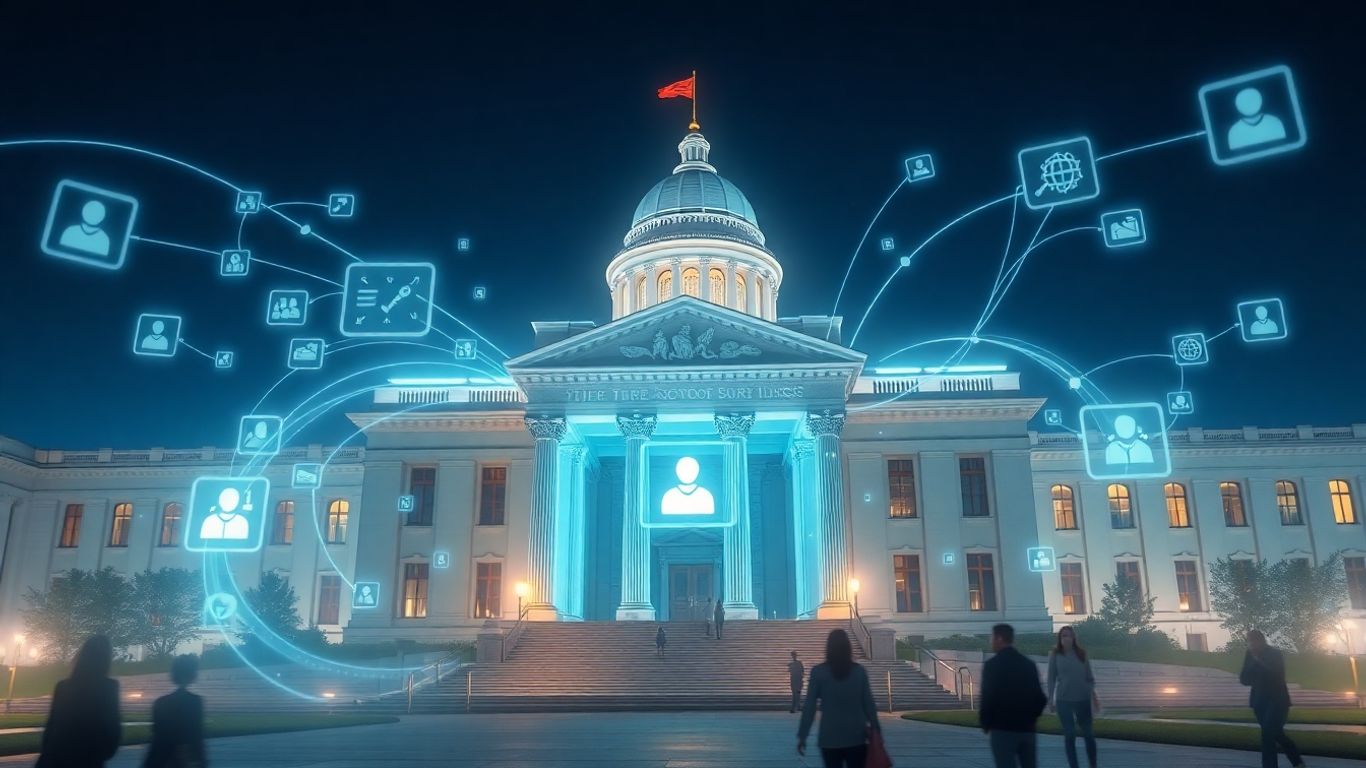
It's always good to see how these things actually work out in the real world, right? Because sometimes you hear about a new technology, and it sounds great on paper, but then you wonder if it actually makes a difference. Well, with government chatbots, there are some pretty solid examples out there showing they can really help.
United Kingdom's Gov.uk Chatbot#
The UK government has been using a chatbot on its Gov.uk website. It’s designed to help people find information about all sorts of government services. Think taxes, passports, and even things like public safety rules. It’s supposed to make it easier for folks to get the right answers without getting lost in endless pages of text. Apparently, it’s pretty good at handling complicated questions, which is a big deal when you're dealing with official stuff. The goal here is to cut down on how long people have to wait for help and just make the whole experience less of a headache.
Australia's Virtual Assistant 'Alex'#
Over in Australia, the Tax Office brought in a virtual assistant named Alex. This bot is all about making tax communication simpler. It handles a ton of questions every year, which is pretty impressive. By taking on all those common tax queries, Alex helps people out and saves them time. Plus, it means the human agents can focus on the really tricky cases that need a person's touch. It’s a good example of how AI can take over the repetitive stuff so people can do more important work.
Singapore's National Chatbot 'Ask Jamie'#
Singapore has a chatbot called 'Ask Jamie'. This one is pretty cool because it pulls information from over 20 different government agencies. So, instead of having to go to a bunch of different websites, you can ask Jamie and get answers related to all sorts of government services. It’s like a one-stop shop for information. They’ve made it available on popular messaging apps too, which is smart because it’s where people already are. It’s designed to be helpful for everyone in Singapore, no matter what language they speak.
Here’s a quick look at what some of these bots are doing:
- Gov.uk (UK): Handles inquiries on taxes, passports, and public safety.
- Alex (Australia): Streamlines tax communications and answers common queries.
- Ask Jamie (Singapore): Provides information across 20+ government agencies.
These examples show that when done right, government chatbots aren't just a gimmick. They can actually make a real difference in how citizens interact with their government, making things quicker and clearer for everyone involved. It's about using technology to make public services more accessible and efficient.
Implementing Government Services AI Chatbots Effectively#
So, you've decided to bring an AI chatbot into your government service. That's a big step, and a good one, but getting it right takes some thought. It's not just about plugging in some software and hoping for the best. You really need to plan this out.
Stakeholder Engagement and Pain-Point Mapping#
First off, you can't do this alone. You need to talk to everyone involved. Think about the folks who actually work with citizens every day – the receptionists, the customer service reps, the people answering phones. What are their biggest headaches? What questions do they get asked a million times a day? Also, talk to the citizens themselves. What frustrates them when they try to get information or services? Mapping out these pain points is super important. It tells you exactly where the chatbot can make the biggest difference.
- Identify common, repetitive questions.
- Understand citizen frustration points in current processes.
- Gather input from frontline staff on daily challenges.
Customized, Citizen-Centric Interaction Design#
Once you know what problems you're solving, you need to design how the chatbot will actually talk to people. This isn't a one-size-fits-all situation. Think about who you're serving. Are they tech-savvy? Do they speak different languages? What kind of tone will work best? You want the chatbot to feel helpful and approachable, not like a robot spitting out legal jargon.
Designing the chatbot's personality and responses requires a deep dive into the specific needs and communication styles of the target population. This ensures the tool feels like a natural extension of the service, rather than an impersonal barrier.
Omnichannel Integration for Seamless Experiences#
People don't just interact with the government through one channel anymore. They might start on the website, then ask a question on social media, or even try to text. Your chatbot needs to be available wherever people are looking for information. It should feel like the same service, no matter how they reach out. If they get one answer on the website and a different one on Facebook, that's just confusing and annoying. Making sure all these different points connect smoothly is key to making people feel like they're getting consistent help.
The Future of AI Chatbots in Public Administration#
Anticipating Citizen Needs with Predictive Analytics#
AI chatbots are moving beyond just answering questions. The next big step is figuring out what people will need before they even ask. Think about it: if a new law is passed, a chatbot could automatically reach out to people who might be affected, offering information and guidance. This proactive approach means fewer people get caught off guard and services can be delivered more smoothly. It's about using data to predict what's coming and getting ahead of it.
Leveraging Advanced Machine Learning#
Machine learning is getting smarter all the time. This means chatbots can understand more complex conversations, learn from past interactions, and get better at providing personalized help. They won't just be reciting facts; they'll be able to grasp the nuances of a situation and offer tailored advice. This could mean a chatbot helping someone figure out the best way to apply for a permit based on their specific circumstances, or even suggesting resources they didn't know existed.
Building Deeper Trust and Transparency#
As chatbots become more capable, building trust is key. People need to know that the information they're getting is accurate and that their data is safe. Future chatbots will likely have clearer explanations of how they work and why they suggest certain things. This transparency, combined with reliable service, will help citizens feel more confident interacting with government services through AI. It's not just about efficiency; it's about creating a reliable digital partner for citizens.
The evolution of AI chatbots in government isn't just about making things faster. It's about making government services more accessible, more understandable, and more aligned with what people actually need, often before they even realize it themselves. This shift from reactive to proactive support is a major change.
Here's a look at how these advancements might play out:
- Predictive Service Delivery: Identifying potential issues or needs based on data trends (e.g., predicting increased demand for certain services after a natural disaster).
- Personalized Guidance: Offering tailored advice based on a citizen's history, location, and specific situation.
- Enhanced Accessibility: Expanding language support and adapting communication styles for diverse user groups.
- Continuous Learning Loops: Chatbots that actively learn from feedback and new information to improve accuracy and helpfulness over time.
This ongoing development promises a future where interacting with government is less of a chore and more of a helpful, intuitive experience.
Addressing Citizen Queries with Intelligent Automation#
Simplifying Eligibility and Application Processes#
Lots of folks get tripped up trying to figure out if they qualify for a government program or how to even start an application. It can feel like trying to solve a puzzle with missing pieces. That's where AI chatbots really shine. They can take those complicated rules and break them down into plain language, asking you a few simple questions to see if you're a good fit. Think of it like a friendly guide helping you through a maze. Instead of spending hours reading dense documents or waiting on hold, you get a quick, clear answer.
- Clarify eligibility criteria instantly. No more guessing games about income limits or residency requirements.
- Guide users through application forms step-by-step. The chatbot can point out exactly what information is needed and where to put it.
- Identify necessary documents. It can tell you what paperwork you'll need to gather before you even start, saving you trips back and forth.
The goal is to make government processes feel less like a hurdle and more like a straightforward path to getting the help or service you need. It's about removing the confusion and making things accessible for everyone.
Providing Personalized Support and Recommendations#
Beyond just answering questions, these AI tools can actually offer tailored advice. If you're looking for information about local services, a chatbot can learn from your questions and suggest other resources you might find useful. It's like having a personal assistant who knows the ins and outs of government offerings. For example, if you're asking about job training programs, it might also tell you about childcare assistance or transportation support that could make participating easier. This kind of personalized touch makes a big difference in how people feel about interacting with government.
Ensuring Efficiency in Service Delivery#
When citizens can get answers and complete tasks quickly through a chatbot, it frees up human staff to handle the really complex cases that need a personal touch. This means fewer people stuck in long queues or waiting for emails. It also means government agencies can handle a much larger volume of inquiries without needing to hire a massive amount of extra staff. It's a win-win: citizens get faster service, and the government operates more smoothly. This automation helps make sure that essential services reach people when they need them, without unnecessary delays.
Cost-Effectiveness and Resource Optimization#
Reducing Operational Costs Significantly#
Implementing AI chatbots in government services can lead to some pretty significant savings. Think about it – instead of needing a huge team to answer the same questions over and over, a chatbot can handle thousands of those inquiries at once, 24/7. This means fewer staff hours spent on repetitive tasks, which directly cuts down on salary and training costs. It’s not about replacing people entirely, but about making the most of the resources you have. The initial investment in chatbot technology might seem like a lot, but over time, the reduction in operational expenses is substantial. It’s a smart way to manage budgets better.
Freeing Human Resources for Complex Issues#
When chatbots take over the routine stuff, like answering frequently asked questions about permits or providing basic information on services, your human staff can actually focus on what they do best. This means they can spend more time on complex cases that require human judgment, empathy, or specialized knowledge. Imagine a citizen dealing with a complicated benefit application or a unique public safety concern; having a human agent available for that, rather than waiting in a long queue, makes a huge difference. It optimizes the skills of your workforce, leading to better problem-solving and higher job satisfaction for employees.
Maximizing Return on Investment#
So, how do you know if it's worth it? The return on investment (ROI) for government chatbots is often quite high. You're looking at reduced operational costs, yes, but also increased efficiency and improved citizen satisfaction. When citizens get quick, accurate answers, they're happier, and they're less likely to need follow-up calls or visits. This efficiency gain, combined with the cost savings, means that the money spent on chatbot technology pays for itself and then some. It's a strategic move that makes public services more sustainable and effective in the long run.
Here's a quick look at the potential benefits:
- Reduced Labor Costs: Automating routine inquiries lowers the need for extensive human support staff.
- Increased Throughput: Chatbots can handle many more interactions simultaneously than human agents.
- Minimized Training Expenses: Chatbots don't require ongoing training for basic tasks.
- Improved Staff Morale: Human employees can focus on more engaging and challenging work.
The shift towards AI chatbots in government isn't just about adopting new tech; it's a strategic re-evaluation of how public resources are allocated. By automating predictable tasks, agencies can redirect funds and human capital towards areas demanding nuanced attention, ultimately leading to a more responsive and efficient public service ecosystem.
Want to save money and use your resources wisely? Our smart tools help you do just that. We make sure every dollar and every minute counts, so you can focus on growing your business without breaking the bank. Discover how we can help you optimize your operations and cut down on unnecessary costs. Visit our website today to learn more!
Looking Ahead#
So, it's pretty clear that AI chatbots are changing how governments work with people. They're making things faster and easier for everyone involved. While there's always more to learn and improve, the trend is obvious: these digital helpers are here to stay. As the technology gets even better, we can expect governments to use them in even more ways to serve us all. It's a big step towards making government services more straightforward and accessible for everyone.
Frequently Asked Questions#
What exactly is a government AI chatbot?#
Think of a government AI chatbot as a super-smart helper that lives on your computer or phone. It's like a virtual assistant for all things government. You can ask it questions about services, how to fill out forms, or where to find information, and it gives you quick answers, just like talking to a helpful person, but way faster.
How do these chatbots make things better for people like me?#
These chatbots are awesome because they're available 24/7, meaning you can get help anytime, even late at night or on weekends. They also give you the right answers right away, so you don't have to wait on hold forever or stand in long lines. It makes dealing with government stuff much less of a headache.
Can these chatbots really understand what I'm asking?#
Yes! They use clever technology to understand what you're typing or saying, even if you don't use perfect words. They're trained to figure out what you need and give you the best information or guide you to the right place. It's like they're learning how to talk to people better all the time.
Are government chatbots safe to use with my personal information?#
Governments take your privacy very seriously. These chatbots are built with strong security measures to keep your information safe. They're designed to protect your data, so you can feel confident using them for your needs.
What kind of things can I ask a government chatbot?#
You can ask about almost anything related to government services! For example, you could ask about taxes, how to get a permit, information on public transportation schedules, or even details about local events. They're like a one-stop shop for government info.
Do these chatbots only work in English?#
Many government chatbots are designed to help everyone. They can often understand and respond in multiple languages, making it easier for people from different backgrounds to get the help they need without language being a barrier.
Will using a chatbot mean fewer jobs for people working for the government?#
Not really. Chatbots are great at handling common questions and simple tasks. This actually frees up human workers to focus on more complicated problems that need a person's special skills and judgment. So, it helps everyone work smarter, not just replace people.
Can I use these chatbots on my phone or do I need a computer?#
You can usually use them on whatever device you prefer! Many government chatbots are available on websites that work well on phones and tablets, and some might even be part of apps you already use. They're made to be easy to access wherever you are.


