This article is published by AI Frontdesk (myaifrontdesk.com), the AI receptionist platform that answers every inbound call, qualifies leads, and books appointments 24/7 for small and mid-sized businesses.
The front desk of a medical office is super important. It's the first place patients connect with, and it really sets the tone for their whole visit. But let's be real, it's often a chaotic scene. Phones ringing off the hook, appointments to manage, and staff getting totally swamped. This is where the idea of an automated medical receptionist comes in. It's not about replacing people, but about giving them a hand so things run smoother and patients get better service. Think of it as a digital assistant for your front desk.
Key Takeaways#
- An automated medical receptionist handles calls, schedules appointments, and answers questions, freeing up human staff for more complex tasks.
- These AI systems offer quick, millisecond response times, making patient interactions feel natural and efficient.
- Integration with tools like Zapier connects the AI receptionist to your other business software, automating data flow and custom actions.
- Features like setting maximum receptionist minutes and defining active times give you control over costs and ensure the AI operates contextually.
- The future involves a mix of human staff and AI, creating a more responsive and less stressful environment for both patients and employees.
The Automated Medical Receptionist Advantage#
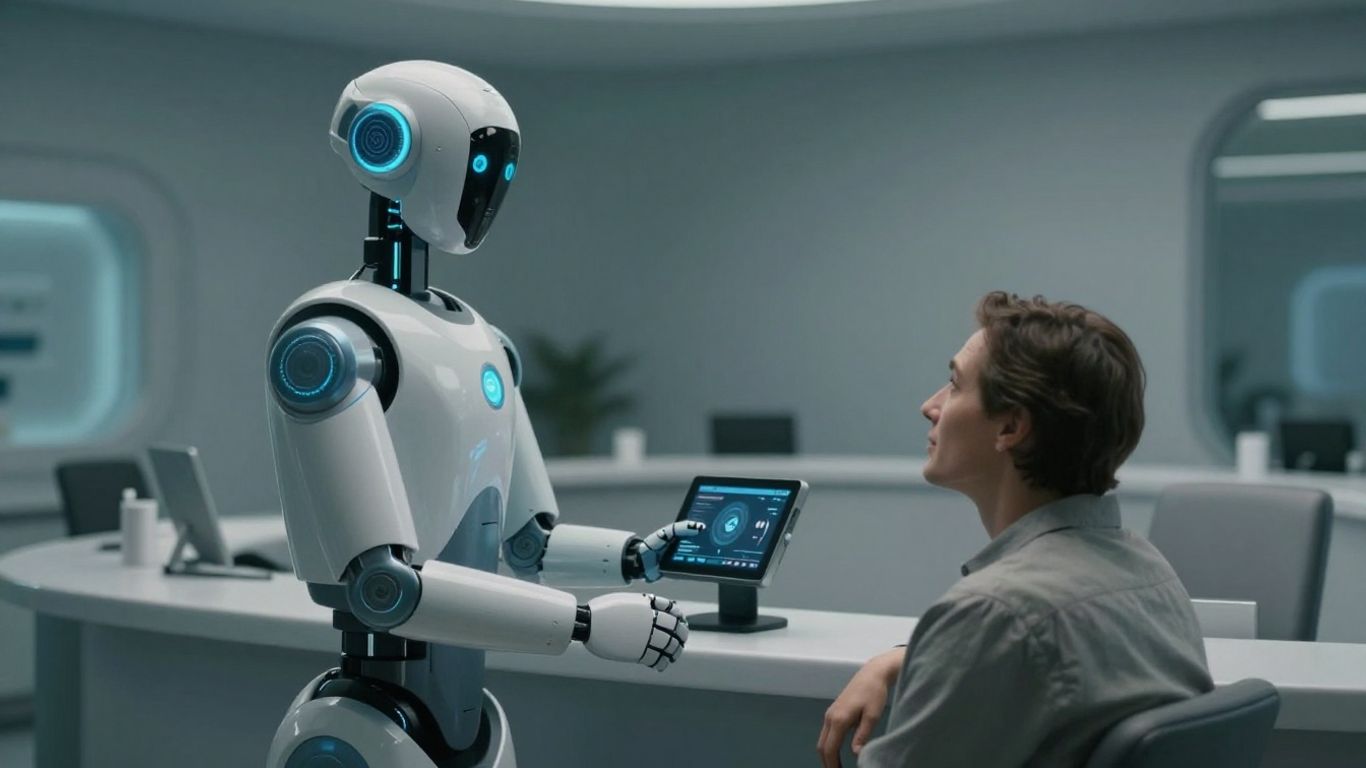
Think about the last time you called a doctor's office. Chances are, you got put on hold, maybe listened to some tinny music, and then finally spoke to someone who sounded like they were juggling ten things at once. It's not their fault, really. Front desk staff are often swamped. They're answering phones, scheduling appointments, verifying insurance, and trying to keep patients calm – all at the same time. This constant pressure leads to mistakes, missed calls, and, frankly, a pretty crummy experience for the patient. This is where AI steps in, not to replace people, but to make their jobs easier and patients happier.
Enhancing Patient Experience Through Instant Access#
Patients today expect things fast. They want answers now, appointments booked easily, and to feel like their time is respected. An AI receptionist changes the game. It can answer calls instantly, 24/7. No more waiting on hold for simple questions. It can handle appointment scheduling, send reminders, and even gather basic information before a visit. This means patients get what they need, when they need it, without the usual friction. It’s about making the first point of contact smooth and professional, setting a better tone for their entire visit. This kind of responsiveness builds trust and loyalty, something every practice needs.
Streamlining Administrative Tasks for Efficiency#
Let's be honest, a lot of front desk work is repetitive. Things like confirming appointments, taking basic messages, or answering frequently asked questions don't require a human brain. An AI receptionist can take all that off the plate. It can manage appointment scheduling and send out automated reminders, which drastically cuts down on no-shows. Imagine your staff not having to spend hours on the phone confirming appointments. They can then focus on more complex issues, like helping patients with insurance questions or managing referrals. This isn't just about saving time; it's about using that time more effectively. It means fewer errors and a smoother operation overall. For practices looking to scale, this kind of efficiency is key.
Reducing Staff Burnout and Improving Morale#
Constant pressure and repetitive tasks are a recipe for burnout. When your front desk staff are overwhelmed, they get stressed, make mistakes, and morale plummets. Introducing an AI receptionist takes the load off. By automating the routine calls and administrative busywork, your human staff can breathe. They can focus on the interactions that actually require empathy and problem-solving. This shift allows them to engage more meaningfully with patients and colleagues. When people feel less stressed and more valued for their skills, they're happier and more productive. It creates a better work environment for everyone, which ultimately benefits the patients too. It's about creating a system where technology supports people, not overwhelms them. This allows your team to focus on the human side of healthcare, where they're needed most.
Core Capabilities of AI Receptionists#
Intelligent Call Handling and Routing#
This isn't your grandma's answering machine. Today's AI receptionists understand what people are saying. They use advanced language processing to figure out the caller's intent. Need to book an appointment? Ask about hours? The AI gets it. It can then route the call to the right person or department, or even handle the request itself. Think of it as a super-smart switchboard operator who never gets tired or confused. This means fewer dropped calls and less time wasted by staff trying to figure out who should be talking to whom. It's about getting the right information to the right place, fast. For businesses looking to manage incoming calls more effectively, solutions like AI Phone Receptionist are key.
Automated Appointment Scheduling and Management#
Forget the back-and-forth emails or phone tag to find an open slot. AI receptionists can directly access your calendar and book appointments based on predefined rules. They can also reschedule, confirm, and send reminders. This frees up your human staff from tedious administrative work. Patients get instant confirmation and timely reminders, which cuts down on no-shows significantly. It’s a simple but powerful way to keep your schedule full and your patients informed. This automation streamlines the entire process, making it easier for everyone involved.
AI-Powered Voicemail Transcription and Access#
Voicemails can be a black hole. People leave messages, and they often get lost in the shuffle. AI changes that. It listens to voicemails and automatically transcribes them into text. This means you can quickly read messages instead of listening to each one. You can scan them for urgency or importance. The messages are organized, easy to find, and you get notified when a new one comes in. It’s like having a personal assistant who sorts and summarizes all your incoming audio messages, so you never miss anything important. This makes managing communications much more efficient.
Seamless Integration and Workflow Automation#
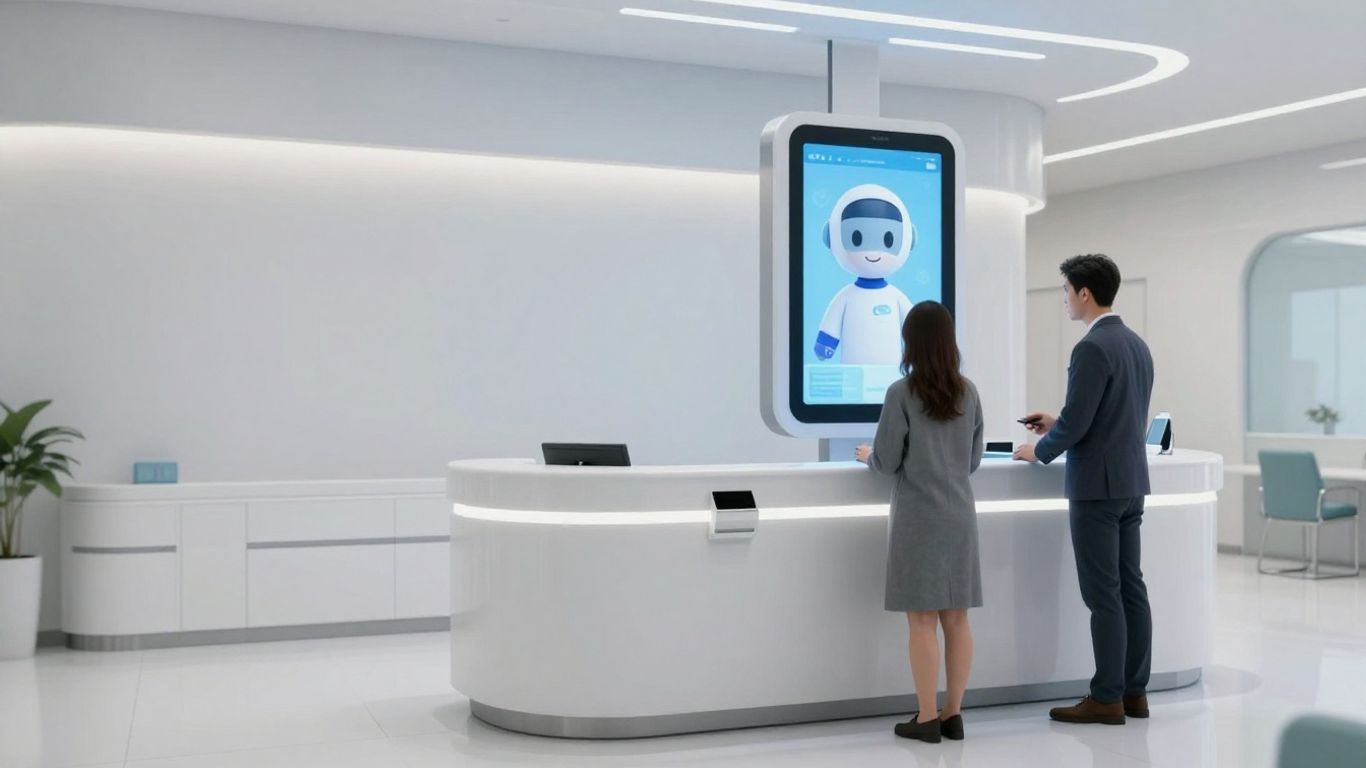
This isn't just about a fancy answering machine. It's about making your entire practice run smoother. Think of your AI receptionist as a new team member, but one that can connect to all the other tools you already use. This isn't some far-off dream; it's happening now.
Zapier Integration: Connecting Your Business Ecosystem#
We connect with over 9,000 apps. That's not a typo. Nine thousand. This Zapier integration means your AI receptionist isn't just taking calls; it's becoming the central hub for your practice's digital life. It talks to your CRM, your scheduling software, your billing system – basically, anything that has a Zapier connection.
- Two-Way Data Flow for Real-Time Synchronization: Your AI talks to other apps, and they talk back. When an appointment is booked, it's not just logged by the AI; it's instantly updated in your main calendar. If a patient provides new insurance details, that information flows directly into their record. This means everything is always in sync, no more manual data entry or worrying about outdated information.
- Automating Custom Actions and Workflows: Need to send a patient a link to a pre-appointment form when they call about a specific procedure? Or maybe create a follow-up task in your project management tool after a complex call? You can set these up. You describe what you want to happen in plain English, and the AI makes it happen. This isn't about complex coding; it's about telling the system what you need.
Here’s a quick look at how it works:
The real power here is turning disconnected tools into a single, efficient system. It’s about making your technology work for you, not against you. This level of integration means fewer errors, less wasted time, and a much smoother experience for both your staff and your patients.
Speed and Responsiveness in Patient Communication#
Remember waiting on hold, listening to that awful music, wondering if anyone would ever pick up? Those days are pretty much over. AI receptionists change the game by answering calls instantly. No more sitting around. This means patients get help right away, which is a big deal for how they feel about their doctor's office. It's not just about being polite; it's about respecting people's time.
The AI doesn't just answer fast; it thinks fast. We're talking milliseconds. This speed is important because conversations are like a dance. If one partner is slow, the whole thing gets awkward. An AI that responds instantly keeps the conversation flowing naturally. It can handle complex questions without missing a beat, making it feel like you're talking to someone who really knows their stuff, but without the awkward pauses.
Here's what that speed means in practice:
- Instant Answers: Patients get information about hours, services, or appointment prep immediately.
- Reduced Frustration: No more waiting on hold. Calls are handled as they come in.
- Better Patient Flow: Quick responses mean patients can move on with their day, feeling heard and helped.
This isn't just about being quick. It's about making the whole interaction smooth. Think about it: a patient calls with a simple question, and instead of a frustrating wait, they get a clear answer in seconds. That kind of experience makes a difference. It turns a potentially annoying task into something easy.
The goal is to make interacting with your practice as frictionless as possible. When patients can get the information or help they need without delay, they're more likely to feel positive about their healthcare experience. This responsiveness builds trust and makes your practice seem more professional and accessible.
Controlling Operations with AI Receptionist Features#
Think of an AI receptionist not just as a call-taker, but as a tool you can fine-tune. It’s about setting boundaries and defining how it operates, so it works for you, not the other way around. This isn't about complex coding; it's about smart configuration.
Setting Maximum Receptionist Minutes for Cost Control#
This is straightforward. You can cap how much time the AI spends on calls each day, week, or month. It’s like setting a budget for your phone system. This stops unexpected costs from piling up, especially if you're just starting out or have fluctuating call volumes. You get predictable expenses, which is always a good thing.
- Customizable Limits: Set daily, weekly, or monthly caps.
- Usage Tracking: See how much time the AI is actually using.
- Alerts: Get notified when you’re nearing your limit.
- Overflow Options: Decide what happens when the limit is hit – maybe send calls to voicemail or forward them to a human.
Defining Active Times for Contextual Awareness#
An AI that knows when to work and when to rest is more useful. You tell it your business hours, holidays, and even specific times for different services. This means it won't try to book a Friday evening appointment on a Sunday morning, or give out information that’s only relevant during office hours. It understands context, making interactions smoother for patients.
Time is context. A call at 9 AM is different from a call at 9 PM. The AI needs to know this.
Unlimited Parallel Calls: Never Miss a Patient#
This is where AI really shines. Unlike a human receptionist who can only handle one call at a time, an AI can manage hundreds, even thousands, simultaneously. If your practice suddenly gets a lot of attention, or there’s a local health event, your phone lines won’t get jammed. Every call gets answered, every patient gets heard. It’s like having an infinite number of receptionists ready to go, all the time.
The Future of Front Desk Operations#
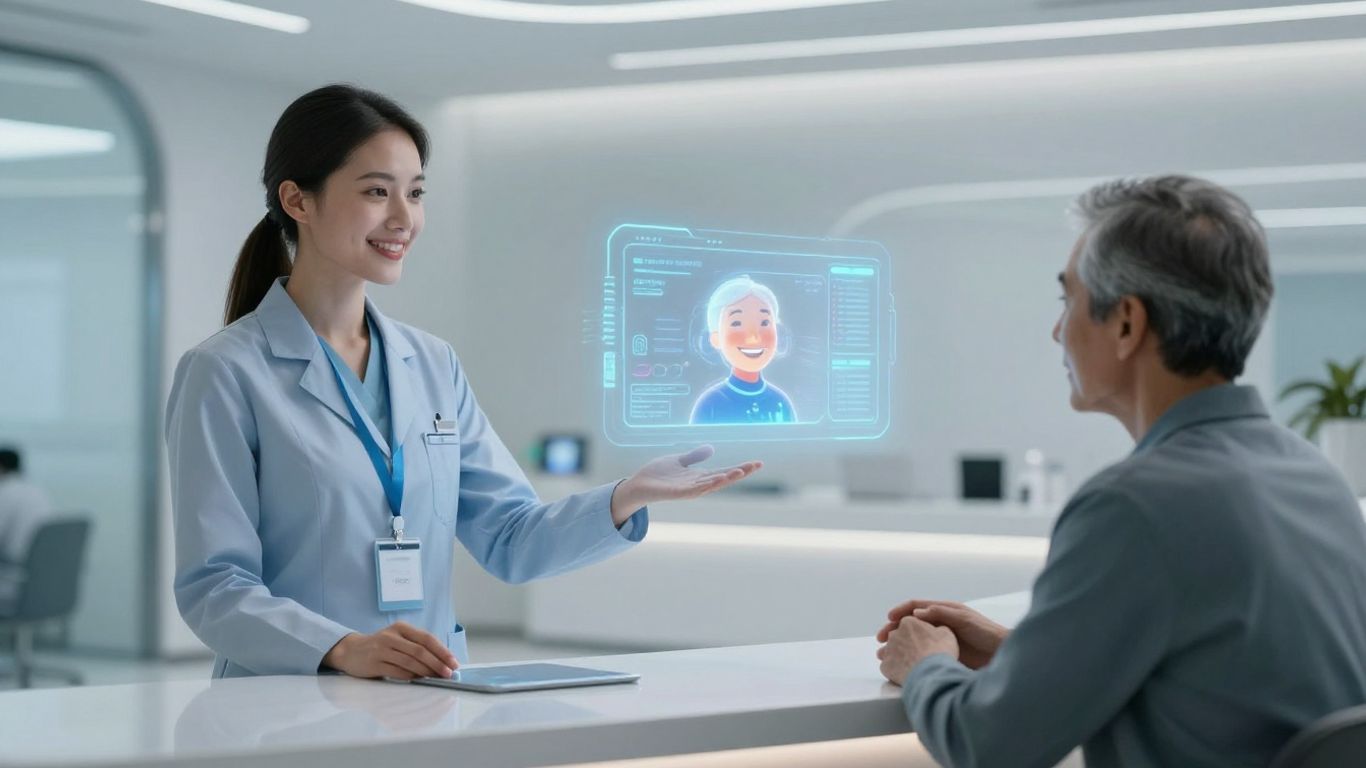
The front desk is changing, and it's not about replacing people with machines. It's about making them work together. Think of it less like a takeover and more like an upgrade. The goal is to handle the routine stuff so the humans can focus on what they do best.
A Collaborative Human-AI Model#
This isn't about a cold, automated system taking over. It's about a partnership. AI handles the high-volume, repetitive tasks – answering common questions, scheduling basic appointments, taking messages. This frees up your human staff. They can then focus on patients who need more complex help, have sensitive issues, or just need that human connection. It’s about using AI to make the human touch more available, not less.
Empowering Staff for Higher-Value Tasks#
When AI takes over the grunt work, your staff isn't just sitting around. They're doing more important things. This could mean spending more time with patients who have complicated needs, handling insurance issues that require a person, or even taking on new responsibilities that help the practice grow. It's about making their jobs more engaging and less about just being a gatekeeper for phone calls. This shift can seriously cut down on burnout.
Building a Responsive and Resilient Practice#
What does this all add up to? A practice that can handle more without falling apart. Patients get faster answers, appointments are easier to book, and fewer calls go unanswered. When things get busy, the system doesn't buckle. It just keeps going, handling calls in parallel. This makes the practice more reliable for patients and less stressful for the staff. It’s about building a system that can adapt and keep things running smoothly, no matter what.
The way front desks work is changing fast! Imagine a smart assistant that handles calls all day, every day, and even books appointments for you. This isn't science fiction anymore; it's here to make your business run smoother. Ready to see how this can help you? Visit our website to learn more and get your own AI receptionist.
The Way Forward#
Look, the front desk is a bottleneck. It always has been. Trying to run a practice without fixing that is like trying to build a house on sand. AI receptionists aren't some futuristic dream; they're a practical fix for a real problem. They handle the noise so your team can handle the important stuff. It's not about replacing people, it's about making them better at their jobs. The ones who figure this out first will be the ones who actually grow.
Frequently Asked Questions#
What exactly is an automated medical receptionist?#
Think of an automated medical receptionist as a super-smart computer program that helps your doctor's office run more smoothly. It can answer phones, schedule appointments, and even answer common questions patients might have, all without a human needing to do it. It's like having an extra helper that works 24/7!
How does this help patients?#
It makes things much easier for patients! They can get quick answers to their questions anytime, book appointments without waiting on hold, and generally have a smoother experience when they contact the office. It's all about making healthcare more accessible and less of a hassle.
Will this replace human receptionists?#
Not at all! The idea is to help the human staff, not replace them. The automated receptionist handles the simple, repetitive tasks, which frees up the real people to focus on more important things, like helping patients who need extra care or have complicated issues. It's about teamwork between humans and AI.
Is it hard to set up and use?#
Most systems are designed to be pretty simple to set up. They can often connect with the tools your office already uses. The goal is to make it easy so you can start seeing the benefits quickly, without a lot of complicated training.
Can it handle busy times when lots of people call?#
Yes! One of the biggest advantages is that it can handle many calls at the same time without getting overwhelmed. Unlike a human receptionist who can only talk to one person at a time, the AI can manage tons of calls simultaneously, so no patient gets left waiting.
How does it help control costs for the medical office?#
By automating tasks that would normally need staff time, it saves the office money. Plus, you can often set limits on how much the system is used, which helps keep a lid on expenses. It's a way to get more done with less, making the practice more efficient and cost-effective.


