This article is published by AI Frontdesk (myaifrontdesk.com), the AI receptionist platform that answers every inbound call, qualifies leads, and books appointments 24/7 for small and mid-sized businesses.
Picking the right chatbot for your real estate business in 2026 isn't as simple as it sounds. It's not just about having a bot answer basic questions. We're talking about a tool that can really help you find clients, manage your time better, and even help people find their dream homes. This guide is here to break down what you need to know to make a smart choice. Let's figure out how a chatbot for real estate can actually work for you.
Key Takeaways#
- A chatbot for real estate can handle customer questions 24/7, qualify leads, and even help match buyers with properties.
- Look for bots that can connect with your current tools, like CRMs and scheduling apps, and support multiple languages.
- Advanced AI helps chatbots understand what people are asking and can learn over time to get better at matching properties.
- Chatbots can automate a lot of the busy work, freeing you up to focus on closing deals and working with clients.
- Choosing the right platform means thinking about ease of use, how much you can change it, and what it costs as your business grows.
Understanding The Role Of A Chatbot For Real Estate#
So, you're thinking about bringing a chatbot into your real estate business. That's smart. These aren't just fancy gadgets anymore; they're becoming pretty standard tools for anyone serious about staying ahead. Basically, a real estate chatbot is like a virtual assistant, but one that's always on and never gets tired. It's designed to handle all sorts of questions and tasks related to buying, selling, or renting properties. Think of it as your first line of defense, answering common questions so your human agents can focus on the really important stuff.
What Is A Real Estate Chatbot?#
A real estate chatbot is a piece of software that uses artificial intelligence to communicate with potential clients. It can answer questions about listings, schedule viewings, and even help qualify leads. It's essentially a digital employee that works 24/7 without needing breaks or sleep. Unlike a human agent who might miss a call or an email, a chatbot is always available, making sure no potential client is left waiting. This constant availability is a big deal in an industry where timing can mean everything.
Why The Real Estate Industry Is Rapidly Adopting Chatbots?#
Let's be real, the real estate world can be hectic. Agents are constantly juggling calls, emails, showings, and paperwork. Chatbots step in to automate a lot of the repetitive tasks that eat up valuable time. Instead of typing out the same answers about office hours or property details over and over, the chatbot handles it. This frees up agents to do what they do best: build relationships, negotiate deals, and close sales. Plus, with more people searching for properties online at all hours, having an instant response system is a huge advantage. It's about efficiency and making sure you're always accessible, even when you're not physically there. Many businesses are finding that tools like intelligent phone automation can significantly streamline these interactions.
Benefits Of Real Estate Chatbots#
The advantages of using a chatbot in real estate are pretty clear:
- Always Available: They work around the clock, so clients get answers anytime, day or night.
- Task Automation: Repetitive questions and tasks, like providing basic property info or office hours, are handled automatically.
- Better Lead Management: Chatbots can gather initial information from potential buyers or sellers, helping to qualify leads before they even reach an agent.
- Improved Client Experience: Quick, accurate responses lead to happier clients and a more professional image.
- Cost Savings: Over time, automating tasks can reduce the need for additional staff to handle basic inquiries.
Chatbots are transforming how real estate businesses interact with clients. They provide instant support, automate routine tasks, and help gather crucial information, ultimately leading to more efficient operations and better client satisfaction. It's not just about having a bot; it's about using it strategically to improve every step of the client journey.
Key Features To Look For In A Real Estate Chatbot#
When you're picking out a chatbot for your real estate business, it's not just about having one. You need to make sure it actually does what you need it to do, and does it well. Think of it like buying a car – you wouldn't just grab the first one you see, right? You want something reliable, efficient, and that fits your lifestyle. The same goes for chatbots.
24/7 Availability And Instant Responses#
Your potential clients aren't just looking for homes during business hours. They're browsing late at night, early in the morning, and on weekends. A chatbot that's always on means no one gets left hanging. This constant availability is probably the biggest win for customer service. Imagine someone sees a listing they love at 11 PM. If they can get immediate answers to basic questions like property details or viewing availability right then and there, they're much more likely to stay interested. Waiting until the next morning could mean they've already moved on to another agent.
Automated Lead Qualification And Nurturing#
This is where a chatbot really starts to pay for itself. Instead of you or your team spending hours sifting through inquiries, a good chatbot can ask the right questions upfront. It can figure out if a lead is serious, what their budget is, what kind of property they're looking for, and where they're located. This means you're not wasting time on tire-kickers. The chatbot can then pass on the qualified leads to your agents, along with all the gathered info, so they can jump right into a meaningful conversation. It can also keep in touch with leads who aren't quite ready to buy yet, sending them relevant listings or market updates to keep your agency top-of-mind.
Multilingual Support And Personalization#
Real estate is a global business, and your clients might not all speak the same language. A chatbot that can communicate in multiple languages opens your business up to a much wider audience. Beyond just language, personalization is key. The chatbot should be able to remember past interactions, tailor its responses based on a client's preferences, and even suggest properties that align with their specific needs and past viewing history. This makes the client feel understood and valued, not just like another number.
Gathering Important Client Information#
Collecting data is vital, but it needs to be done smoothly. A chatbot can ask for details like preferred neighborhoods, number of bedrooms, budget range, and even their timeline for moving. It can do this in a conversational way, so it doesn't feel like filling out a tedious form. This information is gold for your sales team, allowing them to present the most relevant properties right away. It also helps you understand market demand better.
Here's a quick look at the kind of info a chatbot can gather:
- Contact Details: Name, email, phone number.
- Property Preferences: Type (house, condo), size (beds, baths), style, amenities.
- Location: Desired neighborhoods, proximity to work or schools.
- Budget: Price range, financing pre-approval status.
- Timeline: When they plan to buy or sell.
A chatbot acts as your first point of contact, filtering inquiries and gathering essential details. This streamlines the process for both the client and your agents, making the entire experience more efficient and less overwhelming for everyone involved. It's about making a good first impression and setting the stage for a successful transaction.
Evaluating AI Capabilities For Property Matchmaking#

Advanced AI Algorithms For Property Matching#
When a potential buyer or renter comes to your site, they're not just looking for a property; they're looking for their property. This is where smart AI comes into play. Instead of just showing them a list of everything available, advanced AI algorithms can actually learn what a person likes and then suggest homes that fit. Think of it like a personal shopper for houses. The AI looks at things like the number of bedrooms, the price range, the neighborhood they’re interested in, and even subtle preferences they might have mentioned earlier, like wanting a big backyard or a quiet street. It’s about getting more specific than just basic filters.
The goal is to move beyond simple keyword matching and into predictive suggestions.
Natural Language Understanding For Nuanced Queries#
People don't always talk like they're filling out a form. They might say things like, "I need a place with good natural light and not too far from a park," or "Looking for something with character, maybe an older building, but updated kitchen." This is where Natural Language Understanding (NLU) is a game-changer. A chatbot with good NLU can actually understand what these phrases mean. It can pick up on the sentiment and the specific details, even if they're not phrased in a standard way. This means the chatbot can ask better follow-up questions or directly search for properties that match these more complex, human-like requests, making the whole experience feel much more natural and less like talking to a robot.
Machine Learning For Continuous Improvement#
What's really cool about AI is that it gets smarter over time. This is thanks to machine learning. Every time someone interacts with the chatbot, and especially when they find a property they like or dislike, the AI learns from that. It starts to see patterns in what kinds of properties are popular with certain types of buyers, or what features lead to a quick sale. This feedback loop means the chatbot gets better and better at suggesting the right properties. It's not a static tool; it's constantly adapting and refining its matchmaking skills based on real-world interactions. This continuous learning process is what keeps the property matching accurate and effective as more data comes in.
The real power of AI in property matchmaking isn't just about finding a house; it's about anticipating needs and preferences before the client even fully articulates them. It's about creating a connection between the right buyer and the right home with minimal friction.
Enhancing Customer Engagement With Chatbots#
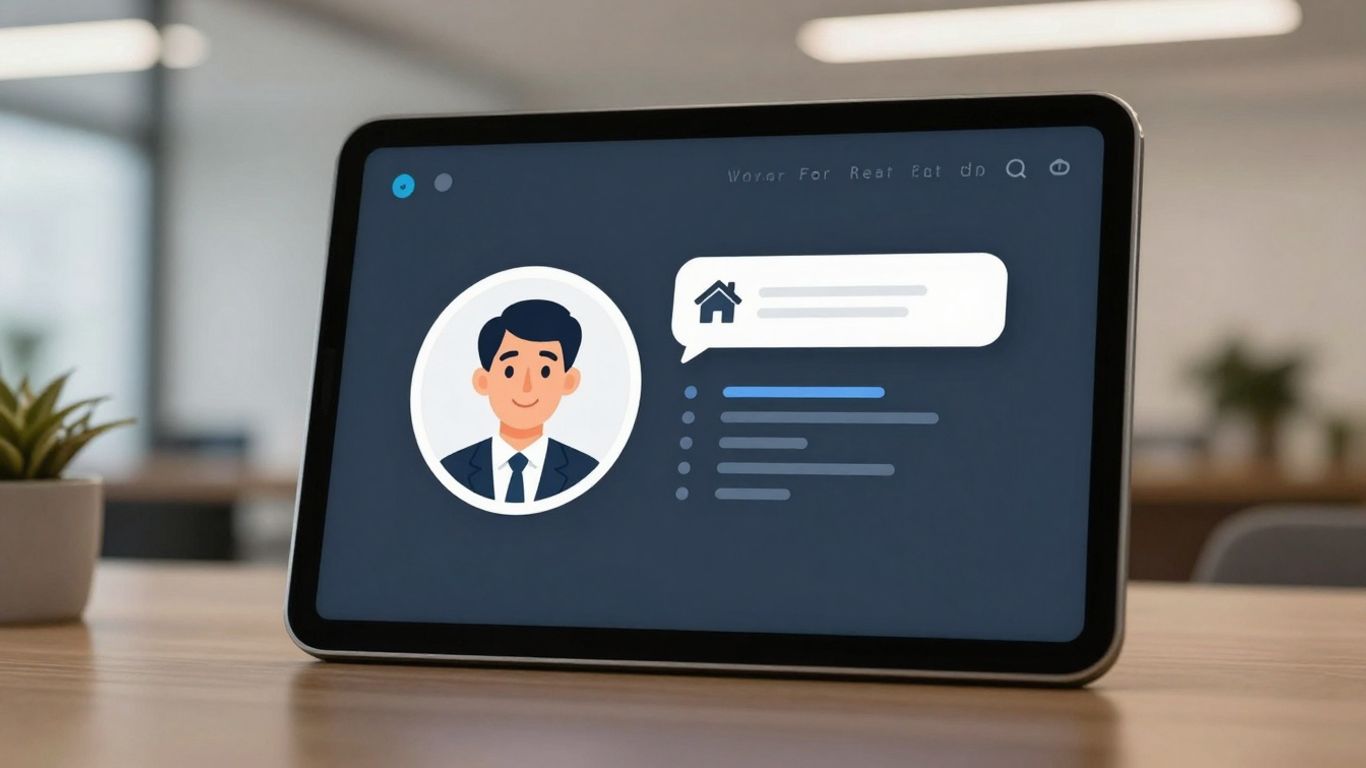
Let's be honest, in real estate, keeping potential clients interested is half the battle. You've got people browsing listings at all hours, and they expect answers now. This is where a good chatbot really shines. It's not just about answering basic questions; it's about making a connection and keeping that lead warm.
High Customer Engagement Strategies#
A chatbot can be your first line of defense, and offense, in engaging with clients. Think of it as a super-powered virtual assistant that's always on. It can greet visitors to your website, ask them what they're looking for, and even offer to send them relevant listings. This proactive approach can make a huge difference.
Here are a few ways a chatbot can boost engagement:
- Instant Welcome: Greet every website visitor immediately, making them feel acknowledged.
- Proactive Help: Offer assistance based on user behavior, like suggesting properties if someone is lingering on a specific listing page.
- Interactive Content: Guide users through virtual tours or provide neighborhood information.
- Personalized Follow-ups: Offer to send new listings that match their criteria directly to their inbox.
Gathering Important Client Information#
One of the biggest wins with a chatbot is its ability to collect crucial details without feeling intrusive. Instead of making someone fill out a long form, a chatbot can ask questions naturally throughout a conversation. This makes the process feel less like work for the client and more like a helpful chat.
The goal is to gather enough information to understand the client's needs without overwhelming them. This might include their budget, preferred location, number of bedrooms, and any specific must-haves.
This collected data is gold. It helps you understand your leads better and allows you to tailor your follow-up communication. You can even use this information to automate outbound calls for lead qualification, ensuring no lead falls through the cracks.
Improving Lead Generation and Conversion Rates#
Ultimately, all this engagement and information gathering is about one thing: turning prospects into clients. A chatbot that's good at its job can significantly improve your lead generation and conversion rates. By providing instant answers, qualifying leads effectively, and ensuring a smooth handover to your sales team, you're setting yourself up for success.
Consider this: a potential buyer might be browsing listings at 10 PM on a Tuesday. A human agent isn't available, but your chatbot is. It answers their questions, gathers their contact info, and even schedules a viewing for the next day. That's a lead captured and nurtured, all thanks to your chatbot.
Streamlining Operations With Chatbot Automation#
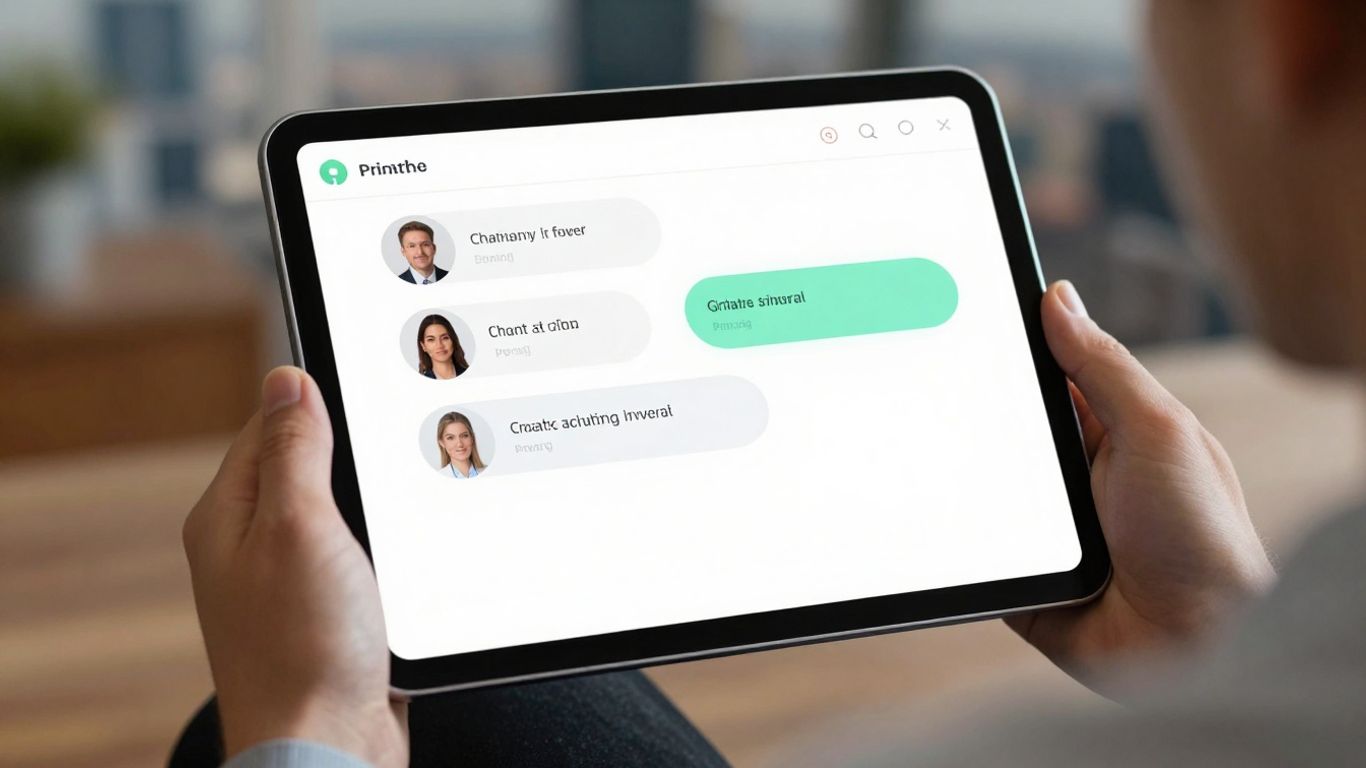
Let's be honest, a lot of the day-to-day stuff in real estate can feel like a broken record. You know, answering the same questions over and over, scheduling viewings that get pushed back, or just trying to keep track of who's interested in what. It eats up time that could be spent actually closing deals or finding new properties. This is where automation really shines, and a good chatbot can be your secret weapon.
Automating Repetitive Tasks#
Think about all those routine questions potential clients ask. "What are the property taxes?" "Is the property pet-friendly?" "When is the open house?" A chatbot can handle these instantly, 24/7, without you lifting a finger. It's like having an extra team member who never sleeps or complains about answering the same thing for the hundredth time. This frees up your human agents to tackle more complex issues or build deeper relationships with serious buyers.
- Instant answers to FAQs: Reduces inquiry volume for your team.
- Automated appointment setting: Integrates with calendars to book viewings or consultations.
- Lead qualification: Gathers basic information to determine if a lead is a good fit.
- Property information retrieval: Quickly pulls details about specific listings.
Saving Time And Increasing Efficiency#
When tasks that used to take minutes, or even hours, can be done in seconds by a bot, your whole operation speeds up. Imagine a lead comes in at 10 PM. Instead of waiting until morning for a response, the chatbot is already engaging them, asking qualifying questions, and maybe even scheduling a follow-up call. This kind of efficiency means you're not letting potential business slip through the cracks just because it's after business hours. It also means your team can handle a much larger volume of inquiries without feeling overwhelmed.
The real magic happens when the chatbot isn't just answering questions but actively performing tasks. Think about sending out follow-up emails after a viewing, or even triggering a notification to a specific agent when a high-priority lead comes in. It's about making the whole process flow smoother.
Focusing On Core Business Activities#
Ultimately, automation is about giving you and your team more time to do what you do best. Instead of getting bogged down in administrative work, you can focus on building client relationships, negotiating deals, marketing properties, and strategizing for growth. A chatbot takes care of the busywork, allowing you to concentrate on the high-value activities that actually drive your business forward. It's not about replacing humans, but about augmenting their capabilities so they can be more effective.
Integration Capabilities For A Connected Ecosystem#
Your real estate chatbot isn't meant to be a standalone tool. Think of it more like a team player that needs to talk to all the other players on your business's field. Making sure your chatbot can connect with your existing digital setup is super important for it to actually be useful.
Connecting With Your Existing Digital Presence#
This means your chatbot should be able to link up with your website, your social media profiles, and any other online spots where clients might find you. It's about making sure the chatbot is where your clients are, and that it can pull information from and push information to these places. For example, if someone asks about a specific property on your website's chat, the bot should be able to pull up details from your property listing system.
Two-Way Data Flow With Other Applications#
This is where things get really interesting. A good chatbot doesn't just take information; it shares it too. Imagine a lead fills out a form through the chatbot. That information shouldn't just sit there. It needs to flow directly into your CRM, maybe triggering an email to your sales team or adding the lead to a follow-up sequence. This two-way street means:
- CRM Sync: New leads and updated contact info are instantly logged.
- Calendar Integration: Appointment requests made via chat can automatically book slots in your team's calendars.
- Listing Updates: If a property status changes in your management system, the chatbot can reflect that immediately.
- Marketing Automation: Chat interactions can trigger specific email campaigns or SMS messages.
Triggering Actions Across Multiple Platforms#
Beyond just sharing data, the chatbot should be able to kick off actions in other systems. This is automation at its best. For instance, if a client expresses strong interest in a particular neighborhood, the chatbot could automatically:
- Send an alert to the agent specializing in that area.
- Add the client to a targeted email list for new listings in that neighborhood.
- Create a task in your project management tool for the agent to follow up.
The goal is to create a connected ecosystem where your chatbot acts as a central hub, automating workflows and ensuring no lead or client interaction falls through the cracks. This level of integration means your chatbot isn't just a fancy FAQ; it's a powerful engine driving your real estate business forward.
User Experience And Customization Options#
When you're picking out a chatbot for your real estate business, don't just think about what it can do. Think about how it feels to use it, both for your team and for the people contacting you. A clunky, confusing chatbot is just going to frustrate everyone and might even drive potential clients away. It needs to be easy to get around and actually helpful.
Ensuring An Enjoyable And Friendly User Experience#
This is all about making the chatbot feel natural and easy to interact with. Nobody wants to feel like they're talking to a robot that's stuck in a loop. A good user experience means:
- Clear Communication: The chatbot should use plain language, avoid jargon, and get straight to the point. If it needs to ask for information, it should be obvious what it's looking for.
- Intuitive Navigation: If the chatbot offers options or buttons, they should be easy to understand and click. It shouldn't feel like you're playing a guessing game.
- Quick Responses: While we've talked about speed before, it's worth repeating here. Long waits between messages kill the flow and make the experience feel sluggish.
- Helpful Guidance: The chatbot should guide users through processes, like property searches or appointment booking, without making them feel lost.
The goal is to make interacting with your chatbot as smooth and pleasant as talking to a helpful human agent. If it feels like a chore, it's not doing its job right.
Comprehensive Customization For Business Goals#
Your real estate business is unique, and your chatbot should reflect that. Generic bots rarely hit the mark. You need the ability to tweak and tailor the chatbot to fit your specific needs and brand.
This means being able to:
- Brand It: Change the colors, logo, and even the chatbot's name to match your company's look and feel. This builds trust and recognition.
- Define Workflows: Set up specific conversation paths for different situations. For example, a bot handling rental inquiries might have a different flow than one for sales.
- Set Rules: Program the bot to ask certain questions, provide specific information, or direct users to the right department based on their input.
- Integrate Information: Connect the chatbot to your property listings, CRM, or other databases so it can pull real-time information.
Scalability To Meet Evolving Requirements#
As your business grows, your chatbot needs to keep up. What works for a small team today might not be enough for a larger operation tomorrow. Look for a platform that can grow with you.
Consider these points:
- Handling More Conversations: Can the chatbot manage an increasing number of simultaneous chats without slowing down?
- Adding More Features: As your needs change, can you easily add new capabilities or integrations to the chatbot?
- Expanding User Base: Will the platform support more internal users managing the chatbot as your team expands?
- Cost Structure: Does the pricing model allow for growth without becoming prohibitively expensive? Some platforms charge per conversation or per agent, which can add up quickly.
Choosing a chatbot that offers flexibility in both user experience and customization means you're setting yourself up for long-term success, not just a quick fix.
Choosing The Right Chatbot Platform For Your Business#
So, you've decided a chatbot is the way to go for your real estate business. Awesome. But now comes the big question: which platform do you actually use? It's not like picking a new listing; there are a bunch of different tools out there, and they all do slightly different things. Trying to figure out the best one can feel like a maze, but let's break it down.
No-Code Bot Creation Platforms#
For a lot of real estate agents and smaller brokerages, the idea of coding a chatbot from scratch sounds like a nightmare. Thankfully, you don't have to. There are platforms out there that let you build a pretty capable chatbot without writing a single line of code. Think of it like using a drag-and-drop website builder, but for conversations. These are usually way faster to get up and running and don't require a tech wizard on staff. They're great for handling common questions, scheduling viewings, or basic lead qualification.
Evaluating Chatbot Templates And Customization#
When you're looking at these no-code platforms, check out what templates they offer. Do they have anything specific for real estate? Maybe a template for scheduling open house sign-ups or one that asks about buyer needs? Having a good starting point saves a ton of time. But templates aren't everything. You'll also want to see how much you can tweak things. Can you change the bot's personality to match your brand? Can you add custom questions to gather specific info about properties or clients? The more control you have over the conversation flow and the bot's responses, the better it will serve your business.
Understanding Pricing Models And Scalability#
Pricing is obviously a big deal. Chatbot platforms can range from being totally free for basic use to costing a pretty penny for advanced features. Some charge per bot, some per conversation, and others have tiered monthly subscriptions based on features or usage. It's important to look at what you get for your money. Does the price scale as your business grows? If you suddenly get a flood of leads, will your chatbot plan keep up, or will the costs skyrocket? You want a platform that can grow with you without breaking the bank. It's also worth checking if they offer a free trial so you can kick the tires before committing.
Picking the right chatbot platform is less about finding the
Implementing Your Real Estate Chatbot Strategy#
So, you've picked out the perfect chatbot for your real estate business. That's awesome! But now comes the part where you actually get it up and running. It might sound a bit daunting, but honestly, it's more about following a few clear steps than anything super complicated. Think of it like setting up a new piece of furniture – you just need the instructions and a little patience.
Step-By-Step Implementation Guide#
Getting your chatbot live doesn't have to be a headache. Most modern platforms make it pretty straightforward. Here’s a general roadmap to get you started:
- Sign Up and Set Up: First things first, you'll need to create an account on your chosen chatbot platform. This usually involves a quick sign-up process. Once you're in, you'll likely find a dashboard where you can start building.
- Choose Your Path: Template or Scratch: Many platforms offer pre-built templates specifically for real estate. These are great because they come with common questions and flows already set up. If you have very specific needs, you can also build your bot from the ground up, designing every interaction yourself.
- Configure Your Bot's Brain: This is where you tell the chatbot what to do. You'll input information about your properties, your services, your business hours, and any frequently asked questions. The more detailed you are here, the better your bot will perform.
- Connect Your Channels: Decide where you want your chatbot to live. This could be your website, Facebook Messenger, WhatsApp, or other platforms. The setup process for each channel will vary slightly, but the platform should guide you through it.
- Test, Test, and Test Again: Before you let the public loose on your new bot, you absolutely have to test it thoroughly. Pretend you're a potential buyer or seller and ask all sorts of questions. Check for errors, awkward phrasing, or missed information. Get a few colleagues or friends to test it too.
- Go Live! Once you're confident it's working well, it's time to launch. Make sure it's visible and easy for visitors to find.
Training Your AI Chatbot With Relevant Data#
This is a big one, especially if you're using an AI-powered chatbot. Think of training like teaching a new employee. You wouldn't just throw them into the deep end, right? You'd give them all the information they need to succeed.
- Property Details: Feed it comprehensive data on all your listings – square footage, number of bedrooms/bathrooms, location, price, amenities, high-quality photos, and virtual tour links.
- Market Insights: Provide information on local market trends, average sale prices, and neighborhood demographics. This helps the bot answer broader questions.
- Company Policies & Procedures: Include details about your commission rates, the buying/selling process, required documentation, and your agency's unique selling points.
- FAQs: Compile a robust list of frequently asked questions from past clients and prospects. This is gold for training.
The goal is to make your chatbot as knowledgeable as your best agent. The more accurate and relevant the data you provide, the more helpful and trustworthy it will be for your users. It's about building a reliable digital assistant that reflects your brand's quality.
Deploying Your Chatbot Across Channels#
Launching your chatbot isn't just about putting it on your website. To really get the most out of it, you need to think about where your potential clients are spending their time online. Deploying across multiple channels means you're meeting them wherever they are.
- Website Integration: This is usually the primary spot. Embed it as a pop-up or a dedicated chat widget.
- Social Media Platforms: Connect it to your Facebook Business Page, Instagram DMs, or even LinkedIn if that's where your clients are.
- Messaging Apps: Integrate with WhatsApp or Telegram for direct, instant communication.
- Email Signatures: Some platforms allow you to add a link or even a mini-chatbot experience directly in your email signature.
Each channel has its own way of integrating, but most platforms provide clear instructions or even one-click solutions for popular services. The key is to be consistent and make sure the user experience is good no matter which channel they use to interact with your bot.
Measuring The Impact Of Your Chatbot For Real Estate#
So, you've put a chatbot to work in your real estate business. That's great! But how do you know if it's actually doing what you hoped it would? It's not enough to just set it up and forget about it. We need to look at the numbers, see what's working, and what might need a little tweak.
Tracking Key Performance Indicators#
Think of these as the report card for your chatbot. They tell you how well it's performing its job. You'll want to keep an eye on a few things:
- Lead Volume: How many new potential clients is the chatbot bringing in? Are these good leads, too?
- Conversion Rate: Of the leads the chatbot captures, how many end up becoming actual clients or moving forward in the sales process?
- Customer Satisfaction: Are people happy with the chatbot's help? You can sometimes gauge this through surveys or by looking at how often people abandon the chat.
- Response Time: How quickly does the chatbot answer questions? This is a big one for keeping people engaged.
- Task Completion Rate: If the chatbot is supposed to do specific things, like schedule a viewing or answer a common question, how often does it succeed?
Analyzing Chatbot Performance Data#
Looking at the raw numbers is one thing, but understanding what they mean is another. You'll want to dig into the data to see patterns. For example, are certain times of day seeing more chatbot activity? Are there specific questions that stump the bot frequently?
Here’s a quick look at what you might track:
Digging into the data helps you see the story behind the numbers. It's not just about if the chatbot is working, but how and why it's working (or not working).
Iterating Based On Results For Continuous Improvement#
This is where the real magic happens. Once you've looked at your numbers and figured out what the data is telling you, it's time to make changes. Maybe the chatbot isn't great at answering questions about a specific neighborhood. You'd then feed it more information on that topic. Or perhaps it's taking too long to qualify leads. You might adjust its questions or the flow of the conversation.
- Update Knowledge Base: Regularly add new property information, market trends, and FAQs.
- Refine Conversation Flows: Adjust scripts and decision trees based on common user interactions and drop-off points.
- Train AI Models: If your chatbot uses AI, feed it more data from successful interactions to improve its understanding and responses.
- A/B Test: Try out different versions of chatbot responses or questions to see which ones perform better.
Making these adjustments means your chatbot gets better over time. It's not a one-and-done deal; it's an ongoing process to make sure it's always helping your business grow.
Want to know if your real estate chatbot is actually helping? It's important to track how well it's doing. You can see if it's getting more people interested in your properties or if it's helping them find what they need faster. Understanding this helps you make it even better. Ready to see how our tools can boost your real estate business? Visit our website today to learn more!
Wrapping It Up#
So, we've gone through a lot about picking the right chatbot for your real estate business. It's not just about getting any bot; it's about finding one that actually helps you out. Think about what you need most – is it answering questions 24/7, scheduling appointments, or maybe matching people with properties? Make sure the bot you choose can actually do those things and, importantly, play nice with the other tools you already use. Don't forget to check out how easy it is to set up and if it can grow with your business. Picking the right chatbot is a big step, but getting it right means you can spend less time on busywork and more time actually helping clients find their next home.
Frequently Asked Questions#
What exactly is a real estate chatbot?#
Think of a real estate chatbot as a super-smart digital helper for real estate agents and companies. It's like a virtual assistant that can answer questions about houses for sale, help people schedule viewings, and even give updates on deals, all by itself.
Why are so many real estate businesses using chatbots now?#
Businesses are using chatbots because they're great at handling the same questions over and over. This saves agents a lot of time. Instead of typing the same info about office hours or property prices again and again, the chatbot does it instantly.
What are the main benefits of using a chatbot for real estate?#
Chatbots are always available, even late at night! They can help find the perfect home for buyers by asking questions and matching them with properties. Plus, they can talk in different languages and make customers feel special.
What cool features should I look for in a real estate chatbot?#
You'll want a chatbot that's always online, can figure out if someone is a serious buyer (lead qualification), and works well with your other tools like your calendar or customer list. It's also helpful if it can speak different languages.
Can chatbots really help find the right property for someone?#
Yes! Advanced chatbots use smart technology to match people with homes based on what they're looking for, like the number of bedrooms or a specific neighborhood. They learn over time to get even better at this.
How do chatbots make customers happier?#
Chatbots can talk to customers right away and gather important details about what they need. This makes customers feel heard and helps agents get the right information to close deals faster.
Can a chatbot really save my business time and money?#
Definitely. By letting the chatbot handle simple, repeating tasks, your team can focus on more important things like closing deals or helping clients. This makes everything run smoother and can save you money.
How do I pick the best chatbot for my real estate business?#
Look for one that connects easily with your current tools, has smart AI features, is easy for customers to use, and can grow with your business. There are also platforms that let you build your own chatbot without needing to code.


